
2027 Most Valuable Healthcare Degree Programs Ranking in Conway

Co-Founder and Chief Data Scientist
Choosing the right healthcare degree program can shape your future career and open doors to meaningful opportunities. If you're in Conway and exploring your options, this article offers valuable insight.
The 2027 Most Valuable Healthcare Degree Programs Ranking in Conway, developed by Research.com's team of data scientists, presents a carefully researched list to guide your decision-making. You'll discover which programs stand out for quality, career prospects, and long-term value.
Reading this article will help you make an informed choice that aligns with your goals and aspirations in the healthcare field.
Key benefits of getting healthcare degree in Conway
- Healthcare degree graduates in Conway can enjoy competitive salaries, such as Medical Assistants earning around $43,350 annually and Quality Improvement Coordinators making up to $103,150 per year.
- Graduates have diverse career paths available, from roles like Patient Care Technicians to Health Information Technicians, often starting at respected institutions in Conway that support hands-on experience.
- Online healthcare degrees offer flexibility and convenience, allowing graduates to balance work and study while gaining the same credentials as traditional programs from popular Conway colleges.
- Key benefits of getting healthcare degree in Conway
- What can I expect from healthcare degree in Conway?
- Where can I work with healthcare degree in Conway?
- How much can I make with healthcare degree in Conway?
- 2027 Most Valuable Healthcare Degree Programs Ranking in Conway
- Key Findings
- How long does it take to complete healthcare degree in Conway?
- Future Trends and Considerations for Healthcare Education in Conway, AR
- What's the difference between online and on-campus healthcare degree?
- Certification and Licensure Requirements
- What is the average cost of healthcare degree in Conway?
- 2024 Ranking of Top Healthcare Degree Programs in Conway, AR
- What financial aid is available to healthcare degree students in Conway?
- Emerging Trends and Future Outlook in Healthcare Education
- What are the prerequisites for enrolling in healthcare degree program in Conway?
- Emerging Trends in Healthcare Education and Career Advancement
- What courses are typically in healthcare degree programs in Conway?
- What types of specializations are available in healthcare degree programs in Conway?
- How do you choose the best healthcare degree in Conway?
- What career paths are available for healthcare degree students in Conway?
- What is the job market for healthcare degree in Conway?
- Top Trending Healthcare Rankings
- See What Experts Have To Say About Studying Healthcare
What can I expect from healthcare degree in Conway?
The average cost of a healthcare degree in Conway varies, but many students find it manageable with the right planning and support. Graduates from the University of Central Arkansas, for instance, recall tuition fees that reflect a balance between quality education and affordability, often supplemented by scholarships and financial aid. These resources help ease the burden, allowing students to focus on mastering critical subjects like anatomy and pharmacology.
Many healthcare students share how grants and workforce development programs have been vital in covering expenses, especially for those juggling work and study. The flexibility of evening or accelerated classes at local institutions makes it feasible to maintain income while progressing academically. Clinical rotations at places such as Conway Regional Health System offer priceless hands-on experience without additional costs, turning classroom theory into practical skills.
Ultimately, the financial investment in Conway's healthcare degrees is closely tied to the value of community support and real-world training opportunities, fostering both confidence and competence in future healthcare professionals.
Where can I work with healthcare degree in Conway?
Graduates with healthcare degrees in Conway often find rewarding opportunities within the Conway Regional Health System, where they can engage in nursing, allied health, or healthcare administration roles. Many students from local colleges recall the satisfaction of joining outpatient clinics, working closely with patients in physical therapy or diagnostic imaging. These real-world experiences foster both professional growth and a deep connection to the community's health.
Long-term care facilities and assisted living centers also welcome healthcare professionals, especially as the aging population increases. Graduates frequently express fulfillment in supporting older adults through nursing and patient care management, knowing their work directly enhances quality of life.
For those interested in broader impact, healthcare administration and community health roles provide paths to influence systems and promote public well-being. From managing clinic operations to coordinating health outreach efforts, many graduates appreciate these roles for the blend of leadership and service they offer.
Studying healthcare in Conway opens doors to diverse settings where one's education meets genuine community needs, creating a meaningful and hopeful career journey.
How much can I make with healthcare degree in Conway?
Graduates from healthcare programs in Conway often find encouraging salary prospects in various fields. For example, those entering roles such as Medical Assistant or Health Information Technician can expect starting annual wages around $43,350. This is a solid foundation, especially for new graduates from well-regarded local institutions, where hands-on training closely reflects workplace demands.
Patient Care Technicians, another popular path among Conway healthcare students, report mean annual earnings near $60,790, balancing rewarding patient interaction with competitive compensation. Many graduates appreciate how this role offers both professional growth and community impact.
Some graduates who progress into coordinator positions, like Clinical Research Coordinators, begin around $43,350 but can aim higher. Quality Improvement Coordinators, benefiting from greater expertise and leadership opportunities, often earn over $100,000 annually, showing the clear financial advantages of advanced certifications and experience. Students from Conway colleges frequently share how internships and networking within local healthcare facilities contribute to such career growth.
These salary figures beautifully mirror the steady demand for healthcare professionals in Conway, providing real motivation for those pursuing degrees here to envision a prosperous and fulfilling future.
2027 Most Valuable Healthcare Degree Programs Ranking in Conway
How do we rank schools?
Investing in one's education is a significant decision that can impact your future, and the Research.com team fully recognizes the importance of providing reliable guidance. To support prospective students in Conway, we have carefully developed the "2027 Most Valuable Healthcare Degree Programs Ranking in Conway." Our dedication to quality, credibility, and accuracy is demonstrated by the thorough research and rigorous analysis underpinning this ranking.
We utilized the following reputable data sources to create a comprehensive and trustworthy evaluation of healthcare programs:
By consulting this ranking, readers gain valuable insights to help make informed educational decisions about healthcare degrees in Conway. For a detailed explanation of our ranking process, please visit our Research.com methodology page.


Key Findings
- Annual tuition for healthcare degrees at public colleges in Conway ranges from $7,000 to $12,000 for in-state students.
- Entry-level salaries for healthcare graduates in Conway typically fall between $50,000 and $60,000 per year.
- Nursing graduates often start with an average salary near $55,000 annually, while specialized technicians may earn slightly more or less.
- Salary growth over five to ten years can increase by 20% to 40%, with experienced nurses and allied health workers earning between $70,000 and $90,000 annually.
- The healthcare job market in Conway is growing at an estimated rate of 15% to 20% over the next decade, driven by rising healthcare needs and an aging population.
- Fields like nursing, medical technology, and health administration offer diverse career options supported by local medical centers and clinics.
How long does it take to complete healthcare degree in Conway?
Completing a healthcare degree in Conway often fits within well-established timeframes that align closely with student experiences across local colleges such as the University of Central Arkansas or Hendrix College. Graduates pursuing a Bachelor of Science in Nursing or similar degrees typically spend about four years fully immersed in their studies. Many recall how balancing classroom theory with essential clinical rotations allowed them to develop both confidence and competence in real healthcare settings, making the duration feel purposeful rather than merely time spent.
For those opting for an Associate Degree in Nursing or allied health fields at community colleges like Pulaski Technical College, the journey is often around two years. These programs have felt manageable to many students who appreciate the blend of practical training and shorter completion time, offering a direct path to entering the workforce swiftly.
Students aiming for advanced roles understand that their educational path extends-master's degrees add roughly two years, while doctoral programs can range from three to six years. Throughout their studies, learners emphasize how program structures in Conway thoughtfully integrate real-world experience, keeping motivation high despite the demanding timelines.
Future Trends and Considerations for Healthcare Education in Conway, AR
As you plan your educational journey in healthcare, it is essential to look ahead and understand the evolving landscape that will shape the industry. Emerging technologies such as telehealth, digital diagnostics, and advanced patient care tools are transforming the way healthcare is delivered. Students and professionals alike must be prepared to adapt to these changes by acquiring the necessary digital skills and staying informed about advancements in medical practices. This foresight not only enriches your learning experience but also enhances your employability upon graduation. Moreover, with the rise of flexible study options, many are finding that pursuing advanced education online-especially through programs that are both rigorous and affordable-can be a strategic investment. For instance, many prospective students often ask if are online masters degrees in nutrition affordable, highlighting the growing interest in remote learning modalities that combine convenience with quality. Keeping these trends in mind, it is advisable to seek out programs that offer continuous updates to their curriculum, robust industry partnerships, and opportunities for hands-on experience to ensure that your education remains relevant in a dynamic healthcare environment.
What's the difference between online and on-campus healthcare degree?
Choosing between online and on-campus healthcare degrees in Conway hinges largely on how you want to experience your education. Graduates from on-campus programs at local institutions often recall the invaluable hands-on clinical sessions right in well-equipped labs and nearby hospitals. This direct access to instructors and peers fosters a collaborative environment where immediate feedback enhances learning.
In contrast, those who pursued online healthcare degrees appreciated the flexibility to juggle family and work commitments while studying. One graduate shared how online coursework allowed them to stay in Conway without relocating, although they had to proactively secure local clinical placements, sometimes facing challenges coordinating with healthcare providers.
Cost-wise, public universities offering online healthcare degrees in Arkansas made affordability a high point, with in-state tuition between $8,000 and $12,000. Yet, students noted extra costs for technology or clinical hours.
Ultimately, Conway's growing healthcare sector favors graduates with strong clinical experience and local connections, which on-campus programs tend to facilitate more naturally.
Certification and Licensure Requirements
Obtaining the right certifications and licenses is a critical step after earning a healthcare degree in Conway, AR. Most clinical roles require state licensure-nurses must pass the NCLEX-RN, while respiratory therapists seek credentialing through the National Board for Respiratory Care (NBRC). Allied health professionals often pursue specialized certifications such as the Certified Health Data Analyst (CHDA) or Certified Coding Specialist (CCS), which demonstrate expertise and enhance employability in hospitals and clinics. For non‐clinical roles, professional credentials can be equally important. Medical billing and coding specialists typically earn the Certified Professional Coder (CPC) credential from AAPC or the Certified Coding Associate (CCA) from AHIMA. These credentials require passing a standardized exam and committing to ongoing education-most bodies mandate 10–20 continuing education units (CEUs) per renewal cycle. To explore affordable pathways to certification, such as online coding courses that prepare you for the CPC exam, see how much does medical billing and coding school cost. Arkansas also enforces state‐specific requirements: background checks, clinical hour verifications, and periodic renewal fees. Before enrolling, verify your program’s accreditation with bodies like CAHME (for healthcare management) or CAAHEP (for allied health) to ensure eligibility for licensure exams. By aligning your degree choice with these certification standards, you’ll streamline your transition from graduation to a licensed, practicing professional in Conway’s thriving healthcare landscape.
What is the average cost of healthcare degree in Conway?
The average healthcare degree cost in Conway typically centers around $15,926 for in-state students, offering a balance between quality education and affordability. Graduates from institutions like the University of Central Arkansas often share how the manageable tuition allowed them to focus on clinical skills without overwhelming financial stress. Out-of-state students, however, may face higher total costs, sometimes nearly doubling those of local learners, reflecting the importance of residency status when budgeting for healthcare education in this region.
Many students pursuing healthcare degrees in Conway enroll in associate or certificate programs through community colleges, where costs can range from $3,000 to $6,000 annually, significantly lowering the barrier to entry. These programs create accessible pathways to healthcare professions with less financial strain. Those aiming for bachelor's-level education, in fields like nursing or healthcare administration, see annual tuition typically between $7,500 and $12,000. Graduates often recall the intensive hands-on labs and clinical hours that justify these expenses, along with additional outlays for textbooks, technology, and licensure exam preparation.
When considering the total cost of healthcare programs Conway students must incorporate expenses beyond tuition. Fees for lab materials and clinical placements are common, reflecting the practical nature of healthcare training. Yet, the presence of scholarships and grants specific to healthcare fields helps many feel supported throughout their studies. For students wondering about future earnings, it is helpful to explore the salary for nurses, which often validates the investment made in education.

2024 Ranking of Top Healthcare Degree Programs in Conway, AR
To help you compare program quality, tuition, and career outcomes, here are the top five most valuable healthcare degree programs in Conway for 2024: 1. University of Central Arkansas – Bachelor of Science in Healthcare Management • Job Placement Rate: 92% within six months of graduation • Average Starting Salary: $60,200 • Program Highlights: Accredited by CAHME, robust internship partnerships with Conway Regional Health System 2. Hendrix College – Bachelor of Arts in Health Sciences • Job Placement Rate: 89% • Average Starting Salary: $58,400 • Program Highlights: Small class sizes, emphasis on community health projects 3. Central Baptist College – Bachelor of Science in Nursing • NCLEX-RN Pass Rate: 95% • Average Starting Salary: $62,500 • Program Highlights: Faith-based clinical rotations, leadership capstone course 4. Arkansas Tech University – Bachelor of Science in Health Care Administration • Job Placement Rate: 87% • Average Starting Salary: $57,800 • Program Highlights: Online option with weekend intensives, strong alumni network 5. Bryant & Stratton College – Associate of Science in Medical Assisting • Job Placement Rate: 85% • Average Starting Salary: $45,300 • Program Highlights: Fast-track curriculum, externships in local clinics For students seeking budget-friendly online options, explore our Cheapest Online Healthcare Degree Programs Ranking in Flint, MI to compare additional cost-effective pathways.
What financial aid is available to healthcare degree students in Conway?
Many healthcare students in Conway discover that navigating financial aid becomes a journey of hope and relief rather than just paperwork. Those attending institutions like the University of Arkansas Community College at Morrilton often benefit initially from federal financial aid, notably the FAFSA program. Federal grants such as the Pell Grant can significantly ease tuition costs, offering up to $7,395 annually based on need, which many students find indispensable for managing expenses without overwhelming debt.
Arkansas-specific scholarships, like the Academic Challenge Scholarship and the Workforce Initiative Scholarship, provide vital support tailored for local students committed to healthcare fields. Graduates recall how these awards made pursuing degrees at Arkansas Tech University in Russellville financially feasible, nurturing both ambition and peace of mind.
Beyond scholarships, institutional aid and employer tuition reimbursement in Conway create tangible opportunities. One graduate shared how working part-time through a federal work-study program not only brought extra income but also invaluable healthcare experience, blending financial assistance with career growth seamlessly.
Emerging Trends and Future Outlook in Healthcare Education
As the healthcare sector continues to evolve rapidly, so do the trends shaping its educational landscape. Prospective students should be aware that emerging technologies, shifts in healthcare delivery, and changes in regulatory policies are redefining the competencies required in this field. For instance, the integration of telehealth services and advanced data analytics into healthcare systems is transforming curricula to include modules on digital health, cybersecurity, and informatics. Institutions are increasingly focusing on experiential learning opportunities and innovative teaching methods-such as virtual simulations and interactive online modules-to prepare students for these future demands. Alongside traditional classroom instruction, graduates are encouraged to embrace continuous learning and adapt to new technologies, ensuring their skill sets remain current and competitive. Moreover, students are advised to consider how these trends may influence career advancement and job stability. For additional context on aligning your educational choices with future industry needs, explore our in-depth ranking of valuable healthcare programs in arkansas, which highlights how institutions are preparing graduates for a dynamic healthcare market.
What are the prerequisites for enrolling in healthcare degree program in Conway?
To enroll in a healthcare degree program in Conway, students must come prepared with a solid academic foundation. Graduates often reflect on how completing prerequisite courses in biology, chemistry, and mathematics gave them the confidence to tackle demanding healthcare studies. For example, at the University of Central Arkansas, nursing applicants need a minimum GPA near 2.75 and must have completed key science classes, which many students say helped them grasp complex clinical concepts later on.
Applicants should also expect to show proof of immunizations and pass background checks, essential steps that ensure readiness for hands-on clinical experiences. Many healthcare students recall how these requirements, though initially challenging, reassured them they were entering a profession where safety and trust matter deeply.
Additionally, preparing for tests like the ACT or SAT can make a difference in getting accepted. Reflecting on their journey, several graduates mention how early focus on these prerequisites offered them a clearer path amidst the rigor of Conway's healthcare programs.

Emerging Trends in Healthcare Education and Career Advancement
In today’s rapidly evolving healthcare landscape, staying informed about emerging trends can empower students to make strategic decisions about their education and career paths. Not only do innovative teaching methods and digital health initiatives reshape educational experiences, but evolving career models also create new opportunities for growth. Many institutions are now integrating advanced technology such as telemedicine simulations and data analytics into their curriculum, ensuring graduates are prepared for a future where digital fluency is key. Additionally, collaborative partnerships between healthcare providers and academic institutions are on the rise, offering enhanced internship programs and mentorship opportunities that bridge classroom learning with real-world challenges. For prospective students, understanding these changes is crucial when evaluating programs. Research.com highlights some of the best resources to guide students towards valuable healthcare programs in arkansas, which often stay ahead by incorporating emerging industry standards into their course offerings. Embracing trends such as personalized patient care, artificial intelligence in diagnostics, and interprofessional education can increase employability and offer a competitive edge in a dynamic job market. This forward-thinking approach not only enriches the academic journey but also positions graduates to become leaders in a field that is continually transforming.
What courses are typically in healthcare degree programs in Conway?
Healthcare degree programs in Conway typically include a well-rounded mix of foundational and specialized courses designed to prepare students for real-world challenges. Graduates from the University of Central Arkansas often recall how courses like Human Anatomy and Physiology gave them a deep understanding of the body's structure, which proved invaluable during clinical rotations at local hospitals.
Medical Terminology and Microbiology are also core components, helping students communicate effectively with healthcare professionals and understand disease mechanisms. Many students express a sense of confidence after mastering Healthcare Ethics and Law, recognizing the importance of ethical decision-making in patient care within Conway's medical community.
Alongside theory, classes in Clinical Practice and Patient Care Techniques provide hands-on experience-an aspect graduates say sparked a genuine passion for helping others. Health Informatics courses introduce technologies vital for managing patient information, a skill increasingly needed in Conway's evolving health sector.
Public Health and Community Medicine courses connect students with community health issues, encouraging them to think beyond individual care towards broader disease prevention. These carefully curated subjects reflect the balance of knowledge and empathy essential to success in Conway's healthcare fields.

What types of specializations are available in healthcare degree programs in Conway?
Healthcare degree specializations in Conway offer a practical pathway for students to align their ambitions with real-world demands. Many graduates from popular colleges in Conway find themselves drawn to nursing specializations-whether as registered nurses, nurse practitioners, or in pediatric care-reflecting the strong local need for compassionate, skilled caregivers. These roles not only provide job security but also foster deep satisfaction from hands-on patient impact.
Others gravitate toward healthcare administration, where they develop skills to manage Conway's growing hospitals and clinics. Graduates describe the fulfillment of balancing fiscal responsibility with improving patient experiences as uniquely rewarding. Technical fields like radiologic technology and diagnostic medical sonography appeal to students eager for dynamic, equipment-driven careers that support diagnostic accuracy.
Public health and health informatics are also emerging with momentum. Students appreciate how these specializations in Conway connect them to community wellness initiatives and innovative uses of data to enhance care delivery. For those mindful of expenses, researching rn to bsn programs financial aid can ease the financial journey in these healthcare program career options.
How do you choose the best healthcare degree in Conway?
Choosing the best healthcare degree programs in Conway starts with understanding your career goals and the educational paths available locally. Graduates from Conway colleges often share how programs offering hands-on clinical rotations at nearby hospitals helped them feel confident and prepared for real-world challenges. These practical experiences not only build skills but also create valuable professional connections in the community.
Another important factor is the affordability of healthcare degrees Conway 2027 offers. Many students find that in-state tuition at public universities like the University of Central Arkansas makes pursuing a degree more accessible, while scholarships and financial aid further ease the burden. It's wise to consider the total cost, including supplies and clinical fees, as graduates frequently highlight budgeting as essential to their success.
Lastly, look for accredited programs with strong graduation rates and job placement. Some graduates recommend exploring options beyond traditional paths, such as checking out resources about the best online nursing programs in massachusetts, which can provide additional flexibility and alternatives for advancing in healthcare fields.
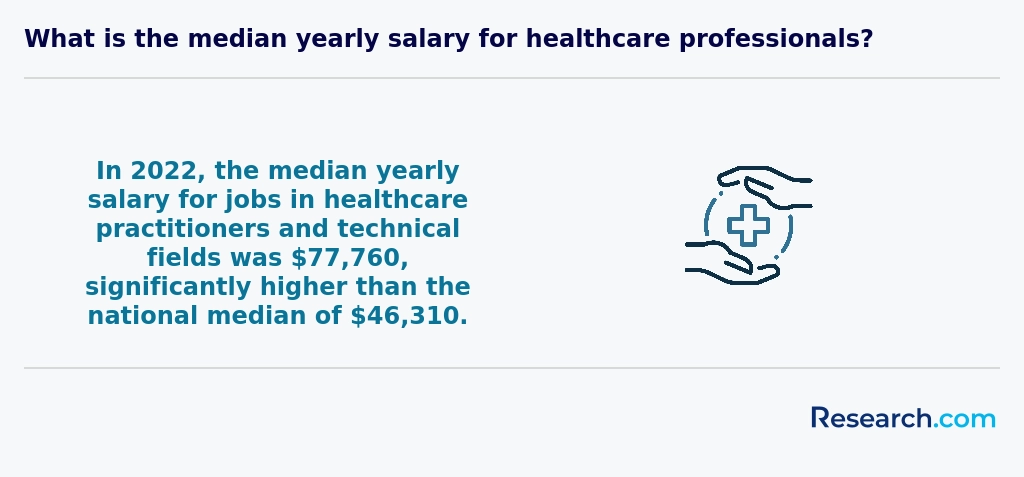
What career paths are available for healthcare degree students in Conway?
Healthcare degree career options in Conway are diverse and rewarding, offering graduates fulfilling roles that meet the needs of the community. Many students from popular colleges here find themselves stepping into positions as registered nurses in local hospitals and outpatient clinics, where their skills directly impact patient care. Others move into health information management, where they manage sensitive medical data and help strengthen healthcare technology systems-a growing field that combines healthcare with IT expertise.
Graduates also explore paths in public health, focusing on community initiatives in Conway and Faulkner County. These roles provide meaningful work improving health outcomes, especially in rural areas. Medical technician roles, such as radiology or surgical technology, attract those who prefer hands-on clinical environments, often supported by local educational programs emphasizing practical experience.
Many healthcare students gain confidence knowing that job opportunities for healthcare graduates Conway remain strong as regional healthcare infrastructure expands. Careers in administration are popular as well, where graduates manage complex hospital operations. For those interested in affordable education with strong local ties, exploring the valuable healthcare programs in arkansas can guide smart decisions about their future.
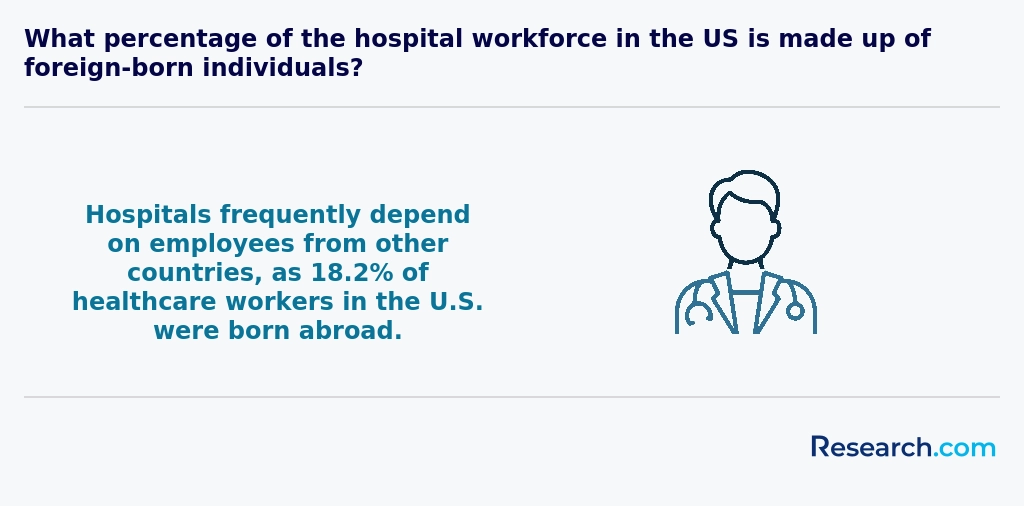
What is the job market for healthcare degree in Conway?
The healthcare job market in Conway offers encouraging prospects for graduates pursuing healthcare degrees, reflecting steady local growth. Many graduates from institutions like the University of Central Arkansas find themselves stepping into roles such as Registered Nurses and allied health professionals, where employers actively seek qualified individuals. By experiencing hands-on training and community healthcare exposure, these graduates often report confidence in their ability to meet local industry demands.
Healthcare job opportunities in Conway extend beyond clinical roles, with positions in administration and management also expanding as the healthcare system grows. Graduates appreciate that Conway's healthcare environment provides not only job opportunities but also a stable career path. The community-focused nature of local healthcare employers contributes to a rewarding professional experience.
Educational costs here are relatively manageable, with in-state tuition around $8,000 to $10,000 annually for healthcare programs, encouraging many students to invest wisely in their futures. For those weighing options, checking if are online masters degrees in nutrition affordable can be part of smart financial planning.
Understanding the Conway healthcare degree employment outlook is essential. Graduates often feel optimistic about job security due to the projected 15% growth in healthcare occupations and strong local employer support, making Conway a promising place to build a healthcare career.
Frequently Asked Questions About healthcare
Healthcare degree students in Conway can maximize their learning by combining academic knowledge with practical experience. Participating in clinical rotations at local hospitals, such as Conway Regional Health System, allows students to apply classroom concepts in real-world settings. According to the Arkansas Department of Higher Education, hands-on training improves job readiness by over 30% for healthcare graduates statewide.
Joining student organizations focused on healthcare fields helps develop professional networks and soft skills. Attending healthcare workshops and seminars hosted by nearby universities also enhances understanding of current medical practices and technologies.
Furthermore, utilizing campus resources like tutoring and career services supports academic success. Online platforms and simulation labs provide additional opportunities for mastering complex healthcare procedures. Staying engaged with both theoretical and practical learning is key to excelling in Conway's healthcare programs.
The healthcare field in Conway is evolving, with several emerging niches gaining prominence. Among these, telehealth has seen rapid growth, driven by advances in technology and increased patient demand. The University of Arkansas reports a 40% increase in telehealth programs locally since 2020.
Another fast-growing area is healthcare data analytics, focusing on improving patient outcomes through big data and AI. Conway's healthcare sector is investing in training professionals skilled in interpreting complex medical data.
Additionally, geriatric care is expanding due to the aging population in Arkansas. Specialized certification programs in gerontology are now more available, responding to this demographic shift.
Lastly, environmental health is emerging as a key niche, addressing the impact of environmental factors on community health in Conway and surrounding areas.
After completing a healthcare degree in Conway, preparing for the job market involves several key steps. First, gaining practical experience through internships or clinical rotations is essential. These opportunities build skills and connections with local healthcare providers. According to the U.S. Bureau of Labor Statistics, healthcare occupations in Arkansas are projected to grow by 15% from 2021 to 2031, signaling strong demand.
Networking plays a crucial role; attending local job fairs and joining professional associations helps graduates access hidden job markets. Additionally, obtaining relevant certifications and licenses needed in Arkansas improves employability. Developing a well-crafted resume and practicing interview skills are also important for success.
Employers in Conway prioritize several key skills when hiring healthcare degree graduates. Strong communication abilities are essential, as professionals must effectively interact with patients and multidisciplinary teams. According to the Arkansas Center for Health Improvement, healthcare roles in Conway require both verbal and written proficiency to ensure accurate patient care documentation and coordination.
Critical thinking and problem-solving skills are highly valued, enabling graduates to make informed decisions in fast-paced environments. Additionally, technical competency with electronic health records (EHR) systems is increasingly important given Conway's emphasis on digitized healthcare.
Empathy and cultural awareness also stand out, reflecting Conway's diverse population and the need for patient-centered care. Time management and teamwork skills complete the profile, supporting efficient workflow in local clinics and hospitals.
Finding healthcare internships in Conway involves strategic planning and active research. Begin by exploring local hospitals and clinics like Conway Regional Medical Center, which often offer internship programs for healthcare students. Contacting their human resources departments directly can provide up-to-date opportunities.
Another effective method is leveraging connections through healthcare degree programs at Central Baptist College or Hendrix College. These institutions may have established partnerships with local healthcare providers to place students in internships aligned with their studies.
The Arkansas Department of Workforce Services also lists healthcare internships and training programs available in Faulkner County, including Conway. Utilizing online job portals specific to healthcare or local government career sites can help locate openings suitable for students.
Networking through local healthcare associations and attending community health events are additional strategies for discovering internship placements. Early application is advisable due to competitive demand within Conway's expanding healthcare sector, which employed over 6,000 people as of 2022 according to the Arkansas Economic Development Commission.
Obtaining a healthcare degree in Conway significantly enhances career mobility and advancement opportunities. According to the U.S. Bureau of Labor Statistics, healthcare occupations are projected to grow 13% nationally from 2021 to 2031, creating numerous openings for qualified professionals. In Conway, the presence of multiple healthcare facilities, including hospitals and specialized clinics, means graduates can access a variety of roles ranging from nursing to health administration.
Higher education credentials often lead to higher wages; for example, nurses with bachelor's degrees in Conway earn approximately 15% more than those with only associate degrees, based on data from the Arkansas Department of Workforce Services. Additionally, earning certifications and advanced degrees enables professionals to qualify for supervisory and specialized positions within the local healthcare system.
Networking through local colleges and healthcare institutions in Conway further supports career advancement. Partnerships between education providers and healthcare employers facilitate internships and job placements, providing valuable real-world experience and improving employment prospects for degree holders in the area.
Studying for a healthcare degree in Conway equips students with skills essential for interdisciplinary roles, emphasizing collaboration across various healthcare fields. Programs often include coursework blending nursing, public health, and healthcare administration, fostering a broad understanding of patient care and system management.
The city's healthcare education aligns with national trends emphasizing teamwork, vital in settings like Conway Regional Medical Center, which employs over 1,800 staff across multiple specialties (American Hospital Association, 2023). Students gain experience through clinical rotations and partnerships with local hospitals, preparing them to work effectively with diverse healthcare professionals.
Additionally, communication and leadership training are integrated, reflecting the complexity of modern healthcare delivery.
Choosing between a thesis and a non-thesis healthcare degree program in Conway depends largely on your career goals and learning preferences. Thesis programs are research-focused, requiring students to conduct original research and write a detailed paper. This path suits those aiming for advanced research roles or doctoral studies.
Non-thesis options often emphasize practical skills and coursework, which can prepare students for immediate employment in clinical or administrative positions. According to the U.S. Bureau of Labor Statistics, Conway's healthcare sector is growing steadily, favoring candidates with hands-on experience.
It is advisable to consider faculty expertise, program flexibility, and potential for internships available locally in Conway when making your decision.
Students based in Conway who wish to study healthcare abroad have a variety of options through partnerships between local colleges and international institutions. While Conway itself has a growing healthcare education sector-Arkansas State University Mid-South reports a 12% increase in healthcare graduates recently-students interested in global programs often explore exchange programs or dual-degree opportunities offered by U.S. universities.
Many U.S. institutions facilitate study-abroad experiences in countries with advanced medical training, such as the United Kingdom, Canada, and Australia. These programs usually focus on healthcare management, nursing, or public health, aligning with current U.S. healthcare standards and accreditation.
Financial aid and scholarships are increasingly available to support these international experiences. Students are encouraged to consult with academic advisors to identify accredited programs that meet licensing requirements for healthcare careers in the U.S.
In Conway, part-time job opportunities that complement healthcare degree education include roles such as certified nursing assistant (CNA), medical receptionist, and pharmacy technician. These positions provide hands-on experience in clinical and administrative settings, enhancing practical skills alongside academic knowledge.
According to the Arkansas Department of Workforce Services, healthcare support occupations in the Conway area are expected to grow by 12% through 2028, highlighting strong demand for part-time clinical roles. Working as a CNA, for example, can improve patient care skills and build professional networks essential for future healthcare careers.
Other roles like medical billing specialist or health information technician develop knowledge in healthcare documentation and insurance processes, which are critical in many healthcare careers. These jobs often offer flexible hours suitable for students balancing coursework.
Healthcare students in Conway benefit from several strong networking opportunities supported by local institutions and healthcare providers. University of Central Arkansas (UCA), the main higher education institution in Conway, hosts numerous events, workshops, and career fairs focused on healthcare fields. These events connect students with local hospitals, clinics, and public health organizations.
Conway's close proximity to medical centers like Conway Regional Health System offers students internships and practical experiences that are crucial for professional networking. According to the Arkansas Department of Higher Education, students engaging in internships in the state have a 30% higher employment rate within six months post-graduation.
Additionally, professional associations such as the Arkansas Nurses Association and the Healthcare Executives of Arkansas offer chapters and meetings in the region, providing access to mentors and industry leaders. These connections help students build relationships that can support their career growth.
Alumni networks play a significant role in supporting healthcare degree students in Conway. These networks connect current students with graduates who have experience in local hospitals, clinics, and public health organizations. This connection provides valuable mentorship and guidance during academic and career planning.
Additionally, alumni can offer internship opportunities and job referrals, crucial in a competitive healthcare market. According to the Arkansas Department of Health, Conway's healthcare sector grew by 5% over the past three years, increasing demand for skilled professionals.
Participation in alumni events also helps students build professional relationships and stay informed about industry trends and continuing education.
Customizing a healthcare degree program in Conway allows students to tailor their education to specific career goals. Many local colleges and universities offer flexible curricula where you can choose specialized courses in nursing, health administration, or public health. For example, students may select electives focusing on rural health, which is particularly relevant in Conway's largely underserved areas, according to the Arkansas Department of Health.
Internships and clinical placements in nearby Conway hospitals and clinics provide hands-on experience, enhancing practical skills. Additionally, some institutions provide opportunities for research projects aligned with emerging healthcare trends in the region. These options enable students to build a portfolio matching their desired healthcare profession.
Healthcare students in Conway often face challenges related to balancing rigorous coursework with clinical training. The demanding curriculum requires mastering both theoretical knowledge and hands-on skills, which can be stressful. Limited local clinical placement sites sometimes create competition among students for practical experience, extending program durations.
Financial strain is another common issue, as healthcare programs can be costly. According to the Arkansas Department of Higher Education, many students rely on loans, increasing their debt burden upon graduation.
Additionally, adapting to fast-changing healthcare technologies and regulations adds to the complexity of their education. Support services, including tutoring and counseling, are increasingly important for student success.
With a healthcare degree in Conway, graduates can pursue various professional certifications to enhance their careers and meet local healthcare demands. Common certifications include Registered Nurse (RN), Certified Medical Assistant (CMA), and Licensed Practical Nurse (LPN). These credentials are often required for clinical roles and boost employability in Conway's healthcare facilities.
Additionally, certifications such as Certified Pharmacy Technician (CPhT) and Emergency Medical Technician (EMT) are accessible with relevant education. The Arkansas Department of Health emphasizes the importance of certifications, noting that certified professionals generally earn higher salaries and have better job stability.
Many programs in Conway also support certification preparation through specialized courses aligned with national exam standards.
Applying for a healthcare program in Conway requires careful preparation to stand out. Start by researching programs offered by local institutions such as the University of Central Arkansas, which is known for strong nursing and health sciences departments. Highlight your academic achievements with a focus on science courses, especially biology and chemistry, as admissions committees value relevant coursework.
Personal statements should clearly convey your motivation for entering healthcare, demonstrating empathy and communication skills. Include any volunteer or work experience in healthcare settings within Conway - local hospitals like Conway Regional Medical Center can be excellent examples.
Strong letters of recommendation from instructors or healthcare professionals familiar with your abilities will strengthen your application. Finally, ensure your application is complete and submitted before deadlines to maximize your chances.
Healthcare careers are increasingly viewed through a global lens, reflecting the interconnected nature of health challenges worldwide. In the United States, and specifically in Conway, Arkansas, students pursuing healthcare degrees benefit from curricula that emphasize both local and international health issues. According to the U.S. Bureau of Labor Statistics, healthcare occupations are projected to grow 13% from 2021 to 2031, showing strong demand nationally and globally.
Global health perspectives encourage adaptability to diverse populations and health systems. Graduates from Conway's programs engage with topics like infectious disease control, chronic illness management, and health equity, preparing them for work in various international settings. Understanding global trends enhances a graduate's ability to contribute meaningfully in an increasingly diverse healthcare environment.
Gaining practical experience while studying for a healthcare degree in Conway is essential for building skills and enhancing employability. Many local colleges and universities incorporate clinical rotations or internships into their healthcare programs, allowing students to work in nearby hospitals, clinics, or long-term care facilities.
Students can take advantage of partnerships between educational institutions and healthcare providers such as Conway Regional Health System. These partnerships often provide hands-on opportunities in a real-world setting. Additionally, volunteering at healthcare organizations and participating in simulation labs on campus can further develop practical skills.
The Arkansas Department of Workforce Services notes that practical experience significantly improves job readiness for healthcare graduates in Conway. Engaging in such activities while studying helps students understand patient care, medical procedures, and healthcare operations more thoroughly.
Choosing the right concentration within a healthcare degree program in Conway requires careful consideration of your career goals and local job market demands. Conway, Arkansas, has a growing healthcare sector, with the Arkansas Department of Health reporting a 10% increase in healthcare employment since 2018. Popular concentrations include nursing, health information management, and public health, reflecting regional needs.
Research local employers such as Conway Regional Medical Center to understand which specialties are in demand. Also, consider accreditation and program quality, ensuring your chosen concentration prepares you for certification or licensure exams relevant to Arkansas.
Finally, internships and clinical placement opportunities in Conway can influence your decision, providing practical experience that employers value.
Related Healthcare Rankings for Nearby Cities
- 2027 Most Valuable Healthcare Degree Programs Ranking in Little Rock
- 2027 Most Valuable Healthcare Degree Programs Ranking in Jackson
- 2027 Most Valuable Healthcare Degree Programs Ranking in Columbia
- 2027 Most Valuable Healthcare Degree Programs Ranking in Saint Louis
- 2027 Most Valuable Healthcare Degree Programs Ranking in Wichita
- 2027 Most Valuable Healthcare Degree Programs Ranking in Hattiesburg
- 2027 Most Valuable Healthcare Degree Programs Ranking in Baton Rouge
- 2027 Most Valuable Healthcare Degree Programs Ranking in Birmingham
- 2027 Most Valuable Healthcare Degree Programs Ranking in New Orleans
- 2027 Most Valuable Healthcare Degree Programs Ranking in Peoria
Top Trending Healthcare Rankings
See What Experts Have To Say About Studying Healthcare
Read our interview with Healthcare experts

References
- How to Choose a Health Administration Program https://www.healthadministrationdegrees.com/articles/choosing-a-program/
- Online Degree vs. Traditional: Choosing the Right Path https://beal.edu/online-degree-vs-traditional/
- Education requirements for the fastest-growing healthcare jobs https://www.corridorcareers.com/job-tips/blog-news-education-requirements-fastest-growing-healthcare-jobs
- Health Sciences Study Abroad Programs - Healthcare Abroad https://www.ceastudyabroad.com/academic-discipline/health-sciences
- Global Health Perspectives https://www.denvercollegeofnursing.edu/students/global-health-perspectives.html
- MSN Admission Requirements https://nursing.catholic.edu/programs-admission/graduate-programs/complex-healthcare-systems-administration-msn/msn-admission-requirements
- 1+ Healthcare Cover Letter Examples (with In-Depth Guidance) https://www.tealhq.com/cover-letter-examples/healthcare
- The Value of Healthcare Organization Alumni Associations https://consultqd.clevelandclinic.org/the-value-of-healthcare-organization-alumni-associations
- How to choose a bachelor's in healthcare administration | edX https://www.edx.org/resources/how-to-choose-a-bachelors-in-healthcare-administration
- Trends and opportunities in healthcare across emerging markets - Inizio https://inizio.com/insights/trends-and-opportunities-in-healthcare-across-emerging-markets/


