2027 Best Healthcare Degree Programs Ranking in Dayton

Co-Founder and Chief Data Scientist
Considering a career in healthcare? Choosing the right degree program can shape your future in this rewarding field. Our article presents the 2027 Best Healthcare Degree Programs Ranking in Dayton, thoughtfully developed by the Research.com team of data scientists.
This ranking helps you identify quality programs that match your goals and aspirations. Exploring these options allows you to make an informed decision and invest in education that truly matters.
Discover opportunities that lead to meaningful work and personal growth. Your journey toward a fulfilling healthcare career starts here.
Key benefits of getting healthcare degree in Dayton
- Healthcare degree graduates in Dayton can expect competitive salaries, such as Medical Assistants earning a mean annual wage of $43,350 and Patient Care Technicians making about $60,790 per year, reflecting strong financial opportunities.
- Graduates from Dayton colleges often find diverse career paths, from Clinical Research Coordinators to Quality Improvement Coordinators, offering exciting roles that match many interests and lifestyles.
- Online healthcare degrees provide flexibility and accessibility, allowing Dayton students to balance work and study while gaining the same valuable skills as traditional programs, enhancing career readiness without sacrificing time.
- Key benefits of getting healthcare degree in Dayton
- What can I expect from healthcare degree in Dayton?
- Where can I work with healthcare degree in Dayton?
- How much can I make with healthcare degree in Dayton?
- 2027 Best Healthcare Degree Programs Ranking in Dayton
- Key Findings
- How long does it take to complete healthcare degree in Dayton?
- What to Expect When Enrolling in a Healthcare Degree Program in Dayton, OH
- What's the difference between online and on-campus healthcare degree?
- What to Expect from Healthcare Programs in Dayton, OH
- What is the average cost of healthcare degree in Dayton?
- Clinical Placement and Internship Opportunities in Dayton, OH
- What financial aid is available to healthcare degree students in Dayton?
- What are the prerequisites for enrolling in healthcare degree program in Dayton?
- Clinical Training and Internship Opportunities
- What courses are typically in healthcare degree programs in Dayton?
- What types of specializations are available in healthcare degree programs in Dayton?
- How do you choose the best healthcare degree in Dayton?
- What career paths are available for healthcare degree students in Dayton?
- What is the job market for healthcare degree in Dayton?
- Top Trending Healthcare Rankings
- See What Experts Have To Say About Studying Healthcare
What can I expect from healthcare degree in Dayton?
The average cost of a healthcare degree in Dayton varies, but students often find community colleges offer affordable paths into allied health careers, with tuition significantly lower than four-year universities. Graduates from schools like Wright State University mention managing costs effectively by combining scholarships, financial aid, and part-time work, which made pursuing nursing and public health degrees manageable without overwhelming debt.
For example, a typical bachelor's program at Wright State may cost more upfront but includes valuable clinical rotations within Dayton's top hospitals, which enhances job readiness and justifies the investment. Many students appreciate how flexible scheduling options, including evening and part-time courses, allow them to continue working while studying, reducing financial pressure.
Community college graduates often share positive experiences about entering the workforce faster due to lower tuition and quicker program completion, while university graduates highlight their broader career advancement opportunities as a return on their cost. Overall, cost-effective planning and leveraging Dayton's financial aid resources can make a healthcare degree attainable and rewarding.
Where can I work with healthcare degree in Dayton?
Graduates with a healthcare degree in Dayton can find fulfilling careers in a variety of local settings where demand is strong and growth continues.
Many graduates from Wright State University quickly secure positions at leading hospitals like Miami Valley Hospital or Dayton Children's Hospital, where roles range from registered nurses to clinical researchers. These environments offer hands-on experience with diverse patient populations, helping new professionals build confidence and skills.
Others pursue opportunities in outpatient care centers and clinics, providing specialized treatments such as physical therapy or behavioral health services. Those with healthcare administration degrees often find rewarding roles managing operations or coordinating care, gaining valuable leadership experience that Dayton-based healthcare employers appreciate.
Graduates working in senior living communities and long-term care facilities serve Dayton's aging population, delivering essential support in geriatric nursing and rehabilitation. These roles bring meaningful interaction and a real sense of making a difference in people's lives.
In addition, Dayton's proximity to research hubs and pharmaceutical companies enables healthcare degree holders to enter clinical trials or biomedical research sectors, leveraging connections fostered by local colleges' partnerships.
How much can I make with healthcare degree in Dayton?
Graduates with healthcare degrees in Dayton can expect solid earning potential right after completing their programs at institutions like Sinclair Community College or University of Dayton. For instance, medical assistants typically earn around $43,350 annually, reflecting the practical, entry-level roles available to many recent graduates. This salary allows new professionals to comfortably start their careers while gaining valuable experience.
Those graduating into roles such as patient care technicians enjoy higher wages, averaging about $60,790 per year, which offers a clear step up in financial stability. Health information technicians also make similar earnings near $43,380, showing the variety of administrative and technical opportunities in the local healthcare sector.
Graduates aiming for more specialized positions, like quality improvement coordinators, see impressive salaries reaching approximately $103,150 annually. These roles, often pursued by those with advanced training, combine practical skills with leadership elements, supporting career growth and strong job satisfaction.
Many graduates from Dayton's healthcare programs describe their early salary as both motivating and reassuring, providing a reliable foundation to build skills and advance their careers in the thriving local healthcare market.
2027 Best Healthcare Degree Programs Ranking in Dayton
How do we rank schools?
Investing in your education is a significant decision that can shape your future, and the Research.com team understands the importance of making informed choices. To assist prospective students in Dayton, we have meticulously crafted the "2027 Best Healthcare Degree Programs Ranking in Dayton." Our commitment to quality, credibility, and accuracy is reflected in the extensive research and analysis conducted to compile this ranking.
We utilized the following reputable data sources to ensure a comprehensive evaluation of healthcare programs:
By exploring this ranking, readers will gain valuable insights into the best healthcare degree programs available in Dayton, helping them make informed decisions about their educational paths. For more details on our methodology, please visit our Research.com methodology page.

.webp)
Key Findings
- Tuition for healthcare programs in Dayton ranges from $10,000 to $22,000 per year for in-state students, with community colleges being less expensive than universities.
- Entry-level salaries for healthcare graduates typically start around $45,000 annually, increasing to $70,000-$90,000 with experience and certification.
- The healthcare job market in Dayton is growing at about 15% over the next decade, driven by an aging population and expanding facilities.
- Over 60,000 healthcare professionals work in Dayton, with opportunities in nursing, medical technology, physical therapy, and healthcare management.
- Local accredited programs include clinical experience through hospital partnerships, helping meet national certification standards and improve job placement.
- Financial aid and scholarships are available, including state grants and federal aid, to help healthcare students with education costs.
How long does it take to complete healthcare degree in Dayton?
Completing a healthcare degree in Dayton typically follows familiar timelines but adapts to your lifestyle and goals. For example, graduates from Sinclair Community College, known for its associate programs, often finish in about two years of full-time study. This duration suits those eager to start working in medical assisting or nursing roles quickly. If you're aiming higher, Wright State University's bachelor programs usually take around four years, aligning with the standard timeline for full-time students pursuing degrees like Nursing or Health Sciences.
Many graduates praise the flexibility offered by programs at the University of Dayton, where master's degrees can range from 1.5 to 3 years, especially helpful if you juggle work and study. Part-time options and accelerated courses enable students to progress faster or accommodate busy schedules, making it manageable to advance in healthcare.
Keep in mind, clinical placements essential for certification may extend your studies slightly, but they provide invaluable hands-on experience that feels rewarding and empowering in your path toward a healthcare career.
What to Expect When Enrolling in a Healthcare Degree Program in Dayton, OH
Enrolling in a healthcare degree program in Dayton, OH means stepping into an environment that balances rigorous academic learning with practical, hands-on experiences. Prospective students can expect a curriculum that not only covers traditional coursework in anatomy, physiology, and medical ethics but also emphasizes real-world skills through clinical practicums, lab sessions, and collaborative projects. From the onset, students are provided with robust academic support, including tutoring services, career counseling, and networking events that connect them with industry professionals. The transition into the healthcare field is made smoother by advising on selecting the right specialization and understanding state-specific licensure requirements. For those mindful of education expenses, there are resources available to explore more affordable learning options; for instance, you can review the cheapest healthcare programs in ohio to compare costs and benefits across institutions. Additionally, many programs integrate technology-driven platforms, such as online coursework and virtual simulations, ensuring that even those enrolled in digital programs receive a comprehensive, interactive education. Understanding what to expect from the program-ranging from academic challenges to career-ready training-equips you with the confidence to embark on a rewarding journey in the healthcare sector.
What's the difference between online and on-campus healthcare degree?
Choosing between online and on-campus healthcare degrees in Dayton often hinges on your lifestyle and learning preferences. On-campus programs at places like Wright State University offer face-to-face interaction and hands-on clinical experiences at local hospitals, vital for careers requiring direct patient care. Graduates recall how practicing skills in person built their confidence and professional readiness.
In contrast, online degrees provide flexibility, great for working adults balancing family or jobs. These programs deliver lectures and labs virtually but still require clinical hours that students complete locally, fitting around their schedules. Graduates value the convenience of studying from home while gaining real-world experience nearby.
Cost and networking differ too. On-campus students experience the full Dayton college environment, accessing libraries and career services and building lasting professional connections. Online learners save on housing and transport but may miss some in-person interactions.
Understanding these factors helps tailor your path, ensuring your healthcare education fits both your personal and professional goals in Dayton's vibrant medical community.
What to Expect from Healthcare Programs in Dayton, OH
Healthcare degree programs in Dayton blend rigorous academics with hands-on training to prepare you for real-world patient care. You’ll begin with foundational coursework-such as anatomy, physiology, and medical terminology-before moving into simulation labs equipped with state-of-the-art manikins that mimic clinical scenarios. Expect small class sizes that foster peer collaboration and direct faculty mentorship, ensuring you master critical skills like IV insertion, wound care, and patient assessment under expert supervision. Clinical rotations are a cornerstone of Dayton’s healthcare education. Partnering hospitals- including Miami Valley Hospital and Dayton Children’s Hospital-provide diverse settings where you’ll complete 400–600 hours of supervised practice. These rotations not only reinforce classroom learning but also build professional networks and often lead to job offers upon graduation. Most programs also incorporate interprofessional experiences, giving you the opportunity to collaborate with students in nursing, public health, and allied health fields. Career services teams guide you through resume workshops, interview prep, and job fairs focused on the Dayton area. If you’re considering an online pathway for greater flexibility, explore our Cheapest Online Healthcare Degree Programs Ranking in St. Davids, PA to compare costs and curriculum models. By balancing theoretical knowledge, practical skills, and professional development, Dayton’s healthcare programs ensure you’re ready to excel from day one in your chosen field.
What is the average cost of healthcare degree in Dayton?
The average cost of a healthcare degree in Dayton typically centers around a median total of about $50,406, with in-state students paying closer to $30,331. Graduates from Wright State University and the University of Dayton often share how strategically managing tuition costs and supplementing them with scholarships helped them navigate expenses more comfortably. Dayton's healthcare degree tuition and fees generally reflect these figures, giving local students a clearer picture of what to expect financially.
Many pursuing associate degrees at community colleges like Sinclair benefit from more affordable tuition, often falling well below this median. These programs provide a strong foundation and allow students to enter healthcare fields quicker while limiting debt. Students aiming for bachelor's or graduate degrees should prepare for higher annual costs but can explore financial aid options, including federal programs and local grants, to ease the burden.
Dayton students understand that additional costs beyond tuition-such as textbooks, uniforms, and clinical fees-can add up and plan accordingly. Being aware of these expenses early on contributes to a more informed budget and reduces surprises during the program.
For those researching options, reviewing the cheapest healthcare programs in ohio can point toward cost-effective pathways without sacrificing quality. This practical approach empowers prospective students to pursue their healthcare goals confidently and sustainably.
Clinical Placement and Internship Opportunities in Dayton, OH
Securing hands-on experience through clinical placements and internships is a cornerstone of any healthcare degree program in Dayton. Local institutions maintain strong partnerships with leading healthcare providers, ensuring students graduate with real-world skills and professional networks. Key clinical sites and partnerships: • Miami Valley Hospital: Offers a rotational internship program for nursing and allied health students, with dedicated preceptors guiding clinical assessments and patient care. • Premier Health Partners: Provides observational and active-role internships in departments such as emergency medicine, radiology, and health informatics. • Dayton Children’s Hospital: Specializes in pediatric rotations, allowing students to develop compassionate care techniques and family-centered communication skills. • Veterans Affairs Dayton Healthcare System: Focuses on geriatric and mental health internships, preparing students for work with diverse patient populations. How to maximize your placement experience: 1. Early Application: Submit clinical clearance documents-immunizations, background checks, and health screenings-at least six weeks before the semester begins. 2. Professional Networking: Attend on-campus career fairs and virtual info sessions hosted by the University of Dayton and Wright State University to connect with site coordinators. 3. Reflective Practice: Keep a clinical journal to record patient interactions, procedural techniques, and feedback from supervising clinicians. This not only boosts learning but also strengthens your résumé. Balancing cost with quality training is essential. Prospective students seeking flexible, affordable options may also consider the Cheapest Online Healthcare Degree Programs Ranking in St. Davids, PA to compare clinical requirements and tuition rates. By proactively engaging with these local and online opportunities, you’ll gain the confidence and credentials needed for a successful healthcare career in Dayton.
What financial aid is available to healthcare degree students in Dayton?
Dayton students pursuing healthcare degrees can tap into several financial aid sources that make education more affordable. Graduates from institutions like Sinclair Community College often mention how filing the FAFSA opened doors to federal Pell Grants, which helped cover a significant part of tuition without adding debt. These grants are crucial since healthcare programs may cost more than the average $11,000 yearly tuition due to specialized equipment and clinical requirements.
State aid like the Ohio College Opportunity Grant (OCOG) further eases expenses for eligible Dayton residents, especially those with demonstrated financial need. Many graduates recall how these grants combined with scholarships from local groups-such as the Ohio Nurses Foundation and Dayton Foundation-offered thousands of dollars to fund their studies in nursing or allied health fields.
Current healthcare employees in Dayton also benefit from employer tuition reimbursement programs, helping them balance work and education without financial strain. Payment plans and emergency grants from community colleges provide additional safety nets during challenging times, helping students stay focused on their ambitions.
What are the prerequisites for enrolling in healthcare degree program in Dayton?
To enroll in a healthcare degree program in Dayton, you must have a high school diploma or GED with strong foundations in biology, chemistry, and math. Graduates from Wright State University recall that completing these courses helped them confidently tackle anatomy and physiology classes later. Many programs ask for SAT or ACT scores, although test-optional policies can sometimes waive this.
For bachelor's programs like nursing or public health, submitting solid transcripts is key. Dayton students found that having college-level courses in general chemistry and statistics eased their transition into advanced healthcare subjects. Those pursuing specialties such as physician assistant or advanced nursing often benefit from hands-on patient care experience-anywhere from 500 to 2,000 clinical hours, which local programs highly value.
Don't forget the importance of strong letters of recommendation and a personal statement that genuinely reflects your passion for healthcare. Many Dayton applicants share how these documents opened doors by showing their dedication beyond academics, making their applications stand out in competitive admissions processes.
Clinical Training and Internship Opportunities
Hands-on clinical experience is the cornerstone of any reputable healthcare degree in Dayton, OH, ensuring graduates are practice-ready and confident in real-world settings. Most programs require 300–700 hours of supervised clinical rotations or internships, during which students work alongside licensed professionals in hospitals, outpatient clinics, and community health centers. Key highlights include:
- University of Dayton Simulation Labs: Equipped with high-fidelity manikins and mock operating rooms, these labs allow nursing and allied health students to practice procedures-from IV insertions to emergency response-in a controlled environment before entering patient care settings.
- Wright State University Partnerships: Through formal agreements with Dayton Children’s Hospital and local rehabilitation centers, students gain exposure to pediatrics, physical therapy, and specialized units, solidifying their practical skills under expert supervision.
- Sinclair Community College Clinical Externships: Sinclair’s career services office coordinates externships at over 50 healthcare facilities, matching students’ interests in roles such as medical assisting, health information management, and laboratory services. To maximize internship success, students are encouraged to: 1. Begin site research early-reach out to program advisors by the second semester. 2. Maintain a professional portfolio of skills checklists and supervisor evaluations. 3. Leverage campus career fairs to network with preceptors and clinical coordinators. For those interested in public health concentrations, it’s wise to compare public health programs that offer financial aid, as many unpaid field placements can strain student budgets. By integrating robust clinical training with community-focused internships, Dayton’s healthcare degrees empower graduates to step confidently into diverse roles-be it at a busy emergency ward or a preventative health outreach team.
What courses are typically in healthcare degree programs in Dayton?
Healthcare degree programs in Dayton typically include foundational science courses like anatomy, physiology, microbiology, and medical terminology. These courses build essential knowledge for understanding the human body and medical language, which graduates from local colleges find invaluable when starting clinical practicums at places like Dayton Children's Hospital.
Beyond science, students take classes in healthcare ethics, patient care, and public health to gain insight into responsibilities and challenges healthcare providers face daily. For instance, nursing students often share how lessons in cultural competence and patient privacy prepare them for Dayton's diverse communities.
Specialized courses vary by program. Health information management students focus on electronic health records and medical coding, while medical assisting programs emphasize clinical skills through hands-on training. Graduates frequently highlight internships at Miami Valley Hospital as pivotal experiences that boosted their confidence and practical know-how.
Many Dayton healthcare programs also stress teamwork through interprofessional education, helping students develop collaboration skills essential for thriving in fast-paced healthcare settings.
What types of specializations are available in healthcare degree programs in Dayton?
Healthcare degree specializations in Dayton cover a range of practical options tailored to meet local and national demand. Nursing remains a dominant choice, with tracks including registered nursing, nurse practitioner, and nurse anesthetist. Graduates from popular Dayton colleges often share how clinical rotations at major hospitals like Dayton Children's deeply enriched their hands-on learning. Allied Health specializations, such as medical laboratory technology, radiologic technology, and respiratory therapy, are also highly sought after, with students appreciating the strong job placement support available locally.
Many Dayton healthcare program specialization options extend to Health Administration and Healthcare Management, ideal for those drawn to organizational roles in expanding healthcare services. Student experiences often highlight internships that sharpen leadership skills within hospital systems. Rehabilitation-focused fields like Physical and Occupational Therapy attract students eager to assist Dayton's aging population, while Public Health programs emphasize community wellness initiatives, offering meaningful opportunities for impact.
For those interested in related fields, some students supplement their education by exploring the ranking of the best bachelors degrees in nutritional science online, blending nutrition with healthcare expertise for broader career prospects.
How do you choose the best healthcare degree in Dayton?
To choose the best healthcare degree programs Dayton offers, start by focusing on programs that align with your career goals, whether that's nursing, medical technology, or health administration. Graduates often praise Wright State University for its accredited degrees and strong ties to local hospitals like Miami Valley Hospital, which provide valuable clinical rotations. These hands-on experiences prepare students for real healthcare challenges and boost job prospects.
Affordability is a key factor; many Dayton students find public universities offer competitive tuition ranging from $10,000 to $15,000 annually. Exploring financial aid through public health programs that offer financial aid can further lighten the cost burden. Prospective students should also verify program accreditation by agencies like the Commission on Collegiate Nursing Education to ensure quality education recognized by employers.
Finally, check outcomes such as graduation rates and job placement, which reflect a program's success. Choosing programs with strong connections to Dayton's expanding healthcare sector increases your chances of timely employment and career growth, making your investment truly worthwhile.
What career paths are available for healthcare degree students in Dayton?
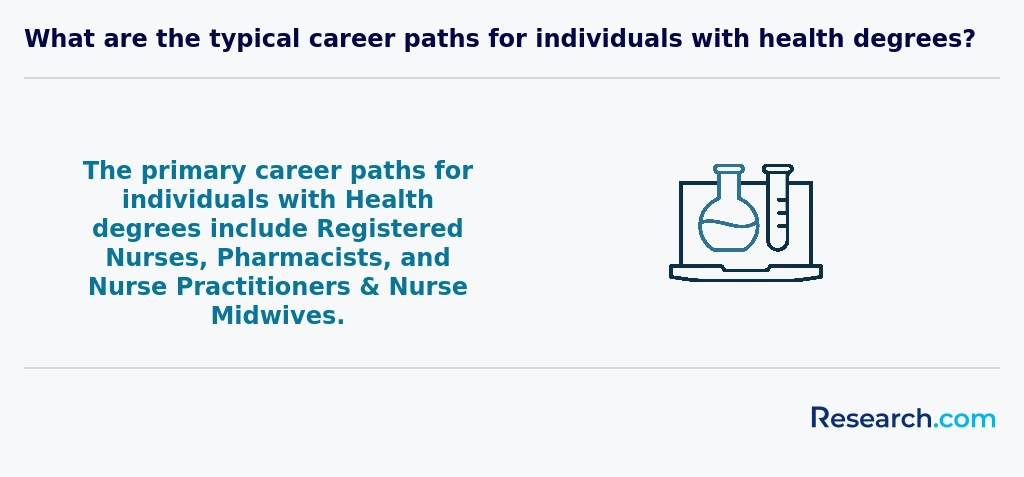
Graduates with healthcare degrees in Dayton find diverse career paths across clinical, administrative, and specialized roles. Many secure positions as registered nurses, physician assistants, or physical and occupational therapists at local institutions like Miami Valley Hospital or Wright-Patterson Air Force Base's Medical Center, where hands-on patient care combines with community impact. These roles offer steady demand and satisfaction from helping others directly, reflecting strong Dayton healthcare degree job prospects.
Others pursue healthcare administration or management, overseeing operations and improving services at Dayton's clinics and hospitals. Graduates often mention gaining leadership skills at regional universities that prepare them to thrive in these expanding roles. There's also growing interest in health informatics, where familiarity with digital records and telehealth enhances career options as technology transforms healthcare.
For students drawn to research and pharmaceuticals, Dayton's proximity to universities supports opportunities in public health projects and clinical trials. Those seeking cost-effective education might explore the Cheapest Online Healthcare Degree Programs Ranking in St. Davids, PA for alternative pathways to advance their careers.
- Registered Nurse (RN)
- Physician Assistant (PA)
- Healthcare Administrator or Manager
- Physical or Occupational Therapist
- Health Informatics Specialist
- Public Health Researcher
What is the job market for healthcare degree in Dayton?
The healthcare job opportunities in Dayton are strong and expanding, offering graduates from local institutions like the University of Dayton and Sinclair Community College a favorable employment outlook. These graduates often find roles as registered nurses, nurse practitioners, health informatics specialists, and medical managers in Dayton Children's Hospital and Miami Valley Hospital. Their experience during clinical rotations and internships at these facilities frequently leads directly to job offers. The city's healthcare sector growth-about 15% expected over the next decade-matches increased demand for skilled professionals.
Many healthcare degree holders appreciate the competitive salaries in Dayton, such as the approximately $65,000 median wage for registered nurses. These earnings balance well against the moderate cost of education locally, which typically ranges from $10,000 to $12,000 annually for in-state public university students. Graduates often feel confident about their financial return, especially when considering specialized training options or exploring the highest paid certificate programs to boost career prospects.
For those weighing their future in healthcare, Dayton's market combines ample entry-level opportunities with growth potential, making it a practical choice to launch a career in this vital field.
Frequently Asked Questions About healthcare
Healthcare degree students in Dayton can maximize their learning by engaging in clinical internships offered through local hospitals such as Miami Valley Hospital and Dayton Children's Hospital. Practical experience is crucial for applying classroom knowledge to real-world settings.
Additionally, students should take advantage of Dayton's partnerships between educational institutions and healthcare providers, which often provide mentorship programs. According to the Dayton Development Coalition, healthcare is the city's second-largest employment sector, making networking vital.
Participating in research projects at local universities can also enhance understanding of emerging healthcare trends. Finally, staying updated on healthcare regulations via Ohio's Board of Nursing or Medical Board supports academic and professional growth.
The healthcare field in Dayton is rapidly evolving, with emerging niches that reflect broader national trends. Areas such as telehealth and digital health solutions are expanding due to increased demand for remote patient monitoring and virtual care services. According to the Dayton Development Coalition, local healthcare providers are investing heavily in health informatics, which combines IT expertise and healthcare knowledge to improve patient outcomes.
Another growing niche is occupational health and wellness, driven by Dayton's large manufacturing sector, which requires specialized healthcare professionals to manage workplace safety and employee well-being. Additionally, precision medicine and genomics are gaining traction as Dayton institutions collaborate with research centers to develop personalized treatment plans.
These trends present promising opportunities for students pursuing healthcare degrees in Dayton, aligning education with the region's innovative health industry developments.
After completing a healthcare degree in Dayton, preparing for the job market involves multiple strategic steps. First, gaining relevant clinical experience through internships or volunteer roles at local hospitals such as Dayton Children's Hospital or Miami Valley Hospital enhances practical skills.
Networking is crucial: attending healthcare job fairs hosted by institutions like Wright State University can connect graduates with employers directly.
Licensure and certification requirements vary by profession; therefore, understanding Ohio's specific state regulations and preparing for exams such as the NCLEX for nurses is essential.
Additionally, strong communication and technological skills improve employability, as Dayton healthcare employers increasingly use electronic health records and telemedicine tools.
Employers in Dayton's healthcare sector prioritize a combination of technical and interpersonal skills in graduates. Clinical competency, including proficiency in electronic health records (EHR) and patient care techniques, is essential due to the region's advanced medical facilities like Miami Valley Hospital.
Communication skills rank high, as effective interaction with patients and healthcare teams is critical for quality care. According to Dayton Regional Chamber reports, teamwork and adaptability are also key, reflecting the fast-paced changes in healthcare protocols.
Additionally, employers seek graduates with strong critical thinking and problem-solving abilities to handle complex medical situations efficiently.
Finding internships in Dayton relevant to healthcare degrees involves a strategic approach. Begin by connecting with local hospitals such as Dayton Children's Hospital and Premier Health, which regularly offer clinical internship opportunities. These institutions often collaborate with educational programs to provide hands-on experience.
Students should also explore internship postings through Dayton-area colleges like the University of Dayton, which maintain partnerships with healthcare providers. Leveraging career services at these schools can increase chances of securing placements.
Additionally, professional organizations such as the Dayton Area Hospital Association provide networking events and internship listings. According to the Ohio Department of Job and Family Services, healthcare roles are among the fastest growing in Dayton, highlighting strong internship availability.
In Dayton, earning a healthcare degree significantly enhances career mobility and advancement opportunities. The city's growing healthcare sector, including institutions such as Miami Valley Hospital and Dayton Children's Hospital, demands skilled professionals with formal education. According to the U.S. Bureau of Labor Statistics, healthcare occupations in the Dayton metro area are projected to grow by 10% through 2030, faster than average job growth nationally.
Healthcare degrees provide essential clinical knowledge and certifications that qualify graduates for specialized roles. Degree holders often access higher salaries and leadership positions than those without formal education. Additionally, Dayton's healthcare employers frequently prefer candidates with degrees for promotions and job transitions within the sector, which increases career flexibility.
Local educational programs offer pathways from certificates to advanced degrees, supporting continuous professional development. This education structure enables workers in Dayton to adapt to evolving healthcare technologies and regulations, further aiding upward mobility in the field.
Studying for a healthcare degree in Dayton equips students with skills essential for interdisciplinary roles. Local programs emphasize teamwork across nursing, public health, and allied health professions, reflecting the collaborative nature of modern healthcare. Dayton's healthcare institutions, including Premier Health and Kettering Health Network, partner with universities to offer clinical experiences fostering coordination among diverse medical teams.
According to the Dayton Development Coalition, interdisciplinary skills enhance employability in this region, where integrated care models are expanding. Students often engage in simulation labs and community projects designed to improve communication and problem-solving across specialties. This holistic approach prepares graduates to function effectively within complex healthcare systems.
Choosing between a thesis and a non-thesis healthcare degree program in Dayton depends on your career goals and learning preferences. A thesis option requires original research and is ideal for students aiming at academic or research careers. It usually takes longer to complete due to the writing and defense of the thesis. Non-thesis programs focus more on coursework and practical skills, suiting students who want to enter the workforce quickly or pursue professional roles.
In Dayton, healthcare employers such as Premier Health value hands-on experience, which non-thesis students often gain through internships. According to the Ohio Department of Higher Education, approximately 40% of healthcare graduates in the Dayton area choose non-thesis paths for faster licensure.
Understanding program requirements from local universities like Wright State University can help balance your time commitments with career aspirations.
Students in Dayton interested in studying healthcare abroad have several pathways to consider. Many universities in Dayton, such as Wright State University, offer study abroad programs specifically tailored for healthcare students. These programs often include clinical rotations and internships in countries with advanced healthcare systems, providing valuable international experience.
According to the Institute of International Education, approximately 15% of healthcare students nationwide participate in study abroad opportunities, which enhance cultural competence-a vital skill in healthcare. Dayton's schools typically establish partnerships in Europe and Asia, allowing students to explore diverse medical practices and global health issues.
Additionally, programs accredited by the Commission on Accreditation of Allied Health Education Programs ensure that credits earned abroad transfer seamlessly to Dayton institutions. This facilitates a smooth continuation of degree requirements upon return.
Dayton offers several part-time job opportunities that complement healthcare degree education, providing practical experience alongside academic learning. Positions such as medical assistants, patient care technicians, and emergency medical responders are common in local hospitals and clinics, including those affiliated with Kettering Health and Dayton Children's Hospital.
These roles help students develop hands-on skills like patient interaction, basic clinical procedures, and familiarity with healthcare environments. According to the Ohio Department of Job and Family Services, healthcare support occupations in the Dayton metro area are projected to grow by 15% through 2030, reflecting strong demand.
Additionally, administrative roles in healthcare settings offer exposure to medical records and billing, enhancing organizational skills critical for many healthcare careers.
Healthcare students in Dayton have access to a variety of valuable networking opportunities that help build professional connections. Local universities such as the University of Dayton and Wright State University offer healthcare-focused clubs and student organizations that host regular events and workshops. These provide direct contact with peers and professionals.
Dayton's healthcare sector includes several well-established institutions, like Miami Valley Hospital, supporting internships and clinical placements which foster real-world connections. According to the Dayton Development Coalition, the healthcare and social assistance industry employs over 35,000 people locally, highlighting potential networking breadth.
Additionally, the Dayton Area Chamber of Commerce and professional groups like the Ohio Nursing Association organize healthcare events, seminars, and job fairs that further aid networking for students.
Alumni networks play a significant role in supporting healthcare degree students in Dayton by offering valuable professional connections and mentorship. Dayton's healthcare sector is growing, with notable institutions like Premier Health employing over 10,000 professionals. Access to an alumni network helps students navigate this competitive job market by providing insider knowledge and job referrals.
These networks also facilitate internships and clinical placements crucial for practical experience, often connecting students with local hospitals and clinics. Additionally, alumni can offer guidance on certification processes and career advancement tailored to Ohio's healthcare regulations.
According to the Dayton Development Coalition, healthcare is among the city's top employment sectors, reinforcing the importance of these connections for career opportunities.
Customizing a healthcare degree program in Dayton to match your career goals is achievable through various flexible options offered by local institutions. Many colleges provide specialized tracks or concentrations within broader healthcare programs, allowing you to focus on fields such as nursing, medical technology, or healthcare administration.
Additionally, Dayton schools often support elective choices and clinical rotations tailored to specific interests. Some programs collaborate with local hospitals and clinics, offering internships that enhance practical experience. According to the Dayton Development Coalition, healthcare jobs are growing faster than the national average, making targeted training valuable.
Students can also pursue dual degrees or certifications that align with evolving healthcare needs, enabling a broader skill set tailored to individual career paths.
Healthcare students in Dayton often face challenges related to balancing rigorous coursework and clinical training. Many programs require long hours in labs and healthcare settings, which can limit time for personal responsibilities or part-time jobs. Financial strain is another common concern; although Dayton offers relatively affordable tuition compared to national averages, students still encounter costs related to textbooks, equipment, and licensing exams.
Access to clinical placements can also be competitive due to high demand in local hospitals such as Dayton Children's Hospital and Miami Valley Hospital. According to the Ohio Department of Higher Education, dropout rates in healthcare programs reflect these pressures. Additionally, navigating evolving healthcare regulations and technology demands constant adaptation from students.
With a healthcare degree in Dayton, students can pursue various professional certifications that enhance career opportunities. Common certifications include Certified Nursing Assistant (CNA), Licensed Practical Nurse (LPN), Registered Nurse (RN), and Medical Assistant credentials. Dayton's healthcare sector, supported by institutions like Kettering Health and Premier Health, demands skilled professionals holding these credentials.
Advanced certifications, such as Certified Medical Coding Specialist (CMCS) or credentials in health informatics, may also be available for those interested in administrative or technical roles. For specialized roles, options like Certified Clinical Research Professional (CCRP) can be pursued, reflecting Dayton's growing medical research activities reported by the Dayton Development Coalition.
Certification requirements typically involve passing exams and completing clinical hours, aligning with standards from national bodies like the National Healthcare Association or the American Nurses Credentialing Center.
Writing a winning application for a healthcare program in Dayton requires clear focus and thorough preparation. Start by researching each program's prerequisites carefully, as Dayton's institutions often emphasize science coursework and healthcare experience. For example, the University of Dayton highlights the importance of a strong background in biology and chemistry.
Applicants should provide a compelling personal statement that demonstrates motivation and commitment to a healthcare career, reflecting awareness of local healthcare challenges. According to the Dayton Development Coalition, the region experiences high demand for healthcare professionals, with a 10% expected job growth by 2030.
Highlight any relevant volunteer work, internships, or certifications, particularly those connected to Dayton's healthcare systems like Kettering Health Network. Accurate and honest presentation of academic records and test scores is crucial, as programs often have competitive admission rates near 30%.
The field of healthcare offers diverse opportunities worldwide, but the U.S. system, including Dayton, holds a unique position. Healthcare careers in Dayton benefit from the city's strong network of hospitals and research centers, reflecting national trends that show healthcare employment growing 13% from 2020 to 2030, according to the U.S. Bureau of Labor Statistics. Globally, healthcare workers are valued for their expertise in technology, patient care, and public health, with increasing emphasis on interdisciplinary skills and cultural competence.
Students in Dayton pursuing healthcare degrees can expect training aligned with U.S. accreditation and licensure standards, which often differ from those abroad. This makes local education important for those aiming to work in American healthcare settings.
Exposure to global health challenges is growing in curricula, preparing graduates to address conditions like pandemics and chronic diseases with both a local and international lens. Dayton's institutions increasingly integrate global health perspectives to broaden students' understanding.
Gaining practical experience while studying for a healthcare degree in Dayton typically involves internships, clinical rotations, and volunteer opportunities. Many accredited programs require hands-on clinical hours in local hospitals or clinics, such as those affiliated with Dayton Children's Hospital or Miami Valley Hospital. These experiences help students apply classroom knowledge to real patient care settings.
Additionally, Dayton's healthcare industry offers internships in public health agencies and research centers that allow students to engage in community health initiatives. According to the Ohio Department of Higher Education, partnerships between educational institutions and healthcare providers in Dayton support robust experiential learning programs.
Students can also join student organizations or participate in health fairs and outreach programs to further develop skills. These opportunities are vital to meet licensure requirements and enhance employability after graduation.
Choosing the right concentration within a healthcare degree program in Dayton involves assessing your career goals and local industry demand. Dayton's healthcare sector employs over 88,000 people, with strong growth in nursing, allied health, and healthcare administration roles according to the Dayton Area Chamber of Commerce. Research the concentrations offered by local institutions like Wright State University to match your interests with job prospects.
Consider certifications tied to each concentration. For example, nursing and respiratory therapy require state licensure, which impacts program selection. Also, evaluate clinical opportunities available in Dayton's major healthcare systems, such as Premier Health and Kettering Health.
Understanding regional salary averages and employment rates can guide your choice, helping align education with Dayton's healthcare market needs.
Related Healthcare Rankings for Nearby Cities
- 2027 Best Healthcare Degree Programs Ranking in Cincinnati
- 2027 Best Healthcare Degree Programs Ranking in Columbus
- 2027 Best Healthcare Degree Programs Ranking in Toledo
- 2027 Best Healthcare Degree Programs Ranking in Cleveland
- 2027 Best Healthcare Degree Programs Ranking in Pittsburgh
- 2027 Best Healthcare Degree Programs Ranking in Knoxville
- 2027 Best Healthcare Degree Programs Ranking in Erie
- 2027 Best Healthcare Degree Programs Ranking in Nashville
- 2027 Best Healthcare Degree Programs Ranking in Harrisonburg
- 2027 Best Healthcare Degree Programs Ranking in Saint Louis
Top Trending Healthcare Rankings
See What Experts Have To Say About Studying Healthcare
Read our interview with Healthcare experts

References
- How to Write Your Cover Letter | NQRTH https://www.nqrth.edu.au/career-planning/how-to-write-your-cover-letter/
- Client Challenge https://www.springerpflege.de/nursing-graduates-perceived-future-career-pathway-and-career-shi/50653658
- The Value of Healthcare Organization Alumni Associations https://consultqd.clevelandclinic.org/the-value-of-healthcare-organization-alumni-associations
- What are the top 10 skills that'll get you a job when you graduate? https://targetjobs.co.uk/careers-advice/skills-for-getting-a-job/what-are-top-10-skills-thatll-get-you-job-when-you-graduate
- Kettering College - Innovative Healthcare Education https://kc.edu/
- University of Dayton Global Student Health Insurance Plan FAQs https://www.universityhealthplans.com/faqs/faq.cgi
- Health Sciences Study Abroad Programs - Healthcare Abroad https://www.ceastudyabroad.com/academic-discipline/health-sciences
- Pursuing Your Career Goals: Strategies and Examples https://www.ultimatemedical.edu/blog/career-goals-importance-strategies-and-examples/
- 5 Concentrations for a Bachelor’s of Healthcare Administration - Healthcare Administration Degree Programs https://www.healthcare-administration-degree.net/lists/5-concentrations-for-a-bachelors-of-healthcare-administration/
- Top 3 Reasons to Consider a Career in Healthcare - Roseman University https://www.roseman.edu/student-experience/news/top-3-reasons-to-consider-a-career-in-healthcare/