2027 What Can You Do with a Teaching Master's Degree? Careers, Salaries & Growth

Co-Founder and Chief Data Scientist
Many educators face stagnant career growth and limited salary increases without advanced credentials. In fact, the U. S. Bureau of Labor Statistics projects a 5% growth in education-related occupations from 2022 to 2032, slower than the average for all professions. However, professionals with a teaching master's degree often unlock higher-paying roles, leadership positions, and specialized fields.
This article explores how earning a teaching master's degree expands career opportunities, analyzes salary trends across various roles, compares online and on-campus program benefits, and reviews certification options. Readers will gain a clear, data-driven perspective to make informed decisions about advancing their education careers.
Key Things to Know About What You Can Do with a Teaching Master's Degree
- Programs typically require a bachelor's degree, foundational education coursework, and offer flexible formats, including online and on-campus options with a curriculum emphasizing pedagogy and practical experience.
- Graduates can expect median salaries around $60,000 annually, varying by region and setting, with opportunities in schools, administration, or curriculum design roles.
- Long-term growth in education-related careers is steady, with the Bureau of Labor Statistics projecting 7% growth, highlighting the importance of program reputation and professional certifications.
What Are the Admission Requirements for a Teaching Master's Program?
Preparing the necessary prerequisites helps ensure a smooth admission process for a teaching master's program. These criteria often reflect a program's emphasis on academic readiness and relevant experience, which are crucial for success. Postsecondary education administrators with advanced degrees in teaching are expected to see an 8% employment growth from 2022 to 2032, indicating rising demand. Common admission requirements include the following:
- Relevant Undergraduate Degree: Applicants typically must hold a bachelor's degree in education or a closely related field. Some programs require completion of specific undergraduate coursework or possession of a teaching credential, aligning with requirements for enrolling in a teaching master's degree.
- GPA Minimums: Most institutions expect a minimum GPA around 3.0 on a 4.0 scale. However, some programs may accept slightly lower GPAs depending on the overall strength of the application.
- Standardized Tests: GRE or GMAT scores are increasingly optional or waived, especially in response to changing admissions policies after the COVID-19 pandemic. Nevertheless, some competitive programs or specializations may still request these scores.
- Supplementary Materials: Letters of recommendation, personal statements outlining goals and motivations, and sometimes writing samples or portfolios are typically required. These help admissions committees assess communication skills and professional commitment.
- Field-Specific Requirements: Some programs expect prior classroom experience or specialized coursework in areas like special education or curriculum design. International applicants usually must demonstrate English proficiency via tests such as the TOEFL or IELTS.
Prospective students interested in exploring options for quick degrees that pay well might find relevant pathways by reviewing resources like easy degrees that pay well, which include various accelerated teaching programs designed to meet workforce demands efficiently.
What Is the Minimum GPA Requirement for a Teaching Master's Program?
Meeting the minimum GPA requirement is a common concern for students seeking admission to a teaching master's program. Typically, programs set this threshold between 2.75 and 3.0 on a 4.0 scale, but these requirements often reflect the institution's type, prestige, and specific concentrations. Since the teaching field is projected to grow 12% from 2022 to 2032, understanding admissions standards is increasingly important. Key factors to consider include the following:
- Typical GPA Range: Most teaching master's programs require a minimum GPA between 2.75 and 3.0. This range varies based on the program's selectivity and institutional policies.
- Holistic Admissions: Admissions committees often review professional experience, standardized test scores, and personal statements alongside GPA to assess a candidate's readiness.
- Program Variability: Public versus private institutions and specialized concentrations within teaching master's degrees may impose different GPA standards and evaluation methods.
- Alternatives for Lower GPAs: Applicants with GPAs below the required minimum can enhance their applications with strong professional backgrounds or compelling personal statements to gain admission.
- Labor Market Growth: Increased demand for educators encourages many to pursue master's degrees, making awareness of admissions criteria essential during application.
Students exploring fast-track degree options may also find value in programs such as what degree can i get online in 6 months, which can supplement their credentials efficiently.
How Much Does a Teaching Master's Degree Cost and How Can You Finance It?
Organizing your finances before starting a teaching master's program helps prevent unexpected debt and improves budgeting accuracy. Recognizing costs, funding sources, and expected returns provides a clearer path to managing expenses. Here are some important points to consider:
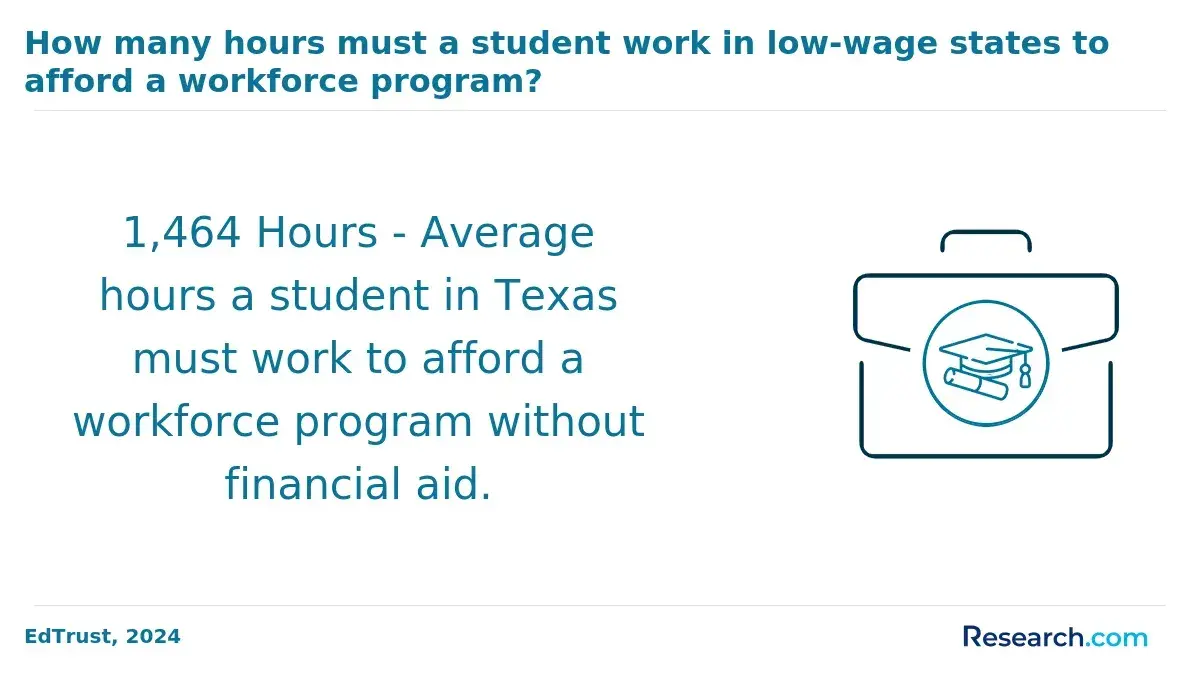
- Cost Breakdown: Tuition can vary significantly-public institutions typically charge between $8,000 and $20,000 in total, private schools range from $20,000 to $40,000, and online programs often offer more affordable options. Additional expenses such as fees, housing, and lost income from reduced working hours also factor into the total cost.
- Primary Funding Sources: Options include scholarships, merit-based fellowships, graduate assistantships that may cover tuition and provide stipends, employer tuition reimbursement, and federal student loans. Combining multiple mechanisms often reduces financial strain.
- Debt Reduction Strategies: Choosing in-state public universities usually lowers fees. Securing teaching or research assistantships can help waive tuition costs. Applying early for scholarships and seeking employer support also minimizes borrowing.
- Return on Investment (ROI): Evaluating whether the degree cost aligns with salary gains is crucial. Some subfields, like education technology coordination, offer higher pay that can justify upfront expenses more readily than others.
A graduate of a teaching master's program shared that balancing work, study, and finances was challenging but rewarding. He recalled, "Finding assistantships helped ease the financial pressure, but managing living expenses while in school required careful planning." Though hesitant at times, he stayed focused on how the degree would expand his career prospects. "Looking back, the investment paid off by opening doors to leadership roles in education that wouldn't have been possible otherwise." This perspective highlights the importance of thorough financial preparation combined with strategic funding efforts to successfully complete a teaching master's degree.
Time commitment is a critical consideration for prospective students weighing how long to complete a teaching master's degree. The average time frame for earning a teaching master's degree differs based on program format, enrollment status, and specific academic pathways. The following factors play key roles in determining completion duration:
- Full-Time Enrollment: Most full-time teaching master's programs take between 1.5 and 2 years to complete. This timeline generally includes coursework, practicum or internships, and research components scheduled within a standard academic calendar.
- Part-Time and Online Programs: Part-time students, including those pursuing online options, often take 3 to 4 years due to a lighter course load and greater scheduling flexibility. These formats accommodate working professionals and those with other significant commitments.
- Accelerated and Combined Pathways: Some institutions offer accelerated tracks or combined bachelor's/master's programs that integrate coursework and reduce redundancy, enabling students to finish in as little as one year beyond their bachelor's degree.
- Transfer Credits: Individuals who have completed relevant graduate coursework or certifications can often transfer credits, effectively shortening the overall program duration.
- Thesis vs. Non-Thesis Tracks: Thesis options typically require additional research and writing, lengthening completion time. Non-thesis tracks focus more on coursework and practical experience, allowing for quicker graduation.
- Internship or Practicum Requirements: Hands-on teaching experiences are essential and may be scheduled sequentially or concurrently with courses, impacting total time needed to graduate.
For those considering their educational investment, comparing program timelines alongside cost and financing factors is crucial. Exploring options like affordable online executive mba programs can provide insights into flexible and economical pathways that accommodate diverse student needs.
This overview provides insight into the diverse career opportunities available to graduates of a teaching master's program, illustrating how the degree's skills apply across several sectors. Understanding these pathways can help prospective students envision where their education might lead professionally.
- Classroom Teaching Roles: Most graduates begin as teachers in elementary, secondary, or postsecondary settings. These positions benefit from advanced pedagogical knowledge that improves instructional effectiveness and supports student achievement, with median wages reflecting steady demand.
- Educational Administration: Graduates frequently transition into roles such as curriculum coordinators, instructional coaches, or principals, where they manage programs, guide faculty, and implement policy. Over time, some move into executive leadership like district superintendents, overseeing broader strategic initiatives.
- Nonprofit and Government Work: Opportunities exist in organizations focused on educational advocacy, policy analysis, and community outreach. Local and federal agencies often seek teaching master's graduates for roles related to training development and educational program management.
- Private Sector Employment: The degree also opens doors in educational publishing, corporate training, and e-learning design. Professionals apply their instructional expertise to develop content and solutions tailored to diverse learning environments.
- Career Progression: Initially, graduates fill individual contributor and mid-level management roles with potential advancement to senior leadership. This degree offers a flexible foundation for a variety of positions across academia, nonprofit, government, and business sectors.
A graduate I spoke with shared that earning a teaching master's helped clarify her professional goals amid several career uncertainties. She recalled feeling overwhelmed when considering her next steps after her bachelor's, but the specialized training and network access the program offered made job transitions smoother. "Knowing I had both the practical skills and leadership preparation gave me confidence applying for higher roles," she explained, emphasizing how the degree eased the shift from classroom teaching to educational administration.
Professionals with a master's degree in teaching experience salary variations influenced by their career stage, location, and type of employer, with many earning more than those holding only a bachelor's degree. Compensation tends to rise as educators gain experience, and various elements like benefits and bonuses also play a role in total earnings. Key salary insights include the following:
- Starting Salaries: New teaching professionals with master's degrees typically earn between $45,000 and $55,000 annually. The exact figures depend on the region and whether the position is with a public or private institution, with public schools often following more structured pay scales.
- Mid-Level Salary Growth: Those further along in their careers can expect increases to approximately $55,000 to $75,000. Geographic factors are significant, as urban environments and states with higher costs of living generally offer greater pay.
- Senior-Level Earnings: Experienced educators or administrators may earn upwards of $80,000, especially in leadership or specialized roles. Public school systems frequently provide additional compensation through pensions and performance bonuses.
- Master's Degree Wage Advantage: Research suggests that having a master's degree in teaching results in a salary boost of 10% to 20% over bachelor's degree holders, reflecting enhanced responsibilities and opportunities.
- Compensation Beyond Salary: Total income often includes health benefits, retirement plans, bonuses, and stipends for extra duties like mentoring or extracurricular activities.
Several professional certifications notably complement a teaching master's degree, enhancing career advancement and salary potential. Pursuing the best state certifications to complement a teaching master's degree can significantly improve eligibility for leadership roles and specialized positions. Here are the key credentials widely recognized in the field, along with their requirements and market value:
- National Board Certification: Granted by the National Board for Professional Teaching Standards (NBPTS), this credential requires candidates to have three to five years of teaching experience, a master's degree, and successful completion of a rigorous portfolio and assessment process. It is valid for ten years and renewable through continued professional development. Highly valued by school districts, it often leads to salary increments and eligibility for leadership roles.
- Certified Educational Planner (CEP): Overseen by the American Institute of Certified Educational Planners, the CEP credential blends education, professional experience, and exam success. It targets those interested in educational consulting or advising, expanding career options beyond traditional classroom roles. Adherence to ethical guidelines is also required, underscoring its professional integrity.
- Council for Exceptional Children (CEC) Certifications: For educators focused on special education, the CEC offers certifications that demand demonstration of expertise through exams and relevant teaching experience. Renewal involves ongoing learning to maintain best practices in special education, signaling a strong commitment to educators and employers.
Strategically, it is advantageous to pursue these certifications during or shortly after completing the master's program to optimize time and financial resources. Many employers prefer or mandate these professional teaching certifications for career advancement and pay increases, so earning them early can accelerate access to advanced teaching roles or specialized positions. Prospective students can also explore how long does it take to get a msw online for insights into managing graduate studies and certifications concurrently.
For prospective teaching master's degree candidates, understanding which industries actively hire graduates is essential for aligning career goals with market demand. This overview ranks key sectors by employment opportunities, highlighting roles, employer profiles, and certifications that improve job prospects. Emerging fields related to technology and societal change also offer promising pathways. Below is a detailed guide to help students focus their preparation strategically.
- K-12 Public and Private Education: This sector remains the dominant employer, providing positions such as classroom teachers, curriculum developers, and school administrators. Employers vary from small rural schools to extensive urban districts. State teacher certification and specialized credentials in areas like special education or English as a Second Language are highly valued here. Employment growth is steady, with the U.S. Bureau of Labor Statistics projecting a 5% increase from 2021 to 2031 in these roles.
- Higher Education: Colleges and universities offer roles including instructors, academic advisors, and education program coordinators. These positions often demand advanced expertise in pedagogy and experience with research-based instruction. Familiarity with curriculum development and student assessment methodologies enhances employability in this sector.
- Non-Traditional Education and Corporate Training: Increasing demand exists in corporate training departments, educational technology firms, and nonprofit education initiatives. Graduates who develop skills in instructional design, digital learning platforms, and data-driven evaluation are sought after. These emerging sectors reflect shifts toward blended learning environments and continuous professional education.
- Professional Development through Internships and Networking: Targeted internships in schools or educational nonprofits provide hands-on experience and industry connections. Participating in professional associations and attending conferences supports entry into niche areas and leadership positions. Selecting coursework focused on instructional technology, curriculum design, or education leadership further prepares graduates to meet evolving employer needs.
For those holding a master's degree in teaching, pursuing roles with higher pay requires both relevant experience and specialized skills. Positions at the top of this scale often demand leadership capabilities, advanced certifications, or additional degrees. Geographic location and whether the role is in public or private education settings also influence earnings. Below are some of the highest-paying job options available.
- School Principal: Principals manage school-wide operations, including staff supervision and student achievement initiatives. Salaries typically fall between $95,000 and $120,000 annually, with higher pay found in larger districts or urban areas. Leadership experience paired with a state administrative credential is commonly necessary for these roles.
- Instructional Coordinator: These professionals design curriculum and support educational staff in effective teaching methods. Median pay ranges from $68,000 to $85,000, mainly in public school systems and educational agencies. Expertise in curriculum standards and data-driven decision-making is essential.
- Educational Consultant: Consultants collaborate with educational institutions or private organizations to enhance teaching strategies and policy execution. Earnings vary widely, often from $70,000 up to $110,000 or more, influenced by the scope of contracts and individual expertise. Communication skills, research background, and certifications such as National Board Certification improve earning potential.
- Higher Education Administrator: Positions like program directors or academic coordinators involve managing departments or student services in colleges. Median salaries typically range from $70,000 to $100,000. Advanced degrees beyond a master's can increase salary prospects in this sector.
- Special Education Director: Responsible for overseeing special needs programs, these directors earn between $80,000 and $115,000. Along with teaching experience, specific certification in special education leadership is usually required.
Additional qualifications such as professional licenses, National Board Certification, or a doctoral degree can significantly elevate salary levels. Furthermore, urban areas and private institutions often offer higher compensation compared to rural districts and public organizations.
Employment growth projections for teaching careers with a master's degree indicate steady expansion, with the U.S. Bureau of Labor Statistics (BLS) projecting about 5% growth from 2022 to 2032. This pace aligns with the average for all occupations, reflecting a stable job outlook for teaching professionals in the United States despite ongoing changes in education and workforce demands. Understanding these trends is important for prospective students considering a Teaching master's degree as a career investment.
- Demographic Trends: Regional population growth and increasing classroom diversity contribute to consistent demand for qualified teachers, sustaining employment opportunities across various educational settings.
- Technological Adaptation: Advances in digital tools and online learning platforms require teachers to develop new skills but largely preserve the core role of human interaction in education, differentiating this field from others impacted by automation.
- Policy and Funding Changes: Emphasis on STEM education, special education, and early childhood learning has led to specialized roles and increased funding, which supports job growth and professional specialization.
- Stable Demand: Steady student enrollment nationwide underpins ongoing need for skilled teachers, making Teaching a resilient career despite economic fluctuations and globalization pressures.
Prospective students evaluating advanced degrees in education should also explore related fields, such as cybersecurity, where growing demand is notable; resources like cybersecurity masters online offer alternative pathways depending on career goals.
For prospective teaching master's students, understanding the range of skills developed during the program is essential to appreciate its value. These skills not only prepare graduates for educational roles but also offer flexibility in various professional environments.
- Technical Proficiency: Students gain expertise in educational technologies, curriculum design, and data-driven assessment tools, enabling effective integration of digital resources and rigorous evaluation of learning outcomes.
- Research and Analytical Skills: Mastery of research methodologies equips candidates to critically evaluate educational practices and contribute to evidence-based improvements in teaching.
- Leadership and Communication: These soft skills are cultivated through coursework and collaborative activities, fostering abilities in clear expression, team coordination, and guiding others effectively.
- Critical Thinking and Problem Solving: Graduates develop the capacity to analyze complex pedagogical challenges and create adaptive strategies, enhancing their effectiveness in dynamic environments.
- Experiential Learning Opportunities: Internships, classroom simulations, case studies, and group projects provide hands-on experiences that solidify theoretical knowledge and enhance practical readiness.
- Transferable Competencies: The combination of hard and soft skills prepares graduates for roles beyond traditional education sectors, including corporate training, consulting, and nonprofit leadership.
- Employer Priorities: Hiring managers consistently prioritize leadership, adaptability, and communication skills when assessing candidates for advanced teaching positions.
What Graduates Say About Their Teaching Master's Degree
- Clint: "Applying for admission to the online teaching master's program felt overwhelming at first, but thorough guidance from official academic catalogs really helped clarify every step. I appreciated how accessible and transparent the information from accrediting agencies was when comparing institutions. Navigating this landscape taught me the importance of relying on federal education resources to ensure my program met all necessary requirements."
- Rex: "My journey through choosing an accredited teaching master's degree program was a deeply reflective experience. I found that relying heavily on academic catalogs and official documents offered the clarity needed to set realistic expectations. Being precise about accreditation kept me professionally confident in my decision and ultimately supported my career growth."
- Arthur: "Enrolling in an online teaching master's program was a streamlined process once I understood how to sift through the many accredited schools available. Official academic catalogs and federal education resources were invaluable in helping me stay organized and meet the program's academic demands. This strategic approach made all the difference in managing my studies efficiently."
Other Things You Should Know About Teaching Degrees
In 2027, a Teaching master's degree can significantly enhance salary potential. According to recent data, graduates typically see an increase of 10-20% in their earning capacity compared to those with a bachelor's degree. The demand for advanced teaching roles and specialized positions further supports consistent salary growth.
In 2027, a Teaching master's degree may lead to careers such as instructional coordinator, educational consultant, curriculum developer, or lead teacher. These positions often require advanced knowledge and specialized skills that a master's program provides.
Yes, in many states and districts, a teaching master’s degree moves a teacher to a higher salary lane on the pay scale. District contracts typically require official transcripts and may set lane changes by semester credit hours or degree type, with verification handled by the local school district or state education agency.
- Master’s in Education Requirements https://www.ndnu.edu/articles/education/masters-in-education-requirements.html
- How to Pay for Grad School Without Breaking the Bank - Graduate Programs for Educators https://www.graduateprogram.org/blog/how-to-pay-for-grad-school-without-breaking-the-bank/
- Teacher Salary and Benefits at NYC Public Schools https://teachnyc.net/why-teach-nycps/salary-benefits
- Teacher Salary with a Master’s Degree https://www.educationdegree.com/articles/teacher-salary-with-masters-degree/
- How Long Does It Take to Get a Master's in Education? https://www.aiuniv.edu/degrees/education/articles/how-long-does-it-take-to-get-a-masters-in-education
- The 10 Highest Paying Jobs With a Teaching Degree [Quiz] https://www.umassglobal.edu/blog-news/highest-paying-jobs-with-a-teaching-degree
- 6 Highest-Paying Careers With a Master of Arts in Education https://online.meca.edu/news-events/2025-06-15/6-highestpaying-careers-with-a-master-of-arts-in-education
- Employment Opportunities in Teaching | Business and Management | Research Starters | EBSCO Research https://www.ebsco.com/research-starters/business-and-management/employment-opportunities-teaching
- Admission requirements Master Teacher Education in English part-time | Hogeschool Utrecht https://www.internationalhu.com/master-programmes/teacher-education-in-english/admission
- Things To Do With a Teaching Degree Other Than Being a Teacher | ACE Blog https://ace.edu/blog/things-to-do-with-a-teaching-degree-other-than-being-a-teacher/