
2027 Easiest Online Healthcare Degree Programs Ranking in Iowa

Co-Founder and Chief Data Scientist
Considering a healthcare degree in Iowa? This article introduces the 2027 Easiest Online Healthcare Degree Programs Ranking in Iowa, developed by the Research.com team of data scientists. It's designed to help you find programs that balance quality and accessibility, making your education journey smoother.
Healthcare degrees open doors to rewarding careers that truly make a difference. By exploring this ranking, you can confidently choose a program that fits your lifestyle and goals.
Your path to a meaningful and fulfilling healthcare career starts here.
Key benefits of getting online healthcare degree in Iowa
- Healthcare degree graduates in Iowa can expect competitive salaries, such as Medical Assistants earning a mean annual wage of $43,350 and Patient Care Technicians making around $60,790 per year, offering strong financial stability.
- Graduates from Iowa's universities often pursue diverse career paths including roles like Clinical Research Coordinators and Health Information Technicians, showcasing the flexibility and growth potential in the healthcare field.
- Completing a healthcare degree online in Iowa allows for a flexible schedule and the ability to balance work and study, which many graduates find empowering compared to traditional on-campus programs.
- Key benefits of getting online healthcare degree in Iowa
- What can I expect from online healthcare degree in Iowa?
- Where can I work with online healthcare degree in Iowa?
- How much can I make with online healthcare degree in Iowa?
- 2027 Easiest Online Healthcare Degree Programs Ranking in Iowa
- Key Findings
- How long does it take to complete online healthcare degree in Iowa?
- Tips for Success in Your Online Healthcare Journey
- What's the difference between online and on-campus healthcare degree?
- What is the average cost of online healthcare degree in Iowa?
- Accreditation and Licensure: Ensuring Your Online Healthcare Degree Meets Professional Standards
- What financial aid is available to online healthcare degree students in Iowa?
- Online Learning Success Strategies
- What are the prerequisites for enrolling in online healthcare degree program in Iowa?
- Expert Tips for Online Healthcare Degree Success
- What courses are typically in online healthcare degree programs in Iowa?
- What types of specializations are available in online healthcare degree programs in Iowa?
- How do you choose the best online healthcare degree in Iowa?
- What career paths are available for online healthcare degree students in Iowa?
- What is the job market for online healthcare degree in Iowa?
- Related Healthcare Rankings for Nearby States
- Top Trending Healthcare Rankings
- See What Experts Have To Say About Studying Healthcare
What can I expect from online healthcare degree in Iowa?
The average cost of an online healthcare degree in Iowa typically ranges between $10,000 and $25,000, depending on the institution and the level of the program. For example, graduates from well-known schools like the University of Iowa or Iowa State University often report manageable tuition fees combined with financial aid options, which significantly ease the financial burden.
Many students find that budgeting for these courses involves factoring in not only tuition but also fees related to clinical practicum experiences. These hands-on components, usually completed locally, are vital for skills development and might require travel or additional expenses. However, the ability to maintain a full-time job while studying online helps many learners balance costs effectively.
Students regularly share that scholarship opportunities and state grants available through Iowa's education system have been a game-changer, fueling motivation and reducing anxiety around finances. Planning ahead by contacting financial aid offices at your chosen college, such as community colleges offering healthcare diplomas, can uncover tailored funding strategies to suit your personal circumstances.
Where can I work with online healthcare degree in Iowa?
Graduates with an online healthcare degree in Iowa find job opportunities in diverse settings across the state. Many secure positions in major hospitals like the University of Iowa Hospitals and Clinics or UnityPoint Health. These roles often include registered nurses, health informatics specialists, and healthcare administrators. Graduates report feeling confident stepping into clinical or management roles, especially when their program offered practical coursework aligned with licensure requirements.
Others pursue careers in public health agencies such as the Iowa Department of Public Health, where they work in health education, epidemiology, or program coordination. Students from Iowa-based colleges appreciate how online programs prepare them specifically for community health challenges faced statewide.
Long-term care facilities also provide rewarding careers managing patient care and compliance, an area growing due to Iowa's aging population. Additionally, telehealth and healthcare IT companies in Des Moines and surrounding areas have opened doors for graduates skilled in health informatics and remote patient management. These roles offer exciting growth prospects and help graduates feel they are truly making a difference in modern healthcare delivery.
How much can I make with online healthcare degree in Iowa?
Graduates from online healthcare programs in Iowa often find rewarding salaries that reflect their chosen career paths. For instance, medical assistants in the state earn around $43,350 annually, offering a solid starting point after completing shorter online certifications. Health information technicians report similar earnings, with a mean annual wage also near $43,380, providing graduates from programs at schools like the University of Iowa or Drake University encouraging entry-level incomes.
Patient care technicians, who typically access training through specialized online courses, can expect higher pay, averaging about $60,790 per year. These figures demonstrate the value of pursuing roles that blend technical skills with patient interaction.
Graduates who aim for management positions experience significantly higher salaries. Quality improvement coordinators in Iowa boast impressive mean earnings of $103,150 annually, reflecting the demand for professionals who improve healthcare systems. Many programs at Iowa State University offer pathways into these advanced roles, encouraging graduates toward leadership opportunities and career growth.
2027 Easiest Online Healthcare Degree Programs Ranking in Iowa
How do we rank schools?
Investing in your education is a significant decision that can shape your future, and the Research.com team understands the importance of making informed choices. To assist prospective students in Iowa, we have meticulously crafted the "2027 Easiest Online Healthcare Degree Programs Ranking in Iowa." Our commitment to quality, credibility, and accuracy is reflected in the extensive research and analysis conducted to compile this ranking.
We utilized the following reputable data sources to ensure a comprehensive evaluation of healthcare programs:
By exploring this ranking, readers will gain valuable insights into the easiest online healthcare degree programs in Iowa, empowering them to make informed and confident decisions about their education and career paths. For more details on our methodology, please visit our Research.com methodology page.



Key Findings
- Tuition for online healthcare degrees in Iowa ranges from $8,000 to $15,000 annually at public universities and over $20,000 at private institutions.
- Graduates typically earn around $55,000 per year shortly after finishing their programs.
- Experienced healthcare professionals in Iowa can earn more than $75,000 annually depending on their field and work setting.
- The healthcare job market in Iowa is expected to grow by over 14% through 2030, driven by demand in nursing, medical technology, and health administration.
- Online programs in Iowa are accredited and aligned with state licensing and certification requirements for healthcare professionals.
How long does it take to complete online healthcare degree in Iowa?
Completing an online healthcare degree in Iowa varies mainly by the level and program format you choose. For instance, many graduates from community colleges in Iowa finish an associate degree in medical assisting or health information technology within 18 to 24 months by balancing work and study through flexible online classes.
Bachelor's degrees, like nursing (RN to BSN) or health administration, typically take about four years full-time. However, some students at well-known universities offering online RN-to-BSN programs report finishing in as little as 12 to 18 months, especially if they're already licensed nurses able to transfer credits and study intensively.
Master's degrees in public health or healthcare management often take between 18 and 36 months. Graduate students at Iowa's state universities appreciate multiple start dates throughout the year, which helps them keep momentum and finish faster despite busy work schedules.
Choosing between full-time, part-time, cohort, or self-paced options really shapes your timeline. Understanding how transfer credits, clinical hours, and program demands affect your pace can mean the difference between finishing on time and feeling overwhelmed. Iowa's online programs emphasize flexibility, making it easier to fit study around life.
Tips for Success in Your Online Healthcare Journey
Navigating an online healthcare degree program requires more than choosing the right school-it’s about developing the right strategies and mindset to excel. One key strategy is establishing a structured study routine that fits within your unique schedule, ensuring consistent progress through coursework and hands-on clinical experiences. Balancing work, family, and studies can be challenging, so using digital calendars, time-blocking techniques, and leveraging online academic support can make your journey smoother. Another important aspect is building a supportive network. Engage with peers through virtual study groups, connect with mentors who have navigated similar challenges, and participate in online forums dedicated to healthcare education. These connections not only enhance your learning experience but also provide valuable insights into career opportunities after graduation. Moreover, exploring programs that combine affordability with quality can significantly ease financial and academic pressures. For instance, researching the cheapest healthcare schools in iowa can help you find programs that fit your budget while still offering robust curricula and excellent career support services. Staying updated with industry trends is also crucial. Follow healthcare news, attend virtual webinars, and consider certifications that can complement your degree-ensuring that your skills remain competitive in a rapidly evolving field. With thoughtful planning and proactive resource management, you can maximize the benefits of your online healthcare education and pave the way for a successful, fulfilling career.
What's the difference between online and on-campus healthcare degree?
Choosing between online and on-campus healthcare degrees in Iowa often comes down to your lifestyle and learning preferences. Graduates from the University of Iowa's online nursing program appreciate the flexibility to balance work and family, especially since many counties in Iowa are rural and far from campus. These students access lectures and complete assignments digitally, fitting studies around their schedules without relocating.
In contrast, those attending on-campus programs at Des Moines University enjoy direct, hands-on lab sessions and quicker access to clinical placements on-site. This face-to-face environment can build strong peer connections and immediate feedback, vital for hands-on skills like radiologic technology. However, on-campus students may face higher living and commuting costs.
- Online students often coordinate clinical sites independently, which can be tricky but encourages proactive networking.
- On-campus learners benefit from university-affiliated clinical sites, easing the practical training process.
Whether online or in person, programs maintain strict accreditation standards essential for Iowa's job market, ensuring your education meets employer expectations.
What is the average cost of online healthcare degree in Iowa?
The average cost of an online healthcare degree in Iowa typically centers around $30,360, based on recent data reflecting tuition expenses across various programs. Graduates from popular universities such as the University of Iowa or Iowa State University often find that pursuing a healthcare degree online involves carefully balancing cost with quality and flexibility. For example, associate degree students frequently benefit from lower tuition rates at community colleges, which can make starting a career in nursing or health information technology more accessible and affordable.
Students pursuing bachelor's degrees often encounter tuition that totals between $30,000 and $40,000, aligning with program requirements that generally demand about 120 credit hours. This is a practical investment considering the role flexibility plays in online education, especially for those managing work or family responsibilities. Graduates remember feeling satisfaction when their commitment to coursework translated into professional opportunities, reinforcing a strong return on investment.
In Iowa, affordable online healthcare degree programs Iowa options include access to financial aid, scholarships, and payment plans tailored to healthcare students, which many take advantage of to lighten the cost burden. Some have even tapped into employer tuition assistance programs or federal aid to offset expenses, enhancing affordability.
For helpful guidance in identifying the most affordable programs, consider exploring the cheapest healthcare schools in iowa. This resource provides practical insight into which institutions offer competitive pricing, helping you plan your education budget with confidence while aiming for a rewarding healthcare career.

Accreditation and Licensure: Ensuring Your Online Healthcare Degree Meets Professional Standards
Choosing an accredited online healthcare program is critical to guarantee that your degree is recognized by employers, qualifies you for professional certification, and satisfies Iowa’s licensing requirements. In Iowa, reputable healthcare programs hold regional accreditation from agencies like the Higher Learning Commission (HLC) and programmatic accreditation from bodies such as the Commission on Accreditation of Healthcare Management Education (CAHME) or the Council on Accreditation of Allied Health Education Programs (CAAHEP). Prospective students should verify each program’s status on the U.S. Department of Education’s Database of Accredited Postsecondary Institutions and Programs, and confirm alignment with Iowa Board of Nursing or Iowa Department of Public Health standards if pursuing clinical roles. Accreditation not only impacts eligibility for state licensure exams-such as the Certified Health Information Technician (RHIT) credential administered by AHIMA or clinical certifications overseen by the National Healthcare Association-but also influences access to federal financial aid and employer tuition reimbursement. Additionally, if affordability is a top priority, you might explore cost-effective yet fully accredited options by reviewing our Inexpensive Online Healthcare Degree Programs Ranking in St. Davids, PA, which highlights programs with strong outcomes and minimal debt burdens. Finally, ensure your chosen online program includes clear pathways for clinical practicum arrangements or industry internships, as these hands-on components are often mandated for licensure and board certification. By prioritizing accreditation and licensure alignment from the outset, you’ll streamline your transition from student to credentialed healthcare professional in Iowa’s growing healthcare workforce.
What financial aid is available to online healthcare degree students in Iowa?
To afford an online healthcare degree in Iowa, start by applying for federal aid through the FAFSA. Many graduates from the University of Iowa found Pell Grants invaluable, receiving up to $7,395 that covered substantial tuition costs without repayment. Complement this by exploring Direct Subsidized Loans, which offer manageable interest rates and flexible repayment, easing financial pressure during school.
Next, consider Iowa-specific programs. The Iowa Tuition Grant helps students attending private institutions like Des Moines University save $1,500 to $3,400 each year. Recent graduates often highlight how this grant transformed their budgeting, making their degrees achievable without overwhelming debt. If you're affiliated with the Iowa National Guard, tuition assistance offers another practical funding boost, cutting costs further.
Don't overlook college scholarships focused on healthcare fields. Many scholarships, merit or need-based, are available through institutions' online education departments and have helped previous nursing and public health students reduce expenses significantly. Lastly, check if your employer provides tuition reimbursement-countless healthcare employees in Iowa have benefited from these programs, supporting career advancement while easing financial strain.
Online Learning Success Strategies
Succeeding in an online healthcare degree program requires focusing on effective time management, leveraging digital tools, and actively engaging with both instructors and peers. Developing a dedicated study schedule, setting clear academic and career goals, and breaking down large assignments into manageable tasks are essential. Utilizing virtual office hours, online tutoring sessions, and discussion forums can also enhance your understanding and retention of complex health-related concepts. Additionally, building a strong support network through digital communities and professional social platforms not only helps with academic challenges but also connects you with industry experts and future colleagues. If you’re evaluating program affordability while planning your academic journey, consider exploring the cheapest healthcare schools in iowa that offer robust online learning environments. These proactive strategies will reinforce your commitment, ultimately paving the way for long-term success in Iowa’s competitive healthcare industry.
What are the prerequisites for enrolling in online healthcare degree program in Iowa?
To enroll in an online healthcare degree program in Iowa, start by securing a high school diploma or GED, a baseline requirement for most programs at schools like the University of Iowa or Des Moines University. Graduates often share that having this credential gave them confidence stepping into rigorous courses without feeling overwhelmed.
Next, ensure you complete foundational college-level classes such as biology, chemistry, math, and English composition. These prerequisites, commonly required by colleges such as Iowa State University, prepare you for advanced topics in anatomy and pharmacology. One recent graduate described this early preparation as a "game-changer," easing their transition into specialized healthcare subjects.
If pursuing a bachelor's degree, some programs accept ACT or SAT scores, but many Iowa schools have adopted test-optional policies, making admission more accessible. For graduate degrees like a Master of Science in Nursing, candidates generally need a relevant bachelor's degree with a GPA around 3.0, plus clinical experience. This real-world experience, emphasized by students at universities such as the University of Northern Iowa, builds practical confidence.
Lastly, be ready for Iowa's state licensing requirements, including background checks and immunizations-critical steps for clinical placements and licensure. Reliable internet and compatible devices are non-negotiable for success in online learning. Students often recommend setting up a distraction-free study space as early as possible to stay on track.
Expert Tips for Online Healthcare Degree Success
Embarking on an online healthcare degree can be a transformative journey, and adopting effective strategies early on can make all the difference. To thrive in your program, start by setting clear goals and creating a dedicated study schedule that balances coursework, professional responsibilities, and personal commitments. Utilize available digital tools-such as virtual libraries, online tutoring, and collaborative platforms-to stay engaged and manage deadlines more efficiently. Networking is also crucial: actively participate in online discussion boards, virtual study groups, and career webinars to build relationships with peers and professionals in the healthcare industry. In addition, explore additional resources for deepening your understanding of healthcare trends and program affordability; for instance, check out our list of affordable online mph degree program which offers insights into cost-effective paths to further your education. Finally, seek mentorship from faculty and alumni who have successfully navigated similar challenges. Their expert advice can provide guidance on course selections, career opportunities, and balancing life with academic rigor. Armed with these practical tips, you can confidently overcome challenges and maximize the benefits of your online healthcare education experience.
What courses are typically in online healthcare degree programs in Iowa?
Online healthcare degrees in Iowa typically include a solid lineup of foundational and practical courses tailored to the state's healthcare landscape. Graduates from popular programs at colleges like the University of Iowa and Des Moines University often highlight how courses such as Medical Terminology and Anatomy and Physiology gave them the confidence to understand medical language and the human body-crucial for any healthcare role.
Next, expect classes in Healthcare Ethics and Law that specifically address Iowa's healthcare regulations, preparing students to make sound ethical decisions in real-world settings like hospitals and clinics across the state. Many graduates appreciate how these lessons felt immediately relevant when they encountered situations requiring legal awareness during internships or virtual simulations.
Training in Health Information Management stands out, especially as Iowa healthcare systems increasingly adopt electronic health records. One graduate mentioned this course helped them secure roles managing patient data with ease. Courses like Healthcare Finance and Management also equip students to step confidently into administrative roles, understanding budgets and leadership challenges firsthand.
Finally, applied courses involving practical healthcare skills or clinical simulations offer immersive experiences that translate directly to the workplace-whether dealing with patient care or medical coding-boosting graduates' readiness for Iowa's growing healthcare job market.
What types of specializations are available in online healthcare degree programs in Iowa?
Online healthcare degree specializations Iowa offer practical paths tailored to diverse career goals. For example, nursing tracks at universities like the University of Iowa prepare graduates for advanced roles such as nurse practitioners or nurse educators, directly addressing local healthcare demands. Health informatics is another popular choice, ideal for those interested in managing patient information systems, a skill increasingly sought after in hospital administration across Iowa.
Graduates from Iowa State University share how healthcare administration programs sharpened their budgeting and leadership abilities, enabling smooth transitions into managerial roles in clinics or health services. Public health degrees often include community health or epidemiology, which have gained importance amid Iowa's rural healthcare challenges. This specialization fosters meaningful connections through local health promotion initiatives, making the work truly rewarding.
Students considering healthcare career options Iowa online programs should explore robust options in healthcare management for those with a business mindset. Additionally, those looking for more affordable pathways might consult the list of affordable online mph degree program for viable alternatives.
How do you choose the best online healthcare degree in Iowa?
Start by checking the accreditation of online programs, as graduates from recognized Iowa colleges often praise how this ensured their degrees are respected by employers statewide. Look for schools accredited by agencies like CAAHEP or ACEN to avoid wasting time and money on unrecognized programs.
Next, consider the program specializations that align with Iowa's healthcare demands. Graduates from popular schools often recommend choosing fields such as rural health or elder care, since Iowa's aging population creates strong job opportunities there. This practical focus helped many students land jobs quickly after finishing their courses.
Compare tuition costs carefully-community colleges in Iowa offer affordable online healthcare degrees Iowa typically around $8,000 annually, while four-year universities may charge $15,000 or more. Alumni often mention balancing cost with quality, highlighting savings from reduced commuting expenses and flexible schedules.
Also, evaluate support services like academic advising and clinical placement assistance, which many Iowa graduates found crucial for managing studies alongside work and family.
Finally, review career outcomes at schools you're considering. Iowa healthcare workers earn a median $52,000 yearly, and successful graduates appreciate programs with strong job placement and connections to local health systems. For more options, explore an online medical degree tailored to your goals.
What career paths are available for online healthcare degree students in Iowa?
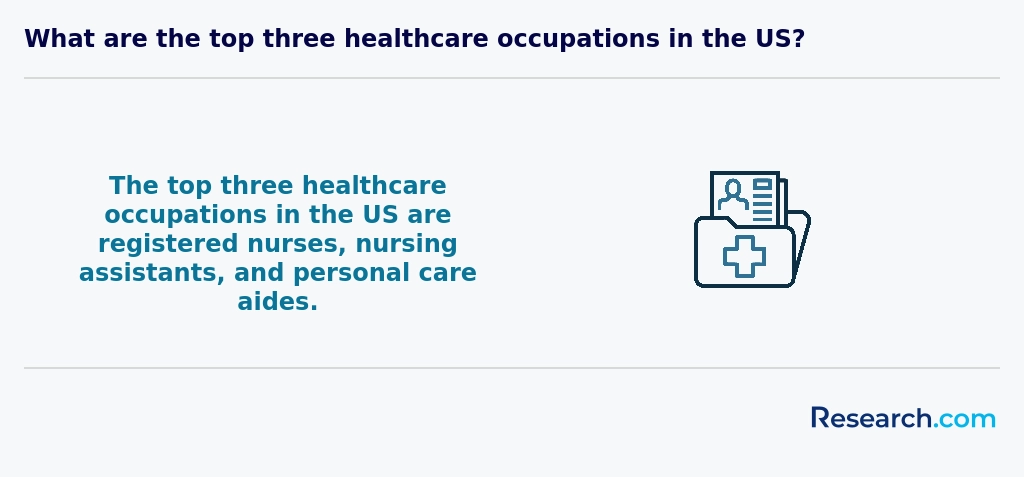
Graduates of online healthcare degree programs in Iowa find a variety of practical career paths that match regional demand and industry needs. Many step confidently into roles as Registered Nurses (RNs), providing critical patient care in Iowa's hospitals and clinics. For example, graduates from well-known colleges often secure RN positions in Des Moines-area health systems, enjoying both job stability and personal fulfillment.
Others opt for healthcare administration, managing budgets and staffing in nursing homes or hospitals. This path suits those who appreciate organization and leadership. Some graduates pursue roles as Medical and Health Services Managers, overseeing service delivery and earning competitive salaries around $104,000 nationally while working in urban centers like Cedar Rapids.
Further career options include public health professions and health information technology-fields ideal for graduates interested in community health promotion or data management. Students choosing Iowa's online programs benefit from flexible, career-focused study aligned with the state's labor market.
Those weighing costs can consult the Inexpensive Online Healthcare Degree Programs Ranking in St. Davids, PA for comparative tuition insights.
Exploring online healthcare degree jobs in Iowa allows students to plan realistically for stable, fulfilling careers aligned with local industry needs.
What is the job market for online healthcare degree in Iowa?
The job market for online healthcare degree holders in Iowa is robust and promising. Graduates from well-known institutions such as the University of Iowa and Des Moines University often find rewarding positions in hospitals, clinics, and healthcare administration. Many report satisfaction with the steady demand for qualified professionals, especially in nursing and healthcare technology, which aligns with the growing services required in both urban and rural communities. This strong demand ensures that students pursuing online healthcare jobs in Iowa can expect practical career paths and job stability.
Thanks to Iowa's expanding healthcare system and initiatives focused on rural health access, employers like MercyOne actively recruit from local online programs. Graduates frequently mention the advantage of flexible online schedules, which allow working adults to balance studies and employment seamlessly. Institutions also offer affordable tuition compared to national averages, making healthcare degrees a sound financial choice. For those eager to advance quickly, exploring the best accelerated degree programs in the state can further enhance job prospects.
Frequently Asked Questions About healthcare
Students pursuing online healthcare degrees in Iowa can maximize their learning by actively engaging with interactive course materials and participating in virtual discussions. Utilizing resources such as simulation software and telehealth platforms enhances practical skills essential for healthcare professions. Iowa's healthcare industry emphasizes hands-on experience, so seeking local clinical placements or internships is crucial to supplement online studies. According to the Iowa Department of Public Health, the state had over 280,000 healthcare workers in 2023, highlighting strong demand for skilled graduates.
Building connections with faculty and peers through online office hours and study groups further enriches understanding. Additionally, students should stay updated on Iowa's healthcare regulations and trends, aligning their education with workforce needs in the region.
The healthcare field in Iowa is evolving rapidly, with several emerging niches gaining attention. One key area is telehealth services, which have expanded notably due to rural access challenges. Iowa's Department of Public Health highlights that telemedicine usage increased by over 50% during recent years, offering new opportunities for graduates.
Another growing niche is healthcare informatics, combining technology and patient care to improve health outcomes. The Bureau of Labor Statistics projects a 15% growth nationally in health information jobs by 2031.
Behavioral health also remains critical, especially with rising mental health awareness in Iowa. Online degrees focusing on these specialties prepare students for in-demand roles across the state.
After completing an online healthcare degree in Iowa, preparing for the job market is essential to ensure a smooth transition into the workforce. Start by obtaining any necessary state-specific certifications or licenses, as many healthcare roles in Iowa require these credentials. The Iowa Workforce Development reports healthcare employment growing 11% through 2030, emphasizing the need for properly qualified professionals.
Networking plays a crucial role. Join professional associations like the Iowa Healthcare Collaborative to connect with employers and peers. Additionally, seek internships or volunteer opportunities to gain practical experience and improve your resume. Tailor your job applications to highlight skills gained through your degree, including telehealth competencies, which are increasingly valued in Iowa healthcare settings.
Employers in Iowa's healthcare sector prioritize several key skills when hiring graduates with online healthcare degrees. Strong communication and interpersonal abilities are vital, as healthcare professionals must effectively interact with patients and colleagues. Critical thinking and problem-solving skills are also highly valued for making informed decisions in clinical settings.
Technical proficiency is important due to the increasing use of electronic health records and telehealth services. According to the Iowa Workforce Development, attention to detail and adherence to healthcare regulations ensure patient safety and compliance.
Finally, adaptability and teamwork skills help graduates succeed in Iowa's diverse healthcare environments.
Finding internships in Iowa relevant to healthcare degrees involves leveraging local healthcare networks and educational resources. Many hospitals and clinics in Iowa, including the University of Iowa Hospitals & Clinics, offer internship programs specifically for students pursuing healthcare careers. Additionally, students can connect with Iowa Workforce Development and the Iowa Hospital Association, which often list internship opportunities.
Online degree students should use their school's career services, as many colleges partner with local healthcare providers to facilitate internships. According to recent Iowa workforce reports, healthcare occupations are among the fastest-growing sectors, increasing internship availability.
Networking through professional groups like the Iowa Healthcare Collaborative can also open doors to internships and practical experience.
Obtaining an online healthcare degree in Iowa can significantly enhance career mobility and advancement opportunities. Healthcare is a rapidly growing sector in the state, with the Iowa Workforce Development reporting a projected 16% job growth in healthcare occupations through 2030. An online degree provides flexibility for working professionals to gain essential skills without interrupting their careers.
The convenience of online programs allows students to access accredited Iowa institutions offering nursing, healthcare management, and public health degrees. These credentials are highly regarded by employers such as UnityPoint Health and Mercy Medical Center, increasing eligibility for promotions or specialized roles.
Furthermore, earning an advanced degree online opens pathways to leadership positions, salary increases, and the ability to work in diverse healthcare settings across Iowa's urban and rural areas. This adaptability is crucial amid ongoing demand for qualified healthcare professionals statewide.
Studying for an online healthcare degree in Iowa equips students with skills essential for interdisciplinary roles. Iowa's programs emphasize collaboration across fields such as nursing, public health, and healthcare administration. This approach mirrors the growing trend of integrated healthcare teams within the state's medical facilities and community health organizations.
According to the Iowa Department of Public Health, the state experiences a rising demand for healthcare professionals who can work across specialties. Many online degrees incorporate training in communication, leadership, and systems thinking to prepare graduates for these complex environments.
Additionally, Iowa's healthcare education often includes virtual simulations and case studies that expose students to real-world interdisciplinary scenarios. This practical experience supports effective teamwork and decision-making in diverse healthcare settings.
Choosing between a thesis and a non-thesis healthcare degree program in Iowa depends on your career goals and learning preferences. Thesis programs focus on research, requiring students to conduct original studies, which suits those aiming for academic or research positions. Non-thesis options tend to emphasize practical skills and coursework, appealing to students looking to enter clinical or administrative roles quickly.
According to Iowa Board of Regents data, healthcare research roles in Iowa have grown by 7% annually, indicating opportunities for thesis graduates. However, the state's expanding healthcare industry also values practical experience, making non-thesis tracks attractive for immediate employment.
Consider your time commitment, as thesis programs often require longer durations. Review specific Iowa institutions' online offerings and their alignment with your professional aims before deciding.
Students based in Iowa seeking to study healthcare abroad often consider partnerships between Iowa institutions and international universities. While fully online healthcare degrees are increasingly accessible, opportunities for combining online study with abroad experiences vary by program.
Iowa's healthcare workforce is growing, with the Iowa Department of Public Health reporting a steady demand for nurses and allied health professionals. Some Iowa schools offer study abroad options or international clinical experiences aligned with online programs, allowing students to gain global healthcare perspectives.
Additionally, students may enroll in accredited online healthcare degrees from U.S. institutions that collaborate with foreign hospitals for internships. This hybrid approach supports global learning without requiring full relocation.
Part-time jobs in Iowa can effectively complement online healthcare degree studies by providing practical experience and financial support. Common opportunities include working as a certified nursing assistant (CNA), pharmacy technician, or medical receptionist. These roles offer hands-on experience with patients and the healthcare environment, which benefits students pursuing nursing, health administration, or allied health degrees.
According to the Iowa Workforce Development (2023), healthcare support occupations are among the fastest-growing fields in the state, with CNAs earning an average hourly wage of $14.50. Additionally, pharmacy technicians in Iowa earn about $16 per hour on average, helping students gain relevant skills without hindering their coursework.
Iowa hospitals and clinics often offer flexible part-time shifts tailored for students, making it easier to balance work and education. These positions also expand professional networks, valuable for future job searching after graduation.
Online healthcare students in Iowa have several networking opportunities despite the remote nature of their studies. Many Iowa colleges and universities offer virtual career fairs, webinars, and alumni networking events specifically for healthcare programs. These events connect students with local healthcare employers and professionals, enhancing job prospects after graduation.
In addition, professional organizations like the Iowa Nurses Association and Iowa Healthcare Collaborative provide memberships, online forums, and local chapter meetings that welcome students. These platforms encourage collaboration and mentorship, helping students build valuable industry connections.
The Iowa Department of Public Health regularly collaborates with educational institutions, offering internship and volunteer programs that foster real-world networking.
Alumni networks play a vital role for students enrolled in online healthcare degree programs in Iowa. These networks connect current students with graduates who have firsthand experience in Iowa's healthcare industry. This connection offers valuable mentorship and career guidance, helping students understand local job market nuances.
Many Iowa healthcare employers prefer candidates with strong professional references. Alumni can provide introductions and endorse skills, boosting employment prospects. According to the Iowa Workforce Development, healthcare jobs are projected to grow by nearly 15% through 2030, increasing the importance of networking.
Additionally, alumni often share exclusive internship and job openings, which may not be publicly advertised. They also help students stay updated on regional healthcare trends and continuing education opportunities relevant to Iowa's unique needs.
Students pursuing online healthcare degrees in Iowa can customize their programs by selecting specialized tracks or elective courses aligned with their career goals. Many Iowa institutions offer concentrations such as nursing, health administration, or public health. This flexibility allows learners to tailor coursework toward specific roles within healthcare.
Additionally, practical experiences like virtual simulations or local clinical placements are often integrated, enabling hands-on learning that supports state licensure requirements. According to the Iowa Department of Public Health, focusing on community-based care and rural health can enhance job prospects in the state's expanding healthcare sector.
Careful advisor guidance helps students adjust curricula to meet both personal interests and Iowa workforce demands.
Online healthcare students in Iowa often face several common challenges that can impact their learning experience. A major issue is limited access to local clinical placements, as many programs require hands-on experience in medical settings. Iowa's rural geography complicates this; students may need to travel long distances or secure their own clinical sites, which can delay program progress.
Time management also poses a challenge. Many students balance work, family, and studies simultaneously. According to Iowa's Department of Public Health, healthcare roles are demanding, making it difficult for students to allocate sufficient study hours.
Additionally, some students struggle with technology access and digital literacy. Reliable internet and familiarity with online platforms are crucial, yet not all Iowa residents have equal access. These factors combined make online healthcare education in Iowa both rewarding and challenging.
With an online healthcare degree in Iowa, you can pursue a variety of professional certifications that enhance your career prospects. Common options include Certified Nursing Assistant (CNA), Licensed Practical Nurse (LPN), and Registered Nurse (RN) credentials, which are in demand due to Iowa's aging population. Other certifications like Medical Coder, Health Information Technician, or Healthcare Administration Specialist are viable choices, especially for those interested in non-clinical roles.
The Iowa Board of Nursing and the Iowa Department of Public Health provide guidance and requirements for these certifications. According to the Iowa Workforce Development, healthcare occupations are projected to grow by 16% from 2020 to 2030, supporting ongoing certification demand.
Writing a winning application for an online healthcare program in Iowa starts with understanding the state's educational and healthcare landscape. Iowa has a growing healthcare sector, employing over 200,000 people as of 2023 according to the Iowa Workforce Development. This demand encourages colleges to seek motivated candidates with a clear commitment to healthcare careers.
Applicants should highlight relevant experience, whether through work, volunteering, or internships. Strong letters of recommendation from healthcare professionals or educators can boost the application's credibility.
Additionally, a well-crafted personal statement explaining your goals and why you chose Iowa's online healthcare education will help differentiate you. Meeting all deadlines and submitting required test scores or transcripts accurately is crucial for success.
Healthcare careers are increasingly valued worldwide due to growing demand for medical services and aging populations. In the United States, including Iowa, healthcare is one of the fastest-growing sectors, with employment expected to rise by 13% from 2021 to 2031, according to the U.S. Bureau of Labor Statistics.
Internationally, there is a strong emphasis on public health, nursing, and medical technology, reflecting global health challenges like pandemics and chronic diseases. Iowa's healthcare system aligns with these trends, offering various online degree programs to prepare students for diverse roles.
Understanding global healthcare perspectives helps students appreciate the broad impact and opportunities within the field, emphasizing both local needs and international standards.
Students pursuing an online healthcare degree in Iowa can gain practical experience through several avenues despite the remote format. Many programs require or strongly encourage clinical placements or internships at local healthcare facilities. These hands-on experiences are often arranged in partnership with hospitals, clinics, or community health centers near the student's residence.
Additionally, Iowa's growing healthcare industry, which supports over 230,000 jobs according to the Iowa Workforce Development (2023), offers diverse opportunities for externships and volunteer work. Some programs also include virtual simulations or lab sessions to develop applied skills in a controlled environment.
Networking with local professionals and joining state healthcare associations can further enhance practical exposure and career prospects.
Choosing the right concentration within an online healthcare degree program in Iowa depends on your career goals and the local job market. Iowa's healthcare sector is growing, with the Iowa Workforce Development reporting a 12% increase in healthcare employment between 2020 and 2030. Concentrations like nursing, health informatics, and public health are in high demand.
Consider programs that align with state needs, such as elder care or rural health services, given Iowa's aging population and rural communities. Researching Iowa Department of Public Health data can help identify priority areas.
Lastly, examine program flexibility, accreditation, and clinical placement opportunities to ensure a good fit with your professional and personal needs.
Related Healthcare Rankings for Nearby States
- 2027 Easiest Online Healthcare Degree Programs Ranking in Wisconsin
- 2027 Easiest Online Healthcare Degree Programs Ranking in Nebraska
- 2027 Easiest Online Healthcare Degree Programs Ranking in Kansas
- 2027 Easiest Online Healthcare Degree Programs Ranking in Indiana
- 2027 Easiest Online Healthcare Degree Programs Ranking in North Dakota
- 2027 Easiest Online Healthcare Degree Programs Ranking in Kentucky
- 2027 Easiest Online Healthcare Degree Programs Ranking in Oklahoma
- 2027 Easiest Online Healthcare Degree Programs Ranking in Arkansas
- 2027 Easiest Online Healthcare Degree Programs Ranking in Tennessee
- 2027 Easiest Online Healthcare Degree Programs Ranking in Colorado
Top Trending Healthcare Rankings
See What Experts Have To Say About Studying Healthcare
Read our interview with Healthcare experts

References
- Health Care Professional Incentive Program https://educate.iowa.gov/higher-ed/financial-aid/loan-repayment/health-care-professional-incentive-program
- Bachelor of Healthcare Administration https://www.mchs.edu/academics/bachelors-degrees/healthcare-administration/
- Degree Programs – Iowa Public Health Association | IPHA https://iowapha.org/degree-programs/
- Iowa Health Administration Degree Programs https://www.healthadministrationdegrees.com/states/iowa/
- Stepping Into the Student Role: Teacher Gains New ... https://iowalakes.edu/stepping-into-the-student-role-teacher-gains-new-perspective-through-iowa-lakes-nursing-externship/
- Celebrate Iowa's Health Sciences Career Day and ... https://workforce.iowa.gov/celebrate-iowas-health-sciences-career-day-and-careers-healthcare
- Working Iowa: University of Iowa Health Care highlights job ... https://www.kcrg.com/2026/02/23/working-iowa-university-iowa-health-care-highlights-job-opportunities-without-advanced-degrees/
- Health Sciences | EICC https://eicc.edu/classes-programs/pathway/health/default.aspx
- Health Information Technology - Northwest Iowa ... https://nwicc.edu/academics/programs-of-study/health-information-technology-online/
- Iowa Project Promotes Healthcare Careers Early https://nosorh.org/promising-practice-iowa-project-promotes-healthcare-careers-early/


