2027 Most Affordable Healthcare Degree Programs Ranking in Stockton

Co-Founder and Chief Data Scientist
Choosing the right healthcare degree program in Stockton can feel overwhelming, but it doesn't have to be. This article features the 2027 Most Affordable Healthcare Degree Programs Ranking in Stockton, created by the Research.com team of data scientists. It aims to help you make informed decisions by highlighting programs that offer great value without compromising quality.
Exploring these options can open doors to rewarding careers that make a real difference in people's lives. Whether you're just starting out or considering a change, this guide provides clear insights to support your goals.
Key benefits of getting healthcare degree in Stockton
- Healthcare degree graduates in Stockton can expect competitive salaries, such as $43,350 annually for Medical Assistants and Clinical Research Coordinators, with higher pay of $60,790 for Patient Care Technicians and even $103,150 for Quality Improvement Coordinators.
- Career paths after earning a healthcare degree in Stockton often include roles like medical assisting, clinical research coordination, or health information management, offering diverse and rewarding opportunities for growth.
- Completing a healthcare degree online from a Stockton-based university allows flexible scheduling and accessibility, making it easier to balance work and study while advancing your career at your own pace.
- Key benefits of getting healthcare degree in Stockton
- What can I expect from healthcare degree in Stockton?
- Where can I work with healthcare degree in Stockton?
- How much can I make with healthcare degree in Stockton?
- 2027 Most Affordable Healthcare Degree Programs Ranking in Stockton
- Key Findings
- How long does it take to complete healthcare degree in Stockton?
- Certification and Specialized Career Paths: Unlocking New Opportunities
- What's the difference between online and on-campus healthcare degree?
- Accreditation and Licensing Requirements
- What is the average cost of healthcare degree in Stockton?
- Licensure and Certification Insights for Healthcare Graduates
- What financial aid is available to healthcare degree students in Stockton?
- Licensing and Certification Requirements
- What are the prerequisites for enrolling in healthcare degree program in Stockton?
- Accreditation and Licensure Outcomes
- What courses are typically in healthcare degree programs in Stockton?
- What types of specializations are available in healthcare degree programs in Stockton?
- How do you choose the best healthcare degree in Stockton?
- What career paths are available for healthcare degree students in Stockton?
- What is the job market for healthcare degree in Stockton?
- Top Trending Healthcare Rankings
- See What Experts Have To Say About Studying Healthcare
What can I expect from healthcare degree in Stockton?
The average cost of pursuing a healthcare degree in Stockton is notably accessible, which makes it appealing for many students balancing work or family. At San Joaquin Delta College, one of the main institutions offering healthcare programs like the Associate Degree in Nursing, tuition is approximately $46 per unit for California residents. This affordability allows students to invest in their education without overwhelming financial stress, often paying less than they might expect compared to private options.
Graduates frequently share how this manageable tuition helped them focus more on gaining hands-on clinical experience rather than worrying about debt. Many recall clinical placements at local hospitals such as St. Joseph's Medical Center, where real-world learning paired with reasonable costs created a rewarding educational journey.
Looking ahead, the cost-effectiveness of Stockton's healthcare programs may continue to grow more attractive as healthcare demands rise. Students might benefit from increased financial aid or expanded certificate options, making practical nursing and allied health careers even more attainable within the community.
Where can I work with healthcare degree in Stockton?
Graduates from healthcare programs at institutions like the University of the Pacific or San Joaquin Delta College often find themselves thriving in Stockton's expanding medical landscape. They picture themselves working at St. Joseph's Medical Center, where teamwork and cutting-edge technology come together in fast-paced environments like trauma units and specialized nursing roles. The sense of purpose and impact creates a rewarding career path that many students eagerly pursue.
Others explore outpatient clinics or mental health centers, applying skills learned in class to real community needs such as preventive care or counseling. The opportunity to connect personally with patients and witness improvements in their well-being brings a strong sense of fulfillment.
Skilled nursing facilities and elder care centers also attract graduates who feel passionate about supporting Stockton's aging population, often sharing stories about the gratitude and trust built through compassionate care.
With healthcare administration and health information management roles growing, many see future careers beyond clinical work, contributing to the efficiency and innovation that Stockton's healthcare sector increasingly demands.
How much can I make with healthcare degree in Stockton?
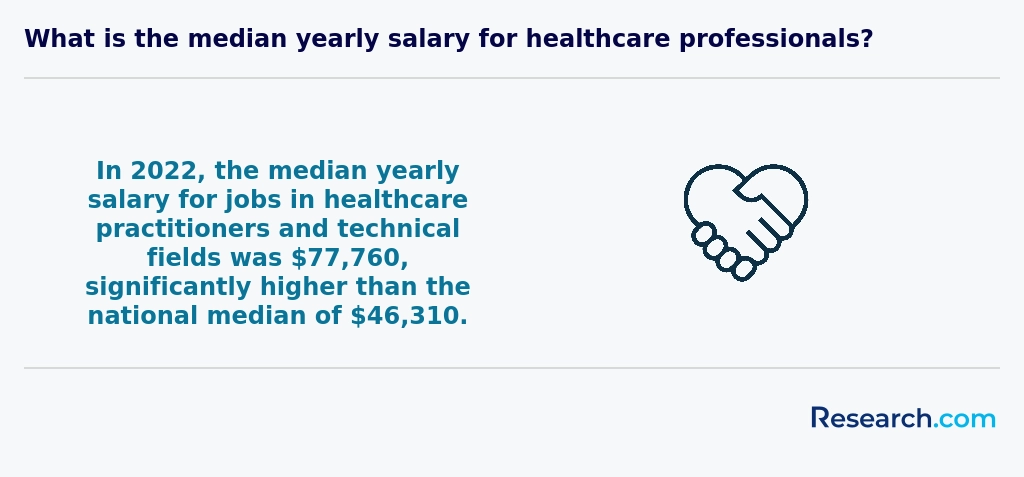
Graduates with healthcare degrees in Stockton can anticipate diverse earning potential depending on their chosen roles. Medical assistants typically start with mean annual wages around $43,350, offering a steady entry point into the healthcare field. Those who trained in local colleges often share how gaining hands-on experience alongside their studies helped them secure these competitive positions.
Patient care technicians in Stockton report mean salaries near $60,790, reflecting the growing demand for skilled support staff in hospitals and clinics. Graduates often express pride in contributing directly to patient wellbeing, balancing rewarding work with a comfortable income.
Health information technicians also see annual earnings close to $43,380, drawing recent graduates interested in combining healthcare knowledge with evolving digital technologies. Many from Stockton's universities feel optimistic about job stability in this growing sector.
For those aiming higher, quality improvement coordinators, who generally require advanced degrees, earn around $103,150 annually. Graduates pursuing such roles highlight the satisfaction of leading healthcare initiatives that improve patient outcomes, making their investment in education highly worthwhile.
Studying healthcare in Stockton offers a promising financial future, complemented by practical training and a community-focused environment that nurtures ambition and success.
2027 Most Affordable Healthcare Degree Programs Ranking in Stockton
How do we rank schools?
Investing in your education is a significant decision that can shape your future, and the Research.com team understands the importance of making informed choices. To assist prospective students in Stockton, we have meticulously developed the "2027 Most Affordable Healthcare Degree Programs Ranking in Stockton." Our commitment to quality, credibility, and accuracy is reflected in the extensive research and analysis conducted to compile this ranking.
We utilized the following reputable data sources to ensure a comprehensive evaluation of healthcare degree programs:
By exploring this ranking, readers will gain valuable insights into the most affordable healthcare degree programs available in Stockton, enabling them to make well-informed decisions about their educational paths. For more details on our methodology, please visit our Research.com methodology page.

Key Findings
- Tuition for healthcare degrees in Stockton ranges from $5,000 to $15,000 per year at public community colleges and $25,000 to $45,000 total for bachelor's programs.
- Graduates can expect starting salaries between $45,000 and $55,000 annually, with potential increases to $70,000 or more in advanced roles.
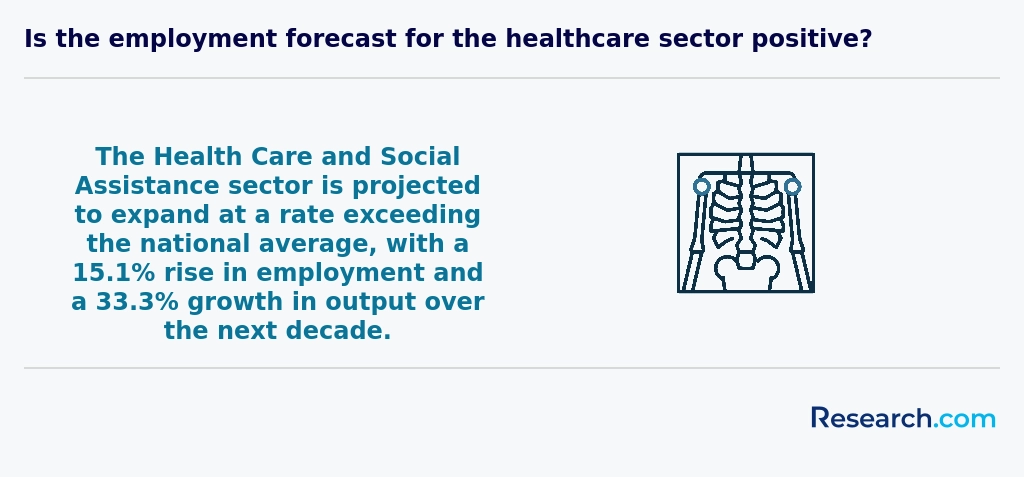
- Employment in healthcare jobs is projected to grow over 15% in the next decade, driven by local demand and an aging population.
- Healthcare programs include preparation for certification and licensure exams, along with opportunities for internships and clinical placements.
- Lower transportation and living costs in Stockton make studying healthcare degrees more affordable compared to larger California cities.
How long does it take to complete healthcare degree in Stockton?
Completing a healthcare degree in Stockton commonly spans from two years for associate degrees at community colleges like San Joaquin Delta College, up to six years for doctoral programs. Many graduates recall juggling part-time jobs and clinical placements, appreciating the real-world experience gained through flexible schedules offered locally. An associate degree, such as that for Certified Nursing Assistants, often equips students with practical skills quickly, allowing a faster entry into healthcare roles.
Bachelor's degrees, widely offered at Stockton-area institutions, usually take four years but feel rewarding as students witness their growth from classroom theory to hands-on skills during internships. Some reflect on how full-time study fosters strong community ties and professional networks, boosting confidence and career readiness.
Graduate programs like the MSN or Healthcare Administration often extend from two to four years, depending on whether students opt for full or part-time enrollment. Many find this path fulfilling as it blends advanced theory with leadership training, preparing them for impactful roles within local healthcare systems.
Looking ahead, hybrid and accelerated programs in Stockton may shorten these timelines further, reflecting a future where earning a healthcare degree fits even more seamlessly into diverse lifestyles while maintaining quality education and clinical experience.
Certification and Specialized Career Paths: Unlocking New Opportunities
In the evolving healthcare landscape, gaining specialized certifications can pave the way for niche roles and rapid career advancement. Beyond traditional degree programs, certifications-such as medical coding-offer a streamlined path to enter fields that are integral to efficient healthcare operations. For instance, professionals seeking to specialize in medical administrative and coding roles can benefit from targeted training programs that not only boost technical expertise but also significantly improve employability. With evolving industry standards, obtaining a certification enables graduates to stay competitive and meet the demands of modern healthcare environments. Moreover, career advisors suggest that when evaluating these programs, candidates should consider both the duration and the potential ROI. For more specific guidance on specialized training, you might explore how long does it take to be a medical coder to gain insights into effective certification pathways. By integrating specialized certifications into your educational journey, you can enhance your professional profile and adapt to the dynamic shifts in the healthcare industry.
What's the difference between online and on-campus healthcare degree?
Graduates from healthcare programs at institutions like the University of the Pacific in Stockton often describe online degrees as a lifeline for balancing work and family. The flexibility to attend lectures virtually allows them to study during off-hours, a huge relief for those managing multiple commitments. Yet, they stress the importance of local clinical internships, which are arranged through nearby hospitals and clinics to maintain hands-on experience.
Conversely, on-campus students at San Joaquin Delta College highlight the energizing environment of face-to-face interactions. Being physically present in labs and healthcare settings nearby gives them confidence in handling real-world medical situations. This immersive exposure feels invaluable in developing practical skills that online simulations can't fully replicate.
Looking ahead, hybrid models combining Stockton's online resources with scheduled on-site labs could redefine healthcare education. This approach may offer the best of both worlds-flexibility alongside critical experiential learning-empowering future healthcare workers to thrive amid evolving demands.
Accreditation and Licensing Requirements
Ensuring your chosen healthcare program in Stockton, CA, is properly accredited and meets California’s licensing standards is critical for both career readiness and eligibility for financial aid. Regional accreditation (WSCUC for California schools) confirms institutional quality, while programmatic accreditation-such as CCNE or ACEN for nursing and AAMA for medical assisting-verifies that specific curricula align with industry requirements. Graduates from accredited programs are eligible to sit for licensure exams administered by bodies like the California Board of Registered Nursing (BRN) or the Medical Board of California, and employers often require proof of both degrees and valid licenses. In addition to accreditation, prospective students should research state-specific clinical hour requirements and examination pass rates; these metrics are strong predictors of program effectiveness. Many programs publish annual licensure exam outcomes-look for schools boasting NCLEX-RN pass rates above the state average. Accreditation also impacts your ability to transfer credits and access federal aid through FAFSA, so verify accreditation status on the U.S. Department of Education’s Database of Accredited Postsecondary Institutions and Programs. For students considering advanced degrees or specialized tracks, our Low Cost Online Master’s in Healthcare Degree Programs Ranking in New Jersey showcases accredited online master’s options that balance affordability with academic rigor. By choosing accredited and licensure-aligned programs, you’ll safeguard your investment, streamline your path to certification, and enhance your competitiveness in Stockton’s dynamic healthcare job market.
What is the average cost of healthcare degree in Stockton?
The average cost of a healthcare degree in Stockton typically falls around $57,000 for in-state students, with out-of-state costs rising closer to $75,000. Graduates from community colleges like San Joaquin Delta College often recall manageable semester fees, generally between $1,200 and $2,500, making it an attractive option for those seeking affordable healthcare degree programs Stockton. Their positive experiences reflect how accessible education pathways are within reach without excessive financial stress.
For many students attending four-year universities near Stockton, such as California State University, Stanislaus, expenditures can increase but still remain reasonable considering the quality of education and the promising career outcomes. With annual tuition around $7,500 for in-state healthcare majors, students appreciate the balance between cost and comprehensive training. These figures encourage hopeful future healthcare professionals to envision themselves thriving in the local healthcare workforce.
Additional expenses like textbooks, clinical fees, and lab supplies, adding roughly $1,000 to $2,000 yearly, present realistic considerations prospective students weigh carefully. Nonetheless, the availability of financial aid, scholarships, and partnerships with local employers often lightens the financial burden. Many healthcare students find motivation and reassurance knowing their investment is supplemented by support programs that may even offer stipends during critical clinical training stages.
Looking ahead, aspiring healthcare professionals might explore second-degree bsn programs learning outcomes that could further optimize their education costs and time. Stockton's healthcare education landscape reflects an inviting and feasible path for those motivated to serve their community while managing costs effectively.
Licensure and Certification Insights for Healthcare Graduates
One crucial aspect often overlooked in healthcare degree program overviews is understanding the post-graduation licensure and certification process. After completing a healthcare degree in Stockton, CA, graduates must navigate various certification exams and licensing requirements that are mandatory for practicing in the field. These certifications not only validate a graduate’s skillset but also serve as a key factor in boosting employability and career advancement. In many cases, specialized roles such as registered nurses, respiratory therapists, or clinical laboratory scientists require state-specific licenses, ensuring that curriculum standards and practical competencies are met. Students should proactively gather detailed information on the certification process while researching potential programs. For example, when considering program affordability, it’s beneficial to explore institutions that provide robust career support services, including guidance on certification and licensure preparation. By connecting with alumni networks and local professional organizations, prospective students can gain valuable insights into the best practices for navigating these essential post-graduation steps. Additionally, understanding these requirements early on can help in planning finances around exam fees and study materials. For further information on finding programs that combine both quality education and cost-effective options, check out our detailed guide on cheapest healthcare schools in california. This resource offers comprehensive insights into programs that not only support academic learning but also prepare students for the licensing outcomes required to excel in today’s competitive healthcare landscape.
What financial aid is available to healthcare degree students in Stockton?
Healthcare students in Stockton often rely on a mix of financial aid options that can make their educational journey more affordable and less stressful. Many graduates from institutions like San Joaquin Delta College recall how federal aid, especially Pell Grants, lifted a significant financial burden by covering thousands of dollars without requiring repayment. This aid, combined with California's Cal Grant, provides a potent financial foundation-some receiving up to $12,630 annually for state university attendees, which fuels their drive to succeed.
Local scholarships tailored to healthcare careers also shape a hopeful path. For example, students aiming to enter nursing or allied health fields share how scholarships from regional groups like the San Joaquin County Healthcare Consortium transformed their ambitions into realities. Employer-sponsored tuition assistance adds an encouraging layer for those already working in healthcare, turning job experience into tangible educational support.
Looking ahead, many imagine expanding partnerships between Stockton institutions and healthcare providers that could further increase funding opportunities and personalized aid, reducing debt and empowering students to focus on their passion.
Licensing and Certification Requirements
Navigating licensure and certification is a critical step after earning a healthcare degree in Stockton, CA. For registered nurses, passing the NCLEX-RN exam administered by the California Board of Nursing is mandatory; Stockton graduates report an average first-time pass rate of 88%, reflecting robust preparation in both online and on-campus curricula. Aspiring medical assistants must earn credentials such as the Certified Medical Assistant (CMA) through the American Association of Medical Assistants (AAMA) or the Registered Medical Assistant (RMA) via AMT. Many students seeking flexible study options to prepare for these exams explore our most affordable online medical assistant programs, which combine cost-effective coursework with exam-focused review. Health information technicians aiming for the Registered Health Information Technician (RHIT) certification should look for programs aligned with AHIMA standards; Stockton schools average an 80% pass rate for first-time candidates, and coursework often includes hands-on coding labs and compliance case studies. Graduates pursuing public health roles may pursue the Certified in Public Health (CPH) credential offered by the National Board of Public Health Examiners, which underscores their expertise in epidemiology, program management, and community assessment. Beyond initial licensure, many professionals in Stockton engage in continuing education to maintain credentials and advance their careers. Nursing graduates commonly complete 30–40 hours of approved CEUs every two years, while medical assistants and health information specialists may need 10–15 hours of specialized training. By understanding these requirements early, prospective students can choose programs that integrate certification prep into their curriculum, ensuring a seamless transition from classroom to clinical and administrative roles in Stockton’s dynamic healthcare sector.
What are the prerequisites for enrolling in healthcare degree program in Stockton?
To enroll in a healthcare degree program in Stockton, candidates commonly need a high school diploma or GED, reflecting the foundational knowledge required to thrive in courses heavy on biology, chemistry, and math. Graduates from San Joaquin Delta College often recall how completing these prerequisites built their confidence, making challenging subjects approachable.
Applicants typically must maintain a GPA around 2.5 to 3.0, which signals academic readiness. Some bachelor's programs at University of the Pacific also ask for standardized tests like the ACT, though these are becoming more flexible, mirroring national trends. This shift encourages many eager applicants who may excel outside traditional testing environments.
Beyond academics, proof of immunizations and a recent physical exam are standard to safeguard students and patients during clinical placements, a requirement that alumni appreciate for creating a safe learning space. Some programs even require background checks and drug screenings, a reassuring step that protects all parties involved.
Healthcare experience through volunteering or internships is highly valued in Stockton's programs. Many graduates remark that their early hands-on exposure solidified their passion and readiness, turning abstract concepts into meaningful real-world skills.
Accreditation and Licensure Outcomes
Accreditation is a critical factor when evaluating healthcare degree programs in Stockton, CA, as it ensures that curricula meet industry standards and qualify graduates for licensure exams. Accredited programs are reviewed by recognized agencies such as the Commission on Collegiate Nursing Education (CCNE), the Accreditation Council for Occupational Therapy Education (ACOTE), and the Commission on Accreditation for Health Informatics and Information Management Education (CAHIIM). Students should verify each institution’s accreditation status via the U.S. Department of Education’s Database of Accredited Postsecondary Institutions and Programs to confirm eligibility for federal financial aid and professional licensure. Licensure pass rates serve as a reliable indicator of program quality. For example, the local BSN program at California State University, Stanislaus, consistently reports a 92% NCLEX-RN pass rate, surpassing the national average of 88%. San Joaquin Delta College’s Health Information Technology graduates achieve a 95% AHIMA certification pass rate, reflecting strong preparation in medical coding and data management. Prospective students can also explore advanced degrees through our Low Cost Online Master's in Healthcare Degree Programs Ranking in New Jersey to compare outcomes and accreditation credentials. When selecting a program, consider:
- Programmatic Accreditation: Confirms specialized review and rigorous standards.
- Institutional Accreditation: Ensures college or university credibility.
- Licensure Exam Pass Rates: High rates correlate with effective curriculum and faculty expertise.
- Graduate Satisfaction Surveys: Offer insights into student support services and clinical placements. By prioritizing accredited programs with strong licensure outcomes, Stockton students can maximize their return on investment, secure eligibility for key certifications, and confidently pursue licensure in their chosen healthcare field.
What courses are typically in healthcare degree programs in Stockton?
Healthcare degree programs in Stockton typically include a dynamic mix of courses designed to build both foundational knowledge and practical skills. Graduates from institutions like Stockton State Community College often describe how core courses-such as anatomy, physiology, and microbiology-gave them a thorough understanding of the human body, which felt empowering when first applied during clinical internships at places like Dameron Hospital.
Students also embrace classes in healthcare ethics and medical terminology, appreciating how these prepare them for real-world patient interactions and the complexities of healthcare administration. Coursework in pharmacology and health information management equips them with the confidence to navigate electronic health records and medicine safely, skills that feel increasingly relevant as technology evolves.
Emerging topics, like healthcare informatics and patient safety, appear more frequently in Stockton's curriculum, reflecting the region's focus on innovative care. Many students recall the satisfaction of community health education projects, where they directly influenced local wellbeing, making their studies feel both practical and meaningful.
What types of specializations are available in healthcare degree programs in Stockton?
Healthcare degree specializations in Stockton are evolving rapidly to meet the dynamic needs of the region's healthcare systems. Many students at popular local colleges reflect on how programs like Nursing-ranging from Licensed Vocational Nurse (LVN) to advanced degrees-provide both hands-on clinical experience and pathways for career advancement. Graduates often share stories about immersive training in community hospitals where they witnessed patient care innovations firsthand, fueling their passion for the field.
Meanwhile, specializations in Health Information Management stand out for those excited by digital health transformations. Students have expressed enthusiasm about mastering electronic health records and healthcare data analytics, crucial skills as Stockton's facilities adopt more tech-driven solutions. Prospective enrollees exploring nursing degree concentrations often highlight this fusion of tech and care as opening new career horizons within Stockton's growing healthcare landscape.
Other specializations such as Medical Assisting and Allied Health continue to expand, cultivating practical skills for roles in physical therapy and respiratory care. These programs appeal to students who enjoy direct patient interaction and problem-solving in fast-paced clinical settings. Public Health concentrations also attract those passionate about community wellness, addressing Stockton's diverse population needs with innovative prevention strategies and outreach programs.
How do you choose the best healthcare degree in Stockton?
Choosing a healthcare degree in Stockton means thinking beyond just the course itself-it's about envisioning your career in an evolving healthcare landscape. Graduates from San Joaquin Delta College often share how the affordable healthcare degree programs in Stockton allowed them to gain practical skills while managing costs, setting them up for success. Imagine completing an RN associate degree in two years and then upgrading to a BSN later, a flexible pathway many find rewarding.
In Stockton, the best healthcare degrees Stockton cost and ranking go hand in hand with program reputation and connections. Former students highlight how programs accredited by ACEN or CAAHEP not only ensured quality education but also opened doors to clinical placements at local hospitals like Dameron, blending theory with real-world experience. This balance creates confidence and solid job prospects.
Looking forward, flexible scheduling and part-time options become more critical as students balance life commitments. For those exploring specific paths like vocational nursing, check out the California LVN job market to see how local demand shapes program offerings and career opportunities in Stockton.

What career paths are available for healthcare degree students in Stockton?
Graduates with a healthcare degree career options Stockton find a wide range of opportunities across clinical and administrative fields. Many pursue nursing roles, inspired by local success stories from San Joaquin Delta College and University of the Pacific graduates thriving in hospitals like San Joaquin General. These jobs offer personal fulfillment and job security in a growing healthcare market.
Others explore allied health paths such as radiologic technology or physical therapy assistance, fueled by hands-on training and internships available at community colleges. These roles are ideal for those seeking a dynamic, patient-centered work environment.
For students leaning toward organization and technology, careers in healthcare administration or health information management are promising. Stockton's expanding healthcare sector values such professionals to streamline services and improve patient care outcomes.
Public health and community wellness roles are also emerging, where graduates contribute to impactful local programs combating chronic diseases. Many reflect positively on their education and real-world experience at regional schools, affirming strong job opportunities for healthcare graduates Stockton.
Prospective students curious about specific programs can explore nursing school reviews California to find the best fit and plan their successful careers.

What is the job market for healthcare degree in Stockton?
Graduates with healthcare degrees in Stockton encounter a dynamic job market fueled by the city's growing and aging population. Positions for registered nurses, licensed vocational nurses, and other allied health roles are readily available across local hospitals and outpatient care centers. Many students from well-known community colleges and universities appreciate the hands-on experience gained through partnerships with facilities like St. Joseph's Medical Center, which makes the transition from classroom to workforce rewarding. This environment nurtures a sense of accomplishment and confidence among new professionals.
Choosing affordable healthcare jobs in Stockton is a practical decision, especially given the accessible tuition ranges at nearby colleges. Costs here are considerably lower than private institutions, creating opportunities for students to invest in their education without excessive debt. Support through scholarships and financial aid specifically for healthcare students further encourages enrollment and success.
Healthcare degree employment opportunities Stockton also reflect broader trends in preventive care and technological advancement. Many graduates find roles not only in traditional nursing but also in emerging fields such as medical technology and mental health services. For those exploring nursing education pathways, exploring nursing degrees riverside rankings offers useful insight into regional options beyond Stockton.
Frequently Asked Questions About healthcare
Healthcare degree students in Stockton can enhance their learning by engaging in local clinical internships, which provide hands-on experience in diverse settings such as St. Joseph's Medical Center and San Joaquin General Hospital. Practical exposure allows students to apply theoretical knowledge and develop critical skills.
Utilizing Stockton's community resources, including workshops and seminars offered by the San Joaquin County Public Health Services, helps students stay updated on regional health challenges and initiatives.
Participating in study groups and collaborating with peers improves understanding and retention of complex subjects.
Finally, seeking academic advising and career counseling available at institutions like University of the Pacific boosts strategic planning and professional growth.
Emerging niches within the healthcare field reflect growing technology integration and changing patient needs. In Stockton, areas like telehealth and health informatics are expanding rapidly. According to the California Employment Development Department, jobs in these fields are expected to grow by over 15% through 2028.
Another rising sector is geriatric care, driven by Stockton's increasing senior population. Specialized programs in elder care management and chronic disease coordination are gaining popularity.
Additionally, behavioral health services are seeing strong demand due to greater awareness of mental health issues. Stockton colleges are beginning to offer degrees focusing on substance abuse counseling and psychiatric rehabilitation, aligning with local workforce needs.
Preparing for the job market after completing a healthcare degree in Stockton involves several strategic steps. First, gaining practical experience through internships or clinical rotations is essential, as many employers value hands-on skills. Stockton is home to multiple healthcare facilities like St. Joseph's Medical Center, offering opportunities for real-world training.
Next, obtaining relevant certifications, such as CPR or specialized licenses depending on your field, enhances employability. According to the California Employment Development Department, healthcare jobs in Stockton are projected to grow by over 15% through 2028, signaling strong demand.
Networking is also vital; joining local professional associations can connect you with potential employers. Finally, tailoring your resume to emphasize both education and practical experience improves chances in the competitive Stockton healthcare market.
Employers in Stockton seek healthcare degree graduates equipped with strong clinical skills and effective communication abilities. According to the California Employment Development Department, healthcare roles in Stockton emphasize patient care techniques combined with proficiency in electronic health records management.
Critical thinking and adaptability are also essential, as healthcare settings often require quick decision-making in dynamic environments. Employers value graduates who can collaborate well with interdisciplinary teams and demonstrate cultural competence, reflecting Stockton's diverse population.
Data from local health employers highlight that technical expertise in areas like medical coding and patient safety protocols can significantly improve job prospects.
Overall, graduates should balance practical knowledge with interpersonal skills to meet the region's healthcare demands.
Finding internships in Stockton related to healthcare degrees involves a strategic approach. Start by contacting local hospitals such as St. Joseph's Medical Center and Dameron Hospital, which often offer internship programs for students in nursing, allied health, and other medical fields.
Utilize resources at nearby colleges like San Joaquin Delta College, which partners with regional healthcare providers to facilitate internships and clinical placements.
Check online job boards and internship platforms focused on healthcare roles in Stockton. Websites affiliated with California's Employment Development Department can also list relevant opportunities.
Networking through local professional healthcare associations and attending health career fairs in the Stockton area can increase chances of securing valuable experience.
According to the California Labor Market Info, healthcare employment in Stockton is expected to grow by over 10% through 2028, making internships a critical step toward entering this expanding field.
Obtaining a healthcare degree in Stockton significantly enhances career mobility and advancement opportunities. The city's growing healthcare sector, including major employers like the San Joaquin General Hospital, demands skilled professionals. According to the U.S. Bureau of Labor Statistics, healthcare occupations in Stockton are projected to grow by 16% through 2030, outpacing many other fields.
Graduates with degrees in nursing, health administration, or allied health often qualify for higher-paying roles and leadership positions. Many local healthcare providers prioritize candidates with formal education for promotions and specialized roles. Continuing education and certifications further increase advancement potential, making a healthcare degree a key investment for long-term career growth in Stockton.
Studying for a healthcare degree in Stockton offers students comprehensive preparation for interdisciplinary roles critical in today's healthcare environments. Local programs emphasize collaboration among various healthcare professionals, including nurses, social workers, and public health specialists, reflecting the integrated care models increasingly adopted nationwide.
Stockton's healthcare curriculum often includes courses in communication, ethics, and healthcare policy, all designed to support teamwork across disciplines. The city's diverse patient population allows students valuable clinical experiences that highlight social determinants of health and cultural competence, skills essential for interdisciplinary practice.
According to data from the California Employment Development Department, healthcare occupations in Stockton are expected to grow by 15% through 2030, underlining the need for professionals capable of working in multidisciplinary teams.
Choosing between a thesis and a non-thesis healthcare degree program in Stockton depends largely on your career goals and learning preferences. Thesis programs require conducting original research and writing a detailed paper, which is ideal if you plan to pursue a PhD or work in research-heavy roles. Non-thesis options usually focus on practical skills and coursework, better suited for professionals aiming for clinical or administrative positions.
Stockton's healthcare sector has grown steadily, with hospitals and clinics seeking skilled practitioners rather than researchers, according to data from the California Employment Development Department.
Consider your time availability, as thesis tracks often take longer to complete. Also, think about your interest in research versus hands-on practice.
Students based in Stockton seeking to study healthcare abroad have a few practical options through U.S. higher education pathways. Many Stockton residents begin their healthcare studies at institutions such as San Joaquin Delta College, which offers foundational courses transferable to universities with international study programs.
While direct enrollment in foreign universities is less common, Stockton students often participate in study abroad programs affiliated with California State University campuses. These programs typically include clinical observation or research opportunities related to healthcare fields in countries with established medical systems.
According to the Institute of International Education, approximately 2% of U.S. students studying healthcare engage in short-term international experiences to enhance their clinical skills and global perspective. Stockton's proximity to the University of the Pacific also facilitates access to study abroad advisories for health majors.
Students pursuing healthcare degrees in Stockton have access to diverse part-time job opportunities that complement their education and provide practical experience. Popular roles include medical assistants, home health aides, and pharmacy technicians. These positions offer hands-on exposure to patient care and medical procedures while building relevant skills.
According to the California Employment Development Department, healthcare support occupations in Stockton are projected to grow by over 15% through 2028, creating ample part-time openings. Local hospitals such as Dameron Hospital and St. Joseph's Medical Center frequently hire part-time workers.
Working in these roles enables students to apply classroom knowledge in real clinical settings, enhancing their readiness for certification exams and advanced career paths. Flexible schedules also help balance work and study commitments effectively.
Healthcare students in Stockton benefit from a variety of networking opportunities that support career development. Local institutions like California State University, Stanislaus, provide access to healthcare clubs and organizations where students can connect with peers and professionals. Additionally, the region's proximity to major medical centers like St. Joseph's Medical Center offers internship and volunteer opportunities that help build practical experience.
Professional associations such as the San Joaquin Valley Chapter of the California Nurses Association host events and seminars accessible to students. These gatherings allow students to meet healthcare providers and learn about job prospects.
According to the California Employment Development Department, Stockton's healthcare sector has grown steadily, increasing the importance of networking for job placement after graduation.
Alumni networks offer significant benefits to healthcare degree students in Stockton by providing valuable professional connections. These networks help students access internships, job opportunities, and mentorship from experienced graduates who understand the local healthcare landscape.
Stockton's healthcare sector, including facilities like St. Joseph's Medical Center, actively collaborates with universities, enhancing student access to practical experiences through alumni referrals. According to the California Employment Development Department, healthcare jobs in Stockton are expected to grow 12% by 2028, increasing the importance of strong networking.
Alumni also share insights on navigating certifications and licensing specific to California, giving students a competitive edge post-graduation.
Customizing a healthcare degree in Stockton allows students to align their education with specific career goals. Many local institutions offer flexible programs with options to choose concentrations such as nursing, health administration, or public health. Stockton's proximity to diverse healthcare facilities provides opportunities for specialized internships and clinical experiences tailored to fields like elder care or community health.
Students often enhance their degrees by selecting electives focused on emerging areas, including healthcare technology or mental health services. According to the California Employment Development Department, healthcare occupations in Stockton are projected to grow 15% by 2028, emphasizing the value of targeted skill sets.
Additionally, some programs offer part-time and online courses, allowing working professionals to balance studies and careers effectively.
Healthcare students in Stockton face several common challenges as they pursue their degrees. One major difficulty is balancing rigorous coursework with clinical rotations, which demand significant time and energy. According to the California Board of Registered Nursing, clinical hours can exceed 1,000 for some programs, impacting students' ability to maintain work-life balance.
Financial stress is another concern. Stockton's median household income is below the state average, making tuition and related expenses burdensome for many students. Additionally, limited access to healthcare facilities offering diverse internship opportunities can affect practical experience.
Finally, students often report stress linked to preparing for licensure exams, which have high standards to ensure patient safety.
With a healthcare degree in Stockton, students can pursue various professional certifications to enhance their career opportunities. Common certifications include Certified Nursing Assistant (CNA), Licensed Vocational Nurse (LVN), and Registered Nurse (RN), each requiring specific coursework and clinical experience.
Those interested in specialized fields may consider certifications like Medical Assistant (MA), Phlebotomy Technician, or Health Information Technician. Stockton's local healthcare job market, according to the California Employment Development Department, shows strong demand for certified professionals, especially in nursing and allied health roles.
Certifications often require passing national or state exams and maintaining continuing education credits for renewal.
To write a winning application for a healthcare program in Stockton, start by thoroughly researching the specific requirements of local institutions such as the University of the Pacific or San Joaquin Delta College. Highlight your academic achievements in science courses, as strong foundations in biology and chemistry are essential.
Include relevant volunteer or work experience in healthcare settings to demonstrate your commitment and understanding of the field. Stockton's healthcare employment grew by 5.2% between 2019 and 2023, reflecting strong local demand for skilled professionals (Bureau of Labor Statistics).
Craft a clear personal statement explaining your career goals and why you chose healthcare in Stockton. Tailor it to show awareness of the community's healthcare needs, such as addressing disparities in access to care. Finally, ensure your application is error-free and submit all required documents before deadlines.
Healthcare careers are gaining global recognition due to increasing demand for skilled professionals, especially in urban centers like Stockton. The World Health Organization highlights a worldwide shortage of nearly 18 million health workers by 2030, creating vast opportunities for graduates. In the US, healthcare jobs are projected to grow 13% from 2021 to 2031, much faster than average, with Stockton reflecting similar trends because of its growing population and healthcare needs, according to the Bureau of Labor Statistics.
Internationally, healthcare professions emphasize cultural competence and adaptability, which are critical as diseases and health issues transcend borders. This global outlook benefits Stockton students by preparing them for diverse work environments and potential international collaboration.
Moreover, US healthcare education standards are highly regarded worldwide, encouraging global partnerships and research opportunities for students pursuing degrees in Stockton or nearby institutions.
Gaining practical experience while studying for a healthcare degree in Stockton is essential for building skills and improving job prospects. Many local colleges and universities, such as San Joaquin Delta College, offer clinical placements and internships in partnership with healthcare facilities. These experiences provide hands-on training in environments like hospitals, clinics, and nursing homes.
Students often participate in supervised patient care, medical record management, and health promotion activities. According to the California Employment Development Department, Stockton's healthcare sector is growing steadily, creating abundant opportunities for student internships and practical learning.
Volunteering at community health centers can also enhance practical knowledge.
Choosing the right concentration within a healthcare degree program in Stockton starts with understanding your career goals and local job market. Stockton's healthcare sector is growing, driven by aging populations and expanding medical services, creating demand for nurses, medical technicians, and healthcare administrators (U.S. Bureau of Labor Statistics, 2023).
Research the specific roles each concentration prepares you for, such as nursing, health informatics, or public health. Stockton has strong opportunities in nursing and allied health fields, supported by nearby hospitals like Dameron and San Joaquin General.
Also, consider program accreditation and hands-on training options, which enhance job readiness and licensure eligibility.
Related Healthcare Rankings for Nearby Cities
- 2027 Most Affordable Healthcare Degree Programs Ranking in Oakland
- 2027 Most Affordable Healthcare Degree Programs Ranking in San Francisco
- 2027 Most Affordable Healthcare Degree Programs Ranking in Los Angeles
- 2027 Most Affordable Healthcare Degree Programs Ranking in Anaheim
- 2027 Most Affordable Healthcare Degree Programs Ranking in Irvine
- 2027 Most Affordable Healthcare Degree Programs Ranking in Riverside
- 2027 Most Affordable Healthcare Degree Programs Ranking in La Jolla
- 2027 Most Affordable Healthcare Degree Programs Ranking in San Diego
- 2027 Most Affordable Healthcare Degree Programs Ranking in Phoenix
- 2027 Most Affordable Healthcare Degree Programs Ranking in Tempe
Top Trending Healthcare Rankings
See What Experts Have To Say About Studying Healthcare
Read our interview with Healthcare experts

References
- Health Careers Academy - Career Technical Education (CTE) https://hca.stocktonusd.net/career-tech-education-cte
- Careers in Healthcare - School of Health Sciences | Stockton University https://stockton.edu/health-sciences/careers-in-healthcare.html
- Course Benefits https://www.premedprojects.co.uk/hospital-work-experience-benefits
- Education requirements for the fastest-growing healthcare jobs https://www.corridorcareers.com/job-tips/blog-news-education-requirements-fastest-growing-healthcare-jobs
- Career Opportunities in Healthcare Without a Medical Degree https://www.just-medical.ch/en/blog/medical-careers-without-formal-education
- Employability Skills Matrix for the Health Sector https://www.skillsforhealth.org.uk/resources/employability-skills-matrix/
- Global Perspectives – Healthcare Beyond Borders https://www.cedars-sinai.org/international-stories/healthcare-beyond-borders.html
- Top 3 Reasons to Consider a Career in Healthcare - Roseman University https://www.roseman.edu/student-experience/news/top-3-reasons-to-consider-a-career-in-healthcare/
- ADN Programs Stockton, CA - Nursing Degree Programs https://nursingdegreeprograms.net/adn-programs-stockton-ca/
- 6 Tips On Networking For Medical Professionals https://aaams.net/blog/how-to-network-in-the-medical-field-nurses/