2027 Best Healthcare Degree Programs Ranking in Arizona

Co-Founder and Chief Data Scientist
Choosing the right healthcare degree program can shape your future career and open doors to meaningful opportunities. This article introduces the 2027 Best Healthcare Degree Programs Ranking in Arizona, carefully developed by the Research.com team of data scientists to guide you through the top options available in the state.
By exploring this ranking, you'll gain valuable insights to make confident decisions about your education path. Getting a healthcare degree offers not only stability but also the chance to make a real difference in people's lives. Let's help you find the program that's right for you.
Key benefits of getting healthcare degree in Arizona
- Healthcare degree graduates in Arizona can expect competitive salaries, such as a Medical Assistant earning around $43,350 annually and a Quality Improvement Coordinator making over $103,000 per year, offering financial stability and growth.
- Graduates from colleges like Arizona State University often pursue rewarding careers as Patient Care Technicians or Health Information Technicians, providing diverse opportunities in clinical and administrative healthcare roles.
- Obtaining a healthcare degree online from institutions like the University of Arizona Online offers flexibility, allowing students to balance work and study, while still accessing quality education and opportunities for career advancement.
- Key benefits of getting healthcare degree in Arizona
- What can I expect from healthcare degree in Arizona?
- Where can I work with healthcare degree in Arizona?
- How much can I make with healthcare degree in Arizona?
- 2027 Best Healthcare Degree Programs Ranking in Arizona
- Key Findings
- How long does it take to complete healthcare degree in Arizona?
- Emerging Trends in Healthcare Education in Arizona
- What's the difference between online and on-campus healthcare degree?
- Career Success and Professional Development in Healthcare
- What is the average cost of healthcare degree in Arizona?
- Accelerated and Fast-Track Healthcare Degree Options in Arizona
- What financial aid is available to healthcare degree students in Arizona?
- Graduate Outcomes and Career Placement Rates
- What are the prerequisites for enrolling in healthcare degree program in Arizona?
- Application Process and Admission Tips for Healthcare Programs in Arizona
- What courses are typically in healthcare degree programs in Arizona?
- What types of specializations are available in healthcare degree programs in Arizona?
- How do you choose the best healthcare degree in Arizona?
- What career paths are available for healthcare degree students in Arizona?
- What is the job market for healthcare degree in Arizona?
- Related Healthcare Rankings for Nearby States
- Top Trending Healthcare Rankings
- See What Experts Have To Say About Studying Healthcare
What can I expect from healthcare degree in Arizona?
The average cost of pursuing a healthcare degree in Arizona varies but generally remains accessible, especially for in-state students. For instance, graduates from Arizona State University often share how the state university's tuition rates made their educational journey feasible without overwhelming debt. These students emphasize the value of practical experience gained through clinical internships, often embedded in the tuition, which deepens learning beyond textbooks.
At the University of Arizona, students pursuing Bachelor of Science in Nursing (BSN) degrees note that the balance of competitive tuition with hands-on clinical experiences in local hospitals creates an enriching and manageable investment. Many speak of financial aid and scholarships targeted specifically at healthcare programs, which help reduce actual out-of-pocket costs significantly, making advanced degrees like nurse practitioner tracks or public health master's more attainable.
Such funding options highlight how Arizona's healthcare education ecosystem supports ambition without sacrificing quality, proving the traditional notion of healthcare degrees being prohibitively expensive doesn't hold uniformly true here.
Where can I work with healthcare degree in Arizona?
Graduates with healthcare degrees from Arizona institutions like Arizona State University or the University of Arizona often find themselves stepping into vibrant roles across the state's diverse medical landscape. Far beyond traditional hospitals, these professionals thrive in outpatient care centers and urgent care clinics, places where swift, impactful decisions shape patient outcomes daily.
Imagine working in a Banner Health hospital, collaborating closely with a multidisciplinary team, or supporting elder care in an assisted living center in Tucson, where Arizona's rapidly aging population demands compassionate expertise. Many graduates feel a deep sense of purpose serving in community health organizations, tackling public health challenges through education and prevention initiatives supported by the Arizona Department of Health Services.
Health informatics and administration offer dynamic career paths, too, especially as the state embraces technological advances. Graduates with a knack for data and management find fulfilling roles ensuring smooth operations and better patient care. These opportunities aren't just jobs-they're chances to make a tangible difference in Arizona's evolving healthcare ecosystem.
How much can I make with healthcare degree in Arizona?
Graduates from healthcare programs in Arizona often find their earnings reflecting both the diversity of their chosen fields and the practical value of local training. For instance, a graduate from Arizona State University entering as a Medical Assistant can expect a mean annual wage of about $43,350, a solid start that aligns with entry-level expectations yet opens doors for advancement.
Meanwhile, those stepping into roles like Patient Care Technicians earn closer to $60,790 annually, demonstrating how specialized skills acquired during coursework can significantly boost income potential within Arizona's healthcare market.
Health Information Technicians and Clinical Research Coordinators, often recent graduates of institutions such as Pima Medical Institute, also see comparable earnings around $43,350 to $43,380, reflecting steady opportunities in healthcare administration and research settings.
For graduates who aim higher, becoming Quality Improvement Coordinators can offer a leap, with mean annual wages reaching $103,150. This suggests that investing in advanced certifications or degrees can profoundly impact financial outcomes in Arizona's evolving healthcare landscape.
These figures encourage deeper reflection beyond typical salary expectations, urging students to consider how the unique demands and opportunities within Arizona shape their career and earning trajectories.
2027 Best Healthcare Degree Programs Ranking in Arizona
How do we rank schools?
Investing in your education is a significant decision that can influence your future, and the Research.com team recognizes the importance of making well-informed choices. To support prospective students in Arizona, we have carefully developed the "2027 Best Healthcare Degree Programs Ranking in Arizona." Our dedication to quality, credibility, and accuracy is evident in the thorough research and analysis behind this ranking.
We utilized the following reputable data sources to ensure a comprehensive evaluation of healthcare programs:
By consulting this ranking, readers will gain valuable insights into the top healthcare degree programs in Arizona, empowering them to make confident educational decisions. For a deeper understanding of how our ranking was created, please visit our Research.com methodology page.


# 13 position
Arizona State University Digital Immersion
Bachelor of Science in Health Sciences


# 15 position
Dine College
Bachelor of Science in Health Sciences

# 16 position
Aspen University
Bachelor of Science in Health Sciences

# 17 position
Aspen University
Master of Science in Nursing
# 18 position
Aspen University
Doctor of Health Science
# 19 position
University of Phoenix-Arizona
Bachelor of Science in Health Sciences

# 20 position
University of Phoenix-Arizona
Master of Health Administration
Key Findings
- In-state tuition for public universities in Arizona ranges from $10,000 to $15,000 per year for undergraduate healthcare programs.
- Private institutions may charge over $30,000 annually, excluding fees, textbooks, and clinical placement costs.
- Healthcare employment in Arizona is projected to grow by about 20% over the next decade due to demand from an aging population.
- Entry-level salaries for healthcare graduates average around $50,000 per year, with nurses starting near $55,000 and healthcare administrators around $48,000.
- Experienced healthcare professionals can earn median salaries between $70,000 and $100,000+, especially in specialized roles.
How long does it take to complete healthcare degree in Arizona?
Completing a healthcare degree in Arizona unfolds across varied timelines that reflect both ambition and circumstance. Graduates from community colleges like those in the Maricopa system often highlight how their associate degrees wrap up in about two years, providing a fast track into healthcare roles. Meanwhile, those pursuing a Bachelor of Science in Nursing at Arizona State University share stories of a dedicated four-year journey that demands perseverance but ultimately opens wide doors.
For many, the path extends into graduate school, where master's degrees-like ASU's Master of Healthcare Innovation-take roughly two years, blending deep knowledge with practical skills. Some students relish the flexibility of accelerated programs, completing what traditionally takes four years in just two or three, while others balance family and work, extending their education over five years without losing hope or motivation.
Such experiences underscore a powerful truth: the time to earn a healthcare degree in Arizona is not merely a number but a personal narrative of growth, resilience, and opportunity within a supportive educational landscape.
Emerging Trends in Healthcare Education in Arizona
Arizona’s healthcare education landscape is rapidly evolving, driven by technological advancements and innovative teaching practices. Educational institutions are integrating hybrid learning models that combine high-quality online platforms with essential on-campus, hands-on experiences. This blend not only offers flexibility for working professionals but also ensures that students receive practical, real-world training. One notable trend is the increased incorporation of simulation labs and virtual reality tools, which enable students to practice complex clinical procedures in a safe, controlled environment. These innovations are complemented by partnerships with local hospitals and clinics, providing students with internship opportunities that are directly aligned with current industry needs. For prospective students looking for a cost-effective solution, an affordable healthcare school in arizona can offer programs that are both innovative and budget-friendly. Furthermore, Arizona’s programs are emphasizing data analytics and health informatics - areas that are becoming essential as healthcare systems embrace digital transformation. Curricula are being updated regularly to include emerging topics such as telemedicine, cybersecurity in healthcare, and personalized medicine. These forward-thinking programs aim to equip graduates with the skills to adapt quickly to the evolving healthcare environment, ensuring they remain competitive in a dynamic job market. In summary, by embracing new technologies and updating academic programs to mirror real-world trends, Arizona’s healthcare education sector is not only preparing students for today’s challenges but also positioning them for a future defined by rapid innovation and change.
What's the difference between online and on-campus healthcare degree?
Online healthcare programs in Arizona empower students with flexibility, letting them juggle work or family while pursuing degrees. Graduates from such programs often appreciate being able to learn at their own pace, connecting through virtual platforms without leaving their community. Yet, this freedom demands strong self-discipline and reliable internet-challenges that can affect engagement. For example, an online nursing student enrolled through Arizona State University might balance night shifts while participating in online discussions, finding both convenience and isolation.
Conversely, on-campus programs offer immersive, face-to-face learning experiences. Students at institutions like the University of Arizona benefit from hands-on clinical rotations and immediate feedback in simulation labs, which cultivate confidence and practical skills. Many report that direct interaction with instructors and peers fosters a sense of belonging and motivation often missing online.
The critical distinction lies in clinical training. While on-campus students follow structured rotations integral to their curriculum, online learners must often secure local placements independently, which can be uneven in rural Arizona. This difference shapes not just learning style but professional readiness, making location and personal discipline key factors in choosing a path.
Career Success and Professional Development in Healthcare
Beyond selecting the right program, students benefit from proactively preparing for their future careers through targeted professional development. Graduates recommend engaging in internships, networking events, and mentorship programs to refine both clinical and soft skills needed to excel in the fast-paced healthcare industry. In addition to hands-on experience, consider earning industry certifications and participating in workshops that emphasize emerging healthcare technologies, leadership, and patient communication. These strategies not only enhance your professional portfolio but also cultivate a deep understanding of workplace dynamics within Arizona's growing healthcare sector. For personalized guidance, many prospective students explore enrolling at an affordable healthcare school in arizona, which offers robust career support and practical training initiatives. Embracing a continuous learning mindset and building a strong professional network are key to long-term career success in this dynamic field.
What is the average cost of healthcare degree in Arizona?
The average cost of obtaining a healthcare degree in Arizona hovers around a median in-state total cost of approximately $12,400. This figure reflects tuition and fees, but graduates often recall that expenses like textbooks and certification exams also play a significant role in their overall financial commitment. Students at popular institutions such as Arizona State University describe the balance between cost and quality as a defining factor in their educational journey, appreciating how accessible the pricing makes pursuing a healthcare degree tuition and fees Arizona.
Some graduates share that starting at community colleges offers an affordable and strategic pathway. For instance, the Maricopa County Community College District provides a more budget-friendly option before transferring to a university. This pathway, alongside the typical costs at universities, challenges the notion that quality healthcare education must come with overwhelming debt.
Out-of-state tuition can be two to three times higher, often exceeding $30,000, yet many in-state students find that committing locally brings both financial relief and a sense of community support. The experience of balancing these costs with career ambitions often inspires reflection on value versus expense in healthcare education.
For those searching for an affordable healthcare school in arizona, exploring the nuanced comparison of costs and opportunities becomes essential, emphasizing that the average cost of healthcare degree in Arizona is not just a number but part of a larger, empowering educational story.
Accelerated and Fast-Track Healthcare Degree Options in Arizona
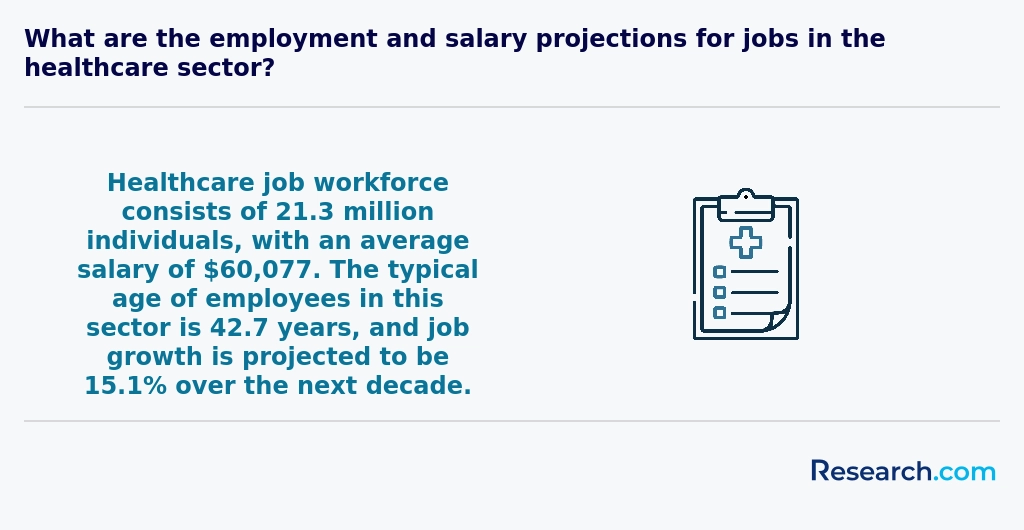
For students eager to enter the workforce quickly, Arizona’s institutions offer a variety of accelerated and fast-track healthcare degree options that compress traditional timelines without sacrificing quality. These programs appeal to those balancing career goals with personal commitments-and they can shave months or even years off your time-to-degree. • Accelerated Bachelor of Science in Nursing (ABSN): – Typical duration: 12–18 months – Entry requirements: bachelor’s degree in any discipline, prerequisite sciences, minimum GPA – Highlights: intensive clinical rotations, simulation labs, priority placement at partnering hospitals • Fast-Track Health Administration: – Typical duration: 15–18 months (online or hybrid) – Curriculum focuses on healthcare policy, finance, and leadership – Career outcomes: qualify for management roles more rapidly than in four-year tracks • Direct-Entry Master’s in Public Health (MEPH): – Typical duration: 12 months – Combines foundational public health coursework with capstone projects – Ideal for career changers seeking roles in epidemiology, health education, or policy • Accelerated PharmD Pathways: – Several universities now collaborate with community colleges to streamline prerequisites and didactic coursework – To explore the nation’s fastest pharmd program, and learn how Arizona’s offerings compare, check out our dedicated guide While accelerated tracks offer significant advantages-reduced tuition costs, faster entry into high-demand roles and earlier salary earnings-they demand unwavering commitment. Prospective students should ensure they have robust time-management plans, strong academic foundations in biology and chemistry, and access to support services such as tutoring and career advising. By choosing the right fast-track program, you can maximize return on investment and begin making a difference in Arizona’s healthcare system without delay.
What financial aid is available to healthcare degree students in Arizona?
When navigating the cost of healthcare degrees in Arizona, many students discover that federal financial aid is often their first lifeline. Graduates from the University of Arizona recount how Pell Grants-free money awarded based on need-dramatically eased their tuition burdens, allowing them to focus on studies rather than mounting debt. Meanwhile, federal student loans with manageable interest rates remain a common pillar, especially when paired with the FAFSA application, which most students at Arizona State University complete early to secure aid.
State scholarships also play a crucial role. For instance, graduates from Northern Arizona University have shared stories of receiving merit-based awards from the Arizona Board of Regents, which made pursuing nursing or public health degrees feasible without overwhelming costs. Beyond scholarships, employer tuition assistance programs offer a surprising benefit for those already working in healthcare settings, such as hospitals in Phoenix, where tuition reimbursement can turn night shifts into career investments.
Loan forgiveness tied to service is another impactful option. Many Arizona healthcare graduates recall how the National Health Service Corps program helped erase student debt by committing to work in underserved areas, turning service into financial relief and personal fulfillment.
Graduate Outcomes and Career Placement Rates
Arizona’s leading healthcare programs consistently demonstrate strong graduate outcomes, with many institutions reporting job placement rates above 85% within six months of graduation. For example, Arizona State University’s bachelor’s graduates achieve a 92% employment rate in healthcare roles, while University of Arizona alumni report an 88% licensure exam pass rate for nursing and allied health professions. Community colleges such as Pima Community College boast a 90% placement rate for associate degree holders, largely due to partnerships with local hospitals and clinics. These programs also highlight career acceleration metrics:
- Average time to full-time employment: 3–6 months post-graduation
- Median starting salary: $60,000 for bachelor’s graduates, rising to $75,000 for master’s graduates
- Licensure exam pass rates: 85–95% across disciplines (e.g., nursing, radiologic technology, health information management) Institutions often support graduates with dedicated career services, including resume workshops, alumni mentoring, and on-site recruitment fairs. Northern Arizona University, for instance, reports that 70% of its healthcare students secure internships that convert into full-time roles, enhancing both experience and network outcomes. For those exploring doctoral paths or seeking cost-effective advanced options, consult our Inexpensive Online Doctorate in Healthcare Degree Programs Ranking in St. Louis, MO to compare program affordability and projected career returns. Integrating these outcome metrics into your decision-making process ensures a more informed choice and maximizes your return on educational investment.
What are the prerequisites for enrolling in healthcare degree program in Arizona?
To enroll in a healthcare degree program in Arizona, students quickly realize the journey demands more than just a high school diploma. Graduates from institutions like Arizona State University often reflect on how essential it was to master prerequisites such as biology, chemistry, and anatomy before even stepping into a classroom. This foundation isn't merely academic-it builds the confidence needed to thrive in challenging clinical environments.
At places like the University of Arizona, nursing hopefuls share how maintaining a minimum GPA between 2.5 and 3.0 on science courses felt like a meaningful milestone that boosted their motivation. For those pursuing graduate programs, holding a bachelor's degree and completing courses in statistics or health systems become critical steps that sharpen analytical skills required in real-world healthcare settings.
Beyond academics, the value of hands-on experience stands out. Many students recount how volunteering in local clinics or earning CPR certification provided a sense of purpose and readiness, connecting coursework with Arizona's expanding healthcare job market. This blend of rigorous prerequisites and practical exposure ultimately transforms hopeful applicants into compassionate providers.
Application Process and Admission Tips for Healthcare Programs in Arizona
When preparing your application for a healthcare degree in Arizona, it is essential to start early and stay organized to maximize your chances of success. Begin by researching each institution’s admission requirements and deadlines, and tailor your application materials accordingly. Here are a few key tips to help you navigate the process: • Review each program’s prerequisites and ensure your academic record and test scores align with their standards. • Strengthen your application by gaining relevant healthcare experience through volunteering, internships, or job shadowing; this practical exposure can set you apart from other candidates. • Prepare a compelling personal statement that highlights your passion for healthcare, career goals, and how the program’s strengths match your aspirations. • Request strong letters of recommendation from professors or healthcare professionals who can attest to your skills and dedication. • Keep track of all application materials and deadlines using a calendar or checklist to avoid missing any crucial steps. For those interested in further insights on achieving high acceptance rates, consider reading about the johns hopkins mph acceptance rate as a benchmark for competitive programs. By taking a proactive approach and following these admissions tips, you can enhance your application and confidently move forward on your academic journey in the thriving healthcare field of Arizona.
What courses are typically in healthcare degree programs in Arizona?
Healthcare degree programs in Arizona dive deep into courses like Anatomy and Physiology, where students at institutions like Arizona State University come face-to-face with the complexities of the human body-not just in textbooks, but through immersive labs that bring biology to life. These courses challenge traditional rote learning by connecting theory to patient care scenarios that graduates often recall as pivotal moments in their education.
Medical Terminology and Healthcare Ethics and Law classes push students to master the language and moral dimensions of care, equipping them to navigate real ethical dilemmas they might encounter in Phoenix hospitals or rural clinics. A graduate from the University of Arizona describes how confronting these topics early sparked a strong sense of responsibility and confidence in clinical settings.
Pharmacology and Pathophysiology further sharpen this understanding by revealing the intricate dance of disease and medication, reinforcing why practical experience matters. Hands-on training in Patient Care and Clinical Skills at community colleges across Arizona lets students feel the weight of real-world caregiving, making the abstract profoundly tangible.
Courses like Health Informatics demonstrate the growing importance of technology in managing patient data, a fast-evolving field that excites many who envision themselves transforming healthcare in diverse Arizona populations. These thoughtfully integrated courses don't just inform-they inspire.
What types of specializations are available in healthcare degree programs in Arizona?
Exploring healthcare degree specializations in Arizona reveals a spectrum of focused fields that prepare students for a variety of career paths. Graduates from well-known Arizona institutions often reflect on how programs in nursing-including registered nursing and nurse practitioner tracks-equip them with hands-on experience crucial for diverse healthcare settings. Others find that health informatics, a specialization growing rapidly within Arizona healthcare degree program options, offers a compelling way to merge technology and patient care, especially as electronic medical records become standard.
Specializations such as public health resonate deeply with students motivated by community impact, particularly given Arizona's distinct health challenges like diabetes and chronic disease management. Healthcare administration degrees empower graduates to confidently navigate the complexities of facility management and policy compliance, skills highly valued in Arizona's expanding healthcare sector. Some reflect on how culturally sensitive Native American health programs enrich their understanding of local health disparities, an uncommon perspective often missing elsewhere.
For students balancing career goals with practical considerations, understanding the johns hopkins mph acceptance rate offers insight into further education opportunities beyond Arizona's borders.
How do you choose the best healthcare degree in Arizona?
Choosing the best healthcare degree in Arizona means looking beyond just program names-graduates from Arizona State University recall balancing rigorous studies with clinical placements at top Phoenix hospitals, where hands-on experience transformed their theoretical knowledge into confidence. It's about aligning your goals with in-demand fields like nursing or health informatics, both flourishing here amid a predicted 16% employment growth. Affordable healthcare degrees Arizona 2027 options often come from public institutions where tuition balances quality and cost, making financial sacrifice manageable while pursuing a rewarding path.
Accreditation matters-those who completed Physician Assistant studies at a locally accredited program share how validation by ARC-PA or CCNE opened doors to licensure and respected jobs. Some students found that choosing a program with strong ties to regional healthcare providers, including Banner Health and Mayo Clinic in Arizona, lifted their job prospects dramatically.
For flexibility, online offerings or hybrid models cater to working students, a choice one graduate praised when balancing family demands. If you're weighing paths, don't overlook specialized routes; exploring the fastest pharmd program is a compelling option for those eager to enter pharmacy without delay.
What career paths are available for healthcare degree students in Arizona?
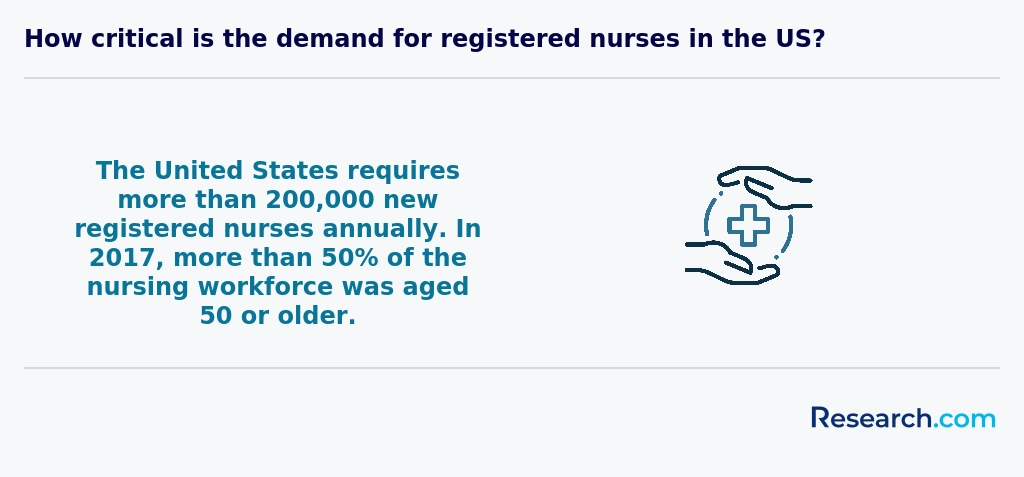
Graduates from healthcare programs in Arizona discover a wide spectrum of rewarding career paths that stretch beyond the traditional nurse or doctor roles. Many find themselves drawn to roles as registered nurses, especially given Arizona's high demand fueled by its growing elderly population and expanding healthcare system. Graduates from Arizona State University often share how their hands-on nursing experiences prepared them for this fast-paced environment. However, exploring Arizona healthcare degree job opportunities reveals options like medical and health services management, where leadership skills meet healthcare expertise, offering salaries that reflect the value of strategic care coordination.
Allied health professions-such as physical therapy and respiratory therapy-offer vibrant alternatives, attracting students eager to impact patient quality of life through specialized care. Graduates talk about customized career journeys through programs at community colleges statewide, revealing that true satisfaction often comes from fulfilling these crucial roles. For those intrigued by technology's role in medicine, healthcare information technology careers provide a chance to innovate in electronic health records and telemedicine.
Entry-level pathways like certified nursing assistants provide accessible stepping stones, balancing affordable tuition at public universities with career advancement. For students weighing costs, scholarships and options like the Inexpensive Online Doctorate in Healthcare Degree Programs Ranking in St. Louis, MO offer inspiration beyond Arizona. These career paths demonstrate Arizona's evolving landscape and encourage prospective students to envision dynamic futures.
What is the job market for healthcare degree in Arizona?
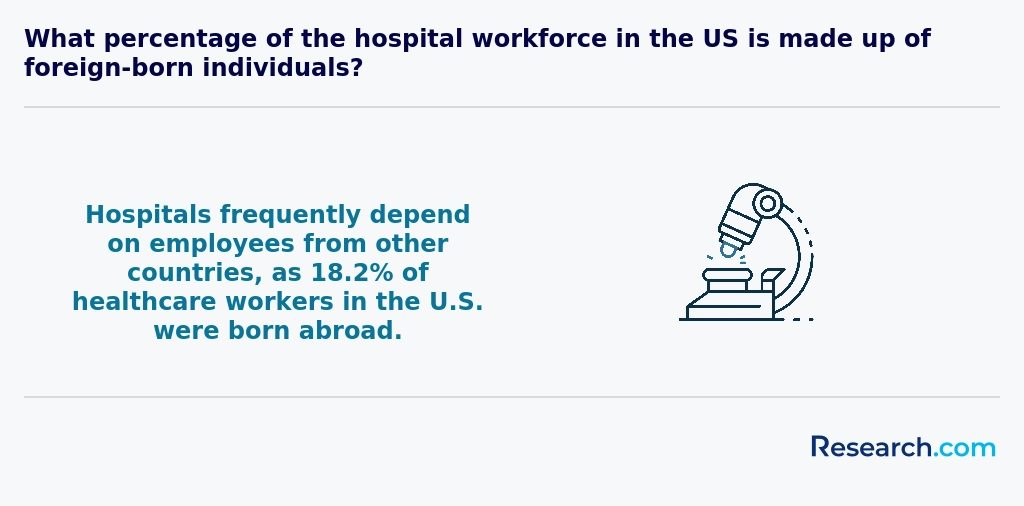
The healthcare job opportunities in Arizona are exceptionally promising, driven by the state's growing population and influx of retirees who demand increased healthcare services. Graduates from healthcare programs at universities like Arizona State University often report securing positions quickly in major urban centers such as Phoenix and Tucson, where hospitals and specialized clinics are actively expanding. These opportunities reflect trends in registered nursing and healthcare management roles, which top the demand list.
Arizona healthcare degree employment outlook reveals that wages are competitive, with median annual salaries around $75,000, encouraging many students to pursue these paths. Rural communities also offer unexpected advantages, with incentives boosting careers outside metropolitan areas. Some graduates even find success by complementing their degree with shorter programs-many explore 6-month certificate programs that pay well to accelerate entry into the field, balancing cost and opportunity.
Frequently Asked Questions About healthcare
Healthcare degree students in Arizona can maximize their learning experience by engaging in both academic and practical opportunities. Many Arizona institutions emphasize hands-on clinical placements, which allow students to apply classroom knowledge in real-world healthcare settings. According to the Arizona Department of Health Services, such experiences improve job readiness and critical thinking.
Students should also consider joining healthcare-related student organizations to build professional networks and develop leadership skills. Supplementing coursework with internships and volunteer work in local hospitals or clinics enhances practical skills and understanding of Arizona's diverse patient populations.
Additionally, staying current with state healthcare policies and trends through resources like the Arizona Healthcare Cost Containment System helps students connect theory with practice effectively.
The healthcare field in Arizona is evolving with several emerging niches offering promising career paths. One fast-growing area is telehealth, which expanded rapidly due to the COVID-19 pandemic and continues to see increased demand, particularly in rural parts of the state where access to healthcare is limited. According to the Arizona Department of Health Services, telehealth visits increased by more than 150% between 2019 and 2022.
Another niche is geriatric care, driven by Arizona's large aging population. By 2030, over 20% of the state's residents will be 65 or older, creating a strong need for specialized healthcare professionals trained in elder care.
Lastly, healthcare informatics is gaining traction as hospitals adopt advanced data systems to improve patient outcomes. Graduates with skills in both healthcare and information technology are increasingly sought after in Arizona's healthcare industry.
Preparing for the job market after completing a healthcare degree in Arizona requires strategic planning and practical experience. Arizona's healthcare sector is growing rapidly, with the Arizona Department of Health Services reporting an expected 13% increase in healthcare jobs by 2030. Graduates should actively seek internships or clinical rotations to gain hands-on skills valuable to employers.
Networking is essential. Joining professional organizations like the Arizona Society of Healthcare Engineers or local chapters of national groups can open doors to job opportunities. Additionally, obtaining relevant certifications, such as CPR or specialized technical credentials, enhances employability.
Arizona's major healthcare employers, including Banner Health and Dignity Health, offer career fairs and job placement resources specifically for new graduates. Utilizing university career services for resume building and interview preparation also improves job prospects.
Employers in Arizona seek healthcare degree graduates with a combination of technical expertise and soft skills. Strong clinical knowledge remains essential, as Arizona's healthcare sector grows rapidly, with employment projected to increase 16.3% from 2020 to 2030, according to the Arizona Office of Economic Opportunity.
Communication skills are highly valued, enabling professionals to interact effectively with patients and multidisciplinary teams. Problem-solving abilities and adaptability are also critical, especially in fast-paced healthcare settings.
Moreover, proficiency in electronic health records (EHR) systems is increasingly important due to Arizona's ongoing digital healthcare initiatives. Cultural competence is another key skill, reflecting the state's diverse population.
Finding internships in Arizona related to healthcare degrees involves leveraging multiple resources. Many universities in the state, such as Arizona State University and the University of Arizona, offer career services that connect students with local hospitals, clinics, and public health organizations.
Additionally, students should explore statewide partnerships with institutions like Banner Health and Mayo Clinic, which frequently provide internship opportunities in healthcare settings. According to the Arizona Department of Health Services, healthcare employment in the state is projected to grow 16% from 2020 to 2030, increasing demand for trained interns.
Utilizing online platforms like Handshake and state-specific internship databases can also help students find relevant placements. Networking through professional associations such as the Arizona Public Health Association is highly beneficial for securing internships that match healthcare specializations.
Obtaining a healthcare degree in Arizona significantly enhances career mobility due to the state's growing demand for qualified professionals. According to the Arizona Department of Health Services, healthcare occupations are expected to grow by over 20% through 2030, outpacing many other sectors.
This growth creates diverse opportunities for advancement, from entry-level clinical roles to leadership positions in hospitals, clinics, and public health organizations. Higher degrees, such as nursing master's or healthcare administration, often lead to higher salaries and managerial roles.
Additionally, Arizona's licensure requirements for healthcare professionals emphasize formal education, making accredited degrees essential for career progression. Graduates with healthcare degrees typically experience low unemployment and many benefit from employer-sponsored continuing education programs, further supporting their advancement.
Studying for a healthcare degree in Arizona offers students unique preparation for interdisciplinary roles through a combination of diverse coursework and practical experiences. Many programs emphasize collaboration among nursing, public health, therapy, and medical technology fields to ensure graduates can work effectively in team-based healthcare environments.
Arizona's focus on addressing the needs of a growing and aging population fosters training that integrates clinical knowledge with communication and coordination skills. According to the Arizona Department of Health Services, the state's healthcare workforce shortage encourages programs to develop professionals adept in multiple disciplines.
Additionally, partnerships between universities and healthcare facilities provide real-world settings for hands-on interdisciplinary learning, making graduates more adaptive and versatile in their careers.
When choosing between a thesis and a non-thesis healthcare degree program in Arizona, students should consider their career goals. Thesis programs often require original research and are ideal for those interested in clinical research or pursuing a PhD later. Non-thesis options focus more on practical skills and may suit professionals aiming for immediate work in healthcare settings.
Arizona schools typically offer both options for degrees like nursing and public health. According to the Arizona Department of Health Services, healthcare occupations are projected to grow 14% from 2022 to 2032, emphasizing demand for both research and applied skills.
Cost and time commitment also differ; thesis tracks usually take longer because of research requirements.
Students based in Arizona who wish to study healthcare abroad have several options through exchange programs and international partnerships offered by many Arizona universities. Institutions like Arizona State University facilitate study abroad programs in healthcare-related fields, including nursing, public health, and global medicine.
These programs often provide clinical experience in different healthcare systems, offering valuable global perspectives. According to the U.S. Bureau of Labor Statistics, healthcare employment in Arizona is projected to grow 16% from 2021 to 2031, emphasizing the importance of diverse training.
Students should also consider accredited international institutions recognized by U.S. accrediting bodies to ensure credits transfer smoothly and meet licensure requirements.
Students pursuing healthcare degrees in Arizona can benefit from several part-time job opportunities that enhance their education. Positions such as medical assistants, certified nursing assistants (CNAs), and pharmacy technicians offer practical experience closely related to healthcare studies.
According to the Arizona Department of Economic Security, healthcare support roles are among the fastest-growing job categories, with CNAs earning an average hourly wage of about $14.50 in 2023. These jobs provide hands-on patient care experience and improve communication skills.
Additionally, roles like medical billing and coding clerks help familiarize students with healthcare administration and insurance processes. Such positions tend to offer flexible hours, which accommodate academic schedules.
Working in these roles not only supplements income but also strengthens resumes for future healthcare careers. Local hospitals and clinics in cities like Phoenix and Tucson frequently seek part-time healthcare support staff.
Healthcare students in Arizona benefit from numerous networking opportunities through local universities and professional organizations. Schools such as Arizona State University and the University of Arizona host events, seminars, and job fairs connecting students with healthcare professionals. These events often include clinical preceptorships and internships, enabling practical experience and relationship-building.
Arizona also has active chapters of national groups like the American Medical Association and the Arizona Nurses Association. These organizations offer mentoring, workshops, and conferences to foster connections within the healthcare community. According to the Arizona Department of Health Services, the state's growing healthcare sector increases demand for skilled workers, making networking essential for career development.
Alumni networks play a crucial role in supporting healthcare degree students in Arizona by providing valuable connections within the local medical community. Graduates from Arizona's healthcare programs often remain active in these networks, helping current students find internships, jobs, and mentorship opportunities.
Arizona is experiencing growth in healthcare jobs, with the Arizona Office of Economic Opportunity projecting a 19% increase in healthcare practitioner roles by 2030. Alumni networks help students tap into this expanding market by sharing insider knowledge on job openings and industry trends.
Moreover, these networks often organize events and workshops, fostering professional development and easing the transition from education to employment.
Arizona offers diverse options to tailor healthcare degree programs according to your career goals. Many universities and colleges provide flexible curriculum pathways, allowing students to select specialized courses such as public health, nursing, health administration, or medical technology. For example, Arizona State University includes customizable minors and certificates that complement core healthcare studies.
Clinical practicum and internship opportunities across numerous healthcare facilities in Arizona enable hands-on experience tailored to specific professions. The state's growing healthcare sector, with employment projected to rise over 20% by 2030 (Bureau of Labor Statistics), supports varied career paths.
Additionally, some programs offer part-time, online, or hybrid formats, accommodating working professionals.
Healthcare students in Arizona face several common challenges throughout their education. One major issue is the high cost of tuition and related expenses, which often leads to significant student debt. According to the Arizona Board of Regents, in-state tuition for public universities averages over $11,000 per year, excluding additional fees and materials.
Another challenge is securing clinical placements. Arizona has a growing demand for healthcare professionals, but limited slots for hands-on training can delay graduation and licensure. The Arizona Department of Health Services reports ongoing shortages in rural and underserved areas, impacting student internship opportunities.
Students also navigate rigorous coursework combined with long clinical hours, leading to high stress and burnout rates. Research from the American Association of Colleges of Nursing notes that nursing students experience stress levels similar to practicing nurses, which can affect academic performance.
With a healthcare degree in Arizona, you can pursue various professional certifications that enhance your career options. Popular certifications include Certified Nursing Assistant (CNA), Registered Nurse (RN) licensure, and Medical Assistant (MA) credentials. Many graduates also seek certification as a Licensed Practical Nurse (LPN) or in specialized fields like Emergency Medical Technician (EMT).
Advanced certifications such as Certified Health Education Specialist (CHES) or Certified Clinical Research Coordinator (CCRC) are valuable for those interested in public health or research careers. Arizona's growing healthcare sector, projected to add over 30,000 jobs by 2028 (Arizona Department of Economic Security), supports strong demand for these credentials.
To write a winning application for a healthcare program in Arizona, start by thoroughly researching the specific program requirements and prerequisites. Many Arizona healthcare schools emphasize strong academic records, especially in science courses like biology and chemistry. Highlight any relevant healthcare experience, such as volunteering or internships, which can strengthen your application.
Arizona faces a growing demand for healthcare professionals, with a projected 16% increase in healthcare jobs by 2030 according to the Arizona Department of Health Services. Demonstrating awareness of this trend in your personal statement can show your commitment to the field. Be sure to clearly explain your career goals and how the program fits them.
Finally, request letters of recommendation from professionals who can vouch for your dedication and skills. Proofread all materials carefully to avoid errors and submit your application well before deadlines to enhance your chances.
Healthcare careers are viewed globally as vital to improving public well-being, with growing demand driven by aging populations and advances in medical technology. In the United States, including Arizona, the Bureau of Labor Statistics projects a 16% growth in healthcare occupations from 2021 to 2031, faster than average for all jobs. This trend reflects not only national but also international needs for skilled healthcare professionals.
Arizona's healthcare sector benefits from its diverse population and proximity to the U.S.-Mexico border, increasing demand for culturally competent care. The state's focus on education and training aligns with worldwide efforts to improve healthcare outcomes through qualified workforce development. Institutions across Arizona provide degrees that prepare students for global standards in healthcare, emphasizing evidence-based practice and technological skills.
Gaining practical experience while pursuing a healthcare degree in Arizona is essential for building clinical skills and improving employability. Many Arizona colleges and universities include internships, clinical rotations, or externships as part of their curriculum, allowing students to work directly with patients under supervision.
Arizona's healthcare system, including major hospitals like Banner Health and the Mayo Clinic Phoenix, offers numerous opportunities for hands-on training. According to the Arizona Department of Health Services, the state had over 120 accredited healthcare facilities as of 2023, providing diverse clinical settings for students.
Additionally, students can seek volunteer roles or part-time positions in local clinics or community health organizations. These experiences supplement formal education and strengthen practical understanding.
Choosing the right concentration within a healthcare degree program in Arizona involves assessing your interests, career goals, and the demand for specific roles in the state. Arizona's healthcare sector is growing rapidly, with a projected 15% increase in jobs over the next decade according to the Arizona Department of Health Services. Popular concentrations include nursing, public health, healthcare administration, and respiratory therapy.
Consider certifications required for your chosen field and the availability of clinical placements in Arizona's major hospitals like Banner Health or HonorHealth. Research shows that healthcare management roles in Arizona offer a median salary of around $90,000 annually, which might influence your choice.
Exploring each concentration's curriculum and speaking with academic advisors at local universities can clarify which path aligns best with your strengths and regional job market trends.
Related Healthcare Rankings for Nearby States
- 2027 Best Online Healthcare Degree Programs Ranking in California
- 2027 Best Online Healthcare Degree Programs Ranking in Colorado
- 2027 Best Online Healthcare Degree Programs Ranking in Texas
- 2027 Best Online Healthcare Degree Programs Ranking in Kansas
- 2027 Best Online Healthcare Degree Programs Ranking in Idaho
- 2027 Best Online Healthcare Degree Programs Ranking in Missouri
- 2027 Best Online Healthcare Degree Programs Ranking in Iowa
- 2027 Best Online Healthcare Degree Programs Ranking in Arkansas
- 2027 Best Online Healthcare Degree Programs Ranking in Louisiana
- 2027 Best Online Healthcare Degree Programs Ranking in Minnesota
Top Trending Healthcare Rankings
See What Experts Have To Say About Studying Healthcare
Read our interview with Healthcare experts

References
- 6 Tips On Networking For Medical Professionals https://aaams.net/blog/how-to-network-in-the-medical-field-nurses/
- Getting medical work experience https://www.bma.org.uk/advice-and-support/studying-medicine/becoming-a-doctor/getting-medical-work-experience
- Healthcare Assistant Cover Letter Templates | myPerfectCV https://www.myperfectcv.co.uk/cover-letter/examples/healthcare-assistant-cover-letter
- What Can You Do with a Health Sciences Degree? https://www.ycp.edu/news/what-can-you-do-with-a-health-sciences-degree
- Interdisciplinary Education and Practice https://www.aacnnursing.org/news-data/position-statements-white-papers/interdisciplinary-education-and-practice
- Arizona Financial Assistance Program for Discounted and Charity Care https://www.bannerhealth.com/patients/billing/financial-assistance/arizona-region
- How to choose a bachelor's in healthcare administration | edX https://www.edx.org/resources/how-to-choose-a-bachelors-in-healthcare-administration
- Advancing Your Career in Healthcare: Tips and Strategies https://www.sunshinecarenetwork.com/blog/advancing-your-career-in-healthcare-tips-and-strategies
- How to Succeed in a Difficult Job Market After Graduation https://www.hospitalrecruiting.com/blog/6542/how-to-succeed-in-a-difficult-job-market-after-graduation/
- Medical Schools in Arizona: How to Get In (2025) - Shemmassian Academic Consulting https://www.shemmassianconsulting.com/blog/medical-schools-in-arizona