
2027 Most Valuable Healthcare Degree Programs Ranking in Seattle

Co-Founder and Chief Data Scientist
Choosing the right healthcare degree program is a big step toward a fulfilling career. If you're in Seattle and exploring your options, this article is here to guide you.
The 2027 Most Valuable Healthcare Degree Programs Ranking in Seattle was carefully created by the Research.com team of data scientists to help you make informed decisions. It highlights programs that offer strong career prospects and real-world value.
Reading this ranking can give you confidence in your choices and inspire you to pursue a rewarding future in healthcare.
Key benefits of getting healthcare degree in Seattle
- Healthcare degree graduates in Seattle can expect strong earning potential, with roles like Patient Care Technicians earning a mean annual wage of $60,790 and Quality Improvement Coordinators earning up to $103,150.
- Graduates from Seattle-based colleges often find diverse career paths, from hands-on clinical roles to administrative positions, offering flexibility to grow in fields like medical assisting or health information technology.
- Online healthcare degrees from Seattle universities offer convenience and flexibility, allowing students to balance life and study while still accessing quality education and career support comparable to traditional programs.
- Key benefits of getting healthcare degree in Seattle
- What can I expect from healthcare degree in Seattle?
- Where can I work with healthcare degree in Seattle?
- How much can I make with healthcare degree in Seattle?
- 2027 Most Valuable Healthcare Degree Programs Ranking in Seattle
- Key Findings
- How long does it take to complete healthcare degree in Seattle?
- Accreditation and Institutional Reputation: A Critical Factor in Your Healthcare Education
- What's the difference between online and on-campus healthcare degree?
- Accelerated and Online Program Options
- What is the average cost of healthcare degree in Seattle?
- Return on Investment for Healthcare Degrees in Seattle, WA
- What financial aid is available to healthcare degree students in Seattle?
- Accreditation and Quality Assurance in Seattle Healthcare Education
- What are the prerequisites for enrolling in healthcare degree program in Seattle?
- Accreditation, Student Support, and Quality Assurance
- What courses are typically in healthcare degree programs in Seattle?
- What types of specializations are available in healthcare degree programs in Seattle?
- How do you choose the best healthcare degree in Seattle?
- What career paths are available for healthcare degree students in Seattle?
- What is the job market for healthcare degree in Seattle?
- Top Trending Healthcare Rankings
- See What Experts Have To Say About Studying Healthcare
What can I expect from healthcare degree in Seattle?
The average cost of pursuing a healthcare degree in Seattle varies significantly based on residency status and institution. At the University of Washington, which attracts many aspiring healthcare professionals, in-state undergraduate tuition in 2023 is approximately $11,745 annually. Out-of-state students face substantially higher fees, near $39,114 per year. Graduates from UW often reflect on balancing these costs against the high quality of education, emphasizing access to comprehensive clinical rotations and research projects that enhance career readiness.
Healthcare students in Seattle also consider the availability of financial aid and scholarships, which can reduce the overall expense but tend to be competitive. For many, the investment feels justified given the city's robust healthcare industry, where internships at major centers like Swedish Medical Center provide practical experience alongside academics.
The higher tuition pays off through affiliation with world-class hospitals and strong employment growth projections of around 15% through 2030 in the region, making Seattle a compelling choice despite the cost differences for in-state and out-of-state learners.
Where can I work with healthcare degree in Seattle?
Graduates from Seattle's healthcare programs, including those at the University of Washington, find robust employment opportunities across diverse settings. Many secure roles at renowned institutions like the University of Washington Medical Center, Seattle Children's Hospital, and Swedish Medical Center, working as registered nurses, clinical specialists, or healthcare administrators. These positions provide early-career professionals with both practical experience and a clear career trajectory.
Beyond hospitals, healthcare degree holders often join outpatient clinics, community health programs, or the county's public health department, engaging in critical work such as epidemiology and health education. This hands-on involvement in Seattle's diverse communities offers meaningful impact, which many recent graduates describe as rewarding and motivating.
The city's biotech and pharmaceutical sectors, including centers like Fred Hutchinson Cancer Research Center and Seattle Genetics, appeal to graduates with research or laboratory expertise. Here, professionals contribute to cutting-edge drug development and medical innovation, blending scientific rigor with career growth.
Seattle's healthcare industry also includes urgent care centers, rehab facilities, and private practices, employing physical therapists and healthcare IT specialists, highlighting the field's expanding interdisciplinarity. Median salaries in these roles range from $60,000 to $110,000, reflecting strong economic incentives for local graduates.
How much can I make with healthcare degree in Seattle?
Graduates holding healthcare degrees in Seattle can expect a range of salaries reflecting their chosen specialties and level of experience. For example, after completing programs at institutions like the University of Washington, many entry-level healthcare professionals find roles as Medical Assistants with an average annual wage around $43,350 or as Patient Care Technicians earning closer to $60,790.
Health Information Technicians and Clinical Research Coordinators, roles well-suited for those with focused healthcare degrees from local colleges, earn approximately $43,380 and $43,350 annually, respectively. These figures illustrate solid starting points for graduates entering the Seattle healthcare market.
For those advancing towards coordinator positions, particularly in quality improvement, salaries rise significantly. Quality Improvement Coordinators earn a mean wage of $103,150 annually in Seattle, which many graduates from local programs find motivating as they progress through their careers.
Seattle's robust healthcare sector, anchored by major centers like Swedish Medical Center, offers graduates not just competitive pay but a thriving environment to apply their skills and grow professionally. This combination of solid wages and career growth often creates positive, rewarding experiences for new healthcare professionals in the region.
2027 Most Valuable Healthcare Degree Programs Ranking in Seattle
How do we rank schools?
Investing in your education is a significant decision that can greatly impact your future, and the Research.com team recognizes the importance of making well-informed choices. To support prospective students in Seattle, we have carefully developed the "2027 Most Valuable Healthcare Degree Programs Ranking in Seattle." Our dedication to ensuring the quality, credibility, and accuracy of this ranking is demonstrated through rigorous research and data analysis. We leveraged the following authoritative data sources to create a thorough and reliable evaluation:
By reviewing this ranking, readers will gain essential insights into high-value healthcare degree programs in Seattle, empowering them to select the best educational path for their career goals. For further information on how this ranking was compiled, please visit our Research.com methodology page.
# 1 position
Seattle Central College
Bachelor of Science in Health Sciences

# 2 position
University of Washington-Seattle Campus
Bachelor of Science in Health Informatics & Health Information


# 5 position
Antioch University-Seattle
MA in Clinical Mental Health Counseling

Key Findings
- The annual cost for undergraduate healthcare programs in Seattle ranges from $12,000 to $20,000 at public universities and can exceed $40,000 at private institutions.
- Graduate healthcare degrees like nursing or public health master's programs typically cost between $20,000 and $50,000 per year.
- Entry-level salaries for healthcare graduates in Seattle usually start around $60,000 to $70,000 annually, with registered nurses starting close to $70,000.
- Experienced healthcare professionals, including registered nurses, can earn between $90,000 and $110,000 per year, with specialized roles often earning more.
- The healthcare job market in Seattle is growing faster than the national average, with high demand for nurses, medical technicians, therapists, and public health workers.
- Many healthcare programs in Seattle include practical clinical training through partnerships with local hospitals and clinics to support licensure and certification.
How long does it take to complete healthcare degree in Seattle?
Completing a healthcare degree in Seattle typically aligns with national standards but varies by degree type and institution. Graduates from Seattle Central College often finish associate healthcare programs, such as medical assisting or health information technology, within two years, offering a swift path to entry-level employment. At the University of Washington, bachelor's degrees in nursing or public health usually take four years when pursued full-time, though some students appreciate accelerated tracks that slightly reduce this timeframe without compromising quality.
Graduate healthcare degrees in Seattle extend this timeline. Master's programs like the MSN or MPH generally require two to three years of study, according to experiences shared by local graduates balancing rigorous coursework and clinical practice. Doctoral degrees, including the DNP or PhD, demand a commitment of three to six years post-bachelor's, reflecting intense research and clinical immersion necessary for advanced roles.
Professional degrees have defined durations: Registered Nursing programs can be completed in 18 to 24 months for those choosing accelerated options, while Physician Assistant programs take about two to three years. Medical school requires four years, exclusive of residency, where much clinical experience is gained.
Accreditation and Institutional Reputation: A Critical Factor in Your Healthcare Education
When considering a healthcare degree in Seattle, WA, accreditation and institutional reputation are paramount. Accredited programs not only validate the quality of education provided but also ensure that you meet industry standards essential for licensure and professional advancement. Prospective students should thoroughly review whether a school is recognized by leading accrediting bodies, as this can influence both future employment opportunities and eligibility for financial aid. Moreover, a school's standing in the community, its partnerships with reputable healthcare facilities, and alumni success stories serve as strong indicators of program credibility. Institutions like the valuable healthcare school in washington demonstrate a commitment to excellence by maintaining rigorous standards and continuously updating their curricula to reflect the latest advancements in the field. Paying close attention to these accreditation details early in your research can empower you to make informed decisions that align with your long-term career goals, ensuring you receive a robust education that is respected both locally and nationally.
What's the difference between online and on-campus healthcare degree?
On-campus healthcare degrees in Seattle, such as those at the University of Washington, offer hands-on training through direct clinical experience with local hospitals, allowing students to build practical skills in real patient-care settings. Graduates often highlight how this face-to-face interaction with instructors and peers enriched their learning and prepared them well for the competitive Seattle biotech job market.
In contrast, online healthcare programs provide flexibility, enabling students to balance coursework with family or work obligations. However, these programs typically require arranging local clinical placements independently, which can be challenging but rewarding for motivated learners. Seattle-based online students appreciate the ability to study remotely while still gaining essential in-person experience.
Costs differ modestly; Seattle's on-campus programs range from $15,000 to over $40,000 annually, while online options might reduce housing and commuting expenses. Still, tuition may remain similar, especially for well-regarded schools. On-campus attendees also value frequent access to Seattle's career fairs and employer networking opportunities, while online students leverage virtual professional groups to stay connected.
Accelerated and Online Program Options
Seattle’s healthcare education landscape offers a variety of accelerated and online pathways designed for motivated students and working professionals seeking to fast-track their careers. Accelerated bachelor's-to-master's tracks, such as RN-to-MSN and BHSc-to-MPH, enable learners to complete dual credentials in as little as five years by combining undergraduate and graduate coursework into one cohesive plan. For those pursuing pharmacy, schools now offer fast, flexible formats-PharmD candidates can explore fast track online pharmd programs that compress traditional four-year curricula into three years, leveraging virtual lectures, remote simulations, and intensive clinical rotations. Online healthcare degrees, including accelerated nursing (BSN) and health informatics programs, provide asynchronous coursework, interactive virtual labs, and local clinical placements, ensuring the same rigorous standards as on-campus formats. These options reduce commuting costs and allow full-time employees to maintain professional roles while advancing academically. When evaluating accelerated or online programs, verify institutional accreditation, clinical placement support, and cohort sizes to ensure personalized mentorship. By choosing an accelerated or online pathway, students can enter high-demand roles-such as nurse practitioner or clinical informatics specialist-months sooner, maximizing return on investment and responding rapidly to evolving healthcare needs.
What is the average cost of healthcare degree in Seattle?
The average cost of a healthcare degree in Seattle varies substantially based on residency status and institution type. Median total costs for completing such programs hover around $62,514 for out-of-state students, while in-state students benefit from significantly lower median expenses near $40,407. These figures reflect tuition and mandatory fees but exclude living expenses, which are notably higher in Seattle due to housing and transportation costs. Many graduates from the University of Washington report that paying in-state tuition made their healthcare education far more manageable, highlighting the advantage for local residents pursuing these degrees.
Private universities in Seattle, popular for healthcare studies, often carry a higher price tag, sometimes reaching upwards of $55,000 annually. However, these institutions also provide a range of scholarships and financial aid options, which many students find encouraging as they balance cost with the quality of education. Graduates frequently share positive reflections on the value delivered, particularly within programs offering specialized healthcare tracks that prepare them well for in-demand roles.
When considering the total expenses for healthcare degree programs Seattle students should carefully factor in these tuition costs alongside living expenses and supplies. Seattle's public institutions, especially the University of Washington, continue to offer one of the more affordable pathways to a healthcare degree, making them highly competitive. Students seeking an assessment of programs ranked highly may find it useful to review the valuable healthcare school in washington listings for guidance in selecting programs that balance cost and outcome effectively.
Return on Investment for Healthcare Degrees in Seattle, WA
Investing in a healthcare degree in Seattle requires weighing tuition and living expenses against projected earnings. With annual tuition ranging from $6,000 to $30,000 for master’s programs and living costs averaging $30,000 per year, graduates must consider average starting salaries-$55,860 for Patient Care Technicians and $41,260 for Health Information Technicians-to estimate their break-even point. On average, graduates in Seattle recoup their educational investment within four to six years, depending on specialization and full-time employment status. Beyond salary figures, intangible returns include professional growth, networking opportunities, and access to cutting-edge research facilities. Graduates report career advancement within two years of entering roles in public health, administration, and clinical informatics. Factoring in potential salary increases-often 3–5% annually in Seattle’s competitive market-the long-term return on investment can exceed 150% over a ten-year period, highlighting the value of a well-ranked program. For students seeking to minimize tuition expenses while maximizing career prospects, consider exploring Cheapest Online Master’s in Healthcare Degree Programs Ranking in the South to compare cost-effective master’s options that still deliver strong ROI and accreditation standards.
What financial aid is available to healthcare degree students in Seattle?
Healthcare students in Seattle benefit from a variety of financial aid options that help ease the burden of tuition, which ranges from $10,000 to over $30,000 annually depending on the program and school. Federal aid plays a crucial role, with Pell Grants offering up to $7,395 yearly for eligible undergraduates, and Direct Subsidized and Unsubsidized Loans available to bridge funding gaps. Graduates from institutions like Seattle Central College often recall receiving institutional scholarships targeted specifically at healthcare fields, which significantly lowered their out-of-pocket expenses.
Local scholarships, such as those from the Washington State Nursing Care Quality Assurance Commission, provide targeted support, sometimes including loan repayment for nurses who commit to underserved areas. Many students working in Seattle-area hospitals mention employer tuition assistance as a vital resource, highlighting reimbursement programs that encourage career advancement while employed. Additionally, the Washington State Need Grant offers substantial aid to students attending public colleges, enhancing access to healthcare degrees within Seattle's public education system.
Accreditation and Quality Assurance in Seattle Healthcare Education
Accreditation is a cornerstone of a reputable healthcare education program, ensuring that institutions meet stringent academic and clinical standards necessary for preparing competent professionals. Prospective students should verify that a program is accredited by recognized agencies-such as the Commission on Collegiate Nursing Education or CAHIIM-as this guarantees that the curriculum, faculty expertise, and clinical opportunities adhere to industry-approved benchmarks. An accredited program not only validates the quality of education but also enhances eligibility for financial aid and smooths the transition into professional environments post-graduation. In Seattle’s competitive educational landscape, rigorous quality assurance processes are integral to a program’s reputation. Schools continually review and update their curricula to reflect the latest advancements and best practices in healthcare. Students who choose accredited programs benefit from structured learning, hands-on training, and an environment that fosters innovation and evidence-based practice. For a comprehensive look at top-tier programs, exploring options like this valuable healthcare school in washington can provide deeper insights into how quality assurance standards set the stage for long-term career success. Ultimately, choosing an accredited healthcare program is a pivotal decision that directly impacts your educational journey and future professional performance. The robust framework of quality assurance ensures that graduates are not only well-prepared for the challenges of the healthcare industry but also equipped to deliver exceptional patient care.
What are the prerequisites for enrolling in healthcare degree program in Seattle?
To enroll in a healthcare degree program in Seattle, prospective students must first hold a high school diploma or an equivalent certification such as a GED. For example, graduates from Seattle Central College frequently highlight how completing prerequisite courses in biology and chemistry was fundamental to their success, as these subjects form the academic backbone of healthcare studies.
Many programs at the University of Washington also require applicants to submit standardized test scores like the SAT or ACT, depending on the specific healthcare field. These exams help assess academic readiness and ensure students can handle the program's demands.
Beyond academics, healthcare students in Seattle commonly face requirements for immunization verification and criminal background checks. These safeguards are essential since clinical placements occur in hospitals and community settings where patient safety is critical.
Finally, enrolling in an accredited program meeting state licensing criteria is mandatory. This ensures that Seattle's rigorous healthcare workforce standards are upheld and that graduates are well-prepared for future employment.
Accreditation, Student Support, and Quality Assurance
Ensuring that your healthcare education is both credible and supportive is paramount when choosing a program. Accreditation from recognized bodies not only confirms the institution's commitment to educational excellence but also boosts employability after graduation. Prospective students should verify that programs meet industry standards, as this impacts curriculum quality, faculty expertise, and available resources. Additionally, robust student support services-ranging from career counseling and tutoring to mental health resources-enhance the overall learning experience and prepare you for the workforce. In today’s competitive field, many institutions also offer specialized advising for students interested in advanced studies, including innovative paths through mph programs online. By prioritizing accredited programs with comprehensive support, you can confidently invest in an education that is not only academically rigorous but also primed to empower your future career.
What courses are typically in healthcare degree programs in Seattle?
Healthcare degree programs in Seattle typically include foundational courses in anatomy, physiology, microbiology, and medical terminology, essential for understanding human biology and diseases. Graduates from prominent local institutions often recall how these courses laid the groundwork for their clinical confidence when entering busy hospital environments.
Ethics and healthcare law are integral to the curriculum, reflecting Seattle's diverse patient demographics and emphasizing culturally sensitive care. Students frequently share positive experiences about case studies that challenge their critical thinking around patient rights and medical ethics.
Healthcare informatics courses cater to Seattle's tech-driven landscape, teaching students how to manage electronic health records and leverage data analytics-a skill highly valued by employers in the city's innovative medical centers.
Clinical skills training, including patient assessment and clinical procedures, often involves hands-on simulations. Graduates describe these practical sessions at local colleges as invaluable preparation for real-world challenges.
Advanced programs add pharmacology and pathophysiology to deepen students' understanding of medication effects and disease mechanisms, which graduates find empowering when collaborating with healthcare teams in Seattle's complex hospital systems.
Finally, courses in healthcare policy and administration offer insight into navigating Seattle's health networks and insurance frameworks, equipping students to meet local industry demands effectively.
What types of specializations are available in healthcare degree programs in Seattle?
Healthcare degree specializations in Seattle encompass a variety of focused tracks designed to meet the region's growing medical demands. Nursing remains a dominant field, with graduates frequently highlighting hands-on experiences in registered nursing (RN) and nurse practitioner (NP) roles, often specializing in geriatrics or pediatrics. Health Informatics is also prominent, taking advantage of Seattle's tech ecosystem to train students in optimizing healthcare data systems, a pathway praised by recent graduates for its blend of healthcare and technology skills.
Seattle healthcare program concentration options further include Public Health, where students engage deeply with community health initiatives, epidemiology, and policy development, reflecting Seattle's ongoing commitment to public health. Healthcare Administration prepares students for leadership roles in managing hospitals and clinics, with graduates noting the practical management skills gained from real-world projects linked to local institutions like the University of Washington. Physical Therapy and Occupational Therapy programs round out the options, focusing on rehabilitation science and patient recovery, often with clinical placements at leading local hospitals.
For students interested in flexible study modes, some choose mph programs online that provide cost-effective alternatives without compromising quality, further diversifying the pathways available in Seattle's dynamic healthcare education environment.
How do you choose the best healthcare degree in Seattle?
Choosing the best healthcare degree programs in Seattle hinges on aligning career goals with practical program features. Graduates from the University of Washington often cite the benefit of lower tuition-about $11,745 annually for in-state students-paired with extensive clinical opportunities through UW Medicine, which enhances hands-on experience and job readiness. Conversely, private colleges may offer specialized courses but often exceed $40,000 per year, prompting careful consideration of cost versus benefit.
Accreditation is critical; nursing graduates emphasize the value of programs recognized by the Commission on Collegiate Nursing Education (CCNE), ensuring employer trust and smooth licensure pathways. Similarly, public health students choosing Seattle's programs accredited by the Council on Education for Public Health (CEPH) report stronger networking in regional healthcare sectors. These accredited degrees reflect reliability in an expanding local job market projected to grow by 16% over the next decade.
Students seeking affordable healthcare degrees Seattle residents prefer also prioritize programs with robust internships or clinical rotations. Those practical experiences within Seattle's hospitals and health organizations boost confidence and employability. For students interested in accelerated paths, exploring fast track online pharmd programs offers a strategic option for expedited entry into pharmaceutical careers.

What career paths are available for healthcare degree students in Seattle?
Graduates with healthcare degrees in Seattle find strong demand across multiple career paths reflecting the city's robust medical sector. Registered Nurses (RNs) are highly sought after, with median salaries around $90,000 that align with Seattle's living costs. Healthcare Administrators earned an average of $110,000 annually, managing facility operations and improving patient care outcomes. Physical Therapists benefit from the city's active lifestyle, commanding median pay near $95,000, while Public Health Specialists engage in community health programs addressing Seattle's diverse population. Medical Technologists, especially those trained in advanced lab techniques at local universities, see median earnings close to $65,000. These roles exemplify healthcare career opportunities in Seattle, supported by institutions such as the University of Washington and Seattle Central College, where graduates report rewarding experiences through hands-on clinical training and research involvement.
Many students choose pathways through community colleges to access affordable healthcare education, with tuition averaging $4,000 to $6,000 annually. For those pursuing advanced degrees, options to explore specialties like physician assistants or health informatics are available. Prospective students interested in cost-effective healthcare education options should explore the Cheapest Online Master's in Healthcare Degree Programs Ranking in the South, ensuring informed decisions for their career development in the rapidly evolving healthcare landscape.
What is the job market for healthcare degree in Seattle?
The healthcare degree job opportunities in Seattle are expanding steadily, driven by a diverse market including major hospital systems, biotechnology firms, and emerging health tech companies. Graduates from Seattle-area universities often find employment quickly, with registered nurses experiencing mean annual wages near $95,000-well above national averages-reflecting strong local demand and a higher cost of living. This premium attracts many students from institutions like the University of Washington, where hands-on clinical programs foster competitive skills highly valued by employers such as UW Medicine and Providence Health & Services.
Seattle healthcare job market outlook 2027 indicates a projected growth of about 14% in healthcare roles, bolstered by the region's aging population and fast-growing tech-driven health services. Allied health professions and digital health fields also offer robust openings, encouraging graduates to blend healthcare training with tech expertise. Prospective students considering the investment should explore what certificates make the most money to enhance their credentials and maximize employment potential in this vibrant market.
Frequently Asked Questions About healthcare
Healthcare degree students in Seattle can maximize their learning by engaging deeply with clinical internships offered through partnerships with local hospitals such as the University of Washington Medical Center and Swedish Medical Center. These practical experiences complement classroom instruction and provide real-world exposure to diverse patient populations.
Students should also take advantage of Seattle's vibrant research community. The city hosts numerous biomedical research institutions that offer seminars and networking opportunities. According to the Seattle-King County Public Health Department, healthcare is one of the region's largest employment sectors, emphasizing the importance of local connections.
Finally, active participation in student organizations and attending professional conferences in Seattle can enhance skills and provide mentorship crucial for career development.
The healthcare field in Seattle is evolving rapidly, driven by technology and demographic shifts. Emerging niches include telehealth, which expanded over 50% nationwide since 2020, enhancing access for Washington State's widespread population. Another growing area is health informatics, with Seattle recognized as a hub for digital health startups and innovation, supported by institutions like the University of Washington.
Precision medicine, focusing on genetic and individualized care, is gaining traction locally due to partnerships with research hospitals. Additionally, geriatric care specialists are increasingly needed, as Seattle's population aged 65 and over grew by approximately 23% between 2010 and 2020 (U.S. Census Bureau).
Behavioral health integration also presents opportunities, responding to rising mental health awareness.
Preparing for the job market after earning a healthcare degree in Seattle involves strategic steps tailored to the local industry. Seattle hosts a robust healthcare sector, with Seattle-King County Public Health reporting continuous growth in healthcare jobs, projected to increase by 14% through 2028. Graduates should leverage clinical internships and practicums offered by local hospitals like UW Medical Center and Swedish Medical Center, which enhance hands-on experience and networking opportunities.
Certification and licensure are critical; many healthcare roles require passing state or national exams to practice legally. Joining professional organizations, such as the Washington State Nurses Association, helps graduates stay informed on job openings and continuing education. Additionally, Seattle's expanding biotechnology and health tech companies offer competitive opportunities combining healthcare expertise with technology skills.
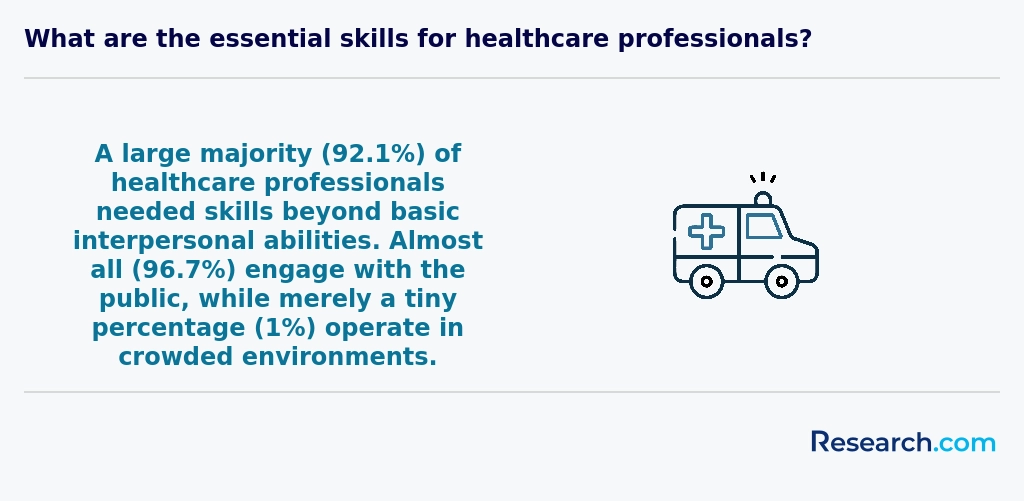
Employers in Seattle highly value healthcare graduates who possess strong clinical and technical skills. Proficiency in electronic health records (EHR) systems, such as Epic, is essential, as over 70% of hospitals in Washington have adopted these technologies (Washington State Department of Health, 2023).
Critical thinking and effective communication are also top priorities. Healthcare workers must collaborate with diverse teams and clearly explain treatments to patients, meeting the standards expected in institutions like the University of Washington Medical Center.
Additionally, adaptability and cultural competence are increasingly important due to Seattle's diverse population. According to the Seattle Office of Economic Development, healthcare jobs requiring cultural sensitivity are growing by 5% annually.
Finally, strong ethical decision-making and knowledge of regulatory compliance guide successful graduates in Seattle's healthcare market.
Finding internships in Seattle for healthcare degrees involves tapping into the city's extensive network of hospitals, clinics, and research institutions. Seattle is home to major healthcare employers like the University of Washington Medical Center and Swedish Medical Center, both known for offering paid internships and clinical placements to students. According to the Washington State Department of Health, the demand for healthcare professionals in Seattle has grown by 15% over the past five years, increasing internship opportunities.
Students should leverage university career centers and online platforms such as Handshake or LinkedIn to discover openings. Additionally, joining local professional organizations like the Seattle Healthcare Internship Network can provide valuable contacts and resources.
Obtaining a healthcare degree in Seattle significantly enhances career mobility and advancement opportunities. The city's robust healthcare sector, driven by major employers such as Providence Health & Services and Seattle Children's Hospital, demands a skilled workforce. According to the Washington State Employment Security Department, healthcare occupations in the Seattle metropolitan area are projected to grow by 14% from 2022 to 2032, faster than the national average.
Graduates with healthcare degrees often find pathways to specialized roles or leadership positions, supported by local networks and professional organizations like the Washington State Hospital Association. Advanced degrees and certifications lead to roles in nursing management, medical technology, or healthcare administration, reflecting strong potential for upward mobility. The Seattle healthcare market's continual growth underscores the value of accredited education for career progression.
Studying for a healthcare degree in Seattle equips students with skills essential for interdisciplinary roles, increasingly vital in modern healthcare settings. Many Seattle institutions emphasize collaborative learning, integrating courses from nursing, public health, and health informatics. This approach reflects the city's diverse medical community, including top-ranked hospitals like the University of Washington Medical Center, known for fostering teamwork among healthcare professionals.
Seattle's healthcare programs often partner with local clinics and research centers, providing real-world experience in multidisciplinary teams. According to the Washington State Department of Health, integrated care is a growing priority, enhancing patient outcomes by combining expertise from various specialties.
Such education prepares graduates to communicate effectively across fields, manage complex cases, and contribute to innovative solutions in healthcare delivery.
Choosing between a thesis and a non-thesis healthcare degree program in Seattle depends largely on your career goals and learning preferences. Thesis programs typically require original research and a written dissertation, preparing students for roles in academia or research institutions. Non-thesis programs focus more on practical skills and coursework, suitable for those seeking direct entry into healthcare professions or administrative roles.
Seattle's healthcare industry is robust, with institutions like the University of Washington Medical Center and Swedish Health Services driving demand for skilled professionals. According to the Washington State Employment Security Department, healthcare occupations in Seattle are projected to grow by 12% through 2030.
If you aim to pursue a doctorate or research career, a thesis program is advisable. For immediate clinical or management roles, a non-thesis option offers timely graduation and practical experience. Consider faculty expertise, program reputation, and available resources when deciding.
Students based in Seattle interested in studying healthcare abroad have several pathways through U.S. universities and exchange programs. Many Seattle institutions, such as the University of Washington, offer study-abroad opportunities with partner schools worldwide, focusing on global health and healthcare systems.
Programs often include clinical rotations or internships, enabling students to gain hands-on experience in diverse medical environments. According to the Institute of International Education, over 25% of U.S. healthcare students participated in study-abroad programs in the last decade, reflecting growing interest.
Seattle's strong healthcare industry, which employs over 140,000 people, supports students seeking international exposure.
Seattle offers various part-time job opportunities that can significantly enhance the education of healthcare degree students. Roles such as medical assistants, pharmacy technicians, and patient care aides provide hands-on experience in clinical environments. According to the Washington State Employment Security Department, healthcare support occupations in Seattle are projected to grow faster than average through 2028, increasing practical job openings for students.
Additionally, administrative positions in healthcare facilities allow students to develop organizational and communication skills relevant to healthcare management. Volunteering or working in local hospitals like the University of Washington Medical Center can also provide valuable exposure to patient care and professional networking.
Healthcare students in Seattle have access to numerous networking opportunities that can enhance their careers. The city hosts several professional organizations, such as the Washington State Nursing Association and the Seattle Medical Society, which frequently organize events, workshops, and seminars tailored to healthcare professionals and students.
Seattle is home to major healthcare employers like the University of Washington Medical Center and Seattle Children's Hospital. These institutions often offer internships and clinical placements, providing students direct networking with experienced professionals.
Additionally, the city's healthcare-related conferences and career fairs create platforms for students to connect with industry leaders and potential employers. According to the Washington State Department of Health, the metro Seattle area employs over 200,000 people in healthcare, offering robust community engagement for students.
Alumni networks provide significant advantages to healthcare degree students in Seattle by offering professional connections and mentorship opportunities. Graduates of top Seattle institutions such as the University of Washington often join extensive alumni groups that facilitate job placements and internships in the region's robust healthcare industry.
These networks help students navigate Seattle's competitive job market, especially in leading hospitals and research centers like Swedish Medical Center and Seattle Children's Hospital. According to the Washington State Employment Security Department, healthcare jobs in Seattle are projected to grow 15% over the next decade, increasing demand for well-connected candidates.
Moreover, alumni mentorship programs provide guidance on clinical practices and career advancement strategies, directly impacting student success. Access to workshops, networking events, and job fairs through alumni associations further strengthens students' professional development.
Customizing a healthcare degree program in Seattle allows students to align their education with specific career goals. Many Seattle institutions offer flexible options such as selecting specialized tracks in nursing, healthcare administration, or public health. Students can also choose elective courses focusing on emerging fields like telemedicine or healthcare informatics, which are growing in the region.
Additionally, practical experiences such as internships at local hospitals like Swedish Medical Center or UW Medicine provide valuable hands-on training. According to the Washington State Employment Security Department, healthcare-related jobs in Seattle are expected to grow by over 15% through 2030, emphasizing the value of tailored skills.
Advisors at these schools often assist in creating personalized degree plans, enabling students to meet credential requirements for various healthcare roles efficiently.
Healthcare students in Seattle often face several challenges during their education. One major difficulty is managing the high cost of living, as Seattle ranks among the top U.S. cities for housing expenses according to the Seattle Office of Housing. This financial pressure can make it harder for students to focus on their studies.
Another challenge is balancing rigorous academic schedules with clinical placements, which are essential but time-consuming. According to the Washington State Department of Health, competitive clinical rotations can be limited in availability, causing scheduling conflicts.
Additionally, students may encounter stress related to keeping up with rapidly evolving healthcare technologies and practices.
With a healthcare degree in Seattle, graduates can pursue various professional certifications to enhance their careers. Common certifications include Certified Nursing Assistant (CNA), Licensed Practical Nurse (LPN), and Registered Nurse (RN) licenses.
Beyond nursing, certifications such as Certified Medical Assistant (CMA) and Certified Health Education Specialist (CHES) are available for specialized roles. Seattle's healthcare market often values credentials like the Certified Professional in Healthcare Quality (CPHQ) for administrative careers.
Many certifications require passing exams and completing clinical hours. Local organizations like the Washington State Department of Health provide detailed licensing requirements. According to the Washington State Employment Security Department, healthcare roles with certifications typically report higher job placement rates in the Seattle area.
Writing a winning application for a healthcare program in Seattle requires careful preparation and attention to detail. Start by researching accredited programs offered by local institutions such as the University of Washington or Seattle University, both known for strong healthcare curricula.
Highlight relevant experience, including internships or volunteer work in Seattle's major hospitals, like Harborview Medical Center or Swedish Medical Center. These demonstrate practical knowledge and commitment.
Personal statements should clearly explain your motivation to work in healthcare, referencing Seattle's growing demand for healthcare professionals driven by its aging population and tech industry growth, as reported by the Washington State Department of Health.
Strong letters of recommendation from healthcare professionals in the Seattle area can further strengthen your application. Also, ensure that your academic records meet program prerequisites and consider preparing thoroughly for required entrance exams like the TEAS or GRE.
Healthcare careers are increasingly valued worldwide due to growing populations and aging demographics. In the United States, including Seattle, there is a consistent demand for qualified healthcare professionals. According to the Washington State Employment Security Department, healthcare jobs are expected to grow by 23% from 2022 to 2032. This trend aligns with global needs for improved health services and technological advancements in medicine.
Seattle's healthcare sector is recognized for innovation, hosting major hospitals and research institutions like the University of Washington. These institutions collaborate internationally, reflecting a global perspective on healthcare education that embraces both clinical skills and cultural competence.
Globally, pursuing healthcare degrees is seen as a stable and impactful career choice, with professionals often participating in international health initiatives. For Seattle students, understanding this broad context can enhance career opportunities in a connected, global workforce.
Gaining practical experience during a healthcare degree in Seattle is crucial for career readiness. Many local institutions, such as the University of Washington and Seattle University, offer clinical placements and internships tied to their healthcare programs.
Seattle is home to renowned healthcare facilities, including Harborview Medical Center and Swedish Medical Center, providing numerous opportunities for students to engage in hands-on training. Participating in internships or volunteer work at these centers can enhance clinical skills and professional networking.
Additionally, programs often integrate simulation labs and community health projects, strengthening practical knowledge. According to a 2023 report from the Seattle-King County Public Health Department, over 70% of healthcare students in the region participate in practical experiences before graduation.
Choosing the right concentration within a healthcare degree program in Seattle starts with understanding your career goals. Healthcare fields range broadly from nursing and public health to health informatics and administration. Research local job market trends, as Seattle's healthcare sector is growing fast, with a 15% increase in healthcare jobs projected through 2028 according to the Washington State Employment Security Department.
Consider your interests and strengths. For example, if you enjoy technology, health informatics could be a strong fit. If you prefer patient care, nursing or clinical roles might be better.
Visiting schools and speaking with advisors can clarify program specifics and local clinical opportunities, vital in a city with major institutions like UW Medical Center and Seattle Children's Hospital.
Related Healthcare Rankings for Nearby Cities
- 2027 Most Valuable Healthcare Degree Programs Ranking in Oakland
- 2027 Most Valuable Healthcare Degree Programs Ranking in San Francisco
- 2027 Most Valuable Healthcare Degree Programs Ranking in Los Angeles
- 2027 Most Valuable Healthcare Degree Programs Ranking in Anaheim
- 2027 Most Valuable Healthcare Degree Programs Ranking in Irvine
- 2027 Most Valuable Healthcare Degree Programs Ranking in Riverside
- 2027 Most Valuable Healthcare Degree Programs Ranking in Denver
- 2027 Most Valuable Healthcare Degree Programs Ranking in La Jolla
- 2027 Most Valuable Healthcare Degree Programs Ranking in San Diego
- 2027 Most Valuable Healthcare Degree Programs Ranking in Colorado Springs
Top Trending Healthcare Rankings
See What Experts Have To Say About Studying Healthcare
Read our interview with Healthcare experts

References
- Education requirements for the fastest-growing healthcare jobs https://www.corridorcareers.com/job-tips/blog-news-education-requirements-fastest-growing-healthcare-jobs
- Challenges for Medical Students - Health Action Research Group https://www.healthactionresearch.org.uk/mental-health/challenges-for-medical-student/
- Online Degree vs. Traditional: Choosing the Right Path https://beal.edu/online-degree-vs-traditional/
- How to choose a bachelor's in healthcare administration | edX https://www.edx.org/resources/how-to-choose-a-bachelors-in-healthcare-administration
- The Healthcare Student’s Guide to Internships | EduMed.org https://www.edumed.org/resources/student-online-guide-to-internships/
- The Value of Healthcare Organization Alumni Associations https://consultqd.clevelandclinic.org/the-value-of-healthcare-organization-alumni-associations
- Know more about thesis vs non- thesis: what is the difference? https://studyfans.com/en/blogs/816
- Students and Alumni associations - Europubhealth https://www.europubhealth.org/students-alumni-associations/
- How to Set and Achieve Career Goals in Health and Social Care | Royal Open College https://royalopencollege.org/blog/health-and-social-care/how-to-set-and-achieve-career-goals/
- Healthcare Administration Certifications https://www.publichealthdegrees.org/careers/healthcare-administrator/certification/


