2027 General Degree Clinical Placement Report: Hours, Site Access, and Completion Bottlenecks

Co-Founder and Chief Data Scientist
Clinical placement can be the difference between finishing a general degree on schedule and losing a term to site shortages, paperwork, or scheduling conflicts. The issue matters because the U.S. Bureau of Labor Statistics projects healthcare occupations to generate about 1.9 million openings per year from 2024 to 2034, keeping pressure on training sites. This guide is for students comparing clinical, practicum, internship, or fieldwork-based programs. You will learn how hours, site assignment, supervision, costs, and program support affect completion risk.
Key Things You Should Know
- A general degree "clinical placement" usually means a supervised applied experience such as a corporate internship, cross-disciplinary capstone, co-op, or project with an outside business partner; many programs use 120 to 200 hours, but requirements vary by school and academic track.
- The biggest completion bottlenecks are limited approved sites, background or onboarding delays, vague academic requirements for broad majors, incompatible work schedules, and programs that require students to find their own placement without strong employer partnerships.
- Placement quality matters for return on investment because the BLS lists $102,950 as the May 2024 median pay for general and operations managers, but students generally need demonstrable project experience, leadership exposure, cross-functional communication skills, and supervisor evaluations to compete for entry-level administrative roles.
- What Clinical Placement Requirements Do General Degree Programs Have?
- How Are Clinical Placement Sites Assigned in General Degree Programs?
What Clinical Placement Requirements Do General Degree Programs Have?
In this article, "general degree programs" refers to degree pathways that combine classroom learning with supervised practice in real settings. Depending on the field, the requirement may be called clinical placement, practicum, internship, field education, student teaching, externship, or supervised practice. The common purpose is the same: students must demonstrate applied skills with clients, patients, students, communities, or organizations before graduation.
Clinical requirements vary by discipline, school, accreditation rules, state licensing boards, and employer expectations. For example, students researching online speech language pathology programs should understand that online coursework does not remove the need for supervised in-person clinical clock hours. The strongest programs explain these requirements before admission, not after students are already enrolled.
The table below summarizes common placement patterns across several placement-heavy degree areas. Use it as a comparison framework, not as a substitute for checking a specific program handbook and state licensing rules.
| Program area | Common placement label | Typical hour or time expectation | Common placement settings | What to verify before enrolling |
| Nursing and allied health | Clinical rotation, lab, simulation, preceptorship | Often several hundred to 1,000+ hours, depending on credential and state rules | Hospitals, clinics, long-term care, community health sites | Whether the school assigns sites and whether rotations are available near your residence |
| Speech-language pathology | Clinical practicum, externship | Commonly 400 supervised clock hours under professional standards | Schools, hospitals, outpatient clinics, rehabilitation centers | How the program secures medical and school-based placements |
| Counseling and behavioral health | Practicum, internship | Often 700+ total supervised hours in accredited master's pathways | Community agencies, schools, private practices, hospitals | State-specific licensure fit and supervisor credential requirements |
| Social work | Field education | Commonly 400+ hours at the bachelor's level and 900+ hours at the master's level | Human service agencies, hospitals, schools, nonprofits, government offices | Whether evening or weekend field placements are realistic |
| Teacher preparation | Student teaching, residency, practicum | Often a semester or structured sequence of school-based practice | K-12 schools, early childhood centers, special education settings | District partnerships and state teacher certification alignment |
A major mistake is assuming that "clinical hours" are just another course. In reality, they depend on third-party sites, supervisors, compliance documentation, and scheduling windows that may not align with a student's work or family obligations.
How Are Clinical Placement Sites Assigned in General Degree Programs?
Clinical sites are usually assigned in one of three ways: the school arranges the site, the student finds the site with school approval, or the process is shared. This distinction should heavily influence program choice because it affects time, stress, travel, and completion risk. The table below compares the main placement models. The best option depends on your location, flexibility, professional network, and tolerance for administrative responsibility.
| Placement model | How it works | Best fit | Main risk |
| School-arranged | The program places students through established contracts or partnerships | Students who need predictability, are new to the field, or live near the campus or partner network | Sites may be limited by geography, cohort size, or specialty availability |
| Student-arranged | The student identifies a site and supervisor, then the school reviews and approves it | Students in rural areas, online programs, or those with existing employer relationships | Approval can take time, and not every willing site meets academic or accreditation standards |
| Shared responsibility | The school provides leads, affiliation agreements, and approval while the student participates in outreach | Students who want local options but still need institutional support | Unclear roles can create delays if deadlines and responsibilities are not documented |
Before enrolling, ask direct questions rather than accepting vague language such as "placement support is available." A good program should be able to explain its process, typical commuting radius, recent site availability, escalation process, and what happens if a site cancels.
Use the following questions when speaking with admissions staff or a clinical coordinator. They help reveal whether placement support is operationally strong or mostly promotional.
- Does the program guarantee a placement, arrange placements when available, or require students to secure their own sites?
- How far from home or campus are students commonly expected to travel for clinical rotations?
- What happens if a student cannot find an approved site by the deadline?
- How many site contracts does the program maintain in the student's region or specialty area?
- Are placements available during evenings, weekends, or part-time blocks, or are most hours scheduled on weekdays?
- Who handles affiliation agreements, background checks, health records, and site onboarding?
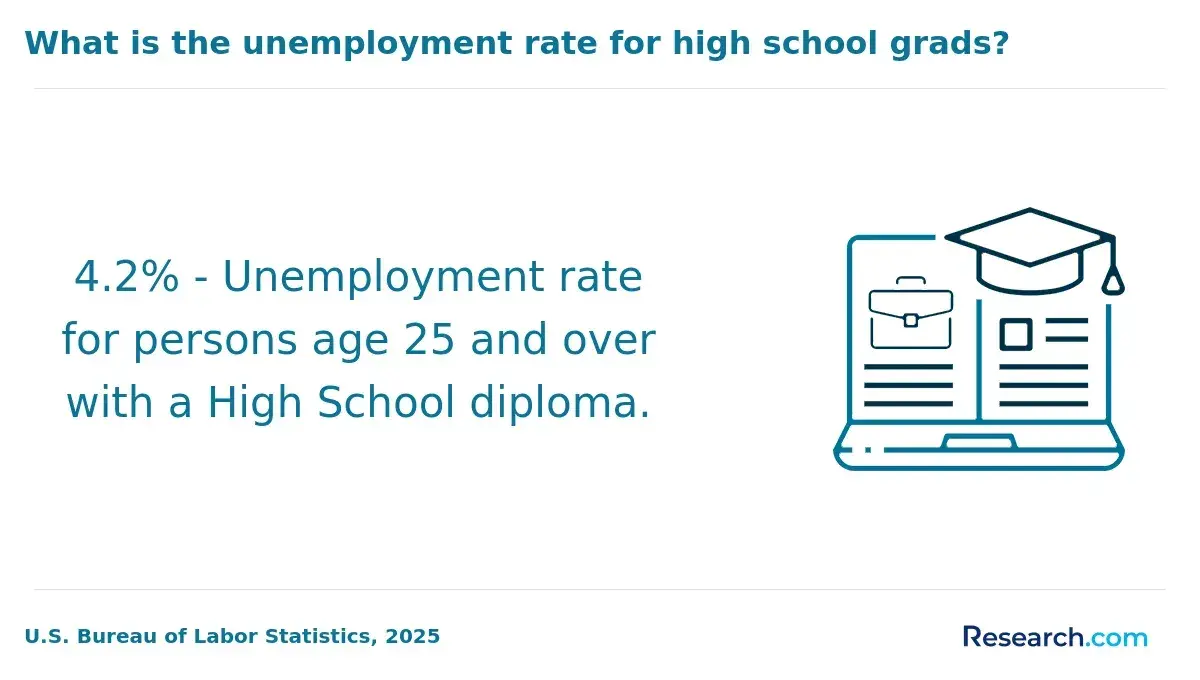
Placement bottlenecks occur when students are academically ready for clinical work but cannot start or finish required hours because a site, supervisor, schedule, or clearance step is not available. These bottlenecks are common in high-demand fields because schools, hospitals, clinics, agencies, and districts may all compete for the same training slots.
The following table summarizes common bottlenecks and how they affect completion planning. It is useful when comparing programs because a school's ability to manage these issues often matters as much as its curriculum.
| Bottleneck | Why it happens | Possible completion impact | Program feature that reduces risk |
| Limited site capacity | Hospitals, clinics, schools, and agencies can supervise only a set number of learners | Students may wait for the next rotation cycle | Broad partner network across multiple settings |
| Preceptor or supervisor shortages | Qualified professionals may lack time, credentials, or employer approval to supervise | Specialty placements may be delayed | Dedicated clinical placement team and supervisor development efforts |
| Incomplete compliance documents | Health records, drug screens, background checks, CPR cards, or training modules are missing or expired | Students can be removed from a placement start list | Early compliance portal with automated deadline reminders |
| Affiliation agreement delays | Legal agreements between school and site are not finalized | A willing site may still be unusable for the current term | Preexisting contracts and fast legal review process |
| Scheduling mismatch | Sites may operate mainly during standard business hours | Working students may need to reduce employment hours | Transparent scheduling expectations before admission |
One common red flag is a program that advertises flexibility but cannot explain how clinical schedules actually work. Another is a program that enrolls students nationally but has limited experience approving placements across state lines. Online access is valuable, but site access is still local.
Students can reduce risk by treating placement preparation as a long-term project. The most practical sequence is simple but time-sensitive.
- Read the clinical handbook before accepting admission, especially the sections on site responsibility, travel expectations, and dismissal from placement.
- Create a compliance calendar for immunizations, CPR certification, drug screening, background checks, and site modules.
- Tell the clinical coordinator early about location limits, disability accommodations, employment constraints, or childcare limitations.
- Keep copies of all clearance documents because sites may request the same records in different formats.
- Maintain a backup plan for transportation, schedule changes, and unexpected site cancellations.
Supervision standards define who may oversee a student, how feedback is delivered, and how competence is documented. These standards may come from the school, an accreditor, a state licensing board, a professional association, or the placement site itself. Students should understand that a friendly professional is not automatically an approved supervisor.
Most clinical placements evaluate both technical performance and professional behavior. That means attendance, ethics, communication, documentation, confidentiality, cultural responsiveness, and response to feedback can matter as much as task completion.
The table below summarizes common supervision components. It helps students identify what to ask about before entering a placement-based program.
| Supervision component | What it usually covers | Why it matters |
| Supervisor qualifications | License, certification, degree level, years of experience, or employer approval | Hours may not count if supervised by an ineligible professional |
| Direct observation | Live or recorded review of student practice | Confirms that feedback is based on actual performance |
| Evaluation rubrics | Ratings of skills, professionalism, ethics, safety, and documentation | Creates a record for progression or remediation decisions |
| Remediation process | Steps used when performance concerns arise | Protects students from unclear expectations and protects clients or patients |
| Documentation of hours | Logs, signatures, electronic tracking, and final approvals | Incomplete records can delay graduation or credential applications |
A common mistake is waiting until the end of a placement to review hour logs or supervisor approvals. Students should check records weekly and resolve discrepancies immediately, while the supervisor still remembers the details and the site relationship is active.
Students should also clarify confidentiality rules before using any artificial intelligence tool, transcription app, documentation aid, or cloud-based note system. AI can support study and organization, but client, patient, school, and agency information is usually protected by strict privacy rules. When in doubt, follow the site policy and ask the program before using any digital tool with placement-related information.
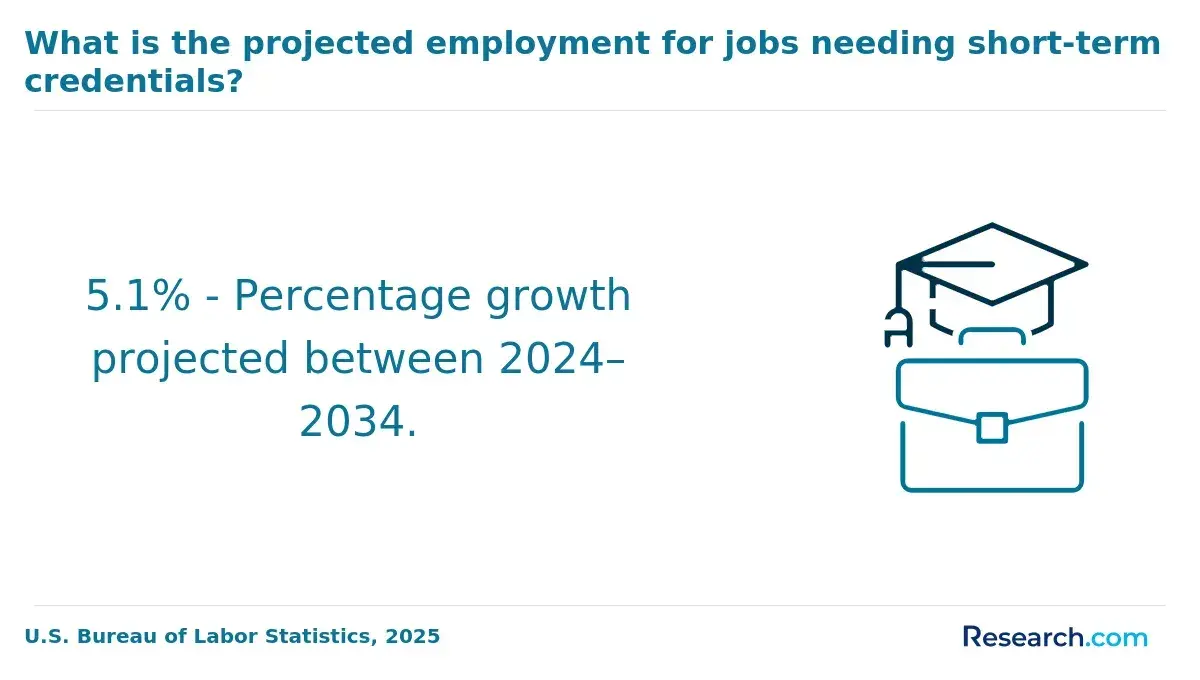
Some students can complete placements part-time or near home, but this depends on the field, site availability, state rules, and the program's placement model. Online and hybrid programs may offer flexible coursework, yet most clinical requirements still occur in person because students must practice with real clients, patients, students, or communities.
Older learners, career changers, and caregivers should be especially careful when comparing flexibility claims. Resources on college degrees for seniors can help adult learners think through online study fit, but placement-based programs require an additional layer of planning around travel, stamina, technology, and daytime availability.
The table below compares common delivery formats and what they usually mean for clinical completion. It helps separate course flexibility from placement flexibility.
| Program format | Coursework flexibility | Clinical flexibility | Important caution |
| Campus-based | Often scheduled by term and cohort | May have stronger local site relationships | Commuting may be required even if sites are near campus |
| Hybrid | Mix of online courses and required campus sessions | May use regional partnerships or student-identified sites | Students must budget for campus visits and local placement requirements |
| Fully online coursework | High academic flexibility | Clinical hours are usually still in person | Students may carry more responsibility for finding local approved sites |
| Employer-based pathway | May align coursework with work schedule | Placement may occur at or near the workplace if approved | Work duties and student learning objectives must be clearly separated |
Part-time clinical completion makes sense when the program officially supports it, the site can provide consistent supervision, and the student can tolerate a longer calendar. It may not make sense when licensure timelines, cohort sequencing, financial aid rules, or limited specialty rotations require full-time availability.
Students who need local placements should ask about the program's recent record in their county or commuting region. A national online program may be excellent in some markets and weak in others if it lacks approved sites or supervisors nearby.
Clinical placement costs include more than tuition. Students may pay for compliance requirements, transportation, uniforms, equipment, testing, professional liability coverage, parking, childcare, and reduced work hours. These costs vary widely, so the safest approach is to request a written estimate from the program before enrolling.
College Board reported average published tuition and fees of $11,610 for in-state students at public four-year institutions and $43,350 at private nonprofit four-year institutions for 2024-25. That comparison is useful, but placement-heavy programs can shift the real cost of attendance through travel distance, unpaid clinical time, and repeated onboarding fees.
Common clinical placement expenses may include the following. Students should ask which costs are included in tuition and which are billed separately or paid directly to third-party vendors.
- Background check, fingerprinting, drug screening, immunization review, tuberculosis testing, CPR certification, and site-specific training modules
- Uniforms, lab coats, clinical shoes, name badges, medical equipment, technology subscriptions, or documentation platforms
- Transportation, parking, tolls, public transit, temporary lodging, or relocation if an approved site is not nearby
- Professional liability insurance, exam preparation, licensing application fees, or certification costs when required by the field
- Lost wages or reduced work hours during intensive clinical terms, especially when placements operate during weekday business hours
The table below organizes these expenses by planning category. It is not a price list; it shows where hidden costs commonly appear so students can ask better financial questions.
| Cost category | Examples | Why it affects decision-making |
| Compliance | Background checks, immunization tracking, drug screens, CPR | Missing or expired items can block site entry |
| Clinical materials | Uniforms, equipment, software, badges | Costs may occur before financial aid refunds are available |
| Travel and logistics | Fuel, parking, transit, lodging, childcare | A lower-tuition program may cost more if placements are far away |
| Opportunity cost | Reduced employment, unpaid hours, schedule changes | Working students need a realistic income plan for clinical terms |
| Credential preparation | Exam fees, applications, study resources | Graduation may not be the final cost before entry into the profession |
It can be worth paying more for a program with strong placement support if that support reduces delay risk, commuting burden, and uncertainty. However, higher tuition is not proof of better placement operations. Ask for evidence: partner lists, coordinator staffing, recent student placement patterns, and clear policies for site cancellations.
Clinical placements build career readiness by moving students from theory to supervised practice. In strong placements, students learn how to communicate with clients or patients, document work accurately, respond to feedback, collaborate with teams, follow ethical rules, and make decisions under real constraints. These are skills employers often cannot assess from transcripts alone.
The U.S. Bureau of Labor Statistics reported a May 2024 median annual wage of about $83,090 for healthcare practitioners and technical occupations. That figure does not predict what any individual graduate will earn, but it shows why many students tolerate demanding clinical requirements: supervised practice is tied to career paths where credentials, competence, and workplace readiness matter.
Different placement settings develop different strengths. A large health system may expose students to specialized teams, electronic records, and complex cases. A community-based agency may build independence, relationship skills, and resource navigation. A school setting may strengthen classroom management, family communication, and interprofessional collaboration. The "best" site is the one aligned with the student's target role and required competencies.
Students should look for placements that offer structured feedback rather than simply high volume. More hours are not automatically better if the student is only observing, completing repetitive tasks, or receiving little supervision. Career-ready placements usually include progressive responsibility, clear learning goals, and supervisors who connect daily work to professional standards.
To turn placement into a career asset, students should keep a professional record of nonconfidential achievements. Useful examples include types of settings experienced, populations served, tools used, team roles, quality improvement projects, and skills practiced. Do not include protected patient, client, student, or agency information in resumes or portfolios.
Clinical placement opportunities are changing because demand for applied training is rising while many placement sites face staffing pressure, productivity expectations, and limited supervisor capacity. The result is a more competitive placement environment, especially in metropolitan healthcare markets, rural areas with few sites, and specialties requiring highly qualified supervisors.
Online education growth also affects expectations. Students now compare placement-heavy degrees with flexible nonclinical options, including business pathways such as a 1 year executive MBA online. The key difference is that clinical programs cannot become fully remote just because lectures move online; real-world supervised practice remains central to completion.
Technology is changing parts of the experience. Simulation labs, telepractice, electronic documentation, virtual case discussions, and learning management systems can strengthen preparation and reduce some scheduling pressure. However, simulation and telepractice usually count only when allowed by the program, accreditor, site, and licensing pathway. Students should not assume virtual activities will replace in-person hours.
Employer partnerships are becoming more important. Programs with healthcare systems, school districts, clinics, agencies, or community organizations may be better positioned to place students consistently. These partnerships can also help employers evaluate future hires, but they do not guarantee a job offer after graduation.
Another trend is earlier compliance management. More programs now require students to begin onboarding tasks months before placement starts. This reduces last-minute removals from site rosters, but it also means students must be organized from the beginning of the program rather than waiting until the clinical term.
Clinical placement quality should be a major selection factor for any general degree that leads to a regulated or practice-based career. A program with excellent coursework but weak placement support can create stress, extra costs, and delayed completion. A program with strong placement operations can make the path more predictable, even if it is not the cheapest option.
Students comparing clinical degrees with nonclinical graduate routes, such as an AACSB accredited online MBA, should recognize that accreditation works differently across fields. In clinical programs, accreditation and site approval often connect directly to supervised practice requirements, licensure eligibility, and documentation standards.
The table below provides a practical comparison framework. It focuses on program features that directly affect whether students can secure, complete, and benefit from clinical placements.
| Feature to compare | Stronger signal | Weaker signal |
| Placement responsibility | Clear written policy explaining who secures sites and what support is provided | Vague statements such as "students receive assistance" |
| Site network | Documented partnerships across relevant settings and geographic areas | No clear list of site types or recent placement regions |
| Coordinator access | Named clinical staff with defined response times and escalation process | Placement questions handled only by admissions staff |
| Scheduling transparency | Specific guidance on daytime, evening, weekend, part-time, and travel expectations | Flexibility claims without examples |
| Compliance support | Central portal, early deadlines, and reminders for health and background requirements | Students discover requirements close to the placement start date |
| Completion safeguards | Backup site policy and process for site cancellation or supervisor loss | No written plan for disrupted placements |
When choosing between programs, prioritize evidence over marketing. Strong programs can explain recent placement capacity, not just curriculum quality. They can also tell students when local placement is likely, when travel may be necessary, and how they handle students who live outside the program's usual service area.
A practical program comparison process should include these steps. Use them before paying a deposit, not after enrollment.
- Request the clinical handbook, placement policy, and sample clinical timeline for your intended start term.
- Ask whether students in your ZIP code or region have recently completed placements without relocating.
- Confirm whether the program, student, or both are responsible for finding sites and supervisors.
- Verify accreditation, state authorization, and licensure alignment for the state where you plan to work.
- Ask for a full cost estimate that includes compliance, travel, equipment, testing, and potential unpaid time.
- Compare the program's backup process for canceled sites, failed onboarding, or supervisor changes.
The best choice is not always the least expensive or most flexible program. It is the program whose placement model fits your location, schedule, career goal, finances, and risk tolerance.
Clinical hour requirements affect degree completion because they create a second timeline alongside academic coursework. A student may pass every class but still be unable to graduate until required hours, evaluations, and documentation are complete. This is especially important for students who work full-time, live far from partner sites, or need a specific specialty placement.
Hour requirements also affect weekly workload. A course may look manageable on a degree plan, but a clinical term can require commuting, documentation, site onboarding, direct service hours, supervisor meetings, and reflective assignments. In some programs, clinical terms are effectively part-time jobs; in others, they resemble full-time apprenticeships.
The table below shows how clinical workload can change completion planning. It helps students compare not just total hours, but how those hours are distributed across the calendar.
| Clinical schedule format | Typical structure | Student impact | Best fit |
| Intensive full-time block | Several days per week over a shorter term | May require reducing paid work temporarily | Students who can dedicate a semester to placement |
| Part-time extended format | Fewer hours per week over a longer period | More compatible with employment but may extend the calendar | Working adults and caregivers |
| Sequential rotations | Multiple sites or specialties across terms | Builds varied experience but increases onboarding steps | Students in broad practice fields |
| Capstone or final internship | Major placement near the end of the program | Delays can postpone graduation even after coursework is finished | Students with stable schedules near program completion |
Students often underestimate indirect clinical time. For every hour spent at a site, there may be additional time for travel, case notes, lesson plans, care plans, supervisor feedback, or electronic documentation. This is why a program's posted credit load may not fully reflect the lived workload of a clinical term.
Clinical hours are essential for preparation, but they should not be treated as a guarantee of licensure, certification, or employment. Most regulated careers also require program accreditation, examinations, state applications, background eligibility, and sometimes post-graduate supervised experience.
Other Things You Should Know About General
No. Clinical placements are common in healthcare, education, counseling, social work, rehabilitation, and related practice fields, but many general academic or business degrees do not require them. Always check the curriculum, accreditation standards, and graduation requirements.
Usually not. Online coursework may reduce campus attendance, but clinical, practicum, fieldwork, or internship hours often still happen in person at approved sites. Some programs allow limited simulation or telepractice when permitted, but rules vary by field and state.
The most common risks are limited site availability, incomplete compliance documents, supervisor shortages, affiliation agreement delays, and schedule conflicts. Students can reduce risk by starting paperwork early and choosing programs with transparent placement support.
Yes. If a degree requires supervised practice, placement support should be a core comparison factor. Ask who secures sites, how far students travel, what happens if a site cancels, and whether recent students in your area completed placements on time.
- Clinical Placement Bottlenecks Are Limiting Advanced Practice Nursing Growth https://healthmanagement.org/c/hospital/guest-post/clinical-placement-bottlenecks-are-limiting-advanced-practice-nursing-growth
- FNP Clinical Rotation Sites: How to Find and Get Approved https://www.nphub.com/blog/find-fnp-clinical-rotation-sites
- Cut Clinical Placement Delays: A Practical Playbook for Nursing and Allied Health Programs https://cauhec.blog/2026/07/12/cut-clinical-placement-delays-a-practical-playbook-for-nursing-and-allied-health-programs/
- Client Challenge https://www.springerpflege.de/clinical-placement-experiences-by-undergraduate-nursing-students/50627238
- Managing clinical placements for online programs https://corehighered.com/en/blog/managing-clinical-rotations-for-online-programs
- 14 strategies for successful clinical placements - The Nurse Break https://www.thenursebreak.org/14-strategies-for-successful-clinical-placements/
- Best Practices for Managing Nursing Clinical Placements https://inplacesoftware.com/blogs/best-practices-for-managing-clinical-placements/
- Streamline Clinical Placement Management Process: 5 Tips https://cliniciannexus.com/resources/clinical-placement-management-process
- Exploring Medical Student and Staff Perspectives on Clinical Placements: Factors Influencing Attendance and Engagement https://www.cureus.com/articles/400966-exploring-medical-student-and-staff-perspectives-on-clinical-placements-factors-influencing-attendance-and-engagement
- Difficulties Facing Nursing Students During Placement Assignment Sample https://www.newassignmenthelp.co.uk/difficulties-facing-nursing-students-during-placement-assignment-sample-25831