2027 General Degree Job Posting Analysis: Skills, Credentials, and Experience Employers Request Most Often

Co-Founder and Chief Data Scientist
A general degree can open many doors, but it can also make career planning feel unclear because employers do not all ask for the same qualifications. NACE's Job Outlook 2025 reported that employers planned to hire 7.3% more new college graduates than the prior class, which makes it important to understand which applicants stand out.
This guide is for general studies, liberal studies, interdisciplinary studies, and broadly trained bachelor's students who want practical direction. You will learn which skills, credentials, experience, industries, and certifications matter most so you can choose better coursework, projects, internships, and job targets.
Key Things You Should Know
- General degree candidates are most competitive when they pair a broad bachelor's education with role-specific evidence: writing samples, data projects, customer-facing experience, project work, internships, or software skills aligned with the job posting.
- The strongest cross-industry skill cluster is communication, problem-solving, teamwork, basic data literacy, digital productivity tools, and the ability to learn new systems; these skills appear across business, education support, nonprofit, government, sales, operations, and administrative roles.
- Use labor-market data as a filter, not a promise: BLS reported a May 2024 median annual wage of $49,500 for all U.S. occupations, while many bachelor's-level business, operations, HR, marketing, and analyst roles sit above that benchmark depending on experience, location, and specialization.
- Which Industries Have the Highest Demand for General Graduates?
- Which Job Titles Appear Most Frequently in General Degree Job Postings?
Which Industries Have the Highest Demand for General Graduates?
For this topic, "general degree" usually means a general studies, liberal studies, interdisciplinary studies, or broadly flexible bachelor's program rather than a license-specific major such as nursing, engineering, accounting, or teaching. Employers tend to consider these graduates for roles where transferable skills, business awareness, communication, service orientation, and adaptable problem-solving matter more than a single prescribed major.
Demand is strongest in industries that hire for broad coordination, communication, operations, and people-facing work. BLS employment projections released for the 2024-2034 period show total U.S. employment is expected to grow 4.0%, so students should focus less on whether "general degree jobs" exist and more on which growing fields accept broad-degree candidates when they bring the right skills.
The table below summarizes industries where general degree graduates commonly find openings, along with the employer expectations that usually determine whether a broad degree is enough.
| Industry | Common roles open to general degree candidates | What employers usually look for | Best fit for students who can show |
| Business services and operations | Operations coordinator, administrative analyst, project assistant, client success associate | Organization, reporting, process improvement, spreadsheet skills, stakeholder communication | Project work, Excel or Sheets experience, internships, and examples of improving a process |
| Human resources and recruiting | HR assistant, recruiting coordinator, talent acquisition assistant, training coordinator | Confidentiality, communication, scheduling, applicant tracking systems, policy awareness | People skills, professionalism, HR coursework, and evidence of handling sensitive information |
| Sales, marketing, and customer success | Sales development representative, marketing assistant, customer success associate, account coordinator | Persuasive communication, CRM use, writing, customer service, campaign support | Public-facing experience, writing samples, CRM exposure, and comfort with metrics |
| Education, nonprofit, and public service | Program coordinator, outreach specialist, student services assistant, case aide | Documentation, empathy, community engagement, compliance awareness, clear writing | Volunteer work, service learning, bilingual ability, and experience working with diverse groups |
| Government and regulated organizations | Program assistant, eligibility specialist, records coordinator, compliance support assistant | Attention to detail, policy interpretation, documentation, data entry, customer communication | Reliable administrative habits, writing accuracy, and patience with formal procedures |
Students should not assume all broad-degree roles are interchangeable. A general degree, like an online business degree, works best when it is paired with a target industry, because "good communicator" means different things in HR, sales, public service, and operations.
Which Job Titles Appear Most Frequently in General Degree Job Postings?
The most frequent job titles for general degree graduates tend to be coordination, support, analyst, service, and entry-level management-track roles. These titles often say "bachelor's degree required" or "degree in business, communications, liberal arts, social sciences, or related field," which gives broad-degree applicants a realistic opening if their résumé proves fit.
The table below groups common job titles by career direction. Use it to translate a broad degree into a clearer job-search strategy rather than applying to every opening that accepts any bachelor's degree.
| Career direction | Frequently seen job titles | Typical responsibilities | What makes a general degree candidate stronger |
| Operations and administration | Operations coordinator, administrative coordinator, business support specialist | Track tasks, prepare reports, coordinate schedules, support workflow improvements | Spreadsheet skills, documentation, process thinking, and examples of meeting deadlines |
| Project and program support | Project coordinator, program assistant, implementation associate | Update timelines, communicate with stakeholders, organize deliverables, monitor progress | Project management coursework, team leadership, and use of planning tools |
| Human resources | HR assistant, recruiting coordinator, onboarding specialist | Schedule interviews, maintain records, support onboarding, answer policy questions | Professional communication, discretion, HR terminology, and ATS familiarity |
| Marketing and communications | Marketing assistant, communications coordinator, content associate | Write copy, support campaigns, update websites, coordinate social media or events | Writing portfolio, basic analytics, content tools, and audience awareness |
| Sales and client success | Sales development representative, account coordinator, customer success associate | Contact prospects, support accounts, answer customer questions, document activity in CRM tools | Customer service experience, CRM exposure, resilience, and measurable results |
A common mistake is applying only by job title. The better approach is to read the responsibilities and required skills, look for online colleges, then group roles by function. For example, "program assistant," "project coordinator," and "operations associate" may overlap more than their titles suggest.
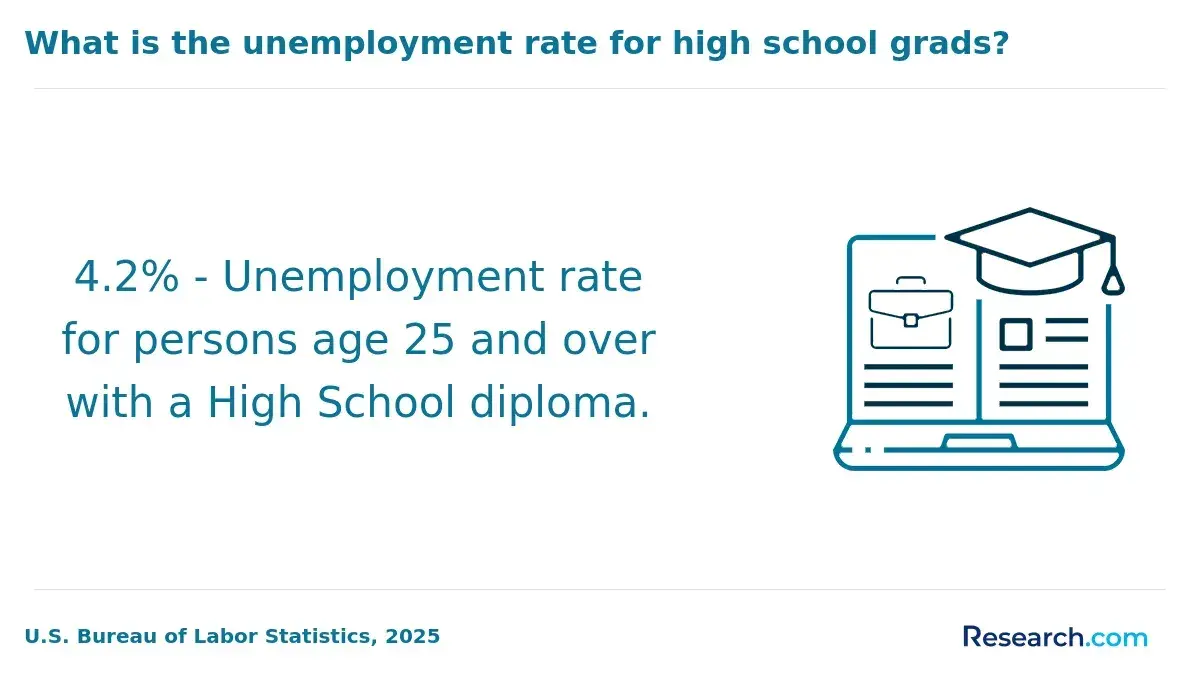
Employers rarely hire general degree candidates for the degree label alone. They hire them when the degree is supported by skills that reduce training time: clear communication, reliable follow-through, digital fluency, and the ability to interpret information and act on it.
The table below separates commonly requested skills into practical categories. This helps students decide which abilities to build first and which to demonstrate in résumés, interviews, portfolios, and class projects.
| Skill category | Skills employers request often | Why it matters | How to demonstrate it |
| Communication | Business writing, email etiquette, presentation, active listening, documentation | General degree roles often require translating information between customers, teams, managers, and outside partners | Writing samples, presentations, meeting notes, customer service examples, or a polished portfolio |
| Digital productivity | Microsoft Office, Google Workspace, spreadsheets, shared calendars, document management | Most entry-level office, HR, operations, and coordinator roles require immediate productivity in common tools | Spreadsheet projects, formatted reports, dashboards, mail merges, or workflow templates |
| Data literacy | Data entry, basic analysis, reporting, KPI tracking, survey results, simple visualization | Even non-technical roles increasingly ask employees to make decisions from numbers | Excel or Sheets analysis, charts, class research, basic SQL exposure, or analytics certificates |
| Organization and project support | Scheduling, task tracking, prioritization, documentation, follow-up, process improvement | Coordinator and assistant roles depend on reliability and visibility across moving parts | Project plans, event coordination, student leadership, internship deliverables, or workflow examples |
| Interpersonal judgment | Teamwork, empathy, professionalism, conflict resolution, customer service | Many broad-degree roles sit between departments, clients, students, applicants, or community members | Service roles, peer mentoring, volunteer work, leadership positions, or supervisor references |
Prioritize skills that appear repeatedly in your target postings. If five roles ask for spreadsheets, CRM experience, and customer communication, those are higher-value investments than a random certification or a tool used in only one posting.
Experience is often the deciding factor for general degree candidates because many applicants meet the education minimum. Employers use experience requirements to estimate whether a candidate can handle workplace ambiguity, manage deadlines, communicate professionally, and learn industry-specific systems quickly.
The table below shows how experience expectations commonly differ by job level. It can help students decide whether to apply now, build experience first, or target a lower-responsibility role as a bridge.
| Job level | Common experience language | What employers are testing for | Best preparation strategy |
| Internship or student role | No prior professional experience required | Reliability, curiosity, communication, basic software use | Use class projects, campus jobs, volunteer work, and leadership roles as evidence |
| Entry-level assistant or coordinator | 0-2 years of related experience | Ability to follow procedures, communicate with customers or teams, and handle routine tasks | Apply if you can show transferable experience from service, retail, campus, military, or volunteer work |
| Associate or specialist | 2-4 years of related experience | Independent judgment, tool familiarity, industry vocabulary, and ownership of recurring work | Build a focused résumé around one function such as HR, operations, marketing, or client success |
| Manager-track or senior coordinator | 3+ years plus leadership or project ownership | Decision-making, delegation, reporting, stakeholder management, and accountability | Document measurable outcomes, supervise projects, and consider targeted management or project training |
Do not treat unpaid experience as worthless. Employers often value internships, capstone projects, volunteer coordination, campus employment, and student leadership when those experiences show measurable responsibility. The key is to describe them like work: what you handled, who depended on you, what tools you used, and what improved because of your effort.
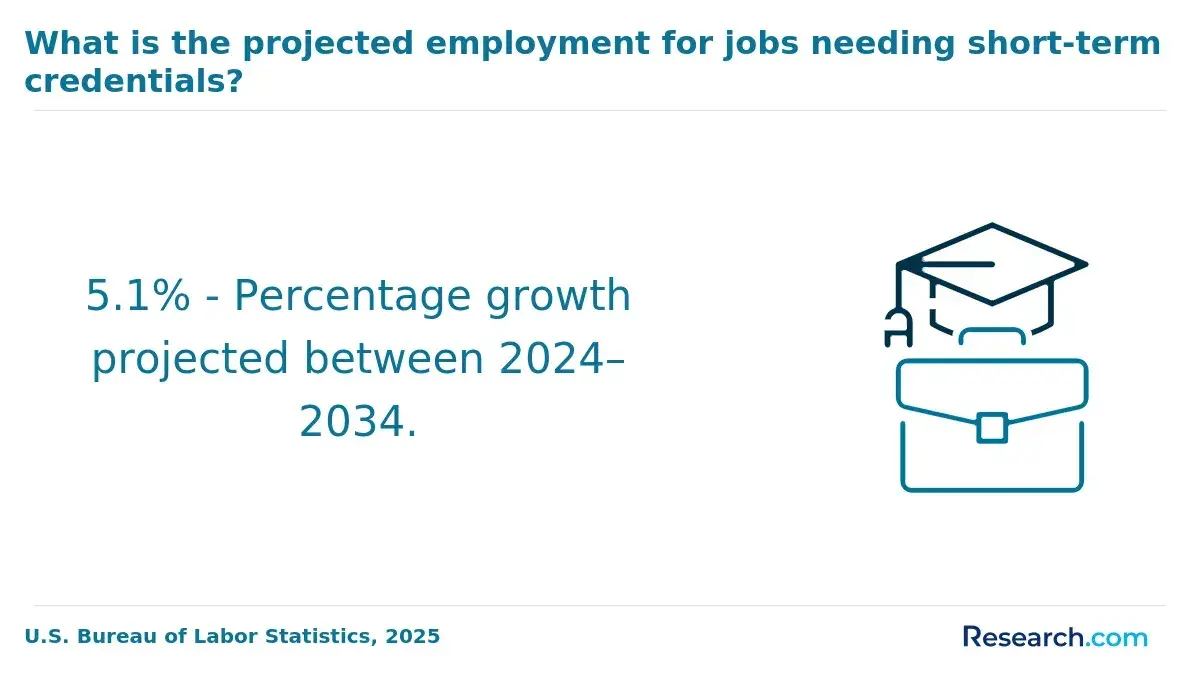
Certifications can increase competitiveness, but only when they connect directly to a job family. A general certificate that sounds impressive but rarely appears in target postings is usually less valuable than a focused credential tied to HR, project coordination, data analysis, marketing, or customer success.
The table below shows certifications and training signals that may help broad-degree candidates. None should be treated as universally required; the best choice depends on the postings you plan to pursue.
| Certification or training area | Best-aligned roles | When it is worth considering | When it may not be worth it |
| CAPM or project management fundamentals | Project coordinator, program assistant, operations coordinator | You want project-support roles and can pair the credential with examples of timelines, deliverables, and teamwork | You have no interest in coordination work or cannot show any project experience |
| SHRM-CP preparation or HR fundamentals | HR assistant, recruiting coordinator, onboarding specialist | You are targeting HR and need vocabulary, compliance awareness, and credibility | You are applying broadly outside HR and the postings do not mention HR knowledge |
| Google Analytics, digital marketing, or content platform training | Marketing assistant, communications coordinator, content associate | You can show campaign, content, reporting, or website work alongside the certificate | You expect the certificate alone to replace a portfolio or writing samples |
| Excel, data analytics, SQL, or business intelligence basics | Operations analyst, reporting assistant, business support specialist | Your target postings ask for reporting, spreadsheets, dashboards, or data cleanup | You are not ready to practice with real datasets or portfolio projects |
| CRM platform training | Sales development, account coordination, customer success | Postings mention Salesforce, HubSpot, Zendesk, or similar systems | You are pursuing roles with little customer, sales, or account-management work |
A practical rule is to review 20 target job postings before paying for any certification. If the credential, tool, or skill appears repeatedly, it may be worth pursuing. If it appears only once, build a broader skill such as writing, spreadsheets, interviewing, or customer communication first.
Employer expectations differ because "general degree job" is not a single labor market. Requirements shift by industry, job function, employer size, region, and whether the role is remote, hybrid, or on-site. Remote roles often attract larger applicant pools, so employers may be more selective about software skills, writing clarity, and prior experience.
The table below compares how expectations can change across common hiring contexts. Use it to avoid the mistake of sending the same résumé to every employer.
| Hiring context | Credentials emphasized | Skills emphasized | Experience emphasized |
| Small business | Degree may be flexible if experience is strong | Adaptability, customer service, multitasking, basic bookkeeping or admin tools | Hands-on work, willingness to cover multiple functions, reliability |
| Large corporation | Bachelor's degree and formal screening criteria are more common | Systems use, reporting, cross-functional communication, process compliance | Internships, role-specific tools, measurable outcomes, professional references |
| Nonprofit or education support | Related coursework, service experience, or mission alignment can matter | Writing, empathy, documentation, community communication, grant or program support | Volunteer work, student support, outreach, case documentation, event coordination |
| Government or regulated employer | Minimum qualifications are usually more formal and less negotiable | Policy reading, records accuracy, confidentiality, public communication | Administrative experience, compliance support, eligibility work, or public service exposure |
| Remote or hybrid role | Degree may be a baseline, but tool fluency becomes more visible | Written communication, self-management, collaboration tools, documentation | Evidence of independent work, remote projects, and digital collaboration |
Applicants should tailor the top third of the résumé to the context. A nonprofit program role may reward service experience and mission-specific language, while a corporate coordinator role may respond better to metrics, systems, deadlines, and process improvement.
Emerging skills are changing what employers expect from broadly educated candidates. The most important shift is not that every general degree graduate must become a programmer; it is that more roles now require comfort with data, automation, AI-assisted work, digital collaboration, and responsible use of information.
The table below identifies emerging skills that are becoming more relevant in postings for broad-degree roles. These are best treated as differentiators unless a posting clearly lists them as required.
| Emerging skill | Where it appears | Why employers value it | Good evidence for applicants |
| AI literacy | Marketing, operations, research support, administrative work, customer service | Employers want workers who can use AI tools responsibly to draft, summarize, organize, and check work without exposing sensitive information | A portfolio note explaining how you used AI ethically to improve a project, plus evidence of human review |
| Data storytelling | Operations, program evaluation, marketing, HR, customer success | Teams need employees who can explain what numbers mean, not just produce charts | A simple report that includes a chart, interpretation, and recommendation |
| Automation awareness | Administrative, operations, sales support, project coordination | Routine workflows are increasingly supported by templates, rules, and automated reminders | Examples of creating a template, tracker, intake form, or workflow checklist |
| Cybersecurity hygiene | Any role handling customer, employee, student, or financial information | Non-technical employees can create risk through weak passwords, phishing, or careless file sharing | Basic security training and examples of handling confidential records responsibly |
| Remote collaboration | Hybrid and distributed teams | Employers need clear documentation and accountability when employees are not in the same room | Experience with shared documents, task boards, meeting notes, and asynchronous updates |
A common red flag is claiming "AI skills" without explaining how you used the tools. Better wording is specific: "Used AI-assisted drafting to create first-pass meeting summaries, then verified accuracy against notes and revised for tone and confidentiality."
The best way to match your qualifications to employer expectations is to reverse-engineer postings before you choose electives, certificates, or internships. This prevents overinvesting in credentials that sound useful but do not appear in the roles you actually want.
Use the following process to turn job postings into a focused development plan. It is especially helpful for general degree students because it converts a broad academic background into a role-specific candidate profile.
- Choose one target function first, such as HR, operations, marketing, program coordination, customer success, or public service support.
- Collect 15 to 25 current job postings for that function in your preferred region or remote-work category.
- Highlight repeated requirements for software, writing, data, customer communication, project support, certifications, and years of experience.
- Separate minimum requirements from preferred qualifications so you do not reject yourself unnecessarily.
- Build one proof point for each repeated skill, such as a spreadsheet, writing sample, class project, internship task, volunteer outcome, or supervisor reference.
- Revise your résumé so the first section mirrors the strongest repeated language from the postings without copying claims you cannot support.
- Apply, track responses, and update your skill plan every month based on which postings and interviews reveal the same gaps.
Several mistakes weaken otherwise qualified general degree candidates. Avoid applying with a résumé that lists only coursework, waiting until after graduation to gain experience, pursuing random certificates, using vague phrases like "strong communication skills" without examples, or ignoring industry-specific vocabulary. Employers need evidence, not just potential.
Job posting trends should help students choose a direction, not create panic. A general degree is most valuable when it becomes a platform for a practical career path: a broad education plus a focused skill cluster, experience base, and industry story.
Start by comparing career paths on fit, cost, and evidence. If you enjoy writing and public-facing work, marketing, communications, recruiting, or outreach may fit. If you like structure and problem-solving, operations, project coordination, compliance support, or administrative analysis may be stronger. If you prefer mission-driven work, nonprofit, education support, and public service roles may align better, but you should still build documentation and reporting skills.
Use this priority order when deciding what to do next:
- Clarify a target role family before choosing extra coursework or certificates.
- Build experience through internships, campus employment, part-time work, volunteering, service learning, or capstone projects.
- Strengthen the most transferable tools first: writing, spreadsheets, presentations, documentation, and collaboration platforms.
- Add a role-specific credential only after postings show repeated demand for it.
- Track salary, location, advancement path, and education requirements before committing to graduate school.
Graduate school with CACREP can be worthwhile for some paths, such as public administration, counseling-adjacent support, education leadership, policy, HR leadership, or nonprofit management, but it is not the default next step for every general degree student. If postings for your target entry-level roles ask mainly for experience and software skills, an internship or certificate may be a better short-term move than a costly additional degree.
Most general degree job postings do not require a general studies major specifically. Instead, they often require a bachelor's degree in any field or list acceptable majors such as business, communications, liberal arts, public administration, psychology, sociology, English, or related disciplines. That flexibility is useful, but it also means the résumé must make the connection between coursework and job requirements explicit.
The table below explains how employers usually treat education credentials in broad-degree postings. The distinction between required and preferred matters because applicants often screen themselves out too early.
| Credential language in postings | What it usually means | How general degree candidates should respond |
| Bachelor's degree required | The employer uses the degree as a baseline for writing, judgment, persistence, and workplace readiness | Apply if your experience and skills match the role, even if your major is broad |
| Bachelor's degree in related field | The employer wants relevant coursework or experience, not always a narrow major | Highlight electives, projects, minors, certificates, internships, and industry-related experience |
| Associate degree plus experience accepted | The employer may value practical experience as much as formal education | Emphasize work history, measurable responsibilities, and transferable skills |
| Master's degree preferred | Advanced education may help for policy, management, counseling-adjacent, nonprofit, or public administration roles | Do not assume it is mandatory unless listed under minimum qualifications |
| Specific license or regulated credential required | The role may fall outside typical general degree pathways | Verify state or employer requirements before investing time in an application |
Cost should be part of the credential decision. The College Board's 2024 pricing data reported average published tuition and fees of $11,610 for in-state students at public four-year institutions for 2024-2025, before room, board, aid, and discounts. For a general degree student, that means every added certificate, getting the fastest online MBA, minor, transfer decision, or graduate program should be judged by whether it clearly improves access to a target role.
Other Things You Should Know About General
A general degree is useful for roles that value communication, analysis, coordination, service, and adaptability. Common paths include operations, HR, marketing support, program coordination, customer success, administration, nonprofit work, and public service support.
Not always. A specialized major is often better for licensed or technical careers, but a general degree can work well for broad business, service, and coordination roles when paired with internships, software skills, projects, and a clear career focus.
Many employers use the bachelor's degree as a baseline, then compare candidates based on experience and skills. For general degree applicants, internships, work history, volunteer leadership, portfolios, and tool proficiency often make the difference.
Start with strong writing, spreadsheets, professional communication, and project organization. These skills transfer across many job families and make it easier to prove readiness for HR, operations, marketing, program, and administrative roles.
- CourseCareers https://coursecareers.com/blog-posts/best-certifications-start-a-career
- What Employers Say a Certification Adds to Resumes https://www.nrep.org/blog/what-employers-say-about-certifications
- Credential Fluency: The Hiring Advantage in the Race for Skills - The Burning Glass Institute https://www.burningglassinstitute.org/research/credentialfluency
- Re-Thinking Entry-Level Job Requirements Can Connect Employers With the Right Talent | Generation https://www.generation.org/news/re-thinking-entry-level-job-requirements-can-connect-employers-with-the-right-talent/
- What Employers Actually Want From Graduates https://bodyswaps.co/resources/blog/what-employers-actually-want-from-graduates
- What the Rise of Skills-based Hiring Means for Higher Ed - Academica Forum https://forum.academica.ca/forum/what-the-rise-of-skills-based-hiring-means-for-higher-education
- Job requirements: education or experience? - Blue Lynx https://bluelynx.com/blog/job-requirements-education-or-experience/
- What certifications can help boost your career prospects? - MSU Denver https://www.msudenver.edu/innovative-lifelong-learning/blog/what-certifications-can-help-boost-your-career-prospects/
- Where Do College Degrees Still Matter in a “Skills-First” Job Market? - Indeed Hiring Lab https://www.hiringlab.org/2026/01/28/where-do-college-degrees-still-matter-in-a-skills-first-job-market/
- How many years of experience do I need to qualify for a job? https://help.usajobs.gov/faq/application/qualifications/experience