2027 General Degree Time-to-Completion Report: How Long Students Actually Take to Finish

Co-Founder and Chief Data Scientist
Most students do not need the fastest degree; they need the fastest realistic path that fits their money, schedule, credits, and career goals. Recent NCES graduation-rate data shows that 64% of first-time, full-time bachelor's students who began at a 4-year institution completed within 6 years at that institution, which means the advertised timeline is not always the actual timeline. This guide helps prospective, returning, transfer, online, and working students estimate how long a general degree may take and choose a program structure that reduces avoidable delays.
Key Things You Should Know
- A general degree usually takes about 2 years for an associate pathway and 4 years for a bachelor's pathway on paper, but real completion often extends when students attend part time, stop out, change majors, or wait for required courses.
- Recent NCES data shows only 64% of first-time, full-time bachelor's students completed within 6 years at their starting 4-year institution, so students should compare programs using actual completion data, not catalog length alone.
- College Board's 2024 pricing data lists average tuition and fees at $11,610 for in-state public 4-year colleges and $43,350 for private nonprofit 4-year colleges, so each added term can materially affect ROI.
- What Is the Actual Time to Complete a General Degree?
- Which Factors Have the Greatest Impact on General Degree Completion Time?
What Is the Actual Time to Complete a General Degree?
A general degree is typically a broad, flexible program such as general studies, liberal studies, interdisciplinary studies, university studies, or a general associate degree designed for transfer. These programs are often chosen by students who want career flexibility, need to combine prior credits, plan to transfer later, or want a degree completion pathway without a narrow major.
The "official" time to complete a degree is the length shown in the catalog. The "actual" time is how long students take after accounting for course load, transfer credits, work schedules, advising, course sequencing, and life interruptions. The gap between those two timelines is where many students either save time or lose it.
The table below summarizes common planning ranges. These are not guarantees; they are practical estimates students can use when comparing programs and asking schools for their own completion data.
| Degree pathway | Published full-time length | Common realistic planning range | Best fit |
| General associate degree | 2 academic years | 2 to 3 years | Students starting college, career changers, and transfer-bound students |
| General bachelor's degree from first year | 4 academic years | 4 to 6 years | Students who can maintain a consistent full-time schedule |
| Bachelor's completion program | 1 to 3 years after transfer | 1.5 to 4 years depending on accepted credits | Adults, returning students, and students with prior college credit |
| Part-time general degree | Varies by school | 3 to 8 years depending on course load | Working students, caregivers, military students, and students managing cost term by term |
For most students, the most important question is not "How long is the program?" but "How many credits will I need, how often are required courses offered, and what course load can I sustain without stopping out?" A slower plan that you can finish may be better than an aggressive plan that leads to withdrawals or repeated courses.
Which Factors Have the Greatest Impact on General Degree Completion Time?
The biggest drivers of completion time are usually not academic ability alone. They are structure, scheduling, credit acceptance, program requirements, and whether the student can stay continuously enrolled.
Students comparing general degree programs should pay close attention to the following delay factors because they often determine whether a 4-year plan becomes a 5- or 6-year path.
- Enrollment intensity: Full-time students generally finish sooner, but only if the workload is sustainable and required classes are available.
- Transfer-credit policy: A generous transfer policy can shorten the path, while a restrictive policy can force students to retake similar coursework.
- Course sequencing: Some requirements must be taken in order, so missing one course can delay later courses by a full term.
- Major changes: A general degree can absorb varied credits better than many specialized majors, but changing direction late can still add requirements.
- Required field experiences: Internships, clinicals, practicums, capstones, or portfolios can extend the timeline if they are offered only during certain terms.
- Advising quality: Poor advising can lead to unnecessary electives, missed prerequisites, or credits that do not satisfy graduation requirements.
One common mistake is assuming that broad degrees have no sequencing risk. Even flexible programs may require writing-intensive courses, quantitative reasoning, residency credits, upper-division credits, or a final capstone.
Professional programs can be even more timing-sensitive; for example, students researching online speech language pathology programs often need to account for clinical placement schedules, not just online coursework.
A good rule is to ask for a degree audit before enrolling, not after. The audit should show which credits apply, which requirements remain, and which courses must be taken in a specific order.
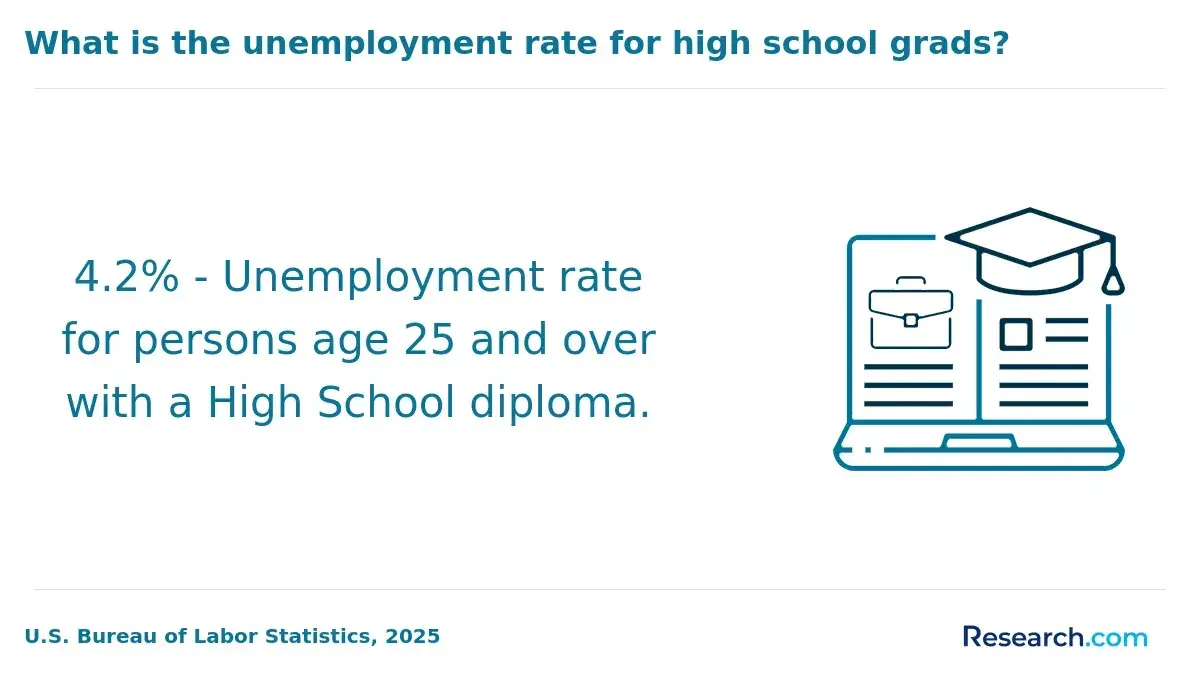
Enrollment status and learning format strongly affect completion time, but not always in the way students expect. Full-time study usually creates the shortest academic path, while part-time study lowers weekly pressure and may help students stay enrolled longer without burnout.
The table below compares common enrollment and format choices. Use it to identify the pathway that is fastest for your life, not just fastest on a college website.
| Pathway | Typical timeline effect | Main advantage | Main risk |
| Full-time campus | Shortest traditional route when courses are available | Structured schedule, access to advising, campus resources | Less flexibility for work or caregiving |
| Part-time campus | Often extends completion by several terms or years | Lower weekly workload and easier work-school balance | Course conflicts and longer exposure to tuition increases |
| Full-time online | Can match or shorten campus timelines if terms are flexible | Location flexibility and easier access for working adults | Requires strong self-management and reliable technology |
| Part-time online | Flexible but often the longest route | Works well for students with jobs, family, or military obligations | Momentum can fade without proactive advising |
| Hybrid | Varies by required in-person sessions | Combines flexibility with some face-to-face support | Travel or fixed meeting times can create delays |
Online programs do not automatically lead to faster graduation. They help most when they offer frequent start dates, year-round courses, asynchronous classes, clear degree maps, and strong transfer-credit evaluation. Campus programs may be faster for students who benefit from fixed schedules, in-person advising, and easier access to high-demand classes.
Students should also check whether online and campus students have equal access to required courses. If a required upper-division course is offered online only once per year, the format may be flexible but not fast.
Accelerated general degree programs can shorten timelines, but they work best for students who have time, discipline, prior credits, and a stable schedule. Acceleration usually comes from shorter terms, year-round enrollment, heavier course loads, competency-based pacing, or credit for prior learning.
The table below compares traditional and accelerated formats. The purpose is to help you judge whether acceleration improves value or simply increases pressure.
| Format | How it shortens time | Best for | When it may not be ideal |
| 8-week or 7-week terms | Students complete more course cycles per year | Focused students taking one or two courses at a time | Students who need more time for reading, writing, or quantitative work |
| Year-round enrollment | Summer or winter terms reduce idle time | Students who want steady progress without long breaks | Students who need seasonal work income or caregiving breaks |
| Competency-based education | Students progress after demonstrating mastery | Experienced adults with strong prior knowledge | Students who need frequent live instruction or fixed deadlines |
| Heavy full-time load | More credits are completed each term | Students with few outside obligations | Working students or students at risk of withdrawals |
Acceleration has the strongest payoff when the student can complete courses successfully the first time. If a compressed format leads to failed or withdrawn courses, the degree may take longer and cost more than a standard schedule.
Professional and graduate programs show the same trade-off. A student comparing a 1 year executive MBA online option, for example, should look beyond the headline timeline and evaluate weekly workload, cohort schedule, employer support, and whether the format leaves enough time to apply learning at work.
Choose acceleration when it reduces idle time without creating unrealistic weekly demands. Avoid it when the only way to finish faster is to overload your schedule beyond what you can sustain.
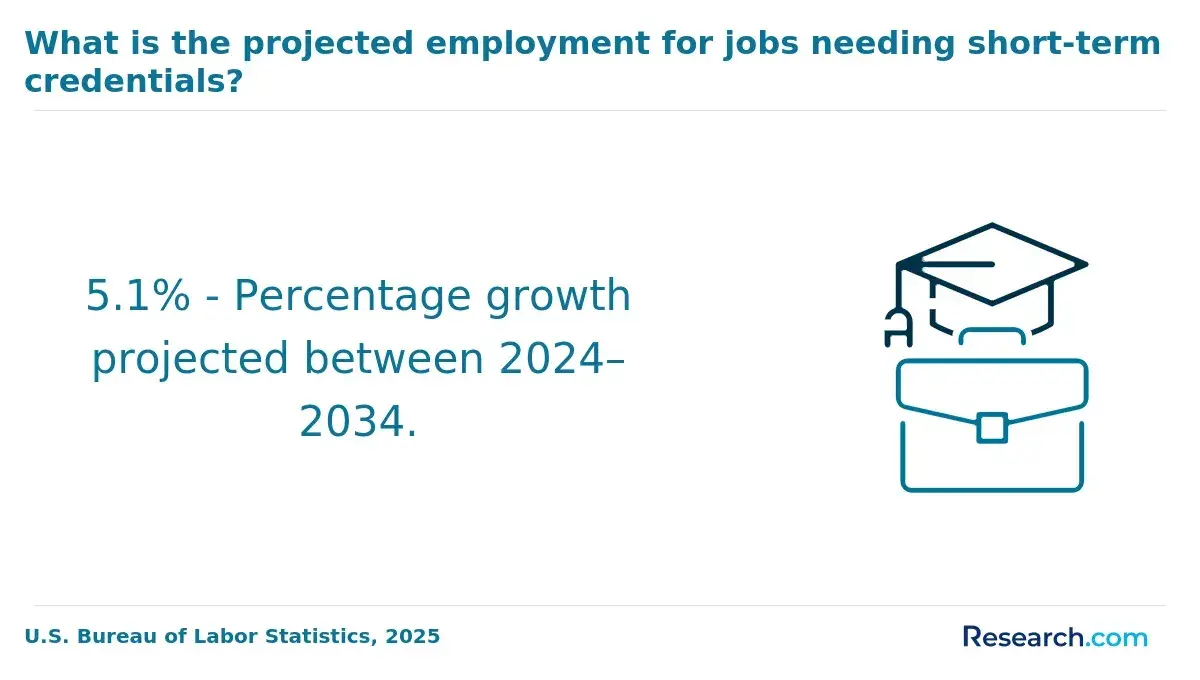
Work, family, health, caregiving, transportation, and military responsibilities often explain why students take longer than the catalog timeline. These responsibilities do not mean a student is less committed; they mean the degree plan must be designed around real availability.
Students with substantial responsibilities should build a completion plan around weekly capacity. A realistic plan protects momentum by leaving room for exams, major papers, advising appointments, and unexpected events.
- If you work full time: Consider part-time or half-time enrollment, but use year-round terms to maintain progress.
- If you are a caregiver: Prioritize asynchronous courses, flexible deadlines, and programs with predictable course rotations.
- If your job schedule changes: Avoid programs that require frequent live sessions unless attendance alternatives are available.
- If you are returning after a long break: Start with a manageable course load and increase only after confirming your study rhythm.
- If you receive financial aid: Check how enrollment intensity affects aid eligibility, satisfactory academic progress, and loan timelines.
Older and returning students should also compare programs based on support services, technology help, transfer review, and flexible pacing. Resources on college degrees for seniors can be especially useful for learners evaluating whether online, hybrid, or degree-completion formats fit their goals.
The main red flag is a program that sells speed but does not ask about your schedule. A strong program helps you build a timeline you can actually maintain.
Completion time affects ROI because each additional term can add tuition, fees, books, transportation, technology costs, and sometimes more borrowing. It can also delay access to roles that require a completed degree.
Recent College Board pricing data is a useful reminder of the stakes: average published tuition and fees for in-state students at public 4-year institutions reached $11,610, while private nonprofit 4-year institutions averaged $43,350. For students paying by term or credit, even one avoidable semester can meaningfully change the total cost of the degree.
The table below shows how timeline choices can affect financial trade-offs. It does not estimate your exact bill; instead, it highlights the cost questions each pathway raises.
| Timeline choice | Potential cost advantage | Potential ROI risk | Best financial use case |
| Full-time standard pace | Fewer total terms and faster credential completion | Less time for paid work | Students who can cover living costs while studying |
| Part-time pace | Allows continued employment and smaller term-by-term bills | More terms, possible fee accumulation, and delayed completion | Students who need income continuity or employer tuition assistance |
| Accelerated pace | May reduce time out of the workforce or speed promotion eligibility | Higher workload can increase withdrawal risk | Students with stable schedules and strong academic readiness |
| Transfer-heavy completion | Reduces remaining credits and may lower total tuition | Lost credits can erase expected savings | Students who obtain a written transfer evaluation before enrolling |
Graduating sooner is financially helpful only if the path is sustainable and the program has appropriate quality, accreditation, and career relevance. A slightly longer program with better credit acceptance, advising, and employer recognition can produce a stronger overall return than a faster program with poor support.
Students should estimate ROI by comparing total remaining tuition, fees, borrowing needs, lost work time, employer tuition benefits, and the career value of finishing by a specific date. The right choice is the one that balances speed with completion probability.
Graduation timing can influence career outcomes because many employers use degree completion as a screening requirement for professional, administrative, management, education, government, and graduate-school pathways. A general degree may not point to one single occupation, so students should connect the degree to skills, internships, certificates, work experience, or a target industry.
BLS 2024 labor-force data shows that workers age 25 and older with a bachelor's degree had median weekly earnings of $1,543, compared with $930 for workers with only a high school diploma. This does not mean every general degree graduate will earn that amount; it shows why completing the credential can matter in labor markets where employers reward degree attainment.
Students pursuing a general degree should use the timeline strategically. Finishing quickly may help if a promotion, transfer, licensure-adjacent role, or graduate program has a degree deadline. Taking longer may be wiser if it allows the student to build stronger career evidence through internships, portfolios, industry certificates, writing samples, data skills, leadership experience, or relevant work.
The strongest career outcomes usually come from pairing a flexible degree with a clear direction. For example, students can use a general studies degree as a foundation for human resources, communications, public administration, nonprofit work, business operations, sales, project coordination, or graduate study, but they should choose electives and experiences that support the target path.
General degree completion timelines are changing as colleges respond to adult learners, transfer students, online demand, and affordability concerns. More institutions now offer degree-completion programs, shorter academic terms, online advising, prior learning assessment, and stackable credentials designed to reduce lost credits and improve persistence.
One major trend is the growth of flexible online and hybrid delivery. These formats can reduce transportation barriers and make it easier for working adults to maintain enrollment, but they also require stronger self-direction.
Technology is improving access, while AI tools are beginning to support tutoring, writing feedback, degree planning, and student alerts. Students should still verify each school's academic integrity rules and support policies before relying on AI tools.
Another trend is greater attention to transfer efficiency. Many students now enter bachelor's programs with community college, dual-enrollment, military, professional, or prior institutional credits. Schools that evaluate those credits quickly and transparently can help students finish sooner; schools that delay evaluations can create uncertainty and added cost.
Rising college costs are also changing behavior. More students are choosing part-time study, employer-supported education, community college transfer routes, and online completion programs to manage risk. These choices can improve affordability, but they require careful planning to prevent slow progress from becoming permanent delay.
Choosing a general degree program based on time-to-completion requires more than comparing "2-year" or "4-year" labels. The best program is the one that shows a credible path from your current credits to graduation, with enough flexibility to handle your real schedule.
Before enrolling, ask schools specific questions that reveal whether their timeline is realistic for you.
- How many of my credits will apply directly to graduation requirements?
- How many credits must I complete at this institution?
- Are required courses offered every term, once per year, or only when demand is high?
- Can I finish fully online, or are there campus, internship, testing, or capstone requirements?
- What is the typical completion time for students like me, such as transfer, adult, online, or part-time students?
- Will I receive a term-by-term degree plan before I commit?
- What happens if I need to stop out for one term?
- Are academic advising, tutoring, career services, and technology support available to online and part-time students?
Accreditation and program reputation also matter. Students comparing business-oriented general pathways, for instance, may want to understand how specialized accreditation works by reviewing options such as an AACSB accredited online MBA if graduate business study is part of their longer-term plan.
Use the following decision rule: choose the fastest program only if it accepts your credits, offers the required courses when you need them, fits your weekly schedule, has appropriate accreditation, and provides enough support to keep you enrolled. If any of those pieces are missing, a slower but better-structured pathway may be the smarter choice.
Transfer credits can be the largest time-saver in a general degree program because these degrees are often designed to accept a broad mix of prior coursework. The exact savings depend on how credits apply: elective credit is useful, but credits that satisfy general education, major, upper-division, or residency requirements save more time.
The table below shows how transfer credits can change a bachelor's completion plan. The key issue is not only the number of credits transferred, but how many count toward graduation requirements.
| Accepted transfer credits | Approximate credits remaining in a 120-credit bachelor's degree | Possible full-time timeline | Planning note |
| 0 credits | 120 credits | About 4 years | Best for first-time students who can attend continuously |
| 30 credits | 90 credits | About 3 years | Often reflects one year of prior college or AP/dual-enrollment credit |
| 60 credits | 60 credits | About 2 years | Common for associate degree holders entering a completion pathway |
| 90 credits | 30 credits | About 1 year | Possible only if residency, upper-division, and major requirements can still be met |
Students can maximize transfer value by acting before enrollment. Waiting until after admission can limit options if the school has strict residency rules or does not accept older, vocational, military, or non-regionally accredited credits.
Before choosing a school, take these steps to avoid losing time:
- Request an unofficial transfer review before committing to the program.
- Ask which credits apply directly to requirements and which count only as electives.
- Confirm the minimum number of credits that must be completed at the new institution.
- Ask whether prior learning assessment, military credit, CLEP, DSST, or portfolio credit is available.
- Get the remaining course sequence in writing, including when each required course is usually offered.
A transfer-friendly program is not necessarily the one that accepts the largest number of credits. It is the one that accepts the most credits that actually move you closer to graduation.
Other Things You Should Know About General
A general bachelor's degree is usually designed for 4 years of full-time study, but many students take 5 to 6 years because of part-time enrollment, transfer issues, course availability, major changes, work, or family responsibilities.
Sometimes. General studies and interdisciplinary programs may accept more prior credits than highly structured majors, which can shorten completion. However, students still must meet residency, upper-division, general education, and capstone requirements.
Not automatically. Online programs can be faster when they offer frequent start dates, year-round courses, and flexible pacing. They can be slower if required courses are limited, advising is weak, or the student struggles with self-paced learning.
Get a transfer evaluation and written degree plan before enrolling, meet with an advisor regularly, avoid unnecessary electives, check course sequencing, and choose a course load you can sustain without withdrawals or repeated classes.
- Community college transfer processes discourage degree completion https://journalistsresource.org/education/community-college-transfer-bachelors-degree-barriers-research/
- Understanding the Factors Behind College Completion https://www.higheredtoday.org/2024/05/20/understanding-the-factors-behind-college-completion/
- Tackle the three biggest challenges to your nursing program’s enrollment growth https://eab.com/resources/blog/adult-education-blog/biggest-challenges-nursing-programs-enrollment-growth/
- Report: Top 4 Barriers to College Completion -- Campus Technology https://campustechnology.com/articles/2020/11/20/report-top-4-barriers-to-college-completion.aspx
- Why college graduation rates are measured over six years instead of four https://hechingerreport.org/how-the-college-lobby-got-the-government-to-measure-graduation-rates-over-six-years-instead-of-four/
- College Graduation Statistics [2025]: Total Graduates per Year https://educationdata.org/number-of-college-graduates
- A European Perspective on Three-Year Degrees | HESA https://higheredstrategy.com/a-european-perspective-on-three-year-degrees/
- Five Trends That Are Reshaping the Course of American ... https://www.ce-jeme.org/cgi/viewcontent.cgi
- Increase Completion and Reduce Inequities https://www.amacad.org/publication/future-undergraduate-education/section/5
- The Dissolution of General Education | National Association of Scholars https://www.nas.org/report/the-dissolution-of-general-education/full-report/