2027 General Degree Specialization Pay Report: Which Academic Tracks Lead to the Highest Earnings

Co-Founder and Chief Data Scientist
Choosing a General degree specialization is really a career-direction decision. A broad program can lead toward business, technology, healthcare, public service, communications, or graduate study, but pay varies sharply by track. BLS May 2024 data shows computer and mathematical occupations had a median annual wage of $105,990, compared with $49,500 for all occupations.
This guide helps students, transfer learners, adult degree-completers, and career changers compare earning potential, advancement paths, program cost, and fit without assuming any specialization guarantees a specific salary.
Key Things You Should Know
- General degree tracks with the strongest salary signals are usually technology/data, business management, healthcare administration, and quantitative business because they align with occupational groups such as computer and mathematical roles at a $105,990 median annual wage and management roles at $122,090 in BLS May 2024 data.
- Degree level changes the payoff; BLS 2024 education data shows median weekly earnings of $1,543 for bachelor's degree holders and $1,840 for master's degree holders, but graduate study only improves ROI when it supports a clear career ladder, licensure path, or employer requirement.
- Location, industry, credentials, internships, and work experience can matter as much as the specialization name; a General degree concentration is most marketable when it includes job-specific skills such as analytics, budgeting, project management, compliance, writing, coding, or healthcare operations.
- Which General Degree Specializations Lead to the Highest Earnings?
- How Does General Specialization Pay Vary by Degree Level?
Which General Degree Specializations Lead to the Highest Earnings?
A General degree usually refers to a flexible undergraduate or completion program that lets students combine broad core courses with a concentration, minor, certificate, or career-focused elective sequence. The highest-paying option is rarely the broad label itself; it is the labor market connected to the specialization.
The table below compares common General degree academic tracks by their strongest salary signals. The wage figures use BLS May 2024 occupational categories or closely related occupation groups, so they should be read as market context rather than a salary prediction for every graduate:
| General specialization track | Common career direction | Relevant BLS May 2024 wage signal | Best fit | Main trade-off |
| Technology, information systems, or data analytics | Business analyst, data analyst, IT coordinator, systems support, junior product operations | Computer and mathematical occupations: $105,990 median annual wage | Students who like problem-solving, software tools, databases, automation, and measurable work outputs | Requires continual skill updates and a portfolio that proves technical ability |
| Business administration, management, or operations | Operations coordinator, project coordinator, supervisor, management trainee, administrative manager | Management occupations: $122,090 median annual wage | Students aiming for supervisory, budget, logistics, or cross-functional roles | Higher pay often comes after experience, not immediately after graduation |
| Healthcare administration or health services | Clinic operations, medical office administration, patient services, compliance support | Medical and health services managers: $117,960 median annual wage | Students interested in healthcare systems without direct clinical licensure | Some roles prefer healthcare experience, compliance knowledge, or graduate education |
| Finance, accounting support, or quantitative business | Financial analyst assistant, budgeting coordinator, payroll analyst, procurement analyst | Business and financial operations occupations: $80,920 median annual wage | Students comfortable with spreadsheets, reporting, cost analysis, and risk | Advancement may require accounting, finance, analytics, or industry credentials |
| Communications, media, or professional writing | Content strategist, communications specialist, grant writer, public relations assistant | Media and communication occupations: $70,300 median annual wage | Students with strong writing, presentation, research, and audience skills | Portfolio quality and industry niche heavily influence pay |
| Human services, social science, or public service | Case management support, nonprofit program coordination, community outreach, public agency roles | Community and social service occupations: $58,380 median annual wage | Students motivated by service, policy, advocacy, or public-sector work | Mission-fit may be strong, but many higher-paying roles require graduate study or licensure |
For students comparing business-focused General tracks, accreditation can matter if the next step is an MBA or management credential. A student who wants a stronger business pathway may want to compare an AACSB accredited online MBA later, especially if leadership, consulting, finance, or executive-track roles are part of the plan.
The practical takeaway is that technology, management, healthcare administration, and quantitative business tracks tend to show the strongest earning potential, but they are not automatically the best choice for everyone. A lower-median track can still be a better personal investment if it leads to licensure, public-sector stability, employer tuition support, or a career the student is more likely to finish and grow in.
How Does General Specialization Pay Vary by Degree Level?
Degree level affects General specialization pay because many broad degree programs are used as stepping stones. An associate-level General Studies program may help with transfer or entry-level office roles, while a bachelor's degree usually opens more management, analyst, communications, and professional-track options.
BLS 2024 education data reported median weekly earnings of $1,543 for workers with a bachelor's degree and $1,840 for those with a master's degree. That gap is meaningful, but it should be interpreted carefully: the value of an advanced degree depends on field, employer expectations, debt, and whether the credential is required for promotion.
| Degree level | How it typically fits a General specialization | Stronger-paying tracks at this level | When it may be enough | When more education may be needed |
| Certificate or short credential | Adds a focused skill to a broad degree plan | Data analytics, project management, bookkeeping, coding, digital marketing | When the student already has experience or needs a targeted skill upgrade | When employers require a degree for professional or supervisory roles |
| Associate degree | Often used for transfer, career exploration, or entry-level administrative work | Business support, healthcare office support, IT support | When local employers hire for coordinator or technician-support roles | When the target role requires a bachelor's degree or specialized license |
| Bachelor's degree | The most common level for professional General degree outcomes | Technology, management, healthcare administration, finance, communications | When the program includes internships, projects, and job-aligned electives | When advancement requires graduate credentials, licensure, or specialized technical depth |
| Master's degree | Best used for leadership, clinical, policy, education, analytics, or specialized professional tracks | MBA, health administration, public administration, data analytics, education leadership | When it connects directly to a promotion pathway or licensed profession | When the student lacks work experience and would take on high debt without a clear role target |
Adult learners should also compare time-to-completion and transfer-credit policies. For example, students returning later in life can use resources on college degrees for seniors to think through flexibility, online delivery, support services, and degree completion strategy before choosing a specialization.
A common mistake is assuming a master's degree automatically fixes a low-earning undergraduate track. In many fields, the better sequence is bachelor's degree, targeted work experience, employer-paid certification, then graduate study once the student knows which career ladder they are actually climbing.
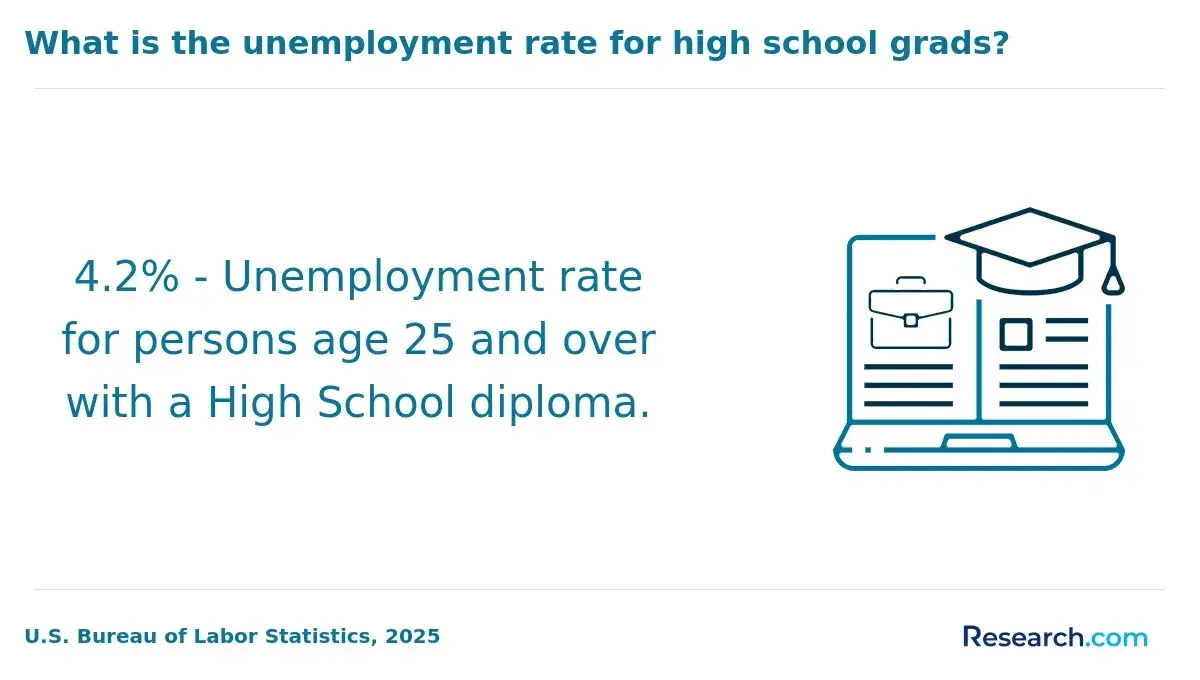
Industry can change the earning potential of the same General specialization. A communications graduate in nonprofit outreach, a technology company, a healthcare system, and a financial services firm may use similar writing or coordination skills, but the pay bands can differ because revenue model, regulation, budgets, and competition for talent differ.
The table below summarizes which industries tend to reward different General academic tracks. It is most useful when comparing the same specialization across sectors rather than assuming the major alone determines pay:
| Academic track | Industries that often pay more for the skill set | Why demand can be stronger | Roles students should investigate |
| Technology and data | Software, finance, healthcare technology, cybersecurity, consulting, logistics | Employers need automation, reporting, data quality, systems integration, and security support | Data analyst, systems analyst, business intelligence assistant, IT project coordinator |
| Business management and operations | Manufacturing, supply chain, healthcare, finance, professional services, retail headquarters | Organizations pay for people who can manage cost, process, teams, vendors, and performance metrics | Operations analyst, project coordinator, department supervisor, process improvement associate |
| Healthcare administration | Hospitals, outpatient care, insurance, senior care, medical groups, health technology | Compliance, patient access, billing, staffing, and quality reporting create demand for administrative expertise | Clinic operations coordinator, patient services manager, revenue cycle support, compliance assistant |
| Finance and quantitative business | Banking, insurance, corporate finance, procurement, government budgeting, real estate | Pay improves when workers can interpret financial data and support decisions with evidence | Budget analyst assistant, procurement specialist, financial operations associate |
| Communications | Technology, healthcare, government affairs, corporate communications, higher education, public relations | Complex organizations need clear messaging, stakeholder communication, and digital content strategy | Communications specialist, technical content assistant, public affairs coordinator |
| Human services and public service | Government agencies, hospitals, workforce development, behavioral health organizations, foundations | Funding rules, grants, reporting, and program evaluation can reward workers who combine service knowledge with administration | Program coordinator, case management supervisor, grant support specialist |
BLS projections for 2024 to 2034 show computer and information technology occupations are expected to generate about 317,700 openings each year on average.
For General degree students, that does not mean every tech concentration will pay highly, but it does explain why even non-computer science students often strengthen their earnings profile by adding analytics, database, cybersecurity, or automation coursework.
Long-term advancement depends less on the first job title and more on whether the specialization can grow into higher-responsibility work. Tracks tied to management, technology, healthcare operations, finance, and analytics often have stronger upward mobility because they connect to budgets, systems, people leadership, risk, revenue, or compliance.
BLS May 2024 data placed the median annual wage for management occupations at $122,090. That figure is not a starting salary for General degree graduates, but it shows why students who can combine a broad education with leadership, operations, and industry expertise may have stronger long-term pay potential.
| Track | Typical advancement path | What usually drives higher pay later | Best long-term fit |
| Technology and data | Analyst to senior analyst to systems, product, data, or IT manager | Technical depth, business understanding, automation, security, and cross-team problem-solving | Students willing to keep learning tools and translate technical work for decision-makers |
| Business management | Coordinator to supervisor to operations manager to director | People leadership, budget responsibility, process improvement, and measurable performance results | Students who want broad advancement across industries |
| Healthcare administration | Patient services or office operations to clinic manager to service line or health operations leader | Compliance, quality metrics, staffing, reimbursement knowledge, and patient experience improvement | Students who want stable demand and are comfortable with regulated environments |
| Finance and quantitative business | Operations or finance support to analyst to manager or specialist | Financial modeling, reporting accuracy, risk awareness, and decision support | Students who like numbers, systems, and accountability |
| Communications | Content or communications assistant to strategist to communications manager | Portfolio strength, industry specialization, analytics, stakeholder management, and crisis communication | Students who write well and can connect messaging to business or public outcomes |
| Public service and human services | Program assistant to coordinator to program manager or policy specialist | Grant management, licensure, evaluation, supervision, and public funding knowledge | Students motivated by service who can add administration or data skills |
For mid-career professionals, a management-focused graduate option can accelerate advancement if it is tied to a promotion plan. Someone already supervising teams or managing budgets may compare a 1 year executive MBA online with certificates or employer training before committing to a longer, more expensive path.
The biggest red flag is choosing a specialization with no visible next step. A strong track should show a realistic ladder: first job, second job, promotion criteria, credentials, and the skills needed to move from support work to decision-making responsibility.
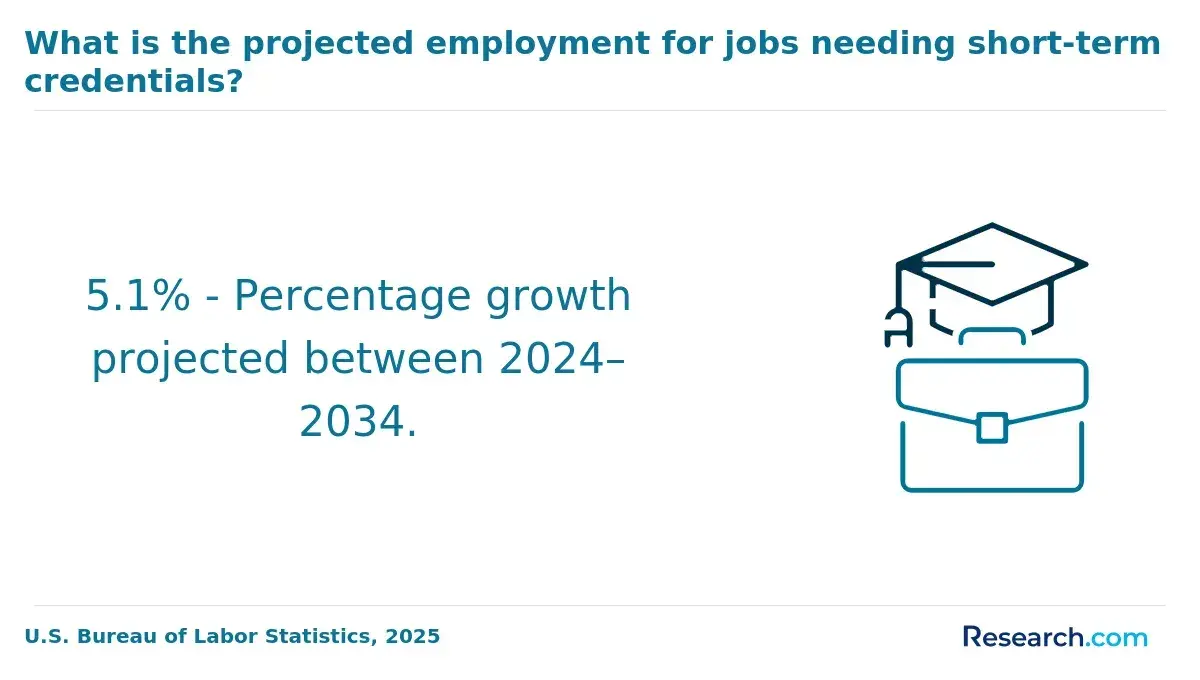
Location affects General specialization pay through local industry mix, employer size, cost of living, licensing rules, and competition. A healthcare administration track may be more valuable near hospital systems and outpatient networks, while a data-focused track may offer more remote-friendly options if the student can prove technical skill.
The table below shows how location and work format can change the salary value of the same academic track. It helps students avoid comparing national wage figures without considering where they actually plan to work:
| Factor | How it affects pay | Tracks most affected | What students should check |
| Regional industry concentration | Pay can rise where employers compete for the same specialized talent | Healthcare administration, logistics, finance, technology, public administration | Major employers, internships, alumni outcomes, and local job postings |
| Cost of living | A higher salary may not translate into higher purchasing power | All tracks, especially early-career roles | Rent, transportation, taxes, and whether remote work is location-adjusted |
| Remote-work access | Remote roles can expand the job market but may increase competition | Technology, data, communications, project coordination, digital marketing | Portfolio expectations, remote internship options, and employer location policies |
| State or local credential rules | Some education, healthcare, counseling, and public-service roles have state-specific requirements | Healthcare, education, human services, public administration | Licensure boards, state agency requirements, and supervised experience rules |
| Employer type | Corporate, government, nonprofit, and healthcare employers may pay differently for similar work | Communications, human services, public service, operations | Salary bands, benefits, pension access, union coverage, and promotion timelines |
Remote work can improve options for students in smaller labor markets, but it does not remove the need for specialization. Remote employers often receive more applications, so General degree students need clearer proof of ability through projects, internships, industry tools, and measurable achievements.
A General specialization becomes more marketable when it combines broad education with employer-recognized skills. This matters even more as AI and automation reshape entry-level work: routine writing, scheduling, reporting, and basic research can be automated, but workers who can interpret results, manage people, apply judgment, and improve processes remain valuable.
Students should use course selection to build a visible skill stack. The list below highlights high-value courses and skill areas that can strengthen several General degree tracks:
- Technology and data: Excel, SQL, data visualization, basic Python, database concepts, cybersecurity fundamentals, systems analysis, and applied statistics.
- Business and management: Accounting basics, operations management, project management, organizational behavior, business law, negotiation, and process improvement.
- Healthcare administration: Medical terminology, healthcare compliance, revenue cycle basics, quality improvement, health information systems, and patient experience.
- Finance and quantitative business: Financial accounting, managerial accounting, corporate finance, forecasting, procurement, risk management, and spreadsheet modeling.
- Communications: Professional writing, technical writing, public relations, digital analytics, presentation design, editing, and audience research.
- Public service and human services: Program evaluation, grant writing, public policy, case documentation, ethics, nonprofit management, and community assessment.
Students comparing programs should ask whether the curriculum produces evidence they can show employers. A transcript helps, but a dashboard, writing portfolio, budget analysis, community needs assessment, or operations improvement project can make a broad General degree easier to evaluate.
Common mistakes include choosing only easy electives, avoiding quantitative courses, skipping internships, and assuming a concentration name is enough. A better approach is to pair interest-based courses with at least one measurable skill employers can test.
Pay potential should always be compared with program cost. A higher-earning specialization may still be a poor financial decision if it requires expensive prerequisites, excess credits, unpaid clinical hours, relocation, or graduate school without a clear career plan.
College Board reported average published tuition and fees for 2024-25 of $11,610 for in-state public four-year students and $43,350 for private nonprofit four-year students. That gap matters because ROI is not just salary; it is salary relative to debt, time out of the workforce, completion likelihood, and the student's target labor market.
| Cost factor | Why it matters for specialization ROI | Tracks where students should be especially careful |
| Extra credits or prerequisites | Switching into a technical or healthcare track late can extend time to graduation | Data analytics, healthcare administration, finance, education-related tracks |
| Graduate school expectations | Some tracks have modest undergraduate pay unless followed by a master's degree or licensure | Human services, counseling-adjacent tracks, education, public administration |
| Unpaid fieldwork or internship limits | Required experience can reduce income while in school | Human services, healthcare, education, nonprofit administration |
| Technology and materials | Some tracks require software, exams, equipment, or certification preparation | Technology, data, design, healthcare administration, project management |
| Transfer-credit loss | Lost credits increase cost and delay entry into the workforce | All General degree completion pathways |
Use a simple ROI process before choosing a specialization. The steps below help compare tracks without relying on advertised salary claims:
- Identify three realistic job titles connected to the specialization in your target region or remote market.
- Check whether those jobs ask for a bachelor's degree, specific major, certification, portfolio, software skill, license, or years of experience.
- Estimate total program cost, including tuition, fees, books, software, exams, transportation, and extra semesters.
- Compare likely first roles with long-term advancement roles rather than judging the track only by peak salaries.
- Ask the school for internship placement, employer partnerships, career outcomes, transfer-credit rules, and alumni examples by concentration.
Red flags include vague outcome claims, no internship support, unclear accreditation, limited advising, few specialization courses, or programs that advertise high salaries from unrelated occupations. A credible program should help students connect coursework to specific roles and explain what additional credentials may be needed.
Certifications, licensure, and graduate study can change General specialization earnings, but only when they are recognized in the target field. A certificate in project management, data analytics, bookkeeping, HR, medical coding, or cybersecurity may help a broad degree look more job-specific; a license may be mandatory for clinical, teaching, or counseling-adjacent work.
The table below distinguishes optional credentials from required credentials. This matters because students should not pay for graduate study or exam preparation unless it connects to a real hiring requirement or promotion pathway:
| Pathway | When it can increase marketability | When it may not be worth the cost | Examples to research |
| Industry certification | When employers list it in job postings or it proves a practical tool skill | When it is unknown in the field or duplicates basic coursework | Project management, data analytics, HR, bookkeeping, cybersecurity, medical billing |
| State licensure | When the target job legally requires a license or supervised practice | When the student wants general administrative roles that do not require licensure | Teaching, counseling-related pathways, some healthcare and social-service roles |
| Graduate degree | When it is required for leadership, clinical practice, advanced analytics, public administration, or specialized business roles | When the student has no work experience, no target role, and must borrow heavily | MBA, MHA, MPA, MS in data analytics, MSW, education leadership |
| Employer-sponsored training | When a company pays for credentials tied to internal promotion | When training is too company-specific and does not transfer to other employers | Leadership academies, compliance training, software systems, supervisor programs |
Some General degree students eventually move toward licensed healthcare or therapy-related careers, where graduate education and supervised clinical requirements become central. For example, students interested in communication disorders should compare prerequisites and clinical expectations before exploring online speech language pathology programs.
The safest rule is to verify the credential before paying for it. Check job postings, state boards, employer HR pages, alumni outcomes, and professional associations to see whether the credential is required, preferred, or merely nice to have.
The best General degree specialization is the one that balances earning potential, personal fit, completion likelihood, and a credible career path. Students should not choose a track solely because a salary table looks attractive; they should choose the strongest track they can realistically finish, market, and grow from.
A practical decision process can keep the choice grounded. Use the steps below to compare General specializations before enrolling or changing concentrations.
- Start with roles, not majors; list job titles you would actually apply for within one year of graduation.
- Compare job postings across at least two regions or remote markets to see whether the specialization appears in real hiring demand.
- Match each specialization to required skills, software, credentials, internships, and sample projects.
- Estimate total cost and time, including transfer credits, prerequisites, extra semesters, and possible graduate study.
- Choose the track that offers the best mix of market demand, realistic entry point, advancement ladder, and personal motivation.
Students should also ask schools direct questions before committing. These questions are especially important for broad General programs where outcomes can vary by concentration and student initiative:
- What jobs have recent graduates from this specific concentration entered?
- Which employers recruit from the program or accept interns?
- Can I complete a capstone, internship, practicum, or portfolio tied to my target role?
- Will transfer credits apply to the specialization, or only to general electives?
- Does this track prepare me for any certification, licensure, graduate prerequisite, or employer-recognized credential?
- What career services are available for online, adult, transfer, or part-time students?
The smartest choice is usually not the narrowest or the broadest track. It is a focused-enough specialization that gives employers a clear reason to interview you while preserving flexibility if your industry, location, or career goals change.
Entry-level earnings are usually strongest when a General specialization maps to a specific first job, not just a broad interest area. Employers hiring new graduates often look for proof of ability: internships, capstone projects, software fluency, writing samples, clinical exposure, customer operations experience, or a certification.
The comparison below focuses on early-career marketability rather than lifetime pay. It helps students identify which tracks may offer clearer first-job routes and which may require more patience, networking, or graduate planning:
| Specialization | Entry-level earning outlook | Why first-job prospects may be stronger or weaker | Evidence students should build before graduating |
| Data analytics or information systems | Often among the strongest for General degree students | Entry-level roles can be skills-tested through dashboards, SQL projects, spreadsheets, and reporting samples | Portfolio, internship, Excel or SQL projects, data visualization samples |
| Business operations or project coordination | Strong when paired with internships or industry experience | Many organizations need coordinators, but employers may prefer applicants who understand workflows and metrics | Process improvement project, project management coursework, internship, supervisor references |
| Healthcare administration | Moderate to strong in regions with large healthcare employers | Healthcare is stable, but entry roles may start in scheduling, billing, patient access, or office operations before management | Healthcare terminology, compliance coursework, medical office experience, service experience |
| Finance or accounting support | Moderate to strong with technical spreadsheet skills | Employers value accuracy, reporting, and systems knowledge, but some roles prefer specialized accounting or finance majors | Advanced spreadsheet work, budgeting project, bookkeeping exposure, financial systems familiarity |
| Communications | Variable, with better outcomes in technical, corporate, or healthcare niches | Competition can be high, so pay depends heavily on portfolio quality and industry specialization | Published writing samples, campaign analytics, content portfolio, presentation experience |
| Human services or public service | Often lower at entry level but meaningful for mission-driven pathways | Many higher-paying roles require experience, licensure, graduate study, or public-sector advancement | Practicum, volunteer leadership, grant writing sample, case documentation experience |
Students who want stronger entry-level earnings should choose electives backward from job postings. If ten appealing postings ask for Excel, SQL, Salesforce, medical terminology, budgeting, grant reporting, or project management, those skills should appear in the degree plan before graduation.
Other Things You Should Know About General
Technology, data analytics, business management, healthcare administration, and quantitative business tracks usually show the strongest earning potential because they connect to higher-wage occupational groups. Actual pay depends on role, employer, location, experience, and skills.
Not necessarily. A General degree can be valuable when it includes a clear concentration, internships, projects, and job-specific skills. It becomes weaker when the coursework is unfocused and does not connect to identifiable roles.
Usually no. A higher-paying track is only a good choice if you can complete the coursework, build the required skills, and see yourself staying in the field long enough to advance. Fit affects persistence and career growth.
It depends on the career. Business, operations, communications, and some technology roles may not require graduate study, while clinical, counseling, education leadership, public administration, and advanced healthcare paths may require or strongly prefer it.
- Degrees boost earnings - but field of study matters, report finds https://www.highereddive.com/news/degrees-boost-earnings-but-field-of-study-matters-report-finds/803037/
- Analyzing the Impact of Company Location, Size, and ... http://ijiis.org/index.php/IJIIS/article/download/215/145
- Benefits of a Master's Degree: Boost Your Earning Power https://beal.edu/benefits-of-a-masters-degree/
- How does a college degree improve graduates’ employment and earnings potential? - APLU https://www.aplu.org/our-work/4-policy-and-advocacy/publicuvalues/employment-earnings/
- College Graduate Salaries: 2025 Projections | Bankrate https://www.bankrate.com/loans/student-loans/average-college-graduate-salary/
- How Much Do They Make? https://lmic-cimt.ca/how-much-do-they-make/
- STEM vs Business Degrees: Are the Salaries and Job Prospects Really Be https://iei.asiacareersgroup.com/blogs/articles/stem-vs-business-degrees-are-the-salaries-and-job-prospects-really-better
- STEM or humanities? Degrees of success - Reinvantage https://reinvantage.org/degrees-of-success/