2027 General Degree Metro Opportunity Report: Cities With the Best Mix of Pay, Openings, and Growth

Co-Founder and Chief Data Scientist
Choosing a city can matter as much as choosing a major, especially for General degree holders whose careers span business, operations, communications, public service, sales, and nonprofit roles. BLS data shows business and financial operations occupations had a median annual wage of $80,920 in May 2024, with about 963,500 openings projected each year. This report helps students, recent graduates, and career changers compare metros by pay, hiring volume, and long-term growth so they can identify places where broad, transferable skills may convert into stronger career options.
Key Things You Should Know
- Best overall opportunity mix: Washington, DC; Dallas-Fort Worth; Atlanta; Boston; Seattle; Raleigh-Durham; Chicago; New York City; Denver; and Minneapolis stand out because they combine large professional labor markets, diversified employers, and favorable demand for business, operations, communications, and analyst roles.
- Highest pay is concentrated in coastal and tech-heavy metros such as San Jose, San Francisco, Seattle, Washington, DC, New York City, and Boston, but high housing and services costs can reduce the real value of those salaries.
- Long-term growth is strongest in Sun Belt and research-driven metros such as Austin, Raleigh-Durham, Dallas-Fort Worth, Phoenix, Atlanta, Charlotte, Nashville, and Denver, especially for roles tied to management analysis, market research, HR, training, project coordination, and business operations.
- Which Cities Offer the Best Overall Job Opportunities for General Degree Graduates?
- What Are the Highest-Paying Metropolitan Areas for General Degree Holders?
Which Cities Offer the Best Overall Job Opportunities for General Degree Graduates?
A General degree is usually a general studies, liberal studies, interdisciplinary studies, or broad-based bachelor's program. It does not point to one licensed occupation the way nursing or accounting may, so the best metro depends on how well a city supports degree-flexible roles: analyst, coordinator, operations associate, HR specialist, recruiter, account manager, nonprofit program associate, communications specialist, customer success representative, and project support roles.
This report ranks metros using a decision-support lens rather than a single raw statistic. The most useful comparison combines three things: compensation potential, labor-market depth, and growth outlook. Because no federal dataset publishes one standardized "General degree openings by metro" count, the analysis uses BLS May 2024 Occupational Employment and Wage Statistics for metro wages and employment depth, BLS 2023-2033 occupational projections published in 2024 for long-term growth, and regional cost context from the latest BEA regional price data.
The table below summarizes the metros that offer the strongest overall mix for many General degree graduates. The rankings favor cities with multiple industries, not just one dominant employer cluster, because broad-degree professionals often benefit from flexibility across sectors.
| Overall Rank | Metro Area | Why It Stands Out | Best Fit for General Degree Holders | Main Trade-Off |
| 1 | Washington-Arlington-Alexandria, DC-VA-MD-WV | Large public-sector, consulting, nonprofit, policy, defense, and professional services ecosystem | Analysts, program coordinators, communications staff, HR, operations, government contractors | High cost of living and strong competition for mission-driven roles |
| 2 | Dallas-Fort Worth-Arlington, TX | Large, diversified job market with corporate headquarters, logistics, finance, healthcare, and tech operations | Operations, sales, HR, project coordination, business support, customer success | Sprawling geography can make commute and neighborhood choice important |
| 3 | Atlanta-Sandy Springs-Roswell, GA | Strong corporate, media, logistics, higher education, nonprofit, and healthcare presence | Communications, marketing support, HR, nonprofit administration, operations | Pay may vary widely by industry and neighborhood affordability |
| 4 | Boston-Cambridge-Newton, MA-NH | Dense higher education, healthcare, biotech, research, finance, and nonprofit network | Program coordination, university administration, research support, HR, communications | Housing costs can offset above-average professional wages |
| 5 | Seattle-Tacoma-Bellevue, WA | High-wage tech, retail headquarters, aerospace, healthcare, and professional services market | Business operations, customer success, project support, training, analyst roles | Entry-level competition can be intense in tech-adjacent roles |
| 6 | Raleigh-Cary and Durham-Chapel Hill, NC | Research Triangle growth, universities, healthcare, tech, startups, and state government | Early-career analysts, program associates, operations coordinators, education administration | Smaller market than New York, Chicago, or DC, so specialization matters |
| 7 | Chicago-Naperville-Elgin, IL-IN-WI | Massive professional services, finance, logistics, healthcare, education, and nonprofit market | HR, operations, account management, communications, project coordination | Growth is steadier than explosive; neighborhood and commute choices affect value |
| 8 | New York-Newark-Jersey City, NY-NJ-PA | Largest professional ecosystem for finance, media, nonprofits, real estate, corporate services, and education | Communications, marketing, nonprofit, HR, business support, client services | Very high costs and intense applicant competition |
| 9 | Denver-Aurora-Lakewood, CO | Growing technology, energy, government, healthcare, outdoor industry, and startup base | Operations, project coordination, sales, training, public-sector roles | Housing costs have risen faster than in many peer metros |
| 10 | Minneapolis-St. Paul-Bloomington, MN-WI | Corporate headquarters, healthcare, insurance, retail, manufacturing, and public-sector stability | HR, training, operations, nonprofit administration, corporate support | Growth may be more moderate, but market stability is a strength |
Readers comparing these metros should decide whether they value a deep job market, faster growth, higher salaries, or lower living costs most. A professional focused on federal contracting may prefer DC, while someone seeking lower-cost corporate operations roles may find Dallas or Atlanta more practical.
General degree holders who want to strengthen their business signal in competitive metros can also compare options such as an AACSB accredited online MBA, especially if they are targeting management, consulting, operations, or corporate strategy roles.
What Are the Highest-Paying Metropolitan Areas for General Degree Holders?
The highest-paying metros for General degree holders are usually those with strong concentrations of technology, finance, consulting, government contracting, biotech, and corporate headquarters. Pay is not uniform across all General degree roles, but BLS May 2024 wage patterns consistently show that professional and business occupations tend to command higher compensation in high-productivity metros.
The table below focuses on pay strength rather than overall affordability. These metros may offer strong salary upside, but readers should compare actual job offers against housing, transportation, taxes, and student loan obligations before assuming a move will improve take-home value.
| Pay Tier | Metro Area | Why Salaries Tend to Be Higher | General Degree Roles Most Likely to Benefit | Watch-Out |
| Very High | San Jose-Sunnyvale-Santa Clara, CA | Technology, venture-backed companies, product operations, enterprise sales, and business analytics | Business operations, customer success, sales operations, project coordination | One of the nation's highest housing-cost environments |
| Very High | San Francisco-Oakland-Berkeley, CA | Tech, finance, startups, professional services, nonprofits, and corporate operations | Marketing operations, analyst roles, HR, communications, client services | High pay often comes with high competition and high rent |
| Very High | Seattle-Tacoma-Bellevue, WA | Tech, aerospace, retail headquarters, cloud services, logistics, and healthcare | Program coordination, training, operations, recruiting, account management | Tech-adjacent roles may require strong software and data skills |
| High | Washington-Arlington-Alexandria, DC-VA-MD-WV | Federal agencies, contractors, consulting, policy, defense, associations, and nonprofits | Program analysts, communications staff, proposal coordinators, HR, operations | Clearance, writing samples, or public-sector experience may matter |
| High | New York-Newark-Jersey City, NY-NJ-PA | Finance, media, advertising, education, real estate, law, and nonprofit headquarters | Communications, account management, nonprofit administration, business support | Salary premiums can disappear quickly if rent is not managed |
| High | Boston-Cambridge-Newton, MA-NH | Higher education, hospitals, biotech, research, finance, and professional services | Research administration, program coordination, HR, communications, operations | Graduate credentials may be common among competing applicants |
A common mistake is treating a metro's wage level as a personal salary forecast. A posted salary depends on the job family, employer size, experience level, industry, and whether the role is entry-level or midcareer. For General degree holders, the strongest pay outcomes often come from pairing broad education with measurable skills such as Excel, data visualization, CRM tools, writing, budgeting, vendor coordination, project management, or people operations.
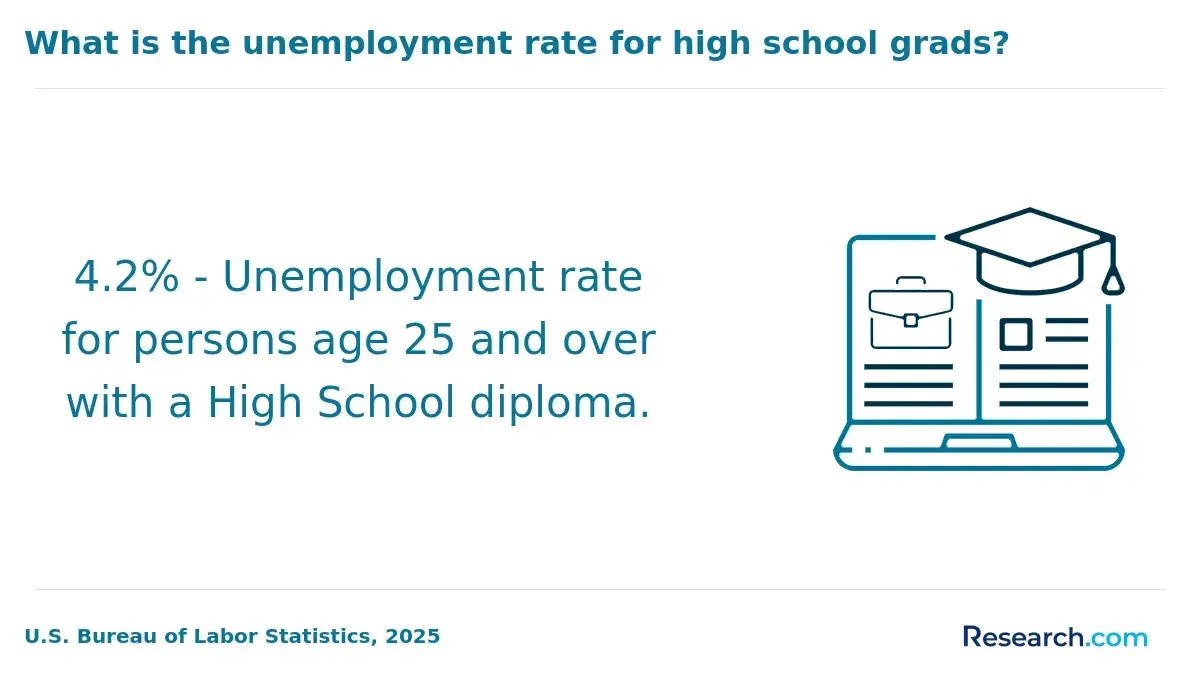
Hiring volume matters because large labor markets usually provide more second chances. If one employer freezes hiring, a deep metro may still have openings in adjacent sectors. For General degree graduates, the best job-opening markets are usually large metros with diversified employers rather than smaller cities dependent on one industry.
The table below identifies metros with especially strong hiring depth for degree-flexible professional roles. Since public federal data does not provide a single real-time metro openings count for General degree jobs, this section uses employment depth, employer diversity, and recurring demand across related occupation groups as the practical comparison.
| Metro Area | Hiring-Volume Advantage | Common Entry and Mid-Level Roles | Best Strategy for Applicants |
| New York-Newark-Jersey City, NY-NJ-PA | Very large employer base across finance, media, nonprofits, education, healthcare, and corporate services | Administrative analyst, communications associate, account coordinator, HR assistant, nonprofit program associate | Use industry focus to narrow applications; generic resumes are easy to overlook |
| Los Angeles-Long Beach-Anaheim, CA | Large market spanning entertainment, logistics, healthcare, education, government, and professional services | Production coordinator, marketing assistant, operations coordinator, client services associate | Target industry-specific language, especially in media, logistics, or healthcare |
| Chicago-Naperville-Elgin, IL-IN-WI | Deep professional services, logistics, finance, insurance, nonprofit, and healthcare market | HR coordinator, operations associate, project assistant, account manager | Look beyond downtown employers to suburban headquarters and hospitals |
| Dallas-Fort Worth-Arlington, TX | Corporate headquarters, finance, logistics, healthcare, telecom, and business services growth | Business operations associate, recruiter, sales coordinator, customer success specialist | Compare commute patterns before accepting roles across the metroplex |
| Washington-Arlington-Alexandria, DC-VA-MD-WV | Government, contractors, policy organizations, defense, consulting, and associations | Program coordinator, proposal assistant, policy associate, grants specialist | Build writing samples and learn federal contractor terminology |
| Atlanta-Sandy Springs-Roswell, GA | Logistics, media, corporate headquarters, universities, healthcare, and nonprofits | Marketing coordinator, operations associate, HR assistant, program associate | Network through professional associations and university-affiliated events |
| Houston-The Woodlands-Sugar Land, TX | Energy, healthcare, logistics, aerospace, construction, and business services | Operations coordinator, project assistant, HR support, vendor coordinator | Translate broad skills into sector-specific language such as energy or healthcare operations |
Job posting counts should be treated carefully. A posting may represent multiple openings, a future hiring pipeline, a reposted role, or a position that has already moved to final interviews. Before relocating, compare at least several weeks of postings, note salary transparency, and track how often the same employers repost similar roles.
Long-term growth matters because General degree careers are often built through mobility: coordinator to specialist, specialist to manager, analyst to senior analyst, or operations associate to program manager. BLS projections published in 2024 show business and financial operations occupations are expected to grow faster than the average for all occupations from 2023 to 2033, which supports demand for adaptable workers with business, communication, and analytical skills.
The strongest growth metros usually have population gains, expanding corporate services, healthcare growth, university research, technology adoption, logistics investment, or government contracting. The table below identifies metros where long-term demand signals are favorable for broad-degree professionals.
| Growth Outlook Tier | Metro Area | Growth Drivers | General Degree Opportunity | What to Verify |
| Very Strong | Austin-Round Rock-Georgetown, TX | Technology, startups, state government, universities, professional services | Operations, customer success, recruiting, sales operations, analyst support | Whether entry-level pay keeps pace with housing costs |
| Very Strong | Raleigh-Cary and Durham-Chapel Hill, NC | Research Triangle, universities, healthcare, life sciences, technology | Program coordination, research administration, business operations | Whether the role requires technical or research-specific experience |
| Very Strong | Dallas-Fort Worth-Arlington, TX | Corporate relocations, logistics, finance, healthcare, telecom, business services | HR, operations, account management, project coordination | Commute feasibility across the metroplex |
| Strong | Phoenix-Mesa-Chandler, AZ | Population growth, semiconductor investment, healthcare, logistics, corporate services | Operations support, training, HR, customer success, administrative analysis | Heat, water concerns, and neighborhood affordability |
| Strong | Atlanta-Sandy Springs-Roswell, GA | Logistics, media, corporate headquarters, healthcare, education | Communications, marketing, program coordination, nonprofit administration | Salary variation by sector |
| Strong | Charlotte-Concord-Gastonia, NC-SC | Banking, insurance, energy, logistics, population growth | Client operations, compliance support, HR, business coordination | Competition for finance-adjacent roles |
| Strong | Nashville-Davidson-Murfreesboro-Franklin, TN | Healthcare management, music business, tourism, higher education, corporate services | Healthcare administration support, communications, operations, client services | Tourism-heavy roles may have different pay stability |
| Strong | Denver-Aurora-Lakewood, CO | Technology, government, energy, healthcare, outdoor industry, startups | Project coordination, operations, sales, training, public-sector support | Housing affordability and competition from in-migrants |
Projected growth is not a promise of personal employment. It is best used as a directional signal. A fast-growing metro can still be difficult if the roles require technical skills you do not have, while a slower-growing metro can be excellent if it has many employers in your target field.
Midcareer professionals in growing metros often improve their competitiveness by adding management, finance, analytics, or leadership credentials. For readers comparing flexible advancement options, a 1 year executive MBA online may be relevant if they already have work experience and want to move into leadership roles.
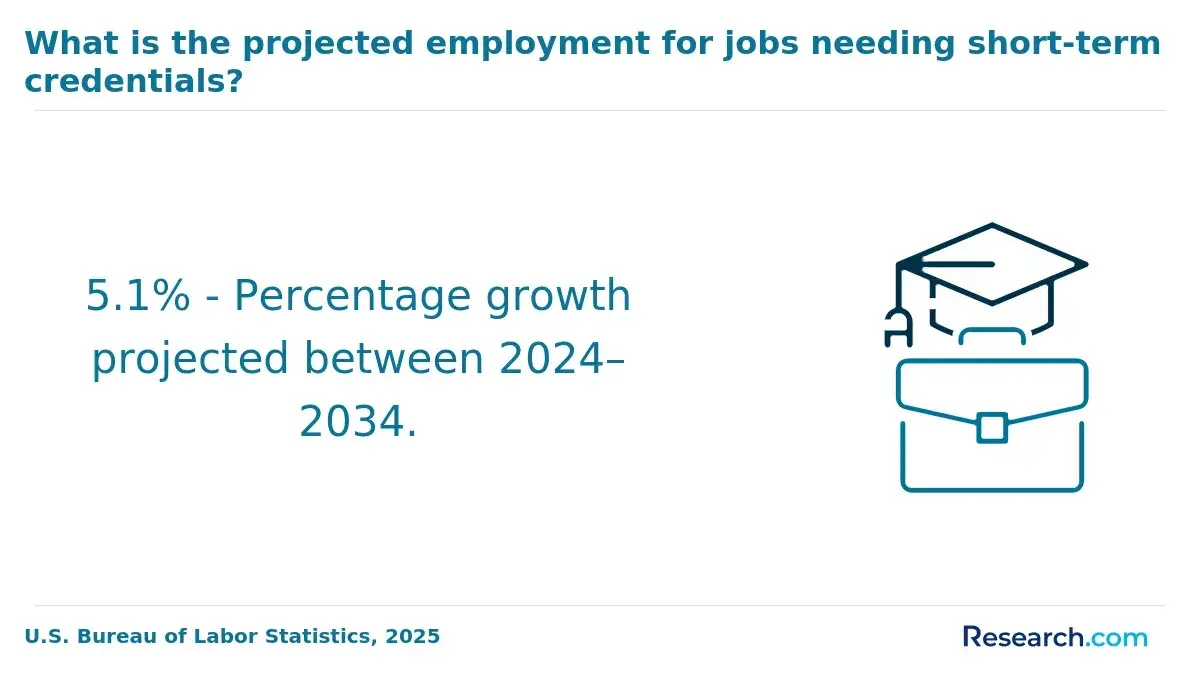
Regional demand for General degree graduates is driven less by the degree title and more by what local employers need people to do. Broad-degree workers often succeed when they can coordinate people, manage information, communicate clearly, support customers, analyze basic data, and keep projects moving.
The list below shows the industries that most often create degree-flexible opportunities, along with the metros where those industries are especially visible. Use it to match your coursework, internships, and skills to local demand rather than applying broadly without a target.
- Federal government, defense, policy, and contracting: Washington, DC; San Diego; Huntsville; Colorado Springs; and Northern Virginia suburbs are strong for program coordination, proposal support, communications, and operations roles.
- Technology and software-enabled services: San Jose, San Francisco, Seattle, Austin, Raleigh-Durham, Denver, Boston, and Atlanta offer opportunities in customer success, sales operations, recruiting, training, and project support, but applicants may need CRM, analytics, or workflow software skills.
- Finance, insurance, and corporate headquarters: New York City, Charlotte, Dallas, Chicago, Minneapolis, Atlanta, Boston, and Phoenix support roles in client operations, HR, compliance support, analyst assistance, and business administration.
- Healthcare and education administration: Boston, Philadelphia, Houston, Nashville, Raleigh-Durham, Minneapolis, and Baltimore create demand for program coordinators, admissions staff, patient access roles, training specialists, and administrative analysts.
- Logistics, transportation, and supply chain: Dallas-Fort Worth, Atlanta, Chicago, Houston, Memphis, Phoenix, and Los Angeles support operations coordinators, vendor support, account management, and workforce scheduling roles.
- Media, communications, entertainment, and nonprofit work: New York City, Los Angeles, Atlanta, Washington, DC, Boston, Chicago, and Nashville offer communications, development, event, marketing, and program roles, often with strong competition at entry level.
Employer expectations are shifting toward demonstrable skills. AI tools, applicant tracking systems, and workflow automation have made it more important for General degree holders to show evidence of writing quality, data comfort, process improvement, customer communication, and responsible use of technology. A portfolio, project sample, internship, or certification can help employers understand how a broad degree translates into workplace value.
Some General degree holders later choose a specialized graduate path if they discover a field with licensure or clinical requirements. For example, readers drawn to communication disorders, schools, and healthcare settings may compare online speech language pathology programs, but they should verify accreditation, clinical placement rules, and state licensure requirements before enrolling.
Recent graduates should look for metros with three features: many entry-level postings, employers that hire from a wide range of majors, and industries where internal promotion is common. A city with high senior-level salaries may not be ideal if entry-level roles are scarce or require years of experience.
The table below highlights metros that can work especially well for early-career General degree holders. These places combine employer variety with accessible pathways into operations, sales, HR, communications, public service, and program support.
| Metro Area | Why It Works for Entry-Level Applicants | Common First Roles | Best Early-Career Move |
| Atlanta-Sandy Springs-Roswell, GA | Large mix of corporate, logistics, media, nonprofit, education, and healthcare employers | Marketing assistant, program associate, HR assistant, operations coordinator | Join local professional groups and apply to rotational or coordinator roles |
| Dallas-Fort Worth-Arlington, TX | Broad corporate hiring and many business support functions | Sales coordinator, recruiter, customer success associate, operations support | Target headquarters, healthcare systems, and logistics employers |
| Raleigh-Cary, NC | Research, universities, tech, healthcare, and state government create varied entry points | Program assistant, research support coordinator, admissions counselor, operations associate | Build a skills bridge in spreadsheets, CRM tools, or project software |
| Chicago-Naperville-Elgin, IL-IN-WI | Deep market with corporate, nonprofit, insurance, logistics, education, and healthcare employers | HR coordinator, account coordinator, administrative analyst, client services associate | Apply across downtown and suburban employer clusters |
| Minneapolis-St. Paul-Bloomington, MN-WI | Stable headquarters market and strong healthcare, retail, insurance, and public-sector base | Training assistant, HR support, operations associate, nonprofit coordinator | Use internships, temp-to-hire roles, and alumni networks to enter large employers |
| Columbus, OH | State government, universities, insurance, logistics, healthcare, and finance offer accessible roles | Program coordinator, administrative specialist, customer operations, HR assistant | Look for roles that provide promotion ladders and tuition assistance |
Entry-level applicants should avoid one common mistake: applying to hundreds of roles with the same resume. A better approach is to build three resume versions, each aimed at a role family such as operations, communications, or HR. Then use job descriptions to mirror relevant language honestly, such as scheduling, stakeholder communication, reporting, CRM updates, or event coordination.
Another red flag is accepting a vague "management trainee" or sales role without understanding compensation structure. Ask whether pay is base salary, commission, draw, hourly, or contract; whether benefits begin immediately; and what performance metrics determine promotion.
Remote and hybrid work have changed metro rankings because a General degree holder may no longer need to live in the highest-paying city to access a high-quality employer. However, remote work has not made location irrelevant. Many employers still hire within specific states, require occasional office attendance, or adjust pay by location.
The best metros for hybrid workers are often cities with strong local employers plus access to national remote roles. This combination reduces risk because you are not dependent on remote-only postings, which can attract applicants from across the country.
| Remote/Hybrid Advantage | Metro Examples | Why It Matters | Best Fit |
| High-pay hybrid hubs | Seattle, San Francisco, San Jose, Boston, New York City, Washington, DC | Strong employers and higher pay bands, but often with higher costs and competition | Experienced applicants with technical, analytical, or client-facing skills |
| Balanced remote-friendly metros | Dallas-Fort Worth, Atlanta, Denver, Raleigh, Minneapolis, Charlotte | Good local job markets plus more manageable costs than the most expensive coastal hubs | Generalists seeking flexibility without relying only on remote work |
| Lower-cost backup markets | Columbus, Kansas City, Indianapolis, Louisville, Oklahoma City | Lower living costs can help remote salaries go further, but local fallback markets may be smaller | Remote-first workers with stable employer demand and emergency savings |
Before moving for a remote role, verify whether the employer can legally employ you in that state, whether compensation changes by location, and whether the role has an office-return policy. A remote job that becomes hybrid can quickly become impractical if you moved too far from the employer's office.
AI is also changing remote competition. Employers can screen more applicants quickly, so General degree holders should make their applications more specific. Mention tools, outcomes, writing samples, reporting experience, customer metrics, or project examples instead of relying on broad phrases like "strong communicator" or "team player."
Networking matters more for General degree holders because the degree title may not automatically signal a specific job function. A strong metro ecosystem can help you convert broad education into a recognizable career path through alumni groups, professional associations, meetups, conferences, internships, public-sector events, and employer-sponsored training.
The strongest networking ecosystems are not always the cheapest cities, but they can accelerate career movement. The list below explains what each type of metro network can offer and how to use it effectively.
- Washington, DC: Use policy, nonprofit, government contractor, and association events to meet program managers, proposal teams, analysts, and communications leaders.
- New York City: Target industry-specific networking in finance, media, advertising, nonprofits, higher education, and real estate rather than trying to network with everyone.
- Boston: Leverage university, healthcare, biotech, nonprofit, and research administration networks, especially if you have internship or campus work experience.
- Chicago: Use professional services, logistics, nonprofit, insurance, HR, and corporate operations networks to find roles that may not be visible through broad job boards.
- Atlanta: Build connections through corporate, media, logistics, university, nonprofit, and healthcare groups; the city rewards relationship-based job searching.
- Dallas-Fort Worth: Network by industry cluster and geography because the metroplex is large; headquarters, healthcare systems, and logistics employers can offer different paths.
- Raleigh-Durham: Use university, startup, healthcare, state government, and research networks to move from entry-level coordination into specialized operations or analyst roles.
A practical networking plan is simple: choose one target role family, attend two relevant events per month, request short informational interviews, and follow up with a concise note that explains the kind of role you are seeking. The goal is not to ask strangers for jobs; it is to learn how local employers describe the work you want to do.
Relocation should be evaluated like an investment, not just a lifestyle change. The best city for a General degree holder is the one where the target role, local employer base, realistic salary, living costs, and personal priorities line up. A top-ranked metro may be wrong for you if the commute, rent, climate, family needs, or career culture do not fit.
Use the following steps to compare cities before you move. This sequence helps avoid the common mistake of choosing a metro based only on a salary estimate or a national ranking.
- Define your target role family first, such as operations, HR, communications, sales support, program coordination, nonprofit administration, or business analysis.
- Compare actual job descriptions in each metro and note required tools, experience level, salary transparency, remote policy, and degree preferences.
- Estimate real take-home value by subtracting rent, transportation, taxes, insurance, loan payments, and relocation costs from expected pay.
- Check employer diversity so you know whether there are multiple backup options if one company lays off workers or delays hiring.
- Evaluate commute patterns, transit access, neighborhood safety, healthcare access, childcare, climate, and proximity to family or support networks.
- Review long-term promotion paths, not just first-job availability, because General degree careers often improve through internal mobility.
- Contact local alumni, recruiters, or professionals before moving to test whether your resume matches the city's hiring language.
Quality of life can change the outcome of a career decision. A city with slightly lower pay may be better if it allows you to save money, build a network, pursue internships, or take a lower-risk first role in a field with growth. Conversely, a high-cost city may be worth it if it provides rare access to a specialized industry you cannot enter elsewhere.
Education planning can also be part of relocation, especially for adults returning to school or shifting careers later in life. Readers exploring flexible options may find it useful to compare college degrees for seniors, particularly when balancing location, cost, caregiving, retirement planning, and career reinvention.
A high salary is not always a high-value salary. Cost-of-living-adjusted opportunity depends on rent, transportation, childcare, taxes, insurance, student loan payments, and whether you need to live near the office. The BEA Regional Price Parities index is useful because it sets the U.S. average at 100; metros above 100 are more expensive than the national average, while those below 100 are less expensive.
The table below highlights metros where General degree holders may find a stronger salary-to-cost balance than in the most expensive coastal markets. These are not always the highest-paying cities, but they can offer better practical value when pay is compared with living costs.
| Metro Area | Salary-to-Cost Profile | Why It Can Work Well | Best Fit | Risk to Check |
| Dallas-Fort Worth-Arlington, TX | Strong value for a large metro | Large professional market, corporate headquarters, and no state income tax | Operations, sales, HR, business support, project coordination | Transportation costs can rise if commute distance is long |
| Atlanta-Sandy Springs-Roswell, GA | Good balance of opportunity and relative affordability | Broad employer base with lower costs than many Northeast and West Coast hubs | Communications, marketing support, nonprofit, operations | Neighborhood selection has a major effect on rent and commute |
| Charlotte-Concord-Gastonia, NC-SC | Strong value in finance and corporate services | Banking, insurance, energy, logistics, and growing corporate operations | Client services, analyst support, HR, operations, compliance support | Entry-level roles may cluster in certain sectors |
| Raleigh-Cary, NC | Good growth-to-cost balance | Research Triangle employers, universities, tech, healthcare, and state government | Program coordination, research support, operations, education administration | Housing affordability has tightened as the region has grown |
| Minneapolis-St. Paul-Bloomington, MN-WI | Stable value with strong corporate base | Healthcare, insurance, retail headquarters, manufacturing, and public sector | HR, training, operations, nonprofit administration | Growth may be steadier rather than rapid |
| Columbus, OH | Emerging value market | State government, insurance, finance, healthcare, logistics, and higher education | Administrative analyst, program coordinator, HR assistant, operations support | Fewer headquarters and specialized roles than larger metros |
To compare two cities, calculate a simple "real salary" estimate: expected annual pay minus estimated rent, commuting, insurance, taxes, and loan payments. Then compare job density. A lower-cost city with only a handful of relevant openings may be riskier than a more expensive city with many employers hiring for the same skill set.
The biggest red flag is moving for a salary number without checking whether the role is stable, promotable, and connected to a strong local industry. For example, a $5,000 pay increase may not help if rent, car costs, and relocation expenses rise faster than income.
Other Things You Should Know About General
Washington, DC is one of the strongest overall choices because it combines high professional wages, large public and private employer networks, and steady demand for analysts, coordinators, communications staff, HR workers, and program support roles. Dallas-Fort Worth and Atlanta are also strong because they offer large job markets with better cost balance than many coastal hubs.
The highest-paying markets are typically San Jose, San Francisco, Seattle, Washington, DC, New York City, and Boston. These metros often have strong technology, finance, consulting, government, biotech, and professional services sectors. However, pay estimates are not guarantees, and high living costs can reduce the practical value of a salary.
The largest hiring markets are usually New York City, Los Angeles, Chicago, Dallas-Fort Worth, Washington, DC, Atlanta, Houston, Boston, and Philadelphia. These metros have broad employer bases across business services, healthcare, education, government, finance, logistics, and nonprofits, which creates more role variety for broad-degree applicants.
Compare cities by target role, expected salary, employer diversity, cost of living, commute, remote-work policy, and long-term growth. Do not rely only on statewide data or job posting counts. A better approach is to review real job descriptions, track postings over several weeks, estimate take-home value, and confirm that local employers hire for the skills you can demonstrate.
- Sun Belt Metro Areas Dominate Post-Pandemic Jobs Recovery; Cloudy Forecast for the Rest of the Country https://eig.org/metro-employment-2023/
- High-Paying Jobs and the Cities That Attract Them - The Kaplan Group https://www.kaplancollectionagency.com/news/high-paying-jobs-and-the-cities-that-attract-them/
- College Majors with the Most Job Openings in 2025 | Bold.org https://bold.org/blog/majors-with-most-job-opportunities/
- These are the 10 careers expected to have the most jobs through 2034 for college grads https://finance.yahoo.com/news/10-careers-expected-most-jobs-182744547.html
- Careers with Most Openings | Careers | CareerOneStop https://www.careeronestop.org/Toolkit/Careers/careers-most-openings.aspx
- EdAssist | 7 Industries and job roles with high projected growth https://www.brighthorizons.com/resources/blog/edassist/7-industries-and-job-roles-with-high-projected-growth
- Salaries in Poland - Pensjometr https://www.pensjometr.pl/en/salaries-in-country
- The 25 metro areas with the fastest job growth includes Kenosha County https://www.fox6now.com/news/the-25-metro-areas-with-the-fastest-job-growth-includes-kenosha-county
- Where is Job Growth Accelerating? Shifting Employment Momentum in Top Metros | CBRE https://www.cbre.com/insights/briefs/where-is-job-growth-accelerating-shifting-employment-momentum-in-top-metros
- Your college degree pays off more if you live in a city https://cityobservatory.org/cities_reward_talent/