
2027 Best Online Colleges Programs Ranking in Omaha, NE

Co-Founder and Chief Data Scientist
Choosing the right online college program can be overwhelming, especially with so many options available in Omaha, NE. This article introduces the 2027 Best Online Colleges Programs Ranking in Omaha, NE, crafted by the Research.com team of data scientists to guide you toward the most valuable degree programs.
By exploring this ranking, you'll gain clarity on which programs offer quality education and strong career prospects. Pursuing a degree online can open doors to new opportunities and personal growth, making it easier to balance life and studies. Let this guide support your journey toward a brighter future.
Key benefits of getting online degrees in Omaha
- Graduates in Omaha with an online bachelor's degree earn an average salary of $60,000, while those with a master's degree can earn up to $85,000, showing clear financial benefits with higher degree levels.
- A graduate from the University of Nebraska at Omaha who completed an online business degree quickly advanced to a managerial role in marketing, demonstrating promising career growth paths.
- Online degrees offer flexibility; for example, a Creighton University online nursing graduate balanced work and study, boosting career success without disrupting daily life.
- 2027 Best Online Colleges Programs Ranking in Omaha, NE
- What can I expect from online degrees in Omaha?
- How much can I make with online degrees in Omaha?
What can I expect from online degrees in Omaha?
When enrolling in an online degree in Omaha, you can expect flexible scheduling designed to fit around work or family life. Graduates from the University of Nebraska Omaha often mention how programs let them study evenings or weekends without sacrificing academic quality. This balance means you won't have to pause your career or personal commitments.
Support services are readily available, both virtually and locally. Many students at Metropolitan Community College utilize virtual tutoring and academic advising, ensuring they get help whenever challenges arise. Plus, some campuses offer physical testing centers or occasional in-person meetings, which adds a comforting layer of direct support.
Affordability is another key benefit. Public institutions in Omaha generally offer competitive tuition rates for residents. Graduates recall that these reasonable costs helped them avoid large debt while achieving their goals. This combination of cost-effectiveness and quality makes online programs a practical choice in Omaha's educational landscape.
Overall, students can expect an experience that respects their time, provides strong local and online resources, and helps them advance confidently in their careers without uprooting their lives.
How much can I make with online degrees in Omaha?
Graduates with online bachelor's degrees in Omaha typically see median salaries around $58,000 annually, according to 2023 data. For example, those completing programs from popular local institutions like the University of Nebraska at Omaha often find this wage level realistic within the city's job market.
Associate degree holders starting their careers can expect entry-level salaries between $35,000 and $45,000, depending on the field. Graduates from community colleges offering online options frequently report satisfaction as these earnings quickly grow with experience, especially in healthcare or IT sectors.
More advanced degrees boost income considerably. Online master's degree graduates from business or education programs at places such as Creighton University can earn median salaries near $75,000. This reflects the higher responsibility and expertise employers require.
Fields like nursing and computer science stand out-with online graduates securing salaries from $60,000 up to $85,000-highlighting pathways that many Omaha graduates successfully pursue to optimize their return on investment.
- Annual tuition for public institutions in Omaha ranges from $7,000 to $10,000, which is generally lower than national averages.
- The average starting salary for online degree graduates in Omaha is about $45,000 within one year of graduation.
- Many professionals earn between $65,000 and $75,000 within five to ten years after graduating, depending on their field.
- Strong local demand exists in fields like business administration, healthcare, technology, and education.
- Online programs often include internships or practicum options to gain local practical experience.
- Financial aid and scholarships are available specifically for students attending Omaha online degree programs.
The time it takes to complete an online degree in Omaha varies based on the program and your study pace. For example, graduates from Metropolitan Community College typically finish an associate degree in about two years if studying full-time. Part-time students often extend this to three or four years, balancing work or family alongside classes.
Bachelor's degree students from Bellevue University usually spend around four years completing their program online, covering 120-130 credit hours. Some motivated students shorten this by transferring credits or taking accelerated courses, finishing in as little as two to three years. This flexibility allows you to tailor your experience around your lifestyle.
Master's degrees at the University of Nebraska at Omaha often require one to two years of full-time study, with professional students appreciating the balance of advancing their careers while learning. Credit requirements typically range from 30 to 40 hours, and the online format lets you choose your pacing.
Understanding your own schedule and exploring credit transfer options can make a significant difference in your completion time. Many Omaha online students thrive by leveraging these flexible pathways to earn their degree sooner than expected.
Choosing between an online and an on-campus degree in Omaha boils down to your daily routine and priorities. For example, graduates from Creighton University who attended on-campus often mention how face-to-face interactions with professors and peers enriched their learning and expanded their social network. They enjoyed the energy of campus life and easy access to Omaha's libraries and labs.
On the other hand, graduates from the University of Nebraska Omaha appreciate the flexibility of online programs, especially when balancing work or family responsibilities. Many describe how being able to study from home helped them stay motivated without the stress of daily commuting in Omaha's urban traffic. This saved money on transportation and housing, significant perks given local living costs.
Both options maintain accreditation, ensuring your degree holds value nationwide. If you value campus atmosphere and hands-on resources, on-campus programs fit well. But if flexibility and convenience top your list, Omaha's online degrees offer a practical, efficient path without sacrificing quality.
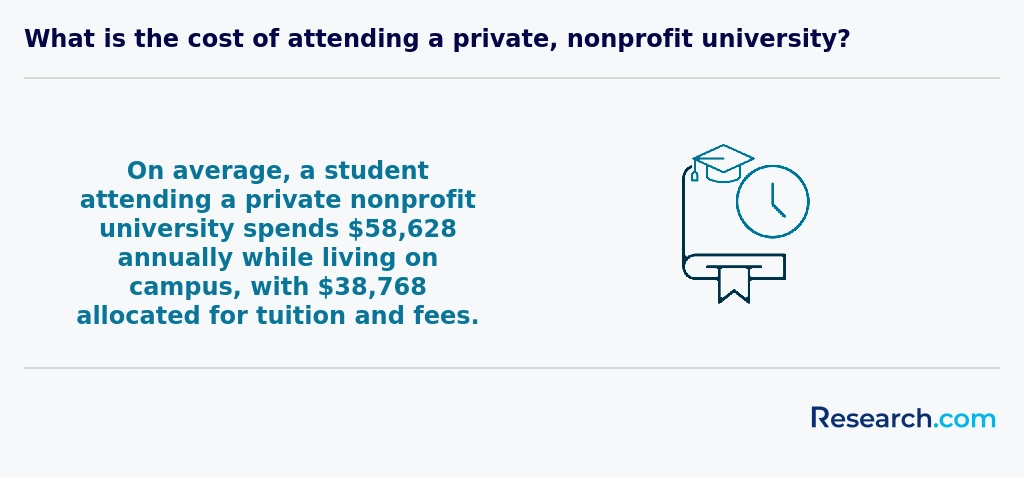
The average cost of an online degree in Omaha typically centers around $40,764 total, aligning with a practical budget many local students consider when planning their education path. Graduates from institutions like the University of Nebraska at Omaha (UNO) often mention that while tuition hovers near $285 per credit hour for in-state students, the full expense can feel more manageable when factoring in financial aid and scholarships offered by the school. These programs deliver a quality experience without the high price tags seen in many other states.
For students focused on finding affordable online college tuition Omaha Nebraska offers options such as Metropolitan Community College (MCC), where tuition is around $150 per credit hour. Many learners begin here to save money on foundational courses before transferring to a four-year institution, effectively lowering the overall cost of their degree. This consideration proves helpful to anyone budgeting for an online degree, especially when combined with typical additional expenses like technology fees or books.
One important tip for those exploring the average cost of an online degree in Omaha is to review all potential fees beyond basic tuition. Technology fees of $15-$25 per credit hour and materials totaling up to $1,500 annually can accumulate, but planning ahead lightens the burden. Also, be sure to explore different degree lengths; some choose accelerated paths like a 1 year masters degree to reduce overall expenses and enter the workforce sooner.
When pursuing an online degree in Omaha, federal financial aid is often the first step. Completing the FAFSA unlocks access to Federal Pell Grants, which can provide up to $7,395 annually without repayment, easing tuition worries for many. Graduates from the University of Nebraska Omaha often share how these grants made their studies manageable alongside work and family commitments.
Federal Direct Loans offer another option with low interest rates and flexible repayment plans. Some students balance these loans with Federal Work-Study programs, earning money through part-time jobs compatible with their online schedules, a flexibility praised by community college enrollees.
Nebraska's state-funded Nebraska Opportunity Grant is valuable too, especially for students attending local schools like Metropolitan Community College. The grant ranges from several hundred to thousands of dollars depending on financial need, important for those feeling the pressure of tuition costs.
Many institutions also provide scholarships based on merit or need. Online learners from Omaha's public universities often report significant relief from these awards. Additionally, checking with employers about tuition reimbursement helps many working students keep costs down while progressing toward their goals.
Community foundations in Omaha occasionally offer scholarships tied to local engagement or career paths, providing yet another way to lighten financial burdens.
To enroll in an online degree program in Omaha, start by ensuring you have a high school diploma or GED-this is non-negotiable for most programs at well-known schools like the University of Nebraska at Omaha. Graduates often recall how having their transcripts ready from previous studies made the process smooth and helped prove their academic readiness, especially since some programs expect a minimum GPA around 2.0 to 2.5.
Many applicants are pleasantly surprised that standardized tests like the SAT or ACT are typically optional for online programs here, reflecting a flexible approach that fits diverse backgrounds. Make sure to have identification documents handy and complete your application form online, as local colleges emphasize a tech-ready mindset. Reliable internet and basic computer skills are essential tools, as graduates highlight how these made their virtual learning seamless.
- Proof of Nebraska residency is crucial if you want to access in-state tuition rates, which can make a big difference at public universities in Omaha.
- Graduate programs might ask for recommendation letters or personal statements, a chance to showcase your unique experiences and motivations.
- International students should prepare extra documents, like TOEFL scores and visa paperwork, to navigate admissions successfully.
If you are exploring online degree courses in Omaha NE, expect your program to begin with a strong set of general education courses. Graduates from local institutions often mention how these foundational subjects, such as English composition, mathematics, and social sciences, prepared them well for any career path. These courses build critical thinking and communication skills essential for professional growth.
Common programs for online colleges Omaha typically include natural sciences like biology and chemistry, plus humanities topics like history and philosophy, ensuring a well-rounded education. Practical examples from students at popular Omaha colleges highlight how these courses helped them balance work and family life while still earning their degree.
Specialized courses vary by field, but many students pursuing an accelerated bachelor's degree online appreciate the flexibility to dive into their focus areas, such as business or healthcare, after completing core classes. For more details on efficient program options, visit accelerated bachelor's degree online.
Start by verifying the accreditation of online degree programs in Omaha; graduates from well-known colleges often share that regional accreditation, such as from the Higher Learning Commission, made transferring credits and securing jobs easier. Focus on programs aligning with Omaha's thriving sectors like healthcare and finance, which ensures your degree supports local career opportunities. Many students balancing work and family recommend choosing flexible formats, such as asynchronous courses, offered by top accredited online colleges Omaha NE, allowing study on their own schedule without losing momentum.
Support services matter-a graduate from a popular Omaha university credits their success to accessible academic advising and technical help tailored for online learners, which made the remote experience feel connected and manageable. Lastly, compare tuition carefully and seek financial aid; Nebraska public institutions often offer some of the best affordable online degree programs Omaha, especially for in-state students. For those considering alternatives, exploring online certificate programs that pay well can be a smart step toward quicker entry into the job market.
Graduates with an online degree in Omaha often find career paths in healthcare, finance, technology, and education, driven by the city's diverse economy. For example, online nursing or health administration graduates from local institutions like the University of Nebraska Omaha can step into roles at CHI Health or Nebraska Medicine, benefiting from a growing demand for healthcare professionals.
Those studying business or finance online often join firms such as TD Ameritrade or Mutual of Omaha. They secure jobs as financial analysts or insurance underwriters, enjoying steady opportunities in Omaha's financial services sector. Real-world experience shared by graduates highlights the ease of balancing studies with work through online programs.
Online degree career opportunities in Omaha also cover technology roles in software development and cybersecurity. Graduates from online IT programs at colleges like Metropolitan Community College find rewarding jobs in the city's startup scene. Additionally, education degrees offer paths to teaching positions within Omaha Public Schools, where online graduates gain practical certifications.
Many graduates appreciate how areas like logistics and marketing unfold in Omaha's bustling transport and business environment. Those interested in exploring options and gaining tailored advice will find guidance in resources such as best online degree programs for seniors beneficial.
The job market for online general degree graduates in Omaha is steadily improving, especially for those who choose fields aligned with local industry needs. Graduates from Omaha's recognized institutions often share how their online degrees helped them access opportunities in healthcare, finance, and IT sectors, which remain robust employment areas. For example, a business administration graduate from a popular local college found a role at a growing financial firm, attributing success to both their degree and practical experience gained through internships.
In Omaha, employers increasingly value skills and experience alongside formal education. This is good news for online learners, as many regional companies prioritize certifications and real-world skills. Career fairs and networking events hosted by Omaha colleges help bridge the gap between online study and employment, enhancing online degree employment opportunities in Omaha NE.
To improve prospects, consider choosing programs with built-in internships or connections to industries such as healthcare or logistics. Some graduates recommend exploring resources like best open admission colleges for flexibility and accreditation that matter in Omaha's competitive job outlook for online graduates Omaha.
2027 Best Online Colleges Programs Ranking in Omaha, NE
Investing in your education is a significant decision that can profoundly impact your future, and the Research.com team recognizes the importance of making well-informed choices. To support prospective students in Omaha, NE, we have carefully developed the "2027 Best Online Colleges Programs Ranking in Omaha, NE." Our dedication to quality, credibility, and accuracy is evident through the thorough research and rigorous analysis involved in creating this ranking.
We utilized the following reputable data sources to ensure a comprehensive evaluation of online college programs:
By consulting this ranking, readers will receive valuable insights enabling them to identify the best online programs in Omaha, NE, ultimately helping them make confident and strategic educational decisions. To learn more about how this ranking was formulated, please visit our Research.com methodology page.


# 5 position
University of Nebraska Medical Center
RN-to-BSN

Frequently Asked Questions
Students in Omaha can maximize their online learning by taking advantage of local resources and structured study habits. The University of Nebraska Omaha offers dedicated online student support, including tutoring and career services, which enhances engagement and success rates. Research from the Nebraska Department of Education shows that students who regularly participate in virtual study groups and maintain consistent schedules improve their retention by 20%.
Additionally, utilizing Omaha's public libraries for quiet study spaces, reliable internet, and access to academic databases strengthens learning consistency. Setting clear goals and communicating frequently with instructors also leads to better outcomes in online programs.
Preparing for the job market after completing an online degree in Omaha requires strategic planning and focused effort. Graduates should start by tailoring their resumes and LinkedIn profiles to highlight their online education and relevant skills. Omaha's strong sectors include healthcare, finance, and technology, making it wise to research employers in these fields through resources like the Omaha Chamber of Commerce.
Networking is vital. Joining local professional organizations or attending virtual career fairs hosted by Omaha colleges can open doors. According to the Bureau of Labor Statistics, Omaha's unemployment rate in early 2024 was 2.5%, indicating a competitive market.
Internships and certifications also enhance employability, bridging online learning with practical experience.
Employers in Omaha prioritize a combination of technical and soft skills when hiring graduates. According to the Nebraska Department of Labor, problem-solving, communication, and teamwork rank among the most in-demand abilities. With Omaha's growing technology and healthcare sectors, proficiency in digital literacy and data analysis is increasingly valued.
The Greater Omaha Chamber highlights that adaptability and critical thinking are critical for success. About 70% of companies surveyed emphasized leadership potential and time management skills as essential, especially for entry-level roles.
Omaha's top employers also seek graduates familiar with remote collaboration tools, reflecting a shift toward flexible, hybrid work models common in today's economy.
Finding internships in Omaha involves leveraging local resources and online platforms to connect with employers. Start by exploring the Omaha Chamber of Commerce, which often lists internship opportunities within its network. The city's growing industries include healthcare, finance, and logistics, providing diverse options. According to the Nebraska Department of Labor, Omaha's unemployment rate was below the national average in 2023, indicating a competitive but strong job market for interns.
Utilize online job boards like Handshake and Indeed, filtering specifically for Omaha-based internships. Many local universities, including the University of Nebraska Omaha, offer career services that assist students in securing internships remotely or on-site.
Networking events and virtual career fairs are valuable for making direct connections with employers in Omaha's key sectors. Lastly, LinkedIn remains a useful tool for identifying professionals and internship programs in the area, enabling outreach for opportunities aligned with your online degree focus.
In Omaha, holding an online degree can significantly impact career mobility and advancement. According to the U.S. Bureau of Labor Statistics, individuals with at least a bachelor's degree earn about 65% more on average than those with only a high school diploma. Omaha's diverse economy, which includes finance, healthcare, and technology sectors, often requires employees to have specialized education credentials.
Employers in Omaha recognize accredited online degrees similar to traditional degrees, especially from regionally accredited institutions. This acceptance broadens job opportunities and makes promotions more accessible for degree holders. Local workforce reports also show a steady rise in demand for skilled professionals with bachelor's or master's degrees.
Overall, an online degree provides flexibility and access to higher education in Omaha, enabling career growth without relocating or interrupting employment.
Choosing between a thesis and a non-thesis online degree in Omaha depends largely on your career goals and learning style. Thesis programs require original research and a formal paper, ideal for students aiming for academic careers or advanced study. Non-thesis options focus more on coursework and practical skills, suited for professionals entering or advancing in the workforce.
Omaha's universities, like the University of Nebraska Omaha, offer both tracks online, reflecting national trends where about 60% of master's students choose non-thesis options for faster completion.
Consider workload, time commitment, and your interest in research when deciding.
Students based in Omaha who wish to study abroad have several options, even while pursuing online degrees. Many Nebraska institutions, such as the University of Nebraska at Omaha, offer study abroad programs affiliated with partner universities worldwide. These programs allow students to earn credits transferable to their online degree while experiencing international education.
Moreover, students can opt for virtual exchange programs, increasingly popular since 2020, which offer collaborative courses with global peers without leaving Omaha. According to the Institute of International Education, over 10% of Nebraska college students participated in some form of study abroad or virtual international experience in recent years.
Financial aid and scholarships specifically for study abroad are often available to Nebraska residents to help offset costs.
Omaha offers various part-time job opportunities that can effectively complement your online degree education. Many students find positions in healthcare, retail, or customer service appealing due to their flexibility. For instance, the healthcare sector employs a significant portion of Omaha's workforce, with over 120,000 jobs in the region, according to the Nebraska Department of Labor. Roles such as medical assistants or administrative support can enhance related education while providing valuable experience.
Additionally, Omaha's growing tech and finance industries provide internships or part-time roles suitable for students pursuing business or IT degrees. The city's diverse economy allows online learners to find positions matching their areas of study. Pursuing these can improve practical skills and professional networks needed after graduation.
Networking opportunities for online students in Omaha have grown notably in recent years. Many universities and colleges in the area offer virtual meetups, career fairs, and alumni groups tailored to remote learners. These events provide direct access to local employers and industry professionals.
Omaha is home to a diverse business community, including sectors like finance, healthcare, and technology, which host regular networking mixers and workshops. Online students can often join these through their institution or city-wide professional organizations.
Additionally, platforms such as LinkedIn and local Chambers of Commerce support virtual engagement, helping students connect with peers and mentors in Omaha's job market.
Alumni networks play a significant role in supporting online degree students in Omaha by connecting them to a broad community of graduates. These networks provide valuable opportunities for mentorship, career advice, and job referrals tailored to the local Omaha market.
In Omaha, where industries such as finance, healthcare, and technology are growing, alumni connections can help students access internships and employment. According to the Omaha Chamber of Commerce, graduates with strong professional networks are 40% more likely to find relevant job opportunities locally.
Additionally, alumni groups often organize virtual events and workshops, enhancing professional development even for remote learners. This helps online students build relationships that can lead to higher earnings and career advancement over time.
Customizing an online degree program in Omaha to align with your career goals involves selecting flexible coursework and specializations offered by regional accredited institutions. Many Nebraska colleges provide online learners options to tailor their curriculum through electives, minors, or concentration areas relevant to growing local industries such as healthcare, business, and technology.
Omaha's workforce development reports highlight high demand for skills in information technology and finance, guiding students to focus on these fields. Additionally, students can benefit from online degree programs that offer internships or project-based learning opportunities with Omaha employers, helping to build practical experience.
Academic advisors in Omaha's online programs play a key role in helping students plan their studies effectively, ensuring the courses align with state licensure requirements and job market trends in Nebraska.
Online students in Omaha face several challenges common across the United States, with some local considerations. A primary difficulty is maintaining motivation and time management without the structure of in-person classes. This can be particularly relevant in Omaha, where students often balance work and family commitments.
Access to reliable, high-speed internet remains a concern. According to the 2022 Broadband Report by the Nebraska Public Service Commission, about 15% of Omaha households still experience limited connectivity, potentially affecting online learning quality.
Another challenge involves limited face-to-face interaction, which can impact networking and campus engagement. Additionally, some online programs might have licensing restrictions, making clinical or practical components tougher for Omaha students in fields like nursing.
Writing a winning application for an online degree program in Omaha requires clarity, focus, and attention to detail. Start by thoroughly researching each college's admission requirements, as institutions like the University of Nebraska at Omaha have specific prompts and prerequisites. Use your personal statement to highlight how your goals align with the program and showcase relevant experiences. Omaha colleges often value community involvement and work experience, important in urban areas with diverse populations. Ensure your resume is concise but thorough. Finally, meet all deadlines and submit all requested documents, including transcripts and test scores when applicable, to maximize your chances of acceptance.
Gaining practical experience while studying online in Omaha is key to enhancing career prospects. Many local employers, including those in healthcare, finance, and technology, offer internships and cooperative education (co-op) programs that online students can join. According to the Omaha Chamber of Commerce, over 60% of local businesses prefer hiring graduates with hands-on experience.
Additionally, students can access virtual internships or project-based work coordinated through their online programs. Some Omaha-area colleges also partner with community organizations to provide service-learning opportunities tailored to remote learners.
Networking through Omaha professional associations and career fairs, often held in hybrid formats, helps online students connect with industry experts and potential employers.
Choosing the right concentration within an online degree program in Omaha requires careful consideration of your career goals and the local job market. According to the Nebraska Department of Labor, Omaha's fastest-growing industries include healthcare, technology, and finance, making concentrations in these fields particularly valuable.
Evaluate programs offered by accredited institutions, such as the University of Nebraska at Omaha or Bellevue University, which provide a variety of concentrations tailored to regional demands. Additionally, consider the flexibility and resources available in the online format to support your learning style.
Researching graduation rates and post-graduation employment statistics can also help you determine which concentration aligns with successful outcomes for Omaha students.
- 2027 Best Online Colleges Programs Ranking in Manhattan, KS
- 2027 Best Online Colleges Programs Ranking in Sioux Falls, SD
- 2027 Best Online Colleges Programs Ranking in Emporia, KS
- 2027 Best Online Colleges Programs Ranking in Madison, SD
- 2027 Best Online Colleges Programs Ranking in Cedar Falls, IA
- 2027 Best Online Colleges Programs Ranking in Brookings, SD
- 2027 Best Online Colleges Programs Ranking in Columbia, MO
- 2027 Best Online Colleges Programs Ranking in Wichita, KS
- 2027 Best Online Colleges Programs Ranking in Pittsburg, KS
- 2027 Best Online Colleges Programs Ranking in Davenport, IA
- 10 Tips for Getting Your First Job After University https://euroguidance.eu/10-tips-for-getting-your-first-job-after-university
- College Possible Omaha - College Access and Success Programs https://collegepossible.org/locations/omaha/
- Omaha’s local coffee shop study spots: RANKED | Archives | unothegateway.com https://www.unothegateway.com/archives/omaha-s-local-coffee-shop-study-spots-ranked/article_54d3842f-e5d2-533f-9c5b-59a6c6e588f4.html
- After School Enrichment https://challenge-island.com/omaha-northwest/program/after-school-enrichment/
- Early Career Programs and Internships at Mutual of Omaha https://www.mutualofomaha.com/careers/early-careers
- Network After Work - Omaha Networking Events | Meetup https://www.meetup.com/network-after-work-omaha/
- From campus to career: practical advice for post-graduates facing the job market https://ufvcascade.ca/from-campus-to-career-practical-advice-for-post-graduates-facing-the-job-market/
- What are the top 10 skills that'll get you a job when you graduate? https://targetjobs.co.uk/careers-advice/skills-for-getting-a-job/what-are-top-10-skills-thatll-get-you-job-when-you-graduate
- Online Degree vs. Traditional: Choosing the Right Path https://beal.edu/online-degree-vs-traditional/
- University of Nebraska at Omaha entry requirements | Study Group https://students.studygroup.com/study-options/direct-admit/university-of-nebraska-at-omaha/entry-requirements


