2027 Best Online Colleges Programs Ranking in Minneapolis, MN

Co-Founder and Chief Data Scientist
Choosing the right online college program can be challenging, especially with so many options available in Minneapolis. This article introduces the 2027 Best Online Colleges Programs Ranking in Minneapolis, MN, developed by the Research.com team of data scientists to help you navigate these choices confidently.
By exploring this ranking, you'll discover degree programs that align with your goals and offer real value. Earning a degree opens new doors and creates opportunities, and this guide is here to support you every step of the way.
Key benefits of getting online degrees in Minneapolis
- Graduates in Minneapolis with an online bachelor's degree earn an average salary of $58,000, while those with a master's degree see an increase to about $75,000, showing clear financial benefits as you advance your education.
- An online MBA graduate from the University of Minnesota often moves into management roles at local companies, highlighting strong career growth thanks to Minneapolis's dynamic business environment.
- Online degrees from schools like Augsburg University offer flexible schedules, allowing graduates to work while studying, which leads to less stress and more confidence compared to traditional on-campus programs.
- 2027 Best Online Colleges Programs Ranking in Minneapolis, MN
- What can I expect from online degrees in Minneapolis?
- How much can I make with online degrees in Minneapolis?
What can I expect from online degrees in Minneapolis?
Students pursuing online degrees in Minneapolis can anticipate a blend of rigorous academics and flexible learning designed to fit busy lifestyles. Graduates from the University of Minnesota often share how virtual tutoring and personalized academic advising helped them stay motivated and manage their schedules alongside work and family commitments. This immersive support creates a sense of community even without physical classrooms.
Online programs here emphasize quality, with many courses mirroring on-campus content, reassuring learners that their credentials carry weight in the local job market. For example, healthcare and technology graduates often describe how their online credentials opened doors to internships and jobs within Minneapolis' thriving sectors.
Financially, students appreciate competitive tuition rates paired with access to Minnesota-specific scholarships, which lighten expenses and reduce stress. This combination fuels confidence and determination for many who balance education with other life demands.
Looking ahead, Minneapolis's evolving job market promises increasing value in online degrees tailored to regional industries, making each learner's investment feel both practical and empowering.
How much can I make with online degrees in Minneapolis?
Graduates earning online degrees in Minneapolis often see promising salary prospects across multiple fields. For example, those completing bachelor's programs in computer science or information technology from well-known local universities can expect median salaries between $70,000 and $100,000. This reflects a thriving tech sector that actively recruits skilled professionals with flexible online education backgrounds.
Healthcare graduates with online nursing or healthcare administration degrees typically report earnings from $60,000 to $85,000 annually. Several graduates who studied through Minneapolis-based institutions have highlighted the advantage of specialized certifications, boosting their paychecks and career growth in local hospitals and clinics.
For business and management online degree holders, salaries commonly range between $55,000 and $90,000, depending on roles and experience levels. Master's degree recipients from top Minneapolis colleges in education or counseling increasingly find themselves earning over $80,000, encouraged by the region's demand for advanced skills paired with the comfort of remote study.
With the cost of living in Minneapolis being moderate, many graduates find these salary figures not only realistic but motivating, fueling ambitions toward further education and career advancement locally.
- Tuition for online undergraduate programs in Minneapolis ranges from $12,000 to $18,000 per year, while graduate programs typically cost between $15,000 and $25,000 annually.
- The median starting salary for recent graduates in the Minneapolis area is about $50,000 per year, with mid-career salaries averaging $75,000 to $85,000.
- Minneapolis has a low unemployment rate and steady job growth, especially in finance, healthcare, education, and technology sectors.
- Many local employers recognize online degrees from accredited institutions, increasing employment opportunities for graduates.
- Students can access academic advising, job placement, and networking through local libraries, career centers, and educational organizations.
- Accreditation is essential to ensure quality education and eligibility for federal financial aid in Minneapolis online programs.
Completing an online degree in Minneapolis typically takes about four years for full-time students pursuing a bachelor's degree, especially at institutions like Metropolitan State University or Capella University. Many graduates share how the flexibility of these programs allowed them to balance work and family while steadily progressing.
Some students choose part-time paths, stretching their journey to five years or more, yet still celebrating the achievable milestones along the way. With increasing availability of accelerated options, others finish in as little as two and a half to three years by taking advantage of shorter terms, year-round schedules, or credit from prior experience.
Online learners in Minneapolis often appreciate how transferring credits can reduce their time to degree, while personalized pacing supports different life demands. This adaptability means students can tailor their programs to fit their unique goals and schedules, making the credit hour requirements feel more manageable and rewarding over time.
In Minneapolis, choosing between online and on-campus degrees often comes down to lifestyle and personal priorities. Graduates from institutions like the University of Minnesota frequently mention the energizing buzz of campus life-studying in libraries, engaging with professors face-to-face, and joining clubs that create lasting connections. These in-person experiences fuel motivation and foster a strong community feel that some find deeply rewarding.
Conversely, online learners appreciate the freedom to balance work, family, and studies without commuting hassles. For example, graduates from local colleges offering online programs often highlight how accessing lectures asynchronously lets them study during early mornings or late evenings, fitting education smoothly around busy schedules.
Cost-wise, online degrees in Minneapolis can ease financial strain by eliminating expenses such as parking or housing near campus, with tuition typically ranging between $8,000 and $12,000 annually. The flexibility and accessibility of digital platforms empower students to tailor their education while pursuing careers or parenting, making online programs an appealing option for many in this vibrant city.
The average cost of an online degree in Minneapolis currently hovers around $42,000, reflecting a balance between public and private institutions. Many graduates from the University of Minnesota and other well-known Minneapolis colleges report that while tuition varies, the overall investment feels reasonable given the flexibility online education offers. Students pursuing online degrees often find that public universities provide more affordable rates, especially for in-state residents, with costs closer to $13,000 per year for undergraduate programs.
For those eyeing graduate degrees, tuition ranges generally between $20,000 and $40,000 depending on the number of credits and specific program. Online learners appreciate that additional expenses-such as technology and course material fees-tend to be manageable, often adding just a few hundred dollars per term. This clarity in costs lets many plan finances effectively, sometimes combining federal aid or employer tuition reimbursements.
Looking ahead, the total expenses for online degree programs Minneapolis students face might evolve, especially as schools innovate with more tailored pricing models and increased financial support. These trends highlight the value of exploring options like cheap college online alternatives, which promise to make online education more accessible without compromising quality.
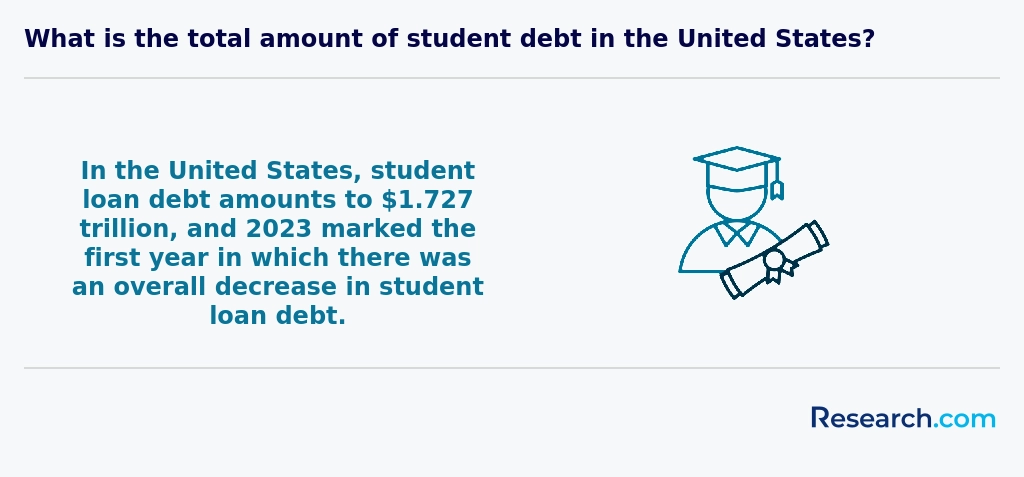
Online students at Minneapolis institutions like the University of Minnesota often find federal financial aid a vital resource. Graduates frequently share how FAFSA applications unlock Pell Grants, which can cover up to $7,395 per year, easing the pressure of the average $13,500 tuition and fees. These grants offer real hope for those balancing work and study.
State aid plays a significant role too. Many students at colleges such as Minneapolis College highlight the Minnesota State Grant Program as a game-changer, providing need-based awards averaging $5,000 without repayment demands. Imagine finishing a semester knowing this kind of support is behind you.
Institutional scholarships and employer tuition reimbursements add further layers of financial relief. Graduates commonly describe how scholarships, whether merit- or field-specific, and local employer programs transform online learning from a distant goal into an achievable reality.
Veterans studying remotely from Minneapolis also benefit from the GI Bill and specialized state programs, giving them confidence to pursue degrees without financial worry. The growing blend of these aids signals a bright, accessible future for online learners.
Enrolling in an online degree program in Minneapolis often begins with having a high school diploma or its equivalent, a straightforward step that many local students find reassuring. Graduates from institutions like the University of Minnesota often share how meeting this baseline requirement felt like a manageable first milestone. For those aiming at graduate programs, holding a bachelor's degree with a solid GPA is crucial, a detail that prospective students at colleges such as Augsburg appreciate as it clearly defines academic expectations.
Test-optional policies adopted by many Minneapolis schools have eased the pressure around SAT or ACT scores, making online education more accessible and less intimidating. Many students mention feeling motivated knowing their ability to succeed is judged beyond just standardized tests. Reliable internet and technology readiness also play a vital role, a reality experienced by online learners balancing busy schedules while engaging with video lectures and interactive coursework from home.
Additional steps like submitting transcripts, letters of recommendation, or residency verification often shape each applicant's unique path. Many Minneapolis residents note that proving local residency opens doors to more affordable tuition rates, a practical advantage that fuels their enthusiasm for pursuing higher education close to home.
Online degree programs in Minneapolis typically blend foundational courses with specialized classes designed to prepare students for evolving career paths. Graduates from popular colleges often highlight their engagement with general education subjects like English composition, mathematics, social sciences, and natural sciences, which set a versatile academic base. These core courses help students develop critical thinking and communication skills essential across industries.
Students pursuing the best online degree courses Minneapolis offer find flexibility alongside rigor, allowing them to balance work and study effectively. For instance, healthcare and business tracks include focused courses such as healthcare management or marketing, reflecting the city's economic strengths. Education degrees incorporate curriculum design and technology, supporting local educators in career advancement.
Emerging trends see technology-related programs integrating hands-on training in cybersecurity and data analysis. Many graduates from Minneapolis institutions reflect positively on how this practical approach, common in top online college programs Minneapolis MN rely on, prepares them for dynamic job markets. For those exploring options, a valuable resource is the best accredited non profit colleges, which highlight programs balancing accessibility with career relevance.
Choosing the best online degree program in Minneapolis means looking beyond surface details to find options that truly fit your life and ambitions. Graduates from the University of Minnesota often describe the flexibility of asynchronous courses as invaluable, letting them juggle family commitments while progressing confidently in business or healthcare fields-areas thriving locally. Meanwhile, programs at Metropolitan State University emphasize real-time interaction, appealing to those who thrive on live discussions and structured schedules.
Affordability is a top concern, so exploring the range of affordable accredited online colleges Minneapolis offers is wise. Many students credit their success to strong online student support and financial aid that make ambitious goals reachable. Researching tuition is key, as public universities often provide more budget-friendly options while maintaining high standards.
With a growing emphasis on career outcomes, choosing programs aligned with Minneapolis's job market trends makes future employment brighter. For those wanting to explore affordable accredited online colleges Minneapolis, resources like accredited online colleges with no application fee provide useful starting points to minimize upfront costs and streamline the application process.
Graduates with an online degree in Minneapolis often find themselves exploring a range of career paths fueled by the city's evolving economic landscape. For example, graduates from well-regarded Minneapolis colleges frequently secure healthcare roles that blend flexible work models with meaningful patient impact, reflecting the city's strong healthcare sector. In finance, many online degree holders engage with the city's impressive finance industry, taking on roles in financial analysis or consulting that build on skills gained remotely, demonstrating the real-world value of distance education in navigating job opportunities for online graduates Minneapolis MN.
Technology is another promising avenue, where graduates from local universities enter fast-growing IT fields like software development and cybersecurity. Their ability to adapt and collaborate remotely aligns perfectly with employer demands in Minneapolis's tech hubs. Online degree career options Minneapolis also extend into education and social services, where graduates from popular institutions leverage their education to enhance community programs or school administration. Those seeking flexible college options often explore best online colleges that accept fafsa, enabling sustainable career development within these thriving local sectors.
Graduates holding an online general degree in Minneapolis find a promising job market fueled by the city's diverse economy and growing acceptance of remote education credentials. Local universities offering flexible programs enable students to balance work and study, which reflects the city's trend towards continuous professional development. For example, many graduates from Minneapolis institutions report successfully entering fields like information technology or healthcare administration, sectors well supported by online training.
Employment opportunities in Minneapolis are expanding, especially in roles that welcome online degree employment opportunities Minneapolis offers, such as business and finance positions at firms like U.S. Bancorp. These graduates often describe a sense of confidence knowing their online degrees from accredited schools are valued alongside traditional qualifications.
As adult learners explore career growth, the ability to engage with robust internship networks and professional organizations linked to online programs is instrumental. Those interested in affordable options might explore cheapest online colleges that accept fafsa, ensuring they combine cost-effectiveness with strong career support in the Minneapolis job outlook for online graduates Minneapolis MN.
2027 Best Online Colleges Programs Ranking in Minneapolis, MN
Investing in your education is a significant decision that can shape your future, and the Research.com team recognizes the importance of making well-informed choices. In response, we have carefully developed the "2027 Best Online Colleges Programs Ranking in Minneapolis, MN." Our dedication to quality, credibility, and accuracy is demonstrated through rigorous research and thorough analysis to ensure the ranking's reliability.
We utilized the following reputable data sources to provide a comprehensive evaluation of online college programs:
By consulting this ranking, readers will gain valuable insights into the highest-quality online college programs in Minneapolis, empowering them to make confident educational decisions. For further information on our approach, please visit our Research.com methodology page.
# 1 position
Walden University
Doctor of Nursing Practice

# 2 position
Walden University
Doctor of Nursing
# 3 position
Walden University
Master of Nursing
# 4 position
Walden University
Doctor of Public Policy and Administration
# 5 position
Walden University
Bachelor of Nursing
# 6 position
Walden University
Master of Information Technology
# 7 position
Walden University
Doctor of Public Health
# 8 position
Walden University
Doctor of Management
# 9 position
Walden University
Doctor of Education
# 10 position
Walden University
Master of Healthcare Administration
# 11 position
Walden University
Master of Accounting
# 12 position
Walden University
Master of Business Administration
# 13 position
Walden University
Master of Education
# 14 position
Walden University
Master of Information Systems Management
# 15 position
Walden University
Master of Public Administration
# 16 position
Walden University
Master of Criminal Justice
# 17 position
Walden University
Master of Higher Education, Adult Learning (Non-Licensure)
# 18 position
Walden University
Master of Public Health
# 19 position
Walden University
Master of Law and Public Policy
# 20 position
Walden University
Master of Human Resource Management
Frequently Asked Questions
Students in Minneapolis can maximize their online learning experience by taking advantage of local resources combined with effective study habits. Utilizing public libraries such as the Hennepin County Library offers access to quiet study spaces, free Wi-Fi, and digital research databases. According to the U.S. Department of Education, active engagement with online course materials and regular communication with instructors significantly improve academic outcomes. Additionally, forming virtual study groups with peers in the Minneapolis area supports collaborative learning and accountability.
Setting a consistent schedule aligned with personal peak productivity times can boost retention and reduce procrastination. Finally, exploring local internships or community projects related to coursework can provide practical experience complementing online studies.
After completing an online degree in Minneapolis, preparing for the job market involves strategic steps to enhance employability. Minneapolis has a robust economy, with a low unemployment rate of about 2.5% as of early 2024, according to the Minnesota Department of Employment and Economic Development. Graduates should create a strong, tailored resume highlighting skills gained through their online studies and any practical projects. Networking is crucial; joining local professional groups like the Minneapolis Chamber of Commerce or industry-specific associations can open doors.
Internships, even virtual ones, provide valuable experience and local connections. Additionally, Minneapolis offers career services through many online programs that help with interview preparation and job placement. Staying informed about key industries in the area-healthcare, finance, and technology-can guide graduates to in-demand jobs and certifications.
Employers in Minneapolis prioritize graduates who demonstrate strong communication and critical thinking skills. According to a 2023 survey by the Minneapolis Regional Chamber, 78% of local employers value effective teamwork and interpersonal abilities the most. Additionally, technical proficiency, especially in data analysis and digital tools, is in high demand due to the city's growing tech and healthcare sectors.
Problem-solving skills rank highly among employers, with 65% seeking candidates who can adapt to changing job requirements. Leadership potential and project management capabilities are also important, reflecting Minneapolis's emphasis on innovation and business growth.
Finding internships in Minneapolis involves leveraging local resources and online platforms that connect students with employers. The Twin Cities area has a strong job market, with over 3,000 companies offering internship opportunities, especially in healthcare, finance, and technology sectors, according to the Minneapolis Regional Chamber of Commerce.
Students pursuing online degrees should explore university career centers that provide remote internship listings and virtual career fairs. Websites like Handshake and LinkedIn allow filtering by location and remote options, which is useful for Minneapolis-based students seeking flexible internships.
Networking remains vital. Minneapolis hosts numerous professional organizations and events, such as those by the Minneapolis Downtown Council, where students can meet potential employers. Local government websites also post internship openings, offering an additional avenue to discover opportunities in the public sector.
In Minneapolis, holding an online degree positively affects career mobility and advancement by providing flexible access to education that fits the city's growing job market. According to the Minnesota Department of Employment and Economic Development, jobs requiring a bachelor's degree or higher are expected to grow by 7.6% between 2020 and 2030, signaling increased demand for qualified candidates.
Employers in Minneapolis increasingly recognize online degrees from accredited institutions as credible credentials, especially in fields like healthcare, technology, and business. Online degrees enable workers to upskill without interrupting their employment, facilitating promotions and transitions within competitive industries.
Furthermore, data from the U.S. Bureau of Labor Statistics shows that workers with at least a bachelor's degree in the Minneapolis metropolitan area earn approximately 40% more on average than those without one, underlining the economic benefit tied to degree attainment.
In summary, an online degree in Minneapolis serves as a practical pathway to improving job prospects and advancing careers in a diverse and expanding economic landscape.
Choosing between a thesis and a non-thesis online degree program in Minneapolis depends on your career goals and learning preferences. Thesis programs often suit those aiming for research or doctoral studies, requiring a deep dive into a specific topic through original research. Non-thesis options focus more on coursework and practical skills, ideal for professionals seeking advancement without the commitment of a major research project.
Minneapolis has several accredited institutions offering both formats, including the University of Minnesota. According to U.S. Department of Education data, about 30% of graduate students in the area opt for thesis tracks, highlighting varied student needs.
Consider your future plans and time availability when making this choice.
Students based in Minneapolis who are interested in studying abroad can access a variety of programs through local universities that partner with institutions worldwide. The University of Minnesota, Twin Cities, is a key player offering over 300 study abroad options in more than 70 countries. These programs include semester-long exchanges, faculty-led tours, and summer sessions.
Many Minneapolis students also utilize online degree programs that incorporate international components, allowing global learning without leaving home. According to the Institute of International Education, over 10% of Minnesota college students participated in study abroad before the pandemic, demonstrating growing interest.
Additionally, financial aid and scholarships specifically support Minneapolis students studying abroad, making these opportunities more accessible.
Minneapolis offers numerous part-time job opportunities that can effectively complement your online degree education. Roles in healthcare, retail, and customer service are popular among students balancing work and study. According to the Minnesota Department of Employment and Economic Development, healthcare support jobs in Minneapolis are expected to grow by 12% over the next decade, providing relevant experience for those studying health sciences.
Many students also find internships or assistant positions in local nonprofits and corporate offices, especially in finance and technology sectors. Working part-time in these fields helps build practical skills and professional networks while pursuing an online degree. Additionally, the city's strong emphasis on innovation creates openings in digital marketing and IT support roles.
Online students in Minneapolis have access to a variety of networking opportunities despite their remote status. Many local colleges and universities, such as the University of Minnesota, offer virtual career fairs and online student organizations that connect learners with peers and professionals. Minneapolis also hosts industry-specific meetups and conferences, some of which provide hybrid options allowing online students to participate either in person or virtually.
According to the Minneapolis Regional Chamber of Commerce, the city's strong business community supports networking events focused on technology, healthcare, and finance-key sectors for many online programs.
Additionally, online platforms and LinkedIn groups tailored to Minneapolis professionals can facilitate relationship-building and job leads for local remote learners.
Alumni networks provide significant benefits for online degree students in Minneapolis by offering valuable connections within their professional community. These networks enable access to mentoring opportunities, helping students navigate the local job market more effectively. According to the University of Minnesota's Career Services, over 70% of Minneapolis graduates find employment through alumni referrals.
Engagement with alumni can also enhance internship and job prospects, as many Minneapolis employers prioritize candidates connected to their institution's network. Furthermore, alumni events and online forums foster ongoing learning and collaboration, which is crucial for career advancement in competitive fields around Minneapolis.
Such networks support students beyond graduation by creating a sense of community despite geographic distance, especially important for online learners.
Customizing an online degree program in Minneapolis is often possible through elective courses, certificate options, and specializations offered by many local universities. Students can tailor their coursework to align with specific career goals by selecting classes that develop relevant skills and knowledge.
For example, institutions like the University of Minnesota and Metropolitan State University provide flexible online formats with options to focus on business, technology, or healthcare sectors-fields in high demand per the Minneapolis Regional Chamber of Commerce.
Additionally, active partnerships between schools and local employers can offer practical internships or project-based learning to enhance real-world experience.
Advisors at Minneapolis colleges support students in mapping degree plans that match labor market trends and personal ambitions, increasing job readiness after graduation.
Online students in Minneapolis often face challenges related to balancing coursework with work and family responsibilities. According to a 2023 report by Minnesota Compass, nearly 45% of adult learners in the state juggle education with employment, which can limit flexible study time.
Another common issue is access to reliable internet. While Minneapolis has broad coverage, some neighborhoods still experience connectivity problems, affecting real-time participation in classes and timely submission of assignments.
Students also report feelings of isolation, as the lack of in-person interaction can reduce engagement and motivation. The difficulty in accessing on-campus resources remotely, such as tutoring or counseling, adds to these challenges.
Understanding these factors is crucial for prospective online learners in Minneapolis when selecting an online degree program.
Writing a winning application for an online degree program in Minneapolis starts with thorough research. Applicants should carefully review program requirements and deadlines on school websites such as the University of Minnesota Twin Cities or Metropolitan State University. Tailoring each application specifically to the program's focus improves chances of acceptance.
Clear, concise personal statements are essential. Highlight relevant experience, career goals, and reasons for choosing an online program offered in Minneapolis. Admissions officers appreciate specificity and authenticity.
Strong letters of recommendation from professionals familiar with your work or academics significantly strengthen applications. Also, ensure standardized test scores and transcripts are accurate and submitted on time.
According to the Minnesota Office of Higher Education, timely and complete applications correlate with higher acceptance rates statewide. Following instructions precisely and proofreading every document is key.
Students pursuing online degrees in Minneapolis can gain practical experience through internships and cooperative education programs offered by local employers. Many universities in the area partner with businesses in sectors like healthcare, technology, and finance, providing remote or hybrid internship opportunities that fit an online student's schedule.
Additionally, Minneapolis hosts a growing startup scene and established companies that welcome virtual projects, allowing students to build skills while studying. According to the Minneapolis Regional Chamber, over 350 companies actively engage with interns annually, supporting career development.
Volunteering with local nonprofits or participating in city-sponsored workforce programs can also enhance applied learning.
Choosing the right concentration within an online degree program in Minneapolis involves aligning your interests with local job market demands. The Minneapolis-Saint Paul metropolitan area has a strong presence in healthcare, finance, and technology sectors, which should guide your decision. According to the Minnesota Department of Employment and Economic Development, these industries are projected to grow by 5% to 7% over the next five years.
Consider your career goals and research which specializations offer the best opportunities. Reviewing courses and faculty expertise at Minneapolis-based institutions can also help. Additionally, think about skills that complement regional employers' needs, such as data analysis or project management.
Utilizing online program advisors and connecting with local professionals may provide further clarity in choosing a concentration suited to both your aspirations and the Minneapolis economy.
- 2027 Best Online Colleges Programs Ranking in St. Paul, MN
- 2027 Best Online Colleges Programs Ranking in Winona, MN
- 2027 Best Online Colleges Programs Ranking in Duluth, MN
- 2027 Best Online Colleges Programs Ranking in Cedar Falls, IA
- 2027 Best Online Colleges Programs Ranking in Brookings, SD
- 2027 Best Online Colleges Programs Ranking in Sioux Falls, SD
- 2027 Best Online Colleges Programs Ranking in Madison, SD
- 2027 Best Online Colleges Programs Ranking in Fargo, ND
- 2027 Best Online Colleges Programs Ranking in Madison, WI
- 2027 Best Online Colleges Programs Ranking in Grand Forks, ND
- Gain Valuable Experiences | Minneapolis Community & Technical College https://minneapolis.edu/student-services/career-services/current-students-alumni/gain-valuable-experiences
- Students: This is How You Should Prepare for the Job Market https://www.agencycentral.co.uk/articles/students-this-is-how-you-should-prepare-for-the-job-market/
- Business Networking – Bloomington, MN – Network in Action https://www.niatwincities.com/
- Find a Network https://www.umnalumni.org/networks
- These 21 companies will help you with tuition to earn your college degree https://www.thepennyhoarder.com/make-money/side-gigs/jobs-that-pay-for-college/
- Schools close, fears rise among Minnesota families, students amid ICE operations https://www.mprnews.org/story/2026/01/09/ice-presence-sparks-fear-for-minnesota-familes-students-schools
- College Degree vs. Major vs. Concentration: What’s the Difference? https://www.coloradotech.edu/blog/2025/september/college-degree-vs-major-vs-concentration-what-s-the-difference
- Young Professionals of Minneapolis https://www.ypminneapolis.org/
- Top 10 Online Colleges and Degrees in Minneapolis, MN https://www.greatvaluecolleges.net/by-city/online-degree-minneapolis-mn/
- Soft Skills Employers are Looking for in a Graduate https://www.law.ac.uk/resources/blog/soft-skills-employers-are-looking-for-in-a-graduate/