2027 Best Online Colleges Programs Ranking in St. Paul, MN

Co-Founder and Chief Data Scientist
Choosing the right online college program can feel overwhelming, especially with so many options available. This article introduces the 2027 Best Online Colleges Programs Ranking in St. Paul, MN, carefully crafted by the Research.com team of data scientists. It's designed to help you confidently find degree programs that match your goals and lifestyle.
Whether you're starting fresh or advancing your career, earning a degree opens new doors and opportunities. Exploring these trusted rankings can be the first step toward a brighter, more fulfilling future.
Key benefits of getting online degrees in St. Paul
- Graduates in St. Paul with an online bachelor's degree earn an average salary of $55,000, while those with a master's can earn up to $75,000, showing clear financial benefits with higher degree levels.
- A graduate from the University of St. Thomas who earned an online business degree quickly advanced in their career, landing roles in management and enjoying exciting opportunities for growth.
- Online degrees from institutions like Hamline University offer flexible schedules, allowing students to balance work and study, which many graduates say leads to less stress and better learning experiences than traditional programs.
- 2027 Best Online Colleges Programs Ranking in St. Paul, MN
- What can I expect from online degrees in St. Paul?
- How much can I make with online degrees in St. Paul?
What can I expect from online degrees in St. Paul?
Enrolling in an online degree program in St. Paul often means balancing flexibility with quality. Graduates from institutions like the University of St. Thomas or Metropolitan State University frequently describe scheduling coursework around family or work commitments, appreciating hybrid models that let them occasionally visit campus for hands-on experiences. This approach helps them stay connected without sacrificing convenience.
Students also mention the reassurance of accredited programs that meet rigorous standards, such as those set by the Higher Learning Commission, which ensures their degree holds value beyond the local job market. Access to virtual libraries and tailored career services focused on St. Paul's economic sectors, like healthcare and finance, gives many an edge when seeking internships or employment nearby.
However, some highlight the challenges of remote interaction despite available digital platforms. Although tutoring and advising services are offered, the experience isn't always the same as face-to-face, which can affect engagement levels. Still, many online learners value these supports as essential for navigating their studies amidst other responsibilities in the city.
How much can I make with online degrees in St. Paul?
Graduates from online degree programs in St. Paul can expect median annual earnings that vary widely depending on the level of education and field of study. For example, individuals with a bachelor's degree typically earn between $50,000 and $80,000. Graduates from well-regarded local institutions such as the University of St. Thomas or Hamline University often find starting salaries near these figures, especially those pursuing business or finance careers.
Those entering STEM fields, including computer science or engineering, often see starting salaries exceeding $70,000. Meanwhile, healthcare professionals like registered nurses with online degrees report median wages around $65,000 to $75,000, reflecting strong local demand and competitive pay.
Earning a master's degree or higher through online programs in St. Paul can increase income by 20-40% compared to bachelor's holders, as observed among graduates from Saint Catherine University's online graduate programs. While these figures show promise, it is important to recognize that local job market fluctuations and employer recognition of online credentials can influence actual earnings.
Ultimately, pursuing an online degree from notable St. Paul colleges equips graduates to compete effectively in growing fields, enhancing their earning potential over time.
- Tuition for online degrees at public universities in St. Paul ranges from $10,000 to $15,000 per year for in-state students, while private institutions can cost up to $30,000 annually.
- Graduates with bachelor's degrees in St. Paul start with an average salary of around $50,000 per year, increasing to about $75,000 or more over time.
- Key job sectors in St. Paul include education, healthcare, manufacturing, and information technology, with strong demand for degrees in nursing, computer science, and business administration.
- Support services for online students such as tutoring, career counseling, and internship opportunities are available through local institutions.
- Accreditation is essential for credit transfer, federal financial aid eligibility, and employer acceptance of online degree programs.
Completing an online degree in St. Paul can vary widely depending on the program and personal circumstances. Graduates from institutions like the University of Minnesota or Minnesota State often report that an associate degree typically takes about two years of full-time study, though many part-time students find themselves balancing work and family, extending it to three or four years. This flexibility helps working adults maintain momentum without overwhelming their schedules.
Bachelor's degree seekers describe a range from three to four years. Some accelerated programs give highly motivated students the chance to finish in as little as three years, especially when prior credits or professional experience are recognized. Graduate students at St. Paul's universities often experience similar pacing: master's degrees generally span one to two years full-time, but patience and planning are key when opting for part-time study.
Those pursuing doctoral degrees note varying time commitments from three to six years. Many appreciate the hybrid options or flexible scheduling commonly offered locally, which helps tailor education to life's unpredictability. These narratives reflect a community focused on adaptability and support.
Choosing between online and on-campus degrees in St. Paul involves more than just location-it shapes your daily learning experience. Graduates from the University of St. Thomas often praise on-campus programs for their hands-on interaction and vibrant campus life, noting how immediate access to libraries and labs supports deeper engagement. This environment fosters friendships and face-to-face networking that some find invaluable.
Conversely, online students, including those enrolled at Hamline University, appreciate the flexibility to study around work or family, a factor that can relieve stress and boost motivation. One graduate shared how online classes allowed balancing parenthood with coursework without the demands of commuting across St. Paul's busy streets. However, this format requires strong self-discipline and comfort with digital tools, which isn't ideal for everyone.
Costs also vary; while on-campus tuition in Minnesota typically ranges from $10,000 to $30,000 annually, online programs may reduce expenses but add technology fees. Ultimately, whether drawn by social immersion or adaptable learning, students in St. Paul find distinct advantages depending on their lifestyle and priorities.
The average cost of an online degree in St. Paul tends to hover around $26,250, reflecting a balance between more expensive offerings and affordable options in the area. Graduates from the University of Minnesota-Twin Cities often report that although tuition can seem steep at roughly $480 per credit, the flexibility and reputation of the institution contribute to a strong sense of value for their investment. Meanwhile, those attending community colleges like Saint Paul College find the lower tuition rates around $200 per credit enable them to manage expenses better, especially if they choose associate or certificate programs instead of full bachelor's degrees.
Looking closely at St. Paul MN online college tuition fees reveals how financial aid options can alleviate costs significantly. Many students feel encouraged when scholarships or employer tuition reimbursements make these programs more attainable. One graduate shared how attending an affordable community college online allowed them to finish their degree without the added burden of housing or commuting expenses, which often affect traditional on-campus students deeply.
There is also a growing interest in accelerated paths; some students explore fast degrees to reduce time and expenses. However, it's important to consider that some online graduate programs may cost substantially more, depending on the field and school prestige. Understanding these nuances can help prospective students in St. Paul make informed decisions that suit both their educational goals and budget.

Students pursuing online degrees in St. Paul often rely on federal financial aid, such as Pell Grants, which can provide up to $7,395 annually without the stress of repayment. Graduates from Concordia University, St. Paul, frequently share how this support made continuing education possible despite tight budgets. Meanwhile, Direct Subsidized Loans offer manageable borrowing options, with interest covered during enrollment-a relief for those balancing work and study.
State aid through Minnesota's State Grant program also plays a significant role, with many residents reporting substantial reductions in tuition costs when attending local institutions, including accredited online programs. Scholarships offered by universities like the University of St. Thomas cater to diverse needs-merit, financial need, or specific fields-helping students feel recognized and motivated.
Additionally, some employers in St. Paul provide tuition assistance, which graduates often describe as a game-changer for managing expenses while working full-time. However, students should carefully evaluate all aid types to avoid overreliance on loans and explore every available resource early in their application process.
Enrolling in an online degree program in St. Paul usually requires a high school diploma or equivalent for undergraduate studies, while graduate programs demand a completed bachelor's degree. Graduates from local universities often recall submitting official transcripts as a straightforward but essential step that confirmed their academic history and readiness. Although some programs still ask for SAT or ACT scores, many have adopted test-optional policies, which eases stress for students balancing work or family commitments.
Residency plays a meaningful role in St. Paul, as online learners living in Minnesota often qualify for in-state tuition rates, significantly reducing costs. For example, graduates from the University of Minnesota Crookston frequently mention how this financial advantage made pursuing education possible without overwhelming debt.
Behind the scenes, reliable internet, a capable computer, and basic digital skills are non-negotiable. Orientation sessions offered by institutions help new students become confident navigating online platforms, lessening initial anxiety. International learners or those with non-traditional backgrounds might encounter more paperwork, such as credential evaluations or English proficiency tests, but many find support resources help them overcome these hurdles smoothly.

Online degree programs in St. Paul MN usually begin with a foundation of core general education courses. These courses provide essential skills in areas such as English Composition and Communication, Mathematics like college algebra or statistics, Natural Sciences including biology, and Social Sciences such as psychology or US history. Graduates from local universities often remark on how these subjects helped them think critically and communicate effectively, both in their careers and everyday life.
Students studying online appreciate the ability to balance courses with work or family commitments while gaining knowledge applicable across multiple fields. However, some question whether these foundational courses fully prepare them for the demands of specific professions. In St. Paul's institutions, this balance is addressed by layering specialized courses atop general requirements, tailored to chosen majors.
For example, graduates pursuing business degrees frequently highlight courses in Principles of Management and Financial Accounting as directly relevant to their jobs. Many students also explore options to enroll in an easy masters program online, which continues this trend of accessible education. Such course structures demonstrate how online degree programs in St. Paul strive to offer both flexibility and rigor, though individual experiences vary depending on the institution and student goals.
Choosing the best online degree program in St. Paul MN means looking beyond surface details to understand how well a program fits your unique situation. Many graduates from popular colleges in St. Paul emphasize the importance of verifying accreditation, particularly from the Higher Learning Commission, ensuring their degrees held value in the job market. For instance, those balancing family life found institutions offering asynchronous courses invaluable, allowing them to study while managing other responsibilities.
Affordability is a common concern, with affordable online colleges in St. Paul often providing in-state tuition benefits and targeted scholarships. Graduates frequently highlight the significance of student support services, such as tutoring and technical help, which eased their learning experience. It's also worthwhile examining graduation rates as a marker of the program's effectiveness; higher completion rates often translate into better support systems.
Moreover, considering the regional job landscape can guide your choice. Programs aligned with booming sectors like healthcare and technology prepare students for practical success. For those curious about economic returns, exploring best paying masters degrees might offer useful insight to balance passion and market demand.
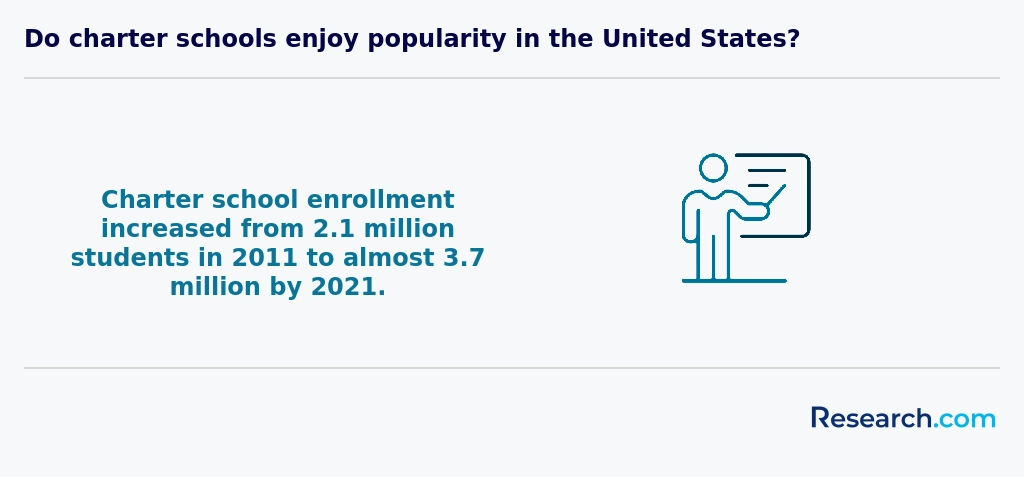
Graduates with online degrees from institutions around St. Paul find diverse career paths shaped by the city's economic strengths. For example, those who completed nursing or healthcare administration programs at popular colleges often secure fulfilling roles in local hospitals or community health centers, benefiting from the robust healthcare sector.
Technology-related online degree holders, especially in IT and cybersecurity, have reported rewarding positions in St. Paul's growing tech firms. These graduates experience firsthand how the city's emphasis on innovation supports steady employment growth, aligning well with the broad category of St. Paul MN jobs for online graduates.
Many education degree holders from area universities find opportunities in school administration and special education. Their flexible online training fits the demands of local public and private schools, where career advancement is frequently tied to certifications and leadership skill development through continued learning.
Business and finance graduates note that the city's expanding small business ecosystem offers numerous roles, but success requires blending learned skills with practical networking. Some graduates recommend exploring cheap accredited online colleges to further enhance credentials without heavy financial strain, opening more doors across sectors.
The job market for graduates holding an online general degree in St. Paul is shaped by the city's diverse and evolving economic sectors. Graduates from online programs offered by well-regarded institutions in St. Paul often share stories of navigating both opportunity and skepticism. Many appreciate that the healthcare, education, and tech industries here actively seek candidates familiar with digital tools and remote collaboration, skills honed through online education. Employment opportunities for online college graduates in St. Paul Minnesota benefit from local employers valuing both formal credentials and practical, skill-based experience, a balance that online learners frequently demonstrate.
However, some graduates recount challenges securing positions without regional accreditation or local internships, which remain important for many St. Paul employers. Those who connect through internships or professional groups centered around universities in the city often find more promising leads. For students exploring ways to boost their employment prospects, combining an online degree with best paying certifications can be a strategic move in this competitive market.
2027 Best Online Colleges Programs Ranking in St. Paul, MN
Investing in your education is a significant decision that can shape your future, and the Research.com team understands the importance of making informed choices. To assist prospective students in St. Paul, MN, we have meticulously crafted the "2027 Best Online Colleges Programs Ranking in St. Paul, MN." Our commitment to quality, credibility, and accuracy is reflected in the extensive research and analysis conducted to compile this ranking.
We utilized the following reputable data sources to ensure a comprehensive evaluation of online college programs:
By exploring this ranking, readers will gain valuable insights into the best online college programs available in St. Paul, MN, enabling them to make well-informed decisions about their academic and professional futures. For more details on our methodology, please visit our Research.com methodology page.
# 1 position
Bethel University, Minnesota
Nursing RN to BS
# 2 position
Bethel University, Minnesota
Master of Education K-12
# 3 position
Bethel University, Minnesota
Master of Business Administration
# 4 position
Bethel University, Minnesota
Bachelor of Business Management
# 5 position
Bethel University, Minnesota
Master of Special Education
# 6 position
Bethel University, Minnesota
Bachelor of Psychology
# 7 position
Bethel University, Minnesota
Bachelor of Special Education
# 8 position
Bethel University, Minnesota
Bachelor of Human Services
# 9 position
Bethel University, Minnesota
Master of Nurse-Midwifery
# 10 position
Bethel University, Minnesota
Doctor of Leadership (K-12 Education) (Higher Education)

# 15 position
Concordia University, St. Paul
Master of Special Education with Emotional/Behavioral Disorders (EBD) Endorsement
Frequently Asked Questions
Students in St. Paul can maximize their online learning experience by establishing a dedicated study schedule that aligns with their personal and professional commitments. Consistency is key, as regular engagement helps improve retention and performance. According to data from the National Center for Education Statistics, students who set specific goals often achieve higher course completion rates.
Utilizing local resources, such as the St. Paul Public Library's digital collections and study spaces, can support learning outside the home. Additionally, joining virtual study groups or online forums offered by Minnesota-based institutions promotes collaboration and deeper understanding.
Lastly, actively communicating with instructors and seeking campus advising services, even remotely, enhances academic success and degree completion rates.
After completing an online degree in St. Paul, graduates should focus on building a strong professional network to enhance job prospects. St. Paul's job market, with a 3.5% unemployment rate as of early 2024 (U.S. Bureau of Labor Statistics), offers opportunities mainly in healthcare, education, and technology sectors. Engaging with local career centers and St. Paul-based professional groups can provide useful connections. Additionally, graduates should tailor their resumes to highlight remote work skills, which are in high demand nationwide. Using St. Paul's public resources, like the Workforce Center, helps with job search strategies and interview preparation.
Employers in St. Paul highly value a blend of technical and soft skills in graduates. According to the Minnesota Department of Employment and Economic Development, critical thinking, communication, and teamwork rank among the top soft skills sought by local businesses.
Technical skills in data analysis, digital literacy, and proficiency in industry-specific software are also in demand, especially in healthcare, education, and finance sectors prominent in St. Paul.
Additionally, adaptability and problem-solving abilities have gained importance due to evolving job requirements post-pandemic. Employers often prioritize candidates who demonstrate initiative and continuous learning, traits linked to success in online degree programs.
Finding internships in St. Paul while pursuing an online degree involves using local and digital resources strategically. The City of St. Paul's official website offers a career portal with internship listings tailored to the metro area. Additionally, employers like Ecolab, 3M, and the Minnesota State Government frequently post openings suitable for students.
Students should leverage online platforms such as Handshake and LinkedIn, which connect learners with St. Paul-based opportunities. According to the Minnesota Department of Employment and Economic Development (DEED), internships in St. Paul grew by 8% from 2021 to 2023, highlighting rising availability.
Networking through local alumni groups and virtual career fairs hosted by Minnesota universities can further increase access to relevant internships. Reaching out directly to businesses and nonprofit organizations in St. Paul often helps students secure roles aligned with their academic fields.
In St. Paul, holding an online degree can significantly impact career mobility and advancement. According to the U.S. Bureau of Labor Statistics, jobs requiring at least a bachelor's degree tend to grow faster and offer higher salaries. For local professionals, an online degree provides flexibility to balance work and education, allowing skill upgrades without career interruption.
The Minnesota Department of Employment and Economic Development reports that many St. Paul employers recognize online degrees from accredited institutions, which helps graduates compete effectively for promotions and new positions.
Additionally, fields such as healthcare, education, and technology in St. Paul show increased demand for degree holders, enhancing prospects for professionals with relevant online qualifications.
Choosing between a thesis and a non-thesis online degree program in St. Paul depends on your career goals and learning preferences. Thesis programs typically require in-depth research, suitable for students aiming for academic or research careers. Non-thesis programs focus on practical skills and often include internships or projects, ideal for immediate employment.
According to the Minnesota Office of Higher Education, around 45% of graduate students in the St. Paul area opt for non-thesis formats, valuing flexibility and direct application. Understanding your future industry's expectations can help make this choice clearer.
Additionally, consider time commitments: thesis degrees usually take longer due to research demands.
Students based in St. Paul interested in studying abroad while enrolled in online degree programs have several flexible options. Many Minnesota universities, including the University of Minnesota system, offer virtual international experiences, such as remote internships or research collaborations with global partners. These options allow students to gain global perspectives without leaving their home city.
Additionally, some local colleges facilitate study-abroad programs during summer or semester breaks, which can be combined with online coursework. According to the Institute of International Education, nearly 2,500 Minnesota students participated in study abroad programs in 2022, showing steady interest.
These programs often include partnerships with institutions abroad to ensure credit transferability, supporting degree completion in St. Paul.
St. Paul offers various part-time job opportunities that complement degree education, especially for students pursuing online programs. Positions in sectors like healthcare, education, and retail are popular among degree seekers. For example, healthcare support roles such as medical assistants or pharmacy aides allow students to gain practical experience related to health studies. According to the Minnesota Department of Employment and Economic Development, the Twin Cities metro area expects a 10% growth in healthcare jobs through 2028.
Education roles, such as teacher aides or tutors, are also common, helping students develop communication and organizational skills. Retail and customer service jobs further build interpersonal skills valuable across disciplines.
Online students in St. Paul have access to various networking opportunities despite the remote nature of their studies. Many local universities offering online degrees, such as the University of St. Thomas, provide virtual career fairs and networking events to connect students with employers in the Twin Cities area. According to the Minnesota Department of Employment and Economic Development, more than 1,400 companies operate in St. Paul, creating a strong local job market for graduates.
Professional organizations in St. Paul often host virtual meetups and workshops, allowing online students to engage with peers and industry professionals. Additionally, local alumni associations frequently organize online forums and community groups to foster networking. Digital platforms like LinkedIn, combined with local resources, enhance these connections by enabling students to build relationships relevant to St. Paul's diverse economic sectors.
Alumni networks offer significant benefits to online degree students in St. Paul by providing vital connections for career growth. Graduates can access mentorship opportunities from professionals who understand the local job market, increasing their chances of employment within the Minneapolis-St. Paul metropolitan area, which boasts a diverse economy.
According to the Minnesota Private College Council, strong alumni engagement often leads to higher job placement rates. These networks also help students gain insights about local internships, apprenticeships, and industry events tailored to St. Paul's workforce demands.
Furthermore, alumni associations can facilitate networking events virtually and in person, fostering relationships that support personal and professional development beyond graduation.
Customizing your online degree program in St. Paul to fit your career goals involves selecting courses and specializations aligned with your professional interests. Many local institutions offer flexible curriculum options, allowing students to focus on in-demand fields such as healthcare, technology, or business. According to the Minnesota Office of Higher Education, online students benefit from personalized academic advising that helps tailor programs to industry needs.
Consider integrating internships or practicum experiences with St. Paul employers to gain practical skills. Also, some programs provide opportunities to earn certificates alongside degrees, boosting your marketability in the Twin Cities job market.
Review course offerings and speak with advisors to ensure alignment with your goals and local employment trends.
Online students in St. Paul often face challenges related to balancing coursework with personal and professional responsibilities. Many learners are working adults who struggle to find time for studies amidst family and job commitments. Access to reliable internet can be a concern, especially for residents in certain neighborhoods where broadband availability and speeds lag behind urban averages, according to the Minnesota Department of Employment and Economic Development.
Students also report feeling isolated due to fewer face-to-face interactions, which can affect motivation and academic performance. Additionally, navigating financial aid and understanding tuition costs for online programs remain common difficulties.
Writing a winning application for an online college program in St. Paul requires clear focus and attention to detail. Start by thoroughly researching the specific schools in St. Paul, such as Metropolitan State University and Hamline University, both known for flexible online offerings. Tailor your personal statement to highlight why an online degree suits your career goals and lifestyle.
Include strong academic records and relevant professional experience. St. Paul institutions often value demonstrated connection to the community or Minnesota's workforce trends, which you can mention to strengthen your case.
Proofread carefully and meet all deadlines as timing matters for these competitive programs.
Gaining practical experience while earning an online degree in St. Paul is essential for career readiness. Many local colleges collaborate with businesses to offer virtual internships and cooperative education opportunities. These programs allow students to apply classroom knowledge in real-world settings without needing to be physically on campus.
Students can also participate in service-learning projects with community organizations in St. Paul, which enhances skills and networks. According to the Minnesota Private College Council, nearly 70% of students engage in experiential learning before graduation.
Additionally, leveraging St. Paul's robust job market through part-time remote work complements online studies effectively.
When choosing a concentration within an online degree program in St. Paul, consider your career goals and local job market demands. The Minnesota Department of Employment and Economic Development reports strong growth in healthcare, technology, and business sectors, influencing which concentrations may offer better job prospects.
Review course offerings and faculty expertise to ensure the program aligns with your interests and provides practical skills. Also, check if the concentration offers networking opportunities with St. Paul employers or alumni, which can enhance employment chances.
Lastly, consider program flexibility and support services, which are vital for balancing studies with work or personal commitments.
- 2027 Best Online Colleges Programs Ranking in Minneapolis, MN
- 2027 Best Online Colleges Programs Ranking in Winona, MN
- 2027 Best Online Colleges Programs Ranking in Duluth, MN
- 2027 Best Online Colleges Programs Ranking in Cedar Falls, IA
- 2027 Best Online Colleges Programs Ranking in Brookings, SD
- 2027 Best Online Colleges Programs Ranking in Sioux Falls, SD
- 2027 Best Online Colleges Programs Ranking in Madison, SD
- 2027 Best Online Colleges Programs Ranking in Fargo, ND
- 2027 Best Online Colleges Programs Ranking in Madison, WI
- 2027 Best Online Colleges Programs Ranking in Davenport, IA
- School Counselor & Course Catalog - SPPS Online School https://online.spps.org/high-school/course-catalog
- Inside Look: Explore Minnesota's Saint Paul University https://w3.framtida.no/framtida-news/explore-minnesotas-saint-paul-university-1767649041
- How to Choose Your College Degree Based on Career Goals https://collegedegree.education/how-to-choose-your-college-degree-based-on-career-goals/
- Create Your Own Degree (Disrupt the Job Market!) https://degreefromanywhere.com/create-your-own-degree/
- Young Professionals Network https://www.stpaulchamber.com/young-professionals.html
- These 21 companies will help you with tuition to earn your college degree https://www.thepennyhoarder.com/make-money/side-gigs/jobs-that-pay-for-college/
- Financial Aid and Scholarships - 50% Off Tuition | Saint Paul https://www.spst.edu/financial-aid/
- Internships https://www.stpaul.gov/departments/parks-and-recreation/about-us/internships
- Online Application Portal https://application.spu.ac.ke/
- 10 Tips for Getting Your First Job After University https://euroguidance.eu/10-tips-for-getting-your-first-job-after-university