
2027 Best Online Colleges Programs Ranking in Boston, MA

Co-Founder and Chief Data Scientist
Choosing the right online college program is a big step toward achieving your career goals, especially in a vibrant city like Boston. This article introduces the 2027 Best Online Colleges Programs Ranking in Boston, MA, thoughtfully developed by the Research.com team of data scientists.
Designed to help you navigate your options, the ranking highlights programs that combine quality and flexibility. Reading this guide empowers you to make an informed decision about your education journey and the rewarding opportunities a degree can open.
Embark on your learning path with confidence and excitement for what lies ahead.
Key benefits of getting online degrees in Boston
- Graduates with online bachelor's degrees in Boston often earn around $65,000 annually, while those with master's degrees can see salaries rise to approximately $85,000, showing clear financial benefits from higher-level degrees.
- A graduate from Boston University with an online computer science degree landed a role in software development, demonstrating how online education can open doors to thriving tech careers in the city.
- An online nursing graduate from Northeastern University praised the flexibility of studying remotely, allowing them to balance work and family while achieving the same respected credentials as traditional students.
- 2027 Best Online Colleges Programs Ranking in Boston, MA
- What can I expect from online degrees in Boston?
- How much can I make with online degrees in Boston?
What can I expect from online degrees in Boston?
Embarking on an online degree in Boston means stepping into a vibrant academic world where flexibility meets excellence. Imagine juggling a busy workweek while diving into asynchronous classes offered by prestigious schools like Northeastern University or Boston University-graduates often recall how the blend of recorded lectures and interactive live sessions perfectly fit their schedules.
Students enjoy the reassurance that their coursework matches the rigor of on-campus programs, guided by faculty with deep expertise and real-world experience. One graduate shared how access to cutting-edge digital platforms and responsive professors made learning both engaging and rewarding, even from a distance.
Beyond academics, Boston's online students tap into a rich network of resources-from virtual libraries to personalized career counseling-that ease the journey from study to professional success. Many find a sense of community and support, nurturing confidence as they prepare to thrive in Massachusetts' bustling job market and beyond.
How much can I make with online degrees in Boston?
Wondering how much you can earn with an online degree in Boston? Graduates from popular institutions like Boston University and Northeastern University report thrilling salary leaps. Online bachelor's degree holders see median earnings around $70,000, often 20% higher than those with just a high school diploma. Imagine stepping into the bustling Boston tech scene with a bachelor's in computer science-starting salaries frequently range between $60,000 and $90,000, opening doors to exciting opportunities.
Graduate students pursuing online master's degrees, such as MBAs or nursing from these renowned Boston schools, often celebrate hitting the $100,000 mark or more. This jump reflects a rewarding payoff for their dedication and an energizing boost to their career path.
Healthcare administration or education grads enjoy solid earnings between $50,000 and $75,000, thriving in a city where local industries value online credentials. With Boston's dynamic economy, online degrees let you explore new career horizons while earning competitive pay.
- Online degrees in Boston are offered by accredited universities covering fields like business, healthcare, technology, and education.
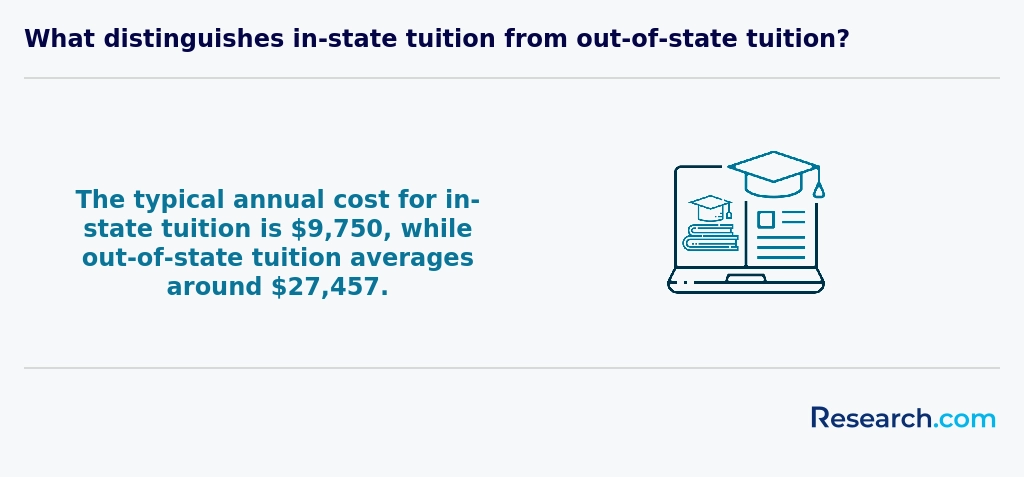
- Tuition for an online bachelor's degree typically ranges from $15,000 to $25,000 per year for in-state students and can exceed $40,000 annually for out-of-state or private institutions.
- The average starting salary for bachelor's degree graduates in Boston is about $60,000 annually, increasing to $85,000-$95,000 with five to ten years of experience.
- Boston's job market is strong in technology, healthcare, education, finance, and biotechnology, with a lower unemployment rate than the national average.
- Many online degree students have access to career resources such as virtual job fairs, networking events, and alumni connections to help with employment.
Completing an online degree in Boston is an adventure shaped by your pace and life's rhythm. Imagine a graduate from Northeastern University, balancing a full-time job while tackling a bachelor's degree. They usually take around four years if studying full-time, but flexible programs let many extend that to six years, crafting a unique path that fits their busy schedules.
In Boston, associate degrees offer a quicker victory-typically two years-but some daring students at local colleges choose accelerated online tracks, embracing heavier course loads to finish even faster.
Master's degree seekers often find themselves immersed in one to two years of challenging yet rewarding study, whether at Boston University or elsewhere, with part-time options letting them savor steady progress without missing a beat in their professional or personal lives.
These programs encourage transferring credits, which many graduates celebrate for shaving precious months or even years off their journey. It's a blend of ambition and flexibility that makes studying online in Boston feel like your own personal exploration.
Boston’s online education landscape not only provides flexibility and robust degree options but also offers a rich variety of specialized tracks that cater to niche industry needs. These specializations empower students to gain targeted skills, allowing them to stand out in competitive fields such as cybersecurity, digital marketing, healthcare management, and data analytics. For instance, many online programs now feature concentration options in emerging areas like artificial intelligence, sustainable business practices, and advanced information technology. This focus enables graduates to tailor their educational journey toward sectors where employers are actively seeking expertise and innovation. Additionally, exploring specialized tracks can help students align their academic pursuits with evolving job market trends, ensuring they stay at the forefront of their industry. For those balancing quality education with cost-effectiveness, you might also consider reviewing the options available at the most affordable online colleges for working adults, which often highlight specialized programs designed to meet both professional and financial needs. By selecting an online program with a specialized focus, students can enhance their career prospects and meet the specific skill demands of today’s dynamic workforce.
Imagine the buzz of Boston University's campus-students chatting at the library steps, professors guiding lively in-person discussions, and the scent of coffee filling the air between classes. This is the heartbeat of an on-campus degree, full of scheduled classes, direct access to university facilities, and spontaneous networking that fuels new friendships and mentorships.
Now, picture a Northeastern University graduate navigating their coursework from a cozy corner at home, balancing study sessions between work calls and family time. Online degrees in Boston tap into vibrant digital platforms where learners engage through video lectures and virtual forums, offering incredible flexibility for those craving independence and a tailored pace.
Boston College online students often share how this freedom lets them accelerate or adapt their studies without missing out on key opportunities-internships or campus events-when they choose to visit physical locations. Whether you thrive on face-to-face interaction or the adventurous autonomy of remote learning, Boston's top schools ensure your degree shines equally bright.
Our 2024 analysis of Best Online Colleges Programs in Boston, MA highlights the following top insights:
- Northeastern University leads for experiential learning, thanks to its renowned co-op model integrated into online degrees in Computer Science and Business Administration.
- UMass Boston ranks highest for affordability and support services, making it an ideal choice for cost-conscious learners seeking flexibility without sacrificing quality.
- Boston University stands out for its accelerated online MBA and robust career services, enabling graduates to command average salaries of $70,000+ immediately post-graduation.
- Harvard University tops the list for doctoral-level research opportunities, offering rigorous curricula and extensive faculty mentorship-an excellent pathway for students exploring the easiest phd to earn with strong academic support.
- Suffolk University excels in marketing and management programs, boasting internship pipelines that connect students directly with top local employers like HubSpot and State Street. These findings provide a concise roadmap for prospective students to match their career goals-whether in technology, healthcare, education, or business-with the online programs best suited to deliver both academic rigor and real-world outcomes.
The average cost of an online degree in Boston hovers around $34,500, reflecting the city's vibrant mix of public and private institutions. Graduates from schools like the University of Massachusetts Boston often recall feeling both excited and empowered by the flexibility and quality of their programs, especially when balancing work and study. However, it's important to recognize how these costs can vary based on residency and institution type. For example, while public universities may offer relatively more affordable tuition for residents, private schools like Northeastern University can push tuition higher, sometimes challenging students to explore financial aid options to keep their dreams affordable.
Many students find value in Boston's thriving higher education scene because it offers programs tailored to a variety of needs and lifestyles, making the hefty tuition feel like an investment in a brighter future. When calculating the total tuition and fees for online college Boston MA, you should also consider factors such as program length and credit requirements, which deeply influence the overall expense. This is why some graduates appreciate the transparent cost breakdowns that help them plan their education journey practically and optimistically.
For those eager to find affordable options in this dynamic city, resources highlighting the most affordable online colleges for working adults can be a game-changer. Whether you're diving into a bachelor's or master's degree, Boston's online education landscape invites you to embark on an adventure of learning without boundaries, helping you grow while managing costs wisely.
When weighing online degrees against traditional on-campus programs in Boston, MA, prospective students should consider key differences in flexibility, cost, and learning environment. Online learners enjoy asynchronous scheduling that allows them to balance work, family, and study-while on-campus students benefit from in-person networking, campus resources, and structured class times. Cost comparison often favors online programs, as they eliminate commuting and housing expenses; however, tuition per credit hour can be similar to in-person rates. Financial aid eligibility remains consistent across both formats, ensuring you can leverage federal grants and institutional scholarships regardless of delivery method. Academic rigor and accreditation standards are comparable: top institutions such as Northeastern University and Boston University maintain the same curriculum and faculty oversight for both online and on-campus degrees. Yet, online students must proactively cultivate engagement through virtual discussions and digital collaboration tools, whereas on-campus students have face-to-face access to professors and study groups. Employer perception has shifted positively toward online qualifications, especially when degrees are earned from regionally accredited Boston institutions. To enhance employability, online students should participate in local internships and virtual career fairs, maintaining strong ties to Boston’s professional community. For students seeking accelerated pathways, consider our guide to quick degrees that pay well-a resource that highlights programs designed for rapid completion without sacrificing quality. Ultimately, the best choice hinges on your personal learning style, schedule constraints, and career goals; by understanding these distinctions, you can select the format that maximizes both educational value and long-term ROI.
Exploring financial aid options for online degrees in Boston is like uncovering hidden treasures that make education more affordable. Many online students tap into federal aid like Pell Grants and loans, with nearly 30% of Massachusetts undergraduates benefiting from these. Imagine a graduate from Northeastern University, whose Pell Grant eased the burden, letting them focus on studies rather than finances.
State-specific programs, such as the MassGrant, open doors for residents pursuing online studies at institutions like Boston University. Graduates often share how these funds made a real difference, turning the dream of a degree into reality without overwhelming debt.
Institutional scholarships, tailored for online learners, reward achievement and need, providing joyful relief when tuition bills arrive. Plus, many Boston employers champion career growth by covering tuition costs, especially in booming fields like tech and healthcare-think of it as your workplace investing in your future.
While loans remain a fallback, savvy students plan carefully, knowing that managing average debt of about $33,000 can be a manageable stepping stone to success.
Accreditation is a critical indicator of program quality and ensures your degree is recognized by employers and other institutions. Boston’s online colleges maintain rigorous standards through regional and programmatic reviews.
- Regional accreditation: New England Commission of Higher Education (NECHE)
- Business and management: Association to Advance Collegiate Schools of Business (AACSB)
- Nursing and health sciences: Commission on Collegiate Nursing Education (CCNE)
- Technology and engineering: Accreditation Board for Engineering and Technology (ABET)
Always confirm accreditation on the school’s official site or the U.S. Department of Education database. For accelerated, accredited options, explore our one year online masters programs.
Diving into an online degree program in Boston means gearing up to meet some key prerequisites that open the door to your academic adventure. Imagine a graduate from a well-known Boston college fondly recalling the moment they submitted their high school diploma-this simple step was their ticket to unlocking new possibilities. For those aiming higher, like graduate students, holding a bachelor's degree with a solid GPA was a proud milestone that paved the way for their next challenge.
Standardized tests may sound daunting, but many Boston schools ease this hurdle, especially online, though certain competitive programs might still ask for SAT, ACT, or GRE scores. For international students, mastering English through TOEFL or IELTS scores was more than just paperwork-it was an exciting affirmation of their readiness to engage fully in Boston's vibrant academic life.
One recent student remembers setting up their tech-a reliable computer and steady internet were non-negotiable essentials. These practical steps brought their coursework to life, connecting them to dynamic Boston professors and peers. Financial aid forms like the FAFSA rounded out the process, turning dreams into achievable plans.
Our 2024 Best Online Colleges Programs Ranking in Boston, MA highlights several noteworthy insights that can guide prospective students:
- Top Performers: Northeastern University leads for its co-op integrated online degrees in business administration and computer science, followed closely by Boston University’s robust public health and business programs.
- Affordability vs. Prestige: The University of Massachusetts Boston stands out for balancing high academic quality with competitive tuition rates, making it a compelling choice for budget-conscious learners.
- Career Outcomes: Graduates from Suffolk University’s online business programs report some of the highest job placement rates in the region, while Harvard University’s online doctoral candidates achieve significant research and policy roles post-graduation.
- Program Flexibility: Accelerated formats at institutions like Northeastern and UMass Boston allow eligible students to complete bachelor’s degrees in as few as 18–36 months, catering to working professionals.
- Return on Investment: Online master’s graduates in Massachusetts see an average salary increase of 25–30% within two years of completion, underscoring the long-term value of these programs. For students interested in affordable options beyond Boston, see the Most Affordable Online Colleges Programs Ranking in Louisiana to compare tuition models and financial aid opportunities.
Online degree courses in Boston MA invite students into a vibrant mix of foundational subjects and practical experiences that truly prepare them for the future. Imagine diving into accounting, marketing, or finance classes that not only teach theory but also encourage you to tackle real-world business challenges just like graduates from Boston's top universities have done. For those drawn to liberal arts, courses enhance your communication and critical thinking skills through engaging discussions and projects designed for meaningful impact.
Boston online college programs curriculum often extends into dynamic fields like cybersecurity and health sciences, where students gain hands-on exposure via virtual labs and case studies. Many learners share stories of collaborating on projects that connect classroom learning to Boston's thriving healthcare and technology industries. Plus, options for flexible study formats mean you can explore your interests at your own pace while balancing work or family life.
Curious about pathways that combine value with speed? Check out quick degrees that pay well available through Boston institutions, where courses are tailored for skills in leadership, digital innovation, and more.
Choosing the best online degree program in Boston means diving into a vibrant mix of opportunities tailored for busy learners. Imagine graduates from the University of Massachusetts Boston praising the flexibility of asynchronous courses that let them balance work and family while still engaging deeply with the content. For many, selecting top accredited online colleges Boston Massachusetts means prioritizing schools with strong student support, such as accessible advisors and virtual libraries, which transform remote study into a connected experience. Cost considerations often spark excitement too-finding best affordable online degree programs Boston MA can feel like uncovering a hidden treasure, especially when factoring in scholarships and special online student rates.
Curriculum quality is another adventure: graduates share how programs rich in practical skills and taught by passionate faculty keep motivation high. When you're exploring options, don't forget to check outcome data like graduation rates to spot programs that truly help students succeed. Curious about specialized degrees? You might even explore paths like the easiest phd to earn, blending ambition with accessibility.
Exploring online degree career opportunities Boston offers feels like stepping into a world brimming with potential. Graduates from institutions like Boston University and Northeastern University find themselves immersed in dynamic sectors-from healthcare roles at renowned hospitals like Massachusetts General to thriving tech startups where creativity meets innovation. Imagine launching a career in data analysis or cybersecurity, fueled by Boston's reputation as a fast-growing tech hub, or applying your business skills in the bustling financial district, home to major banks and investment firms.
For many, the journey continues into education or public health, where online degrees unlock doors in K-12 schools or corporate training programs. Graduates appreciate how these paths allow them to make a tangible difference while embracing flexibility. The city's vibrant biotech scene and government roles also beckon those eager to contribute to impactful projects. Curious minds will find valuable insights from the Most Affordable Online Colleges Programs Ranking in Louisiana, which highlights affordability alongside opportunity. Opportunities for online graduates in Boston truly feel endless and inviting.
The job market for online general degree graduates in Boston buzzes with opportunity, fueled by the city's vibrant industries and innovative spirit. Graduates from well-known institutions, many balancing studies with part-time roles, find themselves stepping into growing fields like tech and healthcare, where demand is clear and steadily rising. Imagine a graduate from a Boston college leveraging their online degree to enter the city's expanding technology sector-here, tech jobs have surged more than 10% annually, offering promising prospects and competitive salaries.
Healthcare is another playground for online learners, hosting giants like Massachusetts General Hospital nearby. Graduates often share stories of landing roles thanks to their online nursing or public health degrees, supported by Boston's projected 14% growth in healthcare jobs. This dynamic job market for online degree job opportunities Boston shows how crucial it is to stay adaptive and connected through practical experience and networking.
For students curious about the fields shaping Boston's future, exploring the top college majors in demand can spark new ambitions and clear pathways toward thriving careers.
2027 Best Online Colleges Programs Ranking in Boston, MA
Investing in your education is a significant decision that can greatly influence your future, and the Research.com team is committed to helping you make well-informed choices. To assist prospective students in Boston, MA, we have carefully developed the "2027 Best Online Colleges Programs Ranking in Boston, MA." Our dedication to quality, credibility, and accuracy is demonstrated through thorough research and rigorous analysis behind this ranking.
We utilized the following reputable data sources to ensure a comprehensive evaluation of online college programs:
By exploring this ranking, readers will gain valuable insights into the best online college programs in Boston, helping them make confident, informed decisions about their education. For more details on our methodology, please visit our Research.com methodology page.


Frequently Asked Questions
Students in Boston pursuing online degrees can maximize their learning experience by using local resources and staying engaged with their coursework. Boston offers access to public libraries like the Boston Public Library, which provides free digital materials and study spaces. According to the Massachusetts Department of Higher Education, nearly 35% of Boston's adult population is enrolled in some form of continuing education or online learning.
Connecting with study groups or online forums helps students stay motivated. Time management is essential; structuring study sessions around Boston's time zone improves communication with instructors and peers. Additionally, many Boston colleges offer virtual tutoring and career services, which students should utilize to enhance their academic success.
Preparing for the job market after completing an online degree in Boston involves several strategic steps. First, graduates should leverage Boston's strong network of employers, which includes top sectors like healthcare, education, and technology. According to the Boston Planning & Development Agency, the city's unemployment rate was about 3.2% in early 2024, signaling a competitive but healthy job market.
It is essential to build professional connections through platforms like LinkedIn and local networking events. Boston also hosts many career fairs tailored for recent graduates, including virtual options. Additionally, graduates should focus on gaining relevant internships or part-time roles, even after graduation, to enhance practical skills.
Many Boston universities offer career services to online students, including resume workshops, interview preparation, and access to job boards. Utilizing these resources can significantly improve employment prospects. Furthermore, certifications related to your field can boost your resume and align skills with employer expectations.
Employers in Boston consistently prioritize a blend of technical and soft skills when hiring graduates. According to a 2023 report by the Boston Workforce Skills Initiative, critical thinking, communication, and problem-solving are among the top soft skills sought after in the region.
Technical expertise varies by industry, but data analysis, digital literacy, and proficiency in emerging technologies like artificial intelligence are increasingly valuable. The Massachusetts Technology Leadership Council also highlights collaboration and adaptability as key traits, especially for online degree holders aiming to enter dynamic work environments.
Additionally, leadership skills and cultural competence remain important, reflecting Boston's diverse economy and global connections.
Finding internships in Boston requires a strategic approach, especially for students pursuing online degrees. Begin by exploring resources offered by Boston's universities, many of which provide career services to online students. Institutions like Boston University and Northeastern often partner with local businesses to create internship opportunities. Networking is also critical. Join Boston-based professional associations or attend virtual career fairs to connect with employers.
Boston's strong sectors, including healthcare, technology, and finance, provide a wide array of internships. According to the Boston Planning & Development Agency, over 25,000 internships were available citywide in 2023. Utilizing platforms such as Handshake and LinkedIn can enhance your search, alongside local non-profits and government internship listings.
In Boston, earning an online degree significantly boosts career mobility and advancement opportunities. The city's competitive job market favors candidates with higher education credentials, especially in fields like technology, healthcare, and finance. According to the Boston Planning & Development Agency, individuals with at least a bachelor's degree earn roughly 40% more than those without one, enhancing potential for promotions and new roles.
Employers increasingly recognize accredited online degrees from reputable institutions. This acceptance allows professionals to balance work while upgrading skills, making career shifts more feasible.
Moreover, Boston's diverse economy benefits from lifelong learning, so online graduates often access larger professional networks and training resources, which are vital for upward mobility.
Choosing between a thesis and a non-thesis online degree program in Boston depends largely on your career goals and learning preferences. Thesis programs typically require original research and a formal paper, making them ideal for students aiming for academic or research careers. Non-thesis options focus on coursework and practical skills, suiting those pursuing professional advancement.
Boston hosts many universities offering both formats online, often aligning with local industries like healthcare, technology, and finance. According to the Boston Higher Education Consortium, about 40% of graduate students enroll in non-thesis programs for quicker completion.
Consider your workload capacity and timeline, as thesis tracks demand more time and independent study. Also, check specific Boston institutions' requirements, since some fields may prefer one path over the other based on local job market trends.
Students based in Boston interested in studying abroad have a variety of options to explore, even when pursuing online degrees. Many Boston universities, including institutions like Boston University and Northeastern University, offer virtual exchange programs or hybrid models that combine online coursework with study abroad opportunities.
According to the 2023 Institute of International Education Open Doors Report, about 12% of Boston-area college students participate in study abroad programs, reflecting a strong local interest. These programs often allow students to gain international experience without relocating full-time, accommodating flexible schedules.
Additionally, students can engage with global campuses or partner schools through online platforms, enabling global learning while remaining in Boston.
Boston offers a variety of part-time job opportunities that can complement online degree programs, especially in fields like healthcare, technology, and education. According to the Boston Planning & Development Agency, healthcare support roles such as medical assistants and administrative staff are in high demand. These jobs provide relevant experience for students pursuing degrees in health sciences or public health.
For those in technology and IT programs, Boston's growing tech sector offers part-time positions in software support, data entry, and tech repair, often available through startups and local businesses.
Additionally, education majors may find part-time tutoring or teaching assistant roles within Boston's numerous schools and universities, providing practical experience while studying.
Online students in Boston benefit from a variety of networking opportunities despite their remote learning format. Many Boston-based institutions offer virtual career fairs, webinars, and alumni networking events tailored to online learners. According to the Massachusetts Department of Higher Education, over 75% of local colleges host online professional development sessions annually, helping students build connections in key industries.
Additionally, Boston's strong professional organizations and industry groups often provide discounted memberships or exclusive events for students from regional schools. Platforms such as LinkedIn also play a crucial role, enabling students to connect with Boston-area professionals and alumni communities.
Local coworking spaces frequently organize meetups and workshops that attract online students looking to network in person, blending virtual education with real-world engagement.
Alumni networks play a crucial role in supporting online degree students in Boston by offering access to professional connections within the city's thriving job market. Boston ranks among the top metropolitan areas for alumni engagement, with universities like Boston University and Northeastern maintaining active online communities. These networks enable students to find mentorship, internships, and job opportunities, often shared exclusively within the alumni circle.
Moreover, many Boston-based employers prefer candidates connected to reputable local programs, making alumni referrals valuable. According to the Boston Indicators Project, nearly 70% of job placements for recent graduates come through networking and alumni contacts.
For online students, these networks bridge the gap of physical distance, allowing meaningful interaction and career growth despite remote learning.
Customizing an online degree program in Boston to fit your career goals involves selecting flexible coursework, specializations, and practical experiences aligned with your industry. Many Boston-area colleges offer tailored tracks within their online programs, allowing students to focus on areas such as healthcare, technology, or business management. According to the Massachusetts Department of Higher Education, over 70% of online programs in the region provide concentration options to meet diverse professional needs.
Additionally, students can engage in internships and professional projects through partnerships between universities and local employers, enhancing real-world skills. Academic advisors in Boston institutions also help design personalized study plans, ensuring your degree aligns with job market demands.
Online students in Boston often face challenges related to maintaining a strong connection with their institutions and peers. Despite Boston's well-regarded universities, studies show that nearly 40% of online students nationwide report feelings of isolation, a factor that can affect motivation and academic success.
Another common difficulty involves managing time effectively. Balancing coursework with personal and professional responsibilities can be demanding, especially in a city like Boston, where many students work full-time while studying. Reliable internet access is usually not a problem due to Boston's strong digital infrastructure, but issues related to digital literacy can still impact some learners.
Finally, navigating financial aid and understanding the costs of online programs remain concerns for many students. According to the National Center for Education Statistics, about 45% of Boston's adult population have some college education but lack a completed degree, highlighting a group potentially interested but challenged by these factors.
Writing a winning application for an online degree program in Boston begins with clear preparation. Applicants should research the specific requirements of each institution, as Boston universities typically emphasize academic performance and relevant experience. For example, institutions like Boston University and Northeastern University look closely at GPA, recommendation letters, and personal statements.
Personal statements must be concise and tailored, explaining why studying online fits your goals. Highlight any professional experience that aligns with your program. According to the Boston Public Schools Office of Postsecondary Readiness, successful applicants often demonstrate a combination of strong academics and clear motivation for remote study.
Check deadlines carefully for fall or spring admissions and ensure all transcripts and test scores are submitted on time. Finally, seek feedback on your essays from trusted advisors before submission, as polished applications stand out in competitive Boston markets.
Gaining practical experience while studying online in Boston is increasingly accessible through multiple pathways. Many Boston-area institutions partner with local businesses and nonprofit organizations to offer virtual internships and cooperative education programs. According to Boston Workforce Development data from 2023, nearly 45% of online students engage in internships during their studies, enhancing real-world skills.
Students can also join industry-specific online projects or research groups affiliated with Boston's universities. Participating in these opportunities helps build a professional network and strengthens resumes.
Furthermore, Boston's strong technology and healthcare sectors offer numerous remote work options suitable for students pursuing degrees in these fields. Utilizing local career services and virtual job fairs is recommended to maximize these experiential learning chances.
Choosing the right concentration within an online degree program in Boston requires careful consideration of your career goals and the local job market. Boston is a leading hub in healthcare, finance, education, and technology, making concentrations in these areas especially valuable. According to the Boston Planning & Development Agency, jobs in technology and life sciences are projected to grow by over 15% through 2028.
Evaluate how each concentration aligns with your skills and interests. Research course content and faculty expertise offered by Boston institutions to ensure quality education. Additionally, consider programs that provide networking opportunities or internships, as these can increase local employment prospects post-graduation.
Finally, verify that the concentration matches accreditation standards to guarantee transferability and recognition in the professional field. This diligence ensures your education investment supports your long-term plans effectively.
- 2027 Best Online Colleges Programs Ranking in Newton, MA
- 2027 Best Online Colleges Programs Ranking in Worcester, MA
- 2027 Best Online Colleges Programs Ranking in North Dartmouth, MA
- 2027 Best Online Colleges Programs Ranking in New Haven, CT
- 2027 Best Online Colleges Programs Ranking in Troy, NY
- 2027 Best Online Colleges Programs Ranking in New Rochelle, NY
- 2027 Best Online Colleges Programs Ranking in New York, NY
- 2027 Best Online Colleges Programs Ranking in Newark, NJ
- 2027 Best Online Colleges Programs Ranking in South Orange, NJ
- 2027 Best Online Colleges Programs Ranking in Orono, ME
- Thesis vs. Non-Thesis Master's Programs: Which is Right for You? https://potomac.edu/thesis-vs-non-thesis-masters/
- This website is unavailable in your location. – Boston 25 News https://www.boston25news.com/news/higher-education-higher-earnings-heres-how-advanced-degrees-pay-off-massachusetts/KEGO7766GNMS5KTQOE46W3YTFA/
- Create Your Own Degree (Disrupt the Job Market!) https://degreefromanywhere.com/create-your-own-degree/
- Student-Centered Boston Schools Closing the Opportunity Gap https://www.nextgenlearning.org/articles/5th-quarter-boston-closes-opportunity-gap-for-students
- Thesis vs. Non-Thesis Master’s Programs: Which One Is Right for You? | UT Permian Basin Online https://online.utpb.edu/about-us/articles/humanities/thesis-or-no-thesis-which-one-is-right-for-you/
- Soft Skills Employers are Looking for in a Graduate https://www.law.ac.uk/resources/blog/soft-skills-employers-are-looking-for-in-a-graduate/
- Upcoming Events | Boston Chamber of Commerce https://bostonchamber.com/event/
- 16 Networking Groups to Join in the Greater Boston Startup Scene https://www.startupbos.org/post/17-networking-groups-to-join-in-the-greater-boston-startup-scene
- We Meet You Where You Are in Life https://www.umassglobal.edu/
- New Report Details Challenges Facing Boston’s Public High Schools - Barr Foundation https://www.barrfoundation.org/blog/new-report-details-challenges-facing-bostons-public-high-schools/


