2027 Most Valuable Online Colleges Programs Ranking in Texas

Co-Founder and Chief Data Scientist
Choosing the right online college program in Texas can feel overwhelming. That's why this article shares the 2027 Most Valuable Online Colleges Programs Ranking in Texas, created by the Research.com team of data scientists. Their careful analysis helps highlight degree programs that offer strong career prospects and value.
Whether you're starting fresh or advancing your education, understanding which programs stand out makes your decision easier. Reading this ranking can empower you to invest in your future with confidence and excitement about the opportunities a degree brings.
Key benefits of getting online degrees in Texas
- In Texas, graduates with a bachelor's degree earn a median salary of about $60,000, while those with a master's degree can earn approximately $75,000, showing clear financial benefits as degree levels rise.
- A graduate from the University of Texas at Austin with an online computer science degree often finds rewarding career paths in tech companies, enjoying roles in software development or data analysis with strong job growth.
- An online nursing degree from Texas A&M University allows graduates to balance work and study, gaining flexibility unmatched by traditional programs, leading to quicker entry into stable healthcare jobs with competitive pay.
- 2027 Most Valuable Online Colleges Programs Ranking in Texas
- What can I expect from online degrees in Texas?
- How much can I make with online degrees in Texas?
What can I expect from online degrees in Texas?
When you dive into an online degree in Texas, expect a rhythm that bends around your life's chaos-whether you're juggling family dinners or midnight shifts. Picture logging into the University of Texas at Arlington's Canvas portal, where lectures await like episodes of your favorite series, ready to binge at your own pace. Graduates often smile recalling how Blackboard forums became their virtual coffee shops, buzzing with debates and shared "aha" moments.
Texas A&M University-Commerce students report the thrill of earning a respected degree without leaving their neighborhoods, thanks to regional accreditation that says, "This is the real deal." You're never alone here; live chats and video calls connect you to professors and peers who feel just a text away, building a community despite the miles.
Financially, it's a breath of fresh Texas air-tuition typically snakes between $10,000 and $15,000 for bachelor's degrees, sparing you the usual housing and commute headaches. Many describe the experience as mastering self-discipline alongside their studies, with the freedom and support for a personal educational journey carved just for them.
How much can I make with online degrees in Texas?
Graduates with online degrees from Texas institutions like the University of Texas or Texas A&M often find themselves stepping into salary ranges that reflect the state's booming industries. Picture a bachelor's degree holder in information technology earning around $93,000 annually in Texas-right in the heart of Dallas-Fort Worth's tech surge. Meanwhile, a recent online business graduate from Texas State University might start between $45,000 and $55,000, growing their income as they gain valuable experience.
For those climbing higher, an online master's such as an MBA from Rice University can unlock median salaries surpassing $100,000, a thrilling prospect that keeps ambition alive. Nursing grads online from institutions like Texas Tech often report figures between $90,000 and $110,000, fueled by the state's healthcare demand.
Imagine living in Houston, where a mid-career engineer with an online master's might enjoy a salary boost reflecting the city's energy sector strength. These numbers don't just represent pay-they narrate the journey of Texans turning virtual classrooms into real-world success stories.
- Texas has over 50 colleges and universities offering fully online bachelor's and master's programs across various fields like business, healthcare, and technology.
- Tuition for online undergraduate programs in Texas ranges from $7,000 to $15,000 per year for in-state students, with public universities like Texas A&M offering lower rates.
- Online graduates in Texas earn an average starting salary of about $55,000, with long-term salaries reaching around $80,000 or more depending on the field.
- The state's job market strongly favors degrees in healthcare, information technology, and energy, with significant opportunities in finance, manufacturing, and aerospace.
- Accreditation is crucial, as many Texas online programs have regional accreditation, ensuring credit transferability and employer recognition.
Imagine diving into an online associate degree at Austin Community College-you're clocking about two years if you're full-time, cruising through coursework with the confidence of managing your own schedule. For many Texans, that's a swift launchpad into the workforce. Now picture balancing family while targeting a bachelor's from Texas A&M or a University of Texas campus online. Some grads stretch the journey to 4.5 years, weaving studies around life's unpredictable rhythm, while others sprint through in three-accelerated classes and prior credits turbocharge their pace.
Master's seekers at places like the University of Houston experience online programs that don't dawdle: one-to-two years of focused, flexible bursts of study molded to suit busy professionals. Transfer credits act like secret boosters, slashing years off your path. Whether you're a full-time student fully immersed or a part-timer plotting your own tempo, Texas' online learning landscapes flex to your lifestyle, making completion times as personal as your story.
Our 2024 analysis of Texas online college programs uncovers several critical insights:
- ROI Excellence: The University of Texas at Austin’s online B.S. in Computer Science delivers an average 10-year return on investment (ROI) exceeding 145%, making it the most valuable STEM program in Texas.
- Salary Growth: Graduates of Texas A&M’s online MBA report median starting salaries of $82,000-25% above the state’s master’s average-underscoring the program’s market relevance.
- Accelerated Advancement: Several universities now mirror the structure of the best one-year master’s programs online, allowing motivated professionals to complete advanced degrees in as little as 12 months.
- Affordability Leaders: Community colleges such as Houston Community College rank in the top quintile for cost-to-salary ratio among associate degree providers, with average graduate earnings 10% higher than peers.
- In-Demand Specializations: Cybersecurity, data analytics, and nursing leadership top the list of high-growth fields, with median salaries ranging from $75,000 to $95,000 and projected job growth of 15% over the next decade. These findings emphasize the value of accredited, flexible, and industry-aligned online programs that balance affordability with strong career outcomes.
Imagine juggling a full-time job in Houston while earning your degree from the University of Texas at Dallas, all without setting foot on campus. That's the rhythm of online learning-fluid, adaptable, designed for Texans balancing family, work, and life's unpredictability. Unlike the fixed beats of on-campus classes at Texas A&M in College Station, online programs drop lectures, assignments, and exams right into your schedule, letting you hit "play" at midnight or Sunday afternoon.
A graduate from a popular Texas institution once shared how online flexibility meant no waking up before dawn to beat Houston traffic or scrapping weekend plans to cram in a class. But the flip side? Missing out on those spontaneous hallway conversations or late-night study groups at the University of Texas at Austin, where the energy pulses in person.
Tuition dollars in Texas hover around $11,500 yearly for in-state students whether online or on campus. Still, the online path slashes commuting and housing costs, transforming big-city life into your personal classroom. And while virtual libraries and counseling enrich the digital journey, the face-to-face vibe on campus crafts a community hard to replicate through a screen.
When evaluating the value of online college programs, Texas stands out for its combination of affordability, program diversity, and strong post-graduation outcomes. However, prospective students may benefit from understanding how Texas measures up against other regions. For instance, while Texas offers an average in-state tuition of $15,855, smaller states like Vermont have implemented aggressive cost-containment strategies, resulting in some of the lowest tuition rates nationwide. For a closer look at these competitive rates, explore the Most Affordable Online Colleges Programs Ranking in Vermont. Program variety in Texas is unmatched, with flagship institutions such as the University of Texas at Austin and Texas A&M University offering over 100 fully online degrees. In contrast, states with smaller populations may offer fewer specialized pathways but compensate with niche strengths-Vermont’s online colleges, for example, are renowned for environmental sciences and sustainable agriculture programs. This regional specialization can be a deciding factor for students whose career goals align with these unique offerings. Graduation and retention rates further highlight the competitive landscape. Texas’s top online programs boast graduation rates above 70%, driven by extensive support services and industry partnerships. Meanwhile, some peer states achieve similar outcomes through low student-to-faculty ratios and community-centered learning models. When comparing metrics such as average time-to-degree and job placement rates, Texas remains a leader in scalability and access, whereas states like Vermont emphasize personalized learning experiences that may appeal to specific learner profiles. Ultimately, choosing the right state for an online degree involves balancing cost, program relevance, and post-graduation support. Texas delivers a robust, economy-of-scale model with diverse opportunities, while other states offer targeted advantages in specialty fields and intimate campus cultures. By weighing these regional distinctions alongside personal and professional priorities, students can pinpoint the environment that best aligns with their long-term success.
When you dive into the numbers behind the average cost of online degrees in Texas, a surprising clarity emerges: most students pay around $19,200 for the entire journey. Imagine a graduate from a prominent Texas public university, balancing family life and work, who chose online coursework to fit their busy schedule. The tuition might feel like a solid investment rather than a towering debt, especially when compared to out-of-state totals north of $37,000.
Texas' online degrees aren't just about the sticker price. They reflect the state's variety-from large university systems like UT and Texas A&M, where per-credit costs hover between $300 and $600 for in-state students, to community colleges offering less than $100 per credit hour. This spectrum lets students craft an educational path that suits their financial reality while pursuing their dreams. One recent graduate, after completing their first two years at a local community college online, seamlessly transferred credits to a Texas university, easing costs and building confidence.
The Texas online college tuition and fees often surprise students with hidden perks: no commuting costs, fewer campus fees, and flexibility that makes balancing life's demands possible. If you're hunting for affordable options tailored to your needs, explore affordable online general programs in texas-a roadmap to smart, budget-friendly choices.
Texas offers a dynamic workforce with vast opportunities for online degree graduates. Whether you’re aiming for positions in technology, healthcare, business, or creative fields, online programs from reputable Texas institutions equip you with the skills needed to excel in competitive industries. Graduates can find employment across multiple sectors, including thriving tech hubs in Austin and Dallas, bustling healthcare centers, and innovative startups throughout the state. Employers in both public and private sectors value the flexibility and adaptability demonstrated by online learners. In addition to traditional roles, many online graduates work in emerging fields such as digital marketing, data analytics, and remote project management. These roles continue to expand as businesses increasingly adapt to digital landscapes, providing graduates with a wide range of career paths. For those exploring further academic and career possibilities, reviewing the best majors in college can help align your interests with in-demand industries. This section emphasizes that the Texas job market is robust and diverse, offering exciting opportunities for those who complete online programs. With a strong emphasis on both technical competence and soft skills, online degree graduates are well-prepared to contribute effectively in a variety of professional settings throughout the state.
Picture a graduate from the University of Texas at Austin, juggling work and family, who finds relief in federal Pell Grants covering up to $7,395 annually-transforming her dream of an online degree into reality. Across the state, a student enrolled at Texas A&M benefits from the Texas Grant Program, receiving thousands of dollars to ease tuition at a public university, fueling hope and reducing financial strain.
Then there's the junior college learner tapping into the Texas Educational Opportunity Grant, unlocking funds that bring affordable two-year online degrees within reach. Institutional scholarships from colleges like Texas State University create tailored opportunities for online learners, shining a spotlight on academic merit or financial need and lighting the path toward success.
Imagine employers stepping up in Dallas or Houston, offering tuition reimbursement that feels like a reward for dedication, while community foundations sprinkle private scholarships across Texas, each dollar a stepping stone in a student's journey. Together, these layers of aid paint a vivid picture of support, weaving financial promise into the fabric of Texas online education.
As the landscape of higher education evolves, many students weigh the trade-offs between online and on-campus learning. Online programs in Texas offer unmatched flexibility, allowing professionals to access lectures, complete assignments, and participate in discussions around their work schedules-unlike fixed classroom times at institutions such as the University of Texas at Austin. Tuition for online courses often runs 20–30% lower than on-campus equivalents, and elimination of commuting or relocation costs can yield savings of thousands of dollars annually. However, online learners must proactively cultivate community and networking opportunities. Traditional campuses provide face-to-face collaboration and access to on-site career fairs, whereas virtual cohorts rely on discussion boards, livestream events, and alumni groups. To bridge this gap, many universities now integrate live webinars, virtual study lounges, and mentorship programs. For those seeking to accelerate graduation without sacrificing quality, consider exploring fast online bachelor degree programs for working adults, which combine rigorous curricula with condensed timelines. In terms of outcomes, research shows that employers in Texas value accredited online degrees from reputable institutions equally to their on-campus counterparts-provided candidates demonstrate the same level of engagement and practical skills. Graduates from both modalities report similar job placement rates and starting salaries. Ultimately, the choice hinges on individual learning preferences, time management skills, and professional commitments, but with strong support services and interactive platforms, online programs deliver a compelling, cost-effective alternative to traditional study.
Jumping into an online degree program in Texas means first showing you've got the academic passport: a high school diploma or GED is your golden ticket. Imagine a recent grad from Texas A&M, who proudly submitted official transcripts boasting a 3.2 GPA-just above the usual 2.5 threshold-unlocking doors to her dream online nursing course. Graduate hopefuls, on the other hand, flash a bachelor's degree like a VIP badge, opening access to advanced studies across the Lone Star State.
Forget the stress of test-day jitters for many; universities like those in the University of Texas System now embrace a test-optional vibe, valuing the whole story of you. Picture an applicant crafting a heartfelt personal statement that beams with passion instead of just SAT scores.
Technical savvy is a silent hero here-reliable Wi-Fi and a device that doesn't crash mid-lecture are as crucial as your transcripts. And yes, the practical side nudges you to plan tuition-around $9,000 yearly for in-state students-while scholarships and aid act like friendly guides on this journey.
Applying also means tackling forms and fees ($25-$75), sometimes sprinkling in letters of recommendation or resumes, proving online Texas education is both personal and accessible.

Graduates of online degree programs in Texas have versatile opportunities across a broad spectrum of industries. Many alumni enter thriving sectors such as technology, healthcare, business, education, and public service. In technology hubs like Austin-Round Rock, graduates can work in software development, cybersecurity, and IT project management, while in metropolitan areas like Dallas-Fort Worth, careers in finance, marketing, and corporate management are on the rise. Healthcare graduates often find roles in hospitals, clinics, and public health organizations, and those from education programs may join school districts or higher educational institutions as instructional designers or curriculum developers. Additionally, government agencies and nonprofit organizations are increasingly recognizing the analytical and leadership skills acquired through online learning. For students considering cost-effective education options, exploring affordable online general programs in texas can provide further insight into quality programs that pave the way for lucrative career paths. This diversity in employment settings not only enhances career stability but also fosters professional growth in one of the most dynamic economic regions in the United States.
Online degree courses in Texas often start with foundational pillars like English composition and communication, where students sharpen their voice for clear, confident expression. Picture a graduate from a bustling Texas university balancing a live class on business ethics with family dinner preparations, illustrating the unique blend of synchronous and asynchronous learning Texas programs champion. Mathematics and social sciences weave through the curriculum, setting the stage for critical thinking and problem-solving that graduates carry into real-world challenges.
Texas online college program curriculum also intricately tailors content to fields of passion. Business hopefuls dive into financial accounting or digital marketing, imagining themselves steering a startup in Austin's vibrant tech hub. Students of health sciences explore anatomy through virtual labs, feeling an empowering closeness to their future careers despite the distance. This curriculum flexibility is what makes the adventure of learning so engaging and attainable.
For those curious about navigating choices, platforms within Texas even guide selections by spotlighting popular majors in college, helping learners personalize their educational voyage.
Choosing the best affordable online degree programs Texas has to offer means imagining yourself juggling work, family, and late-night study sessions without missing a beat. Graduates from top schools like the University of Texas share how regional accreditation unlocked doors for them-allowing smooth credit transfers and employer trust that made their efforts feel worthwhile.
Picture diving into a curriculum crafted to propel your career forward, taught by passionate faculty who know the Texas job market inside out. This alignment transforms coursework from mere assignments into stepping stones toward real success. Flexibility isn't just a buzzword here; it's a lifeline for many remote learners balancing unpredictable schedules, as experienced by online students at Texas A&M who appreciate synchronous classes and vibrant support services.
Price tags are more than numbers-knowing the difference between in-state and out-of-state tuition can save thousands yearly. Many find financial aid makes even the best degree reachable. If you're eyeing best one-year master's programs online, Texas offers smart, swift paths toward advancement that are worth exploring through top accredited online colleges Texas.

Graduates armed with an online degree from Texas often dive into a kaleidoscope of career paths, each as dynamic as the Lone Star State itself. Picture a graduate from a well-known Texas university stepping into the vibrant world of healthcare, thriving as a registered nurse or healthcare manager in bustling Houston hospitals, with the comforting knowledge that healthcare job growth here outpaces the nation. Meanwhile, another graduate finds creative energy in the tech arenas of Dallas-Fort Worth, navigating careers in cybersecurity or software development, fueling the innovation engines of Texas's technology hubs.
For those chasing Texas online college graduate job prospects beyond tech and health, education offers a rich pathway. Graduates from schools known for robust online education programs pivot effortlessly into teacher or administrator roles across the state's expanding school districts. Others tap into specialized careers like engineering tied to Texas's oil and renewable energy sectors or public administration, where their online degree fuels meaningful local impact.
Working adults often choose fast online bachelor degree programs for working adults at Texas institutions, blending learning with life to unlock career advancement. The flexibility and credibility of Texas online degrees make these graduates feel confident and ready to seize their future.
Graduates holding online degrees from institutions like Texas Tech or the University of Texas find themselves walking into a vibrant, opportunity-rich Texas job market where attire might be casual but expectations soar. The surge in tech hubs in Austin and healthcare expansions in Houston create a playground for online degree holders, especially as these cities embrace remote or hybrid roles. This climate transforms the abstract idea of "online education" into a passport stamped with real-world skills and recognition.
Imagine a recent graduate from an online business program landing a position with a Dallas-based energy firm that values their digital proficiency as much as their degree. These stories aren't rare; they exemplify a trend fueling Texas employment opportunities for online graduates. Programs are tailor-made to meet booming industry needs, with healthcare and IT positions growing by about 20% over the next decade, ensuring graduates thrive beyond the classroom.
For those curious about options, exploring rankings like the Most Affordable Online Colleges Programs Ranking in Vermont can spark ideas on blending quality and value. Texas nurtures such ambition, making online degree job prospects in Texas feel less like a gamble and more like a calculated move in a strategic career game.
2027 Most Valuable Online Colleges Programs Ranking in Texas
Investing in your education is a significant decision that can shape your future, and the Research.com team understands the importance of making informed choices. To assist prospective students, we have meticulously developed the "2027 Most Valuable Online Colleges Programs Ranking in Texas." Our commitment to quality, credibility, and accuracy is reflected in the thorough research and analysis behind this ranking.
We utilized the following reputable data sources to ensure a comprehensive evaluation of online college programs:
By exploring this ranking, readers will gain valuable insights into the most valuable online programs in Texas, empowering them to make well-informed decisions about their education and career paths. For more information on how the ranking was created, please visit our Research.com methodology page.


Frequently Asked Questions
Students in Texas can maximize their online learning experience by actively engaging with their coursework and utilizing available resources. Texas has over 30 accredited institutions offering online degree programs, including major universities like Texas Tech and the University of Texas System.
Building strong time-management skills is crucial, as 63% of Texas online students report balancing work and studies simultaneously (Texas Higher Education Coordinating Board, 2023). Utilizing campus virtual libraries and tutoring services can improve comprehension and retention.
Students should also participate in online discussion forums and study groups to foster peer interaction and enhance critical thinking. Leveraging Texas-specific career services can connect learners with local internships and job opportunities, making education more practical and relevant.
After completing an online degree in Texas, preparing for the job market involves several practical steps. First, graduates should leverage career services offered by their institutions, which often include resume reviews, interview coaching, and job fairs. According to the Texas Workforce Commission, industries like healthcare, technology, and energy are growing rapidly, so focusing on skills relevant to these sectors can boost employability.
Networking is essential. Joining professional associations or Texas-based LinkedIn groups increases connections with local employers. Internships or volunteer roles, even after graduation, offer valuable experience.
Additionally, certification exams related to your field can enhance your credentials and attract employers statewide.
Employers in Texas highly value a blend of technical and soft skills in graduates. According to the Texas Workforce Commission, critical thinking, communication, and teamwork rank among the top qualities sought across industries. These skills help employees adapt quickly in dynamic work environments common in Texas's growing economy.
Technical proficiency, especially in technology, healthcare, and engineering fields, is also essential. For example, expertise in data analysis and digital literacy greatly enhances job prospects, as noted in reports from the Texas Higher Education Coordinating Board.
Time management and problem-solving abilities are equally emphasized, preparing graduates to meet the demands of roles in large urban centers like Houston, Dallas, and Austin.
Finding internships in Texas begins with researching industries that are thriving in the state, such as energy, healthcare, technology, and finance. Texas is home to major cities like Houston, Dallas, and Austin, which offer numerous opportunities for internships. According to the Texas Workforce Commission, the unemployment rate in Texas remains below the national average, indicating a competitive market for internships and employment.
Online degree students should utilize university career services, which often provide internship listings tailored to Texas employers. Many Texas colleges partner with local businesses to offer programs that connect students directly with internship opportunities.
Additionally, platforms like Handshake and Internships.com list thousands of Texas-based internships, helping students find roles matching their field of study. Networking via professional groups and attending job fairs, including virtual events hosted by Texas universities, can also increase chances of securing internships.
Lastly, applying early and customizing applications to highlight relevant skills is key, as Texas internship applications can be highly competitive.
In Texas, earning an online degree significantly impacts career mobility and advancement. According to the Texas Higher Education Coordinating Board, over 60% of working adults consider higher education essential for job progression. Online programs offer flexibility, allowing students to balance work and study while gaining credentials recognized statewide.
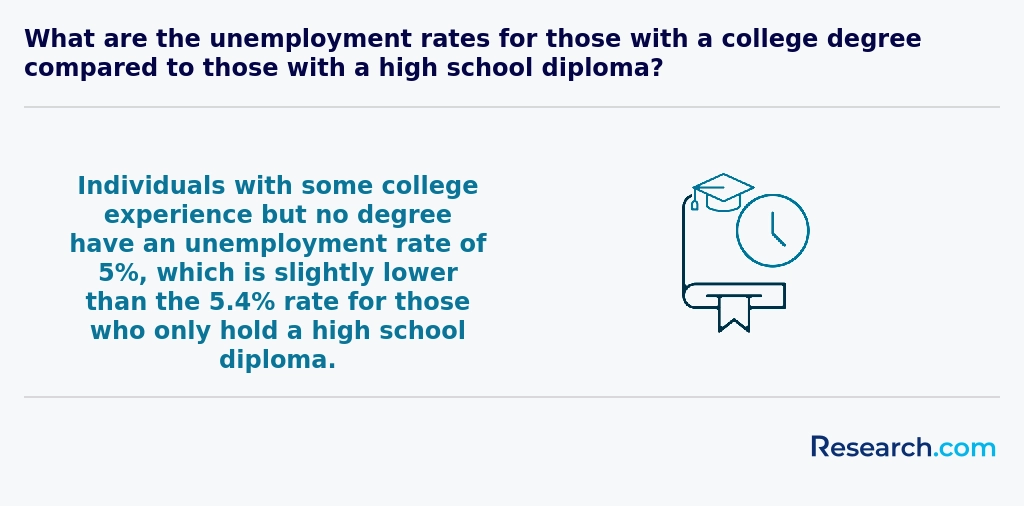
Employers in Texas increasingly value accredited online degrees, especially in high-demand fields like healthcare, technology, and business. Data from the Texas Workforce Commission shows that individuals with bachelor's degrees tend to earn 30% more on average than those with only a high school diploma.
Moreover, online degrees can open doors to promotions and leadership roles, as many Texas employers require formal education for career growth.
When choosing between a thesis and a non-thesis online degree program in Texas, consider your career goals carefully. Thesis programs typically suit students aiming for research roles or doctoral studies, as they require original research and a formal thesis document. Non-thesis options often focus on practical skills and coursework, appealing to professionals seeking advancement without engaging in extensive research.
Texas universities like the University of Texas System offer both pathways in fields such as education and engineering. According to the Texas Higher Education Coordinating Board, about 40% of graduate students in Texas opt for thesis tracks, highlighting a strong emphasis on research in the state.
Cost and time commitment are also factors. Thesis programs may take longer to complete and involve additional advisor meetings. Non-thesis degrees can be completed faster and with less direct faculty supervision, which may work better for working professionals.
Students based in Texas who pursue online degrees often seek opportunities to study abroad through various approved programs. Many Texas universities partner with international institutions, allowing students to gain global experience without interrupting their online studies. According to the Texas Higher Education Coordinating Board, about 30% of Texan universities offer study abroad options that integrate with online curricula.
Programs frequently include short-term faculty-led trips, virtual exchanges, or semester-long abroad experiences aligned with degree requirements. These options provide flexibility for online students to enhance their education with international perspectives while managing other responsibilities.
Additionally, financial aid and scholarships specific to Texas residents often support study abroad participation, making these experiences more accessible.
In Texas, part-time job opportunities that complement online degree education vary by field but generally focus on sectors with strong local growth. Healthcare roles like medical assistants or administrative support are common for students in health-related programs, reflecting Texas's large healthcare industry, which employs over 1.5 million people according to the Texas Workforce Commission.
For students in business or technology, positions in customer service, data entry, or IT support offer relevant experience and flexible hours. Texas's tech hubs such as Austin and Dallas support these roles, with IT employment projected to grow 15% through 2030.
Education majors frequently find part-time work as tutors or teaching assistants, benefiting from the state's emphasis on educational improvement. Roles in local government offices also offer opportunities aligned with public administration studies.
Choosing part-time jobs that relate directly to your degree can enhance skills and provide valuable networking in Texas's diverse job market.
Online students in Texas have access to a variety of networking opportunities that can enhance their career prospects. Many Texas universities offer virtual career fairs and online student organizations focused on specific industries, allowing remote learners to connect with peers and professionals statewide. According to the Texas Higher Education Coordinating Board, over 70% of Texas online programs incorporate some form of live interaction, such as webinars or group projects, which foster collaboration and networking.
Additionally, some institutions partner with Texas-based businesses to provide internship placements, even for remote students. Alumni networks in Texas also play a crucial role, enabling online students to build professional relationships beyond their local area.
Alumni networks provide online degree students in Texas with valuable connections that support their career growth and professional development. These networks often include thousands of graduates from Texas universities, offering access to mentorship, job opportunities, and industry insights. According to a 2023 Texas Higher Education Coordinating Board report, active alumni networks can increase graduate employment rates by up to 15% in Texas industries.
Networking through alumni groups helps students engage with professionals in fields like technology, healthcare, and business, which are prominent in Texas. Additionally, alumni events and online platforms encourage collaboration and information sharing, enhancing students' real-world readiness.
Customizing an online degree program in Texas allows students to align their education with specific career goals. Many Texas public universities, such as Texas Tech and the University of Texas system, offer flexible online degree tracks with elective courses tailored to various industries.
Students can often select concentrations, minors, or certificates within their degree to gain specialized skills. For example, fields like business, healthcare, and computer science commonly feature customizable curricula. Academic advisors play a crucial role, helping students choose courses that meet both graduation requirements and professional objectives.
Additionally, some Texas institutions partner with local industries to provide online internships or project-based learning for real-world experience.
Online students in Texas face several challenges that can impact their academic success. One common issue is balancing coursework with work and family responsibilities, as many online learners are adult students juggling multiple commitments. A 2023 Texas Higher Education Coordinating Board report indicates that about 55% of online students in Texas work full-time while studying.
Technical difficulties also present barriers. Reliable internet access can be problematic in rural parts of Texas, where broadband availability is limited. According to the Federal Communications Commission, nearly 17% of Texans lack high-speed internet, affecting online learning quality.
Additionally, some students report feeling isolated due to less face-to-face interaction with instructors and peers, which can hinder motivation and engagement. Understanding academic expectations without immediate feedback is another common challenge for online learners.
Writing a winning application for a Texas college or university, especially for online degree programs, requires clear focus and preparation. Start by researching the institution's specific requirements, as schools like the University of Texas and Texas A&M often seek strong academic records and relevant experience.
Highlight your achievements in a concise personal statement, emphasizing goals aligned with Texas' growing job markets, such as technology or healthcare. According to the Texas Higher Education Coordinating Board, applicants with a GPA above 3.0 have higher acceptance rates for online studies.
Include letters of recommendation from professionals or educators familiar with your skills and work ethic. Lastly, submit all documents before deadlines, as timely applications are key in competitive Texas programs.
Students pursuing online degrees in Texas can gain practical experience through internships, cooperative education (co-op) programs, and service-learning projects. Many Texas universities collaborate with local industries and businesses to offer virtual internships that fit remote study schedules. According to the Texas Workforce Commission, internships in fields like technology, healthcare, and business are increasing, providing valuable hands-on experience.
Additionally, Texas institutions often provide lab simulations and project-based assignments tailored to online learners. Some programs encourage participation in local community initiatives, enhancing real-world skills. Utilizing the Texas Internship Challenge and university career services can help students connect with employers offering paid and unpaid opportunities.
Choosing the right concentration within an online degree program in Texas requires careful consideration of your career goals and interests. Research programs offered by Texas universities, noting concentrations that align with high-demand fields like healthcare, technology, and business. According to the Texas Higher Education Coordinating Board, STEM and health-related programs show strong job growth in the state.
Evaluate course content and how closely it matches your professional aspirations. Look for online programs that offer flexibility and robust support services. Connect with academic advisors to understand the skills you will develop with each concentration.
Finally, review labor market data from the Texas Workforce Commission to identify concentrations with strong employment prospects and competitive salaries in Texas.
- 2027 Most Valuable Online Colleges Programs Ranking in Oklahoma
- 2027 Most Valuable Online Colleges Programs Ranking in Arkansas
- 2027 Most Valuable Online Colleges Programs Ranking in Missouri
- 2027 Most Valuable Online Colleges Programs Ranking in Colorado
- 2027 Most Valuable Online Colleges Programs Ranking in Tennessee
- 2027 Most Valuable Online Colleges Programs Ranking in Arizona
- 2027 Most Valuable Online Colleges Programs Ranking in Alabama
- 2027 Most Valuable Online Colleges Programs Ranking in Nebraska
- 2027 Most Valuable Online Colleges Programs Ranking in Florida
- 2027 Most Valuable Online Colleges Programs Ranking in South Carolina
- Thesis vs. Non-Thesis Master's Programs: Which is Right for You? https://potomac.edu/thesis-vs-non-thesis-masters/
- Report: Almost half of Texas online job ads require college degrees https://www.southtexasnews.com/brenham_banner_press/news/report-almost-half-of-texas-online-job-ads-require-college-degrees/article_8e6d0338-3aab-55b9-a638-2f819ccc2856.html
- Best Online Colleges in Texas https://www.onlineu.com/best-online-colleges/texas
- Strategies to Meet TA-TEKS Standards in Texas https://www.learning.com/blog/strategies-to-meet-ta-teks-standards/
- Occupation Trends - Texas Career Check https://texascareercheck.com/ExploreCareer/OccupationTrends
- College Degree vs. Major vs. Concentration: What’s the Difference? https://www.coloradotech.edu/blog/2025/september/college-degree-vs-major-vs-concentration-what-s-the-difference
- Know more about thesis vs non- thesis: what is the difference? https://studyfans.com/en/blogs/816
- Texas A&M University-Corpus Christi https://www.tamucc.edu/online/
- How to Apply to College in Texas | College Essay Guy https://www.collegeessayguy.com/blog/apply-texas-guide
- Soft Skills Employers are Looking for in a Graduate https://www.law.ac.uk/resources/blog/soft-skills-employers-are-looking-for-in-a-graduate/