2027 General Degree Hiring Strength by State: Where Employers Need Graduates Most

Co-Founder and Chief Data Scientist
Choosing where to use a general degree can change your job search, salary potential, and relocation payoff. The U.S. Bureau of Labor Statistics reported that workers with a bachelor's degree had median weekly earnings of $1,543 in 2024, with lower unemployment than workers without a degree.
This guide is for students, recent graduates, career changers, and adults comparing states. You'll learn where broad, flexible degrees tend to have the strongest employer demand and how to weigh jobs, pay, growth, cost of living, skills, and mobility before making a career move.
Key Things You Should Know
- A general degree is strongest in states with large, diversified economies such as California, Texas, New York, Florida, Illinois, Georgia, North Carolina, Washington, Virginia, and Massachusetts, because graduates can target business, operations, sales, public service, education support, communications, and nonprofit roles.
- Salary alone is not enough: BLS 2024 data shows bachelor's degree holders had median weekly earnings of $1,543, but housing, taxes, commuting costs, and local competition can make a lower-salary state a better value.
- The best state depends on your goal: choose large labor markets for more openings, fast-growth states for expansion opportunities, high-salary states for specialized corporate roles, and lower-cost states when affordability and early-career stability matter most.
- Which States Have the Strongest Demand for General Graduates?
- Which States Offer the Highest Salaries for General Professionals?
Which States Have the Strongest Demand for General Graduates?
A general degree usually means a broad bachelor's program such as general studies, liberal studies, interdisciplinary studies, applied studies, or a customizable major. Because it is not tied to one licensed occupation, hiring strength is best judged by the size and diversity of a state's labor market, not by one job title.
No single federal dataset tracks "general degree" hiring by state, so the most practical approach is to combine 2024 BLS Occupational Employment and Wage Statistics for broad occupational families with state industry mix, population growth, employer concentration, and the number of roles that accept a bachelor's degree without requiring a narrow technical major.
The table below ranks states by practical hiring strength for general graduates. It emphasizes employer breadth: a state is stronger when graduates can apply across multiple industries rather than depend on one dominant sector:
| State | Hiring strength for general graduates | Why employers need broadly educated graduates | Best fit for graduates |
| California | Very strong | Large technology, entertainment, healthcare, education, logistics, government, and nonprofit markets create many nontechnical professional roles. | Graduates seeking large-company pathways, communications, operations, HR, program coordination, and advancement options. |
| Texas | Very strong | Fast business expansion, energy, healthcare, logistics, finance, and public-sector growth support broad hiring across major metros. | Graduates who want opportunity volume, lower taxes, and multiple city options such as Austin, Dallas-Fort Worth, Houston, and San Antonio. |
| New York | Very strong | Finance, media, healthcare, education, public administration, nonprofits, and professional services produce many bachelor's-level openings. | Graduates targeting corporate, communications, policy, arts administration, nonprofit, and client-facing roles. |
| Florida | Strong | Population growth supports healthcare administration, hospitality management, real estate services, education support, government, and business operations. | Graduates who want entry-level professional roles in growing metro areas and service-heavy industries. |
| Illinois | Strong | Chicago's finance, logistics, healthcare, insurance, education, and corporate headquarters base creates broad professional demand. | Graduates seeking Midwest access to corporate functions, operations, sales, HR, and nonprofit work. |
| Georgia | Strong | Atlanta's logistics, media, healthcare, fintech, government contracting, and corporate offices make the state attractive for flexible degree holders. | Graduates interested in business operations, marketing support, public service, supply chain, and project coordination. |
| North Carolina | Strong | Finance, research, healthcare, technology, education, and manufacturing growth support professional hiring in several metros. | Graduates looking for a balance of career opportunity and generally more manageable living costs than coastal hubs. |
| Washington | Strong | Technology, aerospace, retail headquarters, healthcare, government, and logistics create demand for coordinators, analysts, administrators, and managers. | Graduates who can combine communication, data literacy, and business judgment. |
| Virginia | Strong | Federal contracting, defense, consulting, education, healthcare, and public administration support steady demand for adaptable graduates. | Graduates interested in policy, operations, security-adjacent administration, public affairs, and government services. |
| Massachusetts | Strong | Healthcare, higher education, life sciences, finance, nonprofits, and technology companies hire for many professional support and management-track roles. | Graduates who value education-rich labor markets and can compete in higher-cost metros. |
Large states are not automatically better for every graduate. They usually offer more openings, but they may also bring heavier competition, higher rent, longer commutes, and more employers asking for internships or specialized software skills.
Which States Offer the Highest Salaries for General Professionals?
For general graduates, salary depends less on the degree title and more on the role, industry, employer size, location, and skills. A graduate working in business analysis, operations, corporate training, HR, sales management, or compliance may have a very different pay path than someone in nonprofit administration or entry-level public service.
As a useful benchmark, BLS reported a 2024 median annual wage of $80,920 for business and financial operations occupations. That does not represent every general-degree role, but it shows why states with dense corporate, finance, consulting, technology, and government-contracting employers often produce stronger pay opportunities.
The table below compares states where general graduates may find higher salary ceilings. Use it as a compensation map, not a promise of earnings, because entry-level pay varies widely by city and occupation:
| State or district | Salary outlook | What tends to lift pay | Main trade-off |
| District of Columbia | Very high | Federal agencies, contractors, consulting, policy organizations, nonprofits, and professional services. | High housing costs and strong competition for policy, analyst, and administrative roles. |
| New York | Very high | Finance, media, corporate headquarters, legal services, healthcare administration, and high-value client services. | New York City salaries can be offset by rent, taxes, and commuting expenses. |
| California | Very high | Technology, entertainment, life sciences, higher education, government, and large corporate employers. | Pay varies sharply by metro, and coastal costs can reduce take-home value. |
| Massachusetts | High | Healthcare, universities, biotechnology, finance, research administration, and nonprofit leadership pipelines. | Boston-area costs are high, so early-career graduates need realistic budgets. |
| Washington | High | Technology, aerospace, retail headquarters, public agencies, and logistics. | Employers may expect strong data, software, and project-management skills even for nontechnical roles. |
| New Jersey | High | Pharmaceuticals, finance, insurance, logistics, healthcare, and proximity to New York and Philadelphia markets. | Commuting patterns and housing prices vary significantly by county. |
| Virginia | High | Federal contracting, defense, consulting, cybersecurity-adjacent administration, healthcare, and public administration. | Some roles favor clearances, government experience, or specialized credentials. |
| Colorado | Moderate to high | Technology, energy, outdoor recreation brands, healthcare, education, and professional services. | Popular metros can be competitive and expensive for new graduates. |
A high-salary state makes the most sense when the role gives you marketable experience, promotion potential, or access to a strong industry cluster. It makes less sense if your raise is absorbed by rent or if you enter a crowded market without internships, portfolio work, or specialized skills.
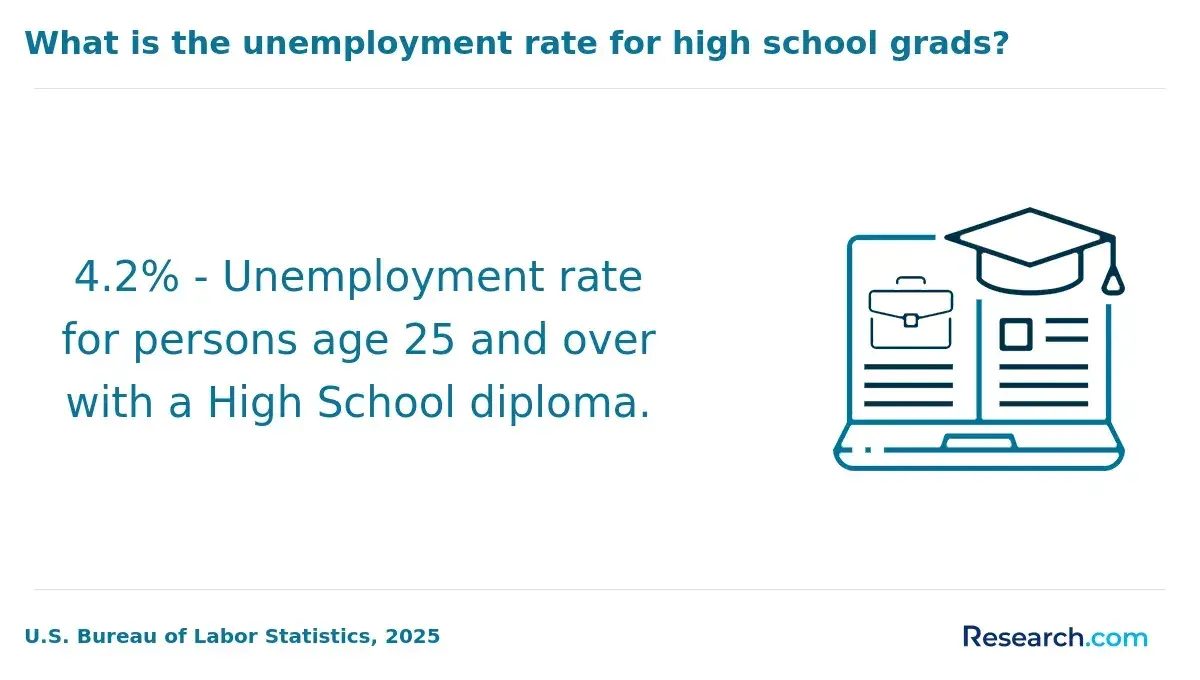
Job growth matters because it shows where employers are expanding, but growth is not the same as current job availability. A small state can post fast growth from a smaller base, while a large state may add more total jobs even with slower growth.
The BLS employment projections released for the 2023 to 2033 period show business and financial operations occupations growing faster than the average for all occupations.
For general graduates, that matters because many flexible-degree jobs sit in business support, analysis, operations, HR, sales operations, compliance, and administrative management pathways.
The table below highlights states where general graduates should pay attention to growth signals. These states are especially relevant for students who want expanding markets rather than only established job centers:
| State | Growth outlook | Why growth matters for general graduates | Best strategy |
| Texas | Very strong | Business formation, population growth, healthcare expansion, logistics, and energy transition roles create broad professional demand. | Compare metros separately because Austin, Dallas-Fort Worth, Houston, and San Antonio have different employer mixes. |
| Florida | Very strong | Population growth fuels healthcare, public administration, real estate services, hospitality management, and education-related roles. | Target growing metros but check wages against housing and insurance costs. |
| Arizona | Strong | Semiconductor investment, healthcare, logistics, construction-related administration, and business services support hiring. | Build operations, spreadsheet, CRM, and project-coordination skills to compete beyond basic administrative roles. |
| North Carolina | Strong | Finance, research, healthcare, higher education, and advanced manufacturing make the state attractive for broad professional roles. | Look at Charlotte, Raleigh-Durham, Greensboro, and regional healthcare systems separately. |
| Georgia | Strong | Logistics, film and media, fintech, healthcare, and corporate relocation activity create a wide range of openings. | Use internships or temp-to-hire roles to enter competitive Atlanta-area employers. |
| Utah | Strong | Technology, finance, healthcare, and business services have supported strong professional employment growth. | Pair a general degree with sales operations, customer success, analytics, or HR technology skills. |
| Nevada | Selective but growing | Hospitality, entertainment, logistics, healthcare, and public services create openings, especially around Las Vegas and Reno. | Avoid relying only on tourism-facing roles if you want recession-resistant career mobility. |
| Colorado | Selective but growing | Technology, energy, public agencies, healthcare, and professional services support broad hiring. | Expect competition from highly educated local applicants and remote workers. |
A common mistake is assuming the fastest-growing state is the easiest place to get hired. Graduates should check the number of entry-level postings, employer requirements, internship availability, and whether the state's growth is concentrated in industries they actually want to enter.
Cost of living can completely change the value of a job offer. A state with higher salaries may still leave graduates with less disposable income if rent, transportation, insurance, taxes, and childcare costs are high.
The best way to compare states is to calculate a "real offer value," not just base pay. Housing is usually the biggest swing factor, so graduates should compare rent near the job, commute cost, and whether hybrid work reduces transportation expenses.
The table below summarizes common relocation trade-offs. It is designed to help you compare career value rather than assume the highest-paying state is always the best choice:
| State type | Examples | Career upside | Affordability risk | Who may benefit most |
| High salary, high cost | California, New York, Massachusetts, Washington, District of Columbia | More headquarters, elite employers, specialized industries, and faster promotion pathways. | Rent and commuting costs may consume much of an entry-level salary. | Graduates with strong internships, in-demand skills, or offers from employers with clear advancement ladders. |
| Strong demand, moderate cost | Texas, Georgia, North Carolina, Illinois, Virginia | Large job markets with many industries and generally more city choices. | Popular metros can still be expensive, especially near major employment centers. | Graduates seeking balance between opportunity, affordability, and long-term mobility. |
| Fast growth, uneven wages | Florida, Arizona, Nevada, Utah | Expanding populations and business growth can create entry-level openings. | Some sectors pay modestly compared with housing and insurance costs. | Graduates who research specific employers and avoid relocating on growth headlines alone. |
| Lower cost, smaller markets | Ohio, Indiana, Missouri, Iowa, Oklahoma | Lower living costs can improve early-career financial stability. | Fewer specialized employers may limit advancement without remote work or relocation later. | Graduates prioritizing affordability, family support, lower debt pressure, or regional stability. |
Before relocating, compare the offer against a realistic monthly budget. Include student loan payments, rent deposits, moving costs, car insurance, public transit, professional clothing, licensing fees if relevant, and the cost of returning home if the job does not work out.
A practical rule is to move when the new state offers at least one of three advantages: a better first job, a stronger industry cluster, or faster advancement. Staying local can be smarter when you have strong local networks, lower living costs, or a job that builds transferable experience.
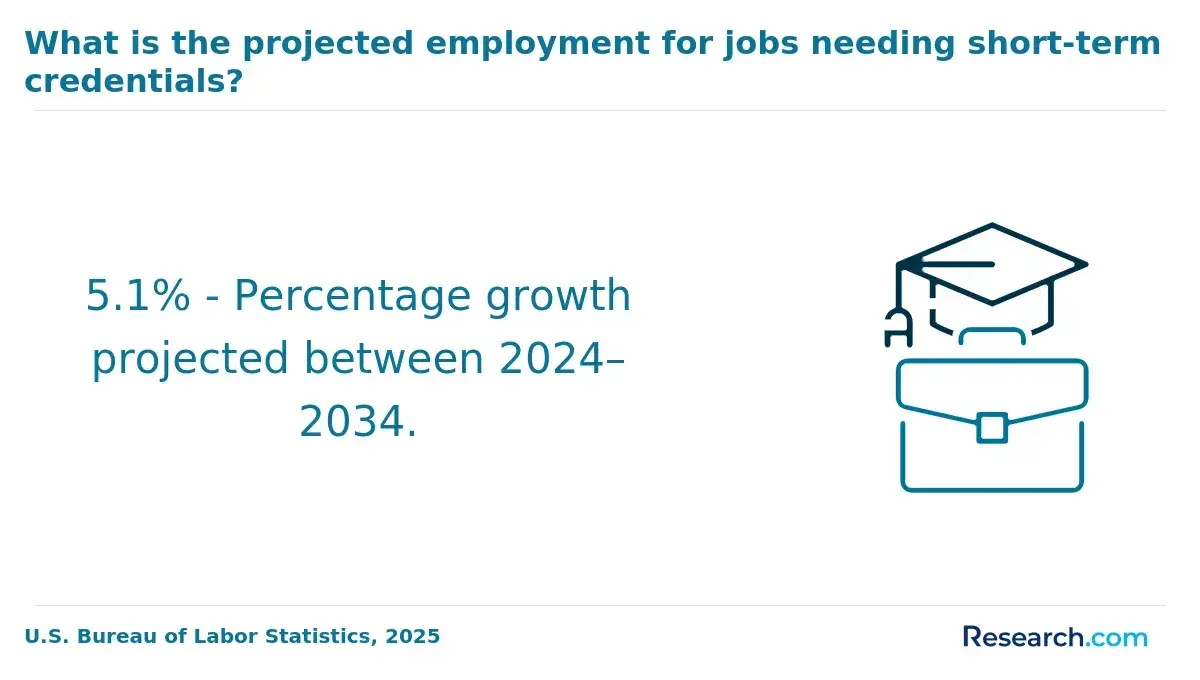
General graduates compete best when they add specific, employer-readable skills to a broad education. The degree can show adaptability, but the resume must show what the graduate can actually do on the job.
Employers are increasingly screening for software fluency, communication, and practical problem-solving. AI tools have also raised expectations: candidates may not need to be programmers, but they should know how to use technology responsibly to research, summarize, organize, and improve work quality.
The skills below are especially useful in high-demand states because they transfer across industries and help a general graduate stand out from applicants with similar academic backgrounds:
- Business communication: Writing clear emails, reports, proposals, meeting notes, customer updates, and executive summaries.
- Spreadsheet and data literacy: Using Excel or Google Sheets, pivot tables, basic dashboards, data cleaning, and simple analysis.
- Project coordination: Tracking deadlines, budgets, responsibilities, vendors, and status updates across teams.
- Customer and stakeholder management: Handling client communication, service recovery, internal coordination, and relationship-building.
- AI-assisted productivity: Using AI tools for drafting, summarizing, research support, and workflow improvement while checking accuracy and protecting confidential information.
- Industry vocabulary: Learning the language of healthcare, finance, logistics, education, government, technology, or nonprofits before applying.
- Career evidence: Building a portfolio with writing samples, project plans, case studies, dashboards, event plans, or process-improvement examples.
Experienced professionals who already have broad workplace knowledge may strengthen their management path through targeted graduate study, including options such as a 1 year executive MBA online. For new graduates, shorter certificates, internships, apprenticeships, and project-based experience may be more cost-effective first steps.
The red flag to avoid is relying on the degree title alone. A general degree can be valuable, but employers need proof that you can contribute quickly in a defined role.
Most general-degree career paths do not require state licensure. Roles in business operations, sales, marketing support, HR coordination, communications, public administration, nonprofit management, and project coordination are usually governed by employer requirements rather than state boards.
Licensing becomes important when a graduate moves toward regulated fields such as teaching, counseling, social work, healthcare, real estate, insurance, financial advising, or speech-language pathology. In those fields, state rules may determine required degrees, supervised hours, exams, renewals, and continuing education.
Use the following checks before choosing a state or career pathway, especially if you plan to enter a regulated profession later:
- Identify whether the job title is licensed, certified, registered, or simply employer-defined in that state.
- Check the state board or agency responsible for the occupation before enrolling in a program or relocating.
- Confirm whether your degree major, accreditation, internship hours, or supervised experience meet that state's rules.
- Ask employers whether certification is required at hire, preferred for promotion, or only needed for specialized duties.
- Budget for exams, background checks, renewals, continuing education, and transcript evaluations if the field is regulated.
For example, students comparing online speech language pathology programs need to pay close attention to accreditation, clinical placement, and state licensure alignment because that field is regulated. That is very different from a general business coordinator role, where employer experience and skills may matter more than state approval.
The common mistake is relocating first and checking rules later. If your intended career has any legal practice requirement, verify eligibility before you accept an out-of-state job or enroll in a degree program.
Remote and hybrid work have changed state hiring for general graduates by separating some jobs from the employer's headquarters. A graduate in a lower-cost state may compete for roles based in higher-paying markets, while employers in expensive states may recruit broader talent pools.
Survey of Working Arrangements and Attitudes data showed remote work remained a meaningful share of paid workdays in 2024. For general graduates, that means geography still matters, but it no longer matters in the same way for every role.
Remote-friendly roles for general graduates often include customer success, recruiting coordination, marketing operations, administrative support, grant writing, online student services, project coordination, sales operations, and business support. Hybrid roles are more common when the job involves events, training, healthcare administration, government work, confidential records, or close team coordination.
Before using remote work as a state strategy, compare these factors carefully:
- Employer location rules: Some companies hire only in states where they are registered for payroll, tax, or compliance reasons.
- Pay localization: Some employers adjust pay based on where you live, so a remote job may not carry the salary of the headquarters city.
- Career visibility: Fully remote entry-level workers may need extra effort to build relationships, find mentors, and earn promotions.
- Local backup market: If the remote job ends, your state should still have enough local employers in your field.
- Hybrid commute reality: A "hybrid" job can still require living near an expensive metro if office days are mandatory.
Remote work can make lower-cost states more attractive, but it should not be the only plan. The safest strategy is to choose a state where you can benefit from remote opportunities while still having local or regional employers that match your skills.
Students should compare states with a decision framework instead of chasing one ranking. The strongest state for one graduate may be a poor fit for another depending on debt level, family support, preferred industry, risk tolerance, and willingness to relocate again later.
Adult learners and retirees returning to school may have different priorities than traditional students, such as flexible online formats, local employment, caregiving schedules, or second-career goals. Those comparing college degrees for seniors should weigh state opportunity alongside program flexibility and personal support systems.
Use this step-by-step comparison before choosing where to work after earning a general degree:
- Choose three target roles: Examples include operations coordinator, HR assistant, program associate, sales development representative, nonprofit coordinator, admissions counselor, or business analyst trainee.
- Match each role to industries: Identify whether the state has employers in healthcare, finance, logistics, education, government, technology, hospitality, or nonprofits.
- Compare openings and requirements: Look for entry-level postings and record common skills, software, certifications, and experience expectations.
- Estimate real income: Compare salary against rent, taxes, commuting, insurance, student loans, and moving costs.
- Check advancement pathways: Review whether employers promote from coordinator roles into analyst, manager, specialist, or director tracks.
- Assess competition: Popular metros may have more openings but also more applicants with internships, local networks, or specialized majors.
- Test the market before moving: Apply remotely, schedule informational interviews, join state or city professional groups, and compare interview response rates.
The biggest mistakes are choosing a state based only on average salary, assuming state-level demand applies to every city, ignoring industry concentration, and relocating without emergency savings. A smarter approach is to compare the specific role, metro area, employer type, and cost structure together.
The best state for your general career goals is the one where your degree, skills, target industry, and financial needs line up. There is no universal winner because a general degree is flexible by design.
If you want the largest number of options, start with California, Texas, New York, Florida, Illinois, Georgia, North Carolina, Washington, Virginia, and Massachusetts.
If you want stronger affordability, compare Texas, Georgia, North Carolina, Illinois, Ohio, Indiana, Missouri, and selected Pennsylvania metros. If you want high salary ceilings, focus on New York, California, Massachusetts, Washington, New Jersey, Virginia, and the District of Columbia, but calculate cost of living carefully.
Use the following decision guide to narrow your choice:
- Choose a large market if you are early in your career, want more entry points, and can handle competition.
- Choose a fast-growth state if you are comfortable with change and want to ride expanding industries.
- Choose a high-salary state if you have skills, internships, or experience that can qualify you for better-paid roles quickly.
- Choose a lower-cost state if financial stability, lower debt pressure, or family support matters more than maximum salary.
- Choose a remote-friendly strategy if your skills fit digital workflows and you have a local backup market.
A general degree works best when you treat it as a platform, not a final job description. Pair it with a target industry, measurable skills, evidence of work, and a state strategy that fits your budget and career goals.
General degree graduates have an advantage when they understand industry fit. Employers rarely hire someone because the degree is "general"; they hire because the candidate can write clearly, solve problems, manage tasks, analyze information, support customers, coordinate teams, or learn industry-specific systems quickly.
Career mobility improves when graduates connect their broad education to a high-demand industry. Students aiming for business leadership can also compare advanced options such as an AACSB accredited online MBA if they later need a recognized graduate business credential.
The table below shows industries that commonly drive hiring for broadly educated graduates in different states. It can help you target employers instead of applying randomly across every open role:
| State | Industries that often hire general graduates | Common entry points | Career-building angle |
| California | Technology, entertainment, healthcare, higher education, government, nonprofits, logistics. | Program assistant, recruiting coordinator, marketing associate, customer success, operations coordinator. | Build a portfolio showing writing, data, and project execution. |
| Texas | Energy, healthcare, logistics, finance, real estate services, technology, public agencies. | Business operations assistant, account coordinator, HR assistant, analyst trainee, sales development. | Use industry certificates to move from general support into specialized operations. |
| New York | Finance, media, healthcare, education, nonprofits, public administration, legal services. | Editorial assistant, client services associate, development assistant, administrative analyst, compliance assistant. | Networking and internships are especially important because competition is high. |
| Florida | Healthcare, hospitality, public administration, education, insurance, real estate services. | Patient services coordinator, event coordinator, office manager trainee, admissions counselor, claims support. | Choose roles that develop transferable management skills, not only short-term service work. |
| Illinois | Finance, insurance, logistics, healthcare, education, manufacturing headquarters, nonprofits. | Operations coordinator, account support, HR coordinator, training assistant, supply chain support. | Chicago-area employers reward communication plus spreadsheet and systems skills. |
| Georgia | Logistics, film and media, fintech, healthcare, government, corporate services. | Production coordinator, customer operations, project assistant, public affairs assistant, HR support. | Industry networking can matter as much as the first job title. |
| North Carolina | Finance, research, healthcare, education, advanced manufacturing, technology. | Research administrator, banking associate, project coordinator, enrollment services, business analyst trainee. | Combine a broad degree with data, compliance, or healthcare administration exposure. |
| Virginia | Federal contracting, defense, consulting, education, healthcare, public administration. | Contract support, program analyst assistant, policy assistant, operations coordinator, grants assistant. | Learn procurement, compliance, and documentation standards early. |
The strongest applications translate coursework into employer language. Instead of saying "general studies graduate," describe the practical value: writing reports, coordinating projects, analyzing customer data, supporting budgets, managing schedules, or communicating with stakeholders.
Other Things You Should Know About General
There is no single best state, but California, Texas, New York, Florida, Illinois, Georgia, North Carolina, Washington, Virginia, and Massachusetts tend to offer strong hiring conditions because they have large and diverse economies.
Yes, but it works best when paired with specific skills and a clear job target. Employers want to see writing ability, data literacy, project coordination, communication skills, software familiarity, and evidence that you can contribute in a defined role.
Move only if the offer improves your real career value. Compare salary with rent, taxes, commuting, student loan payments, promotion potential, and local competition before deciding.
Most do not, especially in business, operations, sales, communications, administration, and nonprofit roles. Licensing may matter if you move into regulated fields such as teaching, counseling, social work, healthcare, insurance, real estate, or financial advising.
- What’s the Entry-Level Salary in Every State? https://finance.yahoo.com/news/entry-level-salary-every-state-140043966.html
- The Labor Market for Recent College Graduates https://www.newyorkfed.org/research/college-labor-market
- 2024 graduate employment outcomes and early 2025 trends https://andrewnorton.id.au/2025/09/19/2024-graduate-employment-outcomes-and-early-2025-trends/
- As states drop degree requirements, employers still seek out college grads https://www.hrdive.com/news/degree-requirements-states-college-value/706963/
- Worker shortage was supposed to give people with no college degree opportunity. But has it? https://www.usatoday.com/story/money/economy/2023/05/10/workers-without-college-degree-struggle-labor-shortage/70197321007/
- LinkedIn lists hot jobs, industries and cities for new college grads https://foxbaltimore.com/news/nation-world/linkedin-lists-hot-jobs-industries-and-cities-for-new-college-grads-linkedin-career-expert-offers-advice-for-new-college-grads-entering-tough-jobs-market
- The Graduation Issue https://iei.asiacareersgroup.com/blogs/monthly-article/the-graduation-issue
- College graduates face toughest job market in more than a decade as hiring slows https://www.mariettatimes.com/news/business/2025/06/college-graduates-face-toughest-job-market-in-more-than-a-decade-as-hiring-slows/
- College Graduate Salaries: 2025 Projections | Bankrate https://www.bankrate.com/loans/student-loans/average-college-graduate-salary/
- What are the average salaries for four-year college graduates in the US? | USAFacts https://usafacts.org/articles/what-are-the-average-salaries-for-four-year-college-graduates/