
2027 Best Online Colleges Programs Ranking in the Midwest

Co-Founder and Chief Data Scientist
Choosing the right online college program can feel overwhelming, especially with so many options in the Midwest. This article introduces the 2027 Best Online Colleges Programs Ranking in the Midwest, crafted by the Research.com team of data scientists to guide you through the top degree programs available.
By exploring this ranking, you'll gain valuable insights to make confident choices that align with your goals. Earning a degree can open doors to new opportunities and personal growth, and we're here to support your journey every step of the way.
Key benefits of getting online degrees in the Midwest
- Graduates with a bachelor's degree in the Midwest earn an average salary of $55,000, while those with a master's degree can make around $70,000, showing clear financial benefits from advancing degree levels.
- A graduate from the University of Illinois Online with a degree in business administration often progresses into management roles within local companies, benefiting from practical skills and steady career growth.
- Online learners at Indiana University report greater flexibility and work-life balance compared to traditional students, allowing them to advance their education without sacrificing current job commitments.
- 2027 Best Online Colleges Programs Ranking in the Midwest
- What can I expect from online degrees in the Midwest?
- How much can I make with online degrees in the Midwest?
What can I expect from online degrees in the Midwest?
Students pursuing online degrees in the Midwest can expect flexible programs designed to accommodate busy lives, whether balancing work, family, or other commitments. Graduates from universities such as the University of Illinois or Michigan State often describe the convenience of managing coursework around their schedules while accessing high-quality instruction. The curriculum frequently includes interactive components like video lectures and real-time discussions, facilitated through platforms like Canvas or Blackboard, enhancing engagement and connection with faculty.
The region's emphasis on accreditation ensures that degrees are respected by employers nationwide, providing graduates confidence in the value of their education. For example, Ohio State University alumni highlight how their online credentials supported smooth career transitions and advancement. Moreover, many programs incorporate experiential learning, offering practical projects that mirror real-world challenges, which students find both motivating and rewarding.
Cost efficiency also stands out; public institutions in states like Indiana offer competitive tuition rates, easing financial concerns. Students often mention strong support services, from tutoring to career counseling, as vital in fostering their success throughout the program.
How much can I make with online degrees in the Midwest?
Graduates with an online bachelor's degree from reputable Midwest institutions like the University of Wisconsin or Ohio State University report median earnings between $55,000 and $65,000 annually. This salary range reflects strong demand across business, engineering, and healthcare sectors typical of the region.
Those completing online associate degrees from community colleges in the Midwest often start with salaries averaging $40,000 to $50,000, suitable for careers in technical fields or roles that prioritize practical skills. Conversely, graduates holding online master's degrees from schools such as Michigan State University or the University of Illinois frequently earn between $70,000 and $95,000, especially in education, IT, or healthcare administration.
Online learners in metropolitan areas like Chicago or Minneapolis enjoy a wage advantage, often up to 15% higher than rural counterparts, reinforcing the value of regional flexibility. Graduates frequently share how this financial improvement has enhanced their quality of life while balancing work and study.
Accredited online programs recognized by Midwest employers significantly boost job prospects, ensuring students' efforts translate into rewarding salaries and fulfilling careers within the regional labor market.
- The average cost for a bachelor's degree at public institutions in the Midwest is between $9,000 and $12,000 per year for in-state students.
- Entry-level salaries for online bachelor's degree graduates start around $45,000 to $50,000 annually, with mid-career salaries averaging about $75,000.
- Stable job demand exists in nursing, business administration, computer science, and education for workers with online credentials.
- Most Midwest online degree programs have regional accreditation, important for employment and federal financial aid eligibility.
- Leading colleges offer user-friendly learning systems, digital resources, and tailored academic advising for online students.
Completing an online degree in the Midwest typically varies based on the program, enrollment status, and individual pace. For example, graduates from universities in Illinois or Ohio often finish an associate degree in about two years, reflecting the standard curriculum and part-time flexibility many maintain alongside work or family commitments.
Bachelor's degrees generally require four years of full-time study, though accelerated options allow motivated students to graduate in as little as three years. Many business or education majors at Midwestern institutions like those in Michigan take advantage of these accelerated tracks, balancing ambition with practical scheduling.
Graduate programs, such as master's degrees, frequently range from one to three years depending on the discipline. Students appreciate that this variety enables them to tailor study lengths to fit personal and professional lives while benefiting from flexible course offerings common in these states.
With in-state tuition averaging around $9,000 annually, many online students strategically plan their study pace to manage costs effectively. The real-life experiences of Midwestern online learners highlight how enrollment status, credit transfers, and scheduling flexibility all play crucial roles in defining completion times.
Graduates with online degrees in the Midwest enjoy a wide array of career opportunities across diverse industries, leveraging both regional strengths and remote‐friendly roles. Here’s where your online credential can take you: • Healthcare and Social Services: – Registered Nurse, Clinical Coordinator, Healthcare Administrator – Employers: Major hospital systems in Illinois, Minnesota, and Ohio; telehealth startups – Growth driver: Aging population and telemedicine adoption • Technology and Information Systems: – Software Developer, Data Analyst, Cybersecurity Specialist – Employers: Tech hubs in Chicago, Indianapolis, and Columbus; remote-first companies – Tip: Supplement your online coursework with virtual hackathons or internships • Business, Finance, and Administration: – Business Analyst, Human Resources Manager, Supply Chain Coordinator – Employers: Manufacturing firms in Michigan, logistics companies in Missouri, financial services in Wisconsin – Pro move: Join regional networking groups to build in-person connections • Education and Training: – Online Instructor, Instructional Designer, Academic Advisor – Employers: Community colleges, virtual charter schools, corporate training departments – Consider specialization: Online master’s programs in education leadership • Entrepreneurship and Consulting: – Small business owner, Freelance Consultant, Startup Founder – Regions ripe for growth: Rural communities needing digital services, urban markets seeking boutique consultancies – If you’re undecided, explore what’s the easiest degree to get as a starting point to align your interests and market demand. By targeting these sectors-each with its own demand curve and salary potential-online graduates can craft fulfilling careers that match their skills, interests, and lifestyle needs in the Midwest and beyond.
Students pursuing degrees at universities like the University of Michigan or Ohio State University find that the primary distinction between online and on-campus programs in the Midwest is flexibility. Graduates who chose online paths often describe the ability to balance work, family, and education without relocating or committing to rigid schedules as a game-changer. In contrast, on-campus students enjoy immersive campus life, face-to-face interactions with professors, and vibrant networking opportunities, which many attest enhance their professional growth.
Costwise, online learners at institutions such as the University of Illinois report savings from eliminated commuting and housing expenses, although some still pay technology fees. Both modalities maintain rigorous academic standards; graduates from either format confirm that curriculum and degree requirements remain consistent, ensuring credentials hold equal value in the job market.
Access to advising and library services is well-developed online but can vary. Many students praise Midwestern public universities for adapting these supports to remote learners, helping them feel connected and supported throughout their studies.
Online programs in the Midwest offer a unique set of advantages and challenges compared to their traditional on-campus counterparts. While both modes share a commitment to quality education, online learning is distinguished by its flexible scheduling, cost efficiency, and the use of innovative digital tools that support interactive learning. Students benefit from self-paced study options and the ability to balance personal and professional commitments, which is especially valuable for working adults and those with family responsibilities. In contrast, traditional programs often provide more immediate in-person networking opportunities and immersive campus experiences that some learners prefer. The key differentiators include the delivery method, support services, and resource accessibility. For example, many online programs integrate virtual labs, discussion forums, and video conferencing to simulate an engaging classroom environment. Moreover, institutions offering online courses often partner with other reputable education providers. If you’re interested in exploring certified and flexible learning options, check out the most reputable online colleges to see how they compare on factors such as accreditation, technology support, and student outcomes. Overall, understanding these distinctions and aligning them with your personal learning style and career goals can empower you to choose the program that best suits your needs. This comparative perspective not only enhances your decision-making process but also ensures that you invest in a path that eventually contributes to long-term success and satisfaction.
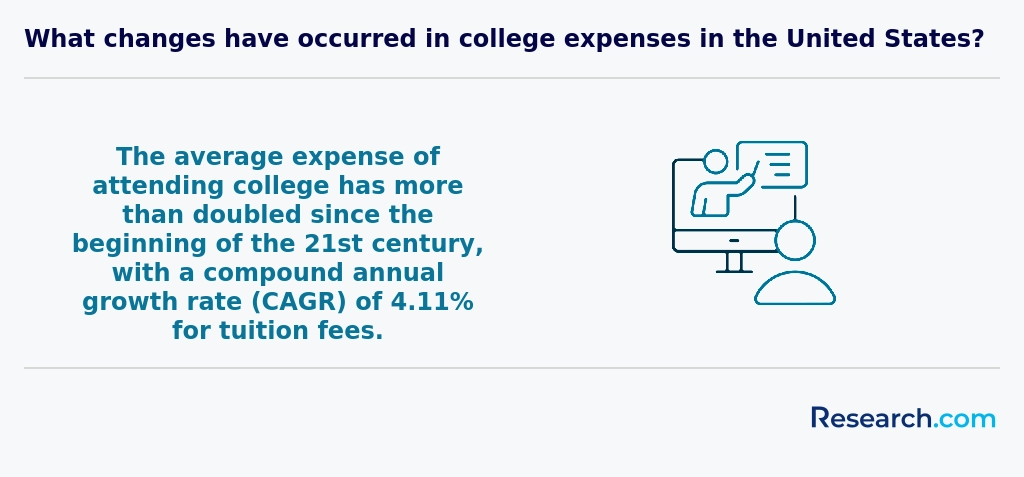
The average cost of an online degree in the Midwest typically varies based on residency and institution type, with in-state students at public universities benefiting from more affordable tuition. Median total costs for online degrees hover around $28,548, with in-state tuition averaging near $27,630, while out-of-state students can expect to pay closer to $35,068. These figures align with many graduates' real-life experiences who have found that studying online at well-known Midwestern universities offers a balanced investment in education without excessive financial strain.
For instance, graduates from prominent institutions often note that the cost per credit hour ranges from $300 to $450 for in-state learners, which helps explain the overall affordability of online programs in the region. This Midwest online college tuition fees structure enables students to pursue degrees flexibly, sometimes balancing work and family commitments, which adds significant value beyond just the financial savings. Additionally, several Midwestern schools provide tuition discounts or equal rates for online learners, making it an attractive option for many.
Students frequently appreciate the reduction in commuting and housing expenses, which can alleviate budget pressures, allowing them to focus on their studies. For those seeking information on programs, researching the most reputable online colleges can further guide financial planning and decision-making. Exploring such options ensures a clearer understanding of potential costs and supports revealing the best path to achieve their educational goals efficiently.
Successful online learners in the Midwest rely on a robust support network that goes beyond lectures and assignments. Leading institutions recognize this need and offer comprehensive services designed to keep students engaged, motivated, and on track toward graduation. Before enrolling, compare each program’s support ecosystem, which typically includes:
- Academic Advising and Degree Planning: Personalized guidance to select courses, track prerequisites, and ensure you meet graduation requirements on time.
- Technical Assistance and Tutorials: 24/7 help desks, software walkthroughs, and troubleshooting to minimize disruptions to your learning.
- Virtual Tutoring and Writing Centers: One-on-one or group sessions in subjects ranging from math and science to composition and research methodology.
- Career Services and Networking: Resume reviews, mock interviews, virtual job fairs, and alumni mentoring to bridge the gap between online study and professional success.
- Library and Research Resources: Access to digital journals, e-books, interlibrary loans, and research databases essential for assignments and capstone projects. Institutions featured in our ranking also partner with external career platforms and industry groups, creating pathways for internships and job placements. For students who prioritize both cost-effectiveness and strong support infrastructure, be sure to explore the Affordable Online Colleges Programs Ranking in Madison, SD, where you’ll find schools that combine affordability with top-tier resources. By choosing an online program with these support services, you’ll gain the tools and community needed to overcome common challenges-such as isolation and time management-and thrive in a virtual learning environment.
Students pursuing online degrees in the Midwest benefit significantly from a range of financial aid opportunities designed to alleviate costs. For instance, graduates from public universities in Illinois and Michigan often recount how state-specific grants and scholarships substantially reduced their tuition bills, making education more accessible and less stressful financially.
Federal aid remains a cornerstone; completing the FAFSA early opens doors to Pell Grants, which for 2023-2024 can provide up to $7,395 in funding, a critical resource for covering much of the tuition costs typical at Midwest public colleges. Online learners at institutions like Ohio State University appreciate how institutional scholarships specifically aimed at distance education students help cover technology fees and course materials, easing the burden of supplementary expenses.
Many students also find that federal student loans, such as Stafford Loans, offer manageable repayment options and low-interest rates, supporting their investment in education. Additionally, those working in sectors prominent in the Midwest, such as healthcare or manufacturing, frequently benefit from employer tuition reimbursement programs, further enhancing affordability.
Online students in the Midwest often target majors that unlock strong starting salaries and long-term growth. Here are some of the highest-paying online majors:
- Computer Science: median starting salaries above $95,000 in software development roles
- Nursing (RN to BSN): registered nurses begin near $65,000, with advanced practice roles reaching $80,000+
- Engineering (Electrical, Mechanical): entry-level engineers earn $70,000–$75,000, rising rapidly with experience
- Data Science & Analytics: professionals start around $85,000, driven by high industry demand
- Business Administration (Finance concentration): financial analysts and consultants typically earn $60,000–$70,000 initially
For guidance on degree choices and potential earnings, explore what degrees make the most money.
Enrolling in an online degree program in the Midwest typically requires meeting several well-defined academic and administrative prerequisites that ensure readiness for college-level study. For example, students applying to popular institutions like the University of Illinois or Michigan State University report the necessity of a high school diploma or equivalent for undergraduate programs, while graduate applicants must hold a bachelor's degree from an accredited university.
Many Midwestern universities have adopted test-optional policies, easing admissions and making the process more accessible, which recent graduates highlight as a relief during application. Proof of residency or citizenship is another common requirement, affecting tuition rates-a factor consistently noted by students balancing in-state affordability and quality education at schools such as Ohio State University.
Additionally, technical readiness is critical. Reliable internet, compatible devices, and digital literacy are often tested during orientation, ensuring students can thrive in a virtual learning environment. Graduate program applicants may also present letters of recommendation or personal statements, enriching their applications with unique experiences relevant to their fields.
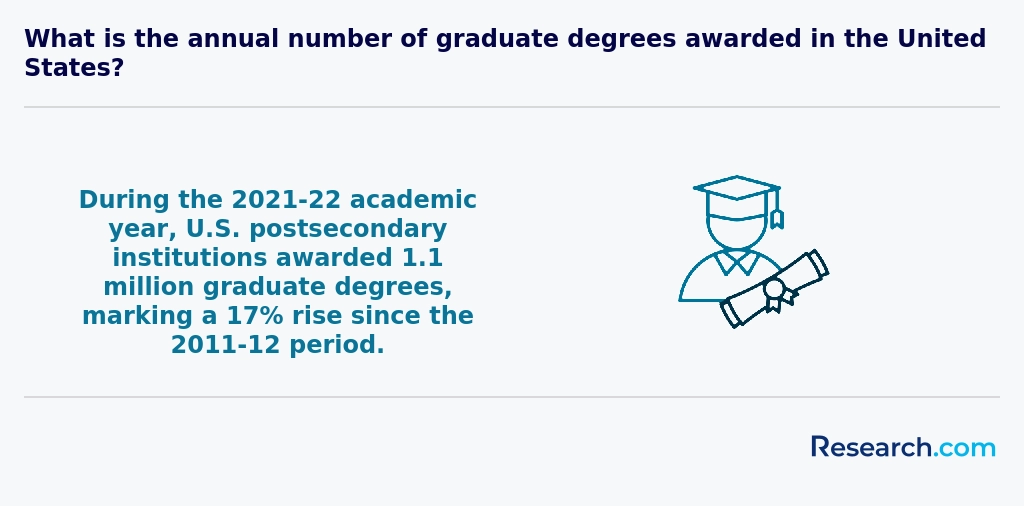
As the demand for advanced credentials grows, many Midwest professionals are turning to online doctorate programs to elevate their expertise and leadership potential. Whether you aim for a Doctor of Education (EdD) to shape future learning environments or a Doctor of Business Administration (DBA) to drive strategic growth, these programs offer rigorous curricula, mentorship from distinguished faculty, and the convenience of asynchronous coursework. Specializations span across high-impact fields-nursing professionals can pursue a Doctor of Nursing Practice (DNP) to assume executive healthcare roles, while researchers may opt for a PhD in Psychology or Public Health to influence policy and innovation. Financial considerations are eased by competitive tuition rates and funding opportunities; for those seeking cost-effective paths, explore our most affordable online doctorate programs to compare offerings and aid packets. When evaluating online doctorate programs in the Midwest, prioritize regional accreditation, cohort structure, and research support services. Look for institutions that integrate real-world projects and residencies, ensuring you build a professional network even in a virtual setting. With an online doctorate, you’ll not only deepen subject-matter mastery but also position yourself for roles such as university professor, executive leader, or policy advisor-key outcomes that underscore the long-term return on investment of your advanced degree.
Online degree courses Midwest universities typically include comprehensive curricula that balance foundational knowledge with practical skills tailored to regional demands. Business programs often integrate subjects such as accounting, marketing, management principles, and finance, equipping students for thriving roles in both small businesses and larger corporations operating across the Midwest.
Healthcare courses emphasize anatomy, pharmacology, healthcare ethics, and public health, reflecting the urgent need for qualified professionals in both dense urban centers and rural communities. Education degrees focus on curriculum development, educational psychology, and the effective use of classroom technology, preparing graduates to meet diverse teaching challenges prevalent in Midwestern schools.
Technology-related online programs commonly feature coursework in programming, cybersecurity, data analysis, and network management, aligning with the Midwest's expanding tech clusters. Graduates from institutions like the University of Illinois appreciate how these courses translate theory into real-world applications, resulting in rewarding career opportunities.
Students exploring Midwest accredited online program subjects often benefit from a holistic approach that also includes general education in English composition, mathematics, social sciences, and natural sciences, fostering well-rounded development. For those seeking advanced education, exploring the most affordable online doctorate programs can further enhance career prospects.
Choosing the best online degree program in the Midwest requires careful evaluation of several key factors to ensure academic and professional success. Accreditation by recognized bodies, such as the Higher Learning Commission, guarantees that your program meets rigorous standards and that your degree will carry weight in the job market. Graduates from well-regarded institutions like the University of Illinois at Urbana-Champaign often highlight the value of this assurance in their career advancement.
Flexibility is paramount, especially for working students balancing multiple responsibilities. Many affordable online colleges in the Midwest provide asynchronous courses and strong support services, enabling learners to progress at their own pace while accessing vital resources. For instance, students at Michigan State University praise the seamless online learning environment combined with practical career partnerships that enhance employment prospects.
Cost considerations should align with available financial aid and tuition reimbursement options, as in-state tuition rates in states like Ohio and Illinois tend to be more economical than private alternatives. It is also wise to consider program reputation and graduation rates, which impact your network and job readiness. For those exploring different paths, understanding what's the easiest degree to get might help in choosing a practical program suited to individual goals.
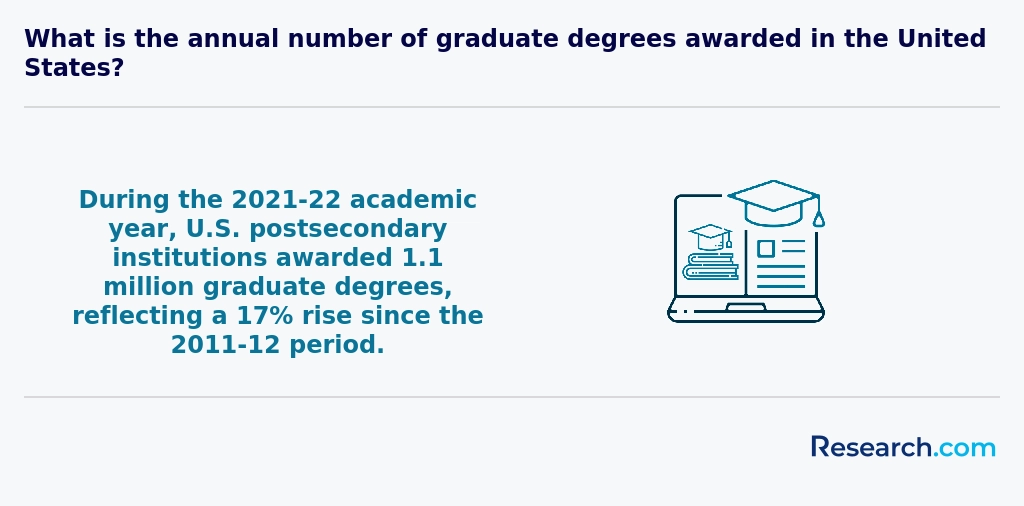
Online degree career opportunities Midwest graduates enjoy span multiple thriving sectors. Many graduates from reputable institutions such as the University of Illinois and Michigan State University report rewarding experiences entering healthcare roles, including nursing and health services management, driven by the region's growing demand and aging population. Similarly, graduates who completed programs in computer science or information technology reflect positively on their transition into roles like software development or IT analysis in tech hubs such as Chicago and Minneapolis.
Business and finance remain popular paths, with alumni frequently working in banking or financial analysis within the Chicago metropolitan area, leveraging flexible online education formats. Education is another rewarding avenue, especially for those trained in digital instruction methods - a growing focus in Midwestern schools. Graduates often highlight the strong connection between their online studies and opportunities available locally.
Those interested in other career pathways engage in engineering, social services, logistics, or public administration. Online learners aiming for affordable study options can consider programs listed in the Affordable Online Colleges Programs Ranking in Madison, SD, enhancing their Midwest online graduates job prospects through cost-effective training and regional network support.
The job outlook for online degree graduates in the Midwest is robust, supported by growing employer acceptance and regional industry demands. Graduates from institutions such as the University of Illinois at Urbana-Champaign and Indiana University have reported positive employment experiences, particularly in sectors like healthcare, IT, and business administration. Employers in cities like Chicago and Indianapolis increasingly value the flexible skill sets gained through online programs, recognizing online degrees as comparable to traditional ones due to improved accreditation and experience during pandemic hiring trends.
Midwest employment opportunities for online college graduates are especially strong in healthcare and technology fields, where jobs are expected to expand significantly. Graduates emphasize skills like data analysis and digital literacy, which directly translate to higher employment rates. Many alumni of online programs from universities like Ohio State University share their satisfaction with prompt job placements, earning median salaries between $60,000 and $85,000. For those exploring accelerated pathways, resources like best 6 month certifications that pay well provide valuable guidance on enhancing career prospects quickly.
2027 Best Online Colleges Programs Ranking in the Midwest
Investing in your education is a significant decision that can shape your future, and the Research.com team deeply understands the importance of making informed choices. To support prospective students in the Midwest, we have carefully developed the "2027 Best Online Colleges Programs Ranking in the Midwest." Our dedication to quality, credibility, and accuracy is evident through the rigorous research and thorough analysis behind this ranking.
We utilized the following reputable data sources to ensure a comprehensive evaluation of online college programs:
By exploring this ranking, readers will gain valuable insights into the best online college programs in the Midwest, empowering them to make well-informed decisions for their academic and professional futures. For more details on our methodology, please visit our Research.com methodology page.


# 3 position
University of Illinois at Urbana-Champaign
Master of Engineering in Electrical and Computer Engineering

# 6 position
University of Illinois at Urbana-Champaign
Master of International Education Administration and Leadership
# 8 position
University of Wisconsin-Madison
Master of Educational Psychology: Professional Educators
# 10 position
University of Wisconsin-Madison
Master of Cartography and Geographic Information Systems

# 17 position
University of Wisconsin-Madison
Master of Electrical & Computer Engineering: Power Engineering
# 18 position
The Ohio State University at Columbus
Master of Pharmaceutical Sciences with a Specialization in Health-System Pharmacy Administration and Leadership
Frequently Asked Questions
Students in the Midwest can maximize their online learning experience by leveraging region-specific academic resources and technology. Many Midwestern universities offer robust support services, including virtual tutoring, career counseling, and academic advising tailored for remote learners. According to the National Center for Education Statistics, Midwestern institutions report that over 70% of online students engage in discussion boards and live sessions, which boost comprehension and peer interaction.
Participation in local professional networks is also beneficial. For example, connecting with industry groups in states like Illinois or Ohio can provide valuable internships and job placements. Additionally, students should utilize libraries' digital access and regional scholarship programs dedicated to Midwestern learners to reduce financial barriers.
After completing an online degree in the Midwest, preparing for the job market involves strategic steps tailored to regional employment trends. The Midwest's economy is anchored in sectors like manufacturing, healthcare, education, and technology, so targeting these industries can improve job prospects. According to the U.S. Bureau of Labor Statistics, healthcare and tech jobs in states like Illinois and Ohio are growing faster than average.
Building a strong professional network through platforms such as LinkedIn and regional job fairs is essential. Additionally, gaining relevant internships or volunteer experience, even virtually, can demonstrate practical skills to employers. Many Midwestern universities also offer career services specifically for online students, aiding resume building and interview preparation.
Employers in the Midwest increasingly value a combination of technical and soft skills in graduates. According to a 2023 report from the Midwest Employer Survey by the Federal Reserve Bank of Chicago, critical thinking and problem-solving top the list, cited by 78% of regional employers. Communication skills, both written and verbal, are essential, especially as many workplaces shift to hybrid or remote models.
Additionally, proficiency in digital literacy and data analysis is in high demand, reflecting the growing influence of technology across industries like manufacturing, healthcare, and finance found in the Midwest. Leadership and teamwork abilities also remain crucial, with 65% of employers emphasizing collaboration skills. These competencies align well with the skills often developed through accredited online degree programs in the region.
Finding internships in the Midwest involves leveraging local resources and online platforms tailored to the region. Many universities in states like Illinois, Ohio, and Michigan partner with businesses to provide internship opportunities for students, even those enrolled in online programs. According to the National Association of Colleges and Employers (NACE), approximately 56% of internships in the Midwest lead to full-time jobs, highlighting their importance.
Start by contacting your school's career services or online student support centers; they often have exclusive listings. State workforce development agencies also offer local internship programs, especially in industries like manufacturing, healthcare, and technology.
Popular job sites like Handshake and Indeed allow filtering specifically for Midwest internships, increasing the likelihood of finding local opportunities. Networking events and professional organizations in cities such as Chicago, Indianapolis, and Minneapolis can also provide valuable connections.
In the Midwest, earning an online degree significantly impacts career mobility and advancement. According to the Lumina Foundation, nearly 60% of employers in the region value candidates with accredited online degrees equally to traditional ones. This reflects a growing acceptance of flexible education paths.
Data from the National Center for Education Statistics (NCES) shows that adults with bachelor's degrees in the Midwest earn approximately 50% more than those with only a high school diploma, emphasizing educational advancement's financial benefits.
Online degrees also help professionals pivot industries or gain specialized skills without relocating, which is crucial in diverse Midwestern economies.
Choosing between a thesis and a non-thesis online degree program in the Midwest depends on your career goals and learning preferences. Thesis programs emphasize original research and may suit students aiming for doctoral studies or research-focused roles. In contrast, non-thesis options concentrate on practical skills and coursework, ideal for professionals seeking immediate workplace application.
Midwestern universities like the University of Illinois and Ohio State offer both options online, with about 40% of graduate students in the region opting for non-thesis degrees, according to the National Center for Education Statistics (NCES, 2023).
Consider your time commitment; thesis programs often require more months due to research and writing. Lastly, check if your target employers in the Midwest prioritize research experience or applied knowledge when reviewing candidates.
Students in the Midwest interested in studying abroad while pursuing online degrees have several options through regional universities. Many institutions in states like Illinois, Ohio, and Michigan offer virtual global classrooms and exchange programs designed for remote learners. According to the Institute of International Education, Midwestern universities reported a 10% increase in virtual study abroad participation from 2021 to 2023.
These programs often integrate international coursework with online platforms, allowing students to earn credits applicable to their degrees. Partnerships with universities in Europe and Asia are common, providing cultural immersion without physical travel.
Furthermore, Midwestern schools may offer summer or short-term abroad sessions that complement online studies, giving students the option to engage on campus in global experiences without interrupting their degree progress.
Part-time job opportunities in the Midwest that complement online degree education often align with the region's strong industries like healthcare, technology, and education. For example, students studying nursing or health sciences can find roles as certified nursing assistants or medical assistants, which offer practical experience alongside their studies. According to the Bureau of Labor Statistics, the Midwest's healthcare sector is projected to grow by over 13% between 2020 and 2030.
In technology fields, entry-level IT support or help desk positions are common part-time roles that build relevant skills. Education majors may find work as teaching assistants or tutors in community programs. These roles provide hands-on experience and networking opportunities, beneficial for career advancement after graduation.
Online students pursuing degrees in the Midwest benefit from diverse networking opportunities supported by regional universities and professional organizations. Many Midwestern schools offer virtual career fairs, alumni meetups, and industry webinars specifically tailored for remote learners. According to the State Higher Education Executive Officers Association, Midwestern institutions increasingly invest in online student engagement platforms, helping build meaningful peer and mentor connections.
Students can also connect through statewide initiatives like the Great Lakes Higher Education Guaranty Corporation's networking events that link learners with local employers. Additionally, Midwestern cities notably host numerous professional groups and conferences accessible online, expanding access to job leads and collaborations even from a distance.
Alumni networks in the Midwest provide valuable benefits for online degree students. These networks offer access to professional connections that can lead to job opportunities in local industries such as manufacturing, healthcare, and technology. According to the Midwestern Higher Education Compact, 75% of graduates find employment through networking ties. Strong alumni groups also facilitate mentorship programs, helping students navigate career paths and graduate school options. Additionally, many universities in the Midwest host regional events and virtual meetups to promote ongoing engagement. This support system helps online students feel connected despite geographic distances, enhancing their educational experience and career prospects.
Customizing an online degree program in the Midwest allows students to align their education with specific career goals. Many Midwestern universities offer flexible curricula where students can choose electives, minors, or concentrations related to their fields. For example, schools like the University of Illinois and Ohio State University provide options in emerging areas such as cybersecurity and healthcare management.
Advisors play a critical role by helping students select courses that match industry requirements. Additionally, some programs include internships or project work tailored to local industries, enhancing practical experience. According to the Lumina Foundation, 45% of Midwestern institutions offer customizable online degrees to meet diverse student needs.
Online students in the Midwest often face challenges related to internet accessibility. According to the Federal Communications Commission, approximately 22% of rural Midwestern households lack high-speed broadband, making it difficult for some students to access course materials and live sessions reliably.
Additionally, balancing work, family, and study commitments is a significant challenge. Many Midwestern students pursue online degrees while working full-time jobs, which can lead to time management stress. The National Center for Education Statistics notes that over 60% of online learners are employed part- or full-time.
Finally, some students struggle with limited local support services. While online programs offer flexibility, access to in-person tutoring or counseling is less available in rural areas, impacting student retention and success.
Writing a winning application for a college or university program in the Midwest starts with thorough research. Focus on programs accredited by recognized bodies such as the Higher Learning Commission, which accredits many Midwest institutions. Admissions committees value clear, concise personal statements that explain your goals and how the program fits your career plans.
Highlight relevant work experience or community involvement, as 58% of Midwest online students balance studies with employment (NCES, 2023). Tailoring each application to specific program requirements is essential. Also, submit all required documents early to avoid delays in the rolling admissions common in this region.
Gaining practical experience while studying online in the Midwest is achievable through several practical methods. Many online programs encourage internships or cooperative education opportunities with local businesses, nonprofits, or government agencies. For example, universities in states like Illinois and Ohio often partner with regional employers to provide virtual or in-person practicums.
Additionally, students can participate in project-based courses that simulate real-world tasks. According to the National Center for Education Statistics, nearly 60% of Midwest online students report participating in experiential learning during their studies.
Networking through regional professional associations also helps students access mentorships and volunteer roles, enhancing on-the-job skills alongside coursework.
Choosing the right concentration within an online degree program in the Midwest involves aligning your interests with regional job market demands. According to the U.S. Bureau of Labor Statistics, healthcare, technology, and business sectors show the strongest growth in Midwestern states like Illinois, Ohio, and Michigan.
Examine each concentration's curriculum to ensure it offers relevant skills and certifications valued by local employers. Research median salaries and employment rates for graduates in your preferred field through sources like the National Center for Education Statistics (NCES).
Consider your long-term career goals alongside program flexibility, especially if you intend to work while studying. Many Midwestern universities provide online advising services to help tailor degree concentrations to individual goals.
Lastly, accreditation and program reputation remain critical; institutions in the Midwest often list these details on their websites for easy verification.
- WI Higher Educational Aids Board - External Links https://heab.state.wi.us/exlinks.html
- Preparing Your Graduate School Application - Graduate Programs for Educators https://www.graduateprogram.org/blog/preparing-your-graduate-school-application/
- Midwestern Career College | Career Training https://mccollege.edu/
- Differences in Majors, Minors, Concentrations, and Certificates - Goldey-Beacom College https://www.gbc.edu/academics/differences-in-majors-minors-concentrations-and-certificates/
- 5 Steps to Align Your Career Goals with University and Degree Selections https://www.dwtutoring.com/post/5-steps-to-align-your-career-goals-with-university-and-degree-selections
- Top 15 Skills Employers Look for in College Graduates https://www.vupune.ac.in/blog/top-15-skills-employers-look-for-in-college-graduates
- Build Your Career with a Goal-Oriented Development Plan – Step by Step https://sundancecollege.com/blog/goal-oriented-career-development-plan-guide/
- Opinion: 5 education issues to watch in Michigan in 2024 - The Education Trust - Midwest https://midwest.edtrust.org/news/5-education-issues-to-watch-in-michigan-in-2024/
- Cost of Attendance https://www.midwestern.edu/admissions/paying-college/cost-attendance
- Know more about thesis vs non- thesis: what is the difference? https://studyfans.com/en/blogs/816





