
2027 Most Affordable Online Colleges Programs Ranking in Baltimore, MD

Co-Founder and Chief Data Scientist
Choosing the right college program can feel overwhelming, especially when balancing cost and quality. This article presents the 2027 Most Affordable Online Colleges Programs Ranking in Baltimore, MD, developed by the Research.com team of data scientists. It's designed to guide Baltimore students toward affordable and valuable degree options.
Exploring these programs can open doors to new opportunities without breaking the bank. Earning a degree offers personal growth and career advancement, making it a rewarding investment in your future.
Discover the options that best fit your goals and start your educational journey with confidence.
Key benefits of getting online degrees in Baltimore
- Graduates in Baltimore with an associate degree earn an average of $45,000 annually, while those with a bachelor's degree see salaries rise to around $65,000, and master's degree holders can earn upwards of $85,000, showing clear financial benefits of higher degree levels.
- For example, a Johns Hopkins University graduate with an online nursing degree often starts in clinical roles and quickly progresses to management positions, reflecting strong career growth opportunities tied to their online education.
- Online degrees from the University of Baltimore offer flexibility that helped a recent graduate balance work and study, accelerating their career without sacrificing income or personal time, a distinct advantage over traditional in-person programs.
- 2027 Most Affordable Online Colleges Programs Ranking in Baltimore, MD
- What can I expect from online degrees in Baltimore?
- How much can I make with online degrees in Baltimore?
What can I expect from online degrees in Baltimore?
When pursuing an online degree in Baltimore, students can expect a dynamic blend of flexibility and rich interaction, especially at institutions like the University of Maryland Global Campus and Johns Hopkins University. Graduates often recount the ease of balancing demanding jobs and family life while engaging deeply with asynchronous courses and live virtual discussions.
Looking ahead, online programs in Baltimore are poised to integrate more immersive digital tools such as virtual simulations and AI-powered learning assistants, making remote education feel even more personal and hands-on. Imagine collaborating on projects through interactive platforms that mimic real classroom energy, even from your living room.
Many online learners appreciate how these programs connect them directly to Baltimore's thriving job sectors like healthcare and cybersecurity through virtual career fairs and networking events. Graduates frequently mention the confidence gained from these experiences, knowing their degrees are respected by local employers who value this practical blend of academic rigor and real-world readiness.
How much can I make with online degrees in Baltimore?
Graduates with online bachelor's degrees in Baltimore often see average earnings around $62,000 annually, a figure notably higher than the $38,000 typical for high school diploma holders. For example, those earning degrees through institutions like the University of Maryland Global Campus or Johns Hopkins University's online programs report salary increases reflecting this trend, boosting confidence in career advancement.
Moving into healthcare or IT fields, which are strong sectors in Baltimore, online degree holders can expect median wages approaching $85,000. Graduates from Baltimore-based online nursing or business administration programs find their advanced skills in high demand, often starting near $75,000 and climbing toward six figures as experience grows.
Many students appreciate the flexibility of online study combined with local market needs-particularly from schools like Towson University, whose online graduates share stories of landing tech roles with promising salaries. As Baltimore's economy evolves, aligning your online education with regional job trends can unlock increasingly lucrative opportunities, making the financial return on an online degree both tangible and encouraging.
- Baltimore offers fully online degree programs in business, healthcare, education, and technology through accredited local colleges and universities.
- Undergraduate tuition for online degrees ranges from $7,500 to $15,000 per year for in-state students, while graduate programs can exceed $20,000 annually.
- The average starting salary for college graduates in Baltimore is about $52,000 per year, with experienced workers in high-demand fields earning over $75,000 annually.
- Strong job markets in healthcare, IT, professional services, and education create good local employment opportunities for online degree holders.
- Maryland supports online education with policies that improve access, affordability, and ease of credit transfer within state institutions.
Completing an online degree in Baltimore typically aligns with traditional timelines, but new flexible options are reshaping the experience. Graduates from institutions like Towson University often balance work and studies, accelerating their bachelor's degrees by taking summer courses to finish in as little as three years. This ability to adapt makes pursuing education more exciting and accessible for busy adults.
At Baltimore City Community College, many part-time students find their associate degrees stretching to three or four years, but they appreciate the manageable pace that fits their lives. Meanwhile, online master's programs-offered by universities such as University of Baltimore-embrace working professionals' needs, with many completing their MBA or nursing degrees in about two years while juggling careers and family.
Looking ahead, increased credit transfers and personalized course loads may allow Baltimore students to finish online degrees even faster. Imagine a future where tech-enhanced learning and flexible schedules empower you to graduate ahead of time, opening doors sooner and fueling your ambitions.
Baltimore’s online degree market stands out for its competitive tuition rates, diverse program offerings, and strong post-graduation salaries. However, prospective students may benefit from benchmarking Baltimore against other states to maximize value and fit. • Tuition and Fees: The average annual cost in Baltimore is $24,444 for in-state students, compared to roughly $22,000 in Nebraska. This slight gap reflects Maryland’s robust investment in online infrastructure and support services. • Salary Outcomes: Baltimore graduates with a bachelor’s degree earn about $65,000 annually, while Nebraska alumni report averages near $60,000-underscoring Baltimore’s higher living costs but also its stronger demand for specialized skills. • Program Variety: Maryland’s online programs span healthcare, IT, engineering, and the arts, matching Nebraska’s breadth but offering more hybrid and synchronous options. • Affordability Rankings: For those interested in exploring flexible Midwestern options, see the Most Affordable Online Colleges Programs Ranking in Nebraska to compare tuition, graduation rates, and student support features. By evaluating these metrics side by side, students can make informed decisions that align with both their financial goals and career ambitions.
Choosing between online and on-campus degrees in Baltimore often comes down to lifestyle and learning preferences. Graduates from University of Baltimore share how online programs let them balance work and family, accessing lectures anytime without worrying about commuting. This flexibility feels like a game-changer, especially when juggling multiple responsibilities.
Meanwhile, students attending Towson University cherish the vibrant campus atmosphere-the easy chats after class, spontaneous club meetings, and face-to-face discussions that spark deeper connections. Many find this immersive experience energizing, fueling their motivation and networking in ways virtual platforms can only attempt to replicate.
Cost-wise, both formats in Baltimore's public universities typically offer competitive tuition around $9,000 annually. Online learners appreciate saving on housing and transport, easing financial pressures while still earning credentials recognized by employers and graduate schools alike.
Looking ahead, local universities are bridging gaps with enhanced virtual group projects and tutoring, making online education more interactive and engaging without losing the convenience Baltimore students value.
When considering an online degree in Baltimore, MD, it’s essential to evaluate how these programs compare to traditional, on-campus programs. Online education offers significant advantages in terms of flexibility, cost efficiency, and accessibility-often enabling students to balance work, family, and academic pursuits more effectively. Unlike conventional programs, online courses typically provide a self-paced environment that can be tailored to individual needs, allowing learners to progress without the constraints of fixed schedules. Moreover, many online programs in Baltimore integrate interactive course management systems and virtual support services, which help foster a collaborative learning experience similar to that found on traditional campuses. This dynamic model enables students to access a wide range of resources-from digital libraries to virtual labs-empowering them with the skills required for today’s competitive job market. For example, graduates from online programs can soon transition into roles that offer opportunities for further advancement, such as transitioning into high paying 4 year degrees pathways, which can further enhance their earning potential and career growth. Additionally, the evolving landscape of online education helps bridge the gap between academic achievement and real-world applications. Employers are increasingly recognizing the value of online degrees due to their emphasis on self-discipline, time management, and digital literacy. Prospective students are encouraged to consider how the cost savings and flexible scheduling of online programs might outweigh the traditional campus experience-especially for those who thrive in a technology-driven, self-guided academic format. In summary, while traditional campus programs may offer more face-to-face interaction and immersive campus life, the online pathway in Baltimore, MD, is rapidly gaining recognition for its ability to deliver quality education that meets modern industry demands and supports lifelong learning and professional development.
The average cost of an online degree in Baltimore hovers around $44,298, reflecting a balance between affordability and quality education. Graduates from public universities often share how manageable tuition has allowed them to focus more on learning and less on financial stress. For example, students enrolled at the University of Baltimore report that while costs vary, many find the per-credit-hour fees approachable compared to traditional programs. This makes Baltimore an appealing option for those seeking affordable online degree programs Baltimore MD.
Private institutions typically command higher rates, which some students admit can feel daunting at first. However, the investment sometimes comes with smaller class sizes and enriched resources, contributing to a rewarding experience despite the increased price tag. These dynamics demonstrate the diversity in the average cost of online degree Baltimore offers, providing choices tailored to different financial situations and career goals.
Looking ahead, the landscape may shift as more schools adopt innovative funding models and expand scholarship opportunities, making online education in Baltimore even more accessible. Many students foresee a future where transparent pricing and flexible payment plans become the norm, empowering them to pursue degrees without prohibitive debt.
When budgeting, remember to consider additional fees beyond tuition, such as technology and course materials. For those weighing options, exploring affordable online general schools in maryland can reveal hidden gems that combine quality with cost efficiency.
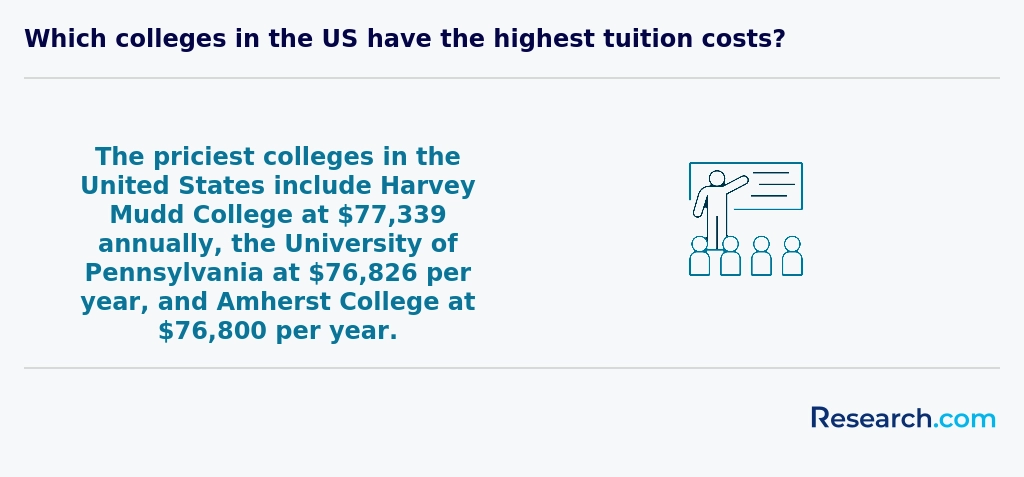
When evaluating an online degree versus a traditional on-campus program in Baltimore, MD, it’s essential to consider factors such as flexibility, cost, academic rigor, and employer perception. Online degrees offer unparalleled scheduling freedom-students can attend lectures, complete assignments, and collaborate with peers at times that fit work and family commitments. Conversely, on-campus programs provide in-person access to labs, libraries, and networking events, which can benefit learners who thrive in structured environments. From a financial standpoint, online programs often reduce ancillary expenses like commuting, parking, and housing. In-state tuition for online courses in Baltimore can average around $24,444 per year, whereas traditional on-campus tuition may incur additional fees and living costs. However, certain on-campus experiences-such as hands-on laboratory work or studio access-can justify higher expenses for disciplines like engineering or fine arts. Academic quality and accreditation standards remain consistent across both modalities. Accredited institutions in Baltimore, such as Johns Hopkins University and Towson University, ensure that online and on-campus curricula meet the same learning objectives and faculty qualifications. Employers in the region increasingly recognize online credentials as equivalent to traditional degrees, particularly when graduates demonstrate comparable competencies through internships and capstone projects. For students aiming to complete their degree more quickly without compromising quality, accelerated pathways exist. Prospective students can explore Best Online Accelerated Bachelor’s Degrees to compare program lengths, credit transfer policies, and tuition structures. These accelerated options often blend synchronous and asynchronous coursework, enabling motivated learners to graduate sooner and enter the workforce with minimal delay. Ultimately, the decision between online and traditional study in Baltimore hinges on individual learning styles, professional goals, and personal responsibilities. By weighing flexibility, cost, academic integrity, and career outcomes, students can select the format that best aligns with their ambitions and lifestyle commitments.
Students pursuing online degrees in Baltimore frequently rely on a mix of federal aid, state programs, and institutional scholarships to ease their financial burden. Imagine a future graduate at Johns Hopkins utilizing the FAFSA to unlock Pell Grants up to $7,395, significantly offsetting tuition costs. This federal support remains a cornerstone, with nearly 85% of undergraduates nationwide applying each year to secure such assistance.
Looking ahead, Maryland's state-backed programs like the Howard P. Rawlings Educational Assistance Loan and the Educational Assistance Grant may evolve to better support part-time online learners at institutions like Towson University. Many graduates speak of how these low-interest loans and need-based grants lightened their load, making online study more accessible.
Institutional aid also plays a critical role. Universities in Baltimore often offer merit-based scholarships geared toward strong academic performers, while community-focused grants provide vital support to underrepresented students. Envision a student at Loyola University benefiting from such targeted awards, combining institutional and private foundation funds for a well-rounded financial aid package.
As online programs generally cost less than on-campus options, this diverse aid landscape promises to evolve with technology, offering Baltimore students more pathways to affordable education tomorrow.
Online degree programs in Baltimore, MD, offer a rich variety of specializations designed to meet local workforce demands and national industry trends. Whether you seek to advance in healthcare, technology, business, or the arts, Baltimore’s institutions provide targeted curricula that align with regional economic strengths. Healthcare and Public Health – Master of Public Health (MPH) with concentrations in Epidemiology, Health Policy & Management, and Community Health – Nursing specializations such as Nurse Educator and Clinical Nurse Leader – Health Services Administration focusing on hospital management and healthcare informatics Information Technology and Data Science – Cybersecurity and Network Security, preparing graduates for roles in threat analysis and systems protection – Data Analytics and Business Intelligence, emphasizing data visualization and predictive modeling – Software Development with special tracks in Full-Stack Web Development and Mobile Applications Business and Management – MBA concentrations in Finance, Marketing, and Supply Chain Management – Human Resource Management and Organizational Leadership – Entrepreneurship and Innovation, ideal for those aiming to launch startups or drive corporate change Education and Instructional Design – Curriculum Development and Instructional Technology for K–12 and higher education – Special Education and Inclusion Strategies – Adult Learning and Workforce Training, blending pedagogical theory with practical application Arts, Design, and Communication – Digital Media and Graphic Design, covering UX/UI and multimedia production – Fine Arts with interdisciplinary electives in studio practice, curation, and arts administration – Strategic Communication and Public Relations For students seeking to accelerate their studies, additional options can be found by exploring colleges with fast track programs, which offer condensed courses and year-round sessions to help you complete your specialization in less time without sacrificing academic rigor.
Enrolling in an online degree program in Baltimore typically means meeting foundational prerequisites like holding a high school diploma or GED for undergraduate studies, while graduate programs usually require a bachelor's degree from an accredited institution. Many Baltimore-area graduates from Johns Hopkins University or Towson University have shared how submitting official transcripts and maintaining a GPA around 2.5 helped them feel confident and welcomed in their programs. Increasingly, standardized tests such as the SAT are optional, reflecting a trend toward accessibility that resonates with students balancing work and family life.
Technical readiness is another vital aspect-students often recount how having reliable internet and being comfortable navigating platforms like Blackboard or Canvas made their learning more enjoyable and seamless. Residency verification also influences tuition rates, with Maryland residents benefiting from notably lower costs. Many Baltimore students appreciate this financial advantage as they manage budgets while pursuing their dreams remotely. As institutions adapt, these prerequisites continue evolving, blending rigor with flexibility to support diverse learner experiences.
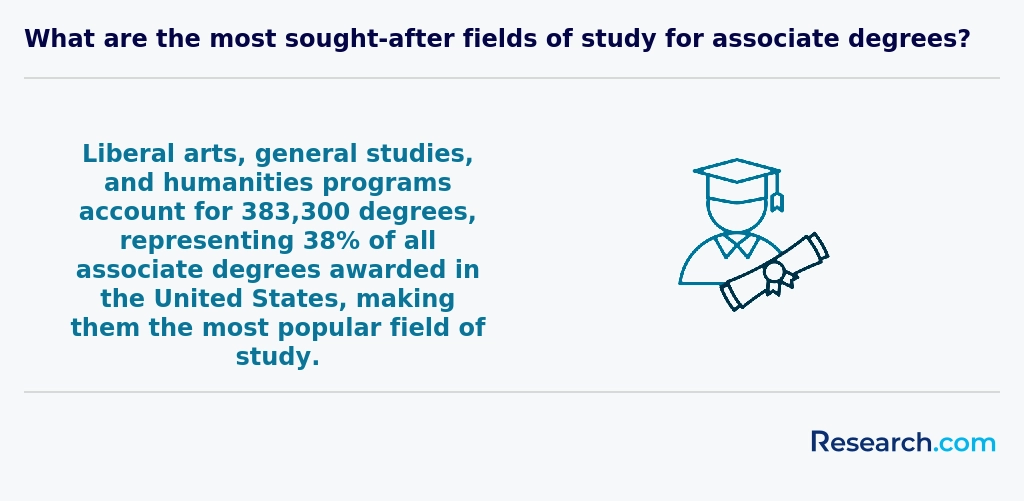
One crucial element often overlooked in discussions about online degree programs is the practical advice and resources available to help students succeed throughout their academic journey. Whether you’re just starting your online education or already enrolled, implementing effective strategies can vastly improve your learning experience and career readiness. Begin by establishing a dedicated study area free from distractions, which will help maintain focus during virtual classes. Creating a structured schedule that balances study time, work responsibilities, and personal commitments is essential; using digital calendars or productivity apps can help you stay on track. Networking plays a pivotal role in online education-actively participate in discussion forums, virtual study groups, and campus events to build relationships with peers and professors. Moreover, make full use of available resources, such as academic advising, career services, and online tutoring. These support systems not only enhance your understanding of the material but also prepare you for real-world challenges and professional opportunities. For instance, many students benefit from exploring programs offered by affordable online general schools in maryland, which provide flexible learning environments paired with comprehensive student support systems. Lastly, self-care remains a vital component of success; ensure you incorporate regular breaks, exercise, and mindfulness practices into your routine to maintain both mental and physical well-being. Embracing these strategies will empower you to navigate the demands of online education effectively and position yourself for academic and professional success.
Online degree programs in Baltimore commonly include foundational courses in English composition, mathematics, natural sciences, and social sciences, equipping students with essential skills in critical thinking and communication. Graduates from institutions like Towson University often share how these courses built their confidence, making complex concepts approachable during their transition to specialized fields.
Specialized coursework in business, health sciences, IT, education, criminal justice, and social sciences reflects Baltimore's diverse academic strengths. For example, students at the University of Baltimore find courses in marketing, cybersecurity, or forensic science engaging and relevant to local industry demands. Such programs blend theory with practical projects, enabling learners to apply knowledge in real-world scenarios, an aspect praised by many while balancing affordable online courses Baltimore offers.
As workforce needs evolve, Baltimore's online programs adapt by integrating emerging trends like data analytics and healthcare informatics, helping students stay competitive. Many graduates also explore high paying 4 year degrees to maximize career potential while studying flexibly from home or work.
Choosing the best online degree program in Baltimore often hinges on flexibility and personal fit. Graduates from the University of Maryland Global Campus frequently share how programs tailored for working adults allowed them to balance jobs and family while progressing at their own pace. With an emphasis on affordable online degree programs in Baltimore, these institutions offer options like asynchronous courses and part-time schedules, enabling students to learn without disrupting their routines.
Many find value in programs that provide strong student support services-dedicated advising and tech help make a difference when tackling coursework remotely. Baltimore's leading universities focusing on such support help students feel connected even from a distance, which matters greatly for those juggling various responsibilities.
Looking ahead, emerging trends suggest more online degree programs in Baltimore will integrate competency-based learning, offering accelerated paths tailored to individual skills. For those exploring options, considering programs like the Best Online Accelerated Bachelor's Degrees can lead to faster completion and better career outcomes.
When comparing the best online colleges in Baltimore MD, prospective students should also evaluate the reputation and measurable outcomes, such as graduation rates and job placement, to ensure they invest in programs that truly deliver on their promises.
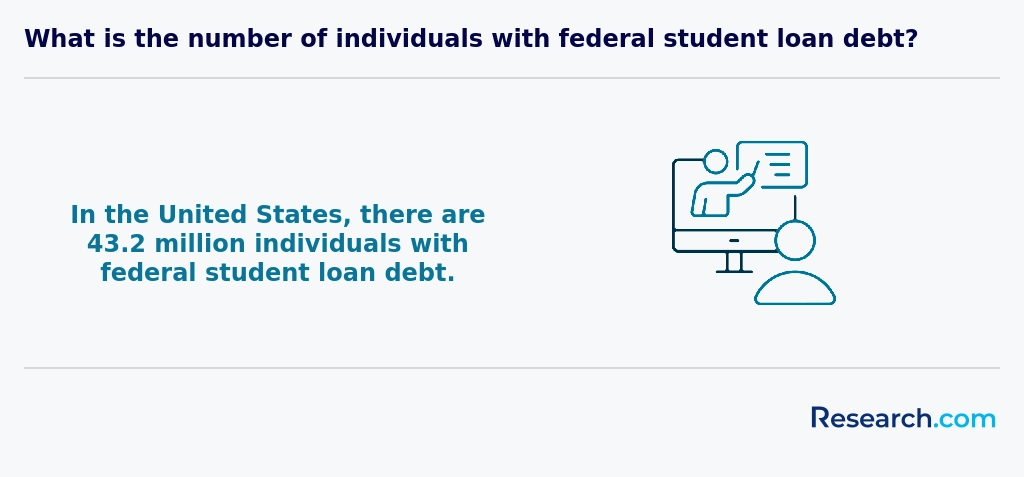
Online degree career opportunities Baltimore are rapidly expanding across dynamic sectors such as healthcare, technology, business, and education. Graduates from Johns Hopkins University or the University of Baltimore often share how flexible online nursing or health administration programs prepared them to thrive in Baltimore's robust healthcare market, where demand is expected to grow significantly in the coming decade. Similarly, graduates with degrees in computer science from local institutions envision futures as cybersecurity analysts or software engineers, benefiting from Baltimore's booming tech landscape driven by startups and government projects.
Job prospects for Baltimore online graduates in business fields are equally promising. Alumni note that degrees in business administration obtained online paved the way for roles in financial analysis and marketing within the city's thriving corporate environment. Education-focused graduates highlight the unique opportunity to blend online learning with local certification programs, allowing them to lead and innovate in Baltimore's urban school systems.
Many online students explore specialized paths such as social work or public administration, reflecting Baltimore's strong community service needs and governmental roles. For those looking to accelerate their education, Baltimore offers several colleges with fast track programs that align with evolving job markets and help graduates seize emerging career trends.
Graduates with online general degrees in Baltimore find a dynamic job market that increasingly values flexible learning paths combined with practical skills. Many who studied at popular institutions like the University of Baltimore or Johns Hopkins University report engaging smoothly with roles in healthcare administration, technology, or government sectors. This positive trend reflects the growing acceptance of online credentials by local employers, aligning well with Baltimore's evolving demand for tech-savvy and adaptable professionals.
Those exploring the job outlook for online degree graduates in Baltimore benefit from the city's diverse economy, especially as sectors like cybersecurity and health administration expand. Graduates often share how networking through university career services and local professional groups has unlocked unexpected opportunities, turning virtual connections into real-world jobs.
For students considering flexible education options, there is optimism bolstered by success stories of others balancing work and study while gaining credentials that local hospitals, schools, and government offices recognize. Prospective learners may also explore rankings such as the Most Affordable Online Colleges Programs Ranking in Nebraska for affordable pathways before focusing on Baltimore's unique employment landscape.
Baltimore online degree graduate employment opportunities continue to grow as the city embraces digitalization and values the applied learning approach that many online programs emphasize, paving the way for a promising future.
2027 Most Affordable Online Colleges Programs Ranking in Baltimore, MD
Investing in your education is a significant decision that can shape your future, and the Research.com team is committed to helping you make informed choices. To support prospective students in Baltimore, we have carefully developed the "2027 Most Affordable Online Colleges Programs Ranking in Baltimore, MD." Our dedication to quality, credibility, and accuracy is demonstrated through rigorous research and thorough analysis to produce a trustworthy ranking.
We utilized the following reputable data sources to ensure a comprehensive evaluation of affordable online college programs:
By exploring this ranking, readers will gain valuable insights into the most affordable and quality online college programs in Baltimore, helping them make confident decisions about their educational investments. For more information on how this ranking was created, please visit our Research.com methodology page.

# 7 position
University of Maryland-Baltimore County
Master of Teaching English to Speakers of Other Languages (TESOL)

# 9 position
University of Maryland, Baltimore
Master of Health Science

# 10 position
University of Maryland, Baltimore
Registered Nurse to Master of Science in Nursing
Frequently Asked Questions
Students in Baltimore can maximize their online learning experience by creating a structured daily schedule. Consistency helps manage coursework effectively and reduces procrastination. Baltimore's strong internet infrastructure supports seamless access to virtual classes and resources, which is crucial for uninterrupted study. Utilizing local libraries, such as the Enoch Pratt Free Library, provides a quiet study environment and access to academic materials.
Engaging with online discussion forums and virtual study groups encourages collaboration and deeper understanding. According to the Maryland Higher Education Commission, nearly 40% of Maryland college students participate in online classes, highlighting the importance of digital interaction. Additionally, seeking academic advising and technical support services offered by institutions ensures students stay on track with their degree progress.
After completing an online degree in Baltimore, preparing for the job market involves several focused steps. First, Baltimore's economy strongly supports healthcare, technology, and education sectors, which are key areas for job seekers. According to the Baltimore Regional Chamber of Commerce, networking within these industries increases employment chances significantly.
Graduates should actively engage with local job fairs and online platforms like BaltimoreWorks to access targeted listings. Additionally, obtaining industry-relevant certifications can enhance resumes and demonstrate practical skills beyond the online degree.
Finally, building soft skills such as communication and problem-solving through internships or volunteer roles improves employability in Baltimore's competitive job market.
Employers in Baltimore highly value graduates with strong communication and problem-solving skills. According to the Baltimore Workforce Development Report 2023, over 75% of local employers prioritize these abilities when hiring. Digital literacy is also essential, especially as online degrees often provide training in current technologies.
Critical thinking and adaptability are frequently cited skills, reflecting the dynamic industries in Baltimore, including healthcare, cybersecurity, and finance. The Maryland Department of Labor highlights that graduates who demonstrate teamwork and time management excel in this competitive job market.
In addition, foundation knowledge in data analysis is increasingly important, as Baltimore's economy grows more tech-driven. These skills collectively boost a graduate's employability in the region's evolving workplace.
Finding internships in Baltimore requires a targeted approach combining local resources and online tools. Start by exploring Baltimore's robust industries such as healthcare, education, and technology, which frequently offer internship opportunities. The Baltimore City Office of Employment Development provides listings and support for students seeking internships in the city.
Online platforms like Handshake and LinkedIn also feature Baltimore-based internships, often posted by local universities and companies. Baltimore's proximity to federal agencies and nonprofits adds valuable options for hands-on experience.
Networking with professors and career advisors from your online degree program can connect you with Baltimore-area employers. According to the Maryland Department of Labor, internships remain a key pathway to gaining employment in the region.
In Baltimore, holding an online degree can significantly enhance career mobility and advancement. According to the U.S. Bureau of Labor Statistics, jobs requiring at least a bachelor's degree are projected to grow faster than average in Maryland, including Baltimore. Online degrees from accredited institutions offer flexible access to education, which helps working professionals gain credentials without interrupting their careers.
Employers in Baltimore increasingly recognize online degrees, especially those from local universities, as valid qualifications. Higher education attainment correlates with higher earnings; for instance, Maryland residents with a bachelor's degree earn about 40% more on average than those with only a high school diploma, according to the Maryland Department of Labor.
Additionally, many Baltimore industries such as healthcare, technology, and finance value continual learning, making online degrees a practical route to promotions and new job opportunities.
Choosing between a thesis and a non-thesis online degree program in Baltimore depends largely on your career goals and learning preferences. Thesis programs require conducting original research and preparing a formal document, which suits students aiming for academic careers or advanced research roles.
Non-thesis options focus on coursework and practical skills, appealing to professionals seeking to advance or change careers without the time commitment of a research project. According to the Maryland Higher Education Commission, Baltimore's universities offer a variety of both formats to accommodate diverse needs.
Consider also the time frame: thesis programs often take longer to complete, while non-thesis degrees can be faster and more flexible for working adults.
Students in Baltimore interested in studying abroad through online degree programs have several flexible options. Many Maryland institutions, including the University of Maryland Global Campus, provide online courses with international components, allowing learners to participate in virtual exchanges or international internships.
Traditional study abroad programs tied to Baltimore-area universities often include partnerships with foreign institutions, enabling students to earn credits remotely. According to Maryland's State Department of Education, close to 15% of local college students engage in some form of international study experience, either physically or online.
Additionally, global online degree programs can incorporate global case studies and collaborative projects with peers worldwide, broadening cultural exposure without travel. These options suit Baltimore students balancing work or family commitments with education.
Baltimore offers diverse part-time job opportunities that can complement your online degree education effectively. Roles in healthcare, such as medical assistants or administrative staff, align well with the city's strong healthcare industry, including the Johns Hopkins Hospital. According to the Maryland Department of Labor, healthcare jobs in Baltimore have grown by 6% in recent years.
Additionally, internships or assistant positions in local government or education sectors provide practical experience for fields like public administration or teaching. The city's expanding tech sector also offers roles in IT support, data entry, or digital marketing that pair well with business or technology degrees. These jobs help build relevant skills while earning income.
Baltimore's online students benefit from a variety of networking opportunities despite studying remotely. Many local universities provide virtual events, workshops, and career fairs specifically for online learners to connect with peers and regional employers.
The Greater Baltimore Committee and Baltimore/DC Tech Council often host industry meetups and webinars accessible to students, fostering valuable professional connections. According to the Maryland Department of Labor, Baltimore's job market is growing in sectors like healthcare and IT, which aligns with many online degree fields.
Additionally, online programs often include access to alumni networks and mentorship, helping students gain insights from experienced professionals within Baltimore's vibrant business community.
Alumni networks provide significant benefits for online degree students in Baltimore by offering valuable professional connections and career support. These networks often include thousands of graduates from local institutions such as the University of Baltimore and Johns Hopkins University. According to the Maryland Higher Education Commission, active alumni groups help students access internships, job opportunities, and mentorship programs tailored to Baltimore's job market.
Many Baltimore alumni associations host virtual events and webinars, making it easier for online students to engage regardless of location. Studies show that alumni referrals can increase employment chances by up to 20%, a crucial factor for students entering Baltimore's competitive industries like healthcare and technology.
Through these networks, students build relationships that often lead to collaborative projects and lifelong professional growth.
Customizing an online degree program in Baltimore allows students to align their education with specific career goals. Many Maryland-based institutions offer flexible course selections and concentrations that cater to local industry needs, such as healthcare, cybersecurity, and business management. Students can often choose electives, minors, or certificates that complement their major, enhancing job marketability.
Advisors at these schools help tailor course plans based on individual professional aspirations. According to the Maryland Higher Education Commission, institutions in Baltimore increasingly prioritize experiential learning and internships, which provide practical skills directly applicable in the city's job market.
Online students in Baltimore commonly face challenges related to balancing commitments. Many are working adults who must juggle coursework with jobs and family responsibilities, which can lead to increased stress and time management difficulties.
Access to reliable high-speed internet remains a concern for some Baltimore residents, especially in underserved neighborhoods where connectivity can be inconsistent. According to the Federal Communications Commission, about 16% of Baltimore households lack broadband access, complicating participation in synchronous classes.
Another challenge is the sense of isolation experienced by online learners. Without in-person interaction, students might miss networking opportunities and peer support, which can affect motivation and academic success.
Finally, navigating financial aid options and understanding out-of-state tuition policies for online programs may also confuse Baltimore students seeking affordable education pathways.
Writing a winning application for a college or university program in Baltimore begins with thorough research. Understand each school's admission requirements, especially for online degrees, as criteria can vary widely. Baltimore's higher education institutions, including the University of Maryland Global Campus, emphasize clear communication of your goals and relevant experience.
Be sure to highlight your connection to Baltimore when relevant, as some programs may prefer local applicants. Use strong personal statements that align with program values and demonstrate your commitment to educational and career growth. According to Baltimore's Education Research Commission, personalized applications increase acceptance odds. Carefully proofread to avoid errors, and submit all required documents on time to present a professional impression.
Gaining practical experience while studying online in Baltimore is achievable through several key strategies. Many Baltimore institutions encourage students to pursue internships or cooperative education programs, which combine academic learning with hands-on work. For example, local employers often partner with schools to offer remote or in-person internships, especially in growing sectors like healthcare and technology.
The Maryland Department of Labor reports that Baltimore hosts over 30,000 job openings annually, providing ample real-world opportunities for students. Students can also engage in virtual labs, project-based courses, or community service organizations affiliated with Baltimore universities, enhancing their applied skills.
Choosing the right concentration within an online degree program in Baltimore requires a clear understanding of your career goals and interests. Research local job market trends; Baltimore's growing industries include healthcare, technology, and education, which may influence demand for certain specializations. The Maryland Higher Education Commission reports that programs aligned with these sectors often offer better employment opportunities.
Consider the flexibility and curriculum of the concentration, ensuring it matches your learning style and schedule. Additionally, check if the program provides access to local internships or networking opportunities in Baltimore, as this can enhance practical experience and job prospects.
Compare concentrations across institutions for course quality, faculty expertise, and accreditation. Choosing a concentration with recognized credentials can significantly improve your career advancement in Baltimore's competitive job market.
- 2027 Most Affordable Online Colleges Programs Ranking in Adelphi, MD
- 2027 Most Affordable Online Colleges Programs Ranking in Washington, DC
- 2027 Most Affordable Online Colleges Programs Ranking in Philadelphia, PA
- 2027 Most Affordable Online Colleges Programs Ranking in Loretto, PA
- 2027 Most Affordable Online Colleges Programs Ranking in South Orange, NJ
- 2027 Most Affordable Online Colleges Programs Ranking in Newark, NJ
- 2027 Most Affordable Online Colleges Programs Ranking in New York, NY
- 2027 Most Affordable Online Colleges Programs Ranking in Norfolk, VA
- 2027 Most Affordable Online Colleges Programs Ranking in Virginia Beach, VA
- 2027 Most Affordable Online Colleges Programs Ranking in Morgantown, WV
- Internship Opportunities https://www.baltimorecity.gov/mima/work-with-us/internship-opportunities
- Which Degrees Offer the Best Career Mobility and Growth? https://collegedegree.school/which-degrees-offer-the-best-career-mobility-and-growth/
- How to Create Your Own College Major https://www.collegexpress.com/articles-and-advice/majors-and-academics/articles/choosing-major/how-create-your-own-college-major/
- How to Choose Your College Degree Based on Career Goals https://collegedegree.education/how-to-choose-your-college-degree-based-on-career-goals/
- No Cost Training Programs in Baltimore - Per Scholas https://perscholas.org/locations/baltimore/
- Internships https://baltimorecollegetown.org/student-opportunities/internships
- For students - Studyportals https://studyportals.com/for-students/
- State of Maryland Job Openings - State of Maryland https://jobapscloud.com/MD/
- Are Online Degrees The Same As Traditional Degrees? - Intelligent https://www.intelligent.com/best-online-degrees/are-online-degrees-the-same-as-traditional-degrees/
- Home Away From Home: An International Student Guide to Baltimore https://shorelight.com/student-stories/home-away-from-home-an-international-student-guide-to-baltimore


