2027 Easiest Online Colleges Programs Ranking in Montana

Co-Founder and Chief Data Scientist
Choosing the right online college program in Montana can feel overwhelming, but it doesn't have to be. This article shares the 2027 Easiest Online Colleges Programs Ranking in Montana, developed by the Research.com team of data scientists to guide you toward programs that are accessible and worthwhile.
By exploring this ranking, you'll gain valuable insight to make informed decisions about your education journey. Earning a degree opens doors to new opportunities and personal growth, and this guide helps simplify your path to success.
Key benefits of getting online degrees in Montana
- Graduates in Montana with a bachelor's degree earn a median salary of $55,000, while those with a master's often see increases up to $75,000, showing higher degrees can boost earnings significantly.
- An online graduate from the University of Montana's business program entered a growing management career, showcasing how flexible online degrees lead to rewarding opportunities.
- Online degrees from Montana State University allowed graduates to balance work and study efficiently, often finishing faster and saving money compared to traditional programs.
- 2027 Easiest Online Colleges Programs Ranking in Montana
- What can I expect from online degrees in Montana?
- How much can I make with online degrees in Montana?
What can I expect from online degrees in Montana?
When enrolling in an online degree program in Montana, expect flexibility that fits your busy life. Many students at Montana State University and the University of Montana find that asynchronous courses let them study on their own schedules, whether working full-time or managing family responsibilities. You can access lectures, assignments, and discussions anytime, which eases stress and keeps learning manageable.
Graduates often mention feeling connected despite the distance thanks to regular interaction through virtual meetings and discussion boards. Programs in fields like nursing, business, and computer science mirror the rigor of on-campus classes, ensuring your degree holds strong credibility across Montana and beyond.
Tuition is typically more affordable for Montana residents, and financial aid options are widely available. Benefiting from programs like the Western Undergraduate Exchange also helps many reduce costs if you're coming from another western state. In all, expect a practical, respected education designed to empower you right where you live.
How much can I make with online degrees in Montana?
With an online degree in Montana, graduates can realistically expect earnings that match the state's economic landscape. Holders of bachelor's degrees, such as those from the University of Montana or Montana State University, generally earn about $58,000 annually, reflecting local industry demands and living costs.
Associate degree graduates, like those from Flathead Valley Community College's online programs, typically start around $40,000 a year. Graduate degree holders often surpass $70,000, particularly in fields like healthcare or business, where advanced credentials open doors to higher-paying roles.
For example, healthcare graduates entering roles as registered nurses-highly sought after across Montana-earn about $65,000 on average, with specialization bringing even more. Meanwhile, tech graduates from Montana State's online computer science programs often report salaries between $50,000 and $80,000, reflecting the growing IT sector in cities like Bozeman and Missoula.
When planning your online education in Montana, consider these salary benchmarks as a guide, knowing many graduates quickly find rewarding positions that balance income and Montana's quality of life.
- Montana offers accredited online degree programs at associate, bachelor's, and graduate levels through public universities like the University of Montana and Montana State University.
- In-state tuition for online undergraduate programs typically ranges from $7,000 to $10,000 per year, making it more affordable than many other states.
- Online master's degree tuition generally costs between $9,000 and $12,000 annually, depending on the program and institution.
- Graduates in Montana earn an average starting salary of about $42,000 per year, with potential increases to $60,000 within five years, especially in healthcare and IT fields.
- The state has a low unemployment rate and less competition for specialized jobs due to its smaller population, benefiting online degree holders.
- Online education is particularly useful for students in remote areas and working adults needing flexible schedules.
Completing an online degree in Montana typically takes about two years for an associate degree and around four years for a bachelor's degree when studying full-time. Graduates from Montana State University and the University of Montana often share how balancing life and classes became manageable thanks to the flexible pace of these programs.
Many students in Montana choose part-time study or take advantage of accelerated options offered by local universities. For instance, some have completed their bachelor's degrees in as few as 2.5 to 3 years by transferring credits from community colleges and enrolling in self-paced courses. This practical approach lets you tailor your timeline without sacrificing quality.
Transfer credits can significantly reduce your study time-graduates credit this for helping them finish earlier while reducing costs. The academic calendars at Montana's public universities follow semester or quarter schedules, so check these carefully to plan your course load effectively.
Choosing between online and on-campus degrees in Montana largely comes down to your lifestyle and location. On-campus programs at schools like the University of Montana offer direct access to professors, campus resources, and social events, which graduates often say helped them build networks and stay motivated.
However, many Montana students from places like Missoula or rural areas find online degrees practical because they avoid long commutes and can balance studies with work or family. Online programs from these universities deliver the same accredited curriculum digitally, so you get equivalent credentials without relocating.
For instance, a working parent pursuing an online degree at Montana State University appreciated the flexibility to study after putting their kids to bed, a scenario impossible with fixed class times. Meanwhile, graduates on campus mention the benefit of hands-on labs and face-to-face discussions that deepen understanding.
Costs also differ slightly: online students often save on housing and travel, making education more affordable across Montana's vast distances. Both paths offer quality education-your choice depends on how you want to integrate studies into your daily routine.
The average cost of an online degree in Montana varies depending on whether you are an in-state or out-of-state student and the level of degree pursued. For many residents, the typical in-state total cost for completing a degree online is around $27,602, making it a practical and affordable option compared to national figures. Out-of-state students usually see higher costs, with median totals closer to $24,991, yet Montana's public universities remain competitively priced.
Graduates from popular programs at the University of Montana and Montana State University frequently report satisfaction with the value of their online education. For instance, undergraduates often pay roughly $8,200 to $9,000 annually when they take online courses, staying well within their budgets while balancing work and family commitments. Those pursuing graduate degrees can expect slightly higher tuition per credit, but many appreciate the flexibility and the reasonable costs that keep returning to classes manageable.
Many students searching for cost-effective options rely on Montana's online college tuition fees Montana to make informed decisions. These fees typically include only tuition, so it's wise to budget a bit extra for technology fees or materials. For learners considering trade-focused online education, exploring top vocational colleges online can often provide affordable, practical pathways while keeping overall expenses low.
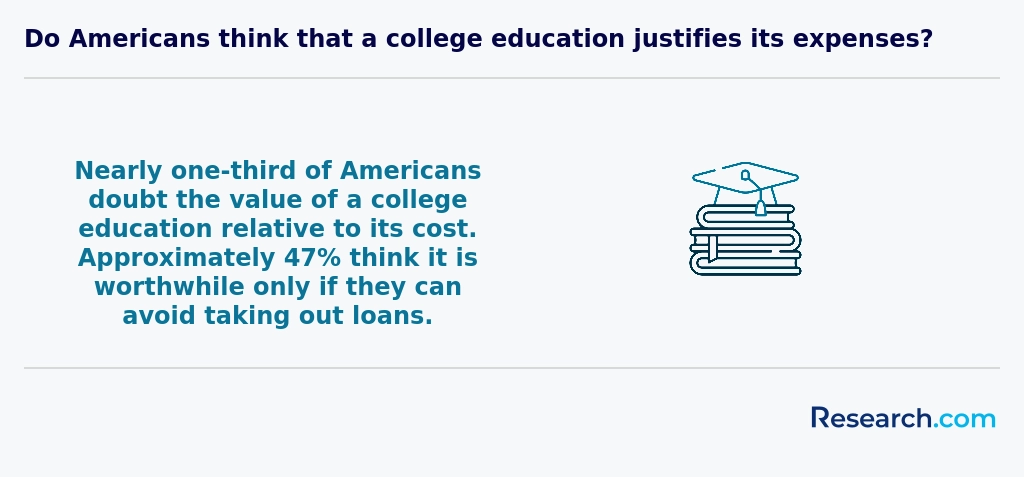
If you're pursuing an online degree in Montana, start by applying for federal aid through the FAFSA each year. Many Montana students receive Pell Grants, which can cover up to $7,395 of your tuition-money you don't have to pay back. For example, graduates from the University of Montana often mention how Pell Grants eased their financial burden, allowing them to focus on coursework instead of debt.
State-based aid is another key resource. The Montana University System offers grants and scholarships designed for residents, such as the Postsecondary Educational Opportunity Grant. These help low- and middle-income students and can significantly lower tuition costs at schools like Montana State University. Several online students have successfully used these awards to reduce out-of-pocket expenses.
Your college's financial aid office is also invaluable for uncovering institutional scholarships. Both the University of Montana and Montana State University reward academic achievement and leadership, giving online learners added financial support. Beyond that, explore employer tuition assistance if you're working, as well as veterans benefits if applicable.
Securing financial aid in Montana is a practical step-by-step process: complete the FAFSA, apply for state grants, check your institution's scholarships, and consider employer or military programs. Graduates consistently report relief and motivation when combining these resources, making online study more affordable and accessible.
To enroll in an online degree program in Montana, start by ensuring you have a high school diploma or GED for undergraduate studies. Graduates from universities like the University of Montana often recall that submitting official transcripts early sped up their applications. If you're applying for graduate programs, such as those offered by Montana State University, prepare your bachelor's degree documents along with recommendation letters and a statement of purpose. Many found that clearly outlining their work experience helped admissions committees see their potential.
Test scores like the ACT or SAT may not be necessary, as many Montana colleges have adopted test-optional policies, but be ready to provide them if requested. International students remember the relief of submitting TOEFL scores to prove English proficiency unless they completed prior education in English.
Lastly, understand financial requirements. Online undergraduate tuition averages around $7,000 annually, which graduates appreciated when budgeting. Montana residents often benefit from in-state tuition and state aid programs, making the process more affordable and manageable.
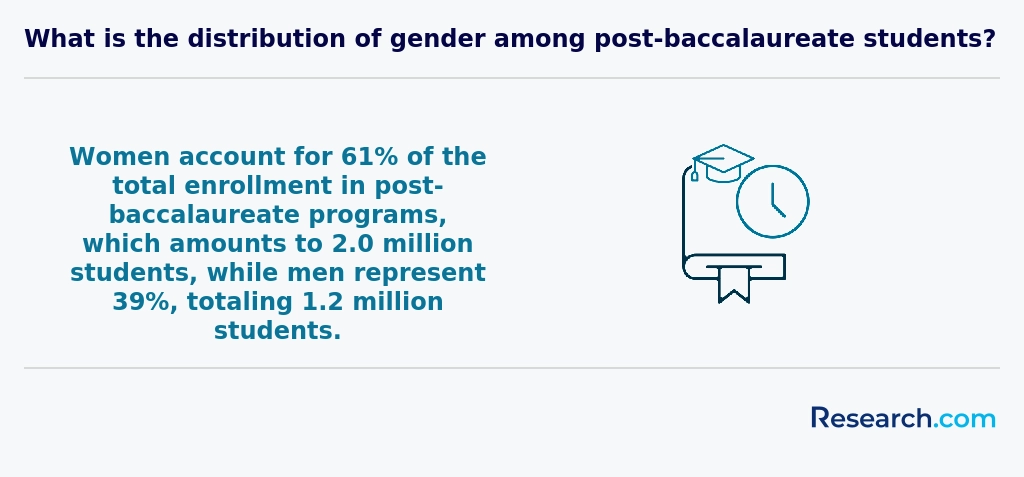
Typical courses in online degree programs in Montana reflect practical needs aligned with the state's job market. Graduates from Montana accredited online colleges courses often highlight classes in healthcare, including anatomy and public health, which prepare them for local demand in hospitals and clinics. Business degree students regularly take foundational courses like accounting and marketing, which equip them for roles in Montana's agriculture and tourism industries.
Education programs focus on curriculum development and classroom management, helping future teachers meet K-12 licensing requirements. Those pursuing technology degrees encounter courses in programming and cybersecurity, responding to Montana's growing digital infrastructure. General education courses such as English composition and mathematics serve as a foundation, building critical thinking and communication skills for any career path.
Many students appreciate how these courses fit into their busy lives, balancing work or family while advancing their education through trusted Montana online programs. For those considering faster routes to career improvement, some also explore certifications that pay well, which complement their degree studies by providing targeted credentials.
Start by confirming the program's accreditation, especially from agencies like the Northwest Commission on Colleges and Universities (NWCCU), which validates quality and eases credit transfers. Graduates from Montana State University and the University of Montana often praise their programs' credibility, which boosted their career prospects. Next, align your choice with your career goals: these schools offer strong degrees in fields like nursing and environmental science, making them practical options for students focused on growth in those areas.
Consider affordability carefully. Many students find that Montana's in-state tuition rates around $7,500 annually make these affordable online colleges in Montana a smart investment, but always check if extra fees apply. A graduate balanced full-time work and family because the flexible scheduling met their hectic lifestyle needs without sacrificing educational quality.
Look for programs with supportive faculty experienced in online teaching, as well as robust student services like tutoring and career counseling. Reading reviews and alumni feedback helps reveal hidden strengths or challenges. For a deeper dive, explore lists of nationally accredited online colleges to ensure your choice stands out for quality and support.
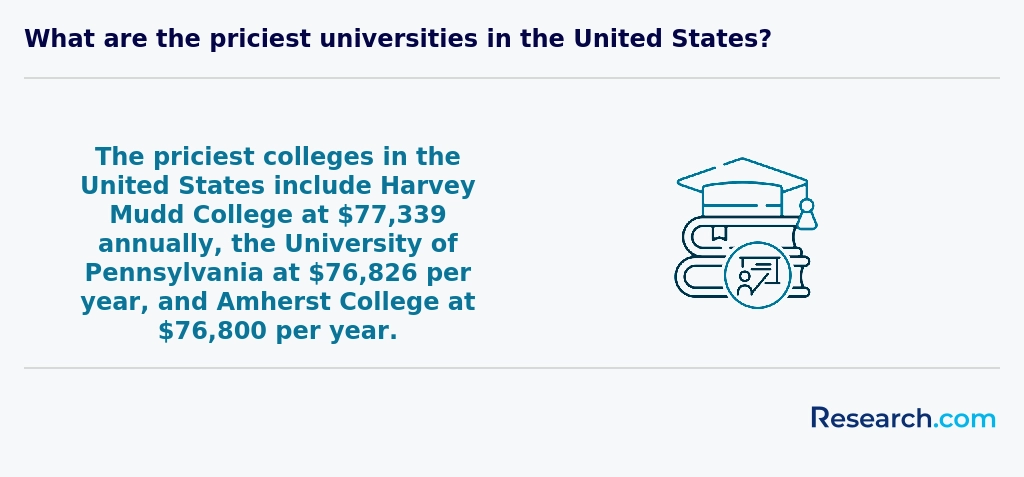
Graduates earning online degrees in Montana have practical career paths in healthcare, IT, education, business, and public administration to explore. For instance, those completing nursing programs at universities like the University of Montana connect directly to Montana's growing healthcare needs, bolstered by the state's aging population. Many graduates feel confident stepping into roles such as registered nurses or healthcare administrators knowing the median salary reflects strong demand.
Online degree career opportunities in Montana also extend to the technology sector. Graduates from Montana State University often find jobs as software developers or cybersecurity analysts, advancing statewide digital initiatives. Similarly, education graduates from institutions offering online teaching credentials frequently secure positions in local schools, especially in special education or leadership roles, which fit well for working adults balancing family and career.
Business and public administration online degree holders find steady employment managing small businesses or community services. Monterey graduates report satisfaction working in project management or government roles, appreciating the flexibility that online study provides. Many also explore the best jobs for introverts to identify roles suited to their strengths in Montana jobs for online college graduates.
The job market for online degree graduates in Montana is steadily growing, especially for those with flexible and general degrees that can apply across industries. Graduates from institutions like the University of Montana or Montana State University often find entry points in healthcare, education, and technology sectors-key areas in the Montana employment outlook for online graduates. For example, nurses with online degrees frequently land roles in thriving healthcare facilities, while tech graduates join startups in rapidly expanding cities like Bozeman or Missoula.
Many online graduates report that Montana employers increasingly recognize regional accredited degrees, which helps when competing for positions locally. Remote work is expanding in rural Montana, allowing online degree holders to access more opportunities without relocating. A graduate with a general business degree described how managing smaller firms' marketing remotely has become feasible partly due to this trend.
For those balancing work and study, it's wise to explore the best accelerated online degree programs for working adults offered by Montana's universities. These programs strengthen practical skills while maintaining flexibility, key for entering Montana's job market for online degree job opportunities Montana and building a successful career.
2027 Easiest Online Colleges Programs Ranking in Montana
Investing in your education is a significant decision that can shape your future, and the Research.com team understands the importance of making informed choices. To assist prospective students in Montana, we have meticulously crafted the "2027 Easiest Online Colleges Programs Ranking in Montana." Our commitment to quality, credibility, and accuracy is reflected in the extensive research and analysis conducted to compile this ranking.
We utilized the following reputable data sources to ensure a comprehensive evaluation of online college programs:
By exploring this ranking, readers will gain valuable insights into the easiest online college programs available in Montana, helping them make informed decisions about their educational paths. For more details on our methodology, please visit our Research.com methodology page.


# 8 position
Montana State University Billings
Master of Public Relations

# 9 position
Montana State University Billings
Master of Health Administration
# 10 position
Montana State University Billings
Bachelor of Health Administration
Frequently Asked Questions
Students in Montana can maximize their online learning experience by actively engaging with digital resources and campus support services. The University of Montana and Montana State University offer numerous tools such as virtual libraries and tutoring, which improve comprehension and retention. According to the Montana University System, about 30% of students enroll in at least one online class, highlighting the growing acceptance and effectiveness of remote education.
Time management is crucial; establishing a consistent study schedule helps maintain focus and meet deadlines. Additionally, participating in online forums and group projects builds connections and enhances understanding.
Reliable internet access is essential, and Montana's e-rate program supports improved broadband availability in rural areas, benefiting online learners. Utilizing these resources can significantly enhance academic success in the state's growing online education environment.
After completing an online degree in Montana, preparing for the job market involves strategic planning and leveraging local resources. Graduates should start by updating their resumes to highlight both their degree and any relevant practical experience gained online. Networking is essential; Montana's Department of Labor & Industry offers job fairs and workshops specifically aimed at recent graduates.
Understanding Montana's key industries-such as healthcare, agriculture, and technology-can help target job applications effectively. According to the U.S. Bureau of Labor Statistics, sectors like healthcare are projected to grow by over 13% in Montana through 2030, offering promising opportunities. Additionally, using platforms like MontanaWorks.gov connects graduates with local employers looking for qualified candidates.
Finally, consider obtaining certifications recognized in Montana's workforce to increase employability. Engaging with Montana-based professional groups or alumni associations can also provide valuable career support and mentorship.
Employers in Montana prioritize a combination of technical and soft skills in graduates. According to the Montana Department of Labor & Industry, critical thinking, communication, and teamwork are among the top soft skills desired. These are essential across industries such as healthcare, technology, and agriculture, which dominate the state's job market.
Technical skills vary by field but often include data analysis, computer literacy, and problem-solving. For example, the growing tech sector in Bozeman demands proficiency in software development and cybersecurity. Additionally, adaptability and a willingness to continue learning are frequently mentioned as crucial by Montana employers, reflecting a competitive and evolving job landscape.
Finding internships in Montana while pursuing an online degree involves utilizing local resources and statewide platforms. Many Montana colleges partner with businesses to offer virtual and in-person internships, particularly in sectors like agriculture, healthcare, and technology. The Montana Department of Labor & Industry website provides a job and internship search tool tailored to the state's markets. Additionally, platforms like Handshake, used by Montana's universities, connect students with employers offering paid internships. Networking through local chambers of commerce or professional groups can also uncover opportunities. According to the Montana University System, internships improve employment prospects for nearly 70% of students.
In Montana, earning an online degree can significantly enhance career mobility and advancement opportunities. According to the U.S. Bureau of Labor Statistics, workers with a bachelor's degree typically earn 64% more than those with only a high school diploma, a trend reflected in Montana's job market. Online degrees offer flexibility for working adults, allowing them to gain skills without leaving their current jobs.
Montana's growing industries, such as healthcare and technology, increasingly require higher education credentials, making online degrees valuable for promotion and salary growth. Data from the Montana Department of Labor shows that 30% of new jobs demand postsecondary education.
Employers in Montana tend to accept accredited online degrees similarly to traditional ones, especially from regional public universities. This acceptance helps online graduates compete for better positions and leadership roles statewide.
When choosing between a thesis and a non-thesis degree program in Montana, consider your career goals and learning preferences. Thesis programs typically require original research and writing, which prepare students for careers in academia, research, or advanced study.
Non-thesis programs often focus on coursework and practical skills, appealing to working professionals seeking faster completion and direct application in their careers.
Montana's online graduate programs, such as those at the University of Montana and Montana State University, offer both options. According to the Montana University System, about 40% of graduate students opt for thesis tracks, reflecting the importance of research experience here.
Review program requirements, time commitment, and faculty expertise before deciding.
Students based in Montana who pursue online degrees often explore study abroad opportunities through their home institutions. Many Montana colleges participating in the National Student Exchange (NSE) allow students to study at partner campuses in the U.S. and Canada for a semester or year, enabling international exposure without leaving the broader region.
Additionally, Montana universities sometimes have affiliations with global programs offering virtual exchange options. These integrate cross-cultural learning without the cost and logistics of physical travel.
For traditional study abroad programs, Montana students typically rely on partnerships arranged by flagship institutions like the University of Montana and Montana State University, which collaborate with universities worldwide.
Part-time job opportunities in Montana can effectively complement your online degree studies by offering practical experience and income. Sectors such as healthcare, education, and retail provide numerous roles suited to students' schedules. For example, the healthcare industry-including positions like medical assistants or pharmacy technicians-is growing, with Montana's healthcare employment expected to rise by 9.5% from 2020 to 2030 according to the Montana Department of Labor.
Education roles, such as teacher assistants or tutors, align well with education-related degrees. Additionally, Montana's tourism and outdoor recreation industries offer seasonal part-time jobs ideal for business or environmental science students. These roles enhance your resume and build local professional networks.
Online students in Montana have several opportunities to build professional networks despite the distance learning format. Many universities, such as Montana State University and the University of Montana, offer virtual career fairs and webinars connecting students with local and national employers. These events help students engage with industry professionals and explore internship possibilities.
Additionally, online students can join student organizations and professional groups affiliated with their institutions, which often hold networking events and panel discussions online. Montana's growing tech and healthcare sectors provide fertile ground for connections.
The Montana Board of Regents also supports statewide initiatives to enhance student engagement and workforce readiness, benefiting online learners statewide.
Alumni networks play a crucial role for online degree students in Montana by offering valuable connections and support. Graduates from Montana's universities often gain access to a broad community of professionals in various industries. This network helps with job referrals, mentorships, and internship opportunities, which are essential for career advancement.
According to the Montana University System, over 40,000 alumni remain actively engaged, promoting employment outcomes for current students. Many online programs encourage participation in alumni events, both virtual and in-person, allowing students to build relationships beyond the classroom.
Former students also share insights on local job markets, helping online learners align their education with Montana's economic needs. This community support significantly enhances the overall educational experience and future career prospects.
Customizing an online degree program in Montana typically involves selecting electives and concentrations aligned with your career goals. Many Montana universities, such as Montana State University and the University of Montana, offer flexible online degrees with various specialization options. According to the Montana University System, students can tailor coursework to match industries like healthcare, education, or business management.
Advisors often help online students design a study plan that fits professional objectives. Additionally, some programs allow credit transfers from relevant work experience or prior learning, accelerating degree completion. Exploring Montana's workforce trends can guide choices toward high-demand fields in the state.
Online students in Montana often face challenges related to internet access, as rural areas still experience limited broadband availability. According to the Federal Communications Commission, about 18% of Montana residents lack access to high-speed internet, which can impede timely participation in virtual classes.
Another common issue is balancing coursework with work and family obligations, particularly since many online learners are adult students managing multiple responsibilities. Additionally, some students report feeling isolated without in-person interactions and face difficulties in accessing campus resources remotely.
Financial concerns also affect Montana students, with tuition assistance programs varying widely between institutions, adding administrative complexity to enrolling and staying enrolled.
Writing a winning application for an online college program in Montana involves clear presentation and attention to detail. Start by thoroughly researching the program's requirements on official university websites such as the University of Montana or Montana State University.
Highlight your academic achievements and relevant experience, tailoring your personal statement to show how your goals align with the program's strengths. Montana institutions often emphasize community impact and commitment to local development, so incorporating these themes can strengthen your application.
Ensure all documents, including transcripts and letters of recommendation, are submitted on time. According to the National Center for Education Statistics, Montana has seen a steady increase in online enrollment, so competition is growing.
Proofread carefully to avoid errors, and consider contacting admissions counselors for guidance. Clear, organized, and honest applications improve your chances of acceptance in Montana's increasingly popular online degree programs.
Students pursuing online degrees in Montana can gain practical experience through several avenues. Many Montana universities have partnerships with local businesses and organizations, offering internships and cooperative education programs accessible to remote learners. These opportunities allow students to apply classroom knowledge in real-world settings. Additionally, Montana's Department of Labor and Industry provides resources to connect students with workforce training and apprenticeships, which are valuable for hands-on experience. In fields like healthcare and education, students often complete clinical or practicum hours at approved local sites. Engaging in volunteer work or joining professional associations in Montana also enhances practical skills alongside online coursework.
Choosing the right concentration within an online degree program in Montana starts with understanding your career goals and local job market demands. For example, healthcare-related concentrations are growing rapidly in Montana, with healthcare employment expected to increase by 21% through 2030, according to the Montana Department of Labor & Industry. This makes nursing or health administration strong options.
Consider also which concentrations align with Montana's key industries such as agriculture, education, and technology. Research programs offered by accredited Montana institutions to ensure quality and recognition of your degree.
Lastly, review course flexibility and support services since these factors impact success in online learning.
- 2027 Easiest Online Colleges Programs Ranking in Idaho
- 2027 Easiest Online Colleges Programs Ranking in North Dakota
- 2027 Easiest Online Colleges Programs Ranking in South Dakota
- 2027 Easiest Online Colleges Programs Ranking in Washington
- 2027 Easiest Online Colleges Programs Ranking in Nebraska
- 2027 Easiest Online Colleges Programs Ranking in Minnesota
- 2027 Easiest Online Colleges Programs Ranking in Colorado
- 2027 Easiest Online Colleges Programs Ranking in Iowa
- 2027 Easiest Online Colleges Programs Ranking in Wisconsin
- 2027 Easiest Online Colleges Programs Ranking in Kansas
- Online Colleges in Montana https://www.onlineschools.org/guides/montana/
- Montana State University Jake Jabs College of Business & Entrepreneurship Networking Night https://www.enterprisemobility.com/en/careers/connect-with-us/where-to-meet-us-at-recruitment-events/event.html/29760
- Special Report: 31 Hot Montana Jobs for 2025 - MT High Tech Business Alliance https://www.mthightech.org/news/special-report-31-hot-montana-jobs-for-2025
- Networking Events in Montana - Elevate Your Career | Eventbrite https://www.eventbrite.com/d/united-states--montana/networking/
- 10 Key Benefits of Part-Time Jobs for Students While Studying https://www.ue-amsterdam.com/blog/top-10-benefits-of-working-part-time-for-students-while-studying
- Alumni https://www.grizalum.org/
- Online Programs | MSU Northern https://www.msun.edu/academics/online.aspx
- Soft Skills Employers are Looking for in a Graduate https://www.law.ac.uk/resources/blog/soft-skills-employers-are-looking-for-in-a-graduate/
- Online Colleges in Montana | 25 Best Online Schools in MT https://www.onlinecolleges.net/montana/
- Thesis vs. Non-Thesis Master's Programs: Which is Right for You? https://potomac.edu/thesis-vs-non-thesis-masters/