
2027 Most Valuable Online Colleges Programs Ranking in New Hampshire

Co-Founder and Chief Data Scientist
Choosing the right online college program can be overwhelming, especially with so many options available. This article introduces the 2027 Most Valuable Online Colleges Programs Ranking in New Hampshire, created by the Research.com team of data scientists to guide you toward the best choices.
By exploring this ranking, you'll discover degree programs that offer strong value and career potential. Pursuing a degree can open doors to new opportunities, personal growth, and a brighter future. This article aims to make your decision easier and more confident.
Key benefits of getting online degrees in New Hampshire
- Graduates in New Hampshire with a bachelor's degree earn an average salary of about $63,000, while those with a master's degree can expect around $78,000, showing clear financial benefits as you advance your education.
- An online nursing graduate from the University of New Hampshire often finds rewarding career opportunities in local hospitals or healthcare centers, benefiting from the school's strong regional reputation and network.
- Choosing an online degree from Southern New Hampshire University allows flexible scheduling and the comfort of studying from home, which many graduates say helps balance work, family, and education more easily than traditional programs.
- 2027 Most Valuable Online Colleges Programs Ranking in New Hampshire
- What can I expect from online degrees in New Hampshire?
- How much can I make with online degrees in New Hampshire?
What can I expect from online degrees in New Hampshire?
When you choose an online degree in New Hampshire, expect a flexible setup that fits right into your busy life. Graduates from places like the University of New Hampshire often talk about how they loved being able to access lectures whenever they wanted-no rushing to class or missing work shifts. It's all about learning on your own time, which makes juggling family, jobs, or other commitments way easier.
Many programs use virtual classrooms and lively discussion boards that make you feel connected, even from home. If you need help, schools like Granite State College offer strong support services, from career advice to tech help, so you're never lost or on your own.
Plus, knowing that your degree is accredited by the New England Commission of Higher Education means employers take you seriously around New Hampshire and beyond. It's a solid investment in your future without having to leave the state or break the bank.
How much can I make with online degrees in New Hampshire?
If you're wondering how much you can make with an online degree in New Hampshire, here's the scoop. Graduates with a bachelor's degree from local schools like the University of New Hampshire or Southern New Hampshire University often land median salaries around $65,000 a year. That's about $15,000 more than someone with just a high school diploma in the state. Pretty sweet return on your investment, right?
Take business or tech grads, for example. Many report earning close to $70,000 or even over $80,000 annually, especially if they snag degrees in computer science or information technology. Nursing grads from New Hampshire universities also tend to pull in salaries north of $75,000, which is great news if you want to help your community and get paid well.
Even if you go for education or social sciences, with starting salaries around $45,000 to $55,000, graduates say they find rewarding jobs right here in New Hampshire's strong job market. So going online doesn't just open doors-it can boost your paycheck too!
- New Hampshire's public universities, including the University of New Hampshire, offer fully online bachelor's and graduate degree programs.
- Average tuition for in-state online undergraduate students is about $12,000 per year, while private institutions can charge over $25,000 annually.
- Graduates with bachelor's degrees earn an average starting salary of $45,000, with mid-career salaries rising to around $75,000.
- Growing industries like healthcare, IT, and business management provide strong job opportunities with a state unemployment rate near 2.5% in early 2024.
- Employers increasingly accept online degrees from accredited institutions, especially when combined with related work experience.
- Accreditation is vital for ensuring quality education and easier credit transfer within the US higher education system.
Wondering how long it takes to finish an online degree in New Hampshire? Well, it really depends on what you're aiming for and how you approach your studies. For example, many students at the Community College System of New Hampshire find they can wrap up their associate degree in about two years if they stick to full-time classes. It's flexible too-some go part-time while juggling work or family, which might stretch that out a bit, but it's doable.
On the bachelor's degree side, most online students at popular schools like Southern New Hampshire University expect around four years of full-time study. That said, some recent grads talked about accelerating their path by taking extra courses or year-round terms, finishing sooner than they thought. For master's degrees, folks often take anywhere from one to three years depending on how busy life is and if they're studying part-time.
The great thing about New Hampshire's online programs is how they accommodate real life-you can work, take care of family, and study at your own pace without feeling overwhelmed.
If you're thinking about getting a degree in New Hampshire, deciding between online and on-campus programs really comes down to how you want to learn and live day-to-day. Imagine a student at the University of New Hampshire who enjoys the buzz of campus life-chatting with professors after class, hitting the library, or joining clubs on a busy Friday night. That traditional experience is great for building friendships and networking in person.
On the flip side, a graduate from Southern New Hampshire University might tell you how online classes saved them time and stress. They could juggle work, family, and school without a commute, catching lectures in their pajamas whenever it fit their schedule. This flexible setup makes it easier for many Granite Staters to balance life while earning their degree.
Both options offer solid education, especially since New Hampshire's accredited schools keep quality tight. Plus, online students often save on housing and travel costs, which can really add up around places like Keene State College or Plymouth State. So, whether you're into the campus vibe or the freedom of learning at home, New Hampshire's got you covered.
If you're wondering about the average cost of an online degree in New Hampshire, you're looking at around $31,140 as a median total expense. This figure reflects a pretty fair balance between in-state and out-of-state tuition, with residents often paying closer to $26,690 and those from out of state around $29,410. Many graduates from local schools like the University of New Hampshire have shared how they appreciated the quality of online courses, especially knowing the tuition prices were competitive and sometimes even lower than expected for such reputable programs.
For students eyeing New Hampshire online college degree expenses, it's not just about tuition. Enrollment and technology fees do add up but often get offset by savings on commuting and housing costs. Imagine avoiding the daily drive or dorm fees while still getting access to great professors and solid course materials. Those pursuing degrees online often mention how much more manageable it feels to juggle work and study without the extra costs piling on.
Financial aid also plays a big role here. Plenty of students find scholarships and grants specifically tailored for New Hampshire residents, which makes the idea of affordable online education way more realistic. If you want to check which schools are offering standout programs, the list of top colleges online is a great place to start exploring your options.
If you're going for an online degree in New Hampshire, there's plenty of financial aid to help make it affordable. Most students start by filling out the FAFSA, which opens doors to federal grants like the Pell Grant-offering up to $7,395 for the 2023-2024 year. Many graduates from the University of New Hampshire found this especially helpful in covering costs beyond tuition.
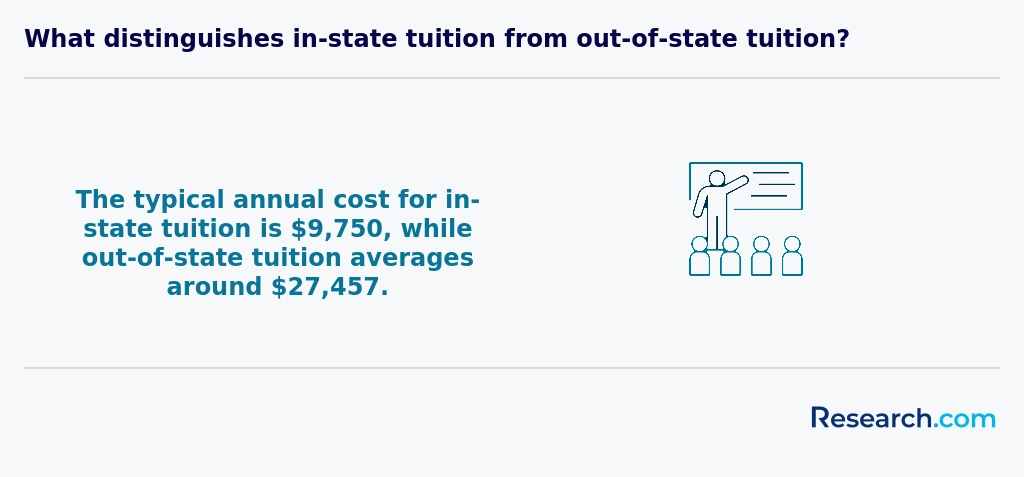
On the state side, New Hampshire's Tuition Break program is a game-changer. It lets residents pay in-state rates even for online classes, which is a huge relief since out-of-state tuition can hit around $30,000 a year. For example, students at Granite State College have shared how this program made continuing their education possible without breaking the bank.
The state also has grants through the Higher Education Assistance Foundation, which helped some graduates ease their tuition bills by thousands each year. Plus, many colleges here offer their own scholarships and military discounts along with flexible payment plans, making budgeting way less stressful.
Just remember, staying on top of deadlines and maintaining good grades is key to keeping this aid coming. Lots of students say the support feels like a real weight lifted off their shoulders!
If you're thinking about jumping into an online degree program in New Hampshire, there are a few key things you'll want to have in place. First up, nearly all programs expect you to have a high school diploma or something equal, like a GED. For example, graduates from UNH often say sending in their official transcripts from high school really helped smooth the admission process. If you're aiming higher, like a graduate degree from Dartmouth or another local college, having your bachelor's degree from an accredited school is a must, and some programs might ask for GRE or GMAT scores-though many have relaxed those rules lately.
International students, or anyone who didn't study in English-speaking settings, usually need to prove their English skills with tests like TOEFL or IELTS. But plenty of folks share that if you've been through school in the U.S., these can sometimes be waived, which is a relief! Beyond academics, many programs want you to show who you are through recommendation letters or personal statements-kind of like telling your story and showing your drive, just like recent graduates from SNHU have highlighted as a game-changer.
And don't forget technology basics! Having solid internet and a reliable device is crucial because online classes move fast. Local students often mention how knowing these tech requirements in advance helped them stay relaxed and focused all semester long.

If you're checking out online degree courses in New Hampshire, you'll find that they usually kick off with a solid mix of general education classes. These courses are the foundation-think English composition to sharpen your writing and speaking skills, some math like algebra or stats that come in handy no matter what you study, plus science courses like biology or environmental science since New Hampshire really values sustainability. Graduates from popular local colleges often mention how these classes helped them gain confidence in communicating and problem-solving, setting them up for success in their major.
As you dive deeper, you'll notice social sciences and humanities are part of the deal too-subjects like psychology, sociology, history, or philosophy. These give you a broader understanding of the world, and many students share how they made their studies feel more meaningful and connected to real life. When picking a school, be sure to explore the New Hampshire online college program curriculum closely, because each university tailors these courses a bit differently to fit student needs and workplace demand.
Thanks to the variety and flexibility, many find these programs fit perfectly alongside work or family life. For those curious about the best options out there, you might like this list of the most affordable online colleges for working adults-a great place to start your search without breaking the bank.
Picking the best online degree program in New Hampshire is all about matching what feels right for your life and goals. Graduates from popular schools like the University of New Hampshire often rave about programs that offer flexibility with asynchronous classes, letting them juggle work, family, and study without stress. Getting a degree from an accredited school here matters too-it's what employers notice and what helps you get professional licenses. Some students find that having strong online support, like tech help and career advising, makes a huge difference when tackling courses remotely.
Cost is another big factor. Many folks look into affordable online colleges New Hampshire offers, so they don't break the bank. Finding schools with flat rates or discounts for online learners can be a game changer. If budget's on your mind, you might want to check out options like the cheapest online bachelor's degree to compare what fits best.
If you've earned an online degree in New Hampshire, you're stepping into a state packed with exciting career paths. Graduates from popular schools like the University of New Hampshire or Southern New Hampshire University often find themselves thriving in healthcare roles such as nursing or health administration, where job stability and competitive pay are big pluses. Picture yourself working as a community health worker, making a real difference in your local area.
Many online degree career opportunities in New Hampshire also open doors in the booming tech scene. Folks with degrees in computer science or IT from local colleges jump into jobs as software engineers or IT specialists, often enjoying the flexibility of remote work. Education is another great option-whether it's becoming a licensed K-12 teacher or stepping into educational administration, graduates are welcomed in classrooms and offices across the state.
Business and finance grads find plenty of options too, especially in bustling places like Manchester. From accounting to marketing, the demand is steady and growing. And if you're curious about more unique fields, consider exploring dual degree programs to boost your versatility or dive into careers like human resources, counseling, or environmental sustainability. New Hampshire really does have a path for everyone.
If you're thinking about getting an online degree in New Hampshire, the job market is actually looking pretty solid. Graduates from local schools, like the University of New Hampshire or Southern New Hampshire University, often share how their flexible online programs let them work and study at the same time, making career switches or promotions smoother. It's great knowing that companies around here really value those online credentials, especially in growing sectors like healthcare and tech. That's where a lot of the job openings are, so you're not just getting a piece of paper-you're stepping into real opportunities. Plenty of graduates have landed roles as software developers, IT specialists, or nursing professionals soon after finishing their studies, which is encouraging if you want to stay in state and build your future.
In fact, online degree job opportunities in New Hampshire often come with competitive wages, averaging around $58,000 annually for bachelor's degree holders. Local workforce initiatives even support continuing education and training to keep skills sharp. If you're curious about what kinds of jobs you could get with different types of credentials, this trade school careers list and salaries helps break that down nicely.
New Hampshire employment prospects for online graduates look hopeful because the state's economy keeps adapting, and more employers accept online degrees from reputable places. So if you want a degree that fits your busy life and leads to steady work nearby, studying online here is a smart move.
2027 Most Valuable Online Colleges Programs Ranking in New Hampshire
Investing in your education is a significant decision that can shape your future, and the Research.com team is keenly aware of the importance of making well-informed choices. To support prospective students in New Hampshire, we have carefully developed the "2027 Most Valuable Online Colleges Programs Ranking in New Hampshire." Our dedication to quality, credibility, and accuracy is demonstrated through thorough research and analysis behind this ranking.
We utilized the following reputable data sources to ensure a comprehensive evaluation of online college programs:
By exploring this ranking, readers will gain valuable insights to identify the most valuable online college programs in New Hampshire, empowering them to make confident educational decisions. For a detailed explanation of our methodology, please visit our Research.com methodology page.


# 14 position
Antioch University New England
Master of Experienced Educators

# 15 position
Antioch University New England
Master of Dance/Movement Therapy
# 16 position
Antioch University New England
Master of Clinical Mental Health Counseling
Frequently Asked Questions
Students in New Hampshire can maximize their online learning by actively engaging with course materials and participating in virtual discussions. According to the National Center for Education Statistics, interaction with instructors and peers improves retention and comprehension. Utilizing campus resources like online tutoring and library services, offered by institutions such as the University of New Hampshire, also supports academic success. Time management is crucial; creating a structured schedule helps balance studies with work or family commitments. Additionally, students should take advantage of New Hampshire's state-wide online education initiatives, which provide access to diverse programs and financial aid options, enhancing both affordability and quality.
After completing an online degree in New Hampshire, preparing for the job market involves strategic steps to increase employability. Graduates should update their resumes to emphasize skills gained through their program, such as digital literacy and time management, which are highly valued by employers. Networking remains crucial; joining local professional groups or New Hampshire-based online communities can provide job leads and mentorship.
Internships or part-time roles in New Hampshire's growing sectors, like healthcare and technology, offer practical experience. According to New Hampshire Employment Security, industries such as healthcare are projected to grow by over 12% through 2030, presenting strong job prospects. Finally, using resources from New Hampshire Workforce Innovation can help graduates identify job openings and develop interview skills tailored to local employers.
Employers in New Hampshire increasingly seek graduates with strong communication and critical thinking skills. According to the New Hampshire Department of Business and Economic Affairs, employers highlight the importance of problem-solving abilities and teamwork in various industries. Digital literacy is also essential, especially for roles in technology and healthcare sectors that dominate the state's economy.
Additionally, adaptability and time management are crucial, reflecting employer needs for graduates who can succeed in dynamic work environments. Data from the New Hampshire Employment Security office shows that graduates who demonstrate these skills tend to have higher employment rates within six months of graduation.
Finding internships in New Hampshire involves using both local resources and university support services. Many colleges in the state, including those offering online degrees, have career centers that list internships specific to New Hampshire industries such as healthcare, technology, and manufacturing. According to the New Hampshire Department of Employment Security, the state's unemployment rate was 2.7% as of early 2024, indicating opportunities in a healthy job market.
Students should also explore the New Hampshire Job Match System, an online portal connecting employers with local talent. Networking through platforms like LinkedIn can be effective, especially when focused on companies headquartered in places like Manchester and Concord. Local chambers of commerce and professional associations often advertise internship openings.
In New Hampshire, obtaining an online degree can significantly enhance career mobility and advancement opportunities. According to the New Hampshire Department of Employment Security, individuals with a bachelor's degree or higher have lower unemployment rates and higher median wages compared to those with only a high school diploma. Employers increasingly recognize online degrees from accredited institutions, especially as remote work gains traction.
Higher education enables workers to access roles that require specialized skills or credentials, often leading to promotions and higher salaries. Fields like healthcare, technology, and business-key sectors in New Hampshire's economy-favor degree holders.
Furthermore, online degrees offer flexibility, allowing professionals to upskill while maintaining employment, which supports continuous career growth. This is particularly important in New Hampshire, where many adults balance work and education.
When choosing between a thesis and a non-thesis online degree program in New Hampshire, consider your career goals and learning preferences. Thesis programs emphasize research and writing, making them ideal if you plan to pursue doctoral studies or a career in research or academia. Non-thesis options focus more on coursework and practical skills, which can benefit working professionals seeking to advance without dedicating extensive time to research projects.
New Hampshire universities, such as the University of New Hampshire, often offer both formats, giving flexibility. According to the National Center for Education Statistics, nearly 40% of graduate students in the state choose thesis-based programs for deeper academic engagement.
Students based in New Hampshire who wish to study abroad while pursuing online degrees have several options. Many New Hampshire universities, such as the University of New Hampshire (UNH), offer study abroad programs that can be combined with online coursework, allowing flexible international experiences.
Additionally, New Hampshire residents enrolled in online degree programs nationwide may participate in exchange programs or short-term overseas opportunities facilitated by their institutions. According to the Institute of International Education, New Hampshire sees a growing number of students engaging in international experiences, even within primarily online formats.
These programs often include virtual cultural exchanges or hybrid models, blending online study with time abroad. Financial aid and scholarships are sometimes available specifically for study abroad components, making international education accessible for students in New Hampshire.
Part-time job opportunities in New Hampshire can effectively complement your degree education, especially when aligned with your field of study. For example, students pursuing healthcare degrees may find entry-level roles such as medical assistants or pharmacy technicians valuable. According to the New Hampshire Department of Employment Security, healthcare support occupations are expected to grow by 14% through 2030, creating ample opportunities.
Those studying business or technology might consider part-time roles like administrative assistants or IT support specialists, which are common in the state's growing tech sector. Working in these positions can enhance practical skills and strengthen resumes.
Retail and customer service roles in New Hampshire's expanding tourism and service industries also provide flexible schedules. They enable students to gain communication and management experience alongside their academic commitments.
Online students in New Hampshire benefit from a variety of networking opportunities designed to supplement virtual learning. Many state institutions, such as the University of New Hampshire and Granite State College, offer virtual career fairs and alumni networking events. These events connect students with local employers and professionals. According to the New Hampshire Higher Education Commission, participation in these activities helps increase job placement rates by up to 15%.
Students can also engage with statewide professional organizations and clubs. Online platforms allow access to mentoring programs and study groups, fostering collaboration despite geographic distances.
Additionally, the state's growing tech and healthcare sectors provide frequent webinars and workshops accessible to online learners, creating practical opportunities to build connections relevant to their fields.
Alumni networks play a significant role for online degree students in New Hampshire by providing valuable professional connections. Graduates from local institutions often engage in regional industries, enhancing job opportunities through referrals and mentorship. According to New Hampshire's Department of Education, nearly 70% of online graduates leverage alumni contacts during their job search.
These networks also offer access to exclusive events and career resources, helping students build skills relevant to the state's economy, which includes healthcare, manufacturing, and technology. Additionally, alumni involvement fosters a sense of community among remote learners, essential for motivation and ongoing support throughout their education journey.
Customizing an online degree program in New Hampshire often involves selecting from various elective courses and concentrations to align with specific career goals. Many state institutions allow students to tailor their curriculum within broader degree frameworks, such as choosing a focus in healthcare administration or information technology.
Additionally, students can benefit from Nebraska's robust transfer policies, enabling credits from prior college coursework or professional certifications to apply toward their degree. According to the New Hampshire Department of Education, over 30% of online learners utilize these flexible options to expedite completion.
Advising services play a crucial role in guiding students to personalize their study plans, ensuring the education matches the demands of the local job market. This flexibility helps students remain competitive and ready for New Hampshire's evolving industries.
Online students in New Hampshire face several common challenges that can affect their academic success. One major issue is limited access to high-speed internet in rural areas, impacting approximately 15% of residents according to the New Hampshire Broadband Mapping Initiative. This digital divide can hinder participation in live lectures and timely submission of assignments.
Another challenge is balancing coursework with work and family responsibilities. Data from the NH Department of Education shows that many online learners are working adults who require flexible schedules but still struggle to manage time effectively.
Additionally, students often report feelings of isolation and reduced interaction with peers and instructors, which can affect motivation and engagement in online programs.
Writing a winning application for an online degree program in New Hampshire starts with thorough research. Applicants should carefully review each school's requirements, as institutions like the University of New Hampshire emphasize clear, concise personal statements highlighting career goals and community impact.
Strong applications often include well-organized transcripts, proof of any relevant certifications, and standardized test scores if required. According to the New Hampshire Department of Education, nearly 65% of residents pursue higher education within the state, making competition meaningful.
Applicants should also tailor their essays to reflect understanding of the program's values and demonstrate commitment to online learning. Letters of recommendation remain a critical component, enhancing credibility and providing insight beyond grades.
In New Hampshire, online students can gain practical experience through cooperative education (co-op) programs and internships, which many universities actively support. For example, the University of New Hampshire offers virtual internship opportunities aligned with students' fields of study. These experiences provide hands-on skills while earning academic credit.
Additionally, New Hampshire's local businesses often collaborate with colleges to offer remote work placements, especially in technology and health sectors. Students can build professional networks and apply classroom knowledge in real-world settings.
According to the New Hampshire Department of Labor, gaining practical experience increases employment chances by nearly 30% for graduates. Exploring career services at the institution can help students find suitable opportunities effectively.
Choosing the right concentration within an online degree program in New Hampshire requires careful self-assessment and research. Start by considering your career goals and the industries thriving in the state. For example, healthcare, technology, and education are key sectors in New Hampshire's economy, as reported by the New Hampshire Department of Employment Security.
Next, examine the curriculum offered by accredited institutions such as the University of New Hampshire. Look for concentrations that align with skills in demand locally and nationally. Also, evaluate the flexibility of course schedules, faculty expertise, and available support services for online learners.
Review labor market data from sources like the New Hampshire Department of Labor to understand salary ranges and job growth for fields related to your potential concentration. Aligning your choice with these factors can improve your return on investment and career prospects.
- 2027 Most Valuable Online Colleges Programs Ranking in Massachusetts
- 2027 Most Valuable Online Colleges Programs Ranking in Maine
- 2027 Most Valuable Online Colleges Programs Ranking in New York
- 2027 Most Valuable Online Colleges Programs Ranking in Connecticut
- 2027 Most Valuable Online Colleges Programs Ranking in New Jersey
- 2027 Most Valuable Online Colleges Programs Ranking in Pennsylvania
- 2027 Most Valuable Online Colleges Programs Ranking in Maryland
- 2027 Most Valuable Online Colleges Programs Ranking in Virginia
- 2027 Most Valuable Online Colleges Programs Ranking in Ohio
- 2027 Most Valuable Online Colleges Programs Ranking in West Virginia
- Degree Forward https://www.degreeforward.org/
- Study Abroad Programs | Go Overseas https://www.gooverseas.com/study-abroad
- Choosing a Thesis vs. Non-Thesis Program: What Every Graduate Student Needs to Know https://presenti.ai/blog/choosing-a-thesis-vs-non-thesis-program/
- What Is a Concentration in College? Full Breakdown https://potomac.edu/what-is-a-concentration-in-college/
- Hiring and Recruiting https://www.usnh.edu/human-resources/hiring-and-recruiting
- Choosing Between a Thesis & Non-Thesis Master's Degree https://www.gograd.org/resources/thesis-or-non-thesis-masters-degree/
- 10 Colleges That Allow Students to Create Their Custom Degrees - College Cliffs https://collegecliffs.com/colleges-that-allow-students-to-create-custom-degrees/
- When classes are only part of the challenge: NH college students navigate housing, food insecurity on campus https://www.nhpr.org/nh-news/2023-09-12/when-classes-are-only-part-of-the-challenge-nh-college-students-navigate-housing-food-insecurity-on-campus
- 17 game-changing tips for getting a job after college https://www.creditkarma.com/income/i/how-to-get-job-after-college
- To fix public education in NH, we must understand the current generation of learners • New Hampshire Bulletin https://newhampshirebulletin.com/2025/05/21/to-fix-public-education-in-nh-we-must-understand-the-current-generation-of-learners/


