
2027 Most Valuable Online Colleges Programs Ranking in Virginia

Co-Founder and Chief Data Scientist
Choosing the right online college program in Virginia can be overwhelming. That's why the 2027 Most Valuable Online Colleges Programs Ranking in Virginia was created by the Research.com team of data scientists.
This ranking helps students identify degree programs that offer real value and promising career opportunities. By exploring this article, you'll gain insights to make an informed decision about your education path.
Investing in a valuable degree opens doors to personal growth and future success. Let this guide support your journey toward achieving your goals.
Key benefits of getting online degrees in Virginia
- In Virginia, graduates with a bachelor's degree earn an average of $61,000 annually, while those with a master's degree can see salaries rise to about $78,000, showing clear financial benefits with higher degree levels.
- A graduate from Virginia Tech with an online engineering degree often enters fields like software development or project management, opening doors to exciting and well-paid careers.
- Online degree graduates from Liberty University enjoy flexible study schedules and lower commuting costs, making education more accessible and allowing them to balance work and life effectively.
- 2027 Most Valuable Online Colleges Programs Ranking in Virginia
- What can I expect from online degrees in Virginia?
- How much can I make with online degrees in Virginia?
What can I expect from online degrees in Virginia?
When pursuing an online degree in Virginia, you can expect a seamless blend of flexibility and quality that fits your busy lifestyle. Many graduates from institutions like Virginia Tech and Old Dominion University share how interactive platforms such as Blackboard or Canvas made learning engaging and accessible, allowing them to balance work and family commitments smoothly.
Virginia's online programs are designed to uphold the same rigorous standards as on-campus degrees, ensuring your education is respected and your credits are transferable. Support services like tutoring and career counseling create a personalized experience, helping you stay motivated and confident throughout your journey.
Affordability is another highlight, with most community colleges offering in-state tuition around $150 per credit hour-making higher education attainable without overwhelming debt. Graduates often tell stories of how their degrees in fields like cybersecurity, nursing, or business administration opened doors to rewarding careers within Virginia's thriving job market, particularly in technology and healthcare.
How much can I make with online degrees in Virginia?
Graduates with online degrees in Virginia can anticipate rewarding earnings that reflect their dedication and field of study. For instance, those earning a bachelor's degree from well-regarded institutions such as George Mason University or Virginia Commonwealth University typically see a median annual wage of around $65,000, far surpassing the earnings of high school graduates.
Many online learners who pursue degrees in fast-growing fields like computer science at Virginia Tech report average salaries exceeding $90,000, illustrating the strong demand for tech expertise. Nursing graduates with online BSN degrees from schools like Old Dominion University often step into healthcare roles earning near $75,000, a gratifying milestone that also aligns with Virginia's thriving medical sector.
Even older working adults advancing their education online at James Madison University share inspiring stories of career advancement and salary boosts without relocating. These real-life examples show how earning an online degree in Virginia opens doors to higher-paying opportunities and greater financial stability.
- Tuition for online undergraduate programs at Virginia public universities ranges from $8,000 to $12,000 per year for in-state students.
- Private schools in Virginia typically charge around $25,000 annually for online degrees.
- Graduates with online bachelor's degrees in Virginia start with an average salary of about $50,000 per year.
- Median salaries can exceed $70,000 five years after graduation, depending on experience and specialization.
- Key growing job sectors in Virginia include information technology, business administration, nursing, and education, with IT and healthcare jobs expected to grow by 15% and 20% respectively over the next decade.
- Many Virginia online colleges hold regional accreditation recognized by the U.S. Department of Education, ensuring credits are widely accepted.
Completing an online degree in Virginia is an exciting journey shaped by your unique pace and goals. Many graduates from universities like Virginia Tech and the University of Virginia have found success in finishing their master's degrees within 1.5 to 3 years, thanks to flexible program structures that fit busy schedules. For those pursuing bachelor's degrees, the typical timeline is around four years, mirroring the traditional on-campus experience, but with the freedom to accelerate or adjust as life demands.
Imagine a student balancing family and work who takes advantage of Virginia Community College System's online associate programs-they often finish strong in about two years, even part-time. The vibrant online learning community encourages you to build momentum at your own speed, leveraging prior credits or enrolling in accelerated courses. Each Virginia student's path is uniquely positive and empowering, demonstrating that with dedication and flexibility, achieving your degree online is within reach and can be tailored perfectly to your life.
When evaluating Virginia’s online degree programs, understanding the return on investment (ROI) is essential for making informed decisions. ROI measures the long-term financial benefits of your education compared to its cost. For example, if a bachelor’s degree costs $43,200 (in-state) and leads to an average salary increase from $40,000 to $60,000, the net gain of $20,000 per year means you recoup your investment in just over two years. By comparing program costs, expected salary uplift, and time to completion, you can pinpoint the most cost-effective options among Virginia’s online colleges. To calculate your personal ROI, follow a simple formula: – Total cost of tuition and fees ÷ annual salary increase = payback period in years. – Example: $43,200 ÷ $20,000 = 2.16 years. – Consider additional factors, such as financial aid, scholarships, and employer tuition reimbursement, which can further shorten this timeframe. Programs with accelerated tracks often deliver even faster payback by reducing the total credit hours or offering intensive courses. Maximizing your ROI also involves selecting programs tailored to your schedule and career goals. If you’re balancing work and family commitments, exploring fast online degree for working adults can significantly cut both time and cost. Additionally, transferring credits from prior study or professional certifications can reduce overall expenses. By proactively managing course load, leveraging employer support, and choosing high-demand fields like IT or healthcare administration, you can ensure your Virginia online degree delivers the best possible value.
Choosing between an online and an on-campus degree in Virginia opens exciting opportunities tailored to your unique lifestyle. Imagine a working parent enrolling at Virginia Commonwealth University who values the freedom to study from home, balancing family and coursework with ease. Online programs offer this flexibility, allowing you to access lectures and assignments anytime, perfect for busy schedules.
Contrast that with a student at the University of Virginia who thrives in a traditional campus setting, enjoying vibrant campus life, face-to-face mentorship, and hands-on lab experiences. The camaraderie built through in-person interactions and extracurricular activities creates lasting memories and a strong support network.
Both paths share high academic standards and lead to respected degrees recognized by employers across Virginia. Online learners save on commuting and housing, while on-campus students benefit from immediate resources. Each journey is valid and empowering, helping you grow in ways that suit your goals and rhythm.
Graduates of online programs in Virginia find themselves well-prepared for a dynamic workforce across a variety of sectors. Employers in healthcare, technology, education, government, and private industry actively seek talent that has mastered both theoretical knowledge and the adaptability gained from online learning. Many alumni secure roles in hospitals, tech startups, community organizations, and corporate settings where digital skills and flexible problem-solving are highly valued. For example, graduates in information technology may start careers in cybersecurity, systems analysis, or software development, while those with business degrees often pursue roles in management, marketing, or entrepreneurship. Additionally, working in emerging sectors such as renewable energy and digital marketing, where remote collaborations are becoming the norm, further expands job prospects. Students researching affordable options sometimes compare their choices with established lists like the cheapest online general schools in virginia, ensuring they make balanced decisions between cost, career outcomes, and institutional reputation. This blend of quality education and real-world applicability positions Virginia’s online degree holders for sustained career growth in an ever-evolving job market.
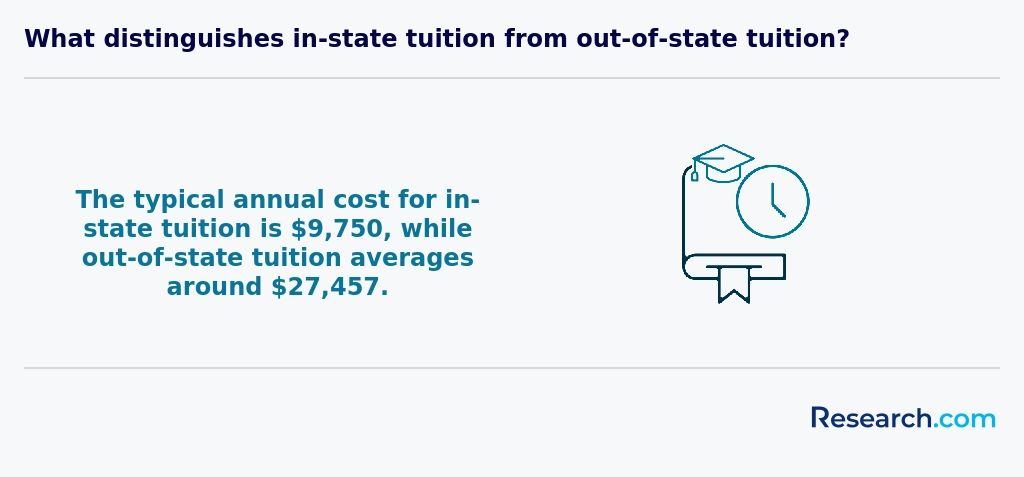
The average cost of an online degree in Virginia reflects a rewarding investment in your future, with options that suit a variety of budgets and educational goals. For many, the total in-state cost of earning a degree online is around $29,478, providing an accessible pathway for those balancing work, family, and study. Graduates from well-known institutions in the state often share how affordable tuition paired with flexible scheduling helped them achieve their dreams without overwhelming debt.
Those pursuing the Virginia online college tuition and fees benefit from diverse offerings-from renowned universities to the Virginia Community College System, which is a popular choice for an economical start. Many students find the balance between cost and quality encouraging, especially when you consider scholarships and financial aid programs designed to lighten the expense further. Programs like these empower you to focus on your learning experience and professional growth.
Out-of-state students experience a somewhat higher median total cost near $34,729, which still positions Virginia as a competitive option nationally. Many learners recount how the convenience of an online format at these institutions allowed them to continue their careers while studying, enhancing both their personal and professional lives simultaneously.
Exploring resources such as the cheapest online general schools in virginia can open doors to smart financial decisions and show you how others have made education affordable. By approaching your goal with optimism and knowledge, you can confidently choose a program that fits your lifestyle and financial needs.
Students tackling online degrees in Virginia find a wealth of financial aid opportunities designed to ease their journey. Many graduates from Northern Virginia Community College share how Pell Grants and Federal Supplemental Educational Opportunity Grants lifted a huge weight off their shoulders, making education affordable without the stress of repayment. These federal aids become accessible once you complete the FAFSA, unlocking support tailored to your needs.
State programs like the Virginia Commonwealth Scholarship and the Virginia Tuition Assistance Grant open doors for residents at both public and eligible private institutions. Imagine enrolling at a Virginia university where these funds help cover your tuition, fueling your ambition without the burden of debt.
Veterans and military families also benefit from dedicated programs such as the Virginia Military Survivors and Dependents Education Program, alongside federal military education benefits, opening pathways for career growth through online learning.
Countless online students in Virginia further enhance their plans with scholarships and employer tuition assistance, transforming their dreams into reality step by step.
Virginia’s online degree programs stand out not only because of their competitive pricing and flexible learning options but also because of the strong career outcomes they deliver compared to national averages. In many cases, online students in Virginia enjoy lower tuition costs, a variety of high-quality program offerings, and enhanced earning potential after graduation. For instance, graduates from Virginia institutions often see a significant salary boost despite the state’s relatively affordable tuition fees, reflecting a solid return on investment. Moreover, the supportive academic resources and robust career services help students translate their online learning into successful, real-world applications. When comparing these programs to nationwide alternatives, Virginia offers a unique blend of regional market insights and cutting-edge curricula. Prospective students are encouraged to explore further and consider a range of disciplines that align with current industry demands; many programs even highlight emerging fields comparable to the best degrees available nationally. This comparative advantage, along with the dedication to academic excellence and student support, positions Virginia’s online education as a competitive option for ambitious learners seeking to build a strong professional foundation.
Enrolling in an online degree program in Virginia is an exciting step that builds on your achievements and opens doors to new opportunities. Most programs start by welcoming students who have earned a high school diploma or GED, ensuring a solid foundation to thrive. Graduates from institutions like Virginia Tech and the University of Virginia often recall submitting their official transcripts, which highlight their dedication and preparedness, especially in core subjects such as English and math.
Many programs look for a minimum GPA, typically between 2.0 and 3.0, encouraging students to maintain strong academic habits. While some universities have eased requirements around standardized tests like the SAT or ACT, demonstrating your skills through solid transcripts or other credentials can make your application stand out.
For those aiming higher, graduate programs demand a bachelor's degree, along with letters of recommendation and statements of purpose that showcase your passion and professional goals. Reliable technology and internet access are also key, making it possible to engage fully with Virginia's leading institutions and their vibrant online communities.

Our 2024 ranking pinpoints five online degrees in Virginia that deliver the highest return on investment by combining affordability, accelerated timelines, and robust career outcomes. On average, graduates from these top programs see a 160% ROI within four years and command median starting salaries between $65,000 and $90,000. 1. James Madison University – Bachelor of Business Administration • Cost per credit: $340 • Time to completion: 3.5 years • Median starting salary: $68,000 2. University of Virginia – Master of Education • Cost per credit: $1,200 • Time to completion: 18 months • Median starting salary: $80,000 3. George Mason University – Bachelor of Information Technology • Cost per credit: $450 • Time to completion: 4 years • Median starting salary: $75,000 4. Virginia Tech – Master of Cybersecurity • Cost per credit: $1,100 • Time to completion: 2 years • Median starting salary: $85,000 5. Liberty University – Doctor of Business Administration • Cost per credit: $545 • Time to completion: 3 years • Median starting salary: $92,000 For professionals seeking an accelerated graduate path, consider exploring our Best One-Year Master’s Programs Online to jumpstart your career in under a year.
Online degree programs in Virginia typically include a rich blend of foundational and specialized courses designed to empower students on their educational journey. Graduates from Virginia accredited online college programs often reflect on how core curriculum classes such as English composition, mathematics, natural sciences, and social sciences have strengthened their critical thinking and communication skills, preparing them for diverse career paths.
Business courses like marketing, finance, and management enable future leaders to excel, as seen in programs at George Mason University. Meanwhile, education degrees at Virginia Tech offer practical learning in curriculum development and instructional technology, motivating students to innovate in classrooms. Health sciences focus on real-world skills in anatomy and public health, while technology programs at Northern Virginia Community College cultivate expertise in programming and cyber security.
Students appreciate how these courses are thoughtfully structured to balance academic theory with hands-on experiences, internships, and capstone projects that make learning both relevant and inspiring. For those exploring options, looking at the best degrees in Virginia is a great step toward a fulfilling future.
Choosing the best online degree program in Virginia means focusing on what truly fits your life and goals. Many graduates from universities like Virginia Tech share how flexible scheduling allowed them to balance family and work while advancing their careers. Affordable online colleges in Virginia offer in-state tuition rates that make high-quality education accessible without the burden of hefty debt. Imagine enrolling at Old Dominion University, where student support services like tutoring and career counseling helped a nursing student gain confidence and excel in their program.
Think about programs that are accredited and well-recognized in Virginia's job market to boost your chances of success after graduation. Graduates often highlight how partnerships with local employers and internships made their transition smoother. If you want to explore fast-tracked options, check out Best One-Year Master's Programs Online-a resource many find inspiring when planning their next step.
By focusing on quality, flexibility, and affordability, you can find an online degree that empowers you to achieve your dreams in Virginia's vibrant economy.
Graduates with an online degree in Virginia discover a wide range of fulfilling career paths that match the state's dynamic economy. Many find their calling in the booming technology sector around Northern Virginia, stepping into roles like software developers or cybersecurity analysts. These jobs not only offer rewarding challenges but also place graduates at the forefront of innovation. Others embrace the healthcare field by leveraging their nursing or public health degrees to become registered nurses or healthcare managers, contributing directly to the well-being of their communities.
Business and finance careers await those completing online degrees, particularly around vibrant metropolitan hubs like Richmond and Virginia Beach. Graduates often move into management or financial analysis positions, enjoying steady growth and opportunity. Education careers also shine brightly, with graduates filling essential roles as teachers or school counselors, where they make a lasting impact on young lives. Those interested in public service find meaningful work in criminal justice or social work, supporting Virginia's local governments in strengthening communities.
At esteemed institutions like George Mason University and Old Dominion University, online students share stories of transformation and success, showcasing the empowering effects of flexible learning. For those balancing life and ambition, exploring a fast online degree for working adults can be the key to unlocking these vibrant opportunities while maintaining personal commitments. Virginia's landscape is rich with promise for graduates seeking to build a bright future aligned with their passions and skills, illustrating the robust online degree career opportunities Virginia offers.
The job market for online degree graduates in Virginia is vibrant and full of opportunity, especially for those pursuing general degrees from respected institutions like Virginia Commonwealth University or Old Dominion University. Many graduates find themselves quickly employed in expanding fields such as technology, healthcare, and government, enjoying rewarding career paths that suit their flexible online study schedules. For example, graduates report feeling confident entering roles like healthcare administration or cybersecurity analysis, where employers highly value their online education credentials.
Virginia's economic growth and emphasis on these in-demand sectors create a positive job outlook for online degree graduates in Virginia. The strong networking and career services available through popular institutions support smooth transitions from study to work. Many graduates share inspiring stories of landing competitive jobs within months of completing their online programs, emphasizing the credibility and respect their degrees carry across the state's workforce.
For prospective students looking to balance education and life, resources like the Most Affordable Online Colleges Programs Ranking in Montgomery, AL highlight accessible options to further education while preparing for these promising careers.
2027 Most Valuable Online Colleges Programs Ranking in Virginia
Investing in your education is a significant decision that can shape your future, and the Research.com team recognizes the responsibility that comes with providing reliable guidance. To support prospective students exploring online college options in Virginia, we have carefully developed the "2027 Most Valuable Online Colleges Programs Ranking in Virginia." Our dedication to quality, credibility, and accuracy is evident through the rigorous research and detailed analysis underlying this ranking.
We utilized the following reputable data sources to ensure a thorough and well-rounded evaluation of online college programs:
By reviewing this ranking, readers will gain valuable insights and actionable information to make informed, confident decisions about their online education in Virginia. For a deeper understanding of our ranking process, please visit our Research.com methodology page.

# 2 position
Mary Baldwin University
Bachelor of Psychology


# 9 position
Old Dominion University
Master of Educational Leadership (Administration and Supervision)


# 15 position
University of Management and Technology
Bachelor of Management


Frequently Asked Questions
Students in Virginia can maximize their online learning experience by actively engaging with their coursework and utilizing available support services. Virginia's public universities offer access to academic advising, tutoring, and career counseling, which can improve retention and success rates. According to the State Council of Higher Education for Virginia (SCHEV), students who participate in virtual study groups or discussion forums tend to perform better. Time management is crucial; setting a consistent study schedule helps balance work, family, and education. Additionally, leveraging Virginia's robust broadband infrastructure ensures smooth access to coursework and live sessions, enhancing overall learning.
After completing an online degree in Virginia, preparation for the job market is essential. Start by leveraging the strong network of Virginia's universities that often provide career services, including virtual job fairs and resume workshops. Research from the Virginia Employment Commission shows that sectors such as healthcare, IT, and advanced manufacturing are experiencing steady growth, offering many opportunities.
Building practical skills through internships or volunteer work enhances employability, even when studying online. Networking is also critical; connect with local professional groups via platforms like LinkedIn or industry-specific organizations. Additionally, consider obtaining relevant certifications to complement your degree and demonstrate specialized knowledge to employers in Virginia's competitive job market.
Employers in Virginia increasingly value graduates who possess a blend of technical and soft skills. According to the Virginia Chamber of Commerce, critical thinking and problem-solving top the list, reflecting the need for employees who can adapt to changing industries.
Communication skills, both written and verbal, are essential across sectors like technology, healthcare, and finance. Data from the Bureau of Labor Statistics shows that digital literacy and the ability to work with emerging software tools are in high demand statewide.
Teamwork and collaboration are also highly rated, as businesses emphasize flexible work environments. Moreover, leadership potential and time management are frequently cited by Virginia employers as key attributes for new graduates entering the workforce.
Finding internships in Virginia requires a strategic approach leveraging the state's vibrant job market and educational resources. Start by exploring online platforms like Handshake, which is used by many Virginia colleges to connect students with local employers. According to the Virginia Community College System, over 80% of their students secure internships through such networks.
Contact your school's career services early. Many universities, including Virginia Tech and the University of Virginia, maintain dedicated internship programs tailored for online students. These offices can offer guidance on resume building and interview preparation specifically for Virginia industries.
The Virginia Employment Commission also posts internship opportunities across key sectors like government, technology, and healthcare. Additionally, consider networking events and virtual job fairs hosted statewide to increase your chances.
In Virginia, obtaining an online degree significantly affects career mobility and advancement. According to the Virginia Economic Development Partnership, 65% of jobs in the state will require postsecondary education by 2030. Employers increasingly value degrees from accredited online programs, recognizing them as indicators of critical skills and knowledge.
Data from the Georgetown University Center on Education and the Workforce shows that bachelor's degree holders in Virginia earn approximately 40% more over their lifetime compared to those with only a high school diploma. This wage premium highlights how degree attainment can open doors to higher-paying roles and promotions.
Moreover, fields such as healthcare, IT, and business-which dominate Virginia's economy-often require specialized degrees that online programs conveniently provide to working adults seeking advancement.
When choosing between a thesis and a non-thesis degree program in Virginia, students should consider their career goals and learning preferences. Thesis programs typically require original research and a formal dissertation. These are beneficial for those aiming to pursue doctoral studies or research-intensive roles. Non-thesis programs focus more on coursework and practical skills, which suits professionals seeking to advance in their careers without engaging in extensive research.
In Virginia, many online master's programs offer both options. According to Virginia's State Council of Higher Education, approximately 40% of graduate students enroll in thesis tracks, reflecting the strong research focus in the state's universities.
Financial and time commitments also differ, with thesis programs often requiring more months to complete. Students should evaluate faculty expertise and available resources at Virginia institutions before making a choice.
Students based in Virginia pursuing online degrees have several options to study abroad, primarily through their home universities' exchange programs and partnerships. Institutions like the University of Virginia and Virginia Tech often collaborate with global universities, enabling online learners to participate in short-term study abroad experiences or virtual international programs.
According to the Institute of International Education, roughly 15% of Virginia's college students engage in study abroad, facilitated by flexible online course options. These programs may include summer sessions or hybrid models, allowing students to earn credits while immersed in a different culture.
Additionally, Virginia's Community Colleges offer international learning opportunities, often targeting online students with travel scholarships and virtual exchanges. These pathways help students gain global perspectives without interrupting their degree progress.
Virginia offers diverse part-time job opportunities that can effectively complement your online degree education. Popular sectors include healthcare, education, information technology, and government services. For example, students pursuing healthcare degrees can gain experience as certified nursing assistants or medical assistants, roles that are in high demand across Virginia hospitals and clinics.
IT students often find part-time work in web development, technical support, or cybersecurity, particularly in Northern Virginia, a growing tech hub recognized by the U.S. Bureau of Labor Statistics for its strong employment rates in these fields.
Education majors can seek tutoring or assistant teaching positions in local schools or online platforms, which enhance teaching skills and build professional networks throughout the state.
According to the Virginia Employment Commission, part-time roles in these sectors not only provide relevant experience but also improve graduate employability after degree completion.
Online students in Virginia benefit from a variety of networking opportunities designed to enhance their educational and professional experiences. Many Virginia institutions offer virtual career fairs, webinars, and alumni networking events tailored for remote learners. For example, the University of Virginia and Virginia Tech provide platforms connecting online students with local employers and industry professionals.
Additionally, statewide organizations such as the Virginia Chamber of Commerce host networking sessions that online students can attend virtually, broadening their professional contacts. According to the Virginia Economic Development Partnership, these connections can help students tap into Virginia's robust job market, particularly in technology and government sectors.
Online degree programs increasingly emphasize collaborative projects and discussion forums, fostering peer networking that often translates into real-world opportunities. These platforms enable students to build relationships despite geographic distances, an essential benefit given Virginia's diverse population and economic landscape.
Alumni networks play a crucial role in supporting online degree students in Virginia by offering professional connections that extend beyond the virtual classroom. According to the Virginia Department of Education, many universities with strong online programs maintain active alumni groups that facilitate networking events and career workshops.
These networks help graduates find internships, job placements, and mentorship opportunities within the state's competitive job market. For example, the University of Virginia's alumni association provides regional chapters and industry-specific groups, enabling students to tap into a broad professional community.
Access to alumni resources can lead to higher employment rates and salary growth for online learners in Virginia, making the networks a valuable asset during and after graduation.
Customizing an online degree program in Virginia allows students to align their education with specific career objectives. Many Virginia institutions offer flexible course selections, enabling learners to choose electives or concentrations based on industry demands, such as cybersecurity or healthcare management. According to the Virginia Community College System, over 70% of online students tailor their experience by blending general education with specialized courses.
Advising services in these programs help students develop personalized academic plans that match career goals, balancing foundational knowledge with applicable skills.
Additionally, internship and practicum opportunities embedded in some online degrees provide practical experience relevant to Virginia's job market. This hands-on approach enhances employability while supporting professional growth.
Online students in Virginia face several common challenges that can impact their educational experience. One key issue is maintaining strong time management skills, as balancing course deadlines with personal and professional responsibilities is often difficult. According to the Virginia Community College System, nearly 40% of online learners report struggles with self-discipline.
Another challenge involves access to reliable internet, especially in rural areas where broadband coverage remains limited. The Federal Communications Commission notes that about 15% of Virginia residents lack high-speed internet, affecting students' ability to participate fully in virtual classes.
Finally, some students encounter difficulties with limited interaction and networking opportunities, which can affect motivation and engagement throughout the program.
Writing a winning application for a college or university program in Virginia begins with thorough research. Virginia hosts over 30 public and private institutions offering online degrees, including well-known schools like the University of Virginia and Virginia Tech. Applicants should clearly demonstrate how their academic background and career goals align with the program's offerings.
Highlighting strong personal statements and letters of recommendation is crucial. According to the Virginia Council of Higher Education, competitive applications often include essays that reflect a clear understanding of the institution's values and offerings.
Additionally, maintaining a solid GPA-typically above 3.0 for selective programs-and submitting all supporting documents on time significantly improves chances. Utilizing resources such as Virginia's College Application Week events can also aid in preparation.
Students pursuing online degrees in Virginia can gain practical experience through several avenues. Many Virginia universities offer virtual internships that allow students to work remotely with local businesses, nonprofits, and government agencies. The Virginia Department of Labor reports that internships in tech, healthcare, and education sectors are growing by 8% annually, providing numerous opportunities. Additionally, cooperative education programs, or co-ops, combine coursework with paid work experience and are available at institutions like Virginia Tech and George Mason University. These programs help students apply theoretical knowledge in real-world settings while earning academic credit. Volunteering and project-based courses also enhance practical skills during online studies.
Choosing the right concentration within an online degree program in Virginia involves aligning your interests, career goals, and market demand. Virginia's workforce data from the Virginia Employment Commission highlights strong growth in sectors like healthcare, technology, and cybersecurity, suggesting these concentrations offer promising job prospects. Consider your personal strengths and long-term objectives alongside regional job trends to make an informed choice.
Review available programs at accredited Virginia institutions to ensure they match your preferred concentration. The State Council of Higher Education for Virginia (SCHEV) provides a list of accredited online programs, helping verify program quality and state recognition.
Lastly, connect with program advisors or alumni to understand specific curriculum requirements and career outcomes. This approach ensures your concentration supports both educational fulfillment and employability in Virginia's evolving economy.
- 2027 Most Valuable Online Colleges Programs Ranking in West Virginia
- 2027 Most Valuable Online Colleges Programs Ranking in Tennessee
- 2027 Most Valuable Online Colleges Programs Ranking in Pennsylvania
- 2027 Most Valuable Online Colleges Programs Ranking in South Carolina
- 2027 Most Valuable Online Colleges Programs Ranking in Ohio
- 2027 Most Valuable Online Colleges Programs Ranking in New Jersey
- 2027 Most Valuable Online Colleges Programs Ranking in New York
- 2027 Most Valuable Online Colleges Programs Ranking in Florida
- 2027 Most Valuable Online Colleges Programs Ranking in Alabama
- 2027 Most Valuable Online Colleges Programs Ranking in Connecticut
- Virginia Western Online – Virginia Western Community College https://www.virginiawestern.edu/online/
- Top 15 Skills Employers Look for in College Graduates https://www.vupune.ac.in/blog/top-15-skills-employers-look-for-in-college-graduates
- How to Choose Your College Degree Based on Career Goals https://collegedegree.education/how-to-choose-your-college-degree-based-on-career-goals/
- 10 Colleges That Allow Students to Create Their Custom Degrees - College Cliffs https://collegecliffs.com/colleges-that-allow-students-to-create-custom-degrees/
- How to Choose the Right Online Degree Program for Your Goals https://thestartupmag.com/how-to-choose-the-right-online-degree-program-for-your-goals/
- Online Degrees https://germanna.edu/degrees-programs/online-degrees
- Virginia Works https://virginiaworks.gov/im-a-job-seeker/
- What are the top 10 skills that'll get you a job when you graduate? https://targetjobs.co.uk/careers-advice/skills-for-getting-a-job/what-are-top-10-skills-thatll-get-you-job-when-you-graduate
- Virginia Micro-Internship Experience | Information for Students https://info.parkerdewey.com/student/va-experience
- Tips for Choosing Your Graduate Concentration - Graduate Programs for Educators https://www.graduateprogram.org/blog/tips-for-choosing-your-graduate-concentration/


