
2027 Easiest Online Colleges Programs Ranking in South Dakota

Co-Founder and Chief Data Scientist
Choosing the right online college program can feel overwhelming, especially when balancing work and personal life. Our 2027 Easiest Online Colleges Programs Ranking in South Dakota offers clear guidance to help you find programs that fit your lifestyle and goals.
This ranking was created by the Research.com team of data scientists to ensure you have reliable information when deciding which degrees are worth exploring.
By reading this article, you'll discover accessible options that make earning a degree achievable, opening doors to new opportunities and personal growth.
Key benefits of getting online degrees in South Dakota
- Graduates with an online bachelor's degree in South Dakota earn an average salary of around $52,000, while those with a master's degree can earn up to $70,000, showing clear financial benefits as you advance your education.
- For example, a graduate from South Dakota State University with an online business degree often pursues roles in management or marketing, enjoying strong job prospects and career growth.
- An online nursing graduate from the University of South Dakota values the flexibility of studying remotely while gaining hands-on experience, making it easier to balance work, family, and education compared to traditional programs.
- 2027 Easiest Online Colleges Programs Ranking in South Dakota
- What can I expect from online degrees in South Dakota?
- How much can I make with online degrees in South Dakota?
What can I expect from online degrees in South Dakota?
Students pursuing an online degree in South Dakota can expect flexible learning that fits around work and family commitments. Graduates from institutions like South Dakota State University (SDSU) often share how they balanced coursework with daily life, appreciating the ability to attend classes fully online. With about 15% of undergraduates enrolled exclusively in distance education, online degrees have become widely accepted and respected within the state's academic community.
Most programs hold accreditation from the Higher Learning Commission (HLC), ensuring quality education that supports credit transfers and qualifies for federal financial aid. For example, a resident undergraduate at SDSU typically pays around $9,800 annually, a competitive rate that many find affordable compared to national averages. Some programs even offer flat-rate tuition, easing financial planning for students taking heavier course loads.
Students can expect robust support services such as virtual advising and tutoring, critical for staying on track remotely. Graduates frequently mention feeling connected through these resources, along with reliable online platforms like Canvas or Blackboard. Popular fields include healthcare administration, education, and IT, all aligned with South Dakota's evolving job market demands.
How much can I make with online degrees in South Dakota?
Graduates holding a bachelor's degree from online programs in South Dakota typically earn around $58,000 annually, according to May 2023 data from the U.S. Bureau of Labor Statistics. While this figure is slightly below the national average, it reflects a solid earning potential within the state's job market. For instance, graduates from institutions like South Dakota State University or the University of South Dakota often report starting salaries near this median, especially in business and education fields.
Students completing online degrees in healthcare-such as nursing-see even stronger prospects, with median wages approaching $65,000 yearly. This aligns with the high demand for healthcare professionals statewide. Meanwhile, business graduates frequently earn between $55,000 and $62,000 depending on experience and role.
Online IT and computer science degree holders begin their careers around $60,000, a reflection of the growing tech industry in hubs like Sioux Falls. Associate degree holders, conversely, typically make between $35,000 and $45,000 annually, which is common among graduates from community colleges focused on technical training.
- Average annual tuition for online undergraduate programs is about $7,200 at public universities and around $18,000 at private institutions.
- Graduate online programs in South Dakota typically cost between $8,000 and $20,000 per year.
- The average starting salary for online degree graduates is approximately $42,000 annually, increasing to $58,000-$65,000 within 5 to 10 years.
- Key industries offering employment include agriculture, healthcare, finance, and education, with strong demand especially in healthcare and technology fields.
- Many South Dakota employers recognize online degrees from regionally accredited schools, aiding local job prospects.
In South Dakota, completing an online degree typically takes about two years for an associate degree and around four years for a bachelor's degree when studying full-time. Students at institutions like South Dakota State University and the University of South Dakota often report that the flexibility of online programs allows them to balance work and family while progressing steadily toward graduation.
Part-time students may extend their studies to five years or more, reflecting individual pace and commitments. For example, graduates who worked full-time jobs found that accelerated online courses, which last 7 to 8 weeks rather than a full semester, enabled them to finish faster than expected. This format suits those needing to intensify their study periods without disrupting daily life.
Furthermore, many students have successfully shortened their degree timelines by transferring previously earned credits, making use of South Dakota's accommodating credit transfer policies. This approach directly reduces the number of courses needed and the overall time to completion.
Statewide, these patterns closely match the national average of 5.1 years for bachelor's degrees, showing South Dakota's programs offer both flexibility and efficiency for online learners.
Most online colleges in South Dakota offer flexible specializations that align with both skill level and career aspirations:
- Business Administration: management, marketing, finance
- Nursing and Healthcare: RN-to-BSN, public health, healthcare administration
- Education: early childhood, special education, curriculum development
- Information Technology: programming, network security, data analytics
- Criminal Justice: law enforcement, corrections, cybersecurity policy
- Psychology and Social Work: mental health, counseling, community services
- Technical Fields: paralegal studies, graphic design, logistics management
For advanced learners, explore masters programs online to deepen expertise.
In South Dakota, the primary difference between online and on-campus degrees lies in how students engage with their education. On-campus programs at universities like South Dakota State University require physical attendance, offering face-to-face lectures, labs, and campus events that foster immediate interaction with peers and professors. Graduates often describe this immersive environment as energizing and community-driven.
Conversely, online degrees provide flexibility by delivering coursework digitally, allowing students-such as those balancing jobs or living in rural areas-to study on their own schedules. The University of South Dakota's online students appreciate reduced commuting and housing costs, alongside access to virtual academic advising and tutoring tailored for remote learners.
Cost-wise, tuition averages around $8,000 annually for in-state public universities, with online students frequently saving on expenses like transportation. Both formats adhere to accreditation standards from bodies like the Higher Learning Commission, ensuring that graduates receive equally reputable credentials regardless of study mode.
- Online programs benefit students needing flexibility or living far from campus.
- On-campus programs provide direct, in-person engagement with campus communities.
- Online learners save on commuting and housing costs.
- South Dakota institutions maintain consistent program quality and accreditation.
Selecting a fully accredited online program in South Dakota is critical to ensuring credit transferability, financial aid eligibility, and employer recognition. Regional accreditation, granted by one of six U.S. Department of Education–recognized bodies, is generally viewed as the gold standard. Institutions like the University of South Dakota and South Dakota State University hold regional accreditation through the Higher Learning Commission (HLC), signaling consistent academic quality and rigorous oversight. Programmatic accreditation-such as CCNE for nursing or ABET for engineering-offers an additional layer of assurance that specific curricula meet industry benchmarks. Before applying, verify both institutional and programmatic status via the Council for Higher Education Accreditation (CHEA) database. This step not only safeguards your investment but also opens doors to certifications and specialized roles that often prioritize graduates of accredited programs. Accreditation also impacts your long-term career trajectory. Credits earned through regionally accredited courses are more likely to transfer if you pursue an advanced degree, and employers frequently reference accreditation when evaluating candidates. For insights into fields where non-degree credentials and accredited short-term pathways intersect, see our guide to fast track careers that pay well. By prioritizing accredited programs, you position yourself for seamless academic progress and stronger marketability in South Dakota’s evolving job landscape.
The average cost of obtaining an online degree in South Dakota typically centers around a median total cost of approximately $22,090, which presents a more affordable option compared to many other states. In-state students see median total costs closer to $42,570 when factoring in all expenses related to tuition and fees, while out-of-state students may face higher costs nearing $49,194. This cost structure enables many residents to pursue higher education without the heavy financial burden often found elsewhere.
Graduates from institutions like South Dakota State University or the University of South Dakota often reflect on how the reasonable online college tuition fees South Dakota offers made it possible to balance studies with work and family commitments. The affordability combined with flexible online formats creates a positive learning experience, allowing students to achieve their goals without excessive debt.
Many community colleges and public universities in the state offer online associate and bachelor's programs, maintaining tuition rates generally lower than national averages. Prospective students seeking the most affordable online general programs in south dakota will find financial aid opportunities and scholarships that further reduce overall costs.
Overall, the average cost of an online degree in South Dakota positions it as a practical choice for students aiming for quality education coupled with manageable expenses. This cost-effectiveness supports diverse learners in attaining their degrees while enjoying the convenience of remote study.

For many students, completing an online program is just the beginning of their educational journey. Graduates often seek to further enhance their career prospects by pursuing advanced degrees that build on the skills and knowledge acquired during their initial studies. Transitioning to a graduate program not only broadens your expertise but also significantly boosts your professional credibility in competitive industries. Many accredited institutions in South Dakota offer flexible pathways that complement the online learning experience, allowing you to multitask between work and further education. Moreover, understanding the benefits of a graduate degree can help you make informed decisions about your future. For those aiming to maximize career growth and attain qualifications that command higher salaries, exploring opportunities such as the best master's degrees to get in 2025 can offer valuable insights. Within this context, it is crucial to consider factors such as accreditation, curriculum rigor, faculty expertise, and industry partnerships when investigating graduate-level options. By aligning your advanced academic pursuits with your career objectives, you can ensure long-term success and financial security in a rapidly evolving job market.
Online degree students in South Dakota benefit from several forms of financial aid that significantly ease the cost burden. For example, federal aid such as Pell Grants provide up to $7,395 annually for eligible students, which online learners at public universities can access without repayment obligations. Direct Subsidized and Unsubsidized Loans offer additional borrowing options with relatively low interest rates, although repayment is required.
State-supported aid includes the South Dakota Opportunity Scholarship, rewarding merit with up to $7,500 for in-state students attending institutions like South Dakota State University or the University of South Dakota. Many graduates recall how this scholarship made pursuing their degrees online more affordable and less stressful.
Institutional grants and scholarships from these universities often target online students based on academic achievement or financial need, reinforcing personalized support. Additionally, employer tuition reimbursement programs help working students align education with career goals, reducing out-of-pocket expenses.
Completion of the FAFSA form remains crucial since it determines eligibility for federal, state, and institutional funding. Numerous students emphasize how submitting the FAFSA annually unlocked continuous financial aid opportunities throughout their studies.
Succeeding in an online learning environment requires more than just enrolling in a program-it demands proactive strategies and effective time management. To maximize your experience, start by creating a dedicated study space free from distractions and schedule regular study sessions that mimic an on-campus routine. Establish clear goals for each session and employ digital tools, such as calendar apps and task managers, to track your progress and keep deadlines in check. It can also be extremely beneficial to engage with online communities and discussion forums, which provide opportunities for networking, peer support, and shared learning experiences. For instance, exploring resources like most affordable online general programs in south dakota can give you insights into affordable and well-supported online education options that have successfully balanced cost and quality. Additionally, taking advantage of virtual academic advising, tutoring services, and webinars offered by your institution not only reinforces academic content but also helps you build a well-rounded support system that contributes to long-term success. By integrating these strategies, you can enhance your online learning experience, optimize productivity, and achieve your educational goals more effectively.
Enrolling in an online degree program in South Dakota typically requires a high school diploma or GED for undergraduate candidates, while graduate applicants must hold a bachelor's degree from an accredited institution. For example, many students aiming to study online at South Dakota State University or the University of South Dakota have found that providing official transcripts demonstrating a GPA between 2.0 and 3.0 on a 4.0 scale is essential to meet admissions standards.
While some programs have adopted test-optional policies, others may still request ACT or SAT scores, reflecting the competitiveness of specific departments. Graduates often recall that submitting these documents early helped streamline their acceptance process.
Technology readiness is also critical. Students reported feeling confident after participating in orientation sessions offered by their institutions, which prepared them for navigating online platforms and ensured reliable access to a computer and internet.
Financially, prospective students benefit from knowing that average annual tuition at South Dakota's public universities is around $9,200-lower than the national average-making planning for scholarships or aid a positive step toward enrollment success.
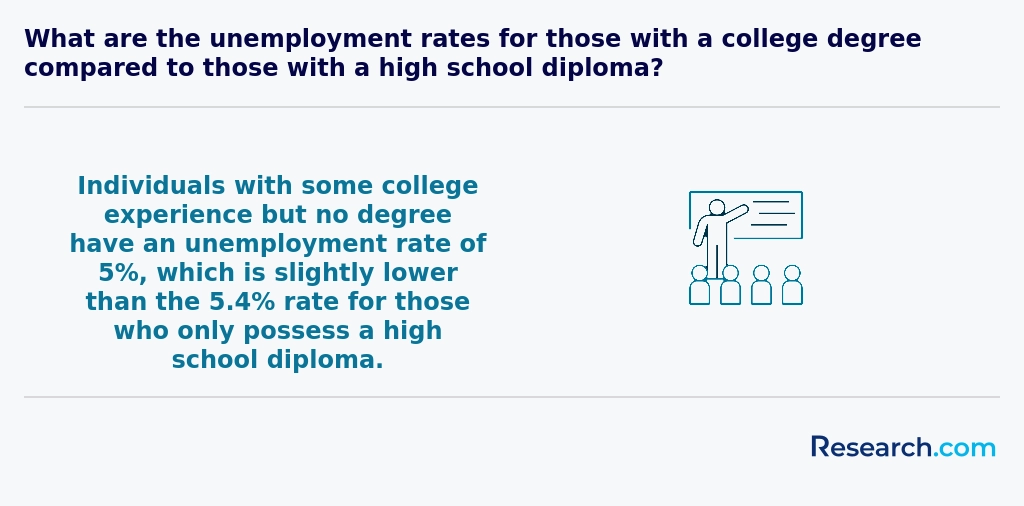
Ensuring your chosen online college in South Dakota holds proper accreditation is paramount for credit transfer, professional licensure, and employer recognition. Regionally accredited institutions-such as those approved by the Higher Learning Commission (HLC)-undergo rigorous peer review to validate curriculum quality, faculty credentials, and student outcomes. Before enrolling, verify both institutional and programmatic accreditation (for example, nursing programs accredited by the Commission on Collegiate Nursing Education). State authorization and consumer protections further guarantee that your online degree meets South Dakota’s regulatory requirements. Institutions must comply with the South Dakota Board of Regents regulations or be authorized through the National Council for State Authorization Reciprocity Agreements (NC-SARA). This ensures access to financial aid, clear transfer pathways, and eligibility for professional exams or certifications after graduation. Accreditation also impacts affordability: accredited schools can offer federal grants and scholarships, reducing out-of-pocket expenses. For students comparing costs and quality, our Low Cost Online Colleges Programs Ranking in Murray, KY highlights budget-friendly yet fully accredited online options that adhere to the same standards as larger universities. To confirm accreditation status, consult the U.S. Department of Education’s database or each institution’s official website. Additionally, look for transparency in graduation rates, student satisfaction scores, and job placement statistics-all key indicators of a program’s efficacy. By prioritizing accredited online colleges, South Dakota students safeguard their academic investment and ensure a seamless pathway to future career or educational milestones.
Online degree programs South Dakota students engage with often begin with fundamental courses that establish key academic skills. Graduates from South Dakota State University or the University of South Dakota typically recall starting with English Composition, Communication, basic Psychology or Sociology, and mathematics classes such as College Algebra or Statistics. These courses ensure remote learners build a solid foundation adaptable to various fields.
Further specialization comes with major-specific courses relevant to the chosen discipline. Nursing students, for instance, undertake anatomy, physiology, pharmacology, and healthcare ethics remotely, applying lessons during supervised practicum work. Business students enjoy practical classes in management, marketing, and accounting that prepare them for real-world challenges, reflecting the state's emphasis on career-ready education.
Many South Dakota accredited online courses blend theoretical learning with applied skills like project management and educational technology-reflecting a growing demand among students for programs that offer hands-on learning. This balance often makes the programs relatable for students balancing personal and professional commitments.
For those considering pathways within the state, exploring the best master's degrees to get in 2025 can also provide insight into advancing with these foundational courses.
Choosing the best online degree program in South Dakota begins with verifying regional accreditation. Most reputable institutions, including South Dakota State University and the University of South Dakota, are accredited by the Higher Learning Commission (HLC), ensuring your degree holds value in the job market. Graduates from these schools often report satisfaction with the flexibility asynchronous courses provide, allowing them to study while managing work or family obligations.
Cost considerations are important for finding affordable online colleges South Dakota offers. Public universities average around $8,500 annually for in-state students, with financial aid and scholarships helping reduce expenses. Many online students appreciate programs that offer payment plans and state-specific grants tailored to remote learners.
Evaluating support systems also impacts success; dedicated online advising, tutoring, and technical help mirror campus resources, which former students say boosted their confidence and persistence. Investigate graduation rates and student feedback to gauge overall effectiveness.
For those seeking fast track careers that pay well, South Dakota's online programs provide diverse majors and concentrations that cater to evolving industry demands.
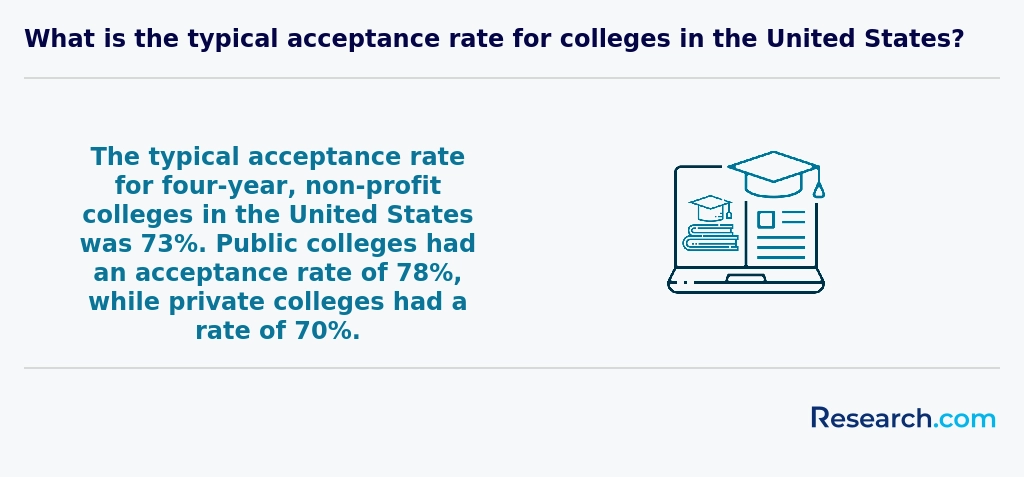
Graduates with online degrees in South Dakota can access diverse career paths aligned with the state's key industries. For example, those completing nursing or health administration programs from universities like South Dakota State University often secure roles in hospitals or clinics, benefiting from healthcare job growth projected at over 15% through 2030. This favorable outlook highlights the strong South Dakota jobs for online graduates in health-related fields.
Online degree career opportunities in South Dakota also extend to education, with graduates from the University of South Dakota successfully entering teaching, administration, and counseling roles across public schools and community colleges. Their accredited credentials, earned through fully online state-approved programs, make these paths viable and fulfilling.
Business and technology sectors offer promising options as well. Graduates in business administration or computer science find positions in accounting, IT support, and cybersecurity, especially in Sioux Falls and Rapid City's expanding markets. Many graduates appreciate how online learning from regional institutions balances flexibility and career readiness.
Agricultural science graduates often secure roles in farm management or agribusiness, supported by South Dakota's commitment to innovation in agriculture technology. For students seeking low-cost options tailored to local economies, the Low Cost Online Colleges Programs Ranking in Murray, KY offers valuable guidance.
South Dakota's job market for online degree holders presents promising opportunities, especially in healthcare, education, finance, and technology sectors. Graduates from universities such as South Dakota State University and the University of South Dakota who earned online credentials report positive employment outcomes, benefiting from the state's relatively low unemployment rate of 2.7% as of early 2024. Employers increasingly recognize online degrees, particularly from accredited institutions, enhancing the job outlook for online general degree holders in South Dakota. In cities like Sioux Falls and Rapid City, tech startups and finance companies actively recruit online graduates, making these areas especially attractive for new professionals.
Many online learners gain additional advantages by pursuing internships or certifications alongside their degrees, which aligns well with employers' preferences for experience as well as education. Those interested in accelerated pathways often explore options such as accelerated online associates degree programs, which further improve employability and career mobility in the region. Overall, South Dakota online graduates employment opportunities are steadily growing, bolstered by a strong regional economy and competitive median wages near $61,000 annually.
2027 Easiest Online Colleges Programs Ranking in South Dakota
Investing in your education is a significant decision that can shape your future, and the Research.com team understands the importance of making informed choices. To assist prospective students in South Dakota, we have meticulously developed the "2027 Easiest Online Colleges Programs Ranking in South Dakota." Our dedication to quality, credibility, and accuracy is demonstrated through thorough research and careful analysis behind this ranking.
We utilized the following reputable data sources to ensure a comprehensive evaluation of online college programs:
By exploring this ranking, readers will gain valuable insights into accessible and flexible online programs, empowering them to make well-informed decisions about their educational journeys. For more information on how our ranking was created, please visit our Research.com methodology page.

# 2 position
University of South Dakota
Doctor of Educational Administration and Leadership, PreK-12 Educational Leadership Specialization


Frequently Asked Questions
Students in South Dakota can maximize their online learning experience by leveraging the state's robust internet infrastructure, which supports reliable access to digital resources. According to the South Dakota Governor's Office of Economic Development, about 90% of residents have broadband access, essential for streaming lectures and submitting assignments. Scheduling consistent study times and creating a dedicated workspace help maintain focus and discipline, crucial for success in remote learning. Engaging actively with instructors and peers via discussion boards and virtual study groups enhances understanding and retention. Additionally, taking advantage of South Dakota's statewide library network offers free access to academic journals and e-books, enriching coursework and research.
After completing an online degree in South Dakota, preparing for the job market requires strategic planning. Start by updating your résumé to highlight relevant skills and any remote learning experience, which employers increasingly value.
Networking is crucial. Utilize South Dakota-specific resources like the South Dakota Department of Labor & Regulation's job boards and career events. According to their 2023 report, sectors like healthcare, manufacturing, and technology show steady growth, so tailoring your job search to these fields can improve employment chances.
Consider internships or volunteer work to gain local experience. Finally, leverage online platforms such as LinkedIn to connect with industry professionals statewide, making your transition smoother.
Employers in South Dakota increasingly seek graduates with a combination of technical and soft skills. According to the South Dakota Department of Labor and Regulation, critical thinking and problem-solving top the list, as businesses face evolving challenges. Communication skills, both written and verbal, remain essential for effective teamwork and client interaction.
Technical skills relevant to industries such as healthcare, agriculture, and technology are also in demand. For example, proficiency in data analysis and software applications is valuable in many roles. Additionally, adaptability and time management are crucial given the fast-paced nature of workplace environments.
Overall, South Dakota employers value graduates who can demonstrate both specialized knowledge and strong interpersonal abilities.
Finding internships in South Dakota involves a clear strategy combining online resources and local connections. Many students start by using state-specific career portals such as the South Dakota Department of Labor and Regulation's website, which lists internship opportunities across industries. The South Dakota Board of Regents universities also offer dedicated internship programs, particularly useful for online students seeking remote or on-site experience.
Networking plays a crucial role as well. Joining local professional organizations or virtual industry groups can expose students to openings not advertised publicly. Additionally, large employers in South Dakota, such as Sanford Health and Raven Industries, frequently offer internships in fields like healthcare, engineering, and business.
Research from the National Association of Colleges and Employers shows that 60% of internships lead to job offers, making early engagement essential for online students in South Dakota.
In South Dakota, earning an online degree can significantly enhance career mobility and advancement. According to the U.S. Bureau of Labor Statistics, jobs requiring a bachelor's degree or higher often offer better pay and more opportunities for promotion. South Dakota's growing industries, such as healthcare and business services, frequently list a degree as a minimum qualification.
Online degrees provide flexibility for working adults, allowing them to gain credentials without interrupting their careers. This flexibility supports continuous professional development, an essential factor in achieving leadership roles.
Data from the South Dakota Department of Labor & Regulation show that individuals with at least an associate degree earn nearly 20% more annually than those with only a high school diploma. This wage premium highlights the value employers place on higher education.
When choosing between a thesis and a non-thesis online degree program in South Dakota, students should consider their career goals and learning preferences. Thesis programs typically involve conducting original research and writing a substantial paper, which suits those interested in pursuing doctoral studies or research roles.
Non-thesis options usually focus on coursework and practical skills, appealing to professionals seeking advancement without research demands. South Dakota's public universities like SDSU and USD offer both formats online, with graduation rates around 65% for master's programs, reflecting diverse student needs (National Center for Education Statistics, 2023).
Additionally, thesis programs may take longer to complete but can enhance critical thinking skills, while non-thesis paths often provide faster completion times and flexibility.
Students based in South Dakota interested in studying abroad have several options through their colleges and universities. Many institutions in South Dakota, including South Dakota State University (SDSU) and the University of South Dakota (USD), offer study abroad programs and international exchange agreements with partner universities worldwide.
These programs allow students to earn course credits online or on campus while completing part of their degree overseas. The National Center for Education Statistics reports that approximately 2% of South Dakota college students participate in study abroad, reflecting a growing interest in global education.
For online degree students, some schools also provide virtual international experiences, including collaborative projects with peers abroad, allowing global exposure without leaving South Dakota.
Part-time job opportunities in South Dakota can effectively complement your online degree education, providing valuable work experience while supporting your studies. The state's growing industries include health care, education, and agriculture, sectors that offer roles such as medical assistants, tutors, and farm support staff.
South Dakota's unemployment rate, typically below the national average, encourages steady part-time employment options. For example, data from the South Dakota Department of Labor shows a significant demand for healthcare workers, making part-time positions as home health aides or pharmacy technicians common among students in related fields.
Additionally, roles in retail and customer service can help develop communication and organizational skills, useful across many degree programs.
Online students in South Dakota have increasing opportunities to build professional networks despite physical distances. Many public universities, such as South Dakota State University and the University of South Dakota, offer virtual events, webinars, and discussion forums tailored for remote learners.
Students can join South Dakota-based professional organizations and industry groups that host online meetups and conferences. For example, the South Dakota Technology Business Center provides networking events supporting students interested in tech careers.
Additionally, state-level career services often connect online students with local internships and job fairs, helping them engage with employers across South Dakota.
These efforts reflect a broader trend to bridge gaps between online education and workforce integration in the state.
Alumni networks play a vital role in supporting online degree students in South Dakota by offering valuable connections and resources. Graduates often gain access to local and regional professional groups, which can lead to job opportunities and mentorship. According to the South Dakota Board of Regents, institutions such as Dakota State University actively encourage alumni engagement to help students navigate the state's job market. Networking within these communities increases students' chances of finding employment in fields like healthcare, education, and technology, which are prominent in South Dakota.
Moreover, alumni events and online platforms foster ongoing collaboration and knowledge sharing. This support system helps online learners overcome isolation often experienced in remote education settings. By leveraging alumni relationships, students can enhance their professional skills and career prospects.
South Dakota offers various opportunities to customize online degree programs to suit your career goals. Many institutions provide flexible course selections, allowing you to choose electives that match your professional interests. For example, the South Dakota Board of Regents oversees several public universities that offer online minors and certificates you can add to your major.
Advisors at schools like South Dakota State University help students tailor their curriculum by combining majors, minors, or specializations. This approach enhances skill sets aligned with job market demands. Additionally, some programs incorporate internships or project-based work, giving practical experience relevant to your field.
Using resources from the National Center for Education Statistics, South Dakota students increasingly seek degrees in business, education, and health fields, reflecting local employment trends.
Online students in South Dakota face several challenges unique to the state's geography and infrastructure. Limited high-speed internet access remains a significant issue for many rural areas, affecting approximately 20% of households, according to the FCC. This digital divide can impede timely access to course materials and participation in live sessions.
Additionally, balancing work, family, and studies is a common difficulty. South Dakota's predominantly agricultural economy means many students must juggle seasonal jobs with their education. Limited local support services for online learners can also create obstacles, as students may lack easy access to academic advising or technical help.
Writing a winning application for a college or university program in South Dakota, especially for online degrees, begins with careful research. Understand the specific requirements of the institution and program. Most South Dakota schools, such as the University of South Dakota, require transcripts, letters of recommendation, and a personal statement. A strong personal statement should clearly explain your goals and why the program fits your career plans.
Make sure to highlight any relevant experience or skills related to your field of study. South Dakota's postsecondary institutions value applicants who demonstrate motivation and clear objectives.
Proofread your application carefully to avoid errors. According to the South Dakota Board of Regents, attention to detail in applications significantly increases acceptance chances.
Gaining practical experience while pursuing an online degree in South Dakota is achievable through several approaches. Many South Dakota institutions encourage students to engage in internships, cooperative education, or service-learning opportunities relevant to their fields. For example, the South Dakota Department of Labor & Regulation reports that internships increase employment chances by about 20% for graduates.
Additionally, students can seek virtual internships with local businesses or state agencies, which often partner with online programs to provide hands-on projects. Volunteering and networking within South Dakota's industries, such as agriculture, healthcare, and education, also help build practical skills.
Lastly, some online courses incorporate project-based assignments simulating real-world challenges, allowing learners to apply theory in practice effectively.
Choosing the right concentration in an online degree program in South Dakota requires careful consideration of your career goals and local job market trends. Research from the South Dakota Department of Labor and Regulation highlights strong employment growth in healthcare, education, and technology sectors within the state. Selecting a concentration aligned with these industries can improve your job prospects after graduation.
Look for concentrations offered by accredited South Dakota institutions like South Dakota State University or the University of South Dakota. Verify that the curriculum matches your interests and includes relevant skills employers seek. Additionally, consider program flexibility and support services to ensure a successful online learning experience.
Assessing your strengths alongside in-demand skills in the state enables a more informed choice of specialization within an online degree.
- 2027 Easiest Online Colleges Programs Ranking in Nebraska
- 2027 Easiest Online Colleges Programs Ranking in Minnesota
- 2027 Easiest Online Colleges Programs Ranking in Colorado
- 2027 Easiest Online Colleges Programs Ranking in Kansas
- 2027 Easiest Online Colleges Programs Ranking in Wisconsin
- 2027 Easiest Online Colleges Programs Ranking in Missouri
- 2027 Easiest Online Colleges Programs Ranking in Oklahoma
- 2027 Easiest Online Colleges Programs Ranking in Michigan
- 2027 Easiest Online Colleges Programs Ranking in Kentucky
- 2027 Easiest Online Colleges Programs Ranking in Ohio
- Four Career Benefits to Completing Your Degree | Elmhurst University "Elmhurst University" Blog https://www.elmhurst.edu/blog/four-career-benefits-to-completing-your-degree/
- 5 Steps to Align Your Career Goals with University and Degree Selections https://www.dwtutoring.com/post/5-steps-to-align-your-career-goals-with-university-and-degree-selections
- Career Pathways Associate Degree - South Dakota Board of Regents https://sdbor.edu/career-pathways-planning/
- 10 Key Benefits of Part-Time Jobs for Students While Studying https://www.ue-amsterdam.com/blog/top-10-benefits-of-working-part-time-for-students-while-studying
- Brookings Invests In Future Professionals | Visit Brookings https://visitbrookingssd.com/brookings-invests-in-future-professionals/
- From campus to career: practical advice for post-graduates facing the job market https://ufvcascade.ca/from-campus-to-career-practical-advice-for-post-graduates-facing-the-job-market/
- Baseline Teacher Salary https://doe.sd.gov/data/Teacher-Salary.aspx
- Networking | Sioux Falls, South Dakota https://siouxfalls.com/business-careers/networking/
- Know more about thesis vs non- thesis: what is the difference? https://studyfans.com/en/blogs/816
- Online Master’s Programs in South Dakota: Review Schools https://www.onlinemastersdegrees.org/best-programs/south-dakota-sd/


