2027 Best Online Colleges Programs Ranking in Hawaii

Co-Founder and Chief Data Scientist
Choosing the right online college program in Hawaii can feel overwhelming. To help you make an informed decision, this article presents the 2027 Best Online Colleges Programs Ranking in Hawaii. This ranking was carefully created by the Research.com team of data scientists, focusing on the quality and value of each program.
By exploring these options, you'll discover degree programs that fit your goals and lifestyle. Earning a degree opens new doors, builds confidence, and supports your future success. Let's explore the best paths to achieving your dreams.
Key benefits of getting online degrees in Hawaii
- Graduates in Hawaii with a bachelor's degree earn an average salary of $60,000, while those with a master's degree can earn around $75,000, showing clear financial benefits of advancing education.
- A graduate from the University of Hawaii's online business program often starts a career in marketing or management, demonstrating strong local job market connections.
- Completing an online degree from Hawaii Pacific University allows flexible scheduling and work-life balance, making education accessible without sacrificing personal commitments compared to traditional programs.
- 2027 Best Online Colleges Programs Ranking in Hawaii
- What can I expect from online degrees in Hawaii?
- How much can I make with online degrees in Hawaii?
What can I expect from online degrees in Hawaii?
Students pursuing an online degree in Hawaii can expect a highly flexible learning environment, especially through institutions like the University of Hawaii at Manoa and Hawaii Community College. Many courses are asynchronous, enabling students to balance their studies with jobs or family responsibilities without sacrificing quality. Graduates often describe the convenience of studying on their own schedule while accessing robust support services such as virtual tutoring and academic advising tailored specifically for remote learners.
The geographic isolation of Hawaii makes online programs essential for accessing specialized fields such as healthcare, education, and business. These degrees adhere to local accreditation and meet licensing requirements, instilling confidence that employers recognize their value equally to traditional degrees. Graduates frequently share the reassurance of completing programs aligned with Hawaii's industry standards, helping them seamlessly transition to the workforce.
Additionally, affordability is a major benefit. Hawaii residents typically qualify for in-state tuition rates within the University of Hawaii system, easing financial pressure. Many students appreciate available financial aid and scholarships geared toward online learners, further enhancing access to quality education without relocating from the islands.
Engagement remains strong due to comprehensive student services and improving graduation rates, making online education a rewarding and practical choice for many in Hawaii's diverse communities.
How much can I make with online degrees in Hawaii?
Graduates in Hawaii with online associate degrees typically earn between $35,000 and $45,000 annually, reflecting roles in healthcare support, administrative work, and technical fields. For example, students from Honolulu Community College who completed their online programs often find steady employment in these sectors, appreciating the balance of good wages and local job availability.
Bachelor's degree holders, such as those graduating from the University of Hawaii's online programs, see higher earning potential, with average salaries ranging from $50,000 to $70,000. These graduates frequently enter management, education, or technology roles, benefiting from Hawaii's demand for skilled professionals in these industries.
Professionals with online master's degrees experience even greater income growth, typically earning between $75,000 and over $100,000 annually. Graduates from institutions like Hawaii Pacific University who pursue advanced degrees in business management or computer information technology often secure these lucrative positions within the state's unique economy.
Despite Hawaii's higher cost of living, online degree holders express satisfaction with their ability to boost earnings without uprooting their lives, making the investment in education both practical and rewarding.
- Online degree programs in Hawaii are offered by both public and private institutions, including the University of Hawaii system.
- Public in-state tuition for online undergraduate courses ranges from $160 to $350 per credit hour, while private institutions can charge over $500 per credit hour.
- The average starting salary for recent graduates in Hawaii is about $45,000 annually, increasing to $65,000-$70,000 with experience, especially in healthcare, engineering, and IT fields.
- Key growth industries for employment include healthcare, renewable energy, and education, which align with online degree program offerings.
- Accreditation is essential for credit transfer, financial aid, and employer recognition, and many programs offer support services like career counseling and tutoring.
Completing an online degree in Hawaii generally aligns with national standards but is uniquely shaped by the state's educational landscape. At universities such as the University of Hawaii system, a bachelor's degree typically takes about four years of full-time study, mirroring most mainland programs. Many graduates recall balancing work and family responsibilities while progressing steadily through their courses, which highlights the flexible nature of these online programs.
Associate degrees can often be earned in two years full-time, a timeline appreciated by students eager to enter the workforce quickly. Part-time study is common among working adults, extending the duration but allowing students to maintain financial stability. For example, some Hawai'i students take six years to finish a bachelor's degree part-time without sacrificing quality or personal well-being.
Accelerated options enable motivated learners to complete bachelor's degrees in as little as three years. Transfer policies at local institutions frequently reduce required credit hours, benefiting those with prior credits or military experience. Such flexibility fosters a positive and achievable path to degree completion for many online learners in the islands.
In Hawaii, the difference between online and on-campus degrees centers on flexibility and campus engagement. Graduates from institutions like the University of Hawaii appreciate how online programs allow them to balance family and work while navigating the challenges of island geography. For example, students living on islands like Maui or Kauai can complete coursework without the frequent commute to Oahu's main campuses, which often requires costly and time-consuming boat or plane travel.
On-campus students, conversely, value direct interaction with professors, peers, and access to campus facilities such as labs and libraries, which enhances their immersive learning experience at schools like Hawaii Pacific University. Many report that face-to-face discussions and participation in student organizations foster a strong sense of community and motivation.
Cost considerations also differ. While tuition may be comparable, online learners can save on housing and transportation but sometimes pay additional technology fees. The choice fundamentally depends on personal preferences for social connection and scheduling flexibility amid Hawaii's unique island lifestyle.
The average cost of an online degree in Hawaii varies considerably depending on residency status and institution type, but median figures provide a clear perspective. For in-state students pursuing a fully online degree, the median total cost is approximately $36,360. This figure reflects tuition, fees, and associated expenses over the entire course of study, encompassing popular universities such as the University of Hawaii system, which is well-regarded for its accessible online offerings.
Out-of-state students encounter higher expenses, with median total costs rising to about $101,160, a figure influenced by non-resident tuition rates and additional fees. Such differences illustrate why many graduates recommend establishing residency in Hawaii prior to enrollment in online programs to optimize affordability. Meanwhile, the median total cost across all students is near $70,200, underscoring the financial commitment required but balanced by the opportunity to study from the comfort of home or a local community college.
Those focusing on Hawaii online college tuition and fees often find financial aid and scholarships essential to managing expenses. Many students share positive experiences in accessing support through Hawaii State Financial Aid Programs and Pell Grants, which can substantially reduce net costs. For those exploring budget-friendly options, consulting rankings like the cheapest online general programs in hawaii offers practical guidance.
Online students in Hawaii benefit from a variety of financial aid options that significantly ease the burden of tuition costs. For example, federal aid accessed through the Free Application for Federal Student Aid (FAFSA) enables many University of Hawai'i system students to secure Pell Grants, which can provide up to $7,395 annually without repayment. Additionally, federal student loans with flexible terms are a common resource for those pursuing degrees remotely.
State-specific programs like the Hawai'i State Grant offer up to $2,500 annually to eligible resident students attending institutions such as Hawai'i Pacific University online. Community college students often report relief through the Hawai'i Promise Program, which helps reduce tuition for lower-income enrollees.
Numerous institutions, including prominent ones like Hawai'i Community College, also provide scholarships recognizing academic achievement or military service. Employers in Hawaii's government and corporate sectors frequently supplement these resources with tuition assistance, further supporting working students' educational goals.
Graduates often reflect on how combining these aids made their online studies not only affordable but also motivating and achievable.
To enroll in an online degree program in Hawaii, students typically need a high school diploma or an equivalent like a GED, which ensures readiness for college-level work. Graduates from institutions such as the University of Hawaii or Hawaii Pacific University often share how submitting official transcripts was a straightforward way to verify their academic background.
Many programs now follow a test-optional approach, so SAT or ACT scores aren't always required, easing the application process for local students. However, more competitive or graduate-level programs may still request standardized test results. For international students, demonstrating English proficiency through tests like TOEFL or IELTS is essential, alongside additional documentation such as proof of financial support.
Technical readiness is also important: reliable internet and compatible devices are necessary to engage fully in online classes and complete assignments. Financially, Hawaiian students benefit from an average in-state tuition around $12,000 annually and often find relief through scholarships and federal aid by submitting the FAFSA.
Some programs, especially in fields like nursing or education at colleges across Hawaii, have extra prerequisites, including relevant coursework or background checks, reflecting their professional standards.
Online degree programs in Hawaii typically include a core set of general education courses designed to build essential skills across disciplines. These foundational courses encompass English Composition, Mathematics, Natural Sciences such as Biology or Environmental Science, and Social Sciences including Psychology and History. Students from popular institutions in Hawaii often share how mastering these subjects remotely has enhanced their critical thinking and communication abilities, which they find invaluable both academically and in their careers. This broad curriculum ensures students meet transfer and accreditation standards while equipping them for diverse professional environments.
Graduates from Hawaii's online programs frequently highlight the flexibility that allows them to balance study with work or family, making Hawaii affordable online college courses attractive. Those seeking specific degree paths can find tailored options in areas like business, education, and healthcare. Prospective students interested in enrolling should explore the best online colleges available in Hawaii, which emphasize accessibility and comprehensive course offerings.
Choosing the best online degree program in Hawaii starts with verifying accreditation from recognized agencies; this ensures quality education and credit transferability. Graduates from institutions like the University of Hawaii appreciate how accreditation lends credibility to their qualifications, making employment more accessible within the state's competitive job market. Aligning degree programs with Hawaii's dominant industries-such as healthcare, education, business administration, and technology-allows students to secure relevant skills for local careers.
Cost considerations are crucial, as tuition in Hawaii often exceeds the national average. Many students find relief through in-state tuition discounts or scholarships tailored to residents, making top accredited online colleges Hawaii more affordable. Exploring financial aid options is essential, especially with programs offering flexibility for working adults balancing family responsibilities.
Accessible online platforms and robust student support services, including tutoring and career counseling, sustain motivation and promote academic success. Graduates frequently highlight how support services at their institutions helped them navigate challenges effectively. Monitoring graduation and retention rates further guides prospective students toward programs with proven outcomes. Those seeking comprehensive options may also consider the most affordable online doctorate programs available within the state.

Online degree career opportunities in Hawaii span several vibrant industries that reflect the state's economic landscape. Graduates from institutions like the University of Hawaii and Hawaii Pacific University often find rewarding roles in healthcare, where demand for nurses and administrators continues to rise sharply. Many alumni express satisfaction in supporting local communities through these professions, citing flexible online programs that accommodated their busy lifestyles. The Hawaii job market for online graduates also favors education careers-teaching or school administration positions are well-suited to those holding credentials earned remotely, enabling a smooth transition into public and private schools statewide.
Graduates with degrees from Hawaii schools frequently excel in the tourism sector, holding hospitality management and marketing roles that tap into the state's robust visitor industry. Additionally, expanding technology fields such as IT and cybersecurity offer numerous openings, benefitting from the increasing acceptance of remote and hybrid work modalities. For students uncertain about program difficulty, many discover helpful guidance on which is the easiest masters degree to pursue within Hawaii's online education system.
The online degree job market in Hawaii reflects robust demand across several key sectors, providing graduates from popular institutions such as the University of Hawaii and Hawaii Pacific University with ample opportunities. Graduates report positive outcomes, especially in healthcare and technology fields where online credentials are increasingly valued. Nursing and allied health graduates have benefited from the state's 15% projected growth in healthcare jobs, securing roles even amidst workforce shortages. Similarly, those with IT degrees find their skills aligned with job openings in software development and cybersecurity, sectors experiencing steady expansion.
Hawaii employment outlook for graduates is supported by the acceptance of online qualifications by employers statewide, including those who appreciate flexible, hybrid work arrangements due to the state's high cost of living. Business-related degrees with online study paths also open doors in Hawaii's vital tourism management and digital marketing sectors. Many graduates praise the convenience of combining online education with local job searches, contributing to encouraging employment outcomes. Prospective students can explore affordable options through the Cheapest Online Colleges Programs Ranking in University Park, PA.
2027 Best Online Colleges Programs Ranking in Hawaii
Investing in your education is a significant decision that can shape your future, and the Research.com team understands the importance of making informed choices. To assist prospective students in Hawaii, we have meticulously crafted the "2027 Best Online Colleges Programs Ranking in Hawaii." Our commitment to quality, credibility, and accuracy is reflected in the extensive research and analysis conducted to compile this ranking.
We utilized the following reputable data sources to ensure a comprehensive evaluation of online college programs:
By exploring this ranking, readers will gain valuable insights into the best online college programs available in Hawaii, helping them make informed decisions about their educational paths. For more details on our methodology, please visit our Research.com methodology page.


# 8 position
University of Hawaii-West Oahu
Bachelor of Social Sciences with a concentration in Psychology
Frequently Asked Questions
Students in Hawaii can maximize their learning experience in online degree programs by leveraging local resources and effectively managing their time. According to the Hawai'i State Department of Education, creating a designated, quiet study area at home can greatly enhance focus. Engaging actively with professors and peers through virtual office hours and discussion boards helps build a sense of community, which is vital in online learning.
Additionally, Hawaii residents should take advantage of local libraries and community centers offering free Wi-Fi and study spaces, especially in remote areas. Research from the University of Hawai'i system shows that students who set clear goals and adhere to a study schedule tend to complete their degrees more successfully.
Lastly, students should explore online tutoring and academic advising offered by accredited Hawaiian universities to support their progress throughout their program.
Graduates with an online degree in Hawaii can enhance their job prospects by focusing on practical preparation aligned with local market needs. According to the Hawaii Department of Labor and Industrial Relations, industries such as tourism, healthcare, and technology are major employers, so tailoring skills to these sectors can be beneficial. Networking through local professional groups and attending virtual career fairs help build valuable connections. Additionally, leveraging resources from the University of Hawaii's Career Development Center can provide guidance on resume building and interview techniques aimed at Hawaii's unique job market. Internships or part-time roles during study also increase employability.
Employers in Hawaii increasingly seek graduates with a mix of technical and soft skills due to the state's diverse economy. According to the Hawaii Workforce Development Council, strong communication skills top the list, as companies value employees who can collaborate effectively across multicultural teams.
Critical thinking and problem-solving abilities are also in high demand, helping graduates adapt to rapidly changing industries like tourism, healthcare, and technology. Digital literacy is essential too, with many employers expecting proficiency in software and online tools relevant to their fields.
Finally, cultural competence is particularly important in Hawaii, where respecting local customs and working within the community are vital. These skills collectively boost hiring potential across the islands.
Finding internships in Hawaii involves leveraging local and online resources tailored to the state's unique job market. Start by exploring websites such as the Hawaii Department of Labor and Industrial Relations, which offers listings and guidance specifically for Hawaiian job seekers.
Many Hawaii-based companies post internship opportunities on national platforms like Handshake and Indeed, so creating profiles on these sites can help widen your search.
Universities offering online degrees in Hawaii often provide career services and internship placement support. For example, the University of Hawaii system connects students with local businesses in hospitality, marine science, and renewable energy sectors, which are key industries in Hawaii's economy.
The state's internship programs sometimes include stipends or academic credit, so check with your online school's career center to understand their partnerships and opportunities.
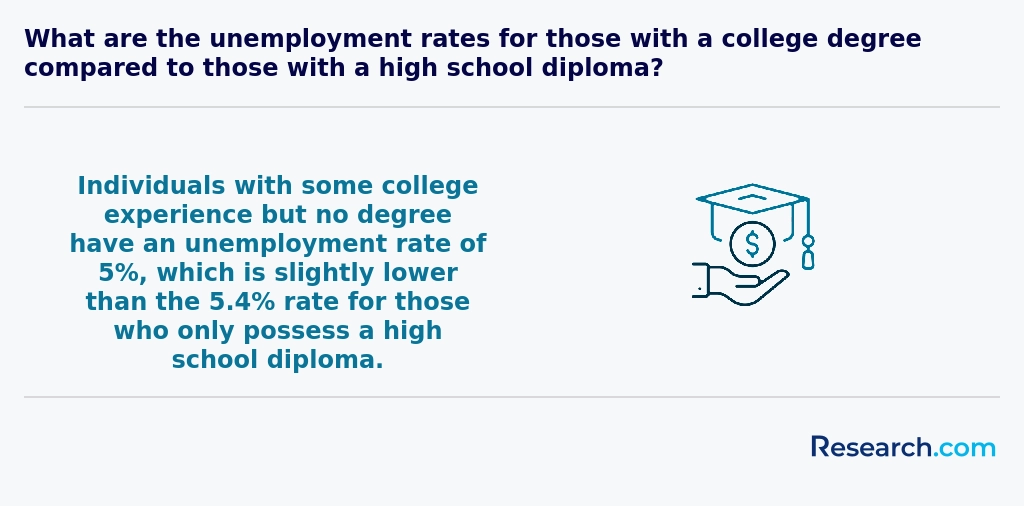
In Hawaii, having a degree significantly improves career mobility and advancement opportunities. Data from the U.S. Bureau of Labor Statistics (BLS) show that in Hawaii, workers with at least a bachelor's degree earn about 65% more annually than those with only a high school diploma.
Online degrees, which are increasingly accepted by local employers, offer flexibility for working adults to enhance their qualifications without relocating. This is especially important in Hawaii's geographically isolated labor market.
Industries like tourism, healthcare, and education in Hawaii prioritize candidates with relevant college credentials, making an online degree a valuable asset for promotions and new roles.
According to the Hawaii Department of Labor and Industrial Relations, employment growth in skilled professions correlates closely with higher education attainment.
Choosing between a thesis and a non-thesis degree program in Hawaii depends on your academic goals and professional needs. Thesis programs require original research and a written thesis, which benefits those interested in graduate school or research careers. Non-thesis options often focus on practical skills through coursework and internships, appealing to students seeking direct employment.
In Hawaii, about 60% of graduate students opt for non-thesis degrees, reflecting the state's emphasis on workforce readiness (Hawai'i Data Book, 2023). Online programs from the University of Hawai'i system typically offer both options, allowing flexibility for adult learners balancing work and study.
Students based in Hawaii who want to study abroad while pursuing online degrees have several options within the US higher education system. Many universities offer virtual exchange programs that connect Hawaiian students with international peers, allowing cross-cultural learning without leaving home. Additionally, some Hawaiian institutions partner with overseas universities to provide joint online courses or study-abroad credit opportunities.
For those seeking physical study-abroad experiences, federal statistics indicate that just over 10% of University of Hawaii system students participate in traditional study abroad programs, a figure slightly below the national average. Online degree students can often combine coursework with short-term study abroad trips, benefiting from flexible scheduling. Resources like the Institute of International Education provide data on mobility trends, confirming growing interest among Hawaii-based learners in global education accessible from home.
Hawaii's diverse economy offers various part-time job opportunities that can complement your online degree education. Sectors such as tourism, healthcare, education, and technology are main employers in the state. According to the Hawaii Department of Labor and Industrial Relations, healthcare support roles like medical assistants or home health aides provide practical experience to students pursuing health-related degrees.
Tourism-related jobs, including customer service or administrative roles in hotels and resorts, suit students studying business or hospitality. The growing tech industry also offers internships and assistant roles in IT and software development, aligning well with computer science programs. Balancing these jobs with your studies can enhance skills and build professional networks in Hawaii's job market.
Online students in Hawaii have access to numerous networking opportunities through local universities and professional organizations. The University of Hawaii system, which offers many online degree programs, frequently hosts virtual events and workshops that connect students with alumni and industry professionals. According to the Hawaii Business Magazine, these events are designed to foster community ties despite geographic distance.
Additionally, statewide groups like the Hawaii Chamber of Commerce provide networking platforms accessible to students through memberships or partnerships with educational institutions. These connections often lead to internships and job placements within Hawaii's growing tech and renewable energy sectors.
Professional social networks such as LinkedIn also play an important role, allowing students to engage with local groups and business leaders from Hawaii's unique market. Leveraging these resources helps online students build valuable, location-specific relationships while studying remotely.
Alumni networks play a crucial role for online degree students in Hawaii by offering valuable career support and local connections. Studies show that 85% of jobs come through networking, underlining how important these communities are for job placement.
Hawaii's unique geographic location can make in-person networking challenging, so strong alumni networks help bridge this gap by providing virtual mentorship and job leads within the state. These networks often include professionals who understand Hawaii's specific industries, such as tourism and renewable energy.
According to the University of Hawaii Alumni Association, members benefit from exclusive events, career services, and access to local internships, improving graduates' employment outcomes across the islands.
Hawaii students can customize online degree programs by selecting electives and concentrations aligned with their career goals. Many accredited institutions in Hawaii, such as the University of Hawaii system, offer flexible curricula designed for working adults and professionals. Students may tailor programs in fields like business, education, or healthcare to meet industry standards. According to the University of Hawaii, more than 20% of their online students choose personalized degree plans focusing on local workforce needs.
Advisors play a key role in helping students integrate internships, certifications, or capstone projects relevant to Hawaii's unique job market. This approach enhances practical skills while maintaining academic rigor.
Online students in Hawaii often face unique challenges related to geography and infrastructure. The state's remote island location can cause slower internet speeds and occasional connectivity issues, impacting the accessibility of online course materials and live sessions. According to the Federal Communications Commission, about 20% of Hawaii residents lack access to high-speed broadband, which poses a significant barrier to effective online learning.
Additionally, time zone differences can cause scheduling conflicts with mainland-based instructors or classmates. This issue often requires students to adapt their daily routines to participate in synchronous classes or meetings.
Finally, the feeling of isolation is commonly reported among Hawaii's online learners due to geographic separation from peers and campus resources. Limited local academic support and networking opportunities can challenge student engagement and motivation.
To write a winning application for an online college or university program in Hawaii, start by carefully reviewing each institution's specific requirements. Many Hawaiian schools, such as the University of Hawai'i System, emphasize both academic records and personal statements. A strong personal statement should clearly explain your motivation for choosing the program and how it aligns with your career goals.
Include relevant experiences and skills that demonstrate your readiness for online learning, showing self-discipline and time management capabilities. Hawaii's diverse cultural environment values applicants who express understanding and respect for local traditions.
Ensure all transcripts and standardized test scores are sent promptly. According to the Hawai'i Postsecondary Education Council, timely and complete applications increase admission chances. Proofreading for clarity and grammar is also essential to present a professional application.
Gaining practical experience while studying online in Hawaii is accessible through several flexible options. Many online degree programs partner with local businesses and organizations, allowing students to engage in internships or cooperative education (co-op) opportunities within Hawaii's unique industries such as tourism, healthcare, and renewable energy.
The University of Hawaii System, for example, supports remote learners by connecting them with statewide internship programs that comply with academic requirements and provide hands-on learning.
Students can also participate in volunteer projects and community-based initiatives, which offer valuable practical skills and networking possibilities. According to the U.S. Bureau of Labor Statistics, internships increase job prospects for graduates by nearly 20%, making these experiences crucial.
Additionally, many employers in Hawaii are open to hiring part-time or temporary remote workers, giving online students a chance to build their portfolios while studying.
Choosing the right concentration within an online degree program in Hawaii involves careful consideration of your career goals and local job market demands. Hawaii's economy heavily relies on sectors such as tourism, healthcare, education, and renewable energy. According to the Hawaii Department of Labor and Industrial Relations, healthcare occupations are projected to grow by 20% between 2020 and 2030, highlighting a strong demand for related fields.
Research concentrations that align with these growing industries to maximize your job prospects. Additionally, assess online programs that offer practical skills and certification opportunities recognized in Hawaii. Evaluating faculty expertise and accreditation ensures quality education. Local professional organizations and state resources can also provide valuable insights to guide your decision.
- 2027 Best Online Colleges Programs Ranking in Alaska
- 2027 Best Online Colleges Programs Ranking in California
- 2027 Best Online Colleges Programs Ranking in Washington
- 2027 Best Online Colleges Programs Ranking in Arizona
- 2027 Best Online Colleges Programs Ranking in Idaho
- 2027 Best Online Colleges Programs Ranking in Colorado
- 2027 Best Online Colleges Programs Ranking in New Mexico
- 2027 Best Online Colleges Programs Ranking in Texas
- 2027 Best Online Colleges Programs Ranking in South Dakota
- 2027 Best Online Colleges Programs Ranking in North Dakota
- Hawaii Job Search, Employment Services https://www.altres.com/jobs/search
- What are the top 10 skills that'll get you a job when you graduate? https://targetjobs.co.uk/careers-advice/skills-for-getting-a-job/what-are-top-10-skills-thatll-get-you-job-when-you-graduate
- Education & Workforce Development - Chamber of Commerce Hawaii https://www.cochawaii.org/programs/education-workforce-development/
- Internships in Hawaii, United States https://www.gooverseas.com/internships-abroad/united-states-america/hawaii
- Create Your Own Degree (Disrupt the Job Market!) https://degreefromanywhere.com/create-your-own-degree/
- 10 Tips for Getting Your First Job After University https://euroguidance.eu/10-tips-for-getting-your-first-job-after-university
- HAWAII CHAPTER OF THE PENN STATE ALUMNI ASSOCIATION https://www.pennstatealumniassociationhawaii.com/
- 10 Colleges That Allow Students to Create Their Custom Degrees - College Cliffs https://collegecliffs.com/colleges-that-allow-students-to-create-custom-degrees/
- Pau Hana Networking Events https://www.pmihi.org/events/pau-hana-networking-events
- For students - Studyportals https://studyportals.com/for-students/