2027 Best Online Colleges Programs Ranking in California

Co-Founder and Chief Data Scientist
Choosing the right online college program can feel overwhelming, especially with so many options available in California. This article presents the 2027 Best Online Colleges Programs Ranking in California, carefully created by the Research.com team of data scientists. Their goal is to help you find degree programs that match your goals and offer real value.
By exploring this ranking, you'll gain clarity and confidence in your educational choices. Pursuing a degree can open new doors and create exciting opportunities for your future.
Key benefits of getting online degrees in California
- Graduates in California with a bachelor's degree earn an average salary of around $75,000, while those with a master's can boost their income to about $95,000, showing clear financial benefits at higher degree levels.
- An online business graduate from California State University, Fullerton often moves into rewarding roles like marketing manager or financial analyst, opening doors to diverse and fulfilling career paths.
- An online psychology graduate from University of Southern California values the flexible schedule and lower costs, making it easier to balance work and study compared to a traditional degree experience.
- 2027 Best Online Colleges Programs Ranking in California
- What can I expect from online degrees in California?
- How much can I make with online degrees in California?
What can I expect from online degrees in California?
When you choose an online degree in California, you gain access to high-quality programs from respected institutions like the University of California system and California State University. Graduates often share how flexible schedules allowed them to balance work, family, and study, turning their goals into reality. Imagine logging into interactive lectures through platforms like Canvas or Blackboard, engaging with insightful discussions, and receiving support from expert faculty, all from the comfort of your home.
Students appreciate the same rigorous curriculum that on-campus learners experience, feeling confident that their degree carries significant weight with employers. Many highlight how community colleges in California made higher education more accessible and affordable, providing strong pathways to bachelor's degrees. Support services like online tutoring and career advice help keep motivation high and obstacles low.
With accreditation from the Western Association of Schools and Colleges, you know your investment meets top standards, unlocking financial aid options like Cal Grant. Online learning in California opens doors to personal growth and professional success, with programs designed to fit your life while advancing your dreams.
How much can I make with online degrees in California?
Graduates earning online degrees in California can look forward to promising financial rewards, with median annual wages for bachelor's degree holders averaging around $75,000 in 2022. Many have found that earning their degree through institutions like California State University or University of California's online programs opens doors to competitive salaries comparable to on-campus students.
For example, graduates completing technology-related degrees from schools like UC Irvine or San Diego State often secure roles with starting salaries near $100,000, reflecting California's thriving tech economy. Similarly, those who pursued online nursing degrees through popular programs at San Jose State University report initial earnings between $80,000 and $110,000, balancing study with their busy lives.
Entry-level earners in education or social sciences might start closer to $50,000, but many alumni share how gaining experience and additional certifications quickly boosts their income. Those continuing with master's or doctoral studies online within California's respected universities often surpass $100,000 annually, inspiring many to pursue lifelong learning while advancing their careers.
- The University of California and California State University systems offer many accredited online bachelor's and master's degrees.
- In-state tuition for online undergraduate programs at California public universities ranges from $6,000 to $10,000 per year.
- Private online programs in California often charge tuition fees exceeding $15,000 annually.
- The average starting salary for graduates with a bachelor's degree in California is about $57,000 per year.
- Mid-career salaries for graduates can reach around $85,000 annually, varying by field and industry.
- High demand fields in California include technology, healthcare, business, and education, with industries like software development and nursing offering strong job prospects.
Completing an online degree in California is an exciting journey that many students embrace with enthusiasm and determination. Graduates from the California State University system often share how their four-year full-time bachelor's degree aligned perfectly with their busy lives, blending study and work seamlessly. Some graduates from University of California's online master's programs celebrate finishing their degrees in just one to two years, fueled by the flexible pacing and focused curriculum.
Imagine balancing family, a job, and classes while progressing steadily-many students at California Community Colleges achieve their associate degrees in about two years by taking advantage of transfer credits and part-time options. Accelerated programs even let motivated learners finish sooner, often in three years or less at CSU institutions.
With supportive tools, transfer opportunities, and tailored schedules, California's online education system empowers you to shape your own path and reach your goals confidently, no matter your pace or background.
After an in-depth analysis of California’s online degree landscape, several key findings emerge that can guide prospective students toward a successful educational journey. First, affordability remains a major draw-many online programs offer competitive pricing compared to traditional on-campus options without sacrificing quality. For instance, when evaluating cost-effectiveness alongside academic rigor, one resource even highlights standout options among affordable online colleges that cater specifically to working adults. Second, flexibility and individualized support services play vital roles in ensuring that students from various backgrounds can balance their responsibilities while advancing their careers. Third, accreditation and a well-defined curriculum underpin quality assurance and long-term career successes, as reflected in the rigorous data from our ranking methodology. Lastly, emerging trends in technology and evolving job market demands underscore the importance of choosing programs that are adaptive and tailored to future industry needs. These findings not only summarize our comprehensive evaluation of California’s online programs but also offer actionable insights and recommendations for students ready to invest in their future.
Choosing between online and on-campus degrees in California offers exciting opportunities tailored to your lifestyle and goals. Imagine a graduate from a University of California campus thriving in bustling classrooms, building lifelong friendships and networking face-to-face with professors, while another graduate from a California State University program enjoys the freedom to study anytime, balancing family life and work commitments from home.
On-campus students embrace vibrant campus life with direct access to libraries, labs, and social events, enriching their college experience. Conversely, online students harness digital platforms to learn asynchronously, empowering them with schedule flexibility and reduced commuting costs-even saving up to 20% on total expenses, as many learners report.
Both formats share strong academic standards and respected accreditation, ensuring your degree holds value whether earned at a lively campus or through a trusted online program. With access to extensive resources-either in-person or online-California's universities provide an inspiring, adaptable path to success that suits your unique journey.
When evaluating online degree options, understanding how California measures against other states is essential for prospective students. California boasts a vast selection of programs, cutting-edge industry partnerships, and strong post-graduation outcomes, but it also carries a higher average tuition rate-approximately $33,668 for in-state students-than many regions. In contrast, states with more targeted affordability initiatives, such as Louisiana, often feature lower sticker prices without compromising on accreditation or program quality. For example, students seeking budget-friendly alternatives may consult our Inexpensive Online Colleges Programs Ranking in Louisiana to compare tuition costs, financial aid offerings, and net price calculators side by side. Beyond cost, California’s online institutions excel in diversity of specializations-from renewable energy management to AI-driven computer science-supported by connections to Silicon Valley and Hollywood. By comparison, other states may offer fewer high-demand concentrations but compensate with streamlined admission processes and accelerated degree timelines. Prospective learners should weigh California’s robust industry networks and high post-graduation salaries (e.g., bachelor’s grads earning around $70,000) against states where upfront costs could be 30–50% lower. Finally, consider support infrastructure: California’s online campuses typically provide extensive academic advising, career services, and alumni networks, which can offset higher tuition through mentorship and job placement. When juxtaposing these factors with offerings from more affordable regions, you gain a fuller picture of the trade-offs between cost, program variety, and long-term return on investment-ensuring that your chosen online degree aligns perfectly with both your budget and career ambitions.
The average cost of an online degree in California offers an encouraging opportunity for many learners seeking flexibility and quality education. For instance, graduates from well-known public systems often report paying closer to $32,000 for in-state tuition total, reflecting how accessible California online college tuition and fees can be compared to national rates. This affordability allows students to pursue their goals without the weight of overwhelming debt.
Imagine a working adult balancing career and family who takes courses through popular California universities, benefiting from lower tuition while gaining valuable skills. Many such students find that their investment leads to rewarding careers, feeling motivated by the blend of convenience and cost-effectiveness. Considering the median total cost of about $54,800 for an entire online degree, it's clear that careful planning, including assessing in-state tuition advantages, can make it possible to budget effectively.
Additional expenses like technology fees or occasional campus visits may arise, but financial aid and scholarships often soften these costs. Many students successfully access support programs such as Cal Grant, transforming their educational journeys into realistic achievements. For those curious about exploring the affordable online colleges in California, a world of options awaits to help make dreams a reality.
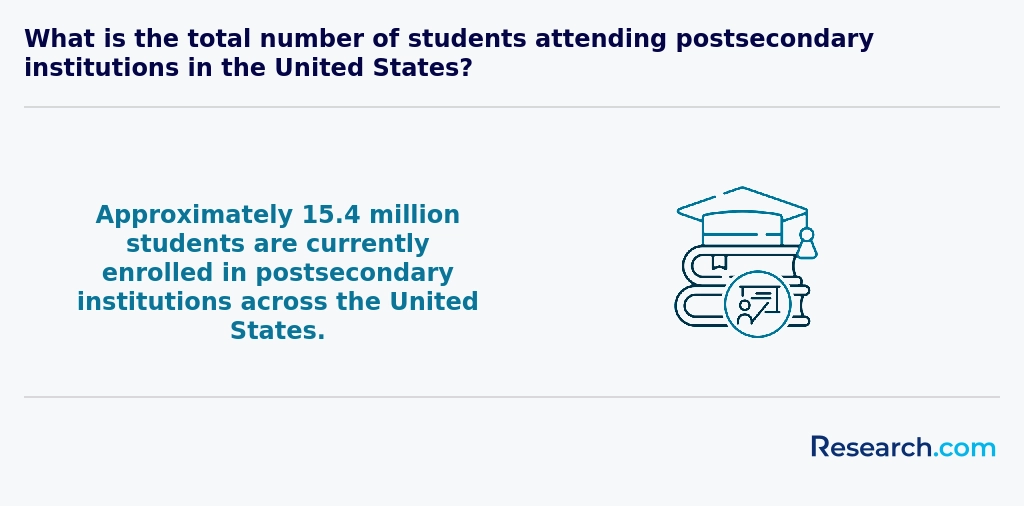
Graduates holding an online degree in California find opportunities across a diverse range of industries, each concentrated in key metropolitan and regional hubs. In the tech powerhouse of Silicon Valley and the broader San Francisco Bay Area, online degree holders can pursue roles such as software developer, data analyst, UX designer, or IT project manager at companies like Google, Facebook, and emerging startups. The demand for cloud engineers and cybersecurity specialists continues to grow, making California online degree graduates highly sought after in this competitive market. In Southern California’s entertainment capital, Los Angeles, online graduates with degrees in business administration, marketing, or digital media are welcomed into agencies, studios, and streaming platforms. Positions such as social media strategist, content producer, and digital marketing manager are common entry points, with room to advance into executive roles. Meanwhile, the biotech and life sciences corridor in San Diego offers careers in research coordination, regulatory affairs, and clinical data management for graduates of health sciences and biology programs. California’s healthcare sector, from Los Angeles County to the Central Valley, employs online nursing and public health graduates in hospitals, community clinics, and telehealth services. Registered nurses, healthcare administrators, and health information managers benefit from strong union representation and attractive salary bands. In the state capital, Sacramento, alumni of public administration and policy programs find roles in state agencies, non-profits, and educational institutions, shaping legislation and managing large‐scale community projects. For those aiming to reach the pinnacle of their field, pursuing easy online phd degrees can unlock leadership positions in academia, advanced research labs, and high-level consultancy. By aligning your online education with California’s key economic sectors, you’ll position yourself for a dynamic career path that leverages both regional strengths and global demand.
Many students pursuing online degrees in California find powerful financial support through federal aid like Pell Grants, which can cover thousands without the burden of repayment. For example, a graduate from a well-known California state university shared how Pell Grants made completing their degree possible while working part-time.
State-based help, including the California College Promise Grant, is a lifeline for community college students enrolled online, reducing or even eliminating tuition. Another graduate from a popular California community college recalled how Cal Grant A and B awards eased both tuition and living expenses, turning ambitious dreams into reality.
Institutional aid at universities such as UCLA or San Diego State also boosts affordability. Many receive scholarships and tuition discounts tailored specifically for online learners, recognizing both merit and need.
Employer assistance and veterans' benefits add further layers of support, ensuring that working professionals and veterans in California can confidently pursue their educational goals without financial strain.
California’s online colleges let you specialize in areas that match your career goals and regional job markets. Common specializations include:
- Business Administration and Management
- Computer Science and Information Technology
- Nursing and Healthcare Administration
- Education and Teaching Credentials
- Psychology and Social Work
- Engineering and Technology
- Environmental Science and Sustainability
For accelerated graduate options, explore one year online masters programs to advance your expertise in as little as twelve months.
For those pursuing bachelor's degrees, having a high school diploma or GED is your ticket in, while graduate programs invite passionate learners armed with an accredited undergraduate degree, recommendation letters, and sometimes test scores or professional experience. Imagine joining a UC online program where your prior work in education or nursing enriches your learning journey.
Residency proof can unlock in-state tuition rates, making dreams more affordable. Many non-native speakers find success by demonstrating English proficiency with TOEFL or IELTS scores, stepping confidently into dynamic, engaging courses that fit their lifestyles.
Financial awareness and planning come into play, but with California's Cal Grant and scholarship options, countless students have found support to thrive academically and personally in their online pursuits.
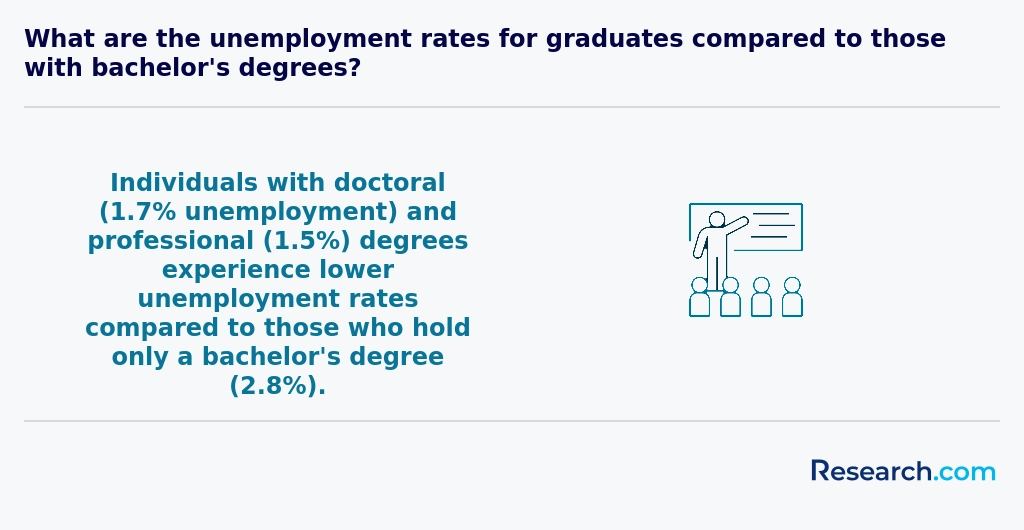
California’s online degree programs stand out when measured against national benchmarks. On average, California students pay approximately $33,668 for an online degree, compared to the national average of $38,400-a savings of nearly 12%. Graduation rates for California’s accredited online institutions hover around 62%, slightly above the national online average of 58%. Meanwhile, employment rates six months post-graduation in California reach 81%, surpassing the U.S. average of 76%. These figures underscore California’s competitive edge in cost efficiency and student outcomes. Program diversity in California also exceeds national norms. While the average U.S. institution offers 45 online majors, California providers average 60, with particularly strong representation in technology, healthcare, and environmental sciences. This breadth of offerings allows students to tailor their studies more precisely to in-demand careers-whether that’s data science in Silicon Valley or public health on the Central Coast. Employers report that California online graduates demonstrate above-average readiness, attributing this to the state’s emphasis on real-world projects and interactive virtual labs. For learners seeking accelerated pathways, California’s online schools often feature shorter completion windows. Many bachelor’s programs can be finished in as little as 2.5 years, and select master’s tracks in under 12 months. To explore programs designed for speed and strong post-graduation salaries, consider our quick degrees that pay well. Overall, California not only offers cost-effective online education but also aligns closely with evolving workforce demands, positioning its graduates for success both locally and nationally.
Online degree programs in California commonly include foundational courses such as English composition, mathematics, and social sciences. These courses are designed to build essential skills like communication, critical thinking, and quantitative reasoning-skills graduates often describe as transformative in their personal and professional lives. Students enrolled at popular institutions like the University of California or California State University frequently praise how these courses prepare them for real-world challenges while maintaining the flexibility to balance work and family.
Those pursuing the best online degree courses in California can expect diverse options tailored to industries thriving in the state. From business basics to technology-focused classes, learners gain practical knowledge that translates directly to career growth. Many graduates also appreciate the flexibility of electives, which allow them to explore personal interests or deepen expertise in areas such as healthcare or STEM.
For ambitious learners looking for quick degrees that pay well, California's online college programs emphasize structured yet adaptable coursework, motivating students every step of the way toward success.
Choosing the best online degree program in California means focusing on quality and relevance to your goals. Graduates from well-known universities often highlight how regional accreditation, like that from WASC, gave their degrees strong recognition in local job markets. Imagine studying at a school that partners with Silicon Valley tech firms or California's leading healthcare providers, boosting your career opportunities right after graduation.
Many students find programs that fit their busy lives and budgets by exploring affordable online colleges in California. Flexible schedules allow working adults to pursue computer science, nursing, or engineering degrees without sacrificing family time. Students share how accessing excellent support services like tutoring and career counseling created a motivating environment, turning challenges into accomplishments.
To discover the right fit, consider programs that meet your licensure needs if you're headed into regulated professions. Reviewing student testimonials and graduation rates from top California schools can guide your decision. For those exploring research fields, also explore easy online phd degrees that might align with your aspirations.
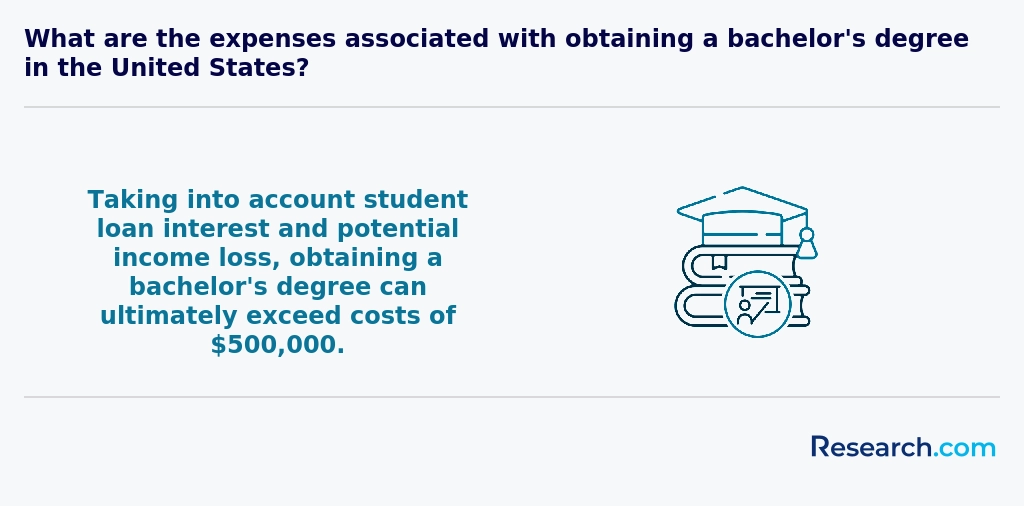
Graduates with online degrees in California find themselves stepping into a vibrant job market full of exciting possibilities. Whether studying at renowned universities like the University of Southern California or California State University, these graduates often secure roles in thriving fields such as technology, healthcare, education, and business. Imagine launching your career as a software developer in the heart of Silicon Valley or becoming a registered nurse making a real difference in communities across Los Angeles. Many graduates share stories of how their flexible online programs empowered them to balance work and family while gaining credentials that open doors to rewarding careers. The California job market for online graduates continues to expand, offering opportunities like health services management or school counseling, perfectly suited for those dedicated to growth and service.
Online degree career opportunities California also extend to innovative sectors like environmental consulting and digital media, where creative minds flourish in dynamic metropolitan hubs. For those seeking more economical options without sacrificing quality, consulting the Inexpensive Online Colleges Programs Ranking in Louisiana offers inspiration and guidance as you map out your educational journey.
The job market for online general degree holders in California is vibrant and full of promising opportunities. Graduates from popular institutions such as the University of California and California State University systems often find that their online degrees open doors to flourishing industries like technology, healthcare, and business. Many employers across Los Angeles, San Francisco, and Silicon Valley actively seek skilled professionals with flexible learning backgrounds, valuing practical experience alongside academic credentials.
Graduates frequently share how their online education allowed them to balance work, family, and study while building relevant skills, making their transition into the workforce smoother. By pursuing programs aligned with industry demands, they tapped into California's competitive job market with confidence, supported by strong employer recognition of online qualifications.
For those eager to accelerate their career, exploring options like the best online associate degree in 6 months accredited can be a smart step. Such degrees provide both the skills and the flexibility needed to thrive in California's evolving professional landscape, embodying how accessible education empowers real success stories in the Golden State's job outlook for online graduates.
2027 Best Online Colleges Programs Ranking in California
Investing in your education is a significant decision that can shape your future, and the Research.com team understands the importance of making informed choices. To assist prospective students in California, we have meticulously crafted the "2027 Best Online Colleges Programs Ranking in California." Our commitment to quality, credibility, and accuracy is reflected in the extensive research and analysis conducted to compile this ranking.
We utilized the following reputable data sources to ensure a comprehensive evaluation of online college programs:
By exploring this ranking, readers will gain valuable insights into top online programs in California, helping them make well-informed decisions that align with their educational and career goals. For more details on our methodology, please visit our Research.com methodology page.


Frequently Asked Questions
Students in California can maximize their learning experience in online degree programs by leveraging the state's robust higher education resources. With over 200 accredited institutions offering remote programs, learners should choose accredited schools recognized by the WASC Senior College and University Commission to ensure quality education.
Engaging actively in virtual classrooms, attending live sessions, and participating in discussion forums helps replicate in-person interaction, which boosts understanding and retention. California students benefit from state initiatives supporting broadband access, a key factor in reducing digital divide barriers that affect nearly 10% of households statewide, according to the California Emerging Technology Fund.
Additionally, utilizing campus resources such as online tutoring, career services, and academic advising improves overall success rates. According to the National Center for Education Statistics, students who use institutional support complete their degrees at a higher rate. Planning a balanced study schedule also accommodates California's diverse time zones and personal commitments, helping maintain consistent progress.
Preparing for the job market after earning an online degree in California involves strategic planning and practical steps. Graduates should leverage California's robust career services, often available through their online institutions, to access job listings, resume reviews, and interview preparation. Networking is vital; joining professional associations or LinkedIn groups focused on California industries can connect graduates with local opportunities.
California's unemployment rate averaged about 4.1% in early 2024, reflecting competitive but accessible job markets, especially in tech, healthcare, and renewable energy sectors (source: California Employment Development Department). Enhancing skills through certifications and internships further boosts employability. Staying informed about regional labor trends increases the chances of successful job placement.
Employers in California highly value a combination of technical and soft skills in graduates, especially those completing online degrees. According to the California Workforce Development Board, critical thinking and problem-solving rank as essential skills across industries. Communication skills, both written and verbal, are also top priorities, reflecting the state's diverse and collaborative work environments.
Technical proficiency, particularly in digital tools and data analysis, is crucial due to California's strong tech-driven economy. Adaptability and the ability to learn quickly remain in demand as businesses navigate rapid technological changes. Additionally, teamwork and leadership abilities help graduates succeed in dynamic settings.
Finding internships in California begins with leveraging the resources offered by online degree programs. Many California colleges have career centers that provide access to internship listings tailored to student fields. According to the California Employment Development Department, industries like technology, entertainment, and healthcare are top sectors for internships.
Students should also explore platforms such as Handshake and LinkedIn, which are popular for internship searches specific to California. Networking plays a crucial role; connecting with alumni or joining local professional groups can uncover opportunities not advertised online. Additionally, consider contacting companies directly, especially those headquartered in major cities like Los Angeles and San Francisco.
In California, holding an online degree can significantly influence career mobility and advancement. According to the California Employment Development Department, jobs requiring at least a bachelor's degree grow faster than those needing only a high school diploma. An online degree offers flexibility for working adults to gain essential skills without interrupting employment.
Employers increasingly recognize accredited online degrees, especially from well-known California universities, as equivalent to traditional credentials. This acceptance opens doors for promotions and new job roles.
Furthermore, many sectors in California, such as technology and healthcare, value continuous education. Earning an online degree can increase earning potential, as reported by the Public Policy Institute of California, with degree holders earning nearly 50% more on average than those without.
When choosing between a thesis and a non-thesis degree program in California, consider your career goals and learning preferences. Thesis programs emphasize research and are ideal if you plan to pursue a PhD or a research-focused career. They require conducting original research and writing a detailed dissertation.
Non-thesis programs typically focus on coursework and practical skills, making them suitable for professionals seeking advancement without engaging in extensive research. According to the California Bureau for Postsecondary Education, about 40% of graduate students in the state opt for non-thesis options to complete their degrees faster.
Cost and time commitment also differ: thesis paths often take longer and may require closer faculty supervision.
Students based in California interested in studying abroad have several options despite pursuing online degrees. Many California institutions partner with international programs, enabling virtual exchanges or blended learning experiences. According to the Institute of International Education, nearly 10,000 California students participated in study abroad programs in 2022, a significant proportion of all US students studying internationally. Online degree programs often include global internships or international research collaborations, allowing students to gain global exposure without leaving home.
The California State University system offers dedicated study abroad advising for online learners, helping them find suitable virtual or short-term immersion opportunities that complement their degrees.
Part-time job opportunities in California that align well with your online degree largely depend on your field of study. For example, students studying business or marketing frequently find roles in retail management or digital marketing internships to build experience. According to the California Employment Development Department, industries such as healthcare, technology, and education are among the fastest-growing sectors offering flexible part-time work.
Jobs like tutoring, administrative assistant roles, and customer service positions provide practical skills and networking opportunities. Additionally, California's strong tech hubs, like Silicon Valley, offer project-based roles that suit students in computer science and engineering programs.
These roles can help students apply classroom knowledge while earning income, making the part-time work both practical and relevant to their academic progress.
Online students pursuing degrees in California benefit from diverse networking opportunities despite not attending campus physically. Many California institutions provide virtual career fairs, webinars, and alumni networking events tailored to online learners. For example, the University of Southern California offers online platforms connecting students with peers, faculty, and industry professionals statewide.
Professional organizations based in California, such as the California Association of Public Employers or tech groups in Silicon Valley, often welcome online students to participate in local and virtual meetups. This helps build connections relevant to students' career fields.
According to the National Center for Education Statistics, California ranks among the top states in online degree enrollment, which enhances the size and variety of these networks. Students are encouraged to engage actively in social media groups and online forums dedicated to their programs to maximize networking potential.
Alumni networks provide valuable support for online degree students in California by offering connections that extend beyond the virtual classroom. These networks enable students to access mentorship, job leads, and industry insights from graduates who understand the local job market.
California is home to over 2 million college graduates annually, according to the California Postsecondary Education Commission. Leveraging this vast alumni pool helps online students tap into diverse professional opportunities across sectors like technology, healthcare, and entertainment.
Participation in alumni events and online communities can increase graduates' job placement rates by up to 20%, according to a 2022 survey by the National Association of Colleges and Employers. These networks also foster lifelong learning through workshops and networking sessions tailored specifically for Californians.
California offers a wide range of options to customize your online degree program according to your career goals. Many universities allow students to choose from various concentrations or specializations within a major, tailoring coursework to specific industries such as technology, healthcare, or business. Additionally, online programs often incorporate electives, internships, and capstone projects that provide practical experience aligned with career objectives.
Advisors at California institutions help students develop personalized study plans, ensuring that chosen courses meet both academic and professional requirements. According to the California Postsecondary Education Commission, flexibility in course scheduling and pacing is a key benefit of online education in the state.
Furthermore, California colleges frequently update curricula based on labor market data provided by the Employment Development Department, helping students acquire skills relevant to regional growth sectors.
Online students in California often face several distinct challenges that can affect their academic success. One common issue is limited access to reliable high-speed internet, especially in rural areas, which can hinder participation in live lectures and timely submission of assignments.
Another challenge is balancing coursework with work and family responsibilities. According to a 2023 report by the California Community Colleges Chancellor's Office, nearly 60% of online students juggle employment alongside their studies, adding stress and time management difficulties.
Additionally, students may experience feelings of isolation due to reduced in-person interaction with peers and instructors. This can impact motivation and engagement, critical factors for persistence in online degree programs.
Writing a winning application for a college or university program in California requires clear organization and attention to detail. Start by thoroughly researching the specific program and its admission requirements. According to the California Postsecondary Education Commission, highlighting how your goals align with the program can improve your chances.
Personal statements should be concise and focused, demonstrating your commitment to online learning, especially as California colleges continue expanding digital options. Use concrete examples of relevant experience or skills.
California public universities, like those in the CSU system, often consider GPA, test scores, and extracurricular activities, so ensure your application documents these clearly. Also, meet all deadlines carefully.
Letters of recommendation add value, especially from professionals familiar with your academic potential.
Gaining practical experience while pursuing an online degree in California is essential for career readiness. Many California online programs offer virtual internships or cooperative education opportunities, allowing students to apply skills in real-world settings. According to the California Department of Education, about 65% of online students engage in internships during their studies.
Students can also participate in project-based courses, which simulate workplace scenarios relevant to industries such as tech, healthcare, and business. Additionally, California's strong network of community colleges and universities often collaborates with local employers to facilitate practicum placements.
Networking events and professional associations offer further avenues for skill development and job connections.
Choosing the right concentration within an online degree program in California begins with understanding your career goals and interests. The California Community Colleges Chancellor's Office reports that many online students gravitate toward business administration, computer science, and health-related fields, reflecting local job market demands.
Research labor trends in California using resources such as the Employment Development Department, which projects strong growth in tech and healthcare sectors through 2030. Aligning your concentration with high-demand fields can improve employment prospects.
Also consider program flexibility and curriculum depth. Accredited institutions like the University of California and California State University systems offer varied specializations tailored to industry needs.
Review course offerings carefully to ensure they match your professional objectives and preferred learning style.
- 2027 Best Online Colleges Programs Ranking in Oregon
- 2027 Best Online Colleges Programs Ranking in Arizona
- 2027 Best Online Colleges Programs Ranking in Idaho
- 2027 Best Online Colleges Programs Ranking in Utah
- 2027 Best Online Colleges Programs Ranking in Washington
- 2027 Best Online Colleges Programs Ranking in New Mexico
- 2027 Best Online Colleges Programs Ranking in Colorado
- 2027 Best Online Colleges Programs Ranking in Montana
- 2027 Best Online Colleges Programs Ranking in Texas
- 2027 Best Online Colleges Programs Ranking in Hawaii
- Why an online degree is a good decision https://www.calcoast.edu/news/how-online-degree-compares-vs-traditional-opportunity-cost
- College Degree vs. Major vs. Concentration: What’s the Difference? https://www.coloradotech.edu/blog/2025/September/college-degree-vs-major-vs-concentration-what-s-the-difference
- Online Bachelor Degrees https://www.smc.edu/student-support/academic-support/transfer-center/articulation-agreements/online-bachelor-degrees/
- Work Experience - Lassen College https://www.lassencollege.edu/academics/work-experience/
- Build Your Career with a Goal-Oriented Development Plan – Step by Step https://sundancecollege.com/blog/goal-oriented-career-development-plan-guide/
- Soft Skills Employers are Looking for in a Graduate https://www.law.ac.uk/resources/blog/soft-skills-employers-are-looking-for-in-a-graduate/
- Better, Broader Learning: California Education Policymakers Prioritize Bolder Expanded Learning Opportunities https://learningpolicyinstitute.org/blog/better-broader-learning-california-education-policymakers-prioritize-bolder-expanded-learning
- Online Degrees & Colleges in California (CA)|OnlineDegrees.com https://www.onlinedegrees.com/california/
- How to Choose a Master’s Concentration: Step-by-Step Guide (2026) https://degreefromanywhere.com/choosing-a-concentration/
- Online Degree vs. Traditional: Choosing the Right Path https://beal.edu/online-degree-vs-traditional/