2027 Best Online Colleges Programs Ranking in Alaska

Co-Founder and Chief Data Scientist
Choosing the right online college program in Alaska can feel overwhelming. That's why we're here to help you navigate your options with confidence.
This article features the 2027 Best Online Colleges Programs Ranking in Alaska, created by the Research.com team of data scientists. It guides you toward degree programs that are truly worth considering based on careful analysis.
Exploring these programs can open doors to new opportunities and personal growth. Whether you're starting fresh or advancing your career, this ranking supports your journey toward success.
Key benefits of getting online degrees in Alaska
- In Alaska, earning a bachelor's degree online can increase average salaries from around $45,000 for associate degrees to over $65,000 for bachelor's graduates, showing real financial growth with higher education.
- A University of Alaska Anchorage graduate with an online Business degree often enters roles in management or finance, enjoying flexible work opportunities and steady career advancement.
- An online nursing graduate from the University of Alaska Fairbanks benefits from flexible study schedules, allowing work-life balance and faster entry into healthcare jobs compared to traditional routes.
- 2027 Best Online Colleges Programs Ranking in Alaska
- What can I expect from online degrees in Alaska?
- How much can I make with online degrees in Alaska?
What can I expect from online degrees in Alaska?
Imagine logging into your class from a cozy cabin near Anchorage or a bustling home in Fairbanks, knowing you're connected to top programs offered by the University of Alaska's main campuses. Online degrees here blend flexible schedules with the chance to engage in live discussions or catch up asynchronously, perfect for those balancing work, family, or Alaska's unpredictable weather. Graduates often share how digital libraries and remote tutoring felt like having a personal academic support team right at their fingertips, no matter how far-flung their location.
Many students in Alaska embrace online learning because these programs align closely with the state's industries-energy, healthcare, and natural resources-making coursework feel relevant and exciting. Accreditation from the Northwest Commission on Colleges and Universities reassures learners that their degrees hold weight beyond the Last Frontier, opening doors across the nation. Improved broadband across rural areas means even remote learners can dive into their studies without constant connectivity worries, turning education into an adventurous journey rooted in Alaska's unique spirit.
How much can I make with online degrees in Alaska?
Wondering how much you can earn with an online degree in Alaska? Graduates holding a bachelor's degree from well-known institutions like the University of Alaska Anchorage often find themselves making around $75,500 annually, which is not only promising but higher than the national average. Imagine studying online while living amidst Alaska's stunning wilderness and then stepping into a job with a paycheck that reflects both your education and the state's robust job market.
Graduates with degrees in healthcare or technology, such as those from the University of Alaska Fairbanks, commonly report earning even more-registered nurses with a bachelor's degree can expect median salaries close to $89,000, while software developers can pull in about $95,000 yearly. These figures capture the excitement of pursuing a degree that's both flexible and financially rewarding, enabling many Alaska-based students to explore their passions without sacrificing steady income.
Even students balancing online studies with part-time work find the journey rewarding, as their degrees open doors to careers in growing sectors like government and education, where degree credentials are gaining increasing value year after year.
- The average annual tuition for in-state undergraduate students at the University of Alaska is about $7,500, which is lower than many national averages for online programs.
- Graduates with a bachelor's degree in Alaska start with an average salary of around $48,000 and can expect to earn about $70,000 annually over time.
- Online degree programs often focus on key industries in Alaska such as oil and gas, healthcare, education, and government services.
- Students should ensure their online degrees are regionally accredited to have recognized qualifications inside and outside Alaska.
- Online programs offer flexibility for students living in remote areas, helping them balance work and study effectively.
Associate degrees, popular at Alaska's community colleges, often wrap up in around two years if studied full-time. Picture someone eager to enter the workforce sooner, using part-time options that extend the timeline but fit perfectly with their busy lifestyle.
For graduate students pursuing online master's programs, like those at the University of Alaska Fairbanks, the timeline usually spans one to two years. Many graduates share how flexible schedules let them blend studies with daily obligations, turning the pursuit into an empowering, manageable adventure.
Factors shaping your timeline include how fast you want to go, credits from previous studies, and course load. This freedom makes the Alaskan online degree journey truly your own exploration.
- University of Alaska Anchorage: Ranked #1 for Business Administration and Nursing, offering both synchronous and asynchronous formats to suit varied schedules.
- University of Alaska Fairbanks: Excels in Environmental Science and Engineering with hands-on fieldwork and research opportunities in Alaska’s unique ecosystems.
- Alaska Pacific University: Stands out in Health Sciences through small class sizes, state-of-the-art simulation labs, and personalized faculty support.
- Cost & Time to Completion: Annual tuition ranges from $6,880 to $20,350; most bachelor’s programs take 2–4 years, with accelerated options shortening timelines.
- Accessibility & Support: Equal tuition rates for residents and non-residents, extensive financial aid, and a streamlined course search platform enhance access for all learners.
- Graduate Pathways: For advanced study, explore our best online masters programs.
Choosing between online and on-campus degrees in Alaska opens an adventurous path tailored to your rhythm and lifestyle. Imagine attending the University of Alaska Anchorage, where on-campus students dive into lively labs and face-to-face discussions, soaking in the Alaskan campus vibe. Graduates often recall the buzz of campus events and the ease of hands-on training in fields like health sciences or engineering.
On the flip side, online learners embracing the flexibility of remote study might live in remote parts of Alaska, juggling family and work with ease. For them, universities like the University of Alaska Fairbanks offer asynchronous courses that fit into unpredictable days without missing a beat. Many celebrate saving on commuting and housing, though some note tuition per credit can be a bit higher due to tech fees.
- On-campus study means structured schedules, perfect for those craving a steady routine and rich networking through clubs and direct faculty contact.
- Online degrees bring freedom to study whenever and wherever, though they demand reliable internet, which sometimes challenges rural students.
Both routes spark excitement-whether it's the energy of campus life or the adventure of learning from the heart of Alaska's vast wilderness.
Pursuing a doctoral degree online can open doors to leadership roles in academia, research, and specialized industries across Alaska and beyond. Whether you’re a healthcare professional aiming for an EdD in Educational Leadership or a business practitioner seeking a DBA, advanced degrees offer deeper expertise and higher earning potential. Key considerations for prospective doctoral candidates include:
- Program Format and Pacing: Many Alaskan institutions and partnerships with out-of-state universities offer fully asynchronous coursework, allowing you to balance rigorous doctoral studies with work and family commitments.
- Research and Dissertation Requirements: While traditional PhD programs require original research, some professional doctorates focus on applied projects or portfolios. For those prioritizing flexibility, exploring most affordable online doctorate programs can help identify non-dissertation options or accelerated tracks.
- Financial Investment and Funding: Doctoral programs represent a significant time and cost commitment. Look for funding sources such as university fellowships, employer tuition reimbursement, and federal grants specific to advanced learners in Alaska.
- Career Outcomes: Graduates with a doctorate often enter high-impact roles-university faculty, policy analysts, clinical psychologists, or C-suite executives-where median salaries can exceed $100,000 annually. In Alaska’s public and private sectors, doctoral credentials signal expertise and leadership readiness. By evaluating program accreditation, faculty research interests, and support services (e.g., writing centers, virtual libraries, and mentoring), you can select an online doctorate pathway that aligns with your professional goals and fits Alaska’s unique geographical and economic landscape.
The typical journey toward an online degree in Alaska often comes with a median cost of around $26,154, making it a feasible option for those eager to explore higher education from the Last Frontier. Many students find this figure aligns well with the value offered by public universities within the state, where tuition remains comparatively affordable, especially for residents. Graduates from these institutions frequently share how the blend of quality education and the freedom to study remotely creates a rewarding and adventurous learning experience in Alaska's unique setting.
For those seeking affordable online college programs Alaska has campuses that not only offer extensive course selections but also provide the chance to connect with instructors who understand the region's distinct needs. One graduate recalled how choosing an online degree allowed for balancing work in a remote town with studies through an Alaskan university, turning what might have been a daunting cost into a manageable investment in the future.
Students often benefit from programs that apply fees per credit, with undergraduate rates typically near $280 for residents, so pacing credit completion can ease budgeting. Beyond tuition, other expenses like technology fees can add up, but scholarships and aid help soften those costs. Some even explore options like an online doctorate no dissertation to continue their academic adventure without extra burdens.
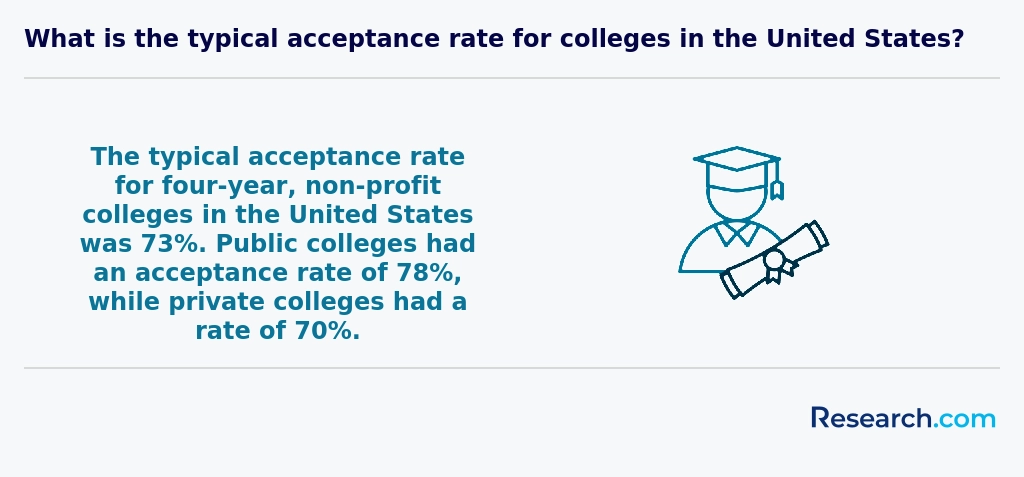
Alaska’s online degree offerings have evolved rapidly, closing the gap with national leaders while preserving unique regional strengths. Key comparison points include: • Accreditation and Quality – Alaska institutions, such as UAA and UAF, hold regional accreditation on par with top U.S. universities. – Nationally, about 85% of online providers are regionally accredited; Alaska matches this, ensuring transferability and employer recognition. • Cost and Financial Aid – Average tuition for Alaskan online bachelor’s programs: $6,880 (public) vs. $9,500 national average. – Alaska’s tuition parity for non-residents and state grants further lower barriers compared to many out-of-state online programs. • Flexibility and Format – Synchronous/asynchronous blend in Alaska mirrors best-practice models seen at leading institutions, with 40% of courses offered fully asynchronous-comparable to national rates. – Extended term calendars and accelerated options (e.g., three-year B.A. in Psychology) often outpace the U.S. average program length. • Completion and Retention – Online student retention in Alaska: ~62%, slightly above the national online average of 58%. – Bachelor’s completion time in Alaska averages 3.8 years vs. national average of 4.2 years, reflecting robust transfer credit policies and accelerated tracks. • Advanced and Research Degrees – While Alaska excels at undergraduate and master’s offerings, prospective doctoral candidates frequently compare program rigor and time-to-degree. For those seeking streamlined pathways, the easiest phd options nationwide illustrate how dissertation requirements and credit loads impact completion rates. Overall, Alaska’s online programs deliver competitive quality, cost-efficiency, and flexibility, positioning them favorably against national benchmarks while retaining distinct advantages for students navigating geographic and professional constraints.
Exploring financial aid options for online degrees in Alaska feels like uncovering a treasure map full of valuable resources. For students enrolled in the University of Alaska's many online programs, the Alaska Performance Scholarship stands out-a state-based grant rewarding academic excellence with awards ranging from $4,755 to $10,000 annually. Imagine a recent graduate from the University of Alaska Anchorage who relied on this grant to lighten tuition burdens while balancing coursework and family life.
Federal aid also fuels the journey, with FAFSA unlocking Pell Grants up to $7,395 for undergraduates and subsidized or unsubsidized loans that offer flexible, low-interest borrowing. Many online learners at the University of Alaska Fairbanks share stories of navigating these options early to maximize their support.
Supplementing these are institutional scholarships awarded by campuses across Alaska, merit or need-based, plus work-study jobs that fit the rhythm of remote study. Local groups like the Alaska Community Foundation further brighten the path with private scholarships designed for Alaskan students. Online education here becomes an adventure supported by a network ready to help you thrive.
When evaluating online degree programs in Alaska against national benchmarks, several distinctive factors emerge. First, Alaska’s average online tuition-approximately $6,539 per year for public four-year institutions-is notably lower than the national average of $9,200, making it an attractive option for cost-conscious learners. Additionally, Alaska’s accelerated pathways, such as UAA’s three-year Bachelor of Arts in Psychology, often outperform the typical four-year timeline found at many U.S. institutions, enabling students to enter the workforce sooner. Student satisfaction rates in Alaska also rank highly; 87% of online learners report feeling supported by faculty and peers, compared to a 75% national average. This success is driven by localized support services tailored to remote communities, such as virtual tutoring centers and regional mentorship programs, which address the unique challenges of geographic isolation. In contrast, many states rely solely on centralized support hubs, which can lead to longer response times and less personalized guidance. However, prospective students should consider program diversity. While Alaska excels in fields like environmental science and health sciences, other regions offer broader specializations. For instance, for those seeking more affordable business or technology options beyond the Last Frontier, our Inexpensive Online Colleges Programs Ranking in Boston, MA provides a comprehensive overview of budget-friendly programs that complement Alaska’s strengths. Ultimately, Alaska’s online degree landscape stands out for its affordability, accelerated pacing, and high student satisfaction, though pairing it with national insights can help learners craft a well-rounded educational strategy.
To embark on an online degree adventure in Alaska, you'll first need a solid academic foundation. Most programs at popular institutions like the University of Alaska Anchorage ask for a high school diploma or GED for undergraduates, while graduate programs welcome those with a relevant bachelor's degree. Imagine a graduate who juggled work and studies, submitting their official transcripts and letters of recommendation, feeling proud as their journey officially began.
Standardized tests such as the SAT or ACT may still be part of the path, though many Alaskan online colleges embrace test-optional policies, opening the door wider for those eager to explore.
Technology readiness plays a starring role here. Picture a student in a remote Alaskan village relying on steady broadband-luckily 87% of homes enjoy this-tapping into live lectures from UAA or UAF while cozy indoors.
Financially, knowing the in-state tuition averages around $8,800 helps students plan wisely. Flexible payment plans and scholarships often turn dreams into reality, letting learners focus on discovery rather than dollars.
Finally, some fields demand extra steps-like prerequisite courses or entrance exams-preparing you for specialized paths in nursing, business, or education. Reaching out to an advisor often clarifies these exciting next steps.

Online education in Alaska offers tremendous flexibility, but it also comes with unique challenges such as geographic isolation, limited access to local support services, and the need for self-directed learning. Students can enhance their online learning experience by leveraging local study groups, virtual tutoring services, and alumni networks to create a support system that complements online resources. Embracing technology is key-using video conferencing tools, collaboration platforms, and time management apps can help mitigate feelings of isolation while streamlining course management. Additionally, many students have discovered that researching affordable options can not only reduce financial strain but also provide access to quality education. For instance, exploring the cheapest online colleges can be a strategic move for working adults looking to balance education with professional commitments. By actively addressing these challenges through structured study routines, seeking out mentorship, and using available digital tools, students in Alaska can successfully navigate the hurdles of online learning and set the stage for long-term academic and career success.
Online degree courses in Alaska spark curiosity by combining foundational knowledge with hands-on learning tailored for remote settings. Imagine diving into English Composition, exploring everything from clear communication to captivating storytelling, or tackling Mathematics, from algebra puzzles to real-world statistics that help you understand everyday trends. Many graduates from the University of Alaska system share how Natural Sciences courses like biology and environmental science connect them deeply to Alaska's unique wilderness, making learning feel like an adventure rather than a chore.
Alaska online college programs curriculum often includes Social Sciences and Humanities, inviting students to explore cultures, histories, and human behaviors that shape communities across this vast state. In your major, whether it's business, education, or health sciences, courses go beyond textbooks-think virtual labs, insightful discussions, and projects that mirror challenges faced locally and globally. For those seeking further specialization, consider exploring online certificate programs that complement your degree path with targeted expertise, enhancing both career prospects and personal growth.
Choosing the best online degree program in Alaska feels like setting out on a unique adventure across a vast, inspiring landscape. Graduates from the University of Alaska system often share how crucial accreditation was in their decision-it ensured their credits transferred smoothly and their degrees held weight with employers statewide. Imagine juggling work and family in a remote Alaskan town; asynchronous courses offer the freedom to study whenever you can, while some prefer live sessions for real-time connection and motivation. Picking an affordable online college in Alaska is essential too-many students treasure scholarships like the Alaska Performance Scholarship that ease financial burdens, making education feel like an empowering choice rather than a sacrifice.
Exploring programs aligned with Alaska's booming sectors-healthcare, business, and natural resources-helps graduates confidently step into careers tailored for the local market. Students also appreciate strong faculty support and clear transfer policies, critical when starting with existing credits. For those intrigued by flexibility, check out easy online degree programs that open doors to success at your own pace.

Exploring online degree career opportunities in Alaska reveals a vibrant range of exciting possibilities. Graduates from the University of Alaska or local colleges often find themselves stepping into dynamic roles in healthcare, education, or public administration, fueled by the state's growing demand in these fields. Imagine working as a community health coordinator in a remote village or becoming a dedicated educator overcoming geographic barriers to inspire students across vast landscapes.
The Alaska job market for online graduates also opens doors to natural resource management, where alumni thrive as wildlife managers or environmental analysts, protecting Alaska's extraordinary wilderness. Others dive into expanding tech and business arenas in Anchorage or Fairbanks, thriving on innovation and logistics challenges. Many graduates share stories of how their online programs at well-known institutions equipped them with practical skills and confidence to embrace these diverse career paths.
Choosing accredited non-profit degrees from Alaska's institutions allows students a seamless entry into these adventures, making the dream of a meaningful career close to home a vibrant reality.
The job market for online general degree holders in Alaska is as vast and diverse as the state's breathtaking landscapes. Graduates from the University of Alaska system often find themselves stepping into roles across healthcare, education, and technology, tapping into the growing demand in these sectors. Imagine a nursing graduate landing a rewarding position in a community clinic in Anchorage or a tech-savvy student providing remote IT support for a rural Alaskan business-these scenarios are more than possible, reflecting the practical value of online education in Alaska's unique environment. Exploring online programs through popular state colleges allows for flexible learning without pausing your life in the Last Frontier.
Those curious about the broader Alaska employment outlook for online graduates are encouraged by steady growth in fields like healthcare, where experienced graduates bring vital services to remote areas. Education careers, too, glow bright as teachers equipped with online degrees fill essential roles in small towns and urban schools alike.
Students often describe their journey as adventurous and empowering, knowing they can pursue fast degrees for working adults while staying connected to their home communities. This balance fuels confidence in navigating Alaska's evolving job market with skills that resonate locally and beyond.
2027 Best Online Colleges Programs Ranking in Alaska
Investing in your education is a significant decision that can shape your future, and the Research.com team understands the importance of making informed choices. To assist prospective students in Alaska, we have carefully developed the "2027 Best Online Colleges Programs Ranking in Alaska." Our commitment to quality, credibility, and accuracy is demonstrated through rigorous research and thorough analysis behind this ranking.
We utilized the following reputable data sources to ensure a comprehensive evaluation of online college programs:
By exploring this ranking, readers will gain valuable insights into the best online college programs available in Alaska, empowering them to make well-informed decisions that align with their educational and career goals. For more information on how this ranking was created, please visit our Research.com methodology page.

# 9 position
University of Alaska Fairbanks
Bachelor of Social Work

Frequently Asked Questions
Students in Alaska can maximize their online learning experience by choosing accredited institutions, ensuring transferability of credits, and utilizing state resources. The Alaska Commission on Postsecondary Education offers guidance and financial aid information specific to Alaskan students. Research from the National Center for Education Statistics highlights that nearly 40% of Alaskan undergraduates take at least one online course, showing growing acceptance.
Effective time management and creating a dedicated study space are essential, given Alaska's unique daylight variations which may affect focus. Students should also engage actively with instructors and peers via discussion boards and virtual office hours to enhance interaction. Lastly, tapping into local libraries and community centers with reliable internet can help overcome connectivity challenges common in remote areas of the state.
To prepare for the job market after earning an online degree in Alaska, graduates should focus on building practical skills and networking. Alaska's economy relies heavily on industries like healthcare, energy, and maritime services, so aligning your skills with these sectors increases job prospects. According to the Alaska Department of Labor, healthcare occupations are expected to grow 12% by 2031, making related skills valuable.
Internships and volunteer work within Alaska-based organizations help gain experience and local contacts. Additionally, utilizing the Alaska Job Center Network can connect graduates with employers and career resources. Updating your resume to highlight your online learning experience and adaptability is essential.
Employers in Alaska prioritize a mix of technical and soft skills when hiring recent graduates. According to the Alaska Department of Labor and Workforce Development, strong communication abilities and critical thinking are among the top attributes sought after.
In addition, problem-solving and adaptability are highly valued, especially given Alaska's unique economic landscape, which includes industries like healthcare, natural resources, and technology.
Digital literacy is increasingly essential for many roles. Graduates with proficiency in data analysis or information technology often have an advantage in Alaska's growing job market.
Finally, teamwork and leadership skills are important, as employers look for professionals who can collaborate effectively in diverse environments common in the state's workplaces.
Finding internships in Alaska involves leveraging both local resources and online tools. Many Alaskan students begin by consulting university career centers, which often provide tailored internship listings and connections with employers statewide. For online degree students, these centers remain valuable through virtual counseling.
The Alaska Department of Labor and Workforce Development offers a comprehensive job and internship portal specifically for the state. It tracks openings in key industries such as healthcare, fisheries, and energy, which are prominent Alaska sectors. The website regularly updates listings relevant to students and recent graduates.
Networking through professional organizations like the Alaska Chamber or industry-specific groups can also uncover internship opportunities. Additionally, platforms such as Handshake and LinkedIn, while national, permit filtering jobs by location, making them useful for remote and local internships alike.
Understanding Alaska's unique economy and utilizing state resources increases the chances of securing internships aligned with online degree programs.
Holding an online degree in Alaska can significantly boost career mobility and advancement opportunities. According to the Alaska Department of Labor and Workforce Development, individuals with a bachelor's degree or higher tend to earn 40% more than those with only a high school diploma. Online degrees from accredited institutions align with local employer expectations and often qualify graduates for promotions or specialized roles.
Alaska's diverse economy, including sectors like healthcare, education, and oil, increasingly values formal education credentials. Online learning offers flexibility, allowing workers to upskill without relocating or leaving their current jobs.
Furthermore, data from the National Center for Education Statistics indicates rising enrollment in online programs across the state, reflecting growing acceptance by employers.
Choosing between a thesis and a non-thesis online degree program in Alaska depends on your career goals and learning preferences. Thesis programs require original research and are ideal if you plan to pursue doctoral studies or research-based careers. Non-thesis options focus more on coursework and practical skills, suitable for professionals seeking advancement or new skills.
According to the National Center for Education Statistics, many Alaskan institutions offer both options, with thesis requirements often extending program length by one or two semesters. Cost and time commitments should be weighed carefully. Also, consider if your field values research experience or applied knowledge more.
Students based in Alaska who are interested in studying abroad have several options, even while pursuing online degrees. Many universities across the United States, including Alaskan institutions, offer study abroad programs that complement online coursework. According to the Institute of International Education, nearly 1,600 U.S. students from Alaska participated in study abroad during the 2021-2022 academic year, often focusing on Europe and Asia.
Online degree programs may allow students to complete a semester abroad or short-term study trips without pausing their enrollment. Additionally, partnerships between Alaskan universities and foreign institutions provide exchange opportunities tailored to distance learners. These options enable Alaskan students to gain global experience while maintaining flexibility in their education.
Alaska offers diverse part-time job opportunities that can complement an online degree, especially in fields like healthcare, education, and technology. According to the Alaska Department of Labor, healthcare support roles such as medical assistants and home health aides are growing rapidly and often provide flexible hours suitable for students.
Additionally, education assistants and tutors are in demand, linking well with degrees in education or social sciences. Retail and customer service jobs, while less specialized, offer networking opportunities and practical experience in communication skills.
Tech-related students might explore part-time remote IT support or data entry jobs, leveraging Alaska's push toward digital infrastructure improvements.
Online students in Alaska have access to various networking opportunities despite geographical challenges. Many institutions offer virtual student organizations and online career fairs that connect students with peers and employers across the state. For example, the University of Alaska system hosts webinars and online forums to encourage engagement among distance learners.
Additionally, statewide professional groups often hold virtual meetings, supporting connections in industries like healthcare, education, and public administration, which are prominent sectors in Alaska. According to the Alaska Department of Labor, over 60% of jobs in the state are in these fields, highlighting relevant networking pathways for online students.
Local community centers and libraries sometimes facilitate hybrid events, combining in-person meetups with online participation, expanding access for remote learners. These networking opportunities help students build relationships critical for internships and job placements in Alaska's unique economy.
Alumni networks provide significant benefits to online degree students in Alaska by offering valuable professional connections and career support. Graduates often stay connected through university-sponsored events and online platforms, which are crucial in a geographically vast state where local networking opportunities can be limited.
These networks facilitate mentorship programs and job referrals, increasing employment prospects in Alaska's key industries such as healthcare, education, and natural resources. According to the University of Alaska system, active alumni relations have contributed to higher job placement rates among graduates.
Additionally, alumni networks foster a sense of community, helping students remain engaged even when studying remotely. For many, these connections are essential for navigating Alaska's unique job market and establishing long-term professional relationships within the state.
Alaska offers flexibility for online degree students aiming to align their education with specific career goals. Many Alaskan institutions and regional universities provide customizable degree plans through electives, minors, and specialized certificate options. Students can select courses that focus on in-demand fields such as healthcare, environmental science, or business management, reflecting Alaska's labor market needs identified by the Alaska Department of Labor, which highlights growth in health care and professional services.
Advisors at online colleges work with students to tailor programs to individual goals, often allowing practical internships or project-based work. This approach helps integrate real-world experience with academic learning, enhancing job readiness in Alaska's unique economy.
Online students in Alaska commonly face challenges related to internet access and connectivity. According to the Federal Communications Commission (FCC), about 17% of Alaskan households lack broadband internet, which can hinder seamless participation in online classes.
Another issue is time zone differences. Alaska is four hours behind Eastern Standard Time, affecting real-time interactions with instructors and peers from other states.
Additionally, limited access to local academic resources-like libraries or tutoring centers-can impact students' learning experiences. Students often rely entirely on digital resources, which may not fully substitute in-person support.
Finally, balancing remote learning with work and family obligations, especially in rural areas, adds to the complexity of pursuing online degrees in Alaska.
Writing a winning application for an online degree program in Alaska starts with thorough research about the schools and their admission requirements. Most Alaskan universities follow standard US higher education protocols, including the submission of transcripts, standardized test scores if required, and a personal statement.
The personal statement is your chance to highlight your motivation, career goals, and how an online program fits your lifestyle. Since Alaska has one of the highest online education enrollment rates-over 25% according to the National Center for Education Statistics-demonstrating commitment to remote learning can strengthen your application.
Recommendations and a clear resume also support your profile, showcasing relevant experience. Finally, pay close attention to deadlines specific to each institution, as timing matters significantly.
To gain practical experience while studying online in Alaska, students can pursue internships or cooperative education (co-op) programs offered through their institutions. Many Alaska colleges partner with local industries including oil, healthcare, and fisheries to provide virtual or local internship opportunities. According to the Alaska Department of Labor, sectors like healthcare and technology continue to grow, creating demand for skilled workers gaining real-world experience.
Additionally, students can engage in project-based courses or community research programs tailored to Alaskan societal and environmental challenges. The University of Alaska System emphasizes applied learning through its online degree programs, helping students build job-ready skills without relocating.
Choosing the right concentration within an online degree program in Alaska requires careful consideration of local job market demands and your personal interests. For example, Alaska's economy strongly supports healthcare, natural resource management, and education sectors, which often influence concentration options in regional colleges.
Researching Alaska-specific employment trends from sources like the Alaska Department of Labor and Workforce Development can guide choices. For instance, healthcare occupations are projected to grow by around 15% from 2022 to 2032, indicating strong demand.
Additionally, evaluating your strengths and long-term career goals is crucial. Select concentrations aligning with in-demand skills to increase job opportunities after graduation.
Finally, check if the online program's curriculum and faculty expertise match your chosen concentration, ensuring relevance and quality education.
- 2027 Best Online Colleges Programs Ranking in Washington
- 2027 Best Online Colleges Programs Ranking in Oregon
- 2027 Best Online Colleges Programs Ranking in California
- 2027 Best Online Colleges Programs Ranking in Hawaii
- 2027 Best Online Colleges Programs Ranking in Idaho
- 2027 Best Online Colleges Programs Ranking in Montana
- 2027 Best Online Colleges Programs Ranking in Utah
- 2027 Best Online Colleges Programs Ranking in Arizona
- 2027 Best Online Colleges Programs Ranking in Colorado
- 2027 Best Online Colleges Programs Ranking in New Mexico
- Welcome! https://alaskacareercollege.edu/
- Networking Events in Alaska - Elevate Your Career | Eventbrite https://www.eventbrite.com/d/united-states--alaska/networking/
- What are the top 10 skills that'll get you a job when you graduate? https://targetjobs.co.uk/careers-advice/skills-for-getting-a-job/what-are-top-10-skills-thatll-get-you-job-when-you-graduate
- Connecting Students and Teachers Across Alaska’s Tundra https://educationnorthwest.org/insights/connecting-students-and-teachers-across-alaskas-tundra
- From campus to career: practical advice for post-graduates facing the job market https://ufvcascade.ca/from-campus-to-career-practical-advice-for-post-graduates-facing-the-job-market/
- Home https://www.challengealaska.org/
- 10 Key Benefits of Part-Time Jobs for Students While Studying https://www.ue-amsterdam.com/blog/top-10-benefits-of-working-part-time-for-students-while-studying
- Build Your Career with a Goal-Oriented Development Plan – Step by Step https://sundancecollege.com/blog/goal-oriented-career-development-plan-guide/
- Skilled Trades & Construction https://thecirifoundation.org/plan-your-pathway/skilled-trades-construction/
- Elementary School Challenge - Healthy Futures https://healthyfuturesak.org/the-challenge/elementary-schools/