2027 Easiest Online Colleges Programs Ranking in Missouri

Co-Founder and Chief Data Scientist
Choosing the right online degree program in Missouri can feel overwhelming. That's why the 2027 Easiest Online Colleges Programs Ranking in Missouri was developed by the Research.com team of data scientists. This ranking helps you find programs that are accessible and manageable, making your education journey smoother.
Reading this article will give you clear insights to make informed decisions about which programs suit your needs best. Earning a degree opens doors to exciting opportunities and personal growth, and this guide is here to support you every step of the way.
Key benefits of getting online degrees in Missouri
- Graduates with a bachelor's degree in Missouri earn an average salary of $58,000 annually, while those with a master's degree see this rise to around $75,000, showing clear financial benefits at higher degree levels.
- A graduate from the University of Missouri's online Business program quickly advanced to a marketing manager role, illustrating strong career growth supported by the school's excellent industry connections.
- Completing an online degree from Missouri State University allowed a student to balance work and study efficiently, proving that flexibility and convenience can lead to successful career outcomes compared to traditional campus programs.
- 2027 Easiest Online Colleges Programs Ranking in Missouri
- What can I expect from online degrees in Missouri?
- How much can I make with online degrees in Missouri?
What can I expect from online degrees in Missouri?
Enrolling in an online degree program in Missouri means embracing flexibility without sacrificing quality. Graduates from the University of Missouri System often share how their ability to balance work, family, and studies was made possible by accessing lectures and assignments on platforms like Canvas, allowing learning to fit seamlessly into their daily routines.
Missouri State University students frequently highlight the cost savings they experienced, as in-state tuition for online classes matches on-campus rates but eliminates expenses like commuting or campus housing. This affordability paired with available scholarships eases financial worries, making education feel more attainable.
Expect rigorous academic standards backed by regional accreditation, ensuring your degree holds value nationally and supports smooth credit transfers. While the independence required can be challenging, community colleges across Missouri offer strong support networks-online tutoring, advising, and career counseling-that help students stay motivated and engaged.
Ultimately, an online degree here cultivates self-discipline and adaptability, valuable skills that graduates recognize as major contributors to their success in Missouri's evolving workforce.
How much can I make with online degrees in Missouri?
Graduates earning an online bachelor's degree in Missouri often find themselves stepping into a job market with a median annual wage around $55,000, a reassuring figure backed by data from the U.S. Bureau of Labor Statistics. Those who pursued their degrees from well-known institutions like the University of Missouri or Missouri State University have shared how this foundation enabled them to secure solid entry-level roles. For example, a nursing graduate from an online program reported starting at about $65,000 annually, a salary that reflects the strong demand for healthcare professionals across the state.
Advancing to a master's degree, alumni from online MBA or IT programs offered by Missouri's top schools frequently mention salaries ranging from $75,000 to $95,000. These earnings echo the Missouri Economic Research and Information Center's findings that graduate degree holders enjoy roughly 20% higher pay than bachelor's degree holders. One business administration graduate recalled how their online degree helped land a management role in Kansas City, earning a rewarding salary that made the remote study effort truly worthwhile.
Location also plays a key role-graduates working in metropolitan hubs like St. Louis or Kansas City tend to find opportunities with higher wages compared to rural areas of Missouri. Those who balanced online studies with real-world experience have found the flexibility invaluable, marrying education with career advancement. Ultimately, an online degree from a respected Missouri institution isn't just a credential; it can be a gateway to financial stability and career growth in a competitive job market.
- Missouri offers accredited online degree programs through public and private institutions, including the University of Missouri System.
- In-state tuition for online bachelor's degrees at public universities ranges from $8,000 to $10,000 per year, while private schools may charge between $15,000 and $25,000 annually.
- Entry-level salaries for online bachelor's degree holders average $40,000 to $45,000 per year, with median salaries rising to $60,000 to $70,000 as experience grows.
- High-demand industries for online graduates include healthcare, education, and business, supported by Missouri's strong job market in technology and manufacturing.
- The state's low cost of living increases the economic value of online degrees, making employment outcomes more affordable for graduates.
Online degrees in Missouri offer a range of completion times, shaped by personal pace and program design. Graduates from Missouri State University often share how their bachelor's programs, typically requiring four years, felt flexible enough to balance work and family commitments. For some, this led to an extended timeline of five or six years, but it allowed them to stay motivated and focused without sacrificing life outside school.
Associate degree seekers at community colleges like St. Louis Community College appreciate the structure aimed at finishing within two years, yet the option to go slower works well for those juggling jobs. These programs provide a faster pathway into the workforce or a smooth transfer to a four-year school.
Master's students enrolled through the University of Missouri system have reported finishing in as little as one year, especially when transferring credits or taking accelerated courses. The variety in timelines reflects a student's unique situation and the flexible nature of Missouri's online education options, encouraging steady progress with confidence and satisfaction.
Accreditation is the cornerstone of academic quality and ensures that your online program in Missouri meets rigorous standards set by recognized bodies. Most reputable institutions in Missouri hold regional accreditation from the Higher Learning Commission (HLC), which guarantees transferability of credits, eligibility for federal financial aid, and employer recognition. In addition to regional accreditation, specialized programs-such as nursing, business, or education-may carry programmatic accreditation from organizations like the Commission on Collegiate Nursing Education (CCNE) or the Association to Advance Collegiate Schools of Business (AACSB). Before enrolling, verify an institution’s status via the U.S. Department of Education’s database or the Council for Higher Education Accreditation (CHEA) directory. Confirm that the program is authorized to deliver online coursework in Missouri and any state where you reside, as out-of-state authorization can impact licensure eligibility and student protections. Accredited programs also adhere to ongoing review processes, providing transparency through published outcomes such as retention rates, graduation rates, and post-graduation employment statistics. When comparing tuition and fees, balance cost savings with quality indicators-many prospective students even cross-reference affordability rankings like our Low Cost Online Colleges Programs Ranking in Livonia, MI to find programs that deliver both value and accreditation integrity. By prioritizing accredited institutions, you safeguard your educational investment, ensure full recognition of your credentials, and maximize your long-term career prospects.
Choosing between an online and an on-campus degree in Missouri often comes down to lifestyle and learning preferences. Graduates from the University of Missouri share how on-campus experiences offered strong community connections through face-to-face discussions and access to campus libraries, which enriched their academic journey. Conversely, alumni from Missouri State University recall the flexibility of online programs, which allowed them to balance work and family responsibilities without sacrificing educational quality.
Both formats meet rigorous standards set by the Higher Learning Commission, ensuring your degree holds weight whether earned in a lecture hall or via a digital platform. On-campus programs often involve set schedules and immersive social experiences, while online programs leverage asynchronous classes, letting you study evenings or weekends from anywhere in Missouri or beyond.
Cost differences also matter. Online learners avoid expenses like housing and transportation but should watch for tuition variability. Many find this flexibility and savings empowering, especially when pursuing careers while studying.
In essence, Missouri's accredited institutions provide equally respected degrees, but your choice shapes how you engage with peers, faculty, and campus life.
Online education can be highly rewarding when approached strategically. First, set up a dedicated study space free from distractions and maintain a consistent daily schedule. Time management is crucial; consider using planners or digital calendars to organize coursework, deadlines, and personal responsibilities. Additionally, join online communities and discussion boards, which can provide peer support and foster a collaborative learning environment. For insights on budget-friendly programs, check out our guide on most affordable online general schools in missouri. Staying engaged with course materials through regular interactions with instructors and classmates is another key step to achieving success. Leverage available academic resources such as tutoring, digital libraries, and career services tailored to online learners. Finally, practice self-discipline by setting short-term goals and celebrating milestones throughout your educational journey. These expert tips are designed to help you maximize your potential and thrive in Missouri's online learning environment.
When considering the average cost of an online degree in Missouri, it's important to factor in residency status and the type of institution. Graduates from well-known public universities in Missouri often share that in-state tuition keeps expenses more manageable, with median total costs around $31,080. This affordability allows many students to pursue their education without overwhelming debt, creating a positive and motivating path toward career advancement.
For those coming from out of state, the experience can feel different; median costs rise closer to $36,000, reflecting higher tuition rates characteristic of many Missouri institutions. However, students often emphasize that the quality of online programs, especially at schools recognized for affordable online college programs Missouri, offsets the higher price through flexible schedules and strong academic support.
Graduates from private colleges in Missouri often note a broader range of online degree options, though tuition tends to be higher. Still, these programs can offer scholarships or financial aid that make investment worthwhile. Exploring choices among public and private institutions is wise to align budgets with educational goals.
Beyond tuition, many students face technology fees, books, and materials, which can add a few hundred dollars per semester. Despite these costs, the overall investment feels balanced when considering the career opportunities unlocked by an online degree. Prospective students interested in finding the most cost-effective options should explore the most affordable online general schools in missouri, helping them navigate toward programs that fit their financial and educational needs.

Missouri’s online programs not only offer flexible learning but also provide robust student support systems designed to ensure academic success and career readiness. Institutions are increasingly investing in comprehensive tutoring services, academic advising, technical support, and career counseling that help students navigate both their coursework and professional development. For example, many universities host virtual help centers where students can access one-on-one mentoring, participate in interactive webinars, and join peer discussion groups that foster collaborative learning. Additionally, dedicated career services teams work with students to refine resumes, develop networking strategies, and connect with industry professionals-all of which are vital for succeeding in today’s competitive job market. If you are eager to accelerate your education journey, consider exploring fast degree programs that pay well as a pathway to quickly enhance your skills while entering high-demand fields. With these tailored support resources, Missouri’s online programs empower students to overcome challenges and achieve their personal and professional goals.
Online students pursuing degrees in Missouri often find a surprising level of financial support that makes higher education more attainable. Graduates from popular institutions like the University of Missouri or Missouri State University recall how federal aid, accessed through FAFSA, played a vital role in easing tuition costs. The Pell Grant, for instance, provides up to $7,395 annually, which can mean the difference between worrying about bills and focusing on studies.
State-specific aid further brightens the financial outlook. Programs like Access Missouri Financial Assistance and the A+ Scholarship are tailored to residents, benefiting those attending community colleges or four-year schools-even online learners. Graduates often share how these state awards complemented federal aid, reducing their loan burdens.
Merit-based scholarships from Missouri universities recognize academic achievements, giving students an extra boost. Some online learners have also found work-study options that allowed them to gain experience and income simultaneously. Checking with the school's financial aid office is essential, as requirements can vary, but these resources often transform financial stress into hopeful opportunity.
Below are some of the most popular majors you can pursue fully online in Missouri:
- Business Administration (accounting, finance, management) – see our best bachelor degrees for top-paying tracks
- Nursing (BSN, RN-to-BSN, healthcare leadership)
- Information Technology (cybersecurity, data analytics, network administration)
- Education (elementary, secondary, special education)
- Psychology (general, counseling, organizational)
- Healthcare Administration (policy, service management)
- Criminal Justice (homeland security, corrections, law enforcement)
- Marketing (digital marketing, strategic communication)
Enrolling in an online degree program in Missouri usually begins with having a high school diploma or equivalent, like a GED, which feels like the first real step toward a brighter future. Graduates from the University of Missouri system often share how securing official transcripts early gave them peace of mind, knowing their academic history was fully recognized.
For those aiming higher, such as pursuing graduate studies, holding a bachelor's degree from an accredited college in Missouri or beyond becomes essential, a milestone that reflects years of dedication and growth. Many students appreciate that several schools here have embraced test-optional policies, reducing stress around SAT or ACT scores and opening doors to more diverse learners.
Access to reliable internet and a compatible device is more than just a technical requirement; it's a lifeline that keeps students connected during late-night study sessions or group projects with peers from Saint Louis University or Missouri State University. Encountering specific course prerequisites, like biology for nursing, reminds students of the focused preparation needed but also sparks motivation as they picture themselves mastering the material.
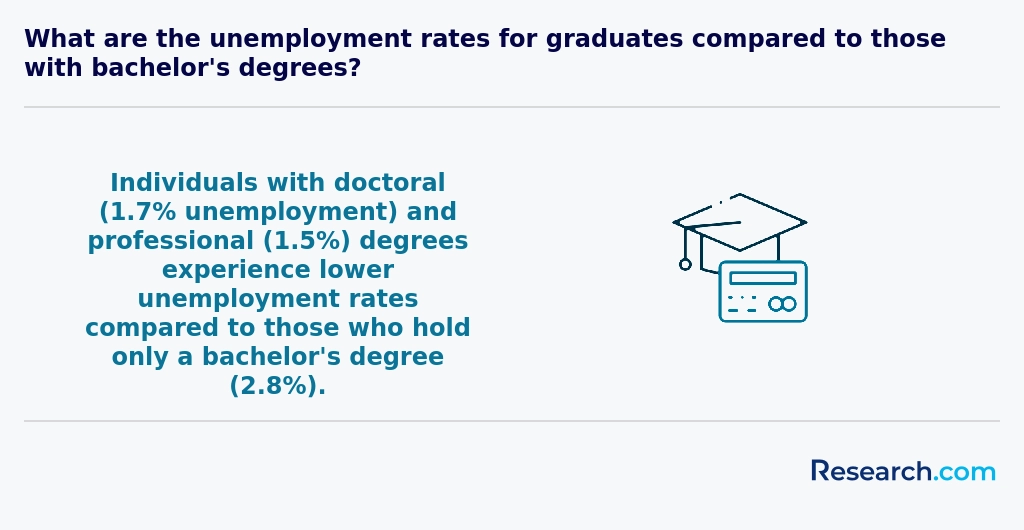
Ensuring that an online college program is properly accredited is essential for credit transfer, employer recognition, and eligibility for licensure. In Missouri, most reputable institutions hold regional accreditation from the Higher Learning Commission (HLC), recognized by the U.S. Department of Education and CHEA. Before enrolling, verify institutional accreditation via the HLC directory and confirm any programmatic accreditation-such as CCNE for nursing, CACREP for counseling, or ABET for engineering-to guarantee specialized quality standards. Accreditation impacts financial aid eligibility, transferability of credits, and postgraduate opportunities. For example, graduates from HLC-accredited programs can seamlessly apply credits toward advanced degrees or certifications. When comparing tuition and fees, prospective students should also consider our guide to affordable masters, which highlights accredited options that balance cost and quality. Key steps to verify accreditation:
- Check the Missouri Department of Higher Education’s approved institutions list.
- Search the U.S. Department of Education’s Database of Accredited Postsecondary Institutions and Programs.
- Confirm programmatic accreditation on professional body websites (e.g., CCNE.org, ABET.org). By prioritizing accredited online programs, Missouri students safeguard their academic investment and enhance future career prospects.
Students enrolled in online degree courses in Missouri often find their schedules filled with core subjects that lay a strong foundation for both personal growth and career readiness. Graduates from popular institutions like the University of Missouri system or Missouri State University frequently mention how courses in English composition and communication sharpened their ability to express ideas clearly in virtual discussions and written assignments. Meanwhile, mathematics classes such as college algebra or statistics enhance analytical skills essential for solving real-world problems.
A typical curriculum also includes introductory social sciences like psychology or sociology, which offer valuable insights into human behavior-knowledge that graduates appreciate applying in their workplaces or communities. Those pursuing Missouri accredited online programs in STEM or business fields often engage deeply with information technology fundamentals and ethics courses, reflecting the state's commitment to flexible yet rigorous education.
Many students balance their studies with work and family, so these programs often blend synchronous and asynchronous formats seamlessly. For those seeking fast degree programs that pay well, Missouri's online education options frequently combine practical learning with relevant, market-driven courses to support steady career advancement.
Choosing the best online degree program in Missouri often starts with ensuring the school is properly accredited. Graduates from popular institutions like the University of Missouri System appreciate that regional accreditation, such as from the Higher Learning Commission, guarantees their degree carries weight with employers and other universities. This peace of mind makes the challenging journey feel worthwhile.
Many students find that aligning the program with their career goals, especially in high-demand fields like healthcare or technology, adds motivation day-to-day. A former student pursuing nursing at a Missouri public college vividly recalls how the program's hybrid clinical requirements made the online experience tangible and meaningful, blending flexibility with essential hands-on skill-building.
Tuition costs also influence satisfaction, especially for those exploring affordable online degree programs Missouri residents favor. One graduate recalls relief when discovering public university online bachelor's options ranged from $8,000 to $12,000 annually. Checking scholarship options and employer tuition assistance can transform financial stress into excitement about investing in one's future.
The convenience of asynchronous courses is a game-changer for working adults balancing family and jobs. Students at Missouri institutions praise the ability to study evenings or weekends, supported by responsive advisors and tech help that creates a genuinely supportive environment. For more help finding options, explore this page about affordable masters programs available online.
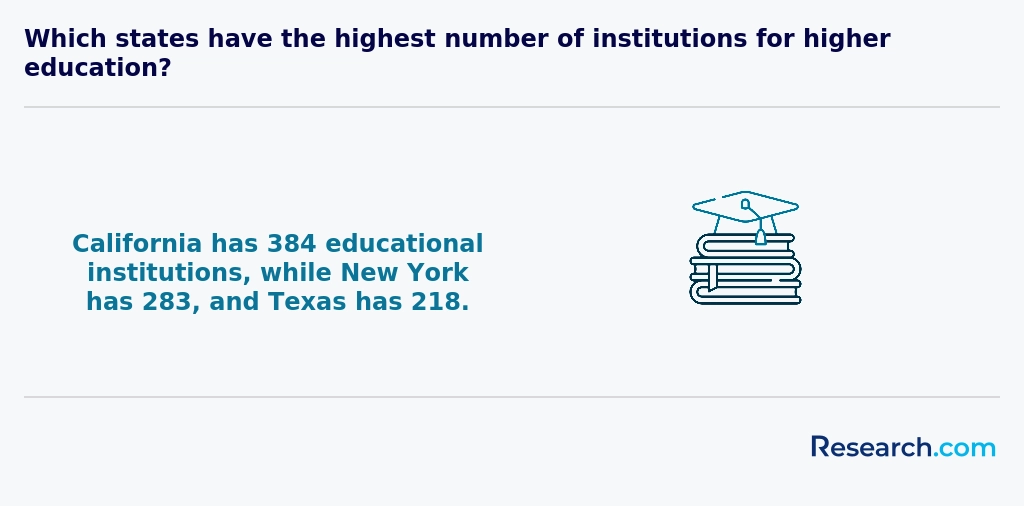
Online degree career opportunities Missouri are abundant, especially for those who balance flexible study with practical ambitions. Graduates from institutions such as the University of Missouri or Missouri State University often find rewarding roles in healthcare, supported by the state's growing medical networks like BJC HealthCare. Many reflect on their ability to advance from nursing coursework online to becoming registered nurses or health services managers, finding joy in contributing to community well-being.
Business and technology sectors also offer promising avenues. Alumni of online business administration or computer science programs from well-regarded Missouri colleges share stories of entering Kansas City's bustling corporate world or joining innovative startups. Their success comes from blending technical skills with leadership, matching the steady demand highlighted in the best jobs for online graduates in Missouri. Meanwhile, educators leveraging online degrees find meaningful work shaping classrooms throughout rural communities, a testament to Missouri's focus on educational excellence.
Other career paths are equally vibrant. Many graduates pursue social services, engineering roles near Springfield, or public administration jobs in local government. For insights into affordable options, prospective students often explore the Low Cost Online Colleges Programs Ranking in Livonia, MI, helping them align career goals with practical investment choices.
The job market for online degree graduates in Missouri reflects a dynamic environment where flexible learning meets tangible career opportunities. Many graduates from institutions like the University of Missouri or Missouri State University, which are popular for their online platforms, find rewarding positions in fields such as healthcare, IT, and education. These sectors thrive due to Missouri's growing economy and workforce demands.
Graduates frequently share how their online education prepared them for real-world challenges, especially when programs emphasized internships or certifications. For example, those entering healthcare feel confident stepping into expanding roles that require licensure attainable through online studies. This practical approach enhances Missouri employment outlook for online graduates, particularly in urban hubs like St. Louis and Kansas City.
For prospective students seeking to boost their career prospects efficiently, exploring the best 1 year masters programs available online in Missouri can be transformative. The combination of accredited coursework and workforce development initiatives supports a promising future where skills and flexibility converge.
2027 Easiest Online Colleges Programs Ranking in Missouri
Investing in your education is a significant decision that can shape your future, and the Research.com team understands the importance of making informed choices. To support prospective students in Missouri, we have carefully developed the "2027 Easiest Online Colleges Programs Ranking in Missouri." Our dedication to quality, credibility, and accuracy is reflected in the thorough research and analysis that underpin this ranking.
We utilized the following reputable data sources to ensure a comprehensive evaluation of online college programs:
By exploring this ranking, readers will gain valuable insights into the easiest and most accessible online programs in Missouri, helping them make informed decisions about their educational journeys. For more information on how the ranking was created, please visit our Research.com methodology page.


# 12 position
Maryville University of Saint Louis
Master of Psychiatric Mental Health Nurse Practitioner
# 15 position
Maryville University of Saint Louis
Doctor of Adult-Gerontology Primary Care Nurse Practitioner
# 16 position
Maryville University of Saint Louis
Doctor of Pediatric Primary Care Nurse Practitioner
# 18 position
Maryville University of Saint Louis
Doctor of Psychiatric Mental Health Nurse Practitioner
Frequently Asked Questions
Students in Missouri can maximize their learning experience in online degree programs by actively engaging with course materials and instructors. According to the Missouri Department of Higher Education, nearly 40% of public college students participate in some form of online learning, highlighting the importance of self-discipline and time management. Utilizing campus resources such as virtual tutoring and academic advising can improve outcomes. Many Missouri institutions also offer asynchronous courses, giving learners flexibility to study at their own pace while balancing work or family commitments. Connecting with local online student groups provides valuable peer support, which studies show enhances retention and satisfaction.
After completing an online degree in Missouri, it is essential to actively prepare for the job market to increase your chances of success. Start by utilizing Missouri's Workforce Development resources, which provide tools for job searching, resume building, and interview preparation. According to the Missouri Economic Research and Information Center, key growth sectors include healthcare, manufacturing, and information technology, so tailoring your skills to these industries can be beneficial.
Networking through local professional organizations and LinkedIn groups relevant to Missouri can open opportunities. Additionally, consider internships or volunteer work to gain practical experience. Missouri employers also value recognized certifications alongside degrees, enhancing your job readiness.
Employers in Missouri prioritize a blend of technical and soft skills when evaluating graduates from online degree programs. According to the Missouri Department of Higher Education & Workforce Development, critical thinking and problem-solving are among the top abilities sought across industries.
Communication skills, both written and verbal, remain essential as Missouri's evolving economy relies on clear collaboration. Additionally, adaptability and teamwork are highly valued due to the increasing presence of remote and hybrid work environments.
Technical proficiency, especially in digital literacy and data analysis, is increasingly important in Missouri's key sectors such as healthcare, manufacturing, and technology. Employers also appreciate time management skills, reflecting graduates' ability to balance workload efficiently.
These trends align with national data from the National Association of Colleges and Employers (NACE), emphasizing transferable skills alongside specialized knowledge.
Finding internships in Missouri requires a strategic approach. Start by exploring resources offered by Missouri colleges, many of which provide virtual career centers that list internship opportunities statewide. According to the Missouri Department of Higher Education & Workforce Development, industries such as healthcare, technology, and manufacturing lead internship offerings in the state.
Students should also use platforms like Handshake and Missouri Job Center, which connect candidates with local employers. Networking through professional organizations and LinkedIn groups focused on Missouri industries can be valuable. Additionally, contacting companies directly and inquiring about internships often leads to openings not publicly advertised.
Engaging early with your online degree program's advisors can provide personalized internship leads suited to your field and goals.
In Missouri, earning an online degree can significantly impact career mobility and advancement. According to the Missouri Department of Higher Education & Workforce Development, individuals with a bachelor's degree typically earn 65% more than those with only a high school diploma. This wage gap highlights the financial benefits of higher education in the state.
Online degrees, being increasingly recognized by Missouri employers, offer flexible pathways for working adults seeking promotions or new job opportunities. Industries such as healthcare, education, and technology especially value degree attainment for advancement.
Additionally, Missouri's workforce data shows that workers with associate or bachelor's degrees experience lower unemployment rates-around 4% compared to over 7% for non-degree holders-reinforcing the role of higher education in career stability and growth.
When choosing between a thesis and a non-thesis degree program in Missouri, it is important to consider your career goals. Thesis programs typically require original research and are suited for students interested in academic or research careers. Non-thesis options often focus on practical skills and coursework, making them ideal for professionals aiming to enter or advance in the workforce quickly.
Missouri schools like the University of Missouri System offer both formats online, with thesis options usually demanding more time and commitment. According to Missouri Department of Higher Education data, around 40% of graduate students in the state pursue thesis-based programs.
Consider also whether you plan to continue toward a doctorate, as thesis programs better prepare for this path. Additionally, review the program requirements carefully on the university's website to ensure they match your learning style and time availability.
Students based in Missouri who pursue online degrees still have several options to participate in study abroad programs. Many Missouri public universities, such as the University of Missouri System, provide virtual international opportunities or short-term exchange programs for online students, allowing cultural immersion without full relocation.
Additionally, some colleges partner with global institutions to offer hybrid models combining online coursework with abroad components. According to the Institute of International Education (IIE), Missouri ranks within the top states sending students abroad, with about 1,800 participants in recent years, highlighting growing interest.
Scholarships and financial aid options specific to Missouri residents can reduce costs for study abroad, provided through state and institutional programs.
In Missouri, part-time job opportunities that align well with online degree studies are diverse, ranging from healthcare to education and technology. According to the Missouri Department of Labor, popular roles include medical assistants, tutors, IT support specialists, and administrative assistants. These positions allow students to apply classroom learning directly to practical settings while maintaining flexible hours. For example, healthcare roles often pay above the state median wage of $17.50 per hour, benefiting students pursuing degrees in nursing or health sciences. Additionally, tutoring and education-related jobs are increasingly available due to the growth of virtual learning platforms across Missouri schools.
Internships and on-campus roles linked to universities-such as research assistants-also complement studies, especially in STEM fields. Employers value Missouri's growing tech sector, which offers part-time positions in data analysis and software development. These opportunities provide real-world experience, enhancing resumes while supporting academic progression. Resources like Missouri Economic Research and Information Center (MERIC) can help students identify current job trends that best fit their academic paths.
Online students in Missouri have access to a variety of networking opportunities designed to enhance their educational experience. Many universities, such as the University of Missouri System, offer virtual career fairs and online student organizations that help students connect with peers and professionals statewide. These events often feature Missouri-based employers and alumni, providing region-specific networking.
Additionally, platforms like LinkedIn have Missouri-focused groups where students can join discussions relevant to local industries. Some schools also collaborate with Missouri's chambers of commerce to facilitate internships and mentorship programs for online learners. According to the Missouri Department of Higher Education, about 60% of online students utilize these services.
Alumni networks play a crucial role for online degree students in Missouri by offering valuable professional connections. These networks often provide access to job opportunities and internships within the state's diverse industries, including healthcare, technology, and agriculture. Research from the Missouri Chamber of Commerce highlights that 70% of job placements come through referrals, making alumni contacts a significant asset.
Additionally, alumni associations in Missouri frequently organize virtual events and mentoring programs specifically tailored for online learners. These efforts help bridge the gap between remote students and local professional communities.
Such networks also foster lifelong support, facilitating collaboration and career growth long after graduation. This is especially important in Missouri's competitive job market, where networking influences hiring decisions significantly.
Missouri students can customize their online degree programs by selecting from a variety of electives and concentrations offered by many state universities. Institutions such as the University of Missouri system provide flexible online bachelor's and master's degrees, allowing students to tailor coursework to specific career goals.
Students may also benefit from internships, service-learning, or capstone projects available through online platforms, which enhance practical skills related to their professions. Academic advisors play a vital role in helping students choose classes aligning with industry demands in Missouri's key sectors like healthcare, education, and technology.
Additionally, Missouri colleges often allow credit transfers and prior learning assessments, speeding up degree completion while focusing on career-relevant knowledge and experiences.
Online students in Missouri often face challenges related to technology access and internet connectivity. Rural areas in Missouri can experience slower internet speeds, which impact students' ability to participate in live lectures or download large course materials. According to the Missouri Department of Higher Education and Workforce Development, approximately 15% of residents still lack reliable broadband access, creating a barrier for many.
Another common difficulty is balancing time management. Many online learners juggle work, family, and studies simultaneously, which can cause stress and affect academic performance. Missouri's commuter culture also means fewer chances for in-person interaction, which some students find isolating.
Additionally, navigating state-specific tuition policies and financial aid options can be confusing. Online students must verify if out-of-state tuition applies or if they qualify for Missouri-specific scholarships. These administrative challenges may delay enrollment or completion. Reliable academic advising tailored to online students remains limited in many institutions statewide.
To write a winning application for a college or university program in Missouri, start by researching the specific requirements of each institution. Missouri schools often value clear, concise personal statements that explain your goals and how the program fits them. Highlight relevant experience, whether academic or professional, especially if applying for an online degree. Missouri's Department of Higher Education emphasizes the importance of submitting all transcripts and standardized test scores promptly.
Carefully proofread your essays and ensure they reflect your authentic voice. Missouri schools, including the University of Missouri system, recommend showcasing your commitment to learning and community involvement. Meeting deadlines is critical; most Missouri institutions use the Common Application or their own portals to manage submissions efficiently.
Students pursuing online degrees in Missouri can gain practical experience through internships, cooperative education (co-op) programs, and service learning. Many Missouri universities connect online learners with local employers for remote or in-person internships, providing hands-on skills and professional networking opportunities. According to the Missouri Department of Higher Education & Workforce Development, nearly 60% of students participating in internships improve their job prospects after graduation.
Furthermore, some programs incorporate project-based coursework that simulates real-world challenges. Online learners should also explore employer partnerships and Missouri's virtual job fairs to find experiential learning opportunities tailored to their fields.
Choosing the right concentration within an online degree program in Missouri involves assessing your career goals and local job market trends. According to the Missouri Department of Higher Education & Workforce Development, fields like healthcare, education, and information technology are growing rapidly in the state. Focusing on a concentration aligned with these sectors can improve job prospects after graduation.
It is also important to consider programs accredited by recognized agencies to ensure quality education. Research whether concentrations offer practical experiences or certifications that Missouri employers value. Comparing curricula across institutions can help identify a concentration matching your interests and skills.
Additionally, consult Missouri's labor market data to understand earning potential and demand for specific roles in your area. This data-driven approach supports informed decision-making when selecting a specialization.
- 2027 Easiest Online Colleges Programs Ranking in Kansas
- 2027 Easiest Online Colleges Programs Ranking in Nebraska
- 2027 Easiest Online Colleges Programs Ranking in Oklahoma
- 2027 Easiest Online Colleges Programs Ranking in Kentucky
- 2027 Easiest Online Colleges Programs Ranking in South Dakota
- 2027 Easiest Online Colleges Programs Ranking in Minnesota
- 2027 Easiest Online Colleges Programs Ranking in Wisconsin
- 2027 Easiest Online Colleges Programs Ranking in Colorado
- 2027 Easiest Online Colleges Programs Ranking in Mississippi
- 2027 Easiest Online Colleges Programs Ranking in Louisiana
- What are the top 10 skills that'll get you a job when you graduate? https://targetjobs.co.uk/careers-advice/skills-for-getting-a-job/what-are-top-10-skills-thatll-get-you-job-when-you-graduate
- 17 game-changing tips for getting a job after college https://www.creditkarma.com/income/i/how-to-get-job-after-college
- Networking & Education https://www.missouricolleges.org/networking-education/
- Missouri students lag in reading, math - St. Louis American https://www.stlamerican.com/education/missouri-students-lag-in-reading-math/
- Networking Events in Missouri - Elevate Your Career | Eventbrite https://www.eventbrite.com/d/united-states--missouri/networking/
- How to Choose a Master’s Concentration: Step-by-Step Guide (2026) https://degreefromanywhere.com/choosing-a-concentration/
- Mizzou Alumni https://www.mizzou.com/
- College Degree vs. Major vs. Concentration: What’s the Difference? https://www.coloradotech.edu/blog/2025/September/college-degree-vs-major-vs-concentration-what-s-the-difference
- 5 Ways Students and New Grads Can Prepare for the Job Market | The Muse https://www.themuse.com/advice/tips-for-students-and-new-grads-entering-the-workforce
- 10 Colleges That Allow Students to Create Their Custom Degrees - College Cliffs https://collegecliffs.com/colleges-that-allow-students-to-create-custom-degrees/