
2027 Most Affordable Online Colleges Programs Ranking in New Hampshire

Co-Founder and Chief Data Scientist
Choosing the right online college program can feel overwhelming, especially when balancing costs and quality. This article introduces the 2027 Most Affordable Online Colleges Programs Ranking in New Hampshire, developed by the Research.com team of data scientists.
Designed to help you make informed decisions, this ranking highlights degree options that offer great value without compromising education standards. Pursuing a degree is a powerful step toward your goals, and knowing your options in New Hampshire can boost your confidence and motivation.
Explore programs that fit your needs and take a positive step toward your future today.
Key benefits of getting online degrees in New Hampshire
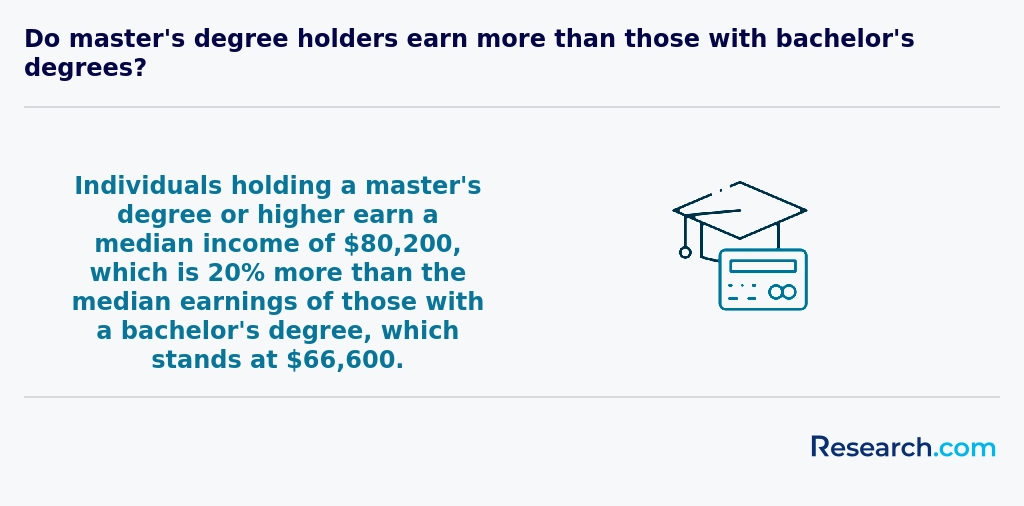
- Graduates in New Hampshire with a bachelor's degree earn a median salary of around $60,000, while those with a master's degree can expect approximately $75,000, showing how higher degrees significantly boost earning potential.
- A University of New Hampshire online business graduate often steps into roles like marketing analyst or project manager, enjoying clear career growth in a vibrant job market.
- Online degrees from Southern New Hampshire University offer flexible schedules that help students balance work and study, often leading to quicker job promotions compared to traditional degree paths.
- 2027 Most Affordable Online Colleges Programs Ranking in New Hampshire
- What can I expect from online degrees in New Hampshire?
- How much can I make with online degrees in New Hampshire?
What can I expect from online degrees in New Hampshire?
Enrolling in an online degree program in New Hampshire means engaging with accredited institutions like the University of New Hampshire (UNH), where students benefit from flexible, asynchronous coursework designed to fit diverse schedules. Graduates often highlight the ability to balance work, family, and studies without sacrificing academic rigor, as these programs uphold the same curriculum and credit requirements as on-campus options.
Expect a curriculum aligned with workforce demands, particularly in fields such as business administration, nursing, education, and information technology. For instance, students in UNH's RN to BSN program appreciate how the coursework directly enhances their career prospects both within New Hampshire and nationally.
Support services such as virtual tutoring, academic advising, and interactive live sessions create a connected learning environment. Recent data from the National Center for Education Statistics shows nearly 10% of state postsecondary students study exclusively online, indicating growing comfort and success with these delivery methods.
Tuition is competitively priced, averaging around $15,000 per year for in-state students at public institutions, with some schools extending these rates to online learners beyond state borders. This affordability combined with comprehensive resources fosters positive student experiences and successful degree completion.
How much can I make with online degrees in New Hampshire?
Graduates earning an online associate degree in New Hampshire typically make between $35,000 and $50,000 annually, reflecting entry to mid-level roles in fields like healthcare support or administrative services. For example, graduates from Manchester Community College have reported starting salaries near $38,000 in healthcare technician roles, growing with experience.
Bachelor's degree holders often see median wages around $60,000, with many reaching above $70,000 in specialized careers such as IT or business management. Students from the University of New Hampshire's online programs find themselves employed in sectors like education and social services, frequently securing positions paying upwards of $65,000 shortly after graduation.
Those with a master's degree from online New Hampshire institutions, including Southern New Hampshire University, regularly earn over $75,000. Fields such as healthcare administration or finance sometimes offer entry wages above $80,000, rewarding advanced expertise acquired through their studies.
This data highlights how online degrees from well-known New Hampshire institutions empower graduates to enter the workforce with competitive salaries, supporting confidence in flexible online education pathways.
- Average tuition for in-state students at public colleges online is about $10,500 per year.
- Private online programs typically cost between $20,000 and $35,000 annually.
- Recent graduates report average starting salaries around $50,000 per year in New Hampshire.
- Mid-career salaries often exceed $70,000, especially in healthcare and technology fields.
- The job market has steady demand in healthcare, IT, education, and manufacturing sectors.
- Accreditation from agencies like the New England Commission of Higher Education (NECHE) is common among online programs.
Completing an online associate degree in New Hampshire often takes about two years of full-time study, with programs typically requiring 60 to 70 credit hours. Graduates from institutions like the Community College System of New Hampshire (CCSNH) frequently share how flexible scheduling allowed them to balance work and family, enhancing their overall experience.
For those pursuing an online bachelor's degree, the usual timeline extends to roughly four years of full-time coursework, involving 120 to 130 credit hours. Many students at Southern New Hampshire University and Granite State College express satisfaction with options to accelerate their studies by taking extra courses or enrolling year-round, leading to a more efficient graduation pathway.
Online master's degree programs in New Hampshire generally take between one to three years, with full-time students often completing within two years. Part-time learners, balancing professional and personal responsibilities, may take longer but appreciate the tailored pacing these programs offer.
Online degree programs in New Hampshire, such as those offered by the University of New Hampshire and Granite State College, emphasize flexibility and accessibility, allowing students to study without disrupting work or family commitments. Graduates often express relief at avoiding daily commutes and the financial burden of on-campus housing, which averages $11,800 annually at NH universities. These programs typically use asynchronous course formats, enabling students to engage with material at convenient times.
In contrast, traditional on-campus degrees provide direct interaction with professors and peers, fostering a community experience that many students find motivating. Access to labs, study groups, and networking events enhances learning through collaboration and immediate feedback.
While tuition rates for both formats in New Hampshire public institutions hover around $18,000 per year for in-state students, online learners frequently benefit from reduced ancillary costs such as transportation and campus fees. Some online programs may charge technology fees or require occasional campus visits, but many students appreciate the balance between cost-efficiency and quality education.
Academic outcomes between online and on-campus students at accredited institutions tend to be comparable, reflecting growing support and improved retention rates in online programs statewide.
The average cost of an online degree in New Hampshire typically centers around a median total of $31,140. For students residing in-state, the total median cost is lower at approximately $26,690, reflecting the cost advantage of attending local institutions. Many graduates from well-known institutions such as the University of New Hampshire report that in-state tuition and fees make pursuing an online degree financially attainable, especially when balanced against the flexibility and convenience of remote learning.
Out-of-state students experience a higher median total cost, about $29,410, which can influence their budgeting decisions. However, New Hampshire's online college tuition and fees are designed to be competitive, often supplemented by scholarships or financial aid, helping learners manage expenses. For example, some public universities in the state maintain tuition in the $5,700 to $7,500 annual range for undergraduates studying online, which aligns closely with reported averages.
Graduates often highlight the added value of online programs offered by local colleges, where technology fees and other expenses tend to remain moderate, usually adding $100 to $500 per semester. This helps students focus on learning without unexpected costs. Those seeking quicker credential completion sometimes pursue a fast associates degree online, which can be more cost-effective and time-efficient, fitting well into their career plans while minimizing debt.

Students pursuing online degrees in New Hampshire commonly rely on federal financial aid, including Pell Grants and student loans. For example, a graduate from the University of New Hampshire recalled receiving a Pell Grant of up to $7,395, which helped ease the burden of the $18,000 average in-state tuition. Applying through FAFSA is essential to access this aid. State-specific support from the New Hampshire Higher Education Assistance Foundation (NHHEAF) further alleviates costs. NHHEAF grants and the NH Scholars program offer scholarships tailored for residents, benefiting many online learners.
Institutional scholarships from colleges such as Southern New Hampshire University often reward merit and financial need, with students finding these vital in managing expenses. Additionally, work-study programs provide flexible part-time jobs related to a student's field, helping them earn money without compromising studies. Graduates frequently express relief at combining multiple funding sources, which transforms the idea of affording higher education from a stressful challenge into an achievable goal.
To enroll in an online degree program in New Hampshire, students must first have a high school diploma or an equivalent like a GED. Graduates from the University of New Hampshire often recall submitting official transcripts to confirm their secondary education completion, a key step for many bachelor's programs. Some programs may request SAT or ACT scores, though many institutions now embrace test-optional policies, making the process less stressful and more accessible.
Graduate applicants usually need a relevant bachelor's degree along with letters of recommendation and a statement of purpose. For instance, students pursuing advanced studies at Keene State College found that preparing a resume and writing clear intentions helped showcase their readiness.
English proficiency is essential, especially for international students, who frequently provide TOEFL or IELTS scores to demonstrate strong language skills. Fields like nursing or engineering at institutions such as Plymouth State University sometimes require prerequisite courses or specific GPA thresholds, reflecting program rigor.
Reliable internet and compatible technology are non-negotiable, ensuring seamless participation in virtual classes and assignments, a common sentiment among online learners statewide.
Online degree programs New Hampshire commonly include a core set of general education courses that form the foundation for all students. These courses often cover English composition, mathematics, social sciences, and natural sciences. Graduates from institutions like the University of New Hampshire describe how critical thinking and communication classes enhanced their confidence and prepared them for real-world challenges. This emphasis on foundational knowledge ensures that students can adapt to various career paths.
Students pursuing affordable online college courses New Hampshire frequently find that major-specific curricula complement these general courses. For example, nursing students balance anatomy and pharmacology coursework with virtual clinical experiences, while those in business programs engage with accounting and marketing modules accredited by regional bodies like NEASC. Such structures help learners gain practical and theoretical expertise remotely without sacrificing quality.
Graduates often highlight the benefit of electives tailored to regional workforce demands, such as environmental science and public administration. For those seeking flexible options, the quickest cheapest masters degree pathways also incorporate major and general education components, making degree completion attainable for working adults balancing multiple commitments.
Choosing the best online degree program in New Hampshire begins with confirming regional accreditation, such as from the New England Commission of Higher Education (NECHE), which graduates appreciate because it guarantees transferability of credits and employer recognition. Affordable online colleges in New Hampshire often have average in-state tuition around $10,000 annually, but online rates can vary, so comparing total costs alongside available financial aid is vital. Many graduates from universities in the state value asynchronous course formats, which allow them to balance work and study effectively.
The breadth of programs-from business to healthcare-helps students find options tailored to their career goals, with curricula reflecting in-demand skills. Graduates often highlight accessing robust faculty support and virtual resources as key to their success. Reviewing student outcome data, including graduation and job placement rates specific to New Hampshire institutions, provides measurable assurance of program quality.
Students passionate about career prospects also explore the highest paying bachelor degrees linked to their fields, using this data to inform their choice within New Hampshire's diverse offerings.
Online degree career opportunities New Hampshire graduates often pursue align closely with the state's economic strengths, particularly in healthcare, technology, education, and business sectors. For example, graduates from regional institutions like Southern New Hampshire University frequently find rewarding roles in healthcare administration and nursing, leveraging local demand where healthcare jobs represent about 14% of state employment.
Graduates expanding skills in information technology and cybersecurity benefit from New Hampshire's emerging tech scene, where online degrees in computer science or data analytics open doors to positions in software development and IT support. Many alumni describe satisfaction in contributing to the growing network of small businesses and government contractors in the Manchester-Nashua area.
Education roles, ranging from teaching to administration, also attract graduates pursuing online credentials through flexible programs at local public universities. Online degree holders in business fields report positive outcomes entering finance and project management sectors, supported by concentrations of corporate offices in urban centers. These career paths reflect practical alignment with both local opportunities and national trends highlighted in most lucrative college majors.
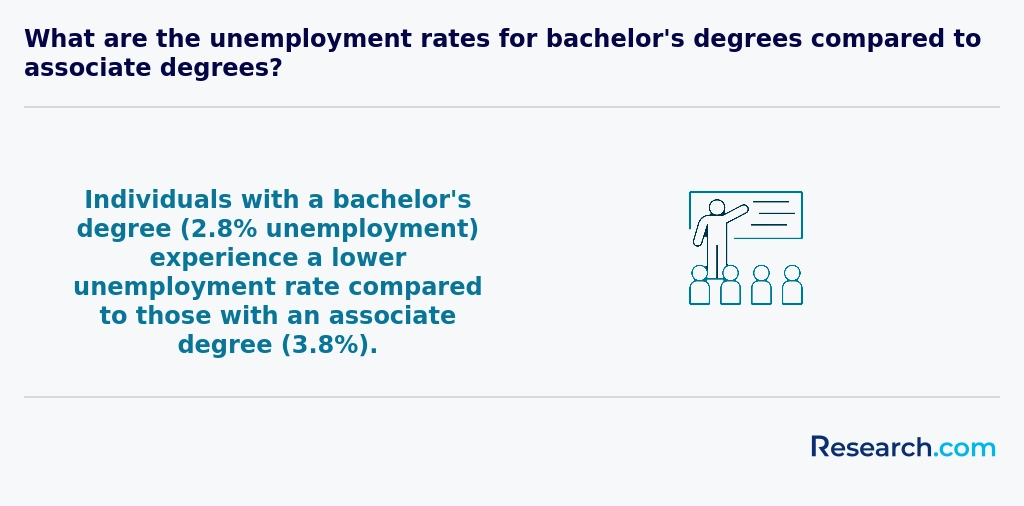
The job market for online degree graduates in New Hampshire remains robust, with steady demand across healthcare, technology, education, and business sectors. Graduates from local institutions such as University of New Hampshire and Granite State College often report positive employment outcomes, benefiting from a state unemployment rate near 2.5% in early 2024. For example, alumni with online nursing degrees have found rewarding positions in hospitals and elder care facilities, reflecting the state's projected 12% growth in healthcare jobs over the next decade.
In fields like technology and business, graduates appreciate how online programs develop digital skills tailoring them for roles like software developers or marketing analysts in New Hampshire's expanding startup hubs. Many emphasize how networking and internships integrated into their online studies enhanced their prospects. The New Hampshire employment outlook for college graduates also highlights that a median annual wage of around $60,000 supports positive career advancement.
Students and graduates often explore career paths informed by resources detailing the highest paying master degrees, guiding decisions toward lucrative professions accessible via online education.
2027 Most Affordable Online Colleges Programs Ranking in New Hampshire
Investing in your education is a significant decision that can shape your future, and the Research.com team understands the importance of making informed choices. To assist prospective students in New Hampshire, we have meticulously crafted the "2027 Most Affordable Online Colleges Programs Ranking in New Hampshire." Our commitment to quality, credibility, and accuracy is reflected in the extensive research and analysis conducted to compile this ranking.
We utilized the following reputable data sources to ensure a comprehensive evaluation of online college affordability:
By exploring this ranking, readers will gain valuable insights into affordable online college options, empowering them to make confident and well-informed decisions about their education. For more details on how this ranking was created, please visit our Research.com methodology page.


# 8 position
Antioch University New England
Master of Experienced Educators

# 10 position
Antioch University New England
Doctor of Couple and Family Therapy
Frequently Asked Questions
Students in New Hampshire can maximize their online learning experience by leveraging local resources alongside their virtual studies. Utilizing public libraries, such as the State Library in Concord, provides free access to research databases and quiet study spaces. Enrolling in online programs accredited by recognized agencies ensures education quality and broader degree recognition.
Engaging actively with instructors and peers through discussion boards and virtual office hours enhances understanding and retention. According to the National Center for Education Statistics, over 70% of New Hampshire college students use some form of online learning, highlighting the growing relevance of effective engagement strategies.
Additionally, students should develop strong time-management skills and take advantage of tutoring services offered by many New Hampshire institutions to improve performance.
Preparing for the job market after completing an online degree in New Hampshire involves multiple strategic steps. First, graduates should leverage state-specific resources like the New Hampshire Department of Employment Security, which offers labor market information and job search assistance tailored to local industries.
Networking is essential; joining professional groups related to your field and attending local career fairs can increase visibility among employers. According to the U.S. Bureau of Labor Statistics, New Hampshire's unemployment rate was 2.3% in early 2024, underscoring a competitive but favorable hiring environment.
Additionally, developing skills beyond the degree, such as digital literacy and communication, aligns with employer expectations. Updating resumes and LinkedIn profiles to highlight online learning achievements and completed projects can greatly improve job prospects.
Employers in New Hampshire highly value a mix of technical and soft skills in graduates, especially those completing online degree programs. According to the New Hampshire Department of Employment Security, critical thinking and problem-solving skills rank among the top qualities sought by local employers.
Communication skills, both written and verbal, are also essential, as many roles require teamwork and client interaction. Additionally, employers emphasize adaptability and proficiency with digital tools, reflecting the increasing reliance on technology in workplaces.
Data from the New Hampshire Chamber of Commerce highlights that more than 60% of job openings require candidates to have some level of data literacy or computer proficiency, which benefits graduates with versatile online learning experiences.
Finding internships in New Hampshire involves leveraging local resources and online platforms. Many students start by exploring internship listings on the New Hampshire Department of Employment Security website, which offers opportunities across various industries. Additionally, universities often provide dedicated career services and internship portals, even for online students, connecting them with local employers.
Networking is essential; students can join New Hampshire-based professional associations or attend virtual job fairs, which have grown in popularity. According to the New Hampshire Jobs Guide, sectors like healthcare, technology, and manufacturing frequently offer internships. Finally, using national job platforms and filtering results by New Hampshire location can help identify suitable positions.
In New Hampshire, earning an online degree can significantly enhance career mobility and advancement opportunities. According to the New Hampshire Department of Labor, individuals with a bachelor's degree typically experience lower unemployment rates and higher median wages compared to those with only a high school diploma. Online education increases access for working adults, allowing them to gain credentials without relocating or pausing their careers.
The state's growing sectors, such as healthcare and technology, especially value degree holders for promotion and leadership roles. Employers increasingly recognize accredited online degrees from regionally accredited institutions as credible and equivalent to traditional degrees.
Data from the U.S. Census Bureau also shows that about 35% of New Hampshire adults hold a bachelor's degree or higher, reflecting a competitive advantage for degree holders in the job market.
When choosing between a thesis and a non-thesis online degree program in New Hampshire, consider your career goals and learning preferences. A thesis program typically requires original research and is ideal for students aiming for doctoral studies or research roles. Non-thesis programs focus more on coursework and practical skills, suitable for those targeting immediate employment or professional advancement.
New Hampshire institutions offering online graduate programs often specify these options. For example, the University of New Hampshire highlights that thesis pathways usually take longer but provide deeper academic training.
Additionally, check program requirements and faculty support, as thesis work demands close mentorship. The New Hampshire Department of Education reports that about 40% of graduate students in the state opt for thesis routes, valuing the research experience.
Students based in New Hampshire seeking study abroad opportunities have several options through their home institutions' partnerships. Many state colleges and universities offer exchange programs and faculty-led trips that allow students to earn credits overseas. For example, the University of New Hampshire participates in multiple international programs with Europe, Asia, and Latin America.
Additionally, New Hampshire students can access global study options through consortia like the New England Board of Higher Education, expanding affordable travel opportunities. According to the National Center for Education Statistics, about 3% of students in New Hampshire participate in study abroad each year, reflecting growth in these programs.
Online degree students often combine virtual learning with short-term international experiences to gain global perspectives without full-time relocation.
Part-time job opportunities in New Hampshire can significantly enhance your online degree studies by offering practical experience. Healthcare is a prominent sector in the state, with many students finding roles as medical assistants or administrative staff in hospitals and clinics. According to the New Hampshire Department of Employment Security, healthcare occupations are expected to grow 15% through 2030. Retail and hospitality jobs are also common, especially near urban centers like Manchester. For students in business or IT, internships or part-time positions in local firms can help build relevant skills. These roles provide valuable networking and improve your resume while studying.
Online students pursuing degrees in New Hampshire benefit from multiple networking opportunities despite the distance learning format. Institutions such as the University of New Hampshire and Southern New Hampshire University provide virtual career fairs and networking events to connect students with local employers and professionals.
The New Hampshire Department of Labor reports that networking remains a key factor in employment, encouraging schools to facilitate online platforms for student interaction.
Additionally, many programs offer access to alumni networks and industry-specific online communities, enhancing professional connections statewide.
These resources help online learners build valuable relationships critical for career advancement in New Hampshire's job market.
Alumni networks offer significant benefits to online degree students in New Hampshire by providing lasting professional connections. Graduates can tap into a diverse community of professionals who often share job opportunities, mentorship, and industry insights. According to the New Hampshire Higher Education Assistance Foundation, strong alumni engagement can increase job placement rates by up to 15% in the state.
These networks also facilitate local connections that help students access internships and career fairs hosted in New Hampshire. Such events often cater specifically to alumni and current students, enhancing their real-world experience. Additionally, alumni groups support lifelong learning through workshops and webinars, which complement online education. This support system helps students build networks beyond the virtual classroom, creating tangible benefits in a competitive job market.
Customizing an online degree program in New Hampshire involves selecting courses and specializations that align with your specific career goals. Many New Hampshire institutions, such as Southern New Hampshire University, offer flexible curriculum paths allowing students to choose electives that build relevant skills.
Students can also pursue certificates alongside their degree to enhance expertise in niche areas, improving employability. Academic advisors play a key role in helping tailor your program by providing guidance on course selection based on industry demands.
Research from New Hampshire's Department of Education highlights that programs integrating internships or practical experiences can significantly boost job readiness. Online offerings often let you pace studies to fit your work schedule, a benefit for working professionals.
Online students in New Hampshire often face challenges related to connectivity and access. While the state has made significant progress in broadband coverage, rural areas still struggle with reliable, high-speed internet, which is essential for smooth virtual learning experiences. According to the New Hampshire Broadband Mapping report, nearly 10% of the state's population lacks adequate internet access.
Another challenge is balancing coursework with personal and professional responsibilities. Many online learners are working adults managing families or jobs while studying, which requires effective time management skills.
Additionally, staying motivated and engaged can be difficult without face-to-face interaction. Some students report feelings of isolation or limited networking opportunities compared to traditional settings.
Finally, some online programs may pose concerns about transferability of credits or accreditation, making it important for students to verify college credentials before enrolling.
When applying to colleges or universities in New Hampshire, a strong application starts with clear and concise personal statements. Admissions officers appreciate genuine explanations of your goals and motivations for pursuing an online degree. Make sure to highlight relevant experiences, such as work or volunteer activities, that connect to your chosen field.
Accurate submission of transcripts and standardized test scores is vital. New Hampshire institutions often require official documentation that supports your academic history. According to the New Hampshire Postsecondary Education Commission, demonstrating consistent academic achievement can increase acceptance chances.
Additionally, tailor your application to each program's requirements. Many schools in New Hampshire value community involvement and leadership skills, so mention those qualities if applicable. Proofreading your application for clarity and errors is essential to present yourself professionally.
Students pursuing online degrees in New Hampshire can gain practical experience through internships and cooperative education programs offered by many state institutions. For example, the University of New Hampshire supports remote internships that connect students with local businesses and nonprofits. These opportunities enable skill application in real-world settings despite studying off-campus.
Additionally, New Hampshire's Workforce Innovation and Opportunity Act (WIOA) programs help students find paid work experiences related to their field. According to the New Hampshire Department of Education, nearly 30% of online degree seekers participate in experiential learning each year, enhancing their employability.
Volunteering and project-based learning also provide meaningful practical engagement, often coordinated by academic advisors within online programs.
Choosing the right concentration within an online degree program in New Hampshire starts with understanding your career goals and interests. Many programs offer specializations in growing fields such as healthcare, information technology, or business management, which align with local job market demands. According to the New Hampshire Department of Employment Security, healthcare and IT sectors are expected to grow faster than average through 2030.
Evaluate each concentration's curriculum and how it matches your professional objectives. Consider online programs that provide flexibility and relevant internships or practicum experiences.
Additionally, verify that the concentration is accredited and recognized by employers in New Hampshire to ensure your degree holds value in the state's workforce.
- 2027 Most Affordable Online Colleges Programs Ranking in Massachusetts
- 2027 Most Affordable Online Colleges Programs Ranking in Maine
- 2027 Most Affordable Online Colleges Programs Ranking in New York
- 2027 Most Affordable Online Colleges Programs Ranking in Connecticut
- 2027 Most Affordable Online Colleges Programs Ranking in New Jersey
- 2027 Most Affordable Online Colleges Programs Ranking in Pennsylvania
- 2027 Most Affordable Online Colleges Programs Ranking in Maryland
- 2027 Most Affordable Online Colleges Programs Ranking in Virginia
- 2027 Most Affordable Online Colleges Programs Ranking in Ohio
- 2027 Most Affordable Online Colleges Programs Ranking in West Virginia
- Degree Forward https://www.degreeforward.org/
- 10 Key Benefits of Part-Time Jobs for Students While Studying https://www.ue-amsterdam.com/blog/top-10-benefits-of-working-part-time-for-students-while-studying
- Additional financial aid resources - NH Charitable Foundation https://www.nhcf.org/how-can-we-help-you/apply-for-a-scholarship/additional-resources/
- Alumni Guide to the Hampshire Network https://www.hampshire.edu/alumni-guide-hampshire-network
- 10 Tips for Getting Your First Job After University https://euroguidance.eu/10-tips-for-getting-your-first-job-after-university
- Student Assistance Network - Center for Excellence on Addiction https://nhcenterforexcellence.org/our-services/the-new-hampshire-student-assistance-network/
- Soft Skills Employers are Looking for in a Graduate https://www.law.ac.uk/resources/blog/soft-skills-employers-are-looking-for-in-a-graduate/
- Tips for Choosing Your Graduate Concentration - Graduate Programs for Educators https://www.graduateprogram.org/blog/tips-for-choosing-your-graduate-concentration/
- Education and Training Programs in NH - Stay Work Play New Hampshire https://www.stayworkplay.org/stay/education-and-training-programs-nh
- Thesis vs Non-Thesis Master's in the USA: How to Choose https://www.globalstudyboard.com/guides/thesis-vs-non-thesis-masters-usa


