
2027 Most Affordable Online Colleges Programs Ranking in Pennsylvania

Co-Founder and Chief Data Scientist
Choosing the right online college program in Pennsylvania can be overwhelming. This article introduces the 2027 Most Affordable Online Colleges Programs Ranking in Pennsylvania, created by the Research.com team of data scientists to help you make an informed decision.
By exploring this ranking, you'll find affordable degree options that fit your goals and budget. Earning a degree is a powerful step toward new opportunities, career growth, and personal achievement.
Take a moment to discover programs that can open doors and support your future success.
Key benefits of getting online degrees in Pennsylvania
- Graduates in Pennsylvania with an online bachelor's degree earn an average of $60,000 per year, while those with a master's online degree often see salaries rise to around $85,000, showing clear financial growth with higher education levels.
- A graduate from Penn State's online business program often enjoys career opportunities in management, marketing, or finance, reflecting the university's strong reputation and practical curriculum.
- Online degrees from the University of Pennsylvania provide flexibility, allowing graduates like Sarah to balance work and study, resulting in a smoother career transition compared to traditional degree paths.
- 2027 Most Affordable Online Colleges Programs Ranking in Pennsylvania
- What can I expect from online degrees in Pennsylvania?
- How much can I make with online degrees in Pennsylvania?
What can I expect from online degrees in Pennsylvania?
Students pursuing an online degree in Pennsylvania can expect a rigorous academic experience equivalent to on-campus programs at institutions like Penn State World Campus and Temple University. Graduates often report feeling confident in the curriculum's depth, which covers widely sought-after fields such as business administration, nursing, and information technology. The flexibility of online learning allows many to balance professional commitments and family responsibilities while engaging fully with coursework.
Technology enhances this experience, with platforms like Blackboard and Canvas providing seamless access to lectures, assignments, and interactive discussions. Students regularly highlight the convenience of participating in virtual classrooms without losing connection to faculty expertise.
Financially, many Pennsylvania students benefit from in-state tuition rates and state-specific aid, making education more accessible. Graduates frequently express gratitude for the consistent accreditation maintained by programs, ensuring their degrees hold value with employers and facilitate credit transfer, which contributes significantly to their academic and career satisfaction.
How much can I make with online degrees in Pennsylvania?
Graduates holding an online bachelor's degree from well-known Pennsylvania institutions often see median annual wages around $64,000, significantly higher than the approximately $38,000 earned by those with only a high school diploma. For example, alumni from universities such as Penn State or Temple University report starting salaries in competitive fields like business or healthcare administration ranging from $50,000 to $70,000 annually. These figures reflect strong regional employer recognition of online credentials.
Those with an online associate degree in fields such as nursing or computer science from colleges like Community College of Philadelphia typically earn between $40,000 and $55,000 per year. Many graduates describe this income as a positive step toward financial independence, particularly in STEM-related careers where salary growth is swift.
Local recognition of accredited online degrees in Pennsylvania also enhances job placement opportunities. Graduates often find that coupling their degree with certifications and relevant experience yields rewarding, well-compensated jobs within the state's robust labor market.
- Pennsylvania offers accredited online degree programs at undergraduate and graduate levels, matching the quality of traditional on-campus degrees.
- Tuition for online programs at public universities ranges from $7,000 to $15,000 per year for in-state students, while private institutions may charge over $20,000 annually.
- The median annual income for bachelor's degree holders in Pennsylvania is about $58,000 soon after graduation, increasing to around $85,000 mid-career.
- Key growing industries in the state include healthcare, manufacturing, information technology, and finance, with strong demand for degree holders.
- Public universities in Pennsylvania often allow credit transfers between schools and offer career services and networking for online students.
The duration to complete an online degree in Pennsylvania varies with degree type, enrollment status, and program format. For instance, graduates pursuing an associate degree from schools like the Community College of Allegheny County often finish in about two years full-time, completing roughly 60 to 65 credit hours. Many students appreciate the availability of accelerated options that some institutions offer, enabling completion in as little as 18 months, which helps busy professionals advance swiftly.
Online bachelor's degrees in Pennsylvania typically require 120 credit hours and are commonly completed in four years by full-time students. However, those balancing work or family commitments may extend their studies to five or six years, benefiting from flexible scheduling offered by universities like Penn State World Campus. Some succeed in shortening this to three years by enrolling in year-round sessions and intensive terms, creating a satisfying pace tailored to individual needs.
Graduate online degrees, such as master's programs at prominent providers in Pennsylvania, generally take one to two years. Students often find the balance between rigor and convenience rewarding, especially in programs like online MBAs that span 18 to 24 months. This flexibility encourages continued professional growth without sacrificing personal responsibilities.
Graduates who earn an online degree in Pennsylvania can access a diverse array of career opportunities across both the public and private sectors. Whether you pursue a certificate, an associate degree, or a bachelor’s, your credentials open doors to roles in high-growth industries: • Healthcare and Social Services: Alumni of online nursing and allied health programs can join major hospital systems in Philadelphia, Pittsburgh, and beyond, filling positions such as registered nurse, medical coder, or healthcare administrator. • Information Technology and Cybersecurity: Those with degrees in IT or security technology often land roles at tech firms, financial institutions, or state agencies-many of which offer fully remote or hybrid work models. For students seeking accelerated entry into the tech workforce, the fastest way to get your associate's degree can be a strategic first step. • Business and Finance: Online graduates in business administration or accounting frequently join Fortune 500 companies headquartered in the region, local banks, or consulting firms, stepping into analyst, project coordinator, or management trainee positions. • Education and Training: Degree holders can teach as adjunct faculty at community colleges, develop corporate training programs, or work in educational administration for K-12 online learning platforms. • Government and Nonprofits: Pennsylvania’s state agencies and nonprofit organizations hire online graduates for policy analysis, program management, and community outreach roles, leveraging flexible work schedules that complement remote learning backgrounds. By targeting these sectors, online degree holders in Pennsylvania not only secure employment but also position themselves for ongoing professional growth and leadership in their chosen fields.
In Pennsylvania, choosing between online and on-campus degrees reflects distinct experiences tailored to diverse student needs. On-campus programs at institutions like the University of Pennsylvania offer structured schedules with face-to-face interactions, enabling students to engage directly with professors and peers. Graduates often recall the vibrant campus life and easy access to resources such as libraries and labs, which enrich their academic journey and networking opportunities.
Conversely, online degrees from universities like Penn State World Campus provide unparalleled flexibility, allowing students to study remotely while managing work or family commitments. Many find this mode empowering, as it demands discipline but offers the freedom to complete coursework on their own time. Graduates appreciate the convenience and cost savings by avoiding commuting and housing expenses, which can make pursuing higher education more accessible.
Both formats award fully accredited degrees recognized across Pennsylvania, ensuring equal value in the job market. The choice ultimately depends on one's lifestyle, time management skills, and preference for in-person versus virtual learning environments.
As online education continues to evolve in Pennsylvania, many institutions are broadening their curriculum to include cutting-edge specializations that meet today’s job market demands. Beyond traditional programs, students now have the opportunity to focus on niche areas such as cybersecurity, data analytics, renewable energy management, healthcare informatics, and digital marketing. These emerging concentrations empower learners to gain in-depth expertise that can set them apart in competitive industries and open doors to innovative career paths. By tailoring their studies to specific interests and industry trends, students can optimize their return on investment and align their academic pursuits with future job prospects. Programs designed with these specialized tracks often incorporate experiential learning opportunities, expert-led webinars, and partnerships with local businesses, ensuring that graduates are not only knowledgeable but also industry-ready. Moreover, if you’re a working professional looking to expedite your education, you might find our rankings of the best accelerated online degree programs for working adults particularly insightful, as they highlight programs that combine flexibility with specialized skills to drive career advancement. Embracing these advanced fields can significantly enhance your skill set, boost your marketability, and prepare you for the dynamic challenges of tomorrow’s workforce.
The average cost of an online degree in Pennsylvania varies by institution type and residency status, with in-state students generally benefiting from more affordable tuition. Median total expenses for an in-state student pursuing an online degree currently stand around $23,184. This figure reflects a more accessible price point compared to out-of-state students, whose costs are notably higher, around $23,643 on average, while the overall median cost is approximately $34,518.
Students attending popular Pennsylvania universities often share that, while tuition represents a significant investment, the flexibility and convenience of online programs make the cost worthwhile. Many graduates emphasize how affordable online options, particularly at public institutions, have allowed them to balance work and study without financial strain. These programs usually charge per credit hour, ranging roughly from $400 to $1,200, depending on the degree level and whether it is undergraduate or graduate.
The availability of affordable online college tuition Pennsylvania-wide supports a diverse student body, including working adults and those pursuing accelerated degrees. Such formats enhance accessibility without compromising education quality, as reflected in student satisfaction stories across the state's institutions. For those interested in exploring efficient pathways, consulting rankings of the best accelerated online degree programs for working adults offers valuable guidance when assessing program costs and benefits.

Ensuring your online degree program in Pennsylvania holds proper accreditation is critical for both academic credibility and seamless credit transfer. Accredited programs meet rigorous quality standards set by recognized agencies, safeguarding your investment and future eligibility for federal financial aid. Here’s what to look for: • Regional vs. National Accreditation: – Regional accreditation (e.g., Middle States Commission on Higher Education) is widely accepted by most institutions and employers. – National accreditation often applies to vocational or career-focused schools and may limit transfer options. • Checking Accreditation Status: 1. Visit the U.S. Department of Education’s Database of Accredited Postsecondary Institutions and Programs. 2. Confirm that both the institution and your specific program appear on the list. • Transfer Credit Considerations: – Articulation Agreements: Some Pennsylvania community colleges have formal agreements with four-year universities to guarantee credit acceptance. – Credit Evaluation: Request a course-by-course review before enrolling to identify any transfer restrictions. – Residency Requirements: Many universities require a minimum number of credits (e.g., 30–45) to be completed on their campus or through their online platform. • Employer Recognition: Accredited degrees signal to hiring managers that you’ve met industry-standard learning outcomes. Before you commit, compare options beyond Pennsylvania-our Cheapest Online Colleges Programs Ranking in Boca Raton, FL offers insights into accredited programs in other regions. By prioritizing accreditation and clear transfer pathways, you’ll protect your academic progress and enhance career mobility.
Students pursuing online degrees in Pennsylvania commonly access federal aid by submitting the Free Application for Federal Student Aid (FAFSA), which can unlock grants like the Pell Grant, offering up to $7,395 annually. Graduates from institutions such as Penn State World Campus often share how this grant significantly eased their financial burden while balancing work and study.
State-specific aid also plays a crucial role. The Pennsylvania State Grant Program provides average awards near $4,000 yearly to eligible residents enrolled at least half-time, a benefit frequently utilized by online learners at Temple University. Many students report that this support made continuing their education less stressful and more achievable.
Institutions themselves frequently offer scholarships or tuition discounts tailored to online students. For example, Drexel University's merit-based aid encourages academic commitment, which many graduates recall as a motivating factor. Additionally, programs like the Pennsylvania Targeted Industry Program offer tuition reductions for fields aligned with workforce demands, further lowering costs for students.
Employer tuition assistance is another valuable resource, especially in Pennsylvania's robust sectors like healthcare and technology, enabling working professionals to pursue degrees with employer support and financial relief.
Online programs in Pennsylvania often focus on high-demand fields that combine affordability with strong career prospects. For cost-conscious students, start with our cheapest online college guide to compare tuition for these specializations:
- Business Administration: Develop leadership, finance and marketing skills for roles in management and operations.
- Nursing (RN to BSN): Advance clinical expertise and open doors to higher salaries and leadership positions.
- Cybersecurity: Gain expertise in network protection, ethical hacking and risk assessment for growing tech sectors.
- Education and Teaching: Prepare for K-12 certification with courses in pedagogy, curriculum design and classroom technology.
- Computer Science: Build software development, data structures and programming foundations for diverse IT roles.
- Criminal Justice: Study law enforcement, criminology and justice administration to support public safety careers.
- Psychology: Explore counseling methods, human behavior theories and research techniques for social services.
To enroll in an online degree program in Pennsylvania, applicants must meet specific prerequisites tailored to the program level and institution. For undergraduate programs, a high school diploma or equivalent like a GED is generally required. Many graduates from institutions such as Penn State World Campus recall how maintaining a minimum GPA and submitting transcripts were essential steps in their application process, especially for competitive majors like nursing or engineering.
Graduate programs typically demand a bachelor's degree from an accredited university and transcripts showing a strong academic record, often with a minimum GPA of about 3.0. Letters of recommendation and a well-crafted personal statement are frequently requested, reflecting the applicant's experience and motivation.
Beyond academic records, online students from popular Pennsylvania colleges emphasize the importance of reliable technology and high-speed internet to fully engage with digital platforms. The readiness to adapt to virtual learning environments often defines a positive, empowering experience throughout their studies.
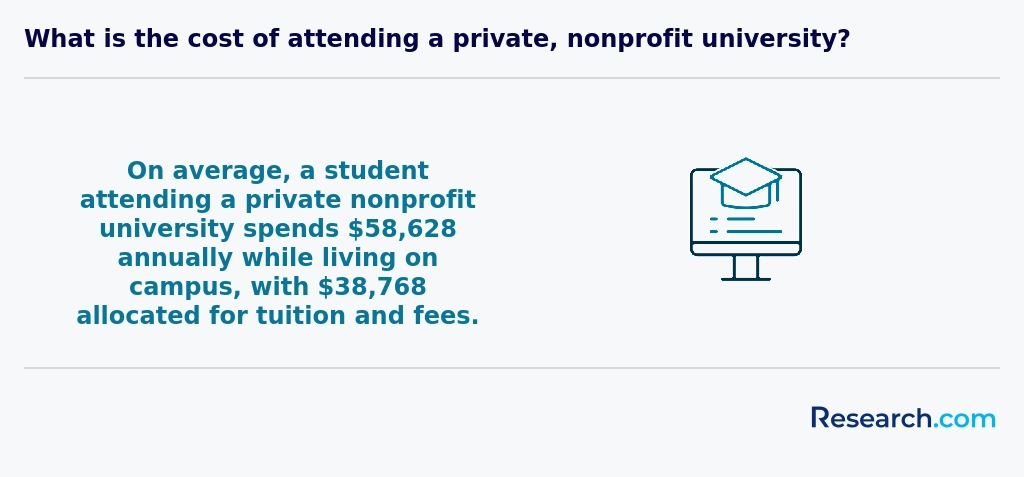
Graduates holding an online degree in Pennsylvania unlock a wide array of career opportunities across both traditional and emerging sectors. Whether you’re drawn to metropolitan hubs like Philadelphia and Pittsburgh or prefer remote roles, your degree can pave the way to positions in healthcare, technology, education, finance, and government. Employers value the self-discipline and digital fluency online learners develop, making these graduates competitive candidates for roles that demand adaptability and technical savvy. Top industries and employers for online degree graduates in Pennsylvania:
- Healthcare: UPMC, Penn Medicine, Geisinger Health System – roles include health informatics specialist, clinical coordinator, and telehealth nurse.
- Technology: Comcast, Cognizant, SAP – positions such as network administrator, data analyst, and cybersecurity consultant.
- Finance and Insurance: PNC Financial Services, Vanguard, Nationwide – opportunities in financial planning, risk management, and compliance.
- Education and Nonprofits: Penn State World Campus, Temple University Online, United Way – careers in instructional design, student services, and grant management.
- Government and Public Sector: Pennsylvania Department of Health, local school districts – jobs in policy analysis, public affairs, and program coordination. Beyond traditional employment, many online alumni pursue freelance consulting or remote roles with national firms. For those seeking streamlined pathways into high-earning fields, our guide to quick degrees that pay well highlights programs designed for rapid workforce entry. Networking through virtual alumni events, state professional associations, and internships can further enhance your job prospects, ensuring you leverage your online degree to its fullest potential.
Online degree programs in Pennsylvania typically incorporate a broad range of foundational courses designed to build essential skills. These general education requirements often include English composition and literature to enhance communication, mathematics such as statistics or college algebra for analytical thinking, and natural sciences like biology or environmental science to foster scientific understanding. Social sciences covering psychology, sociology, or economics further develop critical perspectives, while history and political science offer insights into local and national contexts.
Graduates from prominent Pennsylvania universities frequently highlight how this well-rounded curriculum strengthens their professional adaptability. For instance, a business student might combine core courses with specialized studies in management and marketing, reflecting how popular online college programs Pennsylvania integrate practical knowledge with theory.
In addition to comprehensive coursework, students benefit from experiential learning through internships or capstone projects, which some institutions tailor to local settings. For those seeking career advancement, there are also quick degrees that pay well options and affordable online degree courses Pennsylvania offers, making higher education accessible without compromising quality.
Choosing the best online degree program in Pennsylvania involves verifying program accreditation through recognized regional bodies to ensure the legitimacy and transferability of credits. Graduates from well-regarded universities report confidence in their degrees due to adherence to such standards. Additionally, aligning the curriculum with personal career goals and Pennsylvania's job market enhances employability and relevance in fields like nursing or IT.
Affordability plays a key role for many students; looking into affordable online colleges Pennsylvania offers can reveal transparent tuition structures, financial aid opportunities, and in-state benefits that reduce costs. One graduate found the flexible pricing and practical course design extremely supportive in balancing work and study. Robust student support services-academic advising, technical support, and career counseling-are indispensable for remote learners striving for success.
Graduation and retention rates from established institutions often reflect strong engagement and support. For prospective students seeking efficient pathways, programs highlighted in the fastest way to get your associate's degree can provide valuable alternatives that combine speed with quality.
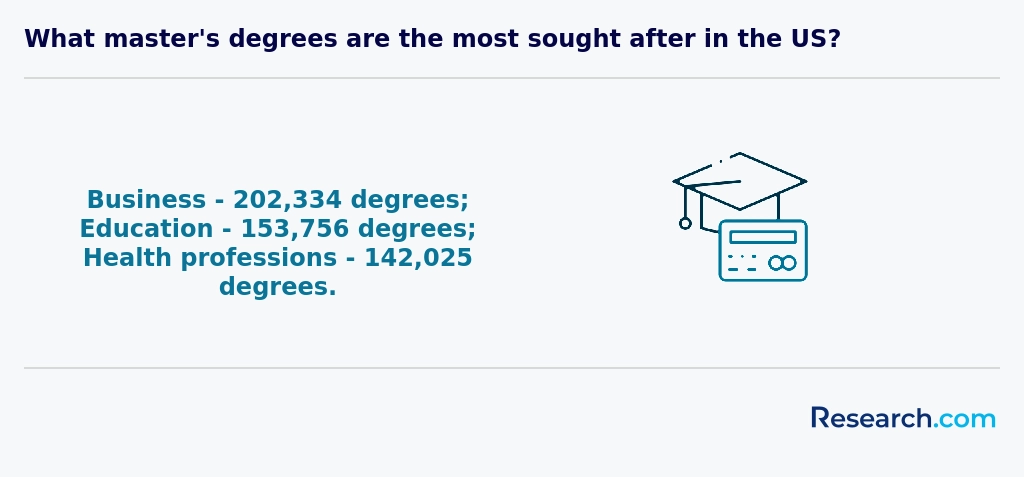
Graduates with online degrees from Pennsylvania institutions pursue diverse career paths, reflecting the state's robust economy and varied industries. Many find rewarding roles in healthcare, such as registered nurses or health information specialists, benefiting from Pennsylvania's extensive healthcare system. Business and information technology fields also attract graduates, who secure positions ranging from financial analysts to software developers in companies across the state.
Individuals earning online degrees in education or social services often enter teaching, administration, or social work, supporting communities throughout Pennsylvania. These careers allow graduates to make impactful contributions while enjoying flexible employment opportunities that online programs effectively prepare them for. Experience from popular colleges shows graduates thrive in adapting their skills to meet local employer demands, a clear advantage for those exploring online degree career options in Pennsylvania.
Moreover, many graduates appreciate the ability to upskill or shift careers in evolving sectors like criminal justice or engineering technology. The growing acceptance of online qualifications is evident, with over 30% of Pennsylvania's students enrolled in online programs. Prospective students looking for affordable options may find the Cheapest Online Colleges Programs Ranking in Boca Raton, FL a helpful resource as they plan their academic and professional futures.
The job outlook for online degree graduates in Pennsylvania reflects the state's diverse economy and growing demand across several sectors. Graduates from institutions such as Penn State World Campus and Temple University report that employers increasingly recognize their online credentials, especially in healthcare, technology, and advanced manufacturing. These sectors offer meaningful employment opportunities tailored to online learners' flexibility and technical skills.
Many Pennsylvania online college graduates appreciate the ability to balance work and study while tapping into robust local job markets in metropolitan areas like Philadelphia and Pittsburgh. Graduates often find roles in industries with strong growth projections, aided by their digital literacy and time management skills gained through accredited programs. Additionally, access to career services and networking opportunities enhances their employment prospects significantly.
Employment opportunities for Pennsylvania online college graduates are also buoyed by educational programs that align closely with industry needs. For those seeking quicker pathways, it is worth exploring college fast track programs that complement Pennsylvania's expanding sectors and provide competitive advantages in the job market.
2027 Most Affordable Online Colleges Programs Ranking in Pennsylvania
Investing in your education is a significant decision that can influence your career and personal growth, and the Research.com team recognizes the importance of making well-informed choices. To support prospective students in Pennsylvania, we have carefully developed the "2027 Most Affordable Online Colleges Programs Ranking." Our dedication to quality, credibility, and accuracy is evident in the thorough research and rigorous analysis undertaken to produce this ranking.
We utilized the following reputable data sources to ensure a comprehensive evaluation of affordable online college programs:
By exploring this ranking, readers will benefit from clear, reliable guidance to identify affordable online programs that suit their educational and financial needs. For further information about the rigorous methodology behind this ranking, please visit our Research.com methodology page.


# 6 position
Slippery Rock University of Pennsylvania
Master of Special Education - School Supervision


Frequently Asked Questions
Students in Pennsylvania can maximize their online learning experience by actively engaging with course materials and utilizing available resources. Pennsylvania's State System of Higher Education offers extensive online support, including virtual tutoring and academic advising, which can improve completion rates. Research from the National Center for Education Statistics notes that students who participate in online discussion forums tend to perform better academically. Time management is crucial; setting a consistent study schedule helps students balance work, life, and education effectively. Additionally, exploring Pennsylvania-specific scholarships and financial aid can reduce stress and allow greater focus on studies.
Preparing for the job market after earning an online degree in Pennsylvania requires strategic planning and resource utilization. Graduates should begin by refining their resumes and LinkedIn profiles to highlight relevant skills gained through their programs. According to the Pennsylvania Department of Labor & Industry, healthcare, technology, and education are among the fastest-growing sectors in the state, offering multiple job opportunities.
Networking is also critical; joining professional associations and attending virtual career fairs can connect graduates with employers. Additionally, Pennsylvania's career services offices often provide alumni with job placement assistance and interview coaching, even after online course completion.
Continued skill development through certifications or workshops can further improve employability in Pennsylvania's competitive market.
Employers in Pennsylvania prioritize a mix of technical and soft skills in graduates, reflecting trends in the US workforce. According to the Pennsylvania Department of Labor & Industry, critical thinking, problem-solving, and communication skills rank among the top abilities sought by regional employers.
Technical proficiency is vital, especially in sectors like healthcare, technology, and manufacturing. Employers expect graduates to be adept with digital tools and data analysis relevant to their fields.
Additionally, teamwork and adaptability remain essential as businesses increasingly value employees who can collaborate and respond to changing environments efficiently.
Developing these skills through online degrees can enhance employability and meet Pennsylvania's labor market demands.
Finding internships in Pennsylvania involves several practical steps for students pursuing online degrees. Many universities in the state, such as Penn State and Temple University, offer career services that connect students with local employers and internship programs. Utilizing platforms like Handshake and Indeed can also help locate opportunities specifically available in Pennsylvania.
Networking is crucial; joining professional organizations related to your field and attending virtual career fairs can increase chances of securing internships. According to the Pennsylvania Department of Labor & Industry, industries such as healthcare, technology, and finance often offer paid internships statewide.
Students should also explore state resources like the Pennsylvania CareerLink, which features internship postings and career advice tailored to Pennsylvania residents.
In Pennsylvania, earning an online degree can significantly enhance career mobility and advancement. According to the Pennsylvania Department of Labor & Industry, workers with a bachelor's degree earn roughly 67% more than those with only a high school diploma. This income premium reflects the growing demand for higher education credentials across industries in the state.
Online degrees offer flexibility, allowing professionals to upskill without interrupting their current employment. The Pennsylvania Higher Education Assistance Agency notes that over 30% of online degree holders report job promotions within two years of graduation.
Employers increasingly recognize reputable online degrees from accredited Pennsylvania institutions, making them a viable path for career growth.
When choosing between a thesis and a non-thesis degree program in Pennsylvania, students should consider their career goals and learning preferences. Thesis programs usually require conducting original research and writing a detailed paper, which suits those aiming for research careers or doctoral studies. Non-thesis options often involve additional coursework or practical projects, fitting students focused on professional advancement.
In Pennsylvania, many universities, such as Penn State and Temple University, offer both paths for online degrees in fields like education and business. According to the Pennsylvania Department of Education, thesis tracks may extend the program length by several months due to research demands. Understanding these distinctions helps students select the format best aligned with their academic and career plans.
Students based in Pennsylvania seeking to study abroad have several pathways through their online degree programs. Many Pennsylvania universities partner with international institutions, offering exchange opportunities or dual-degree arrangements. According to the Pennsylvania State System of Higher Education, about 12% of students enrolled in online programs also participate in study-abroad experiences.
Options include short-term faculty-led trips, semester exchanges, or virtual international internships, which have grown especially popular following recent global travel restrictions. Furthermore, organizations like the Council on International Educational Exchange provide scholarships and support tailored for Pennsylvania students.
While traditional study abroad requires physical travel, some programs integrate global perspectives via online collaborations, allowing students to gain international experience without leaving the state.
Students pursuing online degrees in Pennsylvania can benefit greatly by taking part-time jobs aligned with their fields of study. For example, education majors may find assistant teaching roles in local schools, which offer valuable hands-on experience. Healthcare students might pursue positions such as medical assistants or pharmacy technicians, roles that Pennsylvania's Department of Labor notes have steady demand.
Technology-related degrees are complemented well by part-time IT support or web development roles. The Bureau of Labor Statistics reports a growing technology sector in Pennsylvania, with jobs expected to increase by over 10% through 2030. Jobs in research institutions or nonprofits also offer opportunities for social sciences or business students, especially near university hubs like Philadelphia or Pittsburgh.
Online students in Pennsylvania have access to various networking opportunities through the state's universities and community colleges. Many schools offer virtual career fairs, allowing students to connect with employers and alumni without physical presence.
Additionally, professional organizations in Pennsylvania, such as the Pennsylvania State System of Higher Education (PASSHE), frequently host webinars and online meetups. These events help students expand their professional contacts inside and outside their fields.
Local chapters of national groups, like the Pennsylvania Networking Group, also provide online forums and events tailored for remote learners. This support helps online students build connections similar to their on-campus peers.
Alumni networks offer valuable benefits to online degree students in Pennsylvania by providing connections that can assist in career development. According to the Pennsylvania Department of Labor & Industry, job referrals and networking play a significant role in local employment outcomes. These networks facilitate mentorship opportunities, industry insights, and access to job openings not always advertised publicly. Many Pennsylvania universities maintain active online alumni communities, enabling students to interact remotely with graduates in their field. This support system can increase a student's chances of employment and professional growth.
Moreover, alumni networks often host virtual events and webinars tailored for online learners, making participation convenient regardless of location. Engaging with experienced alumni can also help students understand the state's evolving job market, aligned with Pennsylvania's economic sectors such as healthcare and technology. Thus, alumni networks in Pennsylvania create a bridge between education and the workforce for online students.
Customizing your online degree program in Pennsylvania involves selecting courses and specializations aligned with your career goals. Many accredited Pennsylvania institutions offer flexible curriculums that allow you to focus on in-demand fields such as healthcare, technology, or business management. According to the Pennsylvania Department of Education, several schools provide options for elective credits, concentrations, and internships within their online programs.
You can also take advantage of credit transfer policies to apply previous college or work experience toward your degree, shortening your time to graduation. Advisors at Pennsylvania colleges often help tailor course paths based on market trends and employer needs statewide.
Online students in Pennsylvania often face challenges related to technology access and digital literacy. According to the Pew Research Center, about 15% of adults in rural Pennsylvania lack reliable high-speed internet, which can hinder participation in streaming lectures and submitting coursework.
Another common difficulty is maintaining motivation and time management. Without structured campus environments, many students struggle to balance studies with work and family commitments.
Additionally, some students report limited access to academic advising and career services compared to on-campus peers. A 2023 report by the Pennsylvania Department of Education highlights variations in institutional support for distance learners, affecting overall success rates.
Writing a winning application for an online college program in Pennsylvania requires clear focus and preparation. Begin by thoroughly researching the program and institution's requirements to tailor your materials accordingly. Pennsylvania has over 14 accredited online institutions participating in the state's dual enrollment and financial aid programs, which can influence your application strategy (Pennsylvania Department of Education).
Highlight your academic achievements and relevant experiences in your personal statement. Use this section to connect your goals with what the program offers. According to the National Center for Education Statistics, Pennsylvania has a 67% acceptance rate for public universities, making a strong application essential.
Ensure all documents, such as transcripts and recommendation letters, are official and submitted on time. Pay attention to formatting and grammar, as clarity reflects your professionalism. Finally, emphasize your motivation to study online, showing your readiness for virtual learning demands common in Pennsylvania's institutions.
Gaining practical experience while studying online in Pennsylvania is essential for career readiness. Many Pennsylvania institutions offer virtual internships and cooperative education programs that connect students to local businesses. According to the Pennsylvania Department of Labor & Industry, over 70% of employers value internships when hiring graduates. Additionally, some online programs integrate project-based learning, allowing students to work on real-world assignments remotely. Pennsylvania's robust network of industries, especially in healthcare, technology, and finance, provides diverse opportunities. Students can also leverage resources from the Pennsylvania State System of Higher Education to find experiential learning options suited for online learners.
Choosing the right concentration within an online degree program in Pennsylvania involves assessing your career goals and the local job market. The Pennsylvania Department of Labor & Industry reports growth in healthcare, technology, and business sectors, making concentrations in these areas potentially advantageous. Consider your personal interests and strengths to ensure long-term engagement with your studies.
Research universities in Pennsylvania, such as Penn State World Campus or Temple University, which offer diverse online concentrations. Review course offerings, faculty expertise, and internship opportunities aligned with Pennsylvania's economy. Accreditation by bodies like MSCHE assures program quality and recognition across the state.
Lastly, check for online programs that provide flexibility and support services, which are crucial for balancing work and study commitments.
- 2027 Most Affordable Online Colleges Programs Ranking in New Jersey
- 2027 Most Affordable Online Colleges Programs Ranking in Delaware
- 2027 Most Affordable Online Colleges Programs Ranking in Maryland
- 2027 Most Affordable Online Colleges Programs Ranking in New York
- 2027 Most Affordable Online Colleges Programs Ranking in West Virginia
- 2027 Most Affordable Online Colleges Programs Ranking in Ohio
- 2027 Most Affordable Online Colleges Programs Ranking in Virginia
- 2027 Most Affordable Online Colleges Programs Ranking in Connecticut
- 2027 Most Affordable Online Colleges Programs Ranking in Rhode Island
- 2027 Most Affordable Online Colleges Programs Ranking in Massachusetts
- Soft Skills Employers are Looking for in a Graduate https://www.law.ac.uk/resources/blog/soft-skills-employers-are-looking-for-in-a-graduate/
- Students: This is How You Should Prepare for the Job Market https://www.agencycentral.co.uk/articles/students-this-is-how-you-should-prepare-for-the-job-market/
- Online Colleges in Pennsylvania | OEDb.org https://www.oedb.org/pennsylvania/
- About Us https://upenn.imodules.com/s/1587/gid2/16/interior.aspx
- Thesis vs. Non-Thesis Master's Programs: Which is Right for You? https://potomac.edu/thesis-vs-non-thesis-masters/
- Planning to Study in Pennsylvania, USA? https://www.alfabetaglobal.com/blogs/planning-to-study-in-pennsylvania-usa
- Pennsylvania's Journey Towards Student-Centered Learning: Building a Collaborative Statewide Movement - FullScale https://www.fullscalelearning.org/cw/pennsylvanias-journey-towards-student-centered-learning-building-a-collaborative-statewide-movement/
- Online Degree vs. Traditional: Choosing the Right Path https://beal.edu/online-degree-vs-traditional/
- Study Abroad Programs | Go Overseas https://www.gooverseas.com/study-abroad
- Keep Learning After High School https://www.pasecondarytransition.com/educational-courses


