
2027 Most Affordable Online Master's in Education Degree Programs Ranking in Chicago, IL

Co-Founder and Chief Data Scientist
Choosing the right master's in education program can feel overwhelming, especially when budgeting is a top concern. This article introduces the 2027 Most Affordable Online Master's in Education Degree Programs Ranking in Chicago, IL, carefully crafted by the Research.com team of data scientists. It aims to help you explore affordable, quality options without compromising your goals.
By reading this ranking, you'll gain clarity on programs that balance cost and value. Earning an education degree not only enriches your knowledge but also opens doors to meaningful career opportunities in Chicago's growing education field.
Key benefits of getting online education degree in Chicago
- Graduates with an education degree in Chicago can expect competitive salaries such as $129,330 for Education Managers and $104,920 for Education Program Managers, reflecting strong earning potential.
- Career paths include roles like Education Consultant, Curriculum Specialist, and Higher Education Professor, offering diverse opportunities to impact local schools and universities.
- Online education degrees in Chicago provide flexible learning schedules and allow students to balance work and study, often accelerating career growth compared to traditional programs.
- 2027 Most Affordable Online Master's in Education Degree Programs Ranking in Chicago, IL
- What can I expect from online education degree in Chicago?
- Where can I work with online education degree in Chicago?
What can I expect from online education degree in Chicago?
The average cost of an online education degree in Chicago generally hovers around $14,000 per year for graduate tuition at public universities, according to the Illinois Board of Higher Education. This figure offers a helpful benchmark but varies depending on the institution and residency status. Graduates from the University of Illinois at Chicago often share how the relatively affordable tuition combined with comprehensive financial aid options made their degree feel like a manageable investment rather than an overwhelming expense.
Many Chicago-based programs also provide flexible payment plans and employer reimbursement opportunities, which can ease financial pressure for working professionals balancing career and studies. While private institutions in Chicago might charge more, some students appreciate the personalized attention and resources those programs offer, feeling it justifies the higher cost.
It's important to remember that these costs reflect more than just tuition-they support access to online platforms, experienced faculty, and local accreditation standards, which graduates often cite as essential to their confidence in pursuing licensure and career advancement within Chicago's diverse schools.
Where can I work with online education degree in Chicago?
Graduates with online education degrees in Chicago often secure roles within Chicago Public Schools or its many charter schools, where they find rewarding positions as classroom teachers or special education instructors. For example, many graduates from DePaul University's online programs share that gaining teacher certification alongside their degree opened doors to CPS teaching roles, enriching their classroom experiences.
Others leverage advanced degrees from institutions like Loyola University Chicago to pursue careers as curriculum developers or instructional coordinators, contributing creatively to educational frameworks. This practical application of education theory makes a meaningful difference in schools with diverse student populations.
For those considering higher education careers, the University of Illinois at Chicago attracts graduates into roles such as academic advising and student support services. These positions allow them to engage directly with student development, fostering a sense of fulfillment.
Beyond traditional settings, many graduates report satisfaction working with nonprofits or corporate training programs in Chicago, where their skills in program coordination or e-learning design respond to evolving workforce needs. While these paths vary widely, they share a common thread: the ability to impact learning environments positively across the city.
Graduates with an online education degree in Chicago often find promising salary prospects, though actual earnings depend heavily on the specific role and experience level. For instance, education managers, according to the U.S. Bureau of Labor Statistics, earn a mean annual wage of around $129,330, making administration roles in large Chicago districts highly lucrative. Similarly, education program managers earn about $104,920 per year, reflecting growing opportunities in coordinating educational projects and initiatives.
Many graduates aiming for curriculum specialist positions can expect mean salaries near $77,200, which aligns well with the responsibilities of developing and evaluating educational content. Recent graduates from well-regarded Chicago institutions who took on consulting roles in education report mean earnings close to $95,600, illustrating viable paths beyond traditional teaching.
Postsecondary teaching remains a popular choice, especially among those who studied at Chicago's renowned universities. Such graduates enjoy mean wages near $96,570, often appreciating the intellectual stimulation and flexible schedules that come with academia. While salary figures are encouraging, real-world experiences shared by graduates emphasize that continued certification and union membership often play key roles in unlocking higher pay, especially within Chicago Public Schools.
- Tuition for online education master's degrees in Chicago ranges from $15,000 to $30,000, with public universities and community colleges generally more affordable than private schools.
- Programs usually combine asynchronous coursework with some live virtual sessions, offering flexibility for working professionals or those with families.
- Accreditation by agencies like the Council for the Accreditation of Educator Preparation (CAEP) is essential to ensure the program meets professional standards.
- Entry-level educators in Chicago earn about $50,000 annually, while mid-career salaries average around $70,000, and administrative roles can pay over $90,000.
- Online programs often support teacher certification and endorsements, including preparation for Illinois Licensure Testing System (ILTS) exams required for public school teaching.
Completing an online education degree in Chicago typically takes between 18 months and 3 years, depending on factors like program structure and student availability. For example, graduates from reputed Chicago universities report finishing their master's degrees in about two years when studying full-time, balancing coursework with professional commitments. Others who juggle part-time study often extend to three years, appreciating the flexibility to manage work and family alongside their education.
Students from well-known institutions in Chicago emphasize how flexible pacing supports their busy lives-some take one or two courses per semester, while others opt for accelerated options to finish faster. These choices reflect differing priorities and life circumstances rather than a fixed timeline.
Practical elements like internships or student teaching, common in many Chicago programs, sometimes lengthen completion time but add valuable experience. This nuanced reality shows that the time to finish depends less on the degree itself and more on how students integrate study into their unique schedules.
Navigating an online education journey requires not only academic commitment but also strategic planning and effective use of available resources. To truly excel, prospective students should establish a dedicated study schedule, actively participate in digital communities, and harness the power of mentorship programs offered by many institutions. It’s also essential to leverage professional networking opportunities and career services early on to build lasting connections that can facilitate internships and job placement post-graduation. Engaging with resources such as our comprehensive guide on affordable online education schools in illinois can provide valuable insights into program affordability and institutional support, ensuring you make a well-informed decision. Additionally, continuously updating your tech skills and setting measurable short-term goals can help you stay organized and motivated throughout your studies. This proactive approach not only enhances your academic performance but also prepares you for the competitive job market upon graduation.
Choosing between online and on-campus education degrees in Chicago means weighing distinct experiences and challenges. Graduates from Chicago State University and University of Illinois at Chicago often note that online programs provide invaluable flexibility, allowing them to balance work, family, and study without the added burden of commuting or housing costs. For someone working full-time in the city, attending courses virtually can feel like a lifeline, enabling steady progress without uprooting daily routines.
Conversely, on-campus students frequently highlight the energizing atmosphere of being on-site-access to campus libraries, labs, and face-to-face interactions with professors and peers fosters a sense of community and networking that can fuel motivation and career opportunities. A student engaged in extracurricular activities at these institutions might find this environment deeply rewarding and supportive.
However, it's important to recognize that both formats uphold similar academic standards and accreditation, ensuring that Chicago employers respect the degrees equally. The key difference lies not in quality but in how students experience and manage their learning journey.
Before you start, ensure your setup meets common online learning standards:
- Reliable high-speed internet (minimum 5 Mbps download) to stream lectures and participate in live sessions.
- Computer or laptop (Windows or Mac) with at least 8 GB RAM and up-to-date operating system.
- Modern browser (Chrome, Firefox or Safari) with cookies and pop-ups enabled.
- Webcam, microphone and headphones for interactive discussions and virtual presentations.
- Access to Learning Management Systems (Canvas, Blackboard or similar) and required software (Office suite, PDF reader).
- Available technical support via help desk or online tutorials provided by your institution.
For tips on selecting programs that align with your technical setup, explore online degrees.
The average cost of an online education degree in Chicago typically falls near a median total of about $25,376, with in-state students often paying closer to $22,357 and out-of-state students around $27,390. Graduates from well-known institutions like the University of Illinois at Chicago or Chicago State University often share that while tuition rates can feel significant, the flexibility of online programs allows them to balance work and study effectively, making the expense more manageable. These programs usually offer a range of tuition rates, reflecting the diverse nature of local schools, from public universities with more affordable fees to private colleges where prices can be higher but financial aid opportunities are often available.
Many students pursuing affordable online master's education programs Chicago find that the overall cost extends beyond tuition, including fees for technology and course materials. However, students appreciate that these additional costs can be lower than traditional campus-based programs, especially since they can avoid commuting and housing expenses. Experiences from recent graduates highlight how choosing a program with clear tuition breakdowns and flexible payment options positively impacted their budgeting and confidence in completing their degrees.
For those seeking to explore specific institutions and current rates, it is wise to review detailed comparisons in rankings of affordable online education schools in Illinois. Such resources help prospective students gauge the value they might receive and identify programs that meet both their educational and financial needs, emphasizing the importance of informed decision-making when investing in an online education degree in Chicago.

Leading online master’s in education programs in Chicago align coursework with Illinois State Board of Education (ISBE) standards, ensuring graduates meet licensing requirements for roles such as K-12 teacher, curriculum specialist, or school administrator. Before applying, confirm each program includes:
- ISBE-approved curriculum hours in pedagogy, assessment, and educational law
- Structured practicum or internship in Chicago-area schools
- Support for state certification exams (e.g., edTPA, Illinois content-area tests)
Candidates without foundational teacher training can explore an accelerated bachelor's degree online to satisfy prerequisite coursework before advancing to a master’s–level program.
Students pursuing an online education degree in Chicago can tap into a variety of financial aid sources, though navigating them requires careful research. Graduates from DePaul University often highlight federal student loans, such as Direct Unsubsidized Loans and Grad PLUS Loans, as their primary support after filling out the FAFSA. These loans make a substantial difference, especially when tuition ranges from $10,000 to $30,000 annually. However, federal grants at the graduate level tend to be rare, so many rely on work-study opportunities to earn part-time income while studying.
At schools like Loyola University Chicago, institutional scholarships tailored for online education candidates, often merit- or need-based, provide crucial relief. Some educators share how specialized grants, available when committing to Illinois public schools post-graduation, helped them feel hopeful and motivated. Meanwhile, private scholarships from Chicago educational foundations can offer unexpected boosts, yet require active searching and timely applications.
Finally, many report that local school districts' tuition reimbursement programs serve as a valuable resource, blending professional growth with financial assistance in real, meaningful ways.
When evaluating the most affordable online Master’s in Education programs in Chicago, IL, accreditation is the foremost indicator of academic quality and eligibility for licensure. Accreditation by a recognized agency-such as the Council for the Accreditation of Educator Preparation (CAEP) or the Higher Learning Commission (HLC)-ensures that your degree meets rigorous standards, qualifies for federal financial aid, and supports seamless credit transfer should you pursue further study. Most Chicago-area programs hold regional accreditation from HLC, while specialized endorsements from CAEP or the National Council for Accreditation of Teacher Education (NCATE) reflect strong preparation in pedagogy and curriculum design. Beyond institutional accreditation, state-level approval is essential for teacher certification in Illinois. Prospective candidates should verify that their chosen online program aligns with the Illinois State Board of Education (ISBE) requirements for licensure in elementary, secondary, or special education. Course sequences and practicum experiences must satisfy ISBE’s mandated hours for supervised student teaching, assessment, and professional development. Graduates from CAEP-accredited programs at universities like DePaul and UIC report a streamlined path to Illinois Professional Educator Licensure (PEL), avoiding costly supplementary coursework. For educators contemplating relocation or dual-state certification, comparing accredited offerings across regions can reveal additional cost savings and specialization opportunities. For example, if you’re exploring options beyond Illinois, consider the comprehensive Most Affordable Online Education Degree Programs Ranking in Massachusetts, which highlights CAEP-accredited programs with robust practicum partnerships and licensure support tailored to Massachusetts guidelines. In summary, prioritize programs with both regional and programmatic accreditation, verify alignment with ISBE requirements, and research reciprocal agreements if you plan to teach outside Illinois. This due diligence safeguards your investment, ensures eligibility for educator licensure, and enhances long-term career mobility in K–12 and higher education settings.
When considering enrollment in an online education degree in Chicago, applicants typically face specific prerequisites that reflect both academic readiness and practical experience. Graduates from reputable universities like DePaul or Loyola recall needing at least a high school diploma for undergraduate programs, while those aiming for a master's degree had to present a bachelor's from an accredited institution. This foundation matters because it assures programs of a student's capability to manage advanced coursework.
Some students found that a minimum GPA of around 2.5 to 3.0 was expected, which encourages maintaining consistent academic performance. However, others appreciated programs waiving standardized tests like the GRE, especially when their resumes showcased extensive teaching or educational work experience, recognizing diverse qualifications rather than rigid testing.
Chicago's unique requirements for teacher certification add another layer-many online candidates recall preparing for the Illinois Test of Academic Proficiency (TAP) before beginning student teaching, a challenge that deepened their commitment. Having proper technology and fast internet also made the difference, allowing them to stay engaged and connected.
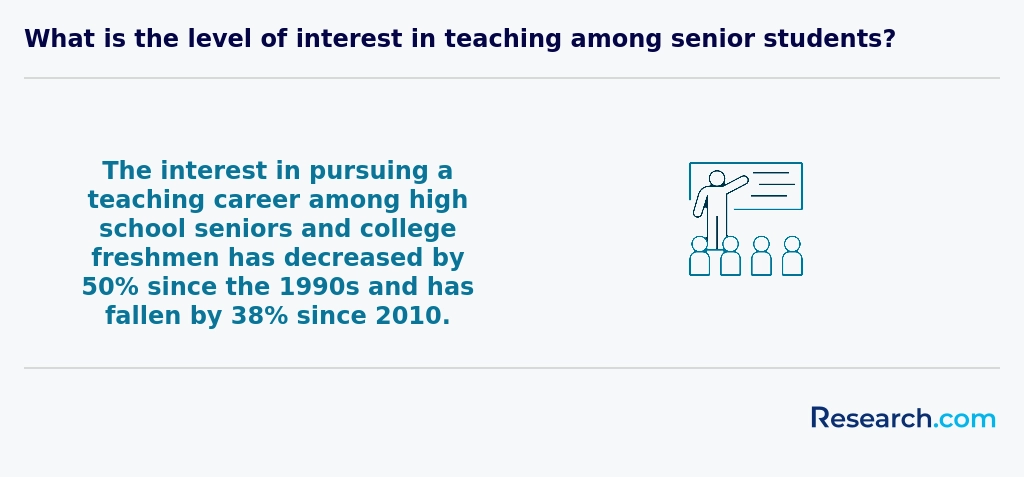
Ensuring your online Master’s in Education program is properly accredited and meets Illinois State Board of Education (ISBE) certification standards is essential for both academic quality and professional licensure. Regional accreditation from bodies like the Higher Learning Commission (HLC) and program-specific accreditation from the Council for the Accreditation of Educator Preparation (CAEP) or the National Council for Accreditation of Teacher Education (NCATE) signal that a program adheres to rigorous curriculum, faculty, and student support benchmarks. To qualify for an Illinois Professional Educator License (PEL), graduates must:
- Complete CAEP- or NCATE-accredited coursework aligned with ISBE requirements.
- Pass content-area and pedagogy assessments, such as the IL Licensure Testing System (ILTS) exams or the edTPA performance assessment.
- Fulfill background checks, fingerprinting, and any mandated student teaching hours. Many online programs streamline the licensure pathway by integrating exam prep modules and facilitating internship placements in Chicago-area schools. Graduates seeking specialized endorsements-such as Special Education, Bilingual Education, or Curriculum & Instruction-should verify that their chosen master’s program includes these endorsement coursework and field experiences. For students embarking on their educational journey at the community college level, exploring career options with associate degree in education can clarify prerequisite requirements and align transfer credits toward a seamless transition into an accredited master’s track. By confirming both regional and programmatic accreditation and understanding ISBE licensure steps, aspiring educators can confidently invest in a credential that leads to classroom leadership and long-term career growth.
Online education degree programs in Chicago commonly include courses that balance theory and practical skills, designed to meet the needs of working professionals in the area.
Graduates from respected institutions report that core courses like educational psychology help them understand learner behavior deeply, which proves invaluable when managing diverse classrooms in Chicago's urban schools. Curriculum design and assessment classes teach students how to craft lessons that really resonate, ensuring they can measure progress effectively and adapt to different student needs.
Technology integration is often highlighted, reflecting Chicago's push toward modern teaching techniques. One graduate shared how learning to use digital tools transformed their ability to engage students remotely, especially during recent shifts to online classrooms.
Courses on instructional strategies and classroom management prepare students for real-world challenges, helping maintain respectful and productive environments across various Chicago districts. Leadership and policy studies also stand out, equipping learners to navigate and influence education systems locally.
Some programs include special education components that address equity and accessibility, crucial in a diverse city like Chicago. These courses empower future educators with strategies to support all learners effectively.
Online education degree specializations in Chicago commonly include Curriculum and Instruction, Educational Leadership and Administration, Special Education, Literacy Education, Early Childhood Education, and Educational Technology. Graduates from well-regarded institutions like Loyola University Chicago and DePaul University often share how these focused tracks helped them feel confident addressing real classroom challenges or stepping into leadership roles. For example, a graduate specializing in Educational Leadership reflects on how coursework directly connected to managing diverse school environments in Chicago's public schools.
These specializations align well with local workforce needs, as many Chicago-area educators emphasize the practical value of a Chicago online master's in education concentrations. Yet, some students question if such programs adequately balance theory and hands-on practice, especially for special education roles, where on-the-ground experience is critical. Considering that, those exploring career options with associate degree in education might also weigh the specialized paths available at these universities.
Overall, students appreciate that online education degree specializations Chicago offer flexibility without sacrificing relevance, helping them feel prepared and motivated to impact local communities.
Choosing the best online education degree in Chicago begins with verifying accreditation, which guarantees that your degree holds value in local school districts and beyond. Graduates from reputable programs in the city often highlight how Chicago's well-connected universities provide practicum opportunities in local public schools, making theory meaningful through hands-on experience. For those juggling work and family, flexibility is not just a bonus but a necessity; asynchronous courses offered by top Chicago institutions enable students to learn at their own pace without sacrificing quality.
Cost is another crucial factor since affordable online education degrees Chicago residents seek often have tuition rates aligned with the region's moderate living expenses. Some graduates report significant savings thanks to reduced commuting costs, especially when programs offer scholarships or employer tuition reimbursement. Prospective students should also research graduation and licensure pass rates, faculty expertise, and support services, reflecting a comprehensive approach beyond surface-level rankings.
For those weighing affordability alongside high standards, the Most Affordable Online Education Degree Programs Ranking in Massachusetts can offer comparative insights to inform choices that balance quality and budget effectively.
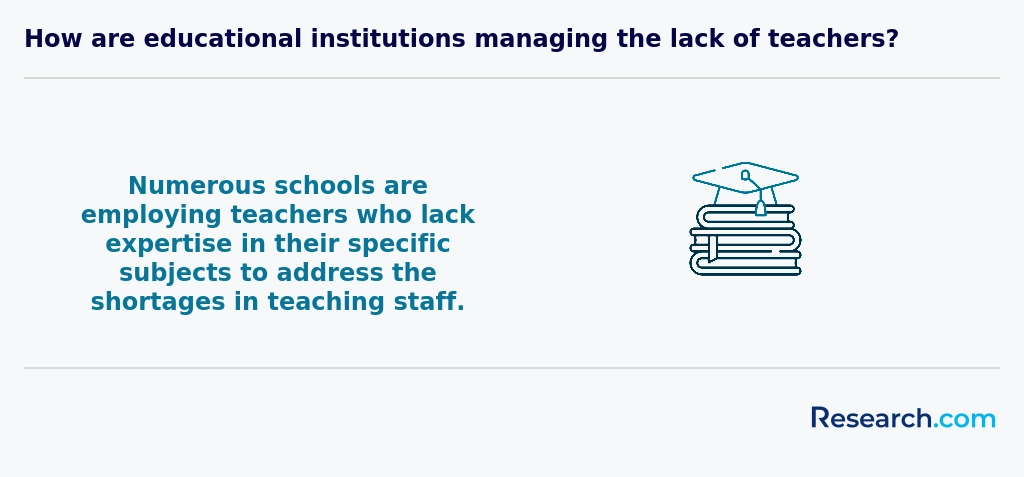
Graduates with an online education degree in Chicago have access to a range of career paths, each shaped by the city's distinct educational landscape. Most commonly, graduates pursue teaching jobs with online education degree Chicago credentials, entering public and private K-12 schools where licensed teachers are in steady demand. Many find this pathway rewarding, as they contribute directly to diverse classrooms across the city. Others leverage their degrees toward educational administration, stepping into leadership roles such as principals or curriculum specialists-areas projected to grow nationally and particularly valued in urban districts like Chicago.
Some graduates choose specialized roles, including special education and counseling, due to Chicago's commitment to inclusive education, which fuels demand for trained professionals in these fields. Additionally, roles in educational technology and instructional design attract those interested in integrating digital tools into learning environments, a growing focus in Chicago's schools. Universities and colleges popular for education degrees provide programs that reflect these evolving career opportunities, while many students appreciate the flexibility of affordable online schools that accept fafsa to balance studies with real-world experience.
The job market for graduates with an online education degree in Chicago is notably promising, though it presents a mixed landscape shaped by growing opportunities and some competition. Graduates from institutions like Loyola University Chicago and DePaul University often share positive experiences securing roles in CPS and nearby districts, especially in high-need areas such as STEM and special education. This reflects the broader Chicago job market for online education graduates, where flexibility and relevance of credentials matter significantly.
For example, many online degree holders have found leadership roles or curriculum specialist positions that align well with the city's emphasis on educational innovation. The demand for skilled educators in Chicago Public Schools supports a competitive but accessible job field, particularly for those with graduate-level qualifications. However, securing top-tier positions may still require persistence, as some roles involve selective hiring practices.
Graduates looking to maximize their prospects might consider coupling their degree with pathways toward a bachelor's degree that makes the most money or additional certifications. This approach can enhance earning potential and help stand out in Chicago's evolving education sector.
2027 Most Affordable Online Master's in Education Degree Programs Ranking in Chicago, IL
Investing in your education is a significant decision that can shape your future, and the Research.com team understands the importance of making informed choices. To assist prospective students in Chicago, IL, we have meticulously crafted the "2027 Most Affordable Online Master's in Education Degree Programs Ranking in Chicago, IL." Our commitment to quality, credibility, and accuracy is reflected in the extensive research and analysis conducted to compile this ranking.
We utilized the following reputable data sources to ensure a comprehensive evaluation of education programs:
By exploring this ranking, readers will gain valuable insights into the most affordable and credible online Master's in Education programs available in Chicago, enabling them to make informed decisions aligned with their educational and financial goals. For more details on how this ranking was created, please visit our Research.com methodology page.
# 1 position
University of Illinois Chicago
Master of Measurement, Evaluation, Statistics and Assessment

# 2 position
Erikson Institute
Master of Early Childhood Education (Licensure)


Frequently Asked Questions About education
Online education degree students in Chicago can maximize their learning experience by establishing a consistent study schedule and creating a dedicated, distraction-free workspace. Research from the National Center for Education Statistics indicates that disciplined time management improves academic outcomes for online learners nationwide. Chicago offers access to numerous digital libraries and resources through local universities, which students should utilize to deepen their understanding of course materials.
Engaging actively in virtual class discussions and forming study groups with peers enhances comprehension and retention. Additionally, students benefit from leveraging Chicago-area professional networks and educational forums to connect theory with local practices. Access to academic advising and technical support services at Chicago institutions further supports student success.
Emerging niches within the education field reflect the evolving needs of students and schools in Chicago and across the United States. One key area is digital literacy and online learning specialization, driven by the city's increasing reliance on technology in classrooms. According to the Illinois Board of Higher Education, programs focusing on educational technology are growing faster than traditional tracks.
Another niche is culturally responsive teaching, which addresses Chicago's diverse student population. Master's programs emphasize strategies to support equity and inclusion, preparing educators to meet varied cultural and linguistic needs.
Special education remains critical, with growing attention to individualized support for students with disabilities. There is also a rise in leadership degrees tailored for principals and administrators to manage schools adapting to new post-pandemic realities.
Graduates with online education degrees in Chicago should focus on building practical skills to boost employability. According to the Illinois Board of Higher Education, networking with local schools and education organizations in the Chicago area is key to accessing job opportunities. Volunteering or internships in district schools can provide valuable classroom experience.
Obtaining state certification is essential, as most teaching positions in Chicago Public Schools require an Illinois Professional Educator License. Test preparation for the Illinois licensure exams should be prioritized early.
Utilizing job resources like the Chicago Public Schools careers portal and local education job fairs can improve chances of employment. Additionally, graduates should maintain up-to-date resumes highlighting online coursework and relevant experience.
Employers in Chicago seek education degree graduates with strong communication and classroom management skills. According to the Illinois State Board of Education, effective verbal and written communication is essential for engaging diverse student populations.
Critical thinking and the ability to adapt to new teaching technologies are also highly valued. Chicago Public Schools emphasize digital literacy, noting that nearly 70% of classrooms incorporate adaptive learning software as of 2023.
Additionally, employers look for cultural competence due to the city's diverse demographics, which include students speaking over 100 languages. Graduates proficient in inclusive teaching strategies are preferred for their ability to support all learners.
Research from the Chicago Teachers Union identifies collaboration skills as crucial, with team-oriented approaches linked to improved student outcomes across the city's schools.
Finding internships in Chicago relevant to an education degree involves several practical steps. Start by exploring opportunities through Chicago Public Schools (CPS), one of the largest districts in the US, which often offers internships for education students. According to CPS, these internships provide hands-on classroom experience, crucial for licensure and skill development.
Another valuable resource is local universities' career centers, which frequently connect students with district schools and community organizations. The Illinois Board of Higher Education also lists approved student teaching and internship programs statewide, including Chicago.
Additionally, education-focused nonprofits and agencies in Chicago offer internship placements, helping students gain experience in diverse educational settings. Websites like Handshake and internships.com often feature these openings.
Networking through professional organizations such as the Illinois Education Association can also increase access to internships.
An online education degree can significantly impact career mobility and advancement in Chicago's competitive job market. With over 675 public and private schools in the Chicago area, educators with advanced degrees often qualify for higher-level positions such as curriculum specialists or administrative roles. According to the Illinois Board of Higher Education, professionals holding a master's degree in education see a salary increase averaging 15-20% compared to those with only a bachelor's degree.
The flexibility of online programs allows working professionals in Chicago to balance their current jobs while gaining new credentials, making career changes smoother. Additionally, Chicago Public Schools encourage continued education through salary incentives tied to advanced degrees, further promoting upward mobility.
Studying for an education degree in Chicago equips students with skills essential for interdisciplinary roles in schools and community settings. Chicago's education programs emphasize collaboration across fields such as psychology, social work, and technology. This approach aligns with P-12 schools' needs, where teachers often work alongside health professionals and counselors to support diverse student populations.
According to the Illinois State Board of Education, about 88% of Chicago Public Schools implement programs requiring cross-disciplinary teamwork. Online education degrees in Chicago frequently include courses on cultural competency, educational technology, and special education, preparing graduates to adapt and innovate in varied roles.
Such programs encourage analytical thinking and real-world problem solving, both critical in interdisciplinary environments. Students also gain opportunities for practical experience through virtual internships or partnerships with Chicago institutions, enhancing their readiness for multifaceted careers in education.
Choosing between a thesis and a non-thesis online education degree in Chicago depends on your career goals and learning preferences. A thesis program focuses on original research and is ideal for students interested in pursuing a doctorate or roles involving in-depth study.
Non-thesis programs emphasize coursework and practical skills, suited for professionals seeking immediate application in classrooms or educational leadership. According to the Illinois Board of Higher Education, Chicago universities often offer both options for flexibility.
Consider time commitment: thesis programs typically require more time for research. Costs may also vary slightly depending on program length.
Students based in Chicago seeking to study education abroad have multiple options through U.S. universities offering online programs with international components. Many institutions provide virtual study abroad experiences, allowing learners to engage with global education practices without leaving the city.
Chicago ranks among the top metropolitan areas in the U.S. for higher education opportunities, supported by access to resources from over 120 colleges and universities. This enables students to find programs that include international internships or partnerships with foreign universities.
According to the Institute of International Education, about 12% of Chicago students in graduate programs participate in study abroad or global learning initiatives, often through hybrid or online degree formats.
These online education degrees often feature flexible curricula that incorporate global education perspectives, preparing Chicago students for diverse classrooms worldwide.
Students pursuing online education degrees in Chicago can greatly benefit from part-time jobs that align with their field. Tutoring for local schools or community centers is a common option, allowing experience in lesson planning and student interaction. According to the Illinois State Board of Education, Chicago has over 600 public schools, creating robust demand for educational support roles. Additionally, positions such as teacher's aides or after-school program assistants at institutions like the Chicago Public Library system offer practical exposure to diverse learning environments.
These roles not only enhance resumes but also deepen understanding of classroom dynamics, which is essential for future educators. Part-time jobs in this sector typically pay between $12 and $18 per hour, based on data from the U.S. Bureau of Labor Statistics for education support professionals in metropolitan Chicago.
Online education students in Chicago have various networking opportunities despite the virtual nature of their studies. Many local universities offering online education degrees, such as Chicago State University and the University of Illinois Chicago, organize virtual workshops and live webinars that connect students with faculty and peers. These events foster professional relationships important for career growth.
Additionally, Chicago's vibrant educational community hosts regular meetups and conferences where online students can participate in person. According to the Illinois Board of Higher Education, these activities help students access mentors and expand local professional networks. Students can also join education-focused organizations like the Illinois Education Association to build connections.
Alumni networks offer significant advantages to online education degree students in Chicago by providing valuable professional connections. Graduates from Chicago-based schools often join these networks, creating a community that supports career advancement and job placements within the region's diverse school districts. According to the Illinois Board of Higher Education, over 70% of education graduates find employment within six months, partly due to connections fostered through alumni activities.
These networks also offer mentorship opportunities, pairing recent graduates with experienced educators who provide guidance on career paths and certifications. Furthermore, alumni events, both virtual and local, help students remain engaged and informed about educational trends in Chicago's urban and suburban schools.
Customizing an online education degree program in Chicago allows students to align their studies with specific career goals. Many Illinois institutions offer diverse concentrations, such as curriculum development, special education, or educational leadership.
Students can often select electives or certificate add-ons to deepen expertise in areas like literacy instruction or educational technology. Flexible scheduling and part-time options support working professionals.
According to the Illinois Board of Higher Education, tailored programs increase graduate employability in Chicago's schools and districts.
Additionally, some programs provide internships or partnerships with local schools, offering valuable practical experience.
Online education students in Chicago face several typical challenges that can impact their academic success. One major issue is balancing coursework with personal and professional responsibilities, as many learners are working adults or parents. According to the Illinois Board of Higher Education, time management remains a significant hurdle for nearly 60% of online students statewide.
Another challenge involves access to reliable technology and high-speed internet. Despite Chicago's urban infrastructure, some neighborhoods still experience connectivity problems, affecting students' ability to participate in live sessions and access digital resources.
Additionally, students often struggle with limited interaction and support from faculty compared to traditional settings. This can reduce motivation and hinder timely feedback, as reported by the National Center for Education Statistics.
With an online education degree, Chicago students can pursue various professional certifications that enhance career prospects in teaching and administration. Popular options include the Illinois Professional Educator License (PEL), required for most K-12 teaching positions in the state. This license supports specializations such as secondary education, special education, and ESL.
Additionally, candidates may seek National Board Certification, a voluntary advanced credential recognized nationwide that signals teaching excellence. Educational leadership certifications, such as the Illinois Principal or Superintendent endorsement, are also accessible to those with a master's in education. According to the Illinois State Board of Education, over 60,000 educators hold such credentials statewide, reflecting strong demand in Chicago-area schools.
When applying to an online education program in Chicago, start by thoroughly researching the schools and their specific admission requirements. Many Illinois institutions, including those in Chicago, look for clear evidence of your commitment to education and your career goals. According to the Illinois Board of Higher Education, highlighting relevant experience and academic achievements can boost your application.
Write a compelling personal statement that explains why you want to pursue an education degree online and how it fits your career plans. Be specific about your motivation and use examples from your background. Also, carefully prepare your transcripts and recommendation letters, ensuring they reflect your readiness for graduate-level coursework.
Make sure to address Chicago's unique educational landscape, mentioning your interest in serving diverse urban populations, which is a priority for many local programs. Finally, proofread all materials to avoid errors and submit your application before deadlines to increase your chances of acceptance.
The global perspective on an education career reveals growing respect for educators worldwide, especially amid recent challenges like the COVID-19 pandemic. In the United States, including Chicago, education professionals are increasingly seen as key drivers of social and economic progress.
According to the Illinois State Board of Education, Chicago employs over 40,000 teachers, highlighting the region's investment in quality education. Globally, organizations like UNESCO emphasize the importance of teacher training and lifelong learning, which align with online degree offerings in Chicago to meet these standards.
Online education degrees allow Chicago students to access flexible programs that address international teaching competencies, preparing them for diverse classroom environments both locally and abroad.
Gaining practical experience while pursuing an online education degree in Chicago is essential for career readiness. Many programs encourage students to complete internships or field experiences in local schools or educational organizations. Chicago Public Schools (CPS), one of the largest districts in the U.S., often partners with universities to offer such opportunities. This hands-on practice helps students apply theory to real classroom settings.
Additionally, some online programs include virtual simulations and project-based assignments tailored to Chicago's diverse student population. Seeking volunteer work or substitute teaching positions within the city can also enhance practical skills. According to the Illinois Board of Higher Education, combining online coursework with community engagement remains a recommended path for effective teacher preparation.
Choosing the right concentration within an online education degree program in Chicago starts with identifying your career goals. Common concentrations include curriculum design, educational leadership, special education, and technology integration. Data from the Illinois Board of Higher Education indicates that Chicago's schools increasingly demand leadership and special education experts, reflecting local workforce needs.
Consider how each concentration aligns with Chicago Public Schools' initiatives, such as enhancing equity and technology use in classrooms. Additionally, evaluate the program's curriculum and faculty expertise. Accredited programs recognized by the Council for the Accreditation of Educator Preparation (CAEP) ensure quality training.
Review job placement rates and salary prospects for graduates in Chicago to make an informed decision. The U.S. Bureau of Labor Statistics reports that school administrators and instructional coordinators in Illinois earn median salaries above the national average, highlighting potential benefits of strategic concentration choice.
- 2027 Most Affordable Online Education Degree Programs Ranking in Joliet, IL
- 2027 Most Affordable Online Education Degree Programs Ranking in Berrien Springs, MI
- 2027 Most Affordable Online Education Degree Programs Ranking in Watertown, WI
- 2027 Most Affordable Online Education Degree Programs Ranking in Muncie, IN
- 2027 Most Affordable Online Education Degree Programs Ranking in Bloomington, IN
- 2027 Most Affordable Online Education Degree Programs Ranking in Cincinnati, OH
- 2027 Most Affordable Online Education Degree Programs Ranking in Columbia, MO
- 2027 Most Affordable Online Education Degree Programs Ranking in Campbellsville, KY
- 2027 Most Affordable Online Education Degree Programs Ranking in Morehead, KY
- 2027 Most Affordable Online Doctorate in Education Degree Programs Ranking in St. Paul, MN
See What Experts Have To Say About Studying Education
Read our interview with Education experts

Alan J. Singer
Education Expert
Professor of Teaching, Learning and Technology
Hofstra University

Nooshan Ashtari
Education Expert
Professor & Book Author
University of Southern California

- The Advantages of Studying an Online Degree https://www.falmouth.ac.uk/news/advantages-studying-online-degree
- The 8 challenges of education in a changing world https://casvitrescantos.com/en/the-8-challenges-of-education-in-a-changing-world/
- Education Technology Trends to Watch in 2065: 10 Innovations Shaping the Future of Learning https://www.digitallearninginstitute.com/blog/education-technology-trends-to-watch-in-2026
- Education Study Abroad | CIEE https://www.ciee.org/go-abroad/college-study-abroad/programs/subjects-disciplines/education-study-abroad
- What Can I Do With a Teaching Degree (Besides Teach)? https://www.alleducationschools.com/blog/what-can-i-do-with-a-teaching-degree-besides-teach/
- Home https://www.teachercertificationdegrees.com/
- Benefits of Networking for Students https://www.melioeducation.com/blog/benefits-of-networking-for-students/
- Online Degree vs. Traditional: Choosing the Right Path https://beal.edu/online-degree-vs-traditional/
- Online Degree vs. Traditional | University of Arkansas Grantham https://www.uagrantham.edu/blog/pros-cons-online-degree-vs-traditional-university/
- Networking Tips and Advice for Students https://schoolshouldbe.com/post/networking-tips-and-advice-for-students/


