
2027 Most Affordable Education Degree Programs Ranking in Jefferson City

Co-Founder and Chief Data Scientist
Are you considering pursuing an education degree in Jefferson City but worried about costs? This article introduces the 2027 Most Affordable Education Degree Programs Ranking in Jefferson City, carefully created by the Research.com team of data scientists to guide you toward affordable and valuable options.
Choosing the right program can feel overwhelming, but this ranking simplifies your decision by focusing on affordability without sacrificing quality.
Investing in an education degree opens doors to rewarding careers and personal growth. Discover how to make a smart, confident choice for your future.
Key benefits of getting education degree in Jefferson City
- Education degree graduates in Jefferson City can expect competitive salaries, such as $70,740 annually for Elementary School Teachers and $76,000 for Special Education Teachers, offering financial stability and rewarding careers.
- Graduates from popular local colleges like the University of Missouri in Jefferson City find diverse career paths, including roles as ESL Teachers or Instructional Designers, allowing them to impact education in various meaningful ways.
- Completing an education degree online through institutions like Columbia College offers flexibility for busy students and quicker entry into the workforce, making it easier to balance life and study while advancing your career.
- 2027 Most Affordable Education Degree Programs Ranking in Jefferson City
- What can I expect from education degree in Jefferson City?
- Where can I work with education degree in Jefferson City?
What can I expect from education degree in Jefferson City?
The average cost of pursuing an education degree in Jefferson City is made manageable by various financial aid programs and scholarships, especially for those attending institutions like Lincoln University. Graduates often share how these resources turned their dream of becoming impactful educators into reality without overwhelming debt. Many find that tuition expenses align well with the competitive salaries offered to teachers in the local schools, making the investment worthwhile.
Students typically pay tuition rates comparable to other regional public universities, with costs varying depending on whether they enroll full-time or part-time. Graduate programs or certification courses may require additional fees, but these are often offset by financial support designed specifically for education majors.
By blending affordable tuition with scholarships and stable job prospects, Jefferson City creates a nurturing environment where future teachers feel confident that their commitment will yield both professional success and personal fulfillment. This balance encourages students to focus on growth and hands-on learning throughout their educational journey.
Where can I work with education degree in Jefferson City?
Graduates with an education degree in Jefferson City step confidently into a world full of rewarding career opportunities. Many find joy teaching in local K-12 public and private schools, where they inspire young minds in vibrant classrooms. Those who studied at institutions like Lincoln University or the Missouri State University campus often share how their hands-on experiences prepared them to embrace diverse teaching roles from elementary to high school levels.
Others discover fulfilling careers in early childhood education, working with preschoolers to ignite a lifelong love of learning. The city's licensed childcare centers eagerly welcome passionate educators who guide children's first educational steps.
Special education careers also open doors, with graduates supporting students who need tailored learning approaches. Their work fosters inclusion and growth, creating truly impactful daily moments.
Beyond teaching, education graduates contribute as curriculum coordinators, counselors, or instructional coaches, roles that shape school communities positively. Many recall how additional certifications expanded their influence across Jefferson City's schools.
Nonprofit and community programs offer meaningful avenues to support youth development, while higher education institutions provide roles that nurture the next generation of learners and leaders.
Graduates with an education degree in Jefferson City can look forward to rewarding careers with competitive salaries. Elementary school teachers typically earn around $70,740 annually, while special education teachers often reach about $76,000 per year. These figures align well with local opportunities and reflect the value of the strong education programs available at institutions like the University of Central Missouri and Lincoln University.
Many graduates who step into roles such as instructional designers enjoy a welcoming salary near $77,200 annually, showcasing the diverse career paths an education degree can open beyond traditional classroom teaching. For example, a Jefferson City graduate who has progressed from an early childhood educator starting at about $41,410, can find steady growth by building experience and advanced skills.
Graduates share how their education degree has empowered them to positively impact students' lives while achieving financial stability in Jefferson City's community-focused environment. The blend of meaningful work and solid salary prospects inspires many to pursue higher education and leadership roles within local schools.
- Education degrees in Jefferson City range from bachelor's to master's levels at public universities with annual in-state tuition around $8,500.
- Starting salaries for entry-level teachers average about $42,000 per year, increasing to $60,000 or more with experience or advanced degrees.
- The job market is stable with ongoing demand for teachers in public schools and growth opportunities in curriculum development and education policy.
- State certification requires completing an approved education program and passing certification exams.
- Many local institutions offer programs aligned with Missouri's teacher certification standards, enabling timely entry into the workforce.
Completing an education degree in Jefferson City is an exciting journey that typically takes about four years for a bachelor's degree. Many graduates from universities like Lincoln University and the University of Central Missouri share how their full-time studies over these four years prepared them to make a meaningful impact in classrooms. This timeframe fits perfectly with the traditional path, allowing students to fully immerse themselves in their coursework and hands-on experiences.
For those pursuing a master's degree, the journey extends by one to two years, often offering flexible options like part-time or online classes. This flexibility helps working professionals balance life and study, turning ambitions into reality without sacrificing personal commitments. Graduates often express pride in how these programs empower them with advanced skills while fitting their busy lifestyles.
Alternative certification routes add more variety, as some students blend undergraduate study with teacher certification over four to five years, while others accelerate through post-baccalaureate programs in one to two years. These pathways show that your unique story and choices shape your own timeline toward becoming an inspiring educator.
After earning your education degree, graduates must secure licensure through the Tennessee Department of Education. Key steps include:
- Complete a state-approved educator preparation program with a minimum GPA (often 2.75 or higher)
- Pass Praxis Core Academic Skills (reading, writing, math) and relevant Praxis Subject Assessments
- Develop and submit an edTPA portfolio demonstrating effective teaching practice
- Undergo a fingerprint-based background check and submit official transcripts
- Apply online via the TNCompass portal and pay required licensure fees
Many candidates also explore easy associate degrees before transferring into a bachelor’s program to meet prerequisites and strengthen their licensure application.
Students pursuing education degrees in Jefferson City often discover that the difference between online and on-campus programs lies in how they engage with learning and community. Graduates from Lincoln University share stories of vibrant campus life filled with lively discussions, face-to-face mentorship, and instant feedback in classrooms. The energy of walking through campus, accessing physical libraries, and collaborating in person fosters deep connections and inspires motivation.
Meanwhile, alumni of William Woods University's online education programs describe the empowering flexibility of studying anytime and anywhere. Balancing work and family commitments, they appreciate how digital classrooms and recorded lectures create a personalized rhythm that supports their unique lifestyles. Online learners thrive through virtual teamwork and accessible digital resources, proving that meaningful education transcends physical walls.
Both pathways in Jefferson City integrate hands-on practicum experiences in local schools, ensuring practical skills shine through. Whether on campus or online, this journey equips future educators with confidence and real-world readiness to inspire the next generation.
- Walters State Community College - Associate in Early Childhood Education
In-district tuition: $3,598/year; hands-on practicum in local preschools.
- University of Tennessee (Online) - Accelerated BS in Education
Tuition: $9,750/year; self-paced courses and field placements accelerated bachelors degree online.
- Carson-Newman University - BA in Elementary Education
Tuition: $24,800/year; small classes with personalized mentorship.
- Tennessee Wesleyan University - BS in Secondary Education
Tuition: $27,200/year; focus on STEM teaching methods and diversity.
- Lincoln Memorial University - MEd in Educational Leadership
Tuition: $15,400/year; leadership practicums and administrative certification.
The average cost of an education degree in Jefferson City offers an attainable investment in your future, with median in-state total costs around $34,700. Many graduates from public universities like Lincoln University share stories of balancing coursework with manageable expenses, feeling proud of the affordable quality education they received. While out-of-state students might encounter higher costs-averaging a median of $46,407-the value of gaining experience and credentials in a vibrant educational community remains strong.
Affordable education degree programs Jefferson City hosts provide more than just tuition savings; students also appreciate the supportive atmosphere and access to helpful financial aid options. Private colleges in the area, though typically more expensive, often enhance the experience with targeted scholarships that bring down net costs significantly, inspiring many to pursue their passion for teaching without compromise.
Beyond tuition, students find that living costs here are moderate compared to larger cities, making it easier to focus on studies rather than financial stress. Graduates frequently highlight how this balance helped them stay motivated and grow confident as future educators. If you're curious about the possibilities and pathways for education careers, exploring resources such as https://research.com/careers/education-careers will provide helpful insights to guide your journey.
After completing an education degree in Jefferson City, TN, graduates must navigate Tennessee’s certification process to become licensed teachers. First, candidates apply for an Initial Level 1 license through the Tennessee Department of Education, submitting official transcripts, proof of a passing score on the Praxis Core Academic Skills and relevant Praxis Subject Assessments, and a fingerprint-based background check. Many programs integrate edTPA®, a performance-based assessment, into the curriculum, ensuring you demonstrate effective lesson planning, instruction, and student assessment prior to graduation. Once you hold a Level 1 license, you must complete three years of mentored teaching and accrue Professional Growth Points (PGPs) via workshops, graduate coursework, or in-service training to qualify for the Level 2 professional license. Typical PGP activities include classroom management seminars, differentiation strategy courses, and leadership development workshops aligned with state standards. Renewal of the Level 2 license occurs every five years, requiring documentation of continued professional development and updated background checks. For educators who earned credentials outside Tennessee or online, reciprocal licensure may apply. Out-of-state graduates should verify that their home state’s accreditation aligns with Tennessee’s CAEP standards. Prospective candidates exploring flexible pathways can compare costs and delivery formats by consulting our Affordable Online Education Degree Programs Ranking in Florida, which highlights accredited online programs recognized in multiple states. Understanding and fulfilling these requirements ensures a smoother transition from student teaching to a fully licensed educator in Tennessee’s public schools, setting the foundation for a sustainable and rewarding teaching career.
Many education students in Jefferson City find that financial aid opens the door to their teaching dreams. At institutions like Lincoln University and University of Central Missouri, federal aid starts with the FAFSA, unlocking access to life-changing grants like the Pell Grant, which can offer up to $7,395 annually. Graduates often recall how this support made a huge difference in managing tuition costs, especially since public university fees average around $9,300 for in-state students.
State programs such as Access Missouri and the Missouri Teacher Scholarship encourage students to serve their communities by reducing educational expenses in exchange for teaching in high-need schools. Many graduates share heartfelt stories of how these scholarships eased their financial worries while inspiring them to give back.
Beyond grants, students benefit from institutional scholarships tailored to academic achievement or financial need. Federal Direct Loans and Work-Study opportunities provide flexible ways to fund their journey, often connected to real roles on campus. These resources weave together a supportive network helping Jefferson City education students thrive.
As the education sector evolves, graduates should stay informed about emerging trends that will shape teaching and learning environments in Jefferson City, TN, and beyond. According to the U.S. Bureau of Labor Statistics, demand for postsecondary teachers and instructional coordinators is projected to grow by 9% between 2022 and 2032, indicating steady opportunities for those holding advanced credentials. Meanwhile, K–12 teaching roles are expected to experience moderate growth, particularly in STEM subjects, special education, and English as a Second Language (ESL). Technology integration remains a key driver of change in education. Virtual reality (VR), augmented reality (AR), and adaptive learning platforms are increasingly used to personalize instruction and boost student engagement. Educators who specialize in educational technology will find themselves at the forefront of curriculum innovation, designing immersive lessons that cater to diverse learning styles. For insights on flexible program formats, consider our best online bachelors in education to understand how online delivery models prepare you for tech-rich classrooms. Another significant trend is the growing emphasis on social-emotional learning (SEL). Schools are adopting SEL frameworks to support student well-being and academic success, creating demand for educators skilled in trauma-informed instruction and culturally responsive teaching. Professionals who can integrate mental health awareness and community engagement into lesson plans will be highly sought after by local districts and nonprofit organizations. Finally, global education initiatives and cross-cultural programs are expanding career pathways beyond the traditional classroom. Education graduates can explore roles in international curriculum development, study abroad program coordination, and digital exchange partnerships. By aligning your degree with these future-focused areas, you’ll position yourself for a dynamic career that adapts to the evolving needs of learners worldwide.
To enroll in an education degree program in Jefferson City, you'll first need a high school diploma or equivalent, such as a GED. Many graduates from Lincoln University and Jefferson City Community College recall how submitting official transcripts was a simple step that confirmed their readiness to start this rewarding journey. A solid GPA, often around 2.5, shows your dedication and helps you stand out among applicants eager to shape young minds.
Standardized test scores like the SAT or ACT may be requested, but several Jefferson City schools, including Lincoln University, have embraced test-optional policies, offering flexibility that encourages you to focus on your strengths.
Showing a genuine passion for teaching is essential-whether through volunteer work or hands-on experiences. Many successful education students have shared how these moments of connection with children boosted their confidence and fueled their motivation to excel.
Graduate programs require previous college degrees, letters of recommendation, and sometimes proof of teaching experience, creating a path for you to deepen your expertise and impact future generations.
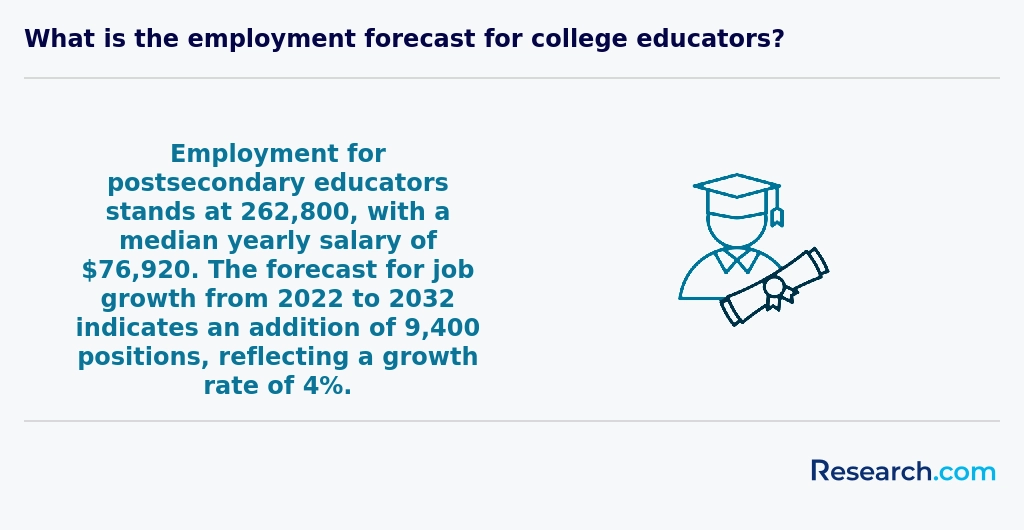
Education degrees in Jefferson City offer a rich mix of courses designed to build confident, skilled teachers ready to inspire the next generation. Graduates from well-known institutions here often recall how courses like Educational Psychology helped them understand student behavior, making every classroom interaction more impactful and meaningful.
Students at local colleges thrive when mastering Curriculum and Instruction, learning to craft engaging lesson plans that bring subjects to life in diverse classrooms. The practical lessons in Classroom Management empower future educators to create welcoming environments where every student feels valued and motivated to excel.
Many graduates highlight how hands-on opportunities such as the Student Teaching Practicum let them translate theory into action, working directly in Jefferson City schools under supportive mentors. Specialized courses like Special Education and Instructional Technology further prepare them to address varied learner needs with innovation and compassion.
These transformative experiences, available at Jefferson City's prominent education programs, equip graduates with the confidence and skills to make a lasting difference in their communities.
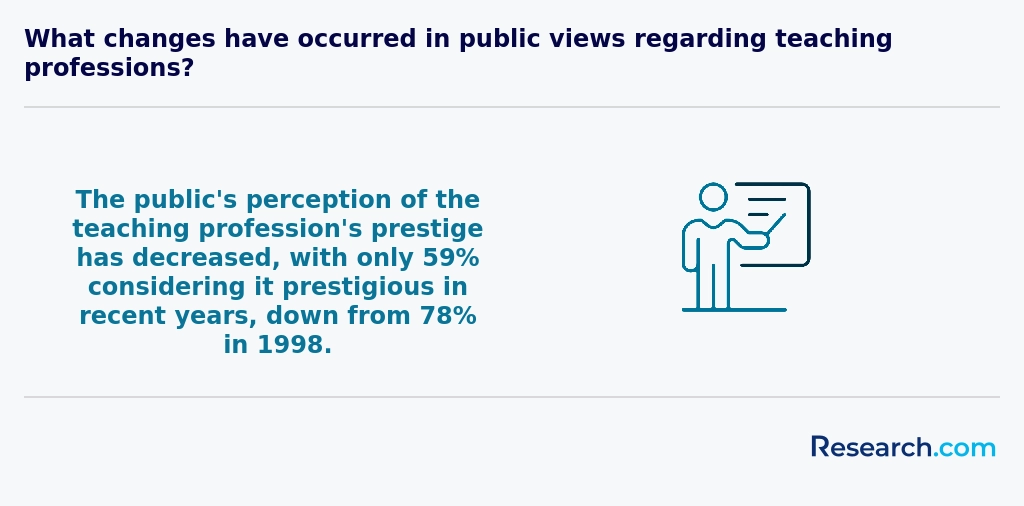
Exploring an education degree in Jefferson City opens up a world of inspiring specializations tailored to fuel your passion for teaching and leadership. Graduates from popular colleges in the area often share how programs in Early Childhood Education helped them connect deeply with young learners, crafting joyful and developmentally rich classroom experiences. Others highlight the strong focus on Elementary and Secondary Education, where aspiring teachers develop practical skills for engaging students across grade levels and subject areas, including STEM fields critical to local schools.
Many students find fulfillment specializing in Special Education, embracing the rewarding challenge of supporting students with unique learning needs. Educational Leadership pathways empower future principals and administrators, energizing graduates to shape vibrant school communities and advance their careers through focused leadership development plan opportunities. The rise of Educational Technology in Jefferson City programs also equips learners to innovate with digital tools, enhancing education's impact.
These education degree specializations Jefferson City programs offer are crafted to inspire you, providing the expertise and confidence to thrive in diverse teaching career options Jefferson City schools eagerly seek.
Choosing the best education degree in Jefferson City means focusing on programs that offer quality, affordability, and real-world connections. Graduates from the University of Central Missouri and Lincoln University often share how their accredited degrees gave them the confidence and skills needed to thrive in classrooms and beyond. Many highlight the supportive student teaching experiences that helped them build lasting relationships with local schools, making the transition into their careers seamless and inspiring. Looking into affordable education degree programs Jefferson City offers can relieve financial stress, allowing you to focus on your passion for teaching without compromise. Exploring options with online or hybrid formats also opens doors for balancing studies with life's other commitments. Don't forget to look into valuable opportunities like child development degree scholarships, which have helped many students ease tuition costs while advancing their futures. With these factors in mind, you can confidently choose a path that aligns with your dreams and strengths.
Graduates with an education degree in Jefferson City unlock a world of meaningful career paths that inspire and transform lives. Many find themselves passionate about classroom teaching within the Jefferson City Public School District, where they make a difference in subjects like mathematics, English, and special education. These opportunities embody the heart of teaching and education jobs Jefferson City offers, blending rewarding challenges with community impact.
Others pursue leadership by becoming school principals or instructional coordinators, driving improvements that elevate entire schools. Graduates from local institutions know the value of these roles firsthand, embracing the chance to shape education beyond the classroom.
For those drawn to student support, careers as school counselors or special education coordinators allow personalized guidance that nurtures students' growth. Expanding horizons, some graduates choose dynamic nonprofit or corporate training roles, applying their skills creatively outside traditional schools.
Many students at Jefferson City universities share their excitement about affordable tuition costs and strong job prospects in education degree career opportunities in Jefferson City. For diversified options, exploring library science degree programs online can also complement education careers beautifully.
The job market for education degree graduates in Jefferson City remains strong and full of opportunity. With steady demand across public and private school districts, education graduates find rewarding teaching careers employment Jefferson City offers, especially in institutions like Jefferson City Public Schools and local early childhood centers. Many graduates from Lincoln University and nearby colleges share inspiring stories of stepping confidently into classrooms where their skills are valued and growth is supported.
Thanks to the Missouri Department of Elementary and Secondary Education, starting salaries hover around $41,000, providing a solid foundation for educators beginning their careers. Jefferson City also presents an affordable path to these careers, with institutions offering competitive tuition; some students find that enrolling in affordable education schools in tennessee options nearby further improves their budget planning and career outlook.
Graduates often expand their horizons into curriculum design, education administration, and counseling, further enhancing their career potential. The vibrant job market and the community's appreciation for educators make it a truly encouraging place to start and build a meaningful education career.
2027 Most Affordable Education Degree Programs Ranking in Jefferson City
Investing in your education is a significant decision that can shape your future, and the Research.com team is committed to helping you make informed choices. To support prospective students in Jefferson City, we have carefully developed the "2027 Most Affordable Education Degree Programs Ranking in Jefferson City." Our dedication to quality, credibility, and accuracy is demonstrated through rigorous research and thorough analysis.
We utilized the following reputable data sources to ensure a comprehensive evaluation of education degree programs:
By exploring this ranking, readers will gain valuable insights into the most affordable education degree options in Jefferson City, enabling them to make confident and well-informed educational decisions. For more details on our methodology, please visit our Research.com methodology page.

Frequently Asked Questions About education
Education degree students in Jefferson City can enhance their learning by engaging deeply in both coursework and community experiences. Local universities like Lincoln University and Columbia College offer hands-on practicum opportunities, critical for applying theory in real classrooms. According to the Missouri Department of Higher Education, students who complete internships demonstrate a 20% higher employment rate post-graduation. Participating in study groups and attending education workshops hosted throughout the city also reinforce learning.
Networking with local educators through Jefferson City school district events helps students gain insights into current challenges and innovations in teaching. Utilizing campus resources such as writing centers and tutoring can further support academic success.
The education field is evolving, with several emerging niches gaining attention, especially in Jefferson City. One growing area is special education, driven by increasing demand for professionals skilled in supporting diverse learners. According to the Missouri Department of Elementary and Secondary Education, Jefferson City schools reported a 12% rise in students requiring special education services over the past five years.
Another niche is educational technology. With remote and hybrid learning becoming more common, educators trained in digital tools and instructional design are in higher demand. Data from local universities show a 20% enrollment increase in education technology courses since 2020.
Additionally, literacy and bilingual education remain important, reflecting Jefferson City's diverse population and the need for inclusive teaching strategies.
After completing an education degree in Jefferson City, preparing for the job market involves several strategic steps. First, gaining practical experience through student teaching or local internships is crucial. Jefferson City's public schools often partner with universities, offering valuable hands-on opportunities. According to the Missouri Department of Elementary and Secondary Education, candidates who complete student teaching placements have a higher employment rate in the area.
Networking is also key. Joining local education associations, such as the Jefferson City Education Association, can connect graduates with mentors and job openings. Additionally, customizing resumes to highlight specific certifications, like Missouri teaching licenses, enhances employability. Keeping updated on state education standards and continuing professional development can further improve job prospects.
Employers in Jefferson City seeking education degree graduates prioritize several key skills essential for effective teaching and school engagement. Strong communication skills remain vital, as educators must clearly convey concepts to diverse student populations. Equally important is classroom management ability, enabling teachers to maintain an environment conducive to learning. According to data from the Missouri Department of Elementary and Secondary Education, candidates demonstrating adaptability and proficiency in educational technology are in higher demand due to increasing digital tool integration in classrooms.
Critical thinking and problem-solving skills also rank highly, reflecting employers' focus on educators who can address varied student needs. Additionally, collaboration and interpersonal skills are essential since teachers often work within teams and with families to support student success.
Finding internships in Jefferson City relevant to an education degree involves exploring opportunities within local schools, universities, and educational organizations. Many education programs, such as those at Lincoln University and other nearby institutions, have established partnerships with Jefferson City public schools to offer supervised teaching internships. The Jefferson City School District often advertises openings for student teachers and education interns on its website, providing valuable hands-on experience.
Additionally, state government offices related to education can offer internship programs focused on policy and administration. According to the Missouri Department of Higher Education, students should start searching several months before the semester begins to secure positions. Utilizing university career centers and local job boards also increases the chances of finding suitable internships in this area.
An education degree in Jefferson City significantly enhances career mobility and advancement for professionals in the teaching field. According to the Missouri Department of Elementary and Secondary Education, credentialed teachers with at least a bachelor's degree have a higher chance of securing licensed teaching positions in public schools. In Jefferson City, schools often prioritize candidates with formal education degrees for roles ranging from elementary to secondary education.
Furthermore, educators with advanced degrees, such as a Master's in Education, commonly access higher salary brackets and leadership roles, including curriculum coordinator or school administrator positions. Data from the Jefferson City Public School District highlights a 15% salary increase on average for teachers with graduate degrees compared to those with only a bachelor's degree.
Overall, completing an education degree in Jefferson City provides measurable benefits in job stability, salary growth, and eligibility for specialized teaching roles.
Studying for an education degree in Jefferson City provides students with skills that extend beyond traditional teaching roles. Many local programs emphasize interdisciplinary approaches, integrating psychology, sociology, and technology to prepare graduates for diverse educational environments. According to the Missouri Department of Higher Education, Jefferson City colleges offer coursework that encourages collaboration across fields, enhancing problem-solving and communication skills.
Students often engage in practicum experiences in varied settings, such as special education or community outreach programs. These opportunities foster adaptability and equip future educators to work effectively with professionals in healthcare, social services, and administration. This interdisciplinary training reflects evolving demands in education careers.
When choosing between a thesis and a non-thesis education degree program in Jefferson City, consider your career goals and learning preferences. Thesis programs require original research and are ideal for students interested in academic or research careers. According to Missouri State University data, about 40% of master's education students choose thesis options to prepare for doctoral studies or policy roles.
Non-thesis programs often emphasize coursework and practical experience, suitable for those aiming for classroom teaching or administrative positions. The University of Central Missouri highlights that non-thesis graduates enter the workforce more quickly, as they spend less time on research projects.
Your decision should also factor in the time commitment; thesis tracks often take longer to complete due to research requirements. Local advisors in Jefferson City encourage evaluating your long-term aspirations and consulting faculty to choose the best fit.
Students based in Jefferson City interested in studying education abroad have several practical options, primarily through partnerships established by local universities. For instance, Lincoln University, a key institution in the city, promotes study abroad programs focused on educational development in countries such as Ireland and Spain. These opportunities emphasize global teaching methodologies and cultural exchange, enhancing students' perspectives on education systems worldwide.
Additionally, many students choose to participate in exchange programs facilitated by Missouri State University, which collaborates with universities in Canada and Europe. These programs typically last one semester and allow education majors to gain international experience while earning transferable credits. According to the Institute of International Education, participation in teaching-related study abroad programs in the U.S. increased by nearly 20% over the past five years, highlighting growing interest among education students nationwide.
Furthermore, online education degrees featuring international curricula present alternative solutions for Jefferson City students unable to travel. These programs often include virtual internships or international teaching practicums, integrating global education themes without the need for physical relocation. Such options align well with the evolving demand for flexible and inclusive education pathways in the U.S.
Part-time job opportunities in Jefferson City that align well with education degree studies include positions such as teacher assistants, tutors, and childcare workers. These roles provide practical experience working with students and understanding classroom dynamics. For example, Jefferson City public schools often seek aides who support classroom teachers, offering valuable exposure to lesson planning and student engagement.
Local libraries and community centers also employ tutors and program facilitators, which helps build communication skills and educational techniques. According to the Missouri Department of Elementary and Secondary Education, gaining hands-on experience through such roles can significantly enhance future employment prospects for education majors.
Additionally, working as a substitute teacher is a common option, providing flexible hours and real classroom responsibility under certified supervision.
Education students in Jefferson City have access to a variety of networking opportunities that support their academic and professional growth. Local universities, such as Lincoln University and the University of Missouri-St. Louis satellite programs, often host education-related workshops and career fairs, connecting students with experienced educators and potential employers.
The Missouri Department of Elementary and Secondary Education, headquartered in Jefferson City, provides students with chances to attend conferences and seminars focused on teaching innovations and policy updates. These events create valuable spaces for networking with state education officials and expert practitioners.
Additionally, local chapters of professional organizations like the Missouri State Teachers Association facilitate mentoring programs and peer networking to support education students entering the workforce.
Alumni networks play a significant role in supporting education degree students in Jefferson City. Graduates from local institutions, such as Lincoln University and the University of Missouri, often engage in mentoring and career guidance for current students. This connection provides valuable insight into classroom practices, certification processes, and job market trends specific to Missouri.
Studies from the National Education Association highlight that 60% of education graduates find employment through alumni referrals. In Jefferson City, such networks also facilitate access to local school districts and teaching internships, which are crucial for gaining practical experience.
Moreover, alumni events and online platforms foster professional relationships, helping students build a community that lasts well beyond graduation.
Customizing an education degree program in Jefferson City allows students to align their studies with specific career goals. Many local institutions offer flexible degree paths, including options to specialize in early childhood, special education, or administration. Students can often choose elective courses that match their interests or career ambitions.
Additionally, integrating field experience through local school partnerships provides practical skills and networking opportunities. According to the Missouri Department of Higher Education, Jefferson City schools emphasize hands-on training, which benefits students targeting K-12 teaching roles.
Students should also explore certification tracks available in these programs to ensure alignment with Missouri's teacher licensure requirements.
Education students in Jefferson City often face several common challenges during their academic journey. One significant issue is balancing coursework with practical teaching experiences, as many programs require extensive student teaching hours in local schools. According to the Missouri Department of Elementary and Secondary Education, time management becomes critical due to the demanding schedules.
Financial strain is another hurdle, with many students relying on federal loans or grants to cover tuition and living expenses. Additionally, adapting to evolving educational technologies and diverse classroom needs presents ongoing challenges. Students must also prepare for rigorous certification exams, which can be highly competitive in the region.
With an education degree in Jefferson City, you can pursue several professional certifications that enhance your teaching credentials and career prospects. The most common certification is the Missouri Teaching Certificate, required for public school educators in the state. It covers different grade levels and subject areas based on your specialization. According to the Missouri Department of Elementary and Secondary Education, additional endorsements can be earned in areas like special education or ESL, increasing your job opportunities.
Other notable certifications include National Board Certification, which offers a nationally recognized credential for experienced teachers. Administrators may seek principal or superintendent certifications, both requiring specific coursework and testing.
When applying for an education degree program in Jefferson City, start by researching local institutions such as Lincoln University and the University of Missouri. These schools emphasize strong academic records and relevant experience in their admissions. A winning application highlights your commitment to teaching, includes clear career goals, and demonstrates leadership or volunteer work with children or educational settings.
Make sure to submit well-crafted personal statements explaining why you want to pursue education in Jefferson City's specific community context. Missouri Department of Higher Education notes that applications with detailed, focused essays tend to perform better.
Also, include letters of recommendation from educators who can vouch for your dedication. Finally, ensure all transcripts and test scores meet the specific program requirements to increase your chances of acceptance.
Education careers in the United States, including Jefferson City, are influenced by global trends emphasizing cultural awareness and technological integration. According to the National Center for Education Statistics (NCES), the demand for educators who understand diverse learning environments continues to grow, reflecting global priorities on inclusive education.
Jefferson City's universities, like Lincoln University and the University of Central Missouri, offer programs that incorporate these global perspectives in their curricula. These programs prepare graduates to meet challenges such as adapting teaching methods for diverse student populations and using digital tools effectively.
Internationally, education careers are valued for shaping future generations, and U.S. degrees in education are recognized for combining theory with practical experience, aligning with global standards set by organizations like UNESCO.
Gaining practical experience while studying for an education degree in Jefferson City is essential for success in the teaching profession. Many local institutions, such as Lincoln University, offer field placements where students work directly in classrooms under the supervision of experienced teachers. These internships allow students to apply theoretical knowledge in real-world settings.
Additionally, cooperative teaching programs and student teaching assignments provide hands-on experience that often spans an entire semester. According to the Missouri Department of Elementary and Secondary Education, 90% of education programs in the state require a minimum of 12 weeks of supervised teaching practice.
Volunteering in nearby schools or after-school programs is another way for students to build skills and professional networks in Jefferson City's educational community.
Choosing the right concentration within an education degree program in Jefferson City begins with understanding your career goals. Education programs often offer concentrations such as elementary education, special education, or educational leadership. According to data from the Missouri Department of Higher Education, elementary education remains the most popular path, reflecting local demand for K-6 teachers in Jefferson City schools.
Research local job market trends by consulting resources such as the Jefferson City Public Schools employment page and Missouri labor statistics. Some concentrations may offer higher employability or salary prospects based on regional needs. For example, special education teachers in Jefferson City earn an average of 10% more than general education teachers, according to the Bureau of Labor Statistics.
Visit program websites and attend informational sessions to compare curriculum content and field experience opportunities. Selecting a concentration that includes practical student teaching in Jefferson City's diverse schools helps build relevant skills. Finally, consider your personal strengths and interests; aligning passion with market demand ensures a rewarding career in education.
- 2027 Most Affordable Education Degree Programs Ranking in Knoxville
- 2027 Most Affordable Education Degree Programs Ranking in Greenville
- 2027 Most Affordable Education Degree Programs Ranking in Charlotte
- 2027 Most Affordable Education Degree Programs Ranking in Atlanta
- 2027 Most Affordable Education Degree Programs Ranking in Winston-Salem
- 2027 Most Affordable Education Degree Programs Ranking in Nashville
- 2027 Most Affordable Education Degree Programs Ranking in Louisville
- 2027 Most Affordable Education Degree Programs Ranking in Columbia
- 2027 Most Affordable Education Degree Programs Ranking in Greensboro
- 2027 Most Affordable Education Degree Programs Ranking in Cincinnati
See What Experts Have To Say About Studying Education
Read our interview with Education experts

Nooshan Ashtari
Education Expert
Professor & Book Author
University of Southern California


- Top 10 Effective Networking Tips for Students https://www.unfc.ca/blog/networking-tips-for-students
- The 10 Highest Paying Jobs With a Teaching Degree [Quiz] https://www.umassglobal.edu/blog-news/highest-paying-jobs-with-a-teaching-degree
- How to Choose a Concentration for Your Master of Education 3 Questions to Consider https://www.aiuniv.edu/degrees/education/articles/how-to-choose-an-education-specialization
- The importance of networking in the education sector https://www.tlclive.com/blog/the-importance-of-networking-in-the-education-sector
- The Future of Education: Emerging Trends Reshaping Learning Environments http://www.gesseducation.com/gess-talks/articles/future-education-emerging-trends-reshaping-learning-environments
- Tuition/Fees https://www.jeffco.edu/tuitionfees/
- Finding Networking Opportunities as a Student | National Society of High School Scholars https://www.nshss.org/resources/blog/blog-posts/how-to-find-networking-opportunities-as-a-student/
- School of Education https://www.lincolnu.edu/school-of-education/index.html
- Finding Your Path: How to Align Studies with Career Goals https://www.alfabetaglobal.com/blogs/finding-your-path-how-to-align-your-studies-with-your-career-goals
- Master's in Education Online: Find Your Missouri Program https://www.onlinemastersdegrees.org/best-programs/education/missouri/


