
2027 Most Affordable Education Degree Programs Ranking in Atlanta

Co-Founder and Chief Data Scientist
Choosing the right education degree program is a big step toward a rewarding career in Atlanta. The 2027 Most Affordable Education Degree Programs Ranking in Atlanta offers clear guidance to help you find quality programs that fit your budget and goals.
Created by the Research.com team of data scientists, this ranking highlights top affordable options, making your decision easier and more confident. Whether you're starting fresh or advancing your skills, an education degree can open doors to meaningful opportunities.
Explore the ranking and discover programs that inspire and support your future success.
Key benefits of getting education degree in Atlanta
- Education degree graduates in Atlanta can expect competitive salaries, such as $76,000 annually for Special Education Teachers and $77,200 for Instructional Designers, reflecting strong earning potential in diverse roles.
- Graduates from popular Atlanta universities often pursue rewarding careers in teaching, instructional design, or childhood education, benefiting from a vibrant local job market and supportive professional networks.
- Completing an education degree online from Atlanta-based programs offers flexibility and convenience, allowing students to balance work and study while gaining valuable skills to advance their careers effectively.
- 2027 Most Affordable Education Degree Programs Ranking in Atlanta
- What can I expect from education degree in Atlanta?
- Where can I work with education degree in Atlanta?
What can I expect from education degree in Atlanta?
The average cost of pursuing an education degree in Atlanta often surprises many prospective students. At public universities like Georgia State University, undergraduate tuition typically ranges from $7,000 to $9,000 per year for in-state students. This affordability allows graduates to balance financial pressures while engaging deeply with their coursework and practical experiences. Imagine a teacher candidate at Georgia Tech, whose hands-on internships in Atlanta Public Schools not only enhance professional skills but also create lasting community connections-all without overwhelming debt.
Graduates from private institutions such as Mercer University or Emory University often note a higher tuition but emphasize the scholarships and financial aid options tailored specifically for education majors. These supports can critically ease the financial burden, making the investment feel meaningful rather than daunting.
Many students share that the blend of affordable tuition at public schools and targeted financial assistance at private colleges helped them focus on enriching their classroom readiness, rather than being consumed by cost concerns. This financial landscape in Atlanta fosters optimism and commitment, empowering future educators to thrive.
Where can I work with education degree in Atlanta?
Graduates from education programs in Atlanta quickly discover that their degrees open doors far beyond the traditional classroom. Many find fulfilling roles within the Atlanta Public Schools system, tackling high-demand areas like math and special education where their impact feels immediate and vital. Others from institutions like Georgia State University or Emory University branch into academic advising or program coordination, supporting students' journeys in ways that spark meaningful change.
Private and charter schools such as The Westminster Schools provide environments where educators shape smaller classes with specialized curricula, offering richer, more personalized teaching experiences. Meanwhile, some graduates embrace roles in educational administration with the Georgia Department of Education, influencing policy and curriculum design-a chance to affect countless classrooms indirectly.
There are also stories of education grads energized by community nonprofits focused on adult education and workforce training, where their work resonates deeply within Atlanta's diverse neighborhoods. These varied paths underscore that an education degree in Atlanta is not just a ticket to a job-it's a gateway to shaping lives on multiple levels.
Graduates with education degrees from institutions like Georgia State University or Emory University in Atlanta quickly realize that what they make varies widely but often surpasses common expectations. For instance, an elementary school teacher in Atlanta earns a mean annual wage of about $70,740, reflecting both the city's educational demand and competitive salary standards. Those stepping into specialized roles see even brighter prospects; special education teachers average $76,000 annually, offering a rewarding path for those passionate about inclusive education.
Consider the example of a recent graduate who started as an ESL teacher, earning around $65,430 a year while enriching diverse classrooms. This role, with a mean hourly wage of $31.46, not only provides financial stability but also cultural engagement. Meanwhile, instructional designers, often found developing curriculum technology solutions in local schools, take home salaries near $77,200, illustrating how combining education with tech skills can pay off.
Even early childhood educators in Atlanta begin near $41,410 annually, laying strong financial and professional foundations. These figures motivate many graduates to envision not just teaching jobs but dynamic careers shaped by experience and passion. As Atlanta's education scene grows, so do the opportunities to translate degrees into meaningful, well-compensated work.
- Education degrees in Atlanta are offered by public universities, private colleges, and technical schools, with tuition for public schools ranging from $25,000 to $40,000 for four years.
- Private institutions in Atlanta often charge tuition above $50,000 for the same four-year education degree programs.
- Entry-level teachers in Atlanta start with an average salary of about $44,000 per year, while mid-career educators earn between $60,000 and $65,000 annually.
- The Atlanta area is expected to see a 5% growth in education employment over the next decade, driven by demand in subjects like science, math, and special education.
- Most education programs in Atlanta align with Georgia's certification requirements, requiring students to pass the GACE exams for licensure in public schools.
Completing an education degree in Atlanta often takes four years at the undergraduate level, mirroring traditional timelines, yet many graduates from institutions like Georgia State University share stories of accelerating their path by leveraging prior credits or intensive summer courses. This flexibility can transform what seems like a fixed timeline into an achievable goal tailored to individual ambition.
For graduate students, the journey usually spans about two years, but part-time and online options at schools such as Clayton State University create space for working professionals to balance life and study. Graduates frequently express pride in managing these challenges, finding motivation in the flexible pacing that suits their unique circumstances.
Doctoral candidates face longer commitments-anywhere from three to six years-as they juggle coursework, exams, and dissertation work. Multiple Atlanta-based scholars attest that while the process demands perseverance, the gradual milestones make the extended timeline feel rewarding rather than overwhelming.
Factors like full-time versus part-time enrollment, transfer credits, and program delivery modes deeply impact how quickly students finish, underscoring that the timeline is less about rigid rules and more about personal strategy and resilience.
To teach in Atlanta, GA, graduates must secure certification through the Georgia Professional Standards Commission (GaPSC), ensuring their degree comes from an accredited program and meets state requirements. First, candidates complete a GaPSC-approved education degree, which typically includes a student teaching practicum and coursework aligned with Professional Standards Commission rubrics. Next, aspiring teachers register for and pass the Georgia Assessments for the Certification of Educators (GACE) content and pedagogy exams specific to their teaching area-whether Early Childhood, Secondary Mathematics, or Special Education. Upon passing GACE, applicants submit official transcripts, background check clearance, and recommendation forms through the GaPSC portal to apply for an initial Class T certificate. This provisional credential allows new educators to teach while fulfilling an induction mentoring plan during their first year. Beyond in-state programs, many candidates explore online pathways to streamline certification. For example, students weighing cost and flexibility might compare Atlanta’s offerings with those in other regions-like those highlighted in the Affordable Online Education Degree Programs Ranking in New York-to find an accredited online option that transfers credits back to Georgia’s certification process. Finally, continuing certification requires earning professional learning units (PLUs) or completing a master’s degree within five years to advance from a Class T to a Class C renewable certificate. Staying informed about GaPSC policy updates and collaborating with university certification advisors will ensure a smooth transition from student to fully licensed educator in Atlanta’s dynamic school system.
Choosing between online and on-campus education degrees in Atlanta often boils down to lifestyle and learning style rather than just convenience. Graduates from Georgia State University talk about the vibrant energy of attending in-person classes, where spontaneous discussions with peers and professors spark fresh ideas and foster deep connections. They describe walking the campus, feeling part of a community that motivates persistent growth.
In contrast, alumni from Clayton State University's online programs share stories of juggling work, family, and studies with a newfound sense of freedom. They appreciate the flexibility to attend lectures late at night or during lunch breaks, turning moments of downtime into valuable learning. This autonomy empowers them to craft a personalized education rhythm that aligns perfectly with their hectic Atlanta schedules.
Yet, the debate isn't just about timing. Those who experienced Georgia Tech's online Master of Science in Education highlight how technology mediates interaction - video calls and forums replace hallway chats - but still build meaningful networks. It challenges the assumption that real connection requires physical presence, inviting us to rethink what a classroom truly means.
Choosing an education degree program in Atlanta, GA, starts with ensuring the institution holds proper accreditation and aligns with Georgia’s certification standards. Accreditation is your guarantee that a program meets rigorous quality benchmarks set by recognized bodies such as the Council for the Accreditation of Educator Preparation (CAEP) or the National Council for Accreditation of Teacher Education (NCATE). When evaluating affordability alongside quality, prioritize schools accredited by agencies recognized by the U.S. Department of Education and the Georgia Professional Standards Commission (GaPSC). Georgia teacher certification requires passing the Georgia Assessments for the Certification of Educators (GACE) exams. Accredited programs often embed GACE preparation into coursework, boosting first-time pass rates. Before enrolling, review a school’s published GACE scores and graduation-to-employment timelines. High pass rates not only reflect strong program quality but also accelerate your entry into the classroom, maximizing return on investment. For online learners or out-of-state residents considering flexible pathways, check that distance programs hold both regional accreditation (e.g., SACSCOC for Southern institutions) and state approval. For example, Kennesaw State University’s online Education degree is SACSCOC-accredited and designed to meet GaPSC standards. If you’re exploring options beyond Georgia, our nationwide analysis can help-see our Affordable Online Education Degree Programs Ranking in New York to compare program accreditation, cost, and outcomes. When comparing costs, also consider fees for certification exams, background checks, and required field experience placements. Affordable tuition may be offset by additional certification expenses if a program lacks comprehensive licensure support. Look for universities that include practicum coordination, exam prep workshops, and dedicated licensure advisors in their support services. In summary, verifying accreditation and certification alignment is crucial for selecting a truly affordable and effective Education degree in Atlanta. By choosing a program recognized by CAEP or NCATE and approved by GaPSC, you ensure your investment leads to a valid teaching credential, seamless licensure, and a competitive edge in Atlanta’s dynamic education job market.
When considering the average cost of a education degree in Atlanta, many students find the overall expense to be unexpectedly manageable compared to other major cities. Graduates from well-known public universities in the area often recall starting their journey with a financial burden close to $20,918 for in-state students, a figure reflecting the median total cost for completing their degree. This affordability enables many aspiring educators to focus more on their passion than on looming debt. However, out-of-state students pay significantly more, with median costs around $42,900, highlighting the importance of residency status in budgeting for college.
Private colleges in Atlanta, popular for their specialized education degree programs, tend to have a higher price tag but often come with a strong network and access to unique teaching opportunities. For students pursuing affordable education degree programs Atlanta offers, the key is to balance tuition costs with available scholarships and financial aid to alleviate expenses. Many graduates recall applying for grants that were specifically targeted at education majors, which made their academic dreams financially feasible.
Living the student experience at institutions known for education degrees in Atlanta means not only grappling with these numbers but also embracing a community of mentors and peers dedicated to teaching. Some have likened their journey to an investment where each dollar spent felt like a step closer to a fulfilling career in education. For detailed guidance on navigating costs and options, students often explore resources like the affordable education schools in georgia.
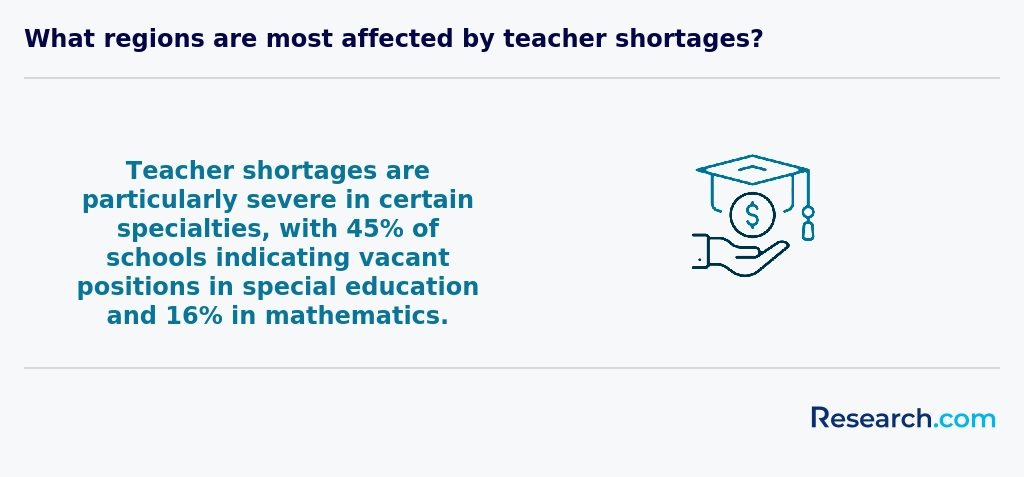
To make an informed decision about pursuing an education degree in Atlanta, it's essential to consider the affordability of programs. Many students face the challenge of balancing academic aspirations with financial realities. Fortunately, Atlanta offers a range of affordable education degree programs that can help mitigate these concerns. For those looking for affordable education schools in Georgia, researching options like affordable education schools in georgia can provide valuable insights. By exploring these options, prospective students can find programs that fit their budget and academic goals, paving the way for a successful and fulfilling career in education.
Securing an education degree in Atlanta often means tapping into a layered system of financial aid that goes beyond the obvious. Graduates from Georgia State University recall how federal Pell Grants-offering up to $7,395-covered a significant chunk of their tuition, making the pursuit feel less daunting. But the real game-changer often emerges through state support like the HOPE Scholarship, which can cover nearly 90% of undergraduate tuition at public institutions, cushioning the financial blow felt by many.
Financial aid from institutions such as Clayton State University further lightens the burden, awarding scholarships based on merit and need that make every class more accessible. Many students also find hope in work-study programs, earning while gaining hands-on experience in educational settings, which amplifies their sense of purpose.
For those committed to teaching in underserved areas, loan forgiveness programs provide not only financial relief but emotional reassurance after years of service, transforming the daunting debt journey into a hopeful pathway. These layered supports prove that investing in education degrees in Atlanta is not just affordable-it's achievable and rewarding.
Ensuring your education degree is accredited is critical for licensure, credit transfer, and employer recognition. In Atlanta, look for programs approved by the Council for the Accreditation of Educator Preparation (CAEP) or recognized by the Georgia Professional Standards Commission (GaPSC). Accreditation confirms that a program meets rigorous standards in curriculum design, faculty credentials, clinical partnerships, and continuous improvement processes. Key Accreditation Bodies:
- CAEP: Validates educator preparation programs nationally, emphasizing outcomes like candidate competence and impact on P–12 student learning.
- NCATE (now merged with CAEP): Historically ensured quality in teacher education through stakeholder collaboration.
- GaPSC Approval: Required for all educator certification pathways in Georgia, ensuring alignment with state teaching standards. Why Accreditation Matters:
- License Eligibility: Graduates from non-accredited programs may face barriers in obtaining a Georgia teaching certificate.
- Credit Transfer: Accredited credits are more readily accepted if you pursue advanced degrees or transfer to another institution.
- Federal Aid Access: Only students in accredited programs qualify for federal financial aid, including Pell Grants and TEACH Grants. Evaluating Program Quality:
- Review Program Outcomes: Check graduation rates, job placement statistics, and alumni licensure exam pass rates.
- Campus and Online Parity: Accredited online offerings must mirror on-campus curricula, ensuring consistent rigor and support. For a benchmark in online affordability and accreditation standards, compare with our Affordable Online Education Degree Programs Ranking in New York.
- Continuous Improvement: Top programs publish annual assessment results and improvement plans, demonstrating transparency and commitment to excellence. By prioritizing accredited, quality-assured education programs in Atlanta, you safeguard your investment, streamline your path to certification, and position yourself competitively in the teaching job market.
Envision stepping into an education degree program in Atlanta, where your journey begins with well-defined prerequisites that reflect both academic rigor and real-world readiness. Graduates from institutions like Georgia State University often recall the initial hurdle of meeting a minimum GPA of 3.0, a clear signal that commitment starts long before the classroom experience. It's not just about transcripts; standardized tests like the SAT or ACT sometimes factor in, though many schools in Georgia now challenge this norm through test-optional policies, embracing a more holistic view of potential.
For those eager to advance to graduate studies, the path demands a completed bachelor's degree and often relevant teaching experience-proof that passion for educating is matched by practical knowledge. Imagine preparing for fingerprint background checks and ethical clearances, a testament to Atlanta's commitment to safe, responsible educators. Letters of recommendation and personal statements transform faceless applications into stories, inviting admissions committees into your educational aspirations and drive.
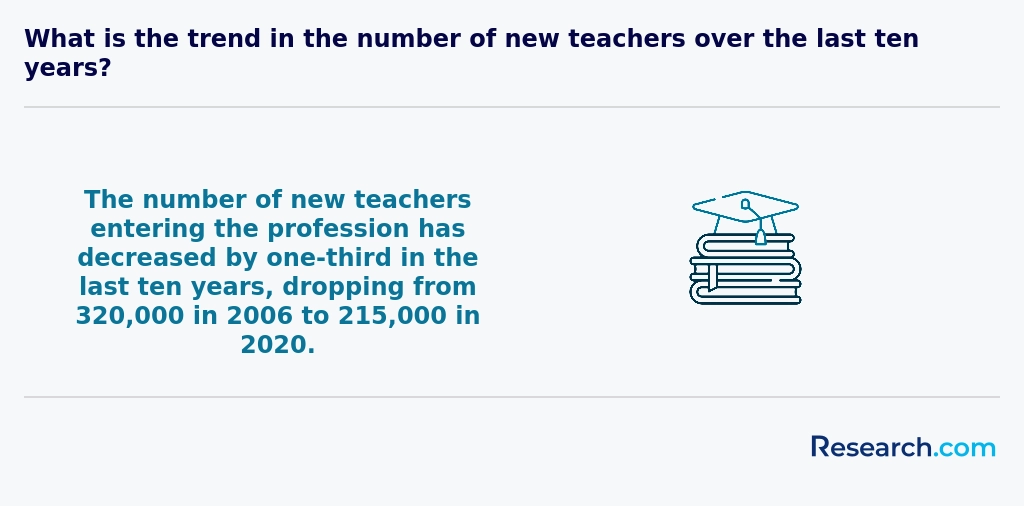
When it comes to shaping a fruitful career as an education professional in Atlanta, understanding the diversity of career paths and growth opportunities is key. Graduates with an education degree can embark on various trajectories-from traditional classroom roles to dynamic positions in educational administration, curriculum development, and beyond. For example, many alumni progress from entry-level teaching to roles such as department heads or academic coordinators, experiencing both professional growth and increased earning potential over time. Additionally, the evolving landscape of education offers unique avenues in training and corporate development, where skills honed during the degree translate into opportunities in business or non-profit sectors. Institutions in Atlanta not only provide a solid academic foundation but also offer robust alumni networks and mentorship programs that help graduates navigate their career advancement. Such support systems create a natural progression from classroom learning to real-world applications, ensuring that educators not only start their careers with confidence but continue to grow over time. For those looking to diversify their expertise, consider exploring further studies such as the Most Affordable Online Masters Degrees in Library Science; these programs can add a new dimension to your skill set and open doors to even broader career opportunities within the education sector. In summary, Atlanta’s vibrant educational ecosystem fosters continuous professional development, offering an array of career paths and advancement opportunities while ensuring that educators remain at the forefront of innovation and community impact.
Education degree programs in Atlanta immerse students in a dynamic blend of theory and practice that goes beyond traditional textbook learning. Graduates from institutions like Georgia State University often recall how courses in educational psychology helped them understand the real struggles behind student behaviors, transforming their approach to classrooms. These programs emphasize curriculum design and instructional strategies, allowing students to craft lesson plans that truly engage Atlanta's diverse learners.
Classroom management is not just about discipline but about fostering connection and respect-something students experience firsthand during their field placements in nearby public schools. Assessment and evaluation classes challenge students to rethink how success is measured, making them critical of standard testing norms.
The integration of educational technology resonates deeply with many, who appreciate learning to use digital tools to spark creativity and participation. Electives in bilingual education or special education reflect Atlanta's multicultural needs and ignite passion in students eager to make real change.
Education degree specializations in Atlanta reveal more than mere academic tracks; they represent a spectrum of real-world impact and personal calling. Imagine graduates from Georgia State University, immersed in Elementary Education, celebrating their ability to ignite young minds with literacy and math skills-foundations that shape life trajectories. Meanwhile, those focusing on Secondary Education from Clayton State University often share the rewarding challenge of connecting deeply with teenagers, mastering both subject content and classroom dynamics, which feels more like mentorship than mere teaching.
Special Education programs resonate strongly in Atlanta's schools, where graduates feel empowered addressing diverse learning needs amid rising demand, reflecting the city's inclusive values. The path toward Educational Leadership and Administration is another tangible ambition, where graduates embody the evolving roles of principals or district leaders, balancing budgets and policies with heart and vision. For students exploring less obvious routes like Curriculum and Instruction, Atlanta's diversity of programs beckons, supported by affordable in-state tuition options that broaden access. These choices reflect the vibrant reality of Atlanta affordable education degree programs.
For those eager to dive deeper into specialized education fields while balancing costs, many students turn to options such as the Most Affordable Online Masters Degrees in Library Science, which complement traditional education paths and expand professional horizons beyond the classroom.
Choosing the best education degree in Atlanta means moving beyond surface comparisons of tuition or prestige. Graduates from Georgia State University often describe their experience as transformative, highlighting the importance of program specialization that truly matches individual career goals-whether that's becoming a certified teacher or a specialist in educational technology. It's not just about the degree title but how the program's curriculum aligns with job market realities in Georgia.
Cost often dominates decision-making, yet focusing solely on price can overlook key factors like program accreditation and flexibility. Many students have found that attending a CAEP-accredited program in Atlanta, which meets Georgia's licensure requirements, substantially improves employment outcomes. For working adults, the availability of evening or hybrid classes at local schools can mean the difference between dropping out and earning a degree.
Considering affordable education degree programs in Atlanta requires digging into student support and graduation rates. One striking example is the 72% graduation rate for education majors at Georgia State University, reflecting an environment that fosters both academic success and personal growth. To explore flexible and cost-conscious options further, consider resources like the Affordable Online Education Degree Programs Ranking in New York.
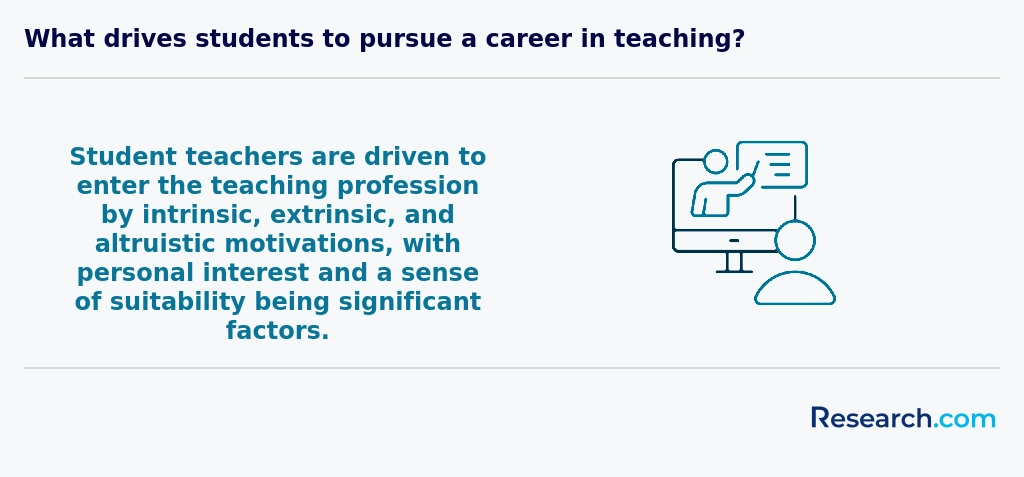
Graduates with an education degree in Atlanta often discover that career opportunities extend far beyond traditional classroom teaching, particularly within a city known for its dynamic public and private school systems. Many find fulfilling roles in educational administration and leadership, shaping policy and enhancing district-wide learning outcomes, a path supported by Atlanta's numerous school districts and institutions like Georgia State University. Teaching jobs for education graduates Atlanta-wide remain strong, with thousands employed in K-12 settings, but expanding interests draw graduates toward early childhood education and specialized roles like curriculum development, where the impact on student success is immediate and deeply rewarding.
Some graduates choose higher education careers, becoming college instructors or academic advisors at universities such as Emory University, embracing the challenge of mentoring the next generation of learners. Others harness their skills in educational technology or nonprofit education organizations, sectors that are growing in metro Atlanta's evolving education economy. Exploring options such as certificate careers that pay well can also prove advantageous for those seeking to diversify their qualifications and income streams.
Considering the diverse education degree career opportunities in Atlanta, students often draw inspiration from peers who leveraged their degrees into multifaceted roles, making a meaningful difference across the city's educational landscape.
The job market for education degree holders in Atlanta is not just about teaching positions; it's a vibrant ecosystem shaped by a diverse population and evolving educational needs. Graduates from institutions like Georgia State University and Clark Atlanta University often find themselves recruited by Atlanta Public Schools, which constantly seeks passionate educators in core subjects and special education. This steady demand creates promising education degree job opportunities Atlanta-wide, offering roles in early childhood education, leadership, and counseling.
A key part of navigating this market is understanding Georgia's teacher certification, which many graduates describe as a challenging but rewarding gateway to employment. Those who complete their degrees locally benefit from connections and streamlined certification processes, enhancing their prospects significantly.
Many graduates appreciate the financial accessibility of studying education in Atlanta, especially compared to national averages, and often recommend exploring scholarships or the easiest bachelors degree pathways available through local public universities. The Atlanta education degree employment outlook remains positive, supported by consistent hiring needs and competitive salaries that reflect growing responsibilities beyond the classroom.
2027 Most Affordable Education Degree Programs Ranking in Atlanta
Investing in your education is a significant decision that can shape your future, and the Research.com team understands the importance of making informed choices. To assist prospective students in Atlanta, we have meticulously crafted the "2027 Most Affordable Education Degree Programs Ranking in Atlanta." Our commitment to quality, credibility, and accuracy is reflected in the extensive research and careful analysis conducted to compile this ranking.
We utilized the following reputable data sources to ensure a comprehensive evaluation of education programs:
By exploring this ranking, readers will gain valuable insights into the most affordable education degree programs in Atlanta, empowering them to make well-informed decisions aligned with their financial and academic goals. For more details on our methodology, please visit our Research.com methodology page.
# 1 position
American InterContinental University-Atlanta
Master of Education


Frequently Asked Questions About education
Education degree students in Atlanta can maximize their learning experience by engaging actively with both academic and community resources. Enrolling in practicum opportunities within Atlanta's public schools offers hands-on experience crucial for teacher preparation. The Atlanta Public Schools district, serving over 50,000 students, provides diverse classroom environments ideal for practical learning (NCES, 2023). Additionally, students should leverage Atlanta's numerous education-focused organizations and networking events to connect with local educators and mentors.
Balancing coursework with participation in workshops and seminars improves pedagogical skills. Institutions like Georgia State University emphasize blended learning models, combining online and face-to-face instruction for flexible study. Research suggests students who utilize campus tutoring and career services graduate at higher rates. Staying informed on state certification requirements and continuous professional development also benefits future educators in the competitive Atlanta job market.
The field of education is evolving rapidly, with several emerging niches gaining prominence in Atlanta and across the U.S. One key area is educational technology, where professionals design and implement digital tools to enhance learning. Georgia's Department of Education reports increased demand for specialists skilled in online curriculum development.
Another growing niche is special education focused on inclusive practices for students with diverse learning needs. Atlanta area schools increasingly seek educators trained in trauma-informed teaching and behavior intervention.
Additionally, STEM education is expanding, driven by efforts to improve science and math proficiency nationwide. Educators with expertise in culturally responsive teaching within STEM are especially valued.
Finally, educational leadership and administration roles are evolving to include data-driven decision-making and equity-focused policies, reflecting broader social priorities in Atlanta's school districts.
Graduates with education degrees in Atlanta should focus on practical experience to thrive in the local job market. Georgia's Department of Education reports a steady demand for qualified teachers, especially in specialties like STEM and special education. Participating in student teaching placements and internships during your degree can provide essential classroom skills and networking opportunities.
Obtaining clear state certification is mandatory to teach in Georgia public schools, and preparing for the Georgia Assessments for the Certification of Educators (GACE) is critical. Additionally, staying informed about Atlanta Public Schools' hiring practices can improve job prospects. Joining professional educator associations in Atlanta also supports career growth and access to local job openings.
Employers in Atlanta seek education degree graduates with strong classroom management skills, effective communication, and adaptability. According to the Georgia Department of Education, candidates who demonstrate the ability to engage diverse student populations and apply culturally responsive teaching methods are highly valued. Critical thinking and problem-solving capabilities are also essential as educators must tailor lessons to meet varied learning needs.
Furthermore, knowledge of technology integration in the classroom is increasingly important in Atlanta's schools, following district-wide efforts to enhance digital literacy. Collaboration skills and professionalism round out the top attributes, supporting successful teamwork in school environments.
Finding internships in Atlanta relevant to an education degree involves a combination of local networking, university resources, and online platforms. Many universities in Atlanta, such as Georgia State University and Georgia Tech, offer career centers that maintain internship listings specifically for education students. According to the National Center for Education Statistics, internships are an essential step for gaining practical experience.
Local school districts like Fulton and DeKalb often partner with colleges to provide placements. Additionally, organizations such as Atlanta Public Schools provide internship opportunities for aspiring educators. Students should also explore online sites focusing on education internships tailored to Georgia.
Obtaining an education degree in Atlanta significantly enhances career mobility and advancement opportunities within the region's robust educational sector. According to the Georgia Department of Education, educators with advanced degrees in Atlanta demonstrate higher earning potential and are more frequently promoted to leadership roles such as curriculum specialists or school administrators.
Atlanta's public schools often require or prefer candidates with bachelor's or master's degrees in education for competitive teaching positions, which increases job security. Additionally, the city's ongoing investment in education creates a steady demand for qualified professionals, allowing degree holders to shift into specialized roles like special education or instructional coaching.
Data from the U.S. Bureau of Labor Statistics highlights that education professionals in metropolitan Atlanta experience a median wage increase of approximately 15% when moving from entry-level to advanced roles, underscoring the tangible impact of holding a formal education degree.
Studying for an education degree in Atlanta offers students opportunities to prepare for interdisciplinary roles by engaging with diverse academic disciplines. Many Atlanta institutions integrate coursework that combines education theory with psychology, sociology, and technology. This approach helps students develop versatile skills needed in modern educational settings.
Programs often emphasize collaborative projects and real-world experience, allowing students to apply pedagogical knowledge across various fields such as special education, instructional design, and policy planning. For example, Georgia State University highlights partnerships with community organizations to enhance practical learning.
Additionally, Atlanta's diverse population promotes cultural competence, critical for interdisciplinary educators working in inclusive environments. According to the National Center for Education Statistics, over 40% of students enrolled in Atlanta-area education programs come from minority backgrounds, enriching the learning experience.
Choosing between a thesis and a non-thesis education degree program in Atlanta depends on your career goals and time commitment. Thesis programs require original research and a formal paper, often preparing students for doctoral studies or research careers. Non-thesis options focus on practical skills and coursework, suiting those aiming to enter or advance in K-12 teaching or administrative roles quickly.
Data from the Georgia Board of Regents highlights that about 40% of education graduate students in Atlanta opt for thesis tracks, especially at institutions like Georgia State University. Consider your interest in research, available time, and whether your career demands a strong research background.
Students in Atlanta interested in studying education abroad have several options through their home institutions. Many universities, including Georgia State University and Georgia Tech, offer study abroad partnerships focused on educational research and teaching methods. These programs typically last from a few weeks to a full semester and provide experiential learning in countries like the United Kingdom, Australia, and Spain.
Additionally, organizations like the Council on International Educational Exchange (CIEE) facilitate education-specific international programs accessible to Atlanta students. According to the Institute of International Education, nearly 10% of education majors nationwide participate in study abroad programs, reflecting growing interest.
Financial aid and scholarships targeting study abroad education degrees are also available through local Atlanta university offices, making global experiences more accessible.
Students pursuing education degrees in Atlanta often seek part-time jobs that enhance their practical skills while supporting their studies. One popular option is working as a teacher's assistant in local schools, which allows hands-on classroom experience and strengthens understanding of curriculum delivery. According to the Georgia Department of Education, Atlanta Public Schools employ many paraprofessionals part-time, offering valuable exposure for aspiring educators.
Another opportunity is tutoring, either through community centers or private agencies. Tutoring helps future educators develop individualized teaching techniques and communication skills crucial for student success. Additionally, positions as after-school program coordinators at organizations like the YMCA provide leadership experience and deeper engagement with youth education in the city.
Education students in Atlanta benefit from a variety of networking opportunities that enhance their academic and professional growth. Local universities, such as Georgia State University and Georgia Institute of Technology, host education-focused events and career fairs that connect students with school administrators and education leaders.
The Atlanta Metro Association for Supervision and Curriculum Development offers workshops and conferences that attract educators statewide, providing valuable networking platforms. Additionally, students can tap into the city's large public school system for internships and mentorship programs.
Organizations like the Georgia Association of Educators frequently organize meetups and professional development sessions accessible to students seeking connections in the field.
Alumni networks offer vital support for education degree students in Atlanta by connecting them with experienced professionals in the field. These networks often provide mentorship, internship opportunities, and job leads specific to the Atlanta area, which has a competitive teaching job market. According to the Georgia Department of Education, about 7% of teacher vacancies in the state are filled through referrals, highlighting the value of professional connections.
Many Atlanta-based universities maintain active alumni groups that host workshops and networking events, helping current students build relationships early. This engagement increases graduates' chances of employment in local schools or educational organizations.
Furthermore, alumni networks can facilitate access to continuing education resources and career advice tailored to Atlanta's education policies and priorities. Participation often leads to better understanding of regional educational demands, preparing students for successful careers.
Students pursuing education degrees in Atlanta have various options to tailor their programs according to specific career goals. Many universities offer concentrations in areas like special education, curriculum development, or educational leadership. Choosing elective courses relevant to these fields allows learners to develop targeted skills.
Internships and practicum experiences within Atlanta schools provide practical exposure, enhancing resumes. Additionally, online and hybrid formats offer flexibility for working professionals. Programs often allow credit transfer from prior studies, reducing time and cost.
According to the Georgia Board of Regents, over 50% of education students in Atlanta choose programs with licensure preparation, reflecting a strong focus on public school careers.
Education students in Atlanta often face several notable challenges during their studies. One primary difficulty is balancing rigorous coursework with field experience requirements, as many programs demand extensive time in K-12 classrooms. This can be especially taxing when combined with part-time or full-time jobs.
Financial constraints also pose a significant hurdle. According to the Georgia Student Finance Commission, the average debt for education graduates in Georgia is above the national average, reflecting higher tuition and living costs in Atlanta.
Additionally, navigating certification exams, such as the Georgia Assessments for the Certification of Educators (GACE), presents a pressure point for many students. Preparation for these tests often requires additional time and resources beyond standard classwork.
Furthermore, education students must adapt to evolving state standards and technology integration, requiring continuous learning beyond traditional teaching methods. Support services in Atlanta institutions vary, making access to academic advising and mental health resources inconsistent.
With an education degree in Atlanta, several professional certifications are available to enhance your career opportunities. One popular option is the Georgia Teacher Certification, required for public school teachers in the state. This certification verifies your ability to teach specific grade levels and subjects.
Beyond teaching, educators may pursue the National Board Certification, recognized nationwide, which can lead to higher salaries and leadership roles. Additionally, certifications in Special Education and English as a Second Language (ESL) are in demand due to Atlanta's diverse population.
Other options include administrative credentials such as the Georgia Educational Leadership Certification for those aiming to become principals or school administrators. According to the Georgia Professional Standards Commission, these certifications can significantly broaden your career scope within Atlanta's schools.
Writing a winning application for an education program in Atlanta begins with thorough research on local institutions such as Georgia State University and Georgia Tech, which offer respected education degrees. Highlight your passion for teaching and any relevant experience, such as volunteer work or tutoring. According to the National Center for Education Statistics, demonstrating a commitment to community engagement strengthens your candidacy.
Ensure your personal statement clearly expresses your goals and how the program aligns with them. Provide strong recommendation letters from educators or supervisors familiar with your academic abilities. Lastly, tailor your application to meet the specific requirements of each Atlanta school to improve your chances of acceptance.
A career in education is valued worldwide, but the United States-and Atlanta in particular-offers unique opportunities. Globally, educators are seen as key contributors to social and economic development. In the U.S., teacher demand is projected to grow by 5% from 2021 to 2031, according to the Bureau of Labor Statistics. Atlanta's diverse population and strong educational institutions mean graduates can apply skills in various settings, from urban schools to research roles.
Internationally, teaching standards vary, but many countries look to U.S. education models, including those in Georgia, for training methods and curriculum design. Certifications earned in Atlanta often meet national accreditation standards, facilitating career mobility.
Students pursuing education degrees in Atlanta can gain practical experience through several well-established avenues. Many universities require fieldwork or student teaching as part of their curriculum, allowing candidates to work directly in local schools. For example, Georgia State University partners with Atlanta Public Schools to offer hands-on teaching opportunities.
Additionally, internships and volunteer programs are available throughout the city, where students can assist in classrooms or community education centers. According to the Georgia Professional Standards Commission, such experiences are crucial for licensure and skill development.
Networking with Atlanta's educational organizations can also provide mentorship and real-world insights.
Choosing the right concentration within an education degree program in Atlanta requires understanding your career goals and the local job market. Common concentrations include early childhood, special education, and educational leadership. In Atlanta, the demand for special education teachers is high, with the Georgia Department of Education reporting a steady increase in positions over recent years. Research from the Atlanta Regional Commission highlights early childhood education as vital due to the city's population growth and expanding school enrollment. Prospective students should also consider licensure requirements, which vary by concentration and affect job eligibility. Exploring practicum opportunities offered by Atlanta schools can provide practical experience and guide concentration choice.
- 2027 Most Affordable Education Degree Programs Ranking in Macon
- 2027 Most Affordable Education Degree Programs Ranking in Greenville
- 2027 Most Affordable Education Degree Programs Ranking in Birmingham
- 2027 Most Affordable Education Degree Programs Ranking in Montgomery
- 2027 Most Affordable Education Degree Programs Ranking in Knoxville
- 2027 Most Affordable Education Degree Programs Ranking in Columbia
- 2027 Most Affordable Education Degree Programs Ranking in Orangeburg
- 2027 Most Affordable Education Degree Programs Ranking in Nashville
- 2027 Most Affordable Education Degree Programs Ranking in Charlotte
- 2027 Most Affordable Education Degree Programs Ranking in Tallahassee
See What Experts Have To Say About Studying Education
Read our interview with Education experts


Alan J. Singer
Education Expert
Professor of Teaching, Learning and Technology
Hofstra University

- Education Study Abroad Programs | Go Overseas https://www.gooverseas.com/study-abroad/education
- Student Expectations and Perceptions of Higher Education - ACA https://aca-secretariat.be/newsletter/student-expectations-and-perceptions-of-higher-education/
- The 8 challenges of education in a changing world https://casvitrescantos.com/en/the-8-challenges-of-education-in-a-changing-world/
- Engaging Students in Meaningful Learning Experiences https://www.facultyfocus.com/articles/effective-teaching-strategies/engaging-students-in-meaningful-learning-experiences/
- Differences in Majors, Minors, Concentrations, and Certificates - Goldey-Beacom College https://www.gbc.edu/academics/differences-in-majors-minors-concentrations-and-certificates/
- Is a thesis always mandatory in a master's degree program? - EFMU: The Euler-Franeker Memorial University and Institute https://euler.euclid.int/is-a-thesis-always-mandatory-in-masters-degree-program/
- The 10 Highest Paying Jobs With a Teaching Degree [Quiz] https://www.umassglobal.edu/blog-news/highest-paying-jobs-with-a-teaching-degree
- Atlanta-A City of Opportunity | KnowAtlanta - Atlanta's Relocation Guide https://www.knowatlanta.com/jobs/a-city-of-opportunity
- Students: This is How You Should Prepare for the Job Market https://www.agencycentral.co.uk/articles/students-this-is-how-you-should-prepare-for-the-job-market/
- Finding Networking Opportunities as a Student | National Society of High School Scholars https://www.nshss.org/resources/blog/blog-posts/how-to-find-networking-opportunities-as-a-student/


