
2027 Most Affordable Education Degree Programs Ranking in Georgia

Co-Founder and Chief Data Scientist
Choosing the right education degree program can shape your future in rewarding ways. For students in Georgia, finding affordable options without sacrificing quality is key.
The 2027 Most Affordable Education Degree Programs Ranking in Georgia was developed by the Research.com team of data scientists to guide you through the best choices. This article offers clear insights to help you decide which programs provide real value.
Exploring education degrees opens doors to meaningful careers and personal growth. This ranking makes your path easier and more confident.
Key benefits of getting education degree in Georgia
- Education degree graduates in Georgia can expect competitive salaries, such as $76,000 annually for Special Education Teachers and $77,200 for Instructional Designers, offering strong financial stability.
- Graduates from popular Georgia universities, like the University of Georgia, often pursue diverse careers ranging from Early Childhood Educators to ESL Teachers, providing many rewarding job opportunities.
- Obtaining an education degree online, as offered by institutions like Kennesaw State University, offers flexible scheduling and the ability to balance work and study, making it easier to achieve your goals without interruption.
- 2027 Most Affordable Education Degree Programs Ranking in Georgia
- What can I expect from education degree in Georgia?
- Where can I work with education degree in Georgia?
What can I expect from education degree in Georgia?
The average cost of earning an education degree in Georgia is quite manageable, especially for in-state students. At public universities like the University of Georgia or Georgia State University, in-state tuition typically runs around $4,500 per year for undergraduate programs. Graduates from these institutions often recall budgeting carefully but feeling supported by affordable tuition, which allows them to focus more on gaining hands-on experience than worrying about debt.
Students share that combining classroom learning with real classroom teaching during their fieldwork placements adds immense value to their education, making each dollar spent feel worthwhile. These practical experiences, required for licensure, often take place in local schools, helping students build confidence and connect theory to real teaching environments.
Private institutions may charge more, but many students benefit from scholarships and financial aid targeted at education majors. Choosing a CAEP-accredited program at schools like Kennesaw State University means access to quality teaching and strong career prospects without excessive financial strain.
Where can I work with education degree in Georgia?
Graduates with an education degree in Georgia can find rewarding roles as K-12 teachers in public schools, with over 93,000 educators employed statewide in subjects from elementary to special education and STEM fields. Many graduates from institutions like the University of Georgia share how they quickly secured teaching positions thanks to strong certification programs and local demand.
Beyond classrooms, education majors often work in school administration as instructional coordinators or principals, shaping school curriculum and policies. These leadership roles are growing, offering graduates clear career advancement opportunities in districts across Georgia.
Others find fulfillment in early childhood education centers, contributing to the state's large Pre-K program serving 80,000 children. Graduates from Georgia State University have praised how their training prepared them for roles as lead teachers and program directors in these settings.
Higher education is another pathway, where graduates can become academic advisors or faculty in teacher preparation programs, supporting new educators at colleges statewide. Community education centers and nonprofits also seek education professionals to run adult learning and literacy programs, expanding employment options for degree holders.
Graduates with an education degree from popular Georgia institutions often find competitive salaries in their first jobs. For example, elementary school teachers typically earn around $70,740 annually, reflecting strong demand for early childhood education professionals. Those working as special education teachers can expect even higher earnings, with mean salaries near $76,000, providing financial encouragement for those passionate about making a difference in this specialized field.
English as a Second Language (ESL) teachers in Georgia make about $65,430 on average, offering a rewarding pathway for graduates interested in diverse classroom environments. Instructional designers, another growing career option for education graduates, command salaries close to $77,200, benefiting from a mix of education expertise and tech skills.
Graduates from schools like the University of Georgia or Georgia State University often share experiences of steady salary growth as they gain experience and pursue advanced certifications. Many find taking advantage of regional opportunities, such as Atlanta's education market, enhances their earning potential and job satisfaction, turning their degrees into stable and fulfilling careers.
- Public universities in Georgia charge about $7,000 to $9,000 per year for in-state education degrees, while private institutions cost between $20,000 and $30,000 annually.
- Starting salaries for education graduates range from $40,000 to $45,000, with mid-career teachers earning around $55,000 to $60,000 per year.
- There is ongoing demand for teachers in urban and rural areas, especially in STEM, special education, and ESL subjects.
- Teacher certification requires completing an approved program and passing state exams regulated by the Georgia Professional Standards Commission (GaPSC).
- Financial aid options include state and federal scholarships, grants, and loan forgiveness programs for those teaching in high-need or underserved areas.
Completing an education degree in Georgia typically starts with a bachelor's degree, which most graduates from schools like the University of Georgia or Georgia State University complete in about four years. These programs are structured to combine classroom learning with hands-on student teaching, often lasting at least one full semester, helping students confidently transition into their teaching careers.
Many graduates find that pursuing a master's degree in education takes an additional 1.5 to 2 years full-time, though working professionals often extend this to three years or more by studying part-time or online. Flexible scheduling at institutions such as Georgia Southern University allows students to balance work and study, making the journey manageable and rewarding.
For those committed to advanced roles, doctoral programs like Ed.D. or Ph.D. in Education usually require 3 to 6 years, emphasizing research and leadership skills. Recent graduates have shared that understanding tuition costs upfront and choosing the right program schedule helps them stay on track while enjoying their educational growth in Georgia's supportive academic community.
To navigate the complex landscape of education degree programs in Georgia, prospective students must consider several factors, including affordability, program format, and career aspirations. Researching these elements thoroughly can lead to a more informed decision that aligns with one's financial situation and professional goals. For those seeking most affordable online education programs in Georgia, exploring online options can provide the flexibility needed to balance education with other responsibilities. By weighing these considerations, individuals can find a program that not only fits their budget but also enhances their career prospects, ultimately leading to a fulfilling profession in education.
Graduates from well-known Georgia universities often highlight how online education degrees provide unmatched flexibility. For example, a working professional enrolled at a prominent institution like Georgia Southern University enjoyed balancing family commitments with study, accessing lectures and assignments anytime without commuting stress.
On the other hand, those attending on-campus programs, such as at the University of Georgia, appreciate the direct interaction with faculty and peers. They often mention how hands-on experiences during student teaching placements and access to campus resources-like tutoring centers and libraries-boosted their confidence and skill development.
Tuition costs in Georgia remain similar for both formats, around $4,500 yearly for in-state students, but online learners often save on commuting and housing. Still, some online courses may include small technology fees, so it's wise to check each program's details beforehand.
Beyond cost and format, Georgia's education degrees share the same quality standards and accreditation, ensuring graduates are equally prepared for state certification. Many online students successfully complete practical teaching hours through partnerships with local schools, making either choice practical based on your lifestyle and career goals.
Prospective students often weigh the long‐term value of an education degree against its upfront cost. In Georgia, the average in‐state tuition for a four-year public program is about $9,750 per year, while out-of-state students face roughly $28,386 annually. By comparing these figures to entry-level salaries-approximately $38,640 for Early Childhood Educators and $63,130 for ESL teachers-you can estimate a break-even period of 4 to 6 years for in-state students and 6 to 9 years for out-of-state attendees. Community college pathways, at just $3,885 per year in-district, can cut this payback window to under 3 years, making them a strategic choice for budget-conscious learners. Beyond undergraduate programs, master’s degrees can boost earning potential significantly. Instructional designers with a master’s can command salaries around $73,080 annually, shortening the ROI timeline even further. If you’re considering further study, consult our Low Cost Online Master's in Education Degree Programs Ranking in the Northeast for comparable ROI in neighboring regions. Online formats often reduce living expenses and allow you to maintain full-time employment, accelerating debt repayment and maximizing overall return. To optimize your investment: • Seek out scholarships and grants like HOPE or TEACH to minimize loan dependency. • Leverage work-study and graduate assistantships to offset tuition costs. • Compare job placement rates and average starting salaries by institution to choose programs with proven outcomes. By aligning program costs with projected earnings and repayment strategies, you can make an education degree in Georgia not only a fulfilling career choice but also a financially sound investment.
The average cost of obtaining an education degree in Georgia varies considerably depending on the type of institution attended. For in-state students at public universities like the University of Georgia or Georgia State University, total tuition and fees for education degrees typically fall around $9,186 annually. These graduates often share how their investment led to rewarding careers while benefiting from manageable costs compared to private options.
Private colleges can be a different story, with tuition frequently exceeding $30,000 per year. However, many students find that the specialized programs and close faculty support justify this expense. Community colleges such as Georgia Perimeter College present a more affordable option, with tuition near $3,500 yearly, perfect for those starting out with an associate degree or planning to transfer credits to a four-year university.
Additional costs like textbooks, fees, and living expenses often add about $5,000 or more annually, so it's smart for students to budget accordingly. Many education students report that scholarship opportunities and state grants helped ease the financial burden, making the average cost of education degree programs in Georgia more accessible than expected.
If you're exploring options, consider looking into the most affordable online education programs in Georgia to balance quality and cost effectively. Planning early and researching financial aid are key steps to confidently manage the overall investment in your education degree.
Transitioning from student to professional educator involves more than launching your career-it’s about continuously enhancing your skills and adapting to evolving educational landscapes. Many successful graduates advocate for ongoing professional development, whether through certification courses, advanced degrees, or specialized workshops that keep teaching methods current. For those interested in expanding their academic credentials beyond traditional classroom learning, exploring opportunities like affordable online masters degrees in library science can offer flexible options to further refine your expertise and open additional career pathways. Additionally, actively networking with peers and engaging in professional organizations can provide valuable insights into emerging trends and leadership opportunities within the education sector. By strategically planning your post-graduation journey, you pave the way for long-term success and a dynamic career that continually adapts to the future of education.
Education students in Georgia often find financial aid essential to managing the typical $10,000 to $12,000 annual tuition at public universities like the University of Georgia or Georgia State University. Most begin by applying for the FAFSA to access federal aid, including Pell Grants which can provide up to $7,395 annually. Graduates recall how this grant was a game-changer, covering key expenses without adding debt.
State aid such as the HOPE Scholarship is another vital resource, covering full tuition for those maintaining a 3.0 GPA in high school. Many scholarships are tailored for education majors, with local institutions offering awards based on academic achievement, financial need, or teaching focus areas like special education or STEM. Students at Georgia Southern University have shared how these scholarships made specialized training affordable.
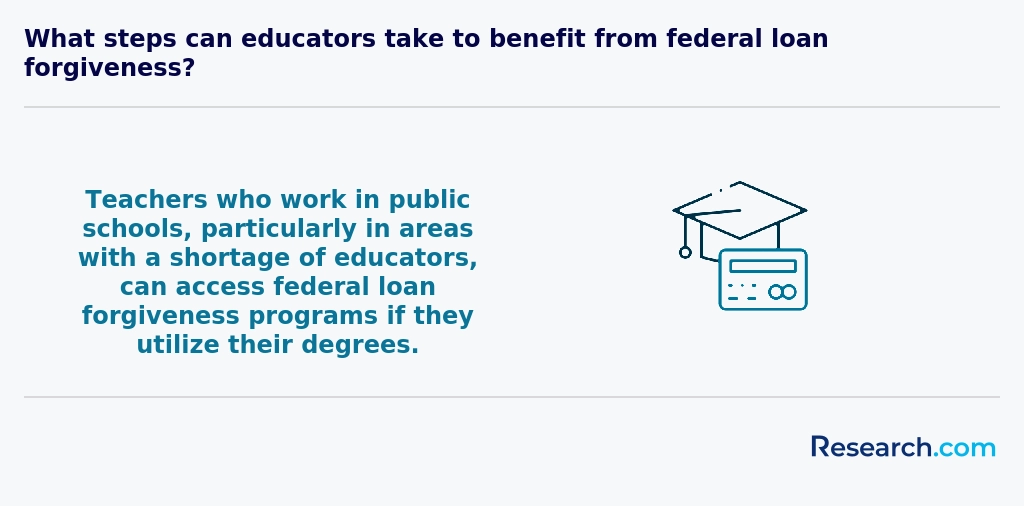
Post-graduation, loan forgiveness programs encourage teaching in high-need schools, easing financial pressure and sparking hope among grads eager to give back. Work-study options also help students earn income while gaining relevant classroom experience, making the path to becoming a teacher more accessible and rewarding.
To teach in Georgia, graduates must meet specific licensure standards set by the Georgia Professional Standards Commission (GaPSC). First, you’ll need to complete an accredited educator preparation program-either as part of your bachelor’s degree or through a post-baccalaureate pathway. Next, passing the appropriate Georgia Assessments for the Certification of Educators (GACE) exams is mandatory; these assessments evaluate content knowledge and teaching skills in your chosen subject area and grade level. Key steps include:
- Educator Preparation: Enroll in a GaPSC-approved program that combines coursework with supervised clinical practice. Many affordable programs in Georgia embed student teaching placements to satisfy this requirement.
- GACE Exams: Register for and pass the GACE Basic Skills test (reading, writing, mathematics) and the GACE content assessment for your specialization. Preparation resources and study guides are available through the GaPSC website.
- Background Clearance: Submit fingerprints for a state and federal background check. Clearance must be obtained before you can be recommended for certification.
- Application Submission: Apply online via the GaPSC ePLACE portal, pay the licensing fee, and upload official transcripts and exam scores. Processing times vary, but completing your application well before the school year begins ensures timely issuance of your certificate.
- Alternative Routes: For career changers, the Residency Certificate allows you to teach under provisional status while completing pedagogy coursework and exams.
- Renewal and Advancement: Initial certificates are valid for five years. Renew by completing approved continuing education or renewing through an advanced degree program-see our Low Cost Online Master’s in Education Degree Programs Ranking in the Northeast for budget-friendly graduate options. Understanding and navigating these requirements will ensure a smooth transition from graduation to classroom teaching, empowering you to launch a rewarding career as a certified educator in Georgia.
To enroll in an education degree program in Georgia, you must first have a high school diploma or GED, which is the essential starting point for prospective students. Graduates from popular schools like the University of Georgia often recall that meeting this basic requirement helped them confidently apply alongside a competitive GPA-usually around a 2.5 on a 4.0 scale.
Many institutions still ask for SAT or ACT scores, even if some policies have loosened recently. For example, students at Georgia State University found that submitting SAT scores between 1080 and 1300 strengthened their applications. Additionally, you'll need to complete core college-level courses such as English composition, math, and social sciences to prove your readiness.
Passing the Georgia Assessments for the Certification of Educators (GACE) is another must-have step, especially if you aim for licensure. Personal statements and recommendation letters also play a strong role in showing your dedication to teaching, something many successful applicants have found motivating during their journey.
Finally, keep in mind that some programs require criminal background checks due to school placements, ensuring a safe learning environment for everyone involved.

Calculating the return on investment (ROI) of an Education degree in Georgia helps students understand how quickly their tuition costs can be recouped through post-graduation earnings. On average, the total cost of a four-year in-state bachelor’s degree in education is approximately $39,000 (tuition and fees). Considering the mean starting salary for an ESL teacher at $63,130, graduates can expect to pay off their investment in less than three years, assuming a conservative 20% discretionary income allocation toward loan repayment. Early childhood educators, with an average annual wage of $38,640, may see a payback period of around four to five years, while instructional designers earning $73,080 annually could recover costs in under three years. For those weighing advanced credentials, pursuing an online master’s degree can impact ROI significantly. Many programs allow professionals to continue working while studying, reducing opportunity costs. To explore top-ranked, cost-efficient graduate options beyond Georgia, consider the Low Cost Online Master's in Education Degree Programs Ranking in the Northeast, which highlights programs with mid-career salary uplifts of 20%–30%. Factoring in scholarship awards-such as the HOPE Scholarship covering up to $6,000 per year-and federal grant opportunities, the effective ROI improves further. By comparing total program costs, projected earnings, and repayment timelines, prospective Georgia educators can make data-driven decisions that balance affordability with long-term financial stability.
Students pursuing an education degree in Georgia can expect a well-rounded curriculum that blends theory with hands-on experience. Graduates from institutions like Georgia State University and the University of Georgia often highlight courses such as Foundations of Education, which dives into the history and philosophy of teaching, providing a strong contextual base for their careers.
Educational Psychology is another key course, helping future teachers understand how students learn and develop, making it easier to adapt lessons for different learning styles. Curriculum and Instruction classes then equip students with practical skills to design engaging, effective lesson plans. Classroom Management courses prepare candidates to foster positive learning environments-an essential skill when faced with real classroom challenges.
Many graduates recall how the Practicum or Student Teaching placements gave them confidence, allowing them to apply what they've learned under supervision. Technology in Education courses also stand out, as they introduce tools critical for modern classrooms. Taken together, these courses ensure that aspiring educators in Georgia are ready to succeed and inspire.
Students pursuing an education degree in Georgia can choose from a range of specializations aligned with their career goals and local school needs. Elementary Education remains a favored option at schools like the University of Georgia, where graduates praise the focus on foundational skills such as reading and math, preparing them confidently for kindergarten through fifth grade classrooms. Meanwhile, Secondary Education is popular at colleges like Georgia State University, offering deep dives into subjects like science and English for middle and high school teaching roles. Those drawn to making a difference for students with diverse learning needs find Special Education in high demand, providing hands-on experience working with disabilities across Georgia's inclusive school environments.
Other practical specializations for education degree students include Educational Leadership for aspiring principals, Early Childhood Education focused on the youngest learners, ESL teaching responding to Georgia's diverse student population, and Curriculum and Instruction, ideal for innovators developing effective teaching methods. Graduates consistently highlight how these tracks address real challenges in the teaching program options Georgia colleges provide. To explore flexible study alternatives, consider looking into affordable online masters degrees in library science as part of a broader career plan.
Choosing the best education degree in Georgia starts with confirming regional accreditation to ensure the program meets licensure standards. Many graduates from Georgia State University and the University of Georgia praise the practical student teaching experiences these schools offer, which boost confidence and job readiness. Reflect on your preferred learning style; some students thrive in the in-person environment at state universities, while others appreciate the flexibility of online or hybrid courses that fit busy lives.
Financial consideration is key when searching for affordable education degree programs in Georgia. Using the HOPE Scholarship alongside tuition estimates around $7,000 per year can make a real difference. Graduates often advise calculating the full cost including fees and materials, then weighing that against employment prospects. Researching programs with strong local school district partnerships can also open doors to practicum sites and job placement.
Finally, investigate how well programs prepare you for Georgia's teacher licensing exams. Programs at public universities tend to align closely with Georgia Professional Standards Commission requirements. For those interested in graduate studies, exploring Low Cost Online Master's in Education Degree Programs Ranking in the Northeast can provide valuable options that combine quality and affordability.
Graduates with an education degree in Georgia often begin by pursuing teaching jobs with education degree Georgia, typically as certified teachers in K-12 public or private schools. Many find rewarding careers in core subjects like math and science, or specialize in areas such as special education, where demand continues to rise. For example, graduates from the University of Georgia frequently secure teaching roles that allow them to engage directly with students and shape classroom experiences.
Others leverage their degree to transition into administrative or leadership roles, like school principals or curriculum coordinators, especially after completing advanced degrees or certifications. Emory University alumni, for instance, report success in moving toward educational administration roles that combine their passion for teaching with strategic school leadership.
Career paths also include educational support services, such as counseling and diagnostic roles, which require specialized training but offer the chance to impact student well-being directly. Additionally, many graduates explore early childhood education in daycare or Head Start programs, benefiting from Georgia's increased funding in this area.
For those interested in alternatives to K-12 teaching, options include adult education, corporate training, and educational technology. Graduates from Georgia State University have praised how their degrees prepared them for designing online courses and digital learning tools, which are growing fields. Students looking to continue their education affordably may explore programs listed in the Low Cost Online Master's in Education Degree Programs Ranking in the Northeast to enhance their career opportunities.
The education degree job outlook in Georgia remains robust, with steady demand for qualified teachers across public and private schools. Graduates from well-known Georgia universities often find rewarding positions in K-12 settings, particularly in high-need subjects like special education and bilingual instruction. Many education students describe their early career experiences as fulfilling, especially when they secure roles in districts offering competitive salaries that start around $48,000 and can exceed $65,000 with experience.
Employment opportunities for education graduates Georgia extend beyond teaching. Roles such as instructional coordinators and school counselors offer higher salaries and career growth, often requiring additional certifications or advanced degrees. Graduates who pursue these paths frequently highlight how local colleges prepared them well for these transitions.
For those concerned about the cost of their education, public universities in Georgia provide affordable tuition ranging from $4,000 to $9,000 per academic year. Many students benefit from state scholarships and loan forgiveness programs tied to teaching in high-need areas. Prospective students looking to balance work and study may consider enrolling in the fastest online bachelor degree programs for working adults, which some graduates have found instrumental in managing their career while earning their education degree.
2027 Most Affordable Education Degree Programs Ranking in Georgia
Investing in your education is a significant decision that can shape your future, and the Research.com team understands the importance of making informed choices. To assist prospective students in Georgia, we have meticulously crafted the "2027 Most Affordable Education Degree Programs Ranking in Georgia." Our commitment to quality, credibility, and accuracy is reflected in the extensive research and analysis conducted to compile this ranking.
We utilized the following reputable data sources to ensure a comprehensive evaluation of affordable education degree programs:
By exploring this ranking, readers will gain valuable insights into the most affordable education degree options in Georgia, enabling them to make informed and confident decisions about their academic and professional futures. For more details on our methodology, please visit our Research.com methodology page.


# 9 position
South Georgia State College
B.S. in Elementary/Special Education


Frequently Asked Questions About education
Education degree students in Georgia can maximize their learning experience by engaging actively in both theoretical coursework and practical field experiences. According to the Georgia Professional Standards Commission, high-quality student teaching placements contribute significantly to skill development and employment readiness. Seeking internships or partnerships with local schools offers hands-on experience that complements academic study.
Students should also utilize the many resources provided by Georgia's public universities, such as tutoring centers and technology labs. Participating in education-focused student organizations can further enhance learning by fostering networking and leadership opportunities.
Finally, staying updated on state educational policies and standards helps students align their training with Georgia's requirements for teacher certification and career advancement.
The education field in Georgia is evolving, revealing several emerging niches that attract students and professionals. One fast-growing area is educational technology, where specialists develop digital tools and platforms that support remote and hybrid learning, crucial after the pandemic. According to the Georgia Department of Education, demand for tech-skilled educators has increased by over 15% since 2020.
Special education is another expanding niche, with ongoing efforts to improve services for diverse learners. Georgia's student population includes nearly 12% with disabilities, highlighting the need for trained teachers in this area.
Additionally, bilingual education and English as a Second Language (ESL) programs are gaining importance, reflecting Georgia's increasingly diverse communities.
Preparing for the job market after completing an education degree in Georgia involves several strategic steps. Graduates should capitalize on student teaching experiences, which are mandatory under Georgia's Professional Standards Commission and crucial for classroom readiness. According to the Georgia Department of Education, mentorship programs and internships significantly increase employment chances within the state.
Networking with local schools and attending education job fairs in cities like Atlanta or Augusta can open doors. Additionally, obtaining Georgia certification in specialized areas such as special education or ESL enhances job prospects. Staying updated on Georgia's curriculum standards and participating in continuous professional development are also key for career success.
Employers in Georgia seek education degree graduates who demonstrate strong classroom management and effective communication skills. According to the Georgia Professional Standards Commission, the ability to engage diverse student populations is crucial due to the state's growing multicultural classrooms. Familiarity with instructional technology is also highly valued, as 78% of schools in Georgia have integrated digital learning tools. Critical thinking and adaptability enable graduates to address varied learning needs and changing educational standards. Additionally, collaboration skills are important, as teachers often work closely with families and colleagues to support student success. These competencies enhance a graduate's readiness for Georgia's educational workforce.
Finding internships in Georgia relevant to an education degree involves several practical steps. Many universities in Georgia, such as the University of Georgia and Georgia State University, have dedicated career centers that connect education students with local schools and educational organizations. According to the Georgia Department of Education, internships often align with teacher certification requirements, providing hands-on classroom experience. Additionally, students can explore partnerships through local school districts and nonprofit groups focused on education. Online platforms like Handshake and LinkedIn also list internships in the state, helping students secure relevant placements to enhance their skills and resumes.
In Georgia, obtaining an education degree significantly enhances career mobility and advancement opportunities. According to the Georgia Professional Standards Commission, nearly 90% of educators with advanced degrees report faster promotions and access to leadership roles such as curriculum specialists or school administrators.
Holding a bachelor's or master's degree in education can lead to higher salaries; for example, Georgia teachers with a master's degree earn approximately 10-15% more on average, based on data from the Georgia Department of Education's 2023 salary report. This financial boost accompanies opportunities to move into specialized roles beyond classroom teaching.
Furthermore, education degrees are often required for licensure renewal and career progression, making academic credentials a critical factor for sustaining long-term growth within Georgia's school systems.
Studying for an education degree in Georgia offers strong preparation for interdisciplinary roles by integrating diverse academic disciplines. Many Georgia institutions emphasize collaboration across fields such as psychology, sociology, and technology to address complex educational challenges. According to the Georgia Board of Regents, programs often include courses in communication and data analysis to foster versatile skills.
Georgia's education programs also involve practical experiences, like internships in various community settings, which expose students to multifaceted education environments. This hands-on approach builds adaptability, critical for roles that require working with different populations and collaborating with professionals from other sectors.
Graduates are thus equipped to engage in roles beyond traditional teaching, including policy development, educational technology, and counseling, reflecting trends in Georgia's evolving education workforce.
When choosing between a thesis and a non-thesis education degree program in Georgia, students should consider their career goals and learning preferences. Thesis programs require original research and are ideal for those interested in pursuing doctoral studies or academic careers. Non-thesis options focus more on coursework and practical skills, suiting professionals aiming to advance in teaching or administrative roles.
Georgia public universities like the University of Georgia often offer both formats, with tuition averaging around $10,000 per year for in-state graduate students (NCES, 2023). The thesis path may take longer to complete due to research demands.
Time commitment, faculty mentorship availability, and future plans should guide the choice between these two paths.
Students based in Georgia who wish to study education abroad have several pathways through U.S. institutions offering international programs. Many public and private universities in Georgia, such as the University of Georgia and Georgia State University, provide study abroad options focused on education, allowing students to earn credits towards their degree while gaining global experience.
Programs often include placements in countries with diverse educational systems, enhancing teaching skills and cultural understanding. According to the Institute of International Education, about 15% of Georgia's higher education students participate in study abroad experiences, with education majors increasingly seeking this opportunity.
Additionally, some institutions offer joint degree or exchange programs with universities overseas, enabling more immersive education abroad options without extending study duration. Financial aid and scholarships are frequently available to support students pursuing these international education experiences.
Students pursuing education degrees in Georgia have various part-time job opportunities that complement their studies. Common roles include teacher assistants and tutoring positions, which provide practical classroom experience and improve instructional skills. According to the Georgia Department of Education, nearly 20% of education students engage in such roles during their academic programs.
Other opportunities are available in after-school programs and childcare centers, where students develop classroom management and communication abilities. Some colleges in Georgia also offer on-campus positions like peer mentoring or academic support, allowing students to apply educational theories directly.
These part-time jobs not only strengthen resumes but also help students build a professional network within the local education community.
Education students in Georgia benefit from a variety of networking opportunities that help build professional connections. Universities like the University of Georgia and Georgia State offer active education departments hosting events, career fairs, and student organizations dedicated to future educators. According to the Georgia Department of Education, these networking platforms facilitate partnerships with local schools for internships and field experiences.
Additionally, state-wide education conferences such as the Georgia Association of Educators annual meeting provide students access to veteran teachers and administrators. These events are valuable for mentorship, job leads, and professional growth. Many institutions also connect students with alumni networks, enhancing career prospects within Georgia's education system.
Alumni networks are valuable resources for education degree students in Georgia, offering connections that can enhance career opportunities. Graduates from Georgia's colleges and universities often join active alumni groups that provide mentorship, job leads, and professional development events. According to the University System of Georgia, over 80% of graduates report that networking contributed significantly to their employment within the education sector.
These networks also facilitate access to exclusive workshops and conferences focused on new teaching methods and policies specific to Georgia's schools. Participation in alumni events helps students build relationships with experienced educators who can offer guidance on navigating certification requirements and classroom challenges.
Connecting with alumni can thus improve a student's chances of securing teaching positions in Georgia's competitive job market while fostering ongoing professional growth.
Customizing your education degree program in Georgia to fit your career goals is possible through various options offered by state universities and colleges. Many institutions, including the University of Georgia and Georgia State University, provide specializations such as early childhood, secondary education, or special education, allowing students to focus on specific age groups or teaching subjects.
Students can often choose electives or minor fields related to counseling, educational technology, or administration, depending on their interests. Additionally, some programs offer flexible formats including online courses and internships within Georgia school districts to gain practical experience tailored to career aspirations.
According to the Georgia Professional Standards Commission, certification endorsements can also be added, which helps align your degree with targeted teaching credentials. By carefully selecting coursework and experiences, you can effectively prepare for diverse educational roles in Georgia's growing school systems.
Education students in Georgia often face several common challenges during their degree programs. One significant difficulty is balancing coursework with fieldwork requirements, as hands-on experience in classrooms is essential for certification. According to the Georgia Professional Standards Commission, students must complete supervised teaching hours, which can be demanding alongside academic responsibilities.
Additionally, many students struggle with the rising cost of tuition and related expenses. Even with Georgia's HOPE Scholarship available, some find it hard to finance their education fully, especially given average student debt in the state is around $28,000 as reported by the Georgia Student Finance Commission.
Another challenge involves adapting to new teaching technologies and methods, a necessity underscored by recent shifts to online and hybrid learning environments. Staying updated requires continual effort and training in digital tools.
With an education degree in Georgia, graduates can pursue several professional certifications to enhance their careers. The most common certification is the Georgia Teaching Certificate, which qualifies individuals to teach in public K-12 schools. Requirements include passing the Georgia Assessments for the Certification of Educators (GACE).
Additionally, educators may seek National Board Certification, a voluntary advanced credential recognized nationwide, which can lead to higher pay and leadership roles.
Other certification options include becoming a School Counselor by obtaining the appropriate license or pursuing endorsements in Special Education or ESOL (English to Speakers of Other Languages), both highly valued in Georgia's diverse school system. These certifications require meeting state coursework and testing criteria.
Applying to an education degree program in Georgia requires careful preparation. Start by researching the specific requirements of your target institutions, such as Georgia State University or the University of Georgia, both known for their strong education programs. A winning application typically includes a clear personal statement outlining your passion for teaching and your career goals.
Highlight any relevant experience, such as volunteering or work in educational settings, to demonstrate commitment. For example, Georgia's Professional Standards Commission values candidates with practical exposure to schools. Ensure your transcripts show strong academic performance in related subjects.
Additionally, letters of recommendation from educators or supervisors can strengthen your application. Finally, meet all deadlines and submit any required standardized test scores or portfolies promptly to avoid disqualification.
A career in education holds significant value globally, with strong demand for qualified educators in many countries. In the United States, including Georgia, education jobs are expected to grow by about 8% from 2020 to 2030, according to the Bureau of Labor Statistics. This growth reflects a steady need for teachers who can adapt to diverse classroom environments and incorporate technology.
Georgia offers numerous affordable education degree programs, preparing students for roles from early childhood to secondary education. The state emphasizes teacher certification aligned with national standards, supporting graduates in pursuing careers both locally and internationally.
Globally, education professionals are recognized for their impact on social development and economic progress. U.S.-trained educators often benefit from high professional standards and opportunities for advancement in international education settings.
Gaining practical experience is essential while pursuing an education degree in Georgia. Many universities and colleges require student teaching internships as part of their programs. These internships typically involve working in local K-12 schools under the supervision of experienced educators.
In addition to internships, students can participate in field experiences, which allow observation and hands-on involvement in classrooms. According to the Georgia Department of Education, these practical components help prepare future teachers for certification.
Some institutions also offer partnerships with school districts, enabling students to gain diverse classroom experiences. Volunteering and substitute teaching in Georgia public schools further enhance practical skills and networking opportunities.
Choosing the right concentration within an education degree program in Georgia involves considering your personal interests, career goals, and the needs of the local job market. Georgia offers various education concentrations such as early childhood, special education, and secondary education, each leading to different teaching certifications recognized by the Georgia Professional Standards Commission.
Research current job outlooks in Georgia; for example, special education teachers are in high demand, with the Georgia Department of Labor projecting steady growth for educators through 2030. Additionally, visit university websites for detailed program offerings and check if their curriculum aligns with your goals.
Many universities in Georgia also provide opportunities for field experience and partnerships with local schools, which can be critical factors in your decision.
- 2027 Most Affordable Online Education Degree Programs Ranking in South Carolina
- 2027 Most Affordable Online Education Degree Programs Ranking in Florida
- 2027 Most Affordable Online Education Degree Programs Ranking in North Carolina
- 2027 Most Affordable Online Education Degree Programs Ranking in Mississippi
- 2027 Most Affordable Online Education Degree Programs Ranking in Kentucky
- 2027 Most Affordable Online Education Degree Programs Ranking in Virginia
- 2027 Most Affordable Online Education Degree Programs Ranking in Missouri
- 2027 Most Affordable Online Education Degree Programs Ranking in Indiana
- 2027 Most Affordable Online Education Degree Programs Ranking in Ohio
- 2027 Most Affordable Online Education Degree Programs Ranking in Illinois
See What Experts Have To Say About Studying Education
Read our interview with Education experts

Nooshan Ashtari
Education Expert
Professor & Book Author
University of Southern California

Alan J. Singer
Education Expert
Professor of Teaching, Learning and Technology
Hofstra University

- 5 Tips on Choosing the Right Course or Study Program - Edunation https://www.edunation.co/5-tips-on-choosing-the-right-course-or-study-program/
- Finding Your Path: How to Align Studies with Career Goals https://www.alfabetaglobal.com/blogs/finding-your-path-how-to-align-your-studies-with-your-career-goals
- Changing Careers to Become a Teacher in Georgia https://teachinthepeach.org/plan/changing-careers/
- Students: This is How You Should Prepare for the Job Market https://www.agencycentral.co.uk/articles/students-this-is-how-you-should-prepare-for-the-job-market/
- How to Build Work Experience While Studying - EN Global Education Ltd https://englobaleducation.co.uk/how-to-build-work-experience-while-studying/
- Teaching Job Roles | Teach For Life https://www.teachforlife.com/teachingjobs/global-perspectives-teacher
- How to Choose a Concentration for Your Master of Education 3 Questions to Consider https://www.aiuniv.edu/degrees/education/articles/how-to-choose-an-education-specialization
- Study in Georgia - Requirements, Universities, Cost https://brive.com/studies/study-in-georgia/
- Bachelor of Education Degree (Here's What To Expect) https://www.alleducationschools.com/teaching-degrees/bachelors-in-education/
- The 8 challenges of education in a changing world https://casvitrescantos.com/en/the-8-challenges-of-education-in-a-changing-world/


