
2027 Most Affordable Online Education Degree Programs Ranking in Missouri

Co-Founder and Chief Data Scientist
Finding an affordable online education degree program in Missouri can be challenging. To help, this article presents the 2027 Most Affordable Online Education Degree Programs Ranking in Missouri, carefully compiled by the Research.com team of data scientists. This ranking aims to guide prospective students through the best options available, making it easier to choose a program that fits both budget and goals.
Whether you're starting fresh or advancing your career, earning an education degree opens doors to meaningful opportunities. Discover programs worth considering and take confident steps toward your future.
Key benefits of getting online education degree in Missouri
- Graduates with an education degree in Missouri can expect competitive salaries, such as $70,740 annually for elementary school teachers and $76,000 for special education teachers, offering financial stability and rewarding careers.
- A graduate from the University of Missouri can pursue diverse career paths including classroom teaching, instructional design, or early childhood education, allowing for flexibility and growth in various educational roles.
- Completing an online education degree from Missouri State University provides the convenience to learn at your own pace while balancing work or family, making it easier to earn your degree without sacrificing important life commitments.
- 2027 Most Affordable Online Education Degree Programs Ranking in Missouri
- What can I expect from online education degree in Missouri?
- Where can I work with online education degree in Missouri?
What can I expect from online education degree in Missouri?
Imagine balancing life's chaos while diving into your education degree from Missouri's top schools like the University of Missouri or Missouri State University. You're not just paying for classes-you're investing in a paced journey where tuition averages around $200 to $300 per credit hour for in-state students. Graduates often celebrate this affordability, especially when paired with state financial aid programs that soften the financial load.
One graduate from Truman State marveled at how accelerated tracks helped cut down costs and time, making the dream of becoming a certified teacher both feasible and exciting. The price tag feels less like a barrier and more like a stepping stone, especially when real experiences such as remote coursework and hands-on field internships combine into a uniquely practical adventure.
With Missouri's rigorous certification process integrated seamlessly into these programs, you're paying for more than tuition-you're paying for a future filled with confidence, competence, and fulfillment.
Where can I work with online education degree in Missouri?
Graduates armed with an online education degree in Missouri often find themselves stepping into classrooms across vibrant cities like St. Louis and Kansas City, where the demand for passionate teachers beats strong. Imagine joining a bustling public school, becoming the guiding light in a third-grade classroom, or crafting innovative lesson plans fueled by training from renowned institutions like the University of Missouri or Missouri State University. These graduates don't just teach-they inspire futures.
Others embrace roles behind the scenes as curriculum designers or school administrators, often leveraging flexible master's programs to climb the ladder to principal or instructional coordinator positions. Picture working in a Springfield school district, shaping educational policy while enjoying the balance of remote study and hands-on leadership.
Beyond K-12, many discover fulfilling careers in Missouri's colleges, taking up spots as adjunct professors or academic advisors, supporting students through pathways they once navigated themselves. And in corporate or nonprofit sectors of the urban hub, graduates craft training programs or community initiatives, blending education with innovation and heart.
Imagine graduating from a top Missouri university like the University of Missouri or Truman State with your online education degree and stepping into a classroom, ready to inspire. Starting off, many grads find themselves earning around $41,410 as early childhood educators, planting the seeds for young minds to grow. As you gain experience, the paycheck can climb-elementary school teachers in Missouri bring home a mean annual wage of about $70,740, giving graduates a tangible sense of achievement and stability.
Special education graduates often feel a proud sense of purpose and financial reward, earning closer to $76,000, reflecting the vital impact they have. ESL teachers working in diverse classrooms across Kansas City report making roughly $65,430, blending passion with strong earnings. And for those who innovate behind the scenes as instructional designers, the numbers shine even brighter at about $77,200 annually, illustrating the variety of rewarding career paths this degree unlocks.
These figures, backed by Missouri's strong education tradition, show that online degrees can open doors to fulfilling careers with competitive salaries, all while adapting to the lifestyle of a busy student or professional.
- Annual tuition for a bachelor's degree in education at Missouri public institutions ranges from $7,000 to $12,000, with private schools typically charging more.
- Early-career teachers with a bachelor's degree in Missouri earn about $45,000 to $50,000 per year, with salaries increasing to $60,000 to $70,000 for experienced professionals or those with advanced degrees.
- Missouri has ongoing demand for qualified teachers, especially in special education, math, science, and bilingual education fields.
- Online education degrees in Missouri align with state certification requirements, allowing graduates to obtain teacher licensure and work in public schools.
- Many programs offer flexible options like part-time and asynchronous courses to help students balance work, family, and studies.
Imagine juggling your job, family, and dreams while progressing through an online education degree from a Missouri university-it's a dance of determination and flexibility. Most full-time students at institutions like the University of Missouri or Missouri State University cross the finish line in about four years, the classic marathon of learning. But part-time students, weaving classes between life's busy moments, often stretch their journey to six years or more, savoring every step.
Some graduates recall switching gears mid-degree, boosted by transfer credits or accelerated summer courses that shaved precious months off their timeline. Those pursuing a master's, especially the working professionals, embrace evening or asynchronous classes, completing their goals in 18 to 24 months, crafting study rhythms that fit their lives rather than the other way around.
This mosaic of pace options means your education path in Missouri feels personal, adaptable, and profoundly achievable.
Achieving success in an online education program goes beyond managing coursework-it involves adopting effective study strategies, leveraging available resources, and maintaining strong communication with instructors and peers. One key tip is to establish a dedicated study space and a consistent schedule, which can help reinforce self-discipline and time management. Regularly setting goals and tracking progress fosters a proactive mindset that turns challenges into opportunities for growth. Additionally, engaging actively in discussion forums and group projects not only deepens your understanding of course material but also builds a supportive network that can be invaluable throughout your academic journey. For students seeking further guidance on cost-effective ways to advance their education, exploring what is the most affordable online degree in education can provide practical insights and additional options. Embrace feedback from both instructors and peers as a vital tool for continuous improvement, and make use of online tutoring services and virtual libraries to supplement your learning. By integrating these strategies, you build a solid foundation for academic success while preparing to excel in the increasingly dynamic field of education.
Imagine juggling a full-time job while earning your education degree from the comfort of your living room-this is the reality for many who choose online programs at the University of Missouri or Missouri State University. These graduates often speak warmly about the freedom to pause a lecture, sip coffee between assignments, and shape their study schedule around family life. Online learning demands grit and self-drive, turning your home into both classroom and sanctuary.
In stark contrast, on-campus students experience vibrant corridors buzzing with in-person chats, spontaneous study sessions, and face-to-face mentoring that sparks instant motivation. Picture walking across the University of Missouri's campus, greeting professors, and soaking in the energy of youthful ambition. Here, social ties grow alongside academic skills, inspiring confidence in Missouri's education workforce.
Both paths revolve around core Missouri standards, but while online learners treasure flexibility and quiet perseverance, on-campus peers thrive on tangible connections and immersive resources. Each shapes a different, yet equally valued, journey toward becoming an educator in Missouri.
Choosing an accredited online education program is vital for degree recognition, credit transfer, and state licensure eligibility. In Missouri, most reputable institutions hold regional accreditation from the Higher Learning Commission (HLC), while programmatic accreditation-such as CAEP (Council for the Accreditation of Educator Preparation)-demonstrates adherence to national teaching standards. Before enrolling, verify each school’s standing through the U.S. Department of Education’s database or CHEA’s directory to confirm both institutional and programmatic approvals. State licensure requirements vary: Missouri’s Department of Elementary and Secondary Education (DESE) mandates specific coursework, field experience hours, and examinations (e.g., Missouri Educator Gateway Assessments) for teacher certification. Online programs must be state-authorized to deliver courses to Missouri residents; additionally, candidates planning to teach in neighboring states should review reciprocity agreements. For a comparison of affordable options in a nearby market, consider our Low Cost Online Education Degree Programs Ranking in Kansas, which highlights similarly accredited programs across the border. To streamline the licensure process, look for programs that include built-in certification preparation modules, mentor-guided student teaching, and direct DESE application support. Ensuring both regional and programmatic accreditation not only safeguards the quality of your education but also maximizes your career mobility and long-term professional success.
The average cost of an online education degree in Missouri often surprises students who expect steep prices. For in-state residents, the median total cost hovers near $12,738, a figure that feels more like an investment in a future career rather than a burden. Imagine a recent graduate from Missouri State University who managed to balance work and studies, appreciating how thoughtful tuition pricing allowed them to focus on mastering teaching strategies without constant financial stress. The experience felt rewarding and attainable, much like stepping through an open door into a classroom of possibility.
Out-of-state students encounter a higher median total cost around $24,948, naturally reflecting the premium placed on non-resident learners. Yet even here, universities like the University of Missouri offer online paths that rival on-campus tuition, making the dream of an affordable online education degree in Missouri less elusive. One graduate recalls navigating this landscape, grateful for the transparent pricing that aligned with their budget planning and enabled them to access top-tier resources digitally.
When searching for an affordable online teaching degrees in Missouri, it's crucial to look beyond tuition alone. Technology fees, textbooks, and application costs weave into the financial mosaic, but public institutions' competitive and clear pricing eases these concerns. Many find that early preparation through programs like the Missouri College Savings Program turns the abstract notion of cost into a practical, manageable journey. For more insights into finding an affordable education school in Missouri, students can explore tailored rankings that highlight these opportunities.
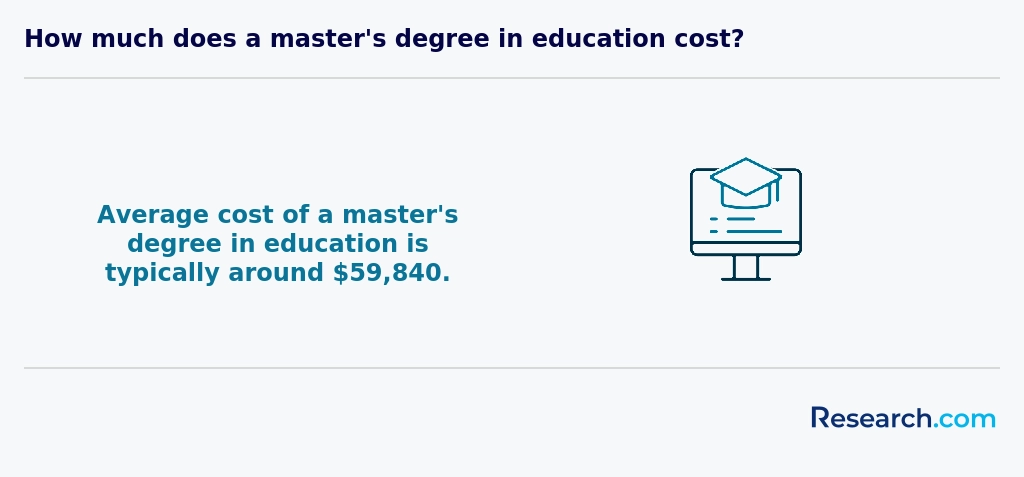
Investing in an online education degree in Missouri goes beyond sticker price-it’s about long‐term gains and career advancement. On average, in-state students pay approximately $31,269 for tuition and fees, while out-of-state learners invest around $32,709. With entry-level salaries ranging from $38,640 for Early Childhood Educators to $63,130 for ESL Teachers and up to $73,080 for Instructional Designers, most graduates recoup their tuition costs within 3–4 years of full-time employment. Key factors influencing ROI:
- Salary Growth Trajectory: Teachers’ salaries in Missouri increase by about 2–3% annually, accelerating payback periods.
- Opportunity Cost: Online formats allow working professionals to maintain income during studies, minimizing lost wages.
- Program Duration: Accelerated master’s tracks can reduce time to degree by up to 25%, enhancing return.
- Specialization Premiums: STEM and Instructional Design concentrations often yield 10–15% higher starting salaries. To maximize ROI, compare Missouri’s programs with nearby states. For example, prospective students can review the Low Cost Online Education Degree Programs Ranking in Kansas to evaluate cost differentials and salary prospects regionally. Integrating financial aid, employer tuition reimbursement, and part-time work opportunities can further shorten the breakeven timeline and boost lifetime earnings.
Imagine juggling work, family, and online classes at the University of Missouri, yet feeling the pressure of tuition looming large. That's where Missouri's financial aid symphony begins. Federal aid through FAFSA unlocks grants like the Pell Grant, a beacon for many who dream of teaching careers but worry about debt. It's like a lifeline tossed to online students balancing multiple hats.
Across the state, shining scholarships such as the Bright Flight light the path for top achievers attending places like Missouri State University, rewarding excellence with dollars that feel like a personal cheer from your alma mater.
Then, there's institutional aid - those hidden gems offered by universities that feel like a nod, saying, "We believe in you." Graduates recall how these awards eased tuition worries, turning sleepless nights into focused study sessions. Work-study roles add a rhythm of earning while learning, sometimes paired with loan forgiveness for teaching in rural Missouri classrooms where passion meets purpose.
Private foundations, like the Missouri Retired Teachers Association, step in as quiet allies, investing in the future of education by backing online students with scholarships that feel like encouragement from a caring community.
To maximize the benefits of pursuing an online education degree in Missouri, it's essential to consider several factors that can enhance your learning experience and future career prospects. One crucial aspect is selecting an institution that offers a well-structured program with affordable tuition rates, such as those found at an affordable education school in Missouri. This not only ensures financial viability but also provides access to a comprehensive curriculum that combines theoretical foundations with practical applications. Furthermore, engaging with faculty and peers through online platforms can foster a sense of community and facilitate meaningful interactions that are vital for professional growth. By leveraging these opportunities and staying committed to your academic and professional goals, you can navigate the complexities of online education and emerge as a competent and adaptable educator, ready to make a lasting impact in Missouri's educational landscape.
Picture yourself clicking "submit" on an application to an online education degree program at the University of Missouri, feeling a mix of excitement and readiness. Before that moment, you'll need a high school diploma or GED to prove you've crossed the first academic hurdle. If you're aiming higher-say, a master's in education from Missouri State University-you'll show off your bachelor's degree, a shiny ticket from an accredited institution. Graduates often recall the relief of sending official transcripts that testify to their dedication, a step many say makes their academic journey feel real and validated.
Rather than stressing over SAT or ACT scores-which most online programs in Missouri kindly skip-you'll focus on demonstrating digital literacy. After all, classrooms here are virtual, and a reliable internet connection is your new best friend.
For those chasing teaching credentials, Missouri's requirement for clean background checks echoes like a promise of trust and responsibility, crafted by the Department of Elementary and Secondary Education. These steps shape confident educators ready to inspire the next generation.

Navigating an online education degree in Missouri requires more than academic commitment-it demands effective strategies to stay motivated, organized, and engaged. First, establish a consistent study schedule by blocking dedicated time slots each week. Use digital calendars and reminders to balance coursework, family, and work commitments. Second, familiarize yourself with your learning management system (LMS) early on; troubleshoot any technical issues before assignments are due and leverage built-in tools like discussion boards and video conferencing to maintain regular contact with instructors and peers. Third, set clear and achievable goals for each module-break large projects into weekly tasks and track your progress to avoid last-minute stress. Fourth, actively participate in virtual study groups or peer-review sessions to deepen your understanding and receive constructive feedback. Fifth, take advantage of institutional resources such as online tutoring, writing centers, and library databases to enhance research and writing skills. For additional insights on balancing affordability and quality in online education, explore our Low Cost Online Education Degree Programs Ranking in Kansas, which highlights cost-effective program structures and support services that may inform your approach. Finally, practice self-care by scheduling short breaks, setting realistic expectations, and celebrating milestones-these habits foster resilience and prevent burnout. By combining disciplined planning, proactive communication, and strategic use of support networks, you’ll maximize the value of your online education degree and set a strong foundation for your future teaching career.
Imagine yourself diving into educational psychology while enrolled at a Missouri university, uncovering how young minds tick and thrive-just like many successful graduates recall. They found the journey through classroom management courses eye-opening, arming them with tools to create calm, engaging spaces even during the busiest school days.
At popular institutions in Missouri, curriculum development and assessment classes aren't just abstract theories; graduates remember crafting lesson plans that sparked curiosity and measuring student growth in ways that felt powerful and personal. This hands-on approach bridges theory with the vibrant reality of local classrooms.
Educational technology courses resonate deeply with Missouri online students, who often describe a "lightbulb moment" when they learn to weave digital tools into lessons, transforming remote learning challenges into opportunities for creative connection. Many affirm this skill set has elevated their teaching profoundly.
Missouri's commitment to state-specific content means graduates also master education law and ethics, navigating the nuances of policies that shape their classrooms and careers. Specialized courses tailored to grade levels add another layer, such as early childhood literacy or adolescent psychology, reflecting the rich diversity of learners they'll serve across the state.
Imagine diving into an online education degree in Missouri where your passion for teaching finds its perfect niche. Graduates from popular institutions like the University of Missouri or Missouri State University often share how specializations such as Early Childhood Education or Secondary Education transformed their perspectives, equipping them to inspire curious young minds or mentor teens on the cusp of adulthood. These programs don't just offer knowledge; they craft educators ready to shape real classrooms, whether urban or rural.
For those drawn to leadership or innovation, Missouri's online education degree specializations Missouri include Educational Leadership and Curriculum Development, letting you design learning experiences or steer schools from behind the scenes. One graduate recalled balancing a full-time job while enrolling in a Special Education track that prepared them to champion students with unique learning needs, highlighting how flexible online options unlock new career horizons.
Missouri's affordable online teaching programs and certificates-like ESL or educational technology endorsements-are often praised for weaving career growth into busy lifestyles seamlessly. Curious about financial access? Check out what is the most affordable online degree in education for guidance.
Picture yourself juggling work and family while diving into coursework at Missouri State or the University of Missouri-graduates often share how asynchronous classes transformed their busy lives into manageable learning adventures. Choosing the best affordable online education degrees Missouri isn't just about price tags; it's about finding programs that flex around your real-life rhythm, offering access anytime and anywhere.
Imagine scrolling through a curriculum tailored tightly to Missouri's teaching standards, designed with practical virtual fieldwork that prepares you for the classroom before you even step foot in one. These immersive experiences, especially popular in top online teaching programs Missouri 2027, tap into your passion and sharpen your skills to meet local certification exams confidently.
And when cost becomes a hurdle, many discover resources beyond tuition costs. Scholarships, employer tuition assistance, and programs listed in the Low Cost Online Education Degree Programs Ranking in Kansas offer a hidden doorway to affordability without sacrificing quality or accreditation. It's about blending dreams with pragmatism and finding the perfect fit where Missouri education meets your unique journey.
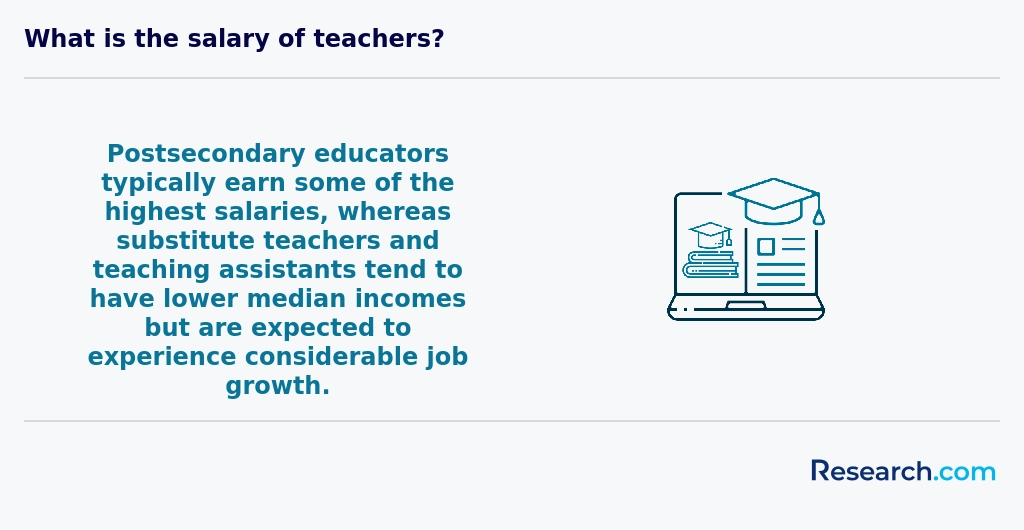
Graduates from Missouri's online education programs often find themselves stepping into vibrant roles where passion meets purpose. Picture a newly licensed K-12 teacher crafting engaging lessons in a St. Louis classroom, fueled by coursework aligned with Missouri DESE's certification standards. Others embrace leadership challenges as school administrators or principals, steering schools toward innovation with tools gained from local universities like the University of Missouri's online pathways. For those drawn to heart and mind, emotionally rewarding careers as school counselors or special education teachers await, addressing real student needs amidst an evolving educational landscape, perfectly reflecting the growing demand across Missouri's districts and sparking personal fulfillment.
Beyond traditional roles, graduates explore the creative frontier of instructional design and educational technology-imagine crafting immersive digital lessons that transform rural classrooms across the state. Thanks to accessible online degrees, many find the financial flexibility to advance their careers without uprooting their lives, accelerating through online 1 year masters programs that open doors faster.
This dynamic mix of career options showcases the exciting possibilities for anyone pursuing online education degree careers in Missouri, where every path is a chance to inspire and innovate.
The job market for online education degree graduates in Missouri hums with possibility and steady demand. Picture a graduate from a well-known Missouri university, fresh from completing their degree online, stepping confidently into a classroom or school administration office. The Missouri Department of Elementary and Secondary Education forecasts a growing need for certified teachers, especially in special education and STEM fields. This isn't just a statistic - it's a real opportunity for those eager to make a difference without uprooting their lives.
Graduates often share how the accessibility of online programs at Missouri's popular colleges gave them both flexibility and confidence to balance work, family, and study. The advantage of affordability-annual tuition between $5,000 and $10,000-makes pursuing this path especially appealing compared to pricier national averages. That blend of cost-effectiveness and strong Missouri employment opportunities for education graduates creates a fertile ground to thrive.
Beyond classroom teaching, many find vibrant roles in educational technology or counseling, areas growing alongside traditional roles. For more on institutions excelling in online education, explore the list of best colleges online.
2027 Most Affordable Online Education Degree Programs Ranking in Missouri
Investing in your education is a significant decision that can shape your future, and the Research.com team understands the importance of making informed choices. To assist prospective students in Missouri, we have meticulously crafted the "2027 Most Affordable Online Education Degree Programs Ranking in Missouri." Our commitment to quality, credibility, and accuracy is reflected in the extensive research and analysis conducted to compile this ranking.
We utilized the following reputable data sources to ensure a comprehensive evaluation of online education degree programs:
By exploring this ranking, readers will gain valuable insights into the most affordable online education degree programs in Missouri, empowering them to make confident, well-informed decisions about their educational paths. For more details on our methodology, please visit our Research.com methodology page.

# 2 position
Southeast Missouri State University
Master of Teaching English to Speakers of Other Languages (TESOL)

# 3 position
University of Missouri
Bachelor of Human Development and Family Science with an emphasis in Early Childhood Education in a Mobile Society


Frequently Asked Questions About education
Online education degree students in Missouri can maximize their learning by actively engaging with course materials and participating in virtual discussions. According to the Missouri Department of Higher Education & Workforce Development, students benefit from setting a consistent study schedule that aligns with their personal and professional commitments.
Utilizing available campus resources, such as online tutoring and library access, helps deepen understanding. Missouri institutions often provide technical support to ensure smooth access to digital platforms, which is crucial for staying on track.
Networking with peers and instructors through forums or study groups enhances collaboration and motivation. Finally, Missouri students should verify accreditation status to ensure quality education recognized by employers and licensing boards.
The education field is evolving, with several emerging niches gaining attention in Missouri's online degree programs. One prominent area is educational technology, where professionals design and implement digital tools to enhance learning experiences. According to the Missouri Department of Elementary and Secondary Education, there is increasing demand for educators skilled in integrating technology in classrooms.
Another growing niche is special education, particularly focused on students with disabilities and diverse learning needs. The Missouri Special Education Collaborative reports steady growth in job openings for teachers trained in this specialty.
Additionally, early childhood education remains a critical focus, reflecting Missouri's commitment to improving outcomes for young learners, supported by state initiatives targeting preschool readiness.
Preparing for the job market after earning an online education degree in Missouri involves strategic planning and skill development. Graduates should focus on gaining practical experience through student teaching or internships, which are often required for Missouri teacher certification. According to the Missouri Department of Elementary and Secondary Education, hands-on experience is critical to meet licensing standards.
Additionally, Missouri employers value candidates who hold up-to-date certifications and endorsements relevant to specific teaching areas. Joining professional networks, such as the Missouri State Teachers Association, can provide valuable job leads and professional development opportunities. Missouri's teacher shortage in certain districts also offers graduates increased job prospects, particularly in rural areas.
Strong communication and technology skills gained during the online program can differentiate applicants. Lastly, staying informed about Missouri's educational policies and standards improves readiness to meet local classroom demands.
Employers in Missouri highly value education degree graduates who demonstrate strong communication and classroom management skills. According to the Missouri Department of Elementary and Secondary Education, effective verbal and written communication is essential for engaging diverse student populations. Additionally, adaptability is crucial, as many schools require educators to implement new technologies and teaching methods in response to evolving educational standards.
Critical thinking and problem-solving skills are also prioritized by school administrators to prepare students for complex real-world challenges. Research by the National Center for Education Statistics highlights that collaboration with colleagues and families is increasingly important for positive student outcomes in Missouri schools.
Finding internships in Missouri related to an education degree begins with exploring local school districts and educational organizations. Many Missouri districts, such as the Kansas City Public Schools and St. Louis Public Schools, offer internship programs for prospective teachers. The Missouri Department of Elementary and Secondary Education (DESE) provides resources and a searchable database for education-related internships statewide.
Online students should also consider virtual internship opportunities to complement their coursework. Platforms like Handshake and Missouri Career Center list internships specifically for education majors, often including roles in curriculum development, special education, and administrative support.
Networking through university career services and joining Missouri education associations can increase access to internships. According to DESE, internships completed within Missouri accredited programs can count toward certification requirements, offering practical experience aligned with state standards.
In Missouri, earning an online education degree can significantly enhance career mobility and advancement opportunities. According to the Missouri Department of Elementary and Secondary Education, licensed teachers with advanced degrees often qualify for higher positions such as curriculum specialists, instructional coordinators, and administrative roles.
Online education degrees offer flexibility, allowing professionals to continue working while upgrading their credentials. This adaptability is crucial given Missouri's growing demand for qualified educators, especially in rural areas where innovative teaching methods are prized.
Statistically, teachers with master's degrees in Missouri tend to earn salaries up to 15% higher than those with only bachelor's degrees, reflecting the value employers place on advanced training. This can lead to better job security and leadership roles within school districts.
The Missouri Educator Gateway provides resources to help online degree holders meet licensure requirements, further smoothing the pathway to career progression.
Studying for an education degree in Missouri equips students with skills that extend beyond traditional teaching roles. Many Missouri institutions emphasize interdisciplinary learning, combining education theory with psychology, technology, and special education. According to the Missouri Department of Higher Education, programs often include coursework designed to prepare graduates for diverse environments such as administrative roles, counseling, and curriculum design.
Online education degrees in the state commonly incorporate training in digital tools and collaborative problem-solving, reflecting modern workforce demands. This approach builds adaptability, essential for working in multifaceted educational settings.
Such interdisciplinary training aligns with the needs of Missouri's schools, where educators often address varied student populations and community challenges, making the degree practical for multiple career paths.
Choosing between a thesis and a non-thesis education degree program in Missouri depends on your career goals and learning preferences. Thesis programs typically require original research and a formal paper, ideal for students aiming for roles in academia or research. Non-thesis options usually focus on coursework and practical skills, suited for professionals seeking leadership or administrative positions.
Missouri universities like the University of Missouri offer both formats, with thesis tracks often extending study time by one semester. According to Missouri Department of Higher Education, nearly 40% of education graduates in 2023 pursued non-thesis paths due to their flexibility. Consider your interest in research, time availability, and career trajectory when deciding.
Students based in Missouri interested in studying education abroad typically engage in online degree programs offered by U.S. institutions with international partnerships or study abroad components. Missouri universities often provide education degrees that include options for virtual international experiences or semester exchanges with partner schools overseas. According to the Missouri Department of Higher Education, many public universities support such opportunities while maintaining online coursework flexibility.
Programs accredited by the Council for the Accreditation of Educator Preparation (CAEP) ensure quality standards are met, even for study abroad options. Financial aid and scholarships are sometimes available for students pursuing international study as part of their education degree.
Students pursuing online education degrees in Missouri have several part-time job opportunities that can enhance their academic experience and professional skills. Positions such as teacher's aides, substitute teachers, or tutoring roles in local schools provide practical classroom exposure. According to the Missouri Department of Elementary and Secondary Education, substitute teaching roles are in steady demand due to a teacher shortage in over 70% of districts.
Additionally, roles in after-school programs or educational nonprofits can build relevant skills in curriculum support and student engagement. These jobs also help develop communication and organizational abilities essential for educators. Working part-time in such roles complements formal education degree training and improves employment prospects after graduation.
Online education students in Missouri have access to a variety of networking opportunities designed to connect them with peers, faculty, and education professionals. Many public universities, such as the University of Missouri system, offer virtual events, discussion boards, and student organizations specifically for online learners.
In addition, the Missouri Department of Higher Education supports statewide initiatives that facilitate collaboration and networking among education students through webinars and workshops.
Professional organizations like the Missouri State Teachers Association also provide online forums and local chapter events, which can help students build connections within the education community. Such opportunities enhance career prospects by fostering relationships with educators and administrators across the state.
Alumni networks play a crucial role in supporting online education degree students in Missouri. These networks offer valuable connections that can lead to internships, job opportunities, and mentorship. According to research from the Missouri Department of Higher Education & Workforce Development, nearly 70% of graduates find employment through their professional networks.
Online learners often benefit from virtual alumni events and discussion forums, which help overcome geographic distance. Access to experienced alumni provides practical advice and career guidance tailored to Missouri's education sector.
Such networks also foster community, encouraging collaboration among current students and graduates, strengthening professional growth within the state.
Customizing your online education degree in Missouri allows you to align your studies with your specific career goals, whether you aim to teach, specialize in administration, or develop expertise in a particular subject. Many Missouri universities offer flexible major selections, concentrations, or electives tailored to areas such as early childhood education, special education, or educational leadership.
Additionally, you can often choose between certification tracks or master's options depending on your professional objectives. Utilizing Missouri's state resources, such as the Department of Elementary and Secondary Education, can guide you on licensure requirements tied to degree customization.
Online programs often include practicum or internship components you can select to gain relevant hands-on experience in Missouri schools or districts.
Online education students in Missouri often face challenges related to access and technology. Despite improvements, rural areas in Missouri still experience limited high-speed internet, affecting about 14% of residents according to the Missouri Broadband Development Office. This digital divide can hinder participation in synchronous classes and timely submission of assignments.
Another common challenge is maintaining motivation and time management. Many online learners balance work, family, and study, which requires strong self-discipline. The Missouri Department of Higher Education reports that about 60% of online students juggle employment alongside coursework.
Additionally, students sometimes find it difficult to engage fully with instructors and peers, leading to feelings of isolation. Limited face-to-face interaction can impact learning and networking opportunities essential for future careers.
With an online education degree in Missouri, you can pursue several professional certifications that enhance your career prospects. The Missouri Department of Elementary and Secondary Education (DESE) offers teaching certification in various grade levels and subjects, which is essential for most K-12 teaching jobs in the state.
Additionally, many graduates aim for National Board Certification, a respected credential that can increase salary and job stability.
Other certifications include special education endorsements, English as a Second Language (ESL) certification, and administrative licenses for school leadership roles. These certifications support career advancement beyond classroom teaching and provide options in different education sectors.
Missouri teachers with certifications often see higher average salaries compared to non-certified professionals, according to DESE reports.
When applying for an online education program in Missouri, your application should clearly demonstrate your academic readiness and professional goals. Missouri boasts over 30 institutions offering online education degrees, so crafting a tailored personal statement is vital. Highlight how the program aligns with Missouri's teacher certification requirements, especially if planning to teach in-state.
Include relevant work experience and any prior coursework in education or related fields. Missouri's Department of Elementary and Secondary Education requires certain endorsements, so mention your career objectives clearly to show understanding of these standards.
Lastly, provide strong letters of recommendation and maintain a competitive GPA, ideally 3.0 or higher, which is preferred by many Missouri universities offering online degrees.
Globally, education careers are valued for their role in shaping societies and economies. In the United States, including Missouri, teachers are increasingly expected to prepare students for a globalized world, integrating international perspectives into curricula. According to the Missouri Department of Elementary and Secondary Education, there is a rising demand for qualified educators who can address diverse cultural backgrounds and learning needs.
Missouri's online education degrees equip future teachers with skills relevant both locally and globally, such as technology integration and inclusive teaching strategies. This aligns with broader U.S. trends emphasizing cross-cultural competence in education careers.
Students pursuing an online education degree in Missouri can gain practical experience through several key opportunities. Many programs include virtual student teaching or internships coordinated with local school districts. This hands-on practice allows candidates to apply theoretical knowledge in real classroom settings under supervision, meeting Missouri Department of Elementary and Secondary Education (DESE) licensure requirements.
Additionally, some universities partner with Missouri schools, offering remote observation and participation in teaching activities. Online platforms often facilitate collaboration and feedback from mentor teachers.
Missouri's emphasis on clinical experiences ensures that even online learners develop essential teaching skills required for certification and employment.
Choosing the right concentration within an online education degree program in Missouri depends on your career goals and interests. Missouri offers diverse specializations such as early childhood education, special education, and educational leadership, each aligned with state licensing requirements.
Consider labor market data: Missouri's Department of Economic Development reports steady demand for special education teachers, suggesting this concentration may offer strong job prospects. Additionally, explore program accreditation to ensure your degree meets Missouri Department of Elementary and Secondary Education standards.
Review course offerings and flexible schedules that suit your lifestyle. Connecting with Missouri-based education professionals can also provide valuable insights into the practical benefits of each concentration.
- 2027 Most Affordable Online Education Degree Programs Ranking in Kansas
- 2027 Most Affordable Online Education Degree Programs Ranking in Iowa
- 2027 Most Affordable Online Education Degree Programs Ranking in Nebraska
- 2027 Most Affordable Online Education Degree Programs Ranking in Illinois
- 2027 Most Affordable Online Education Degree Programs Ranking in Kentucky
- 2027 Most Affordable Online Education Degree Programs Ranking in Indiana
- 2027 Most Affordable Online Education Degree Programs Ranking in South Dakota
- 2027 Most Affordable Online Education Degree Programs Ranking in Minnesota
- 2027 Most Affordable Online Education Degree Programs Ranking in Wisconsin
- 2027 Most Affordable Online Education Degree Programs Ranking in Mississippi
See What Experts Have To Say About Studying Education
Read our interview with Education experts


Alan J. Singer
Education Expert
Professor of Teaching, Learning and Technology
Hofstra University

- Online Colleges in Missouri https://www.oedb.org/missouri/
- Online Colleges in Missouri https://www.onlineschools.org/guides/missouri/
- Networking For Educators: How To Grow A Professional ... https://www.carlow.edu/networking-for-educators/
- Missouri State Teacher Certification Guide https://www.alleducationschools.com/teacher-certification/missouri/
- Benefits of Networking for Students https://www.melioeducation.com/blog/benefits-of-networking-for-students/
- Best Online Colleges In Missouri 2025 https://www.affordablecollegesonline.org/online-colleges/missouri/
- Networking Tips and Advice for Students https://schoolshouldbe.com/post/networking-tips-and-advice-for-students/
- Events & Opportunities - Network Teachers & Alumni https://connect.teachforall.org/events-opportunities
- Online Bachelor's of Education Degrees https://www.phoenix.edu/online-education-degrees/bachelors.html
- Top 10 Effective Networking Tips for Students https://www.unfc.ca/blog/networking-tips-for-students


