
2027 Most Affordable Online Education Degree Programs Ranking in Kansas

Co-Founder and Chief Data Scientist
Choosing the right education degree program can be overwhelming, especially when balancing cost and quality. To help Kansas students navigate their options, this article presents the 2027 Most Affordable Online Education Degree Programs Ranking in Kansas, carefully compiled by the Research.com team of data scientists.
By exploring this ranking, you'll gain valuable insights into affordable and reputable online programs that fit your budget and goals. Pursuing an education degree is a meaningful step toward making a positive impact and advancing your career. Let this guide be your starting point on a rewarding journey.
Key benefits of getting online education degree in Kansas
- Graduates with an education degree in Kansas can expect rewarding salaries, such as $76,000 for special education teachers and $77,200 for instructional designers, reflecting strong earning potential in the field.
- Potential career paths include teaching at various levels or designing educational programs, as seen with many from popular Kansas universities who successfully enter roles like early childhood educators or ESL teachers.
- Online degrees offer flexible scheduling and cost savings, allowing Kansas students to balance work and study easily, just like graduates from local online programs who appreciate earning their credentials without relocating.
- 2027 Most Affordable Online Education Degree Programs Ranking in Kansas
- What can I expect from online education degree in Kansas?
- Where can I work with online education degree in Kansas?
What can I expect from online education degree in Kansas?
When it comes to the cost of online education degrees in Kansas, most students can expect to pay around $8,400 per year if they're attending public universities like the University of Kansas or Kansas State University. Graduates often mention how this is a relief compared to pricier out-of-state options, especially when juggling work and study.
For example, a graduate from K-State shared that the lower tuition allowed them to focus more on their coursework and gaining real classroom experience without stressing over huge bills. Plus, since many courses are asynchronous, students can keep their day jobs going, which makes budgeting feel a lot easier.
A lot of these programs also have financial aid and scholarships specifically for those in education, so the actual out-of-pocket cost can end up being even less. Knowing the price stays reasonable while still offering hands-on student teaching makes Kansas online education degrees feel like a smart, affordable choice for many future teachers and school leaders.
Where can I work with online education degree in Kansas?
If you earn an online education degree in Kansas, plenty of job options open up pretty fast. Most grads jump into teaching at public or private K-12 schools, especially in subjects like math, science, or special ed-there's always a need, especially in smaller towns or rural areas. Imagine stepping into a classroom anywhere from Topeka to Wichita and making a real difference with what you've learned online.
Some grads from places like Wichita State University find themselves moving beyond teaching, landing roles as assistant principals or curriculum coordinators. These jobs might require extra certifications, but they're perfect if you want to shape what students learn on a bigger scale.
Others choose to work at community colleges or tech schools like Johnson County Community College, helping students one-on-one as counselors or working behind the scenes designing education programs. And for the tech-savvy, education technology companies in Kansas offer roles where you can create fun training tools or organize programs that really impact learning statewide.
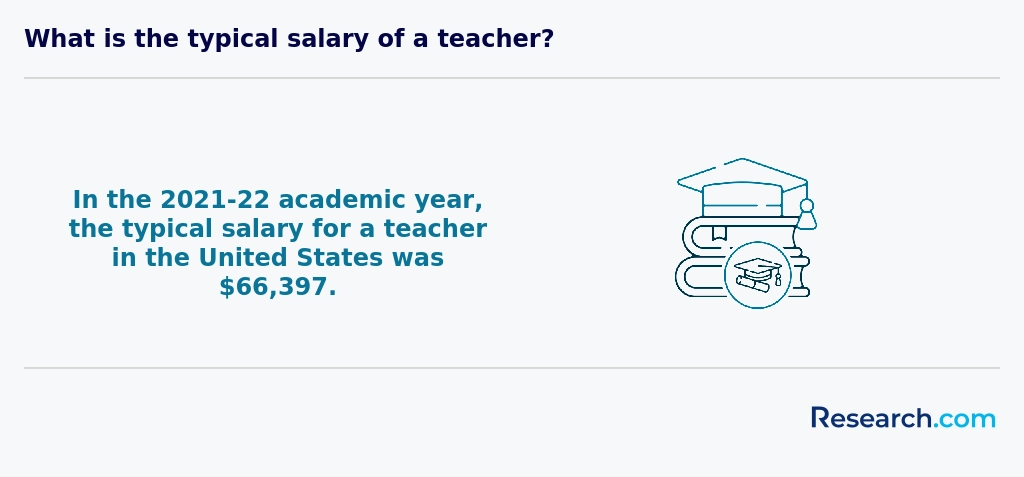
If you're studying for an online education degree in Kansas, you might be wondering what kind of paycheck to expect once you graduate. Well, grads from popular schools like Kansas State University and the University of Kansas have found that salaries can really vary depending on the job they land. For example, an elementary school teacher in Kansas takes home about $70,740 a year on average, which is pretty solid for starting out.
Special education teachers tend to earn even more, around $76,000 annually. That extra income really helps when you think about the rewarding work they do. If you're passionate about helping kids learn English, ESL teachers make approximately $65,430, so it's a dependable path too.
For those leaning toward designing courses and online content, instructional designers bring in about $77,200 per year. Graduates often share how their flexible online program at places like Fort Hays State University helped them switch from classroom teaching to these creative, higher paying roles.
So, whether you're planning to teach in a classroom or create educational materials behind the scenes, there are solid earning opportunities waiting for you here in Kansas with an education degree.
- Many public universities and colleges in Kansas offer accredited online education degrees that meet state certification and national standards.
- Tuition for residents at public universities ranges from about $8,000 to $12,000 per year, while private institutions may charge over $20,000 annually.
- The average starting salary for educators with a bachelor's degree in Kansas is around $40,000 per year, increasing to $55,000-$60,000 with a master's degree and experience.
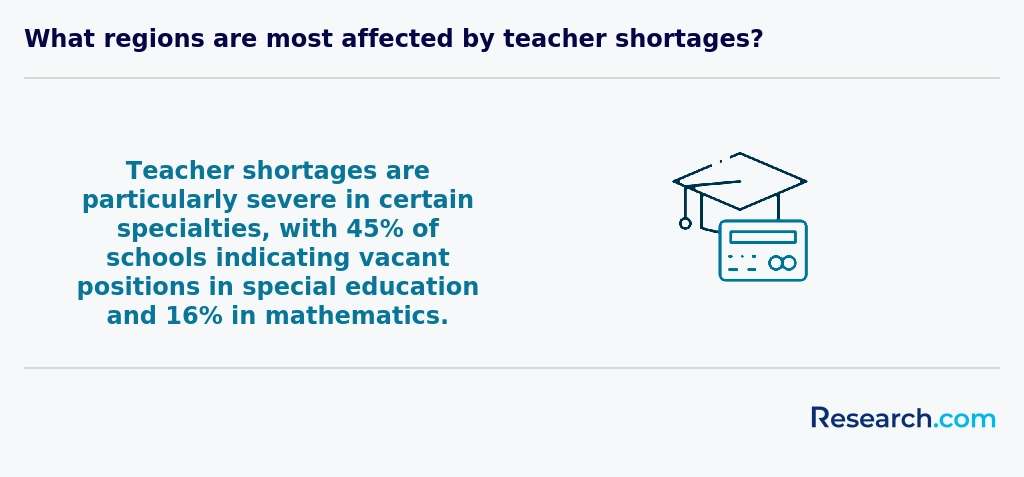
- The job market for teachers in Kansas is growing at about 5% through the mid-2020s, with high demand in special education, mathematics, and sciences.
- Online programs often include practical training to help graduates meet Kansas licensure requirements and enhance job prospects.
- Kansas supports continuing education and professional development for teachers, allowing for advanced certifications and endorsements through online courses.
Thinking about how long it takes to finish an online education degree in Kansas? Well, it really depends on what level you're going for and how you schedule your classes. For instance, if you're aiming for an associate degree from a community college, most folks wrap it up in about two years studying full-time. It's a solid starting point with roughly 60 credits.
Now, if you're eyeing a bachelor's degree, like those offered online from the University of Kansas or Wichita State University, expect around four years if you study full-time. Many graduates appreciate the flexibility these programs offer-they can speed things up or take it slower depending on work or family commitments.
Master's degrees? Typically, students finish in about 1.5 to 2 years full-time, but going part-time can stretch it to three years. Graduates often highlight how balancing work with courses made online learning feel manageable and rewarding.
Things like transfer credits or accelerated programs can shave off time, making it a personal journey for each student.
Earning an online education degree in Kansas is just the first step toward a fulfilling teaching career; securing state licensure is equally critical. In Kansas, teacher candidates must complete a state‐approved preparation program, pass required exams, and submit proof of fingerprint‐based background checks to the Kansas State Department of Education (KSDE). Here’s what you need to know: • Approved Prep Programs: Ensure your online degree is from an institution recognized by KSDE. Graduates of accredited programs have a smoother path to certification. • Exam Requirements: Most candidates must pass the Praxis I (Core Academic Skills) and Praxis II (content‐specific) assessments. Check KSDE’s official score requirements, as they vary by endorsement area (e.g., early childhood, secondary English). • Application Process: After completing coursework and exams, submit an online application through KSDE’s e‐licensing portal, including official transcripts, test scores, and background check clearance. • Renewal and Advanced Credentials: Kansas teachers renew their professional licenses every five years by completing continuing education credits or graduate coursework. For those interested in leadership roles, districts often prefer candidates with advanced degrees. For educators pursuing doctoral leadership pathways, consider our Cheapest Online Doctorate in Education Degree Programs Ranking in Virginia to explore cost‐effective options. • Alternative Routes: Career changers may qualify for alternative certifications, which combine targeted coursework with on‐the‐job training under a mentor teacher. By understanding and meeting these licensure requirements, aspiring educators can seamlessly transition from online coursework to classroom leadership, ensuring compliance with state regulations while advancing their professional goals.
When you're deciding between online and on-campus education degrees in Kansas, it mostly comes down to how you like to learn and live your life. Online programs, like those at Wichita State University, let you study whenever it fits your schedule. Imagine juggling work or family but still getting your degree-pretty freeing, right? Graduates often say they loved the flexibility of logging into lectures late at night or on weekends without the stress of driving to class.
On the flip side, on-campus degrees at schools like Emporia State University give you that classic college vibe-face-to-face chats with professors, instant feedback on assignments, and lively group projects right in the classroom. Some students find that structure helps them stay motivated and focused, especially if they thrive better in a routine setting.
Plus, both options in Kansas stick to solid academic standards, so your degree holds weight no matter the format. And thanks to practicum requirements, even online students get hands-on classroom experience in real schools nearby, so you won't miss out on that important in-person teaching practice.
Ensuring your online education degree is accredited and meets Kansas state licensing requirements is critical for career advancement and teaching eligibility. Most reputable programs in Kansas hold regional accreditation from the Higher Learning Commission (HLC) and specialized recognition from the Council for the Accreditation of Educator Preparation (CAEP). These endorsements guarantee that curricula align with national standards and prepare you for certification exams. Before enrolling, verify that your chosen institution is approved by the Kansas State Department of Education (KSDE). This approval ensures you’ll meet the necessary competencies-such as pedagogy, content-area knowledge, and student-teaching hours-required for an initial teaching license in Kansas. For those planning to teach in multiple states, look for programs that offer reciprocity-friendly pathways or add-on endorsements in areas like ESL or special education. Accredited online programs often provide streamlined support for licensure applications, including guidance on background checks, fingerprinting, and application deadlines. If you’re considering doctoral pathways or leadership roles, explore our Cheapest Online Doctorate in Education Degree Programs Ranking in Virginia to compare affordability and accreditation standards across state lines. By choosing an accredited program with KSDE approval, you’ll be positioned for success in classrooms and administrative roles throughout Kansas and beyond.
If you're looking into the average cost of a online education degree in Kansas, you'll find it pretty reasonable compared to other states. Many graduates from popular institutions like Kansas State University or the University of Kansas often mention how their in-state tuition hovered around $21,000 to $27,000 total for the entire program, which includes all those credit hours and fees. Out-of-state students usually pay a bit more-closer to $29,000 or so. One grad shared how this made their dream of becoming a teacher more doable without drowning in debt.
Another cool thing about studying online education in Kansas is that you're less likely to deal with heavy campus fees-many schools keep tech fees below $100 each semester, so those extra costs don't sneak up on you. It's definitely a perk when budgeting for your degree.
If you want to find affordable online teaching degree programs Kansas offers, checking out schools with lower per-credit tuition can really help. For example, many students found that public universities balance quality and cost smoothly, making the journey exciting rather than stressful. To explore options, you might want to visit the most affordable education programs in Kansas so you can see which schools fit your budget and goals best.
Overall, the cost stays competitive enough that pursuing an online education degree here doesn't feel like an impossible financial hurdle.
To further enhance your career prospects in education, it's essential to consider the various resources available to you, such as the most affordable education programs in Kansas. These programs not only offer a high-quality education at an affordable price but also equip you with the skills and knowledge necessary to succeed in the field. By advancing your education, you can open doors to new career opportunities, increase your earning potential, and make a more significant impact in the lives of your students. Whether you're interested in teaching, administration, or educational support services, there's a path for you to explore and thrive in the field of education in Kansas.
If you're diving into an online education degree in Kansas, you've got some solid financial aid options to lighten the load. Most grads share how starting with the FAFSA was a game changer-they scored Pell Grants, which don't need to be paid back, helping cover those upfront costs. For the 2023-2024 year, that grant can be as much as $7,395, which makes a big difference when tuition is around $7,200 annually at public schools like the University of Kansas or Wichita State.
State-specific help also shines here. Lots of students found the Kansas Workforce Sector Grant really helpful, especially since it targets in-demand fields like education, cutting down tuition and fees at public colleges. Plus, the Kansas Comprehensive Grant gives extra need-based support, so it feels like there's a safety net ready to catch you.
Many education departments at Kansas universities toss in scholarships just for students like you, and alumni groups often pitch in, too. Veterans and active military folks in Kansas can tap into the GI Bill and other veteran benefits, which some grads said made finishing their online degree totally doable.
Some folks even get tuition help from their employers, turning coursework into a win-win. So, between federal, state, school, and job-based aid, paying for an online education degree in Kansas feels a lot less stressful than you might expect.
Investing in an online education degree in Kansas isn’t just about minimizing tuition costs-it’s about setting yourself up for long-term career success and financial stability. In this section, we explore how affordable education can offer robust ROI by balancing initial expenses with competitive salaries, career advancement opportunities, and enhanced job satisfaction. Many graduates find that the lower upfront cost of online programs, combined with courses designed to meet industry demands, accelerates their entry into well-paying roles and leadership positions. For instance, alumni of programs highlighted in the 2024 Most Affordable Online Education Degree Programs Ranking in Kansas have reported not only immediate savings but also timely promotions, improved skill sets, and greater work flexibility. As you evaluate potential programs, consider factors such as curriculum alignment with emerging educational trends, strong alumni networks, and consistent faculty support-each of which can significantly boost your professional trajectory and overall ROI in the competitive Kansas education market.
If you're looking to enroll in an online education degree in Kansas, you'll need to tick a few important boxes first. For bachelor's programs, think of having your high school diploma or GED ready, plus a decent GPA-usually around 2.5. Plenty of schools, like those popular in the Kansas area, often don't stress too much about SAT or ACT scores anymore, which is a relief for many.
When you're eyeing a master's degree, having a bachelor's from an accredited school is key, usually with a GPA near 3.0. Many graduates from universities around Kansas say that showing relevant experience or a related degree really strengthened their application.
Doctoral hopefuls often need not just a master's in education but work experience too-like teaching or school admin-to really connect theory to real-life classrooms. Most programs also want letters of recommendation, a personal essay, and sometimes proof of certification, especially if you're aiming for a teaching credential.
Students from local universities often mention how submitting these materials felt like sharing their story, making the process personal and rewarding. And the best part? Tuition in Kansas tends to be pretty affordable, so meeting these requirements can set you up for great value and success studying online without leaving the state.
Ensuring that your chosen online education degree program holds proper accreditation is critical for both academic credibility and career mobility. Accredited programs meet rigorous standards set by recognized bodies, confirming that the curriculum, faculty credentials, and support services adhere to industry best practices. In Kansas, look for accreditation from agencies such as the Council for the Accreditation of Educator Preparation (CAEP) and the Higher Learning Commission (HLC), as these endorsements streamline licensure and qualify you for federal financial aid. Key accreditation factors to consider: • Institutional Accreditation: Verifies that the university or college as a whole meets comprehensive quality measures. • Programmatic Accreditation: Focuses specifically on education programs, often granted by CAEP or state-level boards of education. • State Approval: Kansas State Department of Education approval ensures alignment with Kansas teaching licensure requirements. • Ongoing Review: Accredited programs undergo periodic evaluation, guaranteeing continuous improvement and current best practices. An accredited online education degree not only enhances your résumé but also opens doors to professional certifications and reciprocal licensure in other states. For instance, if you later decide to pursue a doctorate in education, you can compare advanced pathways using our Cheapest Online Doctorate in Education Degree Programs Ranking in Virginia, which highlights programs that uphold the same strict accreditation standards. Always verify accreditation status on official agency websites, and consult academic advisors to confirm that credits will transfer seamlessly if you change institutions or advance your degree.
If you're thinking about an online education degree in Kansas, expect courses that really prepare you for the classroom. Graduates from popular schools like the University of Kansas or Wichita State often mention how courses like Educational Psychology helped them understand how kids think and learn differently, which made a huge difference when they started teaching.
Curriculum Development classes show you how to design lesson plans that actually work in real classrooms-like the ones students experienced when they created projects tailored for middle or high school kids in Kansas. Instructional Technology is another favorite, where you get hands-on with the latest tools to keep students engaged, especially in virtual or blended learning setups.
Lots of students tell stories about mastering Classroom Management skills, which helped keep their classrooms positive and focused. Plus, courses like Special Education and Educational Law and Ethics prepare you to support all students while understanding Kansas rules and ethics. It's all about practical skills that feel relevant the moment you start teaching locally.
If you're diving into an online education degree in Kansas, you'll find lots of neat specializations that really fit different teaching dreams. Graduates from popular schools around Wichita or the University of Kansas often mention specializing in Elementary Education, which is perfect if you love working with younger kids in K-6 classrooms. Others choose Secondary Education to prepare for teaching subjects like math or English to middle and high schoolers-hands down a favorite for those who want to focus on specific subjects.
Some students go for Special Education, helping kids with diverse learning needs, which feels super rewarding for many. Educational Leadership is another top pick for folks aiming to step into school principal or admin roles down the road. And if you're into shaping how lessons actually get taught, Curriculum and Instruction is the way to go. Lots of Kansas students find flexible schedules really helpful, especially if you're balancing work and life while studying. If you're curious about all these options and how affordable it can be, check out the 2024 Most Affordable Online Education Degree Programs Ranking in Kansas for some solid leads on online education degree specializations Kansas offers.
Other popular paths include School Counseling, where you support students' mental health, and Reading and Literacy to boost kids' reading skills. It's great how many programs align with Kansas licensing requirements, making the journey smoother if you want to teach in local public schools. Totally a practical and inspiring way to level up your teaching career!
Picking the best online education degree in Kansas means focusing on what really matters to you. Graduates from popular colleges here often mention how important accreditation was for them-it's what makes your degree legit and helps when you're going for teacher licensure in Kansas. If you're juggling work and life, flexibility becomes a lifesaver. Many Kansas schools offer fully online classes you can take anytime, without dragging you to campus, which is perfect if you prefer a schedule that fits your busy days. Plus, check out if they have specializations like early childhood or special education that match your passion.
Cost is a biggie too. Affordable online teaching programs Kansas offer typically run between $250 and $350 per credit hour, keeping total tuition for a bachelor's degree reasonable. Graduates say comparing tuition and finding good support services made a huge difference in their success and happiness during the program.
Finally, don't forget to look at graduation rates and job placement to see where students really thrive. Some alumni found extra help through strong professional networks that helped land teaching gigs around the state. For a deeper dive into education degrees, you might also want to explore the Cheapest Online Doctorate in Education Degree Programs Ranking in Virginia as a useful reference point.
If you're thinking about the career paths available for an online education degree in Kansas, you're in luck-there's a bunch of options waiting for you. Graduates from schools like Wichita State University and Fort Hays State University often jump into teaching jobs with online education degree Kansas, especially since the state needs teachers in areas like special ed, math, and science. Many find real joy working in local K-12 schools, bringing life-changing lessons to students in rural communities.
But it's not just about classroom teaching. Some grads go on to become school principals or curriculum coordinators, roles that really shape how schools run, often after getting some extra certification. Others dive into specialized roles like educational technology specialists or school counselors, fields that are growing fast as schools embrace digital learning tools. If you're curious about the best programs to kick off your journey, you can check out these top colleges with national accredited status that folks in Kansas trust for solid online education degrees.
If you're considering an online education degree in Kansas, you're in a good spot. The job market here is steady, especially for those looking to teach in the state's public and private schools. Many graduates from popular Kansas universities share that upon finishing their programs, which align well with state licensing requirements, they quickly found teaching roles in suburban or even rural districts where teachers are in demand. This real-life experience shows how Kansas truly values qualified educators.
The state projects a 5% growth for kindergarten and elementary teaching jobs through 2030, making it a pretty stable choice. Plus, with over 50,000 teachers already employed statewide, it's clear there are plenty of opportunities. Some grads have even moved beyond classrooms into roles like virtual learning specialists or curriculum developers as schools embrace more tech.
What's cool is that places like the University of Kansas tailor online courses to help you meet certification standards without breaking the bank. If you want to explore different career routes, checking out the best majors in college to make money can give you ideas on how to combine passion with financial sense. Overall, the Kansas employment opportunities for education graduates look promising and supportive for online learners.
2027 Most Affordable Online Education Degree Programs Ranking in Kansas
Investing in your education is a significant decision that can shape your future, and the Research.com team understands the importance of making informed choices. To assist prospective students in Kansas, we have carefully developed the "2027 Most Affordable Online Education Degree Programs Ranking in Kansas." Our dedication to quality, credibility, and accuracy is demonstrated through rigorous research and evaluation behind this ranking.
We utilized the following reputable data sources to ensure a comprehensive assessment of online education degree programs:
By reviewing this ranking, readers will gain valuable insights into the most affordable and quality online education degree programs in Kansas, empowering them to make confident and well-informed decisions. For more information on how this ranking was created, please visit our Research.com methodology page.


Frequently Asked Questions About education
Students pursuing online education degrees in Kansas can enhance their learning by actively engaging with course materials and instructors. According to the Kansas Board of Regents, programs often offer virtual office hours and discussion boards that facilitate interaction.
Scheduling regular study times helps maintain consistency, especially since 74% of Kansas students attend online courses part-time, balancing work or family.
Taking advantage of Kansas-based resources like public libraries and tutoring centers can provide extra academic support. Additionally, students should verify that their chosen programs are accredited by the Council for Higher Education Accreditation (CHEA) or the U.S. Department of Education to ensure quality and transferability of credits.
Emerging niches in Kansas's education field increasingly focus on specialized areas driven by technological advances and societal needs. For example, online programs in educational technology are growing as schools adopt digital learning tools. The Kansas State Department of Education highlights a rising demand for professionals trained in instructional design and e-learning development.
Another expanding field is special education, especially programs targeting students with autism or other developmental disabilities. The Kansas Board of Regents reports continuous growth in enrollment for special education degrees, reflecting this demand.
Additionally, bilingual education and English as a Second Language (ESL) certification programs are gaining prominence, responding to the diverse population in the state. Online degrees in these areas prepare educators to meet shifting community needs effectively.
After completing an online education degree in Kansas, preparing for the job market requires strategic planning. Start by gaining relevant teaching certifications specific to Kansas, such as the Kansas Professional Teaching License, which many school districts require.
Networking plays a crucial role. Engage with local education organizations like the Kansas National Education Association to connect with potential employers and mentors. Participation in job fairs hosted by universities such as the University of Kansas can also enhance employment opportunities.
Additionally, building a strong resume with practical experience from student teaching or internships increases your competitiveness. According to the Kansas Department of Labor, education jobs in the state are expected to grow by 7% through 2030, highlighting the importance of thorough preparation.
Employers in Kansas prioritize several key skills when hiring graduates with education degrees. Strong communication abilities stand out, enabling future teachers to effectively engage diverse student populations. Classroom management skills are also essential; the Kansas State Department of Education highlights this as a core competency for new educators.
Additionally, employers seek candidates proficient in adapting to digital learning tools, reflecting the growing importance of online and hybrid instruction methods. Critical thinking and problem-solving are valued for addressing varied student needs and challenges. According to the National Center for Education Statistics, Kansas schools increasingly emphasize culturally responsive teaching, making cultural awareness a vital skill for graduates entering the workforce.
Finding internships relevant to an education degree in Kansas involves exploring partnerships between universities and local school districts. Many online education programs in Kansas collaborate with public schools, especially in districts like Wichita USD 259 and Olathe USD 233, which offer structured internship opportunities. According to the Kansas State Department of Education, internships often include classroom observation, assisting teachers, and curriculum development.
Students should also consult with their college's career services, which typically maintain databases of local openings. Professional organizations such as the Kansas National Education Association provide additional networking options. Applying early and maintaining clear communication with internship coordinators greatly improves placement chances.
Obtaining an online education degree in Kansas can significantly enhance career mobility and advancement opportunities. According to the Kansas State Department of Education, educators with advanced degrees often qualify for higher salaries and leadership positions within schools. Online programs offer flexibility, allowing working professionals to pursue credentials without interrupting their careers. This accessibility helps teachers meet state certification requirements or earn endorsements, which are crucial for promotions.
Data from the National Center for Education Statistics shows that individuals with a master's degree in education typically experience a 15-25% salary increase compared to those with only a bachelor's degree in Kansas. Additionally, online education degrees open doors to roles beyond teaching, including administration and curriculum development, benefiting career growth statewide.
Online education degree programs in Kansas emphasize interdisciplinary skills essential for today's diverse professional environments. These programs integrate coursework in psychology, technology, and communication, preparing students to address educational challenges from multiple perspectives. According to the Kansas Board of Regents, many institutions require students to engage in collaborative projects that mirror real-world interdisciplinary teamwork.
Students gain experience in areas such as special education, counseling, and educational leadership, which broadens their career opportunities beyond traditional teaching roles. The programs often include practical applications, such as integrating digital tools and community resources to support varied learner needs.
Such comprehensive preparation equips graduates to work effectively with professionals across health, social services, and administrative sectors, meeting the complexity of modern educational demands in Kansas and beyond.
Choosing between a thesis and a non-thesis education degree program in Kansas depends on your career goals and learning preferences. Thesis programs typically require original research and a formal document, ideal for students considering doctoral studies or research-based roles. Non-thesis programs focus more on coursework and practical skills, which suits those pursuing teaching or administrative positions directly.
According to the Kansas Board of Regents, over 60% of education graduate students opt for non-thesis tracks, prioritizing hands-on experience. Online programs often reflect this trend by offering flexible, non-thesis pathways to accommodate working professionals.
Assess your interest in research and long-term plans carefully before deciding.
Students based in Kansas seeking to study education abroad through online degrees have several pathways available. Many universities in Kansas participate in exchange programs or partnerships with foreign institutions, allowing students to take courses internationally while remaining enrolled domestically. The University of Kansas and Kansas State University offer some study-abroad options integrated with their online education programs.
Additionally, students can explore accredited online education degrees from institutions that include global study components or internships abroad. According to the Kansas Board of Regents, about 20% of students enrolled in education majors consider international experience as part of their curriculum, enhancing their teaching skills and cultural awareness.
Financial aid and scholarship opportunities often support these international studies, making them more affordable for Kansas students interested in broadened perspectives within education.
Part-time job opportunities in Kansas that complement education degree programs are varied and beneficial. Many students find roles as teacher assistants or paraprofessionals in local schools, gaining valuable classroom experience alongside their studies. According to the Kansas State Department of Education, these roles offer practical exposure to teaching methods and student management.
Another common option is tutoring, both privately and through community programs. Tutoring helps reinforce subject knowledge and builds communication skills essential for educators. Additionally, positions in after-school programs and daycare centers are prevalent, offering relevant experience working with children.
Many institutions and libraries in Kansas also hire part-time education aides, which can provide exposure to educational resources and curriculum planning. According to the Bureau of Labor Statistics, these kinds of positions often provide flexible hours suitable for students balancing coursework.
Online education students in Kansas benefit from several networking opportunities despite the virtual format. Many public universities, such as Kansas State University and the University of Kansas, offer online platforms where students can join discussion boards, virtual study groups, and professional forums.
Additionally, Kansas education programs often partner with local schools and educational organizations, providing students with access to internships and practicum experiences. These real-world connections help students build professional networks beyond the digital classroom.
Statewide organizations, including the Kansas Association of Teachers, also host virtual and in-person conferences, workshops, and local chapter meetings, offering further networking avenues specific to Kansas educators.
Alumni networks offer significant advantages to online education degree students in Kansas by providing valuable professional connections. These networks connect former and current students, allowing online learners to access mentorship, job opportunities, and career advice. According to the Kansas Board of Regents, alumni often help graduates navigate the local education job market, which is essential in a state where teaching roles are competitive.
Statistics from the National Center for Education Statistics show that networking increases employment chances by up to 35%. Kansas online education students benefit from regionally focused connections that can lead to positions in school districts across the state.
Alumni events and online forums foster ongoing support, promoting lifelong professional growth for online learners in Kansas.
In Kansas, students can customize their online education degree programs by selecting specialized concentrations that align with their career goals. Many universities offer options such as early childhood education, special education, or educational leadership, allowing students to tailor their studies.
Additionally, some programs provide flexible course schedules and opportunities for elective credits. This flexibility enables working professionals to balance study with career demands.
Students may also pursue certification or endorsement pathways required by the Kansas State Department of Education, enhancing their qualifications for specific teaching roles.
According to the Kansas Board of Regents, over 25% of education students enroll in online programs, reflecting growing accessibility and variety.
Online education students in Kansas face several common challenges that can impact their academic success. One key difficulty is maintaining consistent access to reliable high-speed internet, especially in rural areas where broadband coverage remains limited. According to the Kansas Office of Broadband Development, approximately 15% of Kansans lack adequate internet service, affecting online learners' ability to participate in live lectures or submit assignments on time.
Another challenge relates to balancing study with work and family responsibilities, as many online students in Kansas are working adults. Time management and self-motivation are critical skills, yet around 40% of adult learners report struggles in keeping up with coursework.
Additionally, students often face limited direct interaction with instructors and peers, which can lead to feelings of isolation. Educational experts emphasize the importance of virtual engagement to mitigate this issue in Kansas' online programs.
With an online education degree in Kansas, graduates can pursue several professional certifications that enhance career opportunities. Common certifications include the Kansas Initial Teaching License, which allows graduates to teach in public schools after meeting state testing and coursework requirements.
Other options involve specialized certificates such as the Kansas Reading Specialist License or Special Education certifications that support working with diverse student populations. Many online degrees prepare candidates to take the Praxis exams, essential for teacher licensure in Kansas, as reported by the Kansas State Department of Education.
Additionally, professionals may consider National Board Certification, a respected voluntary credential that demonstrates advanced teaching skills. These certifications are crucial for advancing education careers within Kansas public and private school systems.
To write a winning application for an online education program in Kansas, start by thoroughly researching the specific institution and program requirements. Kansas public universities like Wichita State and the University of Kansas emphasize clear career goals and relevant experience in education. Highlight your commitment to teaching and learning, using specific examples. Kansas has a growing demand for qualified educators, so demonstrating awareness of local educational challenges can strengthen your application.
Make sure your personal statement is well-organized and free of errors. Include your academic achievements, such as a minimum GPA of 3.0 where required, and any relevant certifications or volunteer work. Also, secure strong letters of recommendation from education professionals who can attest to your skills and dedication.
Global perspectives on an education career emphasize the growing importance of cultural competence and adaptability. In the U.S., including Kansas, educators are encouraged to prepare students for an interconnected world. According to the Kansas State Department of Education, there is increased demand for teachers skilled in diverse learning environments.
Internationally, education careers focus on technology integration and lifelong learning, trends also visible in Kansas online education programs. These programs often align with national standards, ensuring graduates can work effectively both locally and abroad.
Understanding global education practices can enhance teaching strategies, benefiting Kansas educators and their students by fostering a broader worldview.
Gaining practical experience while studying for an online education degree in Kansas involves a combination of fieldwork and virtual opportunities. Many Kansas universities require student teaching or internships, often arranged locally to comply with state licensure rules. For example, Kansas State Department of Education mandates that teacher candidates complete a supervised practicum, which can typically be fulfilled in schools near the student's residence.
Online students can also participate in virtual simulations and coursework that develop classroom management skills. Additionally, seeking partnerships with school districts or educational nonprofits can provide hands-on experience. According to the Kansas Board of Regents, more than 50% of education students engage in practicum placements during their programs, emphasizing the importance of applied learning.
Choosing the right concentration within an online education degree program in Kansas requires careful consideration of your career goals and the state's educational needs. Kansas schools often seek teachers specializing in special education, STEM fields, and early childhood education, reflecting workforce demands reported by the Kansas State Department of Education.
Review program options focusing on these areas to improve job prospects. Accreditation matters as well; select programs recognized by the Council for the Accreditation of Educator Preparation (CAEP) to ensure quality training and eligibility for Kansas licensure. Additionally, compare curriculum specifics, such as technology use and practical experience opportunities, to find a concentration that fits your learning style and professional objectives.
Finally, consider programs offering flexible pacing and support services suited for adult learners balancing work and family, as highlighted in the Kansas Board of Regents' reports on online education trends.
- 2027 Most Affordable Online Education Degree Programs Ranking in Nebraska
- 2027 Most Affordable Online Education Degree Programs Ranking in Missouri
- 2027 Most Affordable Online Education Degree Programs Ranking in Iowa
- 2027 Most Affordable Online Education Degree Programs Ranking in Texas
- 2027 Most Affordable Online Education Degree Programs Ranking in South Dakota
- 2027 Most Affordable Online Education Degree Programs Ranking in Minnesota
- 2027 Most Affordable Online Education Degree Programs Ranking in Illinois
- 2027 Most Affordable Online Education Degree Programs Ranking in Wisconsin
- 2027 Most Affordable Online Education Degree Programs Ranking in Mississippi
- 2027 Most Affordable Online Education Degree Programs Ranking in North Dakota
See What Experts Have To Say About Studying Education
Read our interview with Education experts

Nooshan Ashtari
Education Expert
Professor & Book Author
University of Southern California

Alan J. Singer
Education Expert
Professor of Teaching, Learning and Technology
Hofstra University

- Navigating Challenges In Education, Learning & Development - those who can https://www.thosewhocan.org/navigating-challenges-in-education-learning-and-development/
- Get the skills employers want | Study UK https://study-uk.britishcouncil.org/why-study/succeed-your-career/get-skills-employers-want
- targetjobs https://targetjobs.co.uk/careers-advice/teaching-and-education/write-great-application-teacher-training
- What Can I Do With a Teaching Degree (Besides Teach)? https://www.alleducationschools.com/blog/what-can-i-do-with-a-teaching-degree-besides-teach/
- Home https://www.teachercertificationdegrees.com/
- Guide to Online Education Degrees | OEDb.org https://www.oedb.org/rankings/online-education-programs/
- EDUKAN and Kansas State - EDUKAN Online College Courses | University | Accredited https://edukan.edu/edukan-and-kansas-state/
- Best Online Education Degrees https://www.onlineu.com/degrees/education
- Online Colleges In Kansas | AffordableCollegesOnline https://www.affordablecollegesonline.org/online-colleges/kansas/
- How To Write A Great Cover Letter For Teacher Training - Engage Education https://engage-education.com/blog/how-to-write-a-great-cover-letter-for-teacher-training/


