
2027 Easiest Online Master's in Education Degree Programs Ranking in the South

Co-Founder and Chief Data Scientist
Choosing the right online master's in education program can feel overwhelming, especially with so many options in the South. To help you navigate this important decision, the Research.com team of data scientists created the 2027 Easiest Online Master's in Education Degree Programs Ranking in the South. This carefully researched ranking highlights programs that offer accessibility and valuable learning experiences.
Reading this article will give you clarity on which programs are worth considering, helping you take confident steps toward advancing your career. Earning your education degree opens doors to rewarding opportunities and personal growth.
Key benefits of getting online education degree in the South
- Graduates with an education degree in the South can expect competitive salaries, such as $129,330 annually for Education Managers, $104,920 for Education Program Managers, and $77,200 for Curriculum Specialists, ensuring strong financial stability.
- Potential career paths include roles like Higher Education Professor or Education Consultant, offering diverse opportunities to impact communities and grow professionally after earning a degree from popular Southern universities.
- Online education degrees provide flexible learning schedules and often lower costs, allowing graduates from notable Southern institutions to balance work, family, and studies while gaining the same valued credentials as traditional students.
- 2027 Easiest Online Master's in Education Degree Programs Ranking in the South
- What can I expect from online education degree in the South?
- Where can I work with online education degree in the South?
What can I expect from online education degree in the South?
When considering the average cost of an online education degree in the South, you'll find that tuition tends to be quite affordable compared to other regions. Graduates from well-respected institutions like the University of North Carolina or Florida State University often share how the yearly tuition ranges between $7,000 and $15,000. This pricing makes balancing education and personal responsibilities more manageable, especially for working professionals or parents.
One graduate from a Texas university recalls being pleasantly surprised by the value she received-combining a rigorous curriculum aligned with state licensure requirements and access to helpful advisors-all without breaking the bank. Many students appreciate that their investment also includes digital resources and career support, which are crucial for thriving in competitive education roles.
For those aiming to grow in fields like instructional coordination or school leadership, understanding these costs empowers you to plan wisely and pursue your passion without overwhelming financial stress.
Where can I work with online education degree in the South?
If you earn your online education degree from a school like the University of Florida or Texas A&M, you'll find a wide range of career paths waiting across the South. Many graduates start their journeys as K-12 teachers in bustling school districts of Georgia or Florida, where public and private schools eagerly hire educators with modern, flexible training. Having students succeed under your guidance creates a deep sense of fulfillment, especially knowing you're shaping young minds in communities like Houston or Charlotte.
Others discover exciting opportunities beyond the classroom, stepping into roles such as school administrators or instructional coordinators. Online programs often prepare you for these leadership positions by teaching skills in curriculum design and digital learning, essential in today's tech-driven schools.
Graduates frequently join colleges like South Carolina State or Georgia State, supporting the boost in online higher education by serving as academic advisors or online instructors. These roles foster connection and innovation, empowering learners across the South to reach their goals from afar.
Finally, your degree can open doors in nonprofit education, government agencies, or corporate training departments, where your ability to blend pedagogy with technology is highly prized.
Graduates from online education programs in the South, including those from well-regarded institutions like the University of Florida and University of Texas, often find promising salary opportunities. For example, stepping into roles such as Education Managers can bring in a mean annual wage of about $129,330, reflecting both the responsibility and leadership these positions demand. Graduates moving into Education Program Manager roles typically earn around $104,920 annually, allowing for a rewarding career in managing education initiatives.
Those who focus on curriculum or instructional design, such as Curriculum Specialists, often earn approximately $77,200 per year. Meanwhile, Education Consultants with a strong online degree background see mean earnings near $95,600. These figures highlight how advanced skills and online training open doors to well-paid professions.
Many Southern graduates share stories of starting as teachers and advancing into these roles, citing how online education programs from schools like Georgia Southern University helped them balance work and study while increasing their earning potential. This pathway can truly transform your career and lifestyle in the South.
- Tuition for online education degrees in Southern states ranges from $7,000 to $15,000 per year, making it more affordable than in many other U.S. regions.
- Job growth for education-related positions in the South is expected to increase by about 5% over the next decade, matching national trends.
- Early-career educators typically earn between $45,000 and $50,000 annually, with experienced teachers making $55,000 to $65,000 depending on qualifications.
- Southern online programs often offer asynchronous courses and licensure preparation tailored to state certification requirements.
- Regional accreditation, such as from SACSCOC, is important to ensure degrees are recognized by employers and licensing agencies in the South.
Completing an online education degree in the South usually spans about four years for a bachelor's, but this can vary widely depending on how you approach your studies. Many graduates from schools like the University of Florida or the University of Alabama have shared how flexible pacing made a huge difference. Some chose full-time study and finished in around four years, while others balanced work and family by studying part-time, extending their timeline-but feeling empowered to keep moving forward at their own pace.
Master's degrees take roughly 18 months to three years, though accelerated paths at Southern institutions offer motivated learners the chance to graduate in as little as 12 to 18 months. Students appreciate these options because they can fit coursework around busy schedules without sacrificing quality.
Remember, transferring credits plays a big role too. Many Southern universities accept previous coursework, making it easier for returning students to reach their goals faster while managing life's demands confidently.
When ranking the easiest online master's in education, look for features that minimize academic and logistical hurdles:
- Admission criteria (no required GRE, lower GPA thresholds)
- Program pace (self-paced or accelerated tracks)
- Course format (fully asynchronous lectures, limited live sessions)
- Practicum requirements (local placements, minimal on-site visits)
- Credit transfer allowance (generous credit recognition from prior study)
These elements streamline your journey and reduce stress, helping you focus on learning rather than administrative obstacles. For other flexible graduate paths, see our guide on the library master's degree.
Choosing between online and on-campus education degrees in the South means understanding how each fits your lifestyle and goals. Graduates from institutions like the University of Florida often praise online programs for their flexibility-allowing them to juggle work, family, and studies without sacrificing progress. Imagine logging into lectures on your own schedule, whether after a day at your teaching job or during a quiet evening, which is crucial for busy southern professionals balancing multiple demands.
Conversely, on-campus students at colleges such as the University of Georgia cherish the immediate connections they build with professors and peers, thriving in the energized classroom and networking settings. These face-to-face experiences can feel motivating and foster deep mentorship, especially valuable for those targeting leadership roles in education.
Cost-wise, many southern online students find relief in lower overall expenses since they avoid housing and commuting fees, while still accessing programs comparable in tuition to on-campus offerings. Both formats grant equally respected degrees recognized across the region, empowering you to confidently pursue your career path.
To secure admission to an online Master’s in Education program in the South, begin by mapping out each institution’s application timeline and required materials. Most universities offer two main entry points: Fall (applications due between June 1 and August 1) and Spring (applications due between November 1 and January 1), although some schools maintain rolling admissions. Key steps include: 1. Research and Accreditation Check • Verify regional accreditation via the Southern Association of Colleges and Schools Commission on Colleges (SACSCOC). • Compare program costs and financial aid options; you may also consult the Inexpensive Online Education Degree Programs Ranking in Wisconsin for additional insights. 2. Prepare Application Materials • Official transcripts from all postsecondary institutions. • A current résumé highlighting teaching or educational experience. • A compelling personal statement that addresses your career goals and research interests. • Two to three letters of recommendation from academic or professional referees. • Standardized test scores (if required)-some programs waive GRE/GMAT for candidates with a GPA above 3.0. 3. Submit and Track Your Application • Complete online application portals well ahead of deadlines to avoid last-minute technical issues. • Pay attention to program-specific requirements such as writing samples or recorded classroom teaching demonstrations. • Check email regularly for requests to schedule interviews or submit supplemental documents. 4. Financial Aid and Assistantships • Apply for federal aid via the FAFSA by the priority deadline (typically March 1). • Investigate graduate assistantships or tuition remission programs offered by each institution. By following these steps and adhering to each school’s deadlines, you’ll maximize your chances of acceptance into an accredited and supportive online master’s program in education across the South.
The average cost of an online education degree in the South typically centers around $19,206 in total, with in-state students often paying closer to $14,130. Many graduates from well-known Southern universities have found these costs manageable, especially when balancing work and family life. For example, those enrolled in programs at respected institutions in Texas or Florida experience a cost per credit hour ranging from $300 to $600, which makes budgeting more predictable and transparent for their educational journey.
Understanding total expenses for online education degree Southern US programs is essential when planning. Many recognize that the sticker price doesn't always capture additional fees for technology, course materials, and enrollment services, which can add up to $500-$1,000 annually. Prospective learners often reflect on how financial aid, scholarships, or employer tuition reimbursement provided vital support, making a degree from a public university more accessible without sacrificing quality.
Graduates frequently share that selecting the right program, such as the top online education school in north carolina, made a significant difference both in cost and experience. These programs demonstrate that dedication and smart financial planning transform the dream of earning an education degree into an empowering reality across the South.

Graduates’ achievements and ongoing professional connections are key indicators of a program’s long-term value. This section highlights how alumni support networks, career placement services, and mentoring opportunities enhance the overall education experience. Many programs offer dedicated career services that help students transition smoothly from virtual classrooms to their chosen fields. For example, numerous institutions host alumni panels, virtual networking events, and mentorship programs designed to connect current students with experienced educators and industry professionals. These services not only boost job placement rates but also foster lifelong relationships among peers and experts in the field. Prospective students should consider how well a program supports its graduates-with robust alumni networks often correlating with higher satisfaction rates and more dynamic career progression. For further insights on institution strengths and graduate outcomes, check out our detailed profile on the top online education school in north carolina. This comprehensive approach ensures that students not only receive quality instruction while enrolled but also benefit from continued support throughout their careers.
Many students pursuing online education degrees in the South find federal financial aid to be an essential starting point. Completing the FAFSA gives access to resources like Pell Grants and federal loans with manageable repayment options. For instance, graduates from universities such as the University of Georgia or Texas A&M often rely on Direct Unsubsidized Loans to bridge their funding gaps while focusing on their studies.
State-specific scholarships are a game-changer in Southern states. Schools in North Carolina and Georgia offer merit- and need-based awards that have helped countless online learners reduce their tuition burden, providing real hope and motivation. One graduate shared how a state grant transformed their ability to complete their degree without overwhelming debt.
Institutional aid also plays a vital role. Many Southern universities have dedicated funds for online students, especially those with strong teaching experience or financial need. Partnerships with local school districts can further lower costs, making ambitious goals more achievable and inspiring future educators to stay the course.
Additionally, professional organizations and employer tuition reimbursement programs add layers of support, ensuring that those committed to advancing in education have multiple pathways to fund their dreams in the South.
Navigating state licensure requirements is essential for graduates of online master’s in education programs, especially in Southern states where certification criteria vary. Most programs align with the Council for the Accreditation of Educator Preparation (CAEP) standards, ensuring coursework meets state Department of Education benchmarks. Upon completion of an approved online master’s, candidates typically must pass Praxis or state-specific exams, submit official transcripts and program completion documents, and complete background checks. For example, Georgia requires passing the GACE content and pedagogy assessments, while Florida candidates sit for the FTCE Professional Education Test and subject-area exams. Many online programs offer embedded preparatory modules, mock assessments, and dedicated licensure advisors to streamline this process. Graduates should also research reciprocity agreements if they plan to relocate-Alabama, Mississippi, and North Carolina participate in interstate compacts that recognize out-of-state credentials. If you began your journey with an associate credential, you can explore what jobs can you get with education associate degree to chart your pathway into teaching and identify entry points for certification. Ultimately, understanding each state’s timelines, applying early for educator certification, and leveraging university support services will accelerate your transition from graduate to licensed educator in the South.
To enroll in an online education degree in the South, you must first have a bachelor's degree from a regionally accredited institution. Many graduates from popular Southern universities like the University of Alabama or Florida State University share how this foundational step gave them the confidence to pursue advanced studies.
Maintaining a cumulative GPA around 2.75 to 3.0 is essential. Admissions committees use this measure to gauge your readiness for graduate challenges, so focusing on your undergraduate performance truly pays off. Some programs may still request GRE scores, but many Southern schools have made these optional to open doors wider for working professionals.
Beyond academics, gathering strong letters of recommendation and crafting a compelling personal statement can make your application shine. Graduates often say these materials allowed them to tell their unique stories and highlight their passion for education. When applicable, showcasing relevant teaching experience can also boost your chances-this practical insight resonates deeply with admissions teams.
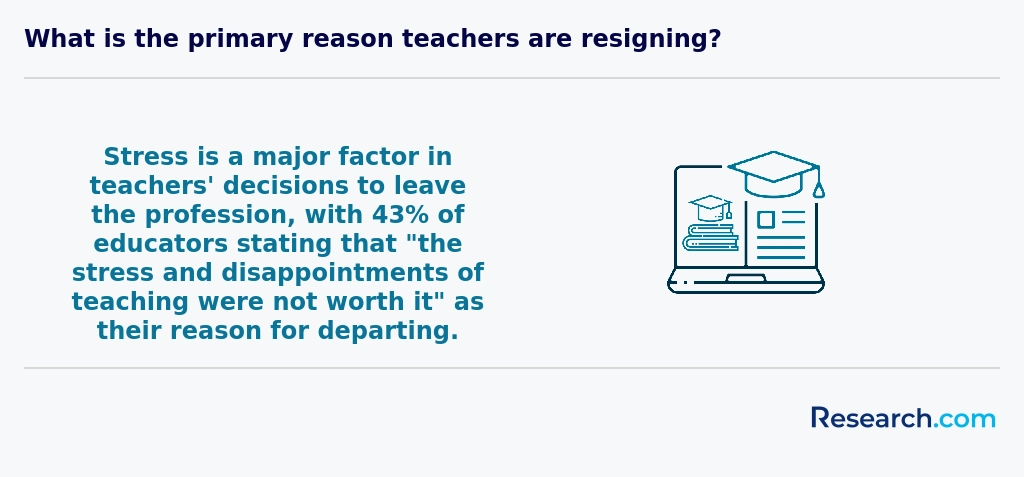
To turn your online master’s in education into a valid teaching license in the South, follow these key steps:
- Enroll in a regionally accredited, state-approved program aligned with your target state’s standards.
- Complete the required supervised practicum or student-teaching hours, either in person or through approved local partner schools.
- Pass your state’s certification exams (eg, Praxis Core & Praxis II in most Southern states; FTCE in Florida; TExES in Texas).
- Submit your application packet-including official transcripts, exam scores, fingerprint/background checks-to your state’s Department of Education.
- Fulfill ongoing professional development or renewal credit requirements to maintain active certification.
For additional fast-track options and career-boosting credentials, explore quick online degrees.
When pursuing an online education degree in the South, you'll typically engage with courses that build a strong foundation in both theory and practical skills essential for today's classrooms. Graduates from well-known Southern universities often share how courses in educational psychology helped them deeply understand student learning patterns, turning abstract concepts into meaningful strategies for supporting diverse learners.
Core classes usually include curriculum design and instructional strategies-perfect for envisioning how to create engaging lessons that resonate with your students. For instance, graduates have found themselves confidently adapting lesson plans by applying techniques learned during these courses, especially when teaching remotely or in hybrid settings.
Assessment and classroom management courses equip you to measure student progress fairly and maintain a positive learning environment, something that alumni from popular Southern colleges praise as a game-changer in their teaching careers.
Courses addressing the Southern cultural context, such as bilingual education or special education, reflect local community needs and prepare educators to truly make a difference in their regions. Leadership and policy coursework also prepares many to step into administrative roles, fostering stronger schools across the South.
When pursuing an online education degree in the South, you'll find a range of specializations designed to match the unique educational needs of the region. Graduates from popular Southern universities often highlight how specializations like Curriculum and Instruction helped them develop practical skills to enhance classroom learning, especially in diverse school districts. Others chose Educational Leadership and Administration, which prepared them to take on impactful roles managing schools and educational programs, perfectly fitting Southern states' demand for strong school leaders.
Special Education is another vital focus area that students embrace passionately, ready to support learners with disabilities and foster inclusive environments. The rise of digital tools means many also gravitate towards Educational Technology, equipping themselves to thrive in hybrid or fully remote classrooms common in Southern states. If you're curious about foundational roles, consider exploring what jobs can you get with education associate degree through this what jobs can you get with education associate degree resource.
Early Childhood Education and English as a Second Language (ESL) are also widely pursued. These options reflect the South's growing young learner populations and multilingual communities, making your education degree not only versatile but deeply connected to real-world needs. These Southern states online education program options provide a rich ground for educators passionate about making a difference.
Choosing the best online education degree in the South means focusing on what truly matters for your future. Graduates from universities like Texas A&M and the University of North Carolina often emphasize how accreditation from respected bodies ensures their degrees opened doors to fulfilling careers. You want a program recognized by employers and licensing boards, so your hard work counts where it matters most.
Think about affordability too; many find public Southern universities offer affordable online options, especially for in-state students, with tuition often ranging between $8,000 and $15,000. If cost concerns arise, exploring financial aid or scholarships is essential-some students even balance work while benefiting from employer tuition programs. For those seeking affordable online master's in education Southern states, you can also check rankings like the Inexpensive Online Education Degree Programs Ranking in Wisconsin for inspiration.
Flexibility shaped my own advice: asynchronous courses allowed busy professionals to study on their schedule without sacrificing family or job commitments. Look for programs with specializations-be it educational leadership or TESOL-that align with your passions and career goals. This real-life focus helps graduates from the South succeed with confidence and pride in their chosen paths.
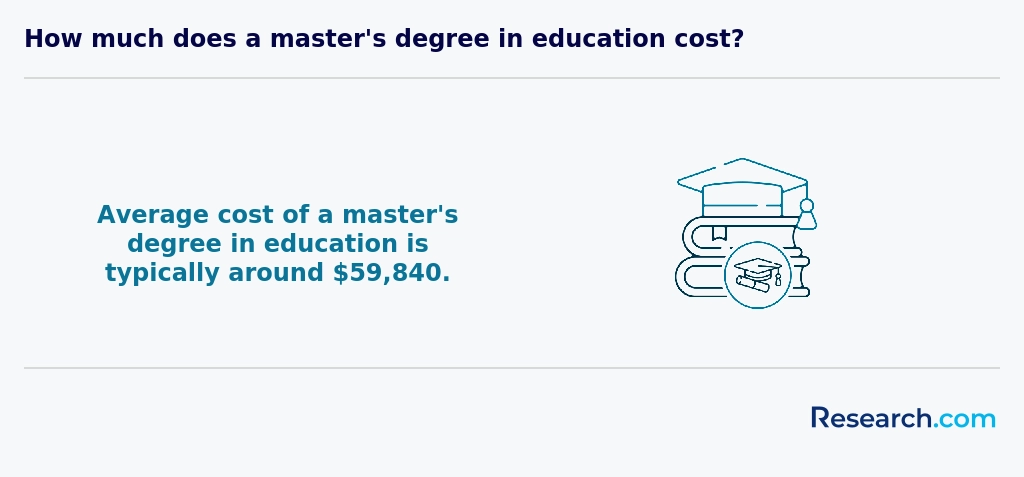
Graduates with an online education degree in the South find a variety of fulfilling career paths that match the region's demand for skilled educators. Many step confidently into teaching jobs with online education degree Southern US, filling vital roles from classroom teachers in public and private schools to instructional coordinators who shape curriculum. Imagine contributing to a rural school district supported by universities known for their robust online programs, where your leadership can boost educational access and quality.
Others pursue administrative roles like school principals or curriculum developers, roles that require both passion and expertise in educational leadership. Southern universities frequently offer online master's programs that prepare candidates for these challenges while balancing work and family life. Graduates often share how these programs opened doors to career advancement with meaningful community impact.
For those drawn to innovation, educational technology and instructional design are exciting fields fueled by the South's growing emphasis on digital learning. Students graduate ready to create online courses or training modules that transform how education is delivered. If you're exploring options, consider programs that emphasize tech skills alongside theory.
Finally, graduates build rewarding careers supporting higher education as advisors or student service coordinators, honing communication and organizational skills vital in these roles. Many find their career advancement starts with affordable, flexible online degrees-some discovering the fastest way to get an associate's degree online as a stepping stone within the education sector.
The job market for online education degree graduates in the South offers promising opportunities, especially for those ready to embrace flexible learning paths. Graduates from respected institutions like the University of Florida or Texas A&M often share how balancing work and study online helped them gain credentials without pausing their careers. This flexibility is crucial in Southern states where K-12 and higher education systems continuously seek qualified educators to meet growing enrollment and evolving certification standards.
Employment opportunities for online education graduates Southern states remain strong due to rising demand for teachers, administrators, and specialists in educational technology. Many graduates find rewarding careers in public schools across Georgia and North Carolina, benefiting from licensing policies that recognize online programs. Though salaries tend to be modest compared to national averages, the lower cost of living balances potential earnings.
For those evaluating paths, affordable online master's degrees in the South make it easier to pursue fields aligned with good career prospects. You might explore good majors that pay well to maximize your future earning potential while serving your community.
2027 Easiest Online Master's in Education Degree Programs Ranking in the South
Investing in your education is a significant decision that can shape your future, and the Research.com team fully understands the importance of making well-informed choices. To assist prospective students in the South, we have carefully developed the "2027 Easiest Online Master's in Education Degree Programs Ranking in the South." Our dedication to quality, credibility, and accuracy is demonstrated through thorough research and analysis behind this ranking. We utilized the following reputable data sources to ensure a comprehensive evaluation of the programs:
By consulting this ranking, readers will gain valuable insights into accessible and high-quality online education master's programs available in the Southern region, enabling informed decisions about their academic and professional futures. For more information on how this ranking was created, please visit our Research.com methodology page.


# 3 position
Full Sail University
Master of Instructional Design & Technology

# 4 position
University of Maryland Global Campus
Master of Distance Education and E-learning


# 11 position
University of Arkansas at Little Rock
Master of Gifted, Creative, and Talented Education

# 12 position
University of Maryland-Baltimore County
Master of Teaching English to Speakers of Other Languages (TESOL)


Frequently Asked Questions About education
Students pursuing online education degrees in the South can maximize their learning by actively engaging with course materials and participating in virtual discussions. According to the Southern Regional Education Board, Southern states have increased online enrollment by over 15% in recent years, highlighting growing opportunities for flexible learning.
Establishing a dedicated study space free from distractions supports focus and retention. Time management is critical; using planners or digital calendars helps meet assignment deadlines and balance personal commitments.
Connecting with instructors and peers through virtual office hours or study groups enhances understanding and networking within the Southern education community.
Accessing regional resources such as state licensing information ensures alignment with local education standards.
In recent years, several emerging niches within the education field have gained traction across the Southern United States. One significant area is special education, driven by increased awareness and federal support for inclusive classrooms. According to the National Center for Education Statistics, Southern states are reporting a steady rise in demand for special education teachers.
Another growing niche is educational technology. Programs focusing on digital learning tools and instructional design are expanding as schools adapt to remote and hybrid models. The Southern Regional Education Board highlights that online education programs in this sector saw enrollment growth of over 10% between 2020 and 2023.
Additionally, bilingual and multicultural education are becoming increasingly important, reflecting the region's diversifying population. Online degrees specializing in these areas prepare educators to meet evolving classroom needs effectively.
After completing an online education degree in the South, preparing for the job market requires targeted strategies. First, graduates should leverage connections with regional school districts, as roughly 40% of Southern schools prioritize candidates familiar with local standards, according to the Southern Regional Education Board. Networking through state education conferences and online professional groups can also increase job prospects.
Additionally, obtaining relevant teaching certifications recognized in Southern states is crucial. Many roles demand certifications tailored to state-specific requirements, which can be completed alongside or after the degree.
Finally, gaining classroom experience through internships or substitute teaching enhances resumes and practical skills, making candidates more competitive in Southern job markets.
Employers in the Southern United States prioritize several key skills when hiring graduates with education degrees, especially from online programs. Strong classroom management abilities are essential, as nearly 70% of Southern school districts report challenges related to student behavior, according to the Southern Regional Education Board.
Communication skills, both written and verbal, are highly valued to engage students and collaborate with parents and colleagues effectively. Additionally, cultural competency is vital, given the South's diverse student population, which includes rising numbers of English language learners.
Technological proficiency is increasingly important, particularly for graduates of online programs, as digital tools enhance teaching and learning in many Southern schools. Data-driven decision-making skills also stand out, with local districts focusing on improving student outcomes through evidence-based methods.
Finding internships in the South relevant to an education degree often begins with exploring partnerships between online programs and local school districts. Many Southern states, including Georgia and Texas, emphasize practical experience for educator candidates, requiring internships or student teaching placements.
Students should leverage university career services, which often maintain relationships with regional schools and educational nonprofits. The Southern Regional Education Board reports that over 70% of education students in the South secure internships through these channels.
Additionally, networking at local education conferences and joining professional associations like the Southern Education Association can connect students to opportunities tailored for educators.
Online students are encouraged to actively seek virtual internship options, which have grown since 2020, offering valuable experience even without geographic constraints.
An online education degree in the South can significantly enhance career mobility and advancement. Many Southern states prioritize education professionals with graduate degrees for leadership roles and salary increases. According to recent data from the Southern Regional Education Board, educators holding a master's degree often earn 15-20% more than those with only a bachelor's.
Online programs offer flexibility, allowing working professionals to upskill without relocating. This accessibility is crucial in the South's largely rural areas, where on-campus options may be limited.
Employers increasingly recognize accredited online degrees, facilitating career transitions into administration, curriculum design, and specialized instructional roles.
Studying for an education degree in the South equips students with skills for interdisciplinary roles by emphasizing collaboration across various fields. Southern universities often integrate curriculum that combines education theory with psychology, counseling, and technology, reflecting the diverse needs of modern classrooms. According to the National Center for Education Statistics, over 40% of Southern education programs include courses in special education and mental health support, preparing graduates for multiple roles.
Online degrees in the region also provide practical training through virtual simulations and community partnerships. This approach helps students apply educational strategies in health, social work, and administration contexts, fostering a versatile professional profile.
When choosing between a thesis and a non-thesis online education degree program in the South, consider your career goals and time commitment. Thesis programs often require original research and are ideal for students planning to pursue doctoral studies or careers in research and academia.
Non-thesis options typically focus on practical application and may require comprehensive exams or projects instead. These programs suit working professionals aiming to advance in educational leadership or administration.
According to the Southern Regional Education Board, over 60% of Southern states' institutions offer both formats, allowing flexibility based on student needs and schedules.
Costs and duration can also differ, with thesis paths sometimes taking longer due to research demands.
Students based in the South who seek education degrees abroad have several online options through U.S. institutions that partner with international universities or offer globally recognized programs. Many southern universities, such as the University of Florida and University of North Carolina system schools, provide joint online degrees or study-abroad opportunities that integrate global coursework. According to the Southern Regional Education Board, nearly 30% of graduate students in the South enroll in online or hybrid programs, which sometimes include international components.
These programs allow students to earn credentials recognized both in the U.S. and abroad, often emphasizing cross-cultural education practices. Students should research program accreditation and available international experiences to ensure credentials meet their career goals.
Part-time job opportunities that complement online education degrees in the South often include roles such as tutoring, teacher's aide positions, and substitute teaching. According to the Southern Regional Education Board, these roles provide practical classroom experience, which is valuable for students pursuing teaching credentials. Tutoring, especially in K-12 subjects, helps strengthen instructional skills while offering flexible schedules compatible with online study.
Substitute teaching is particularly common in southern states like Georgia and Texas, providing around $80 to $120 daily pay. It allows education students to apply pedagogical theories in real settings without full-time commitment. Teacher's aides also support classroom management and lesson preparation, enhancing hands-on knowledge.
Online education students in the South have growing networking opportunities through university-sponsored virtual events and regional professional organizations. Many Southern universities offering online education degrees create exclusive forums and virtual meetups for students to connect with peers and faculty.
The Southern Regional Education Board reports that nearly 60% of Southern universities actively promote online student engagement via webinars and discussion groups, fostering collaboration despite geographical distances.
Additionally, students can join associations like the Southern Educational Research Association, which hosts annual conferences and online workshops open to graduates and professionals in education.
Such platforms help build valuable contacts within the Southern education community, enhancing career prospects.
Alumni networks play a crucial role for online education degree students in the South by offering valuable professional connections. Many Southern universities have strong alumni bases engaged in K-12 and higher education sectors, which can help graduates find job opportunities and mentorship. According to the Southern Regional Education Board, states like Georgia and Texas have growing education sectors where networking is key.
These networks often provide access to exclusive job listings and career events tailored for education professionals. For online learners, alumni groups also combat isolation by fostering a sense of community despite geographic distance.
Moreover, alumni success stories from Southern online education programs help validate degree credibility, enhancing student motivation and confidence.
Customizing an online education degree program in the South allows students to align their studies with specific career goals. Many Southern universities offer flexible curriculums where students choose concentrations like curriculum design, special education, or educational leadership. According to the Southern Regional Education Board, over 85% of education programs in the South provide options for electives or specialization tracks tailored to local K-12 or adult education needs.
Additionally, some programs incorporate practical experiences such as virtual internships or partnerships with regional school districts. Coursework can often be adapted based on whether students aim for classroom teaching, administration, or policy roles. This flexibility makes Southern online degrees especially suitable for working professionals seeking targeted skills.
Online education students in the South often face unique challenges that can impact their academic success. Limited broadband access remains a major issue, with the Federal Communications Commission reporting that about 22% of rural residents in Southern states lack high-speed internet. This digital divide can hinder participation in interactive coursework and video lectures.
Additionally, many students balance work and family responsibilities while studying, which can increase stress and reduce available study time. According to the Southern Regional Education Board, nearly 40% of online learners in the region work full-time or more alongside their studies.
Furthermore, some students report feeling isolated due to fewer opportunities for face-to-face interaction and networking. This can affect motivation and connection to the academic community.
With an online education degree, professionals in the South can pursue a variety of recognized certifications to advance their careers. Common options include obtaining state teacher certification or licensure, which is required for K-12 public school teaching. Many Southern states participate in the Praxis exam system for this purpose, administered by the Educational Testing Service.
Additional certifications include the National Board Certification, a rigorous credential respected nationwide. For those interested in administration, certifications such as the Principal or School Superintendent licenses are available through individual states' Departments of Education.
Specialized certifications in areas like special education, ESL (English as a Second Language), or instructional coaching are also popular and often align with regional workforce demands reported by the Southern Regional Education Board.
To write a winning application for an online education program in the South, begin by clearly articulating your professional goals and how the program aligns with them. Southern universities often value applicants who demonstrate a commitment to addressing regional educational challenges, such as rural school improvement. According to the Southern Regional Education Board, emphasizing community impact can strengthen your case.
Highlight relevant experience and achievements in teaching or educational leadership. Include specific examples showing your ability to adapt to online learning, as this is crucial for distance programs. Be concise but thorough in your personal statement.
Strong letters of recommendation from supervisors or colleagues who understand your capabilities boost your application. Lastly, ensure you meet all prerequisites and maintain a competitive GPA-many Southern schools require at least a 3.0 GPA for admission to graduate education programs.
Education careers in the United States, including the South, are shaped by both national trends and global perspectives. Globally, teaching is valued as a profession that supports social and economic development. In the U.S., a strong emphasis is placed on teacher certification and advanced degrees for career advancement. According to the National Center for Education Statistics, Southern states show a steady increase in online education degree enrollment, reflecting the demand for flexible learning options.
The Organisation for Economic Co-operation and Development (OECD) highlights that countries invest heavily in professional training for educators, influencing the U.S. to improve teacher preparation programs. This supports competitiveness internationally and fosters higher-quality education outcomes at home.
In the South, states like Georgia and North Carolina have expanded online master's programs in education, making it easier for working professionals to advance their careers without relocating. These programs often align with global best practices emphasizing technology integration and cultural competency in teaching.
Gaining practical experience while earning an online education degree in the South is vital for career readiness. Many Southern universities offer virtual student teaching or practicum placements in local schools, giving hands-on classroom experience. For example, schools in Georgia and Texas often partner with online programs to provide these opportunities close to home.
Additionally, some programs include internships with educational organizations or after-school programs, which can be completed remotely or in person. According to the Southern Regional Education Board, 68% of online education students in the South reported participating in practical experiences during their studies.
Networking with local educators and joining regional teaching associations can also enhance applied skills.
Choosing the right concentration within an online education degree in the South begins with evaluating your career goals and interests. Concentrations such as curriculum design, special education, or educational leadership address different professional paths. According to the Southern Regional Education Board, demand for educational leaders in the South is expected to grow 8% through 2028, emphasizing leadership tracks. Reviewing state licensure or certification requirements is also important, as many Southern states have specific educator licensing standards. Additionally, consider program flexibility and faculty expertise, as these affect your learning experience. Researching alumni outcomes can provide insight into which concentrations yield strong regional employment opportunities.
See What Experts Have To Say About Studying Education
Read our interview with Education experts


Alan J. Singer
Education Expert
Professor of Teaching, Learning and Technology
Hofstra University

- The Secret to Getting the Most Out of Your Education https://ace.edu/blog/the-secret-to-getting-the-most-out-of-your-education/
- How to maximize your education benefits and supercharge ... https://csuglobal.edu/blog/how-maximize-your-education-benefits-and-supercharge-your-career
- South University's Online Programs https://www.southuniversity.edu/online
- Guide to Online Education Degrees https://www.oedb.org/rankings/online-education-programs/
- Accredited Online Courses & Programs https://www.mancosa.co.za/online-courses/
- Average Cost of Online College [2026]: Yearly Tuition + Fees https://educationdata.org/average-cost-of-online-college
- Online Undergraduate Degrees & Certificates https://www.columbiasc.edu/academics/online-undergraduate-degrees-certificates
- 2026 Most Affordable Online Bachelor's Degrees https://www.onlineu.com/most-affordable-colleges/bachelors-degrees
- 7 ways to improve the quality of education in the U.S. https://standtogether.org/stories/education/ways-to-improve-the-quality-of-education-in-the-us
- Engaging Students in Meaningful Learning Experiences https://www.facultyfocus.com/articles/effective-teaching-strategies/engaging-students-in-meaningful-learning-experiences/


