
2027 Most Affordable Education Degree Programs Ranking in Florida

Co-Founder and Chief Data Scientist
Choosing the right education degree program in Florida can feel overwhelming. To help, the Research.com team of data scientists created the 2027 Most Affordable Education Degree Programs Ranking in Florida. This ranking offers clear insights into the best value programs available.
By exploring this article, you'll discover programs that fit your budget without sacrificing quality. Earning an education degree opens doors to rewarding careers and makes a positive impact on communities.
Whether you're starting fresh or advancing your career, this guide makes your decision easier and more confident.
Key benefits of getting education degree in Florida
- Education degree graduates in Florida can expect competitive salaries, such as a Special Education Teacher earning around $76,000 annually and an Instructional Designer making about $77,200 per year, offering financial stability and rewarding careers.
- Graduates from Florida universities often find diverse career paths in teaching, curriculum design, and educational technology, allowing them to positively impact students at various levels and settings.
- Completing an education degree online through a reputable Florida university provides flexible scheduling and personalized learning, making it easier for busy adults to advance their careers without disrupting their lives.
- 2027 Most Affordable Education Degree Programs Ranking in Florida
- What can I expect from education degree in Florida?
- Where can I work with education degree in Florida?
What can I expect from education degree in Florida?
The average cost of pursuing an education degree in Florida typically centers around $6,400 per year for in-state students attending public universities. Graduates from institutions like the University of Florida or Florida State University often share how this affordability eases financial stress, allowing them to focus keenly on their studies and practical teaching experiences. Many find the balance of cost and quality especially rewarding, knowing their investment supports both their education and future career.
With scholarships like the Florida Bright Futures Scholarship, aspiring teachers experience real hope as they see a more manageable path toward earning their degree. This financial accessibility empowers students to engage deeply in internships and student teaching placements, critical components that bring classroom theory to life.
As more programs blend traditional and online courses, education students in Florida can imagine a future where flexible learning fits their busy lives, all while benefiting from cost structures designed to keep teaching careers within reach.
Where can I work with education degree in Florida?
With an education degree in Florida, graduates often find themselves stepping into classrooms across the state's vast K-12 public school system, inspired by stories of peers from the University of Florida or Florida State University who have turned their passion for teaching into thriving careers. The demand for qualified teachers remains strong, especially as Florida's enrollment grows, offering a stable and rewarding pathway.
Many graduates also branch into specialized roles-like special education or ESL instruction-where they make a tangible difference for diverse learners, echoing experiences shared by those trained at the University of Central Florida. Early childhood education is another vibrant field, with alumni from institutions like the University of South Florida leading innovative programs in preschools and Head Start centers.
Beyond teaching, education degree holders often thrive in administrative positions, curriculum development, and community outreach initiatives. Florida's expanding population fuels the need for skilled professionals in workforce training and adult education, enabling graduates to shape education beyond traditional classrooms and feel the unique gratification of fostering lifelong learning in their communities.
Graduates with an education degree in Florida can expect a range of salaries depending on their chosen path. Elementary school teachers in Florida, for example, often start around the state's median of $52,000, but nationally the mean annual wage reaches approximately $70,740, signaling strong potential growth as experience and credentials increase. Special education teachers nationally earn about $76,000, reflecting the specialized skills in high demand across districts.
Those pursuing roles like instructional designers, a growing area blending education with technology, can see mean salaries around $77,200, offering exciting opportunities particularly for Florida graduates from colleges embracing innovative teaching methods. Graduates focusing on early childhood education may earn around $41,410 nationally, which can grow with experience in Florida's expanding programs.
Florida-based education students often share how advanced degrees or certification boosts provide financial and professional rewards, enabling a jump into higher-paying roles such as curriculum specialists or educational consultants. Popular universities here foster community connections helping graduates tap into higher-paying urban districts like Miami or Orlando, where demand and salaries tend to be greater.
- In-state tuition for undergraduate education degrees at public universities in Florida averages about $6,400 per year.
- Private institutions typically charge more than $20,000 annually for education programs.
- Education graduates in Florida start with an average salary of $40,000 to $45,000 per year.
- Experienced teachers earn between $50,000 and $60,000 annually, with higher salaries in urban areas like Miami-Dade and Palm Beach County.
- There is strong demand for teachers in subjects such as mathematics, science, and special education across the state.
- Florida offers scholarships like the Benacquisto Scholarship for graduate students and the Bright Futures Scholarship for undergraduates to help with tuition costs.
Completing an education degree in Florida usually takes timeframes that align with students' goals and life situations. Graduates from the University of Florida often share how a four-year bachelor's degree felt manageable when balancing campus life and part-time work, making the journey both exciting and rewarding. Similarly, those at Florida State University pursuing a master's degree appreciate programs offering one to two years of flexible, often accelerated study, enabling them to advance their careers without long delays.
Imagine attending a community college in Miami, completing a two-year associate degree while staying close to family. Many students find this path empowering and practical, especially paired with in-state tuition that eases financial burdens. For doctoral candidates, spending four to six years beyond a master's might sound daunting, but hearing from graduates who have successfully balanced research and dissertation milestones inspires hope. Florida's education programs are evolving, with some alternative certification routes now shrinking timelines to as little as 12 to 18 months, helping future educators enter their classrooms faster and with confidence.
Florida’s education landscape is being shaped by digital learning, student support needs, workforce training, and demand for specialized educators. Graduates who understand both pedagogy and technology may be better positioned for roles in classrooms, online learning, curriculum design, tutoring programs, and education administration.
One major trend is the continued use of digital tools in instruction. Teachers are expected to manage learning platforms, use student data responsibly, adapt lessons for varied learning needs, and communicate with families through online systems. This does not replace core teaching skills; it raises the value of programs that combine classroom management, assessment, instructional design, and educational technology.
Another trend is the expansion of flexible professional development. Working educators often need credentials that can be completed without leaving their jobs. Online and hybrid study options make it easier to add endorsements, pursue graduate study, or move toward leadership. Students considering adjacent fields can also compare options such as the Most Affordable Online Masters Degrees in Library Science, which reflects the broader demand for accessible graduate education delivered online.
High-opportunity areas include special education, STEM education, ESL, instructional design, curriculum development, and student support services. Students should choose programs that make these pathways explicit through concentrations, practica, certifications, or career advising rather than relying on a general education curriculum alone.
Graduates from on-campus programs at Florida State University often describe the energizing atmosphere of face-to-face classes, where spontaneous questions and immediate feedback create a dynamic learning environment. Access to libraries and labs enriches their practical skills, especially during hands-on practicum sessions required for certification. This real-time engagement fosters strong peer connections and a sense of community that many find motivating throughout their education journey.
Conversely, graduates from the University of Central Florida's online education degrees cherish the flexibility to balance work, family, and studies without relocating. Video lectures and virtual classrooms offer convenience, while discussion forums provide lasting peer interaction beyond scheduled class hours. Many appreciate how online programs accommodate their pace and lifestyle while still meeting Florida's rigorous internship requirements close to home.
In Florida, choosing between online and on-campus formats often hinges on preferred learning styles, daily commitments, and the desire for direct social interaction versus flexible accessibility. Both paths promise quality education but cater to distinct student needs and experiences in today's evolving educational landscape.
Another way to calculate ROI is to compare the full cost of attendance with likely wages after graduation. On average, the total cost of attendance at a public four-year university for in-state students is approximately $108,584 over four years. With entry-level teacher salaries starting near $45,000 and median wages climbing to $63,130 for ESL teachers or $73,080 for instructional designers, many graduates recoup their investment within five to seven years of full-time employment.
Program format can change that timeline. Choosing an online or hybrid program can reduce living expenses and transportation costs by up to 25%. Accelerated three-year tracks offered by select institutions can also shorten time to graduation, allowing students to begin earning sooner.
Specialized credentials may strengthen long-term ROI. TESOL endorsements or instructional design credentials can boost salaries by 10–15%. Alumni reports indicate that graduates who pursue leadership roles or district-level positions often see their annual income increase by 20–30% within five years.
Students comparing online options outside the state may want to review the Low Cost Online Education Degree Programs Ranking in Flagstaff, AZ, especially if tuition savings and faster completion are priorities.
The average cost of a education degree in Florida currently centers around $10,944 for in-state students, reflecting a more affordable path compared to many other states. Many graduates from public institutions like the University of Florida or Florida State University recall the accessibility of tuition, which allowed them to focus on gaining practical classroom experience without overwhelming financial stress. These tuition costs mainly cover essentials, while additional expenses like textbooks and certification fees add to the total investment in an education career.
Understanding the total tuition and fees for education degrees Florida requires considering both undergraduate and graduate levels. For example, graduate students at the University of Central Florida often reflect on tuition fees around $7,200 yearly, though specialized programs can cost more. This variation leads prospective students to carefully weigh their program choices against long-term career goals. As education continues evolving, emerging online formats may further reduce costs and increase access, making education degrees more attainable across the state and beyond.
Many students highlight the value of exploring affordable online education programs in Florida that offer flexibility and potential savings. These programs are becoming increasingly popular, especially for those balancing school with work or family, providing pathways that meet both financial and logistical needs while preparing them for impactful careers in education.

An education degree in Florida can lead to classroom teaching, school support roles, educational leadership, training, curriculum development, and technology-focused positions. For many students, the degree is also the required academic foundation for pursuing teacher certification in the state.
Florida is a practical place to study education because students can choose among large public universities, regional institutions, private colleges, community college transfer pathways, and online programs. That range matters: a recent high school graduate may want a traditional campus experience with student teaching placements, while a working adult may need evening, hybrid, or fully online coursework.
Before choosing a program, confirm whether it is designed for initial teacher licensure, career advancement, or a non-licensure education role. A program in educational studies, instructional design, or leadership may be valuable, but it may not automatically qualify you for classroom certification. If flexibility and price are top priorities, compare affordable online education programs in Florida alongside campus-based options.
- Best fit for aspiring teachers: Programs with approved teacher preparation, supervised fieldwork, and strong FTCE preparation.
- Best fit for working adults: Online or hybrid programs with part-time pacing and local field placement support.
- Best fit for career advancement: Graduate or endorsement-focused programs aligned with leadership, special education, ESL, or instructional technology goals.
Students pursuing education degrees in Florida often rely on a mix of federal aid, state scholarships, and university-specific funding to lighten their financial load. Federal options like Pell Grants and work-study programs offer essential support, making it possible for many to attend universities such as the University of Florida or Florida State University without overwhelming debt. Graduates recall how Pell Grants, which can reach up to $7,395 annually, provided vital relief during challenging years.
State scholarships continue shaping hopeful educators, with programs like the Florida Teacher Scholarship awarding up to $3,000 yearly for those committed to teaching in public schools. Many students at Florida's major public institutions describe feeling motivated knowing such funding exists to reward their dedication. Bright Futures Scholarships, based on merit, also help reduce tuition costs, allowing some to focus more fully on classroom experience rather than financial worries.
In emerging trends, universities often pair scholarships with assistantships or stipends for research and internships, creating vibrant learning environments intertwined with financial support. Current students share excitement about employer tuition reimbursement programs, especially those already working in education-related fields, envisioning a future where this aid expands further. Completing FAFSA early remains a shared strategy among Florida education students, unlocking a range of grants, loans, and forgiveness options tied to service in underserved communities.
ROI is strongest when the degree cost is controlled and the graduate enters a role with clear demand. For Florida education students, the key comparison is not just tuition versus salary; it is total cost of attendance, time to completion, licensure readiness, and access to higher-need or higher-paying roles.
| ROI factor | Figures to consider | What it means for students |
| Total cost of attendance | In-state bachelor’s degree: ~$108,584 over four years; out-of-state bachelor’s degree: ~$182,832 over four years | Residency status can substantially affect the break-even point. |
| Average salary examples | ESL Teachers $63,130; Early Childhood Educators $38,640; Instructional Designers $73,080 | Career specialization can change earning potential more than the degree title alone. |
| Estimated payback period | ESL Teachers: approximately 1.7 years for in-state graduates; Early Childhood Educators: about 2.8 years; Instructional Designers: roughly 1.5 years | These estimates are most useful when compared with borrowing, living costs, and actual job offers. |
| Long-term growth | Median educator salaries in Florida increase by 3–5% annually with experience and advanced certifications; specialized roles can boost earnings by 10–20% | Endorsements and leadership pathways may improve lifetime value. |
Florida can offer a strong ROI for students who choose affordable programs and align their training with high-need fields. To compare another low-cost online market, review the Low Cost Online Education Degree Programs Ranking in Flagstaff, AZ.
To enroll in an education degree program in Florida, prospective students typically need a high school diploma or equivalent, like a GED, ensuring they're ready for college-level challenges. Many graduates from universities such as the University of Central Florida recall how submitting SAT or ACT scores played a key role in their application, even if some programs have become test-optional since 2020. This balance allows students to showcase their strengths beyond grades alone.
Official transcripts are essential, offering a clear picture of prior academic performance. At Florida State University, education students often share how their previous coursework, especially in psychology or sociology, helped them meet prerequisite requirements for specialized fields like special education.
Hands-on experience remains vital. Many programs encourage or require volunteer hours in local schools, giving students a tangible feel for teaching before they even begin their formal studies. This involvement often sparks excitement and solidifies their commitment to education, making the journey more rewarding and real.
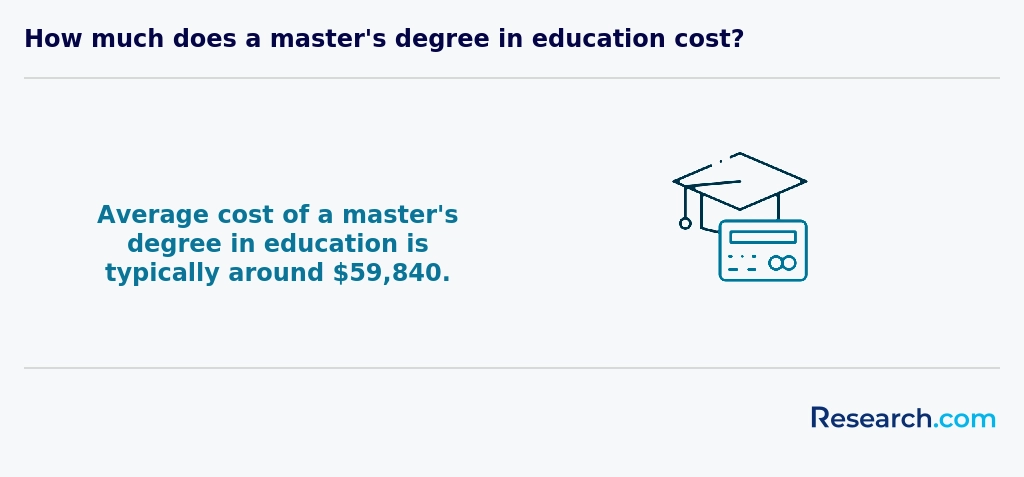
Return on investment for an education degree depends on how much you pay, how long you take to finish, whether you borrow, and which education role you enter after graduation. On average, in-state tuition at a public four-year university totals around $39,000 over four years, while the median starting salary for Florida-based teachers hovers near $47,000. Based on those figures, a rough tuition-only payback period may be about three to four years, depending on living expenses, loan interest, and whether the graduate works full time.
Students can improve ROI by lowering the upfront cost of the degree. Common strategies include using scholarships, work-study, transfer credits, and accelerated program tracks. In-district community college pathways can reduce the cost of general education credits by up to 60% before transferring to a bachelor’s program. For students who need to keep earning while enrolled, online formats may also reduce opportunity costs.
ROI also varies by career path. Certification bonuses, district relocation incentives, and work in high-need regions may add an extra 5–10% to overall earnings. Graduates who move into specialized roles such as instructional design or educational leadership can boost median salaries to $73,000 or more, reducing the effective payback period to under three years.
It can be useful to compare Florida with other markets before deciding where to enroll or work. For example, the Low Cost Online Education Degree Programs Ranking in Flagstaff, AZ can help students see how tuition and salary differences affect ROI in another region.
Students pursuing education degrees in Florida typically engage with courses that lay a strong foundation in both theory and practice. Graduates from institutions like the University of Florida or Florida State University often recall how courses such as Introduction to Education, Educational Psychology, and Classroom Management prepared them for real-world challenges in diverse classrooms.
Many describe hands-on experiences where they applied instructional methods learned in class, such as teaching English Language Learners or managing classroom behavior effectively. Courses on Educational Technology are increasingly vital, reflecting Florida's push for integrating digital tools into everyday teaching. For example, one graduate shared how mastering these technologies made their early student-teaching assignments more engaging and dynamic.
Specialty courses tailored to early childhood or special education help personalize the learning journey, ensuring students feel confident meeting varied student needs. Electives in educational leadership and administration add another layer, opening pathways beyond classroom instruction.
The focus on Florida-specific educational law, ethics, and preparation for the Florida Teacher Certification Examinations (FTCE) gives students a sense of readiness and optimism about their future careers in the state's vibrant education system.
Education degree specializations in Florida are evolving to meet future demands with flexibility and innovation. Graduates from popular universities across Florida often share how Elementary Education remains a core path, preparing them for vibrant classrooms that reflect the state's cultural diversity and growth, especially in urban hubs like Miami and Tampa. Meanwhile, Secondary Education specializations are expanding beyond traditional subjects, integrating technology and interdisciplinary approaches that excite students passionate about teaching science or social studies in dynamic high schools.
Special Education continues to grow, with graduates expressing fulfillment in addressing unique learning needs using cutting-edge inclusive methods tailored by Florida's increasing support for diverse learners. Florida teaching degree program options also highlight emerging trends like Early Childhood Education, championed at colleges embracing hands-on community engagement from birth through grade 3, nurturing developmental milestones crucial for young children's futures.
Leadership-focused tracks inspire students aiming to transform schools into thriving institutions, equipped to handle evolving challenges. Many students also explore supplemental certifications or programs, such as those outlined in Most Affordable Online Masters Degrees in Library Science, complementing their expertise and broadening career possibilities.
Choosing the best education degree in Florida 2027 involves focusing on programs that blend strong state certification alignment with flexible, affordable learning options. Graduates from institutions like the University of Florida often share how online and hybrid formats allowed them to balance work and study effectively, enhancing their confidence to enter classrooms equipped for tomorrow's challenges. Programs accredited by CAEP not only boost eligibility for Florida teacher certification but also tend to offer updated curriculum reflecting emerging educational technologies and diversity inclusion strategies.
Financial aspects remain crucial when pursuing affordable education degree programs in Florida. Many students highlight scholarships like the Rosewood Family Scholarship as game-changers, reducing debt and stress. Exploring institutions that emphasize graduation outcomes-such as high licensure exam pass rates and strong employment connections-can make a significant difference in career launch. For those seeking cost-effective, quality pathways, checking out the Low Cost Online Education Degree Programs Ranking in Flagstaff, AZ can inspire ideas on balancing value and flexibility within and beyond Florida's offerings.
Graduates with an education degree in Florida find diverse and evolving opportunities. Many pursue teaching roles in K-12 schools across the state, especially in high-demand subjects like math and special education, meeting the critical need fueled by increasing student enrollment. For instance, recent graduates from prominent institutions such as the University of Florida share how hands-on practicum experiences prepared them to confidently enter classrooms serving diverse communities.
Others branch into roles like curriculum development or educational administration, where they influence school policies and learning programs. Colleges known for their education programs often encourage leadership skills, allowing graduates to envision themselves as future principals or district administrators. The expanding field of special education also offers meaningful career options, driven by Florida's commitment to inclusive learning for over 350,000 students.
Students often find paths in educational counseling or instructional coordination, helping teachers refine techniques or supporting students' academic growth. Many Florida education degree job opportunities in Florida also include flexible options like accelerated bachelors degrees, appealing to those eager to fast-track their careers while adapting to evolving educational needs.
The job market for education degree jobs in Florida is expanding steadily, driven by population growth and a rising demand for qualified teachers across public and charter schools. Graduates from well-regarded institutions in the state often find rewarding roles teaching STEM subjects or bilingual education, which are currently high-demand areas. Recent education graduates from popular Florida colleges frequently share how accessible local certification programs and mentorship initiatives helped them transition confidently into public school roles, particularly in science and math, where shortages persist.
Florida teaching career opportunities also extend beyond classroom positions. Many education degree holders explore administrative and counseling roles within school districts, enhancing their career paths with advanced degrees or certifications. Tuition at Florida's public universities remains affordable, making it appealing for students to pursue further studies or easiest masters degrees online that can boost their credentials and salary prospects.
2027 Most Affordable Education Degree Programs Ranking in Florida
Investing in your education is a significant decision that can shape your future, and the Research.com team understands the importance of making informed choices. To support prospective students in Florida, we have carefully developed the "2027 Most Affordable Education Degree Programs Ranking in Florida." Our dedication to quality, credibility, and accuracy is demonstrated through detailed research and rigorous analysis conducted for this ranking.
We utilized the following reputable data sources to ensure a comprehensive evaluation of education degree programs:
By reviewing this ranking, readers will gain valuable insights into the most affordable education degree programs in Florida, empowering them to make well-informed educational choices. For more information on how this ranking was created, please visit our Research.com methodology page.
# 1 position
Chipola College
Bachelor of Science in Education

# 2 position
Doral College
Bachelor of Science in Education



# 9 position
University of Florida-Online
Bachelor of Science in Education

# 10 position
Hobe Sound Bible College
Bachelor of Science in Education

# 11 position
South Florida State College
Bachelor of Science in Education


# 15 position
Florida State College at Jacksonville
Bachelor of Science in Education

# 16 position
Santa Fe College
Bachelor of Science in Education


# 18 position
Indian River State College
Bachelor of Science in Education


Frequently Asked Questions About education
Education degree students in Florida can maximize their learning experience by actively engaging with both academic and practical opportunities. Florida universities often emphasize field experiences, including student teaching in diverse K-12 settings, which helps students apply theory to real classrooms. According to the Florida Department of Education, participating in these hands-on experiences significantly improves teaching readiness.
Students should also take advantage of available resources like tutoring centers, advising, and professional development workshops offered by many Florida institutions. Networking with faculty and peers enhances understanding and opens doors for internships.
Additionally, leveraging technology and online learning tools helps maintain flexibility and accessibility. Staying informed about Florida's educator certification requirements ensures students meet all benchmarks timely.
The education field in Florida is evolving with several emerging niches gaining attention. One significant area is educational technology, driven by the increased use of digital tools in classrooms. Florida schools are investing in tech integration, creating demand for specialists in educational software and instructional design. According to the Florida Department of Education, over 65% of public schools have implemented one-to-one device programs, highlighting this growth.
Another growing niche is special education, especially programs supporting students with dyslexia and autism. Florida's IDEA (Individuals with Disabilities Education Act) data shows increased enrollment in specialized intervention training.
Additionally, bilingual education and English Language Learner (ELL) support have expanded as Florida's diverse population grows. Teachers with expertise in dual language instruction are highly sought after.
After completing an education degree in Florida, preparing for the job market involves several strategic steps. First, obtaining Florida teacher certification is essential for public school employment. Candidates must pass the Florida Teacher Certification Examinations and complete a background check, as required by the Florida Department of Education.
Networking plays a significant role. Joining professional organizations like the Florida Education Association can provide valuable connections and job leads. Additionally, gaining practical experience through internships or substitute teaching boosts a resume and skills.
Staying informed about Florida's education trends and salary data, such as the average teacher salary of approximately $53,000 in 2023 (Bureau of Labor Statistics), helps in setting realistic career goals.
Employers hiring education degree graduates in Florida prioritize strong communication and classroom management skills. According to the Florida Department of Education, effective verbal and written communication is essential for engaging diverse student populations. Graduates must also demonstrate adaptability to integrate technology in classrooms, reflecting the state's increasing investment in digital learning tools.
Critical thinking and problem-solving abilities are highly valued, allowing teachers to tailor lessons and address student needs. The Florida Center for Educational Leadership highlights collaboration skills as key, since working with parents, peers, and administrators supports better student outcomes. Data-driven instruction is another top competency, as Florida schools use assessment results to improve teaching strategies.
Finding internships in Florida relevant to an education degree involves leveraging resources from universities, school districts, and statewide organizations. Many public universities, like the University of Florida and Florida State University, have dedicated career services that connect students with internship opportunities in local schools and educational programs. The Florida Department of Education also supports internship placement through partnerships with local school districts.
Students should explore the Florida Education Directory, which lists school districts and contacts for internship programs across the state. According to the National Center for Education Statistics, Florida has over 2.7 million K-12 students, offering diverse internship settings.
Additionally, internships often require background checks and compliance with state teaching certification guidelines. Early application and networking with educators can improve chances of placement.
In Florida, earning an education degree significantly enhances career mobility within the state's growing school systems. According to the Florida Department of Education, teachers with a bachelor's or higher are often eligible for better-paying positions and leadership roles such as curriculum coordinators or instructional coaches. The state's emphasis on professional development means degree holders frequently access advanced licensure and endorsements, which expand job opportunities.
Data from the National Center for Education Statistics shows that Florida's teacher workforce with education degrees experiences lower unemployment rates than those without. This formal training provides specialized skills that align with state teaching standards, supporting career advancement.
Studying for an education degree in Florida offers strong preparation for interdisciplinary roles by integrating diverse fields such as psychology, technology, and sociology into the curriculum. Many Florida universities emphasize collaborative learning, critical thinking, and adaptable teaching methods.
According to the Florida Department of Education, programs often include coursework on educational psychology, digital tools, and community engagement, equipping graduates to work across sectors. Additionally, Florida ranks among the top states receiving federal grants for innovative education initiatives, which enhances practical opportunities for students.
This interdisciplinary training helps graduates become versatile educators ready to address complex challenges in various educational environments.
When choosing between a thesis and a non-thesis education degree program in Florida, students should consider their career goals and learning preferences. Thesis programs typically require original research and a formal written document, ideal for those interested in academic or research careers.
Non-thesis options usually emphasize coursework and practical experience, appealing to professionals aiming to advance in teaching or administration without the rigors of research.
Florida universities like the University of Florida and Florida State University offer both options, with tuition varying accordingly.
According to the Florida Board of Governors, about 40% of education master's students choose non-thesis tracks, reflecting the state's strong emphasis on applied learning.
Florida students seeking education degrees with international experience have several options through study abroad programs offered by public and private universities. The State University System of Florida, including institutions like the University of Florida and Florida State University, provides partnerships with universities overseas, especially in Europe and Latin America. These programs typically last from a few weeks to a semester and allow coursework that counts toward education degree requirements.
According to the Florida Department of Education, more than 10% of education majors participate in study abroad or exchange programs to enhance cultural competence and global teaching skills. Additionally, scholarships specific to Florida education students are often available to help cover costs.
In Florida, students pursuing education degrees can benefit from part-time jobs that provide practical experience and enhance their resumes. Common roles include teacher aides, substitute teachers, and tutoring providers. According to the Florida Department of Education, these positions often offer flexible schedules that fit around class times. Working as a teacher aide, for example, helps develop classroom management skills, an essential asset for future educators.
Florida's demand for qualified tutors is growing, especially in subjects like math and reading. This trend is supported by state initiatives to improve student performance. Substitute teaching is another option, offering real-world exposure to different grade levels and school environments.
Such roles not only support financial needs but also ensure hands-on learning aligned with education degree coursework, making them valuable for any student in Florida's educational system.
Education students in Florida have numerous networking opportunities through institutions, professional organizations, and state events. Many universities such as the University of Florida and Florida State University offer education majors access to student chapters of national organizations like the Council for Exceptional Children and the American Educational Research Association. These groups host conferences, workshops, and seminars encouraging connections with peers and experienced educators.
Additionally, the Florida Education Association (FEA) provides statewide events and mentorship programs that help students build relationships with practicing teachers and administrators. According to FEA data, participation in networking activities improves job placement rates for education graduates in Florida public schools.
Internships arranged by Florida colleges often place students in local school districts, promoting professional contacts early in their careers. Such real-world experience is crucial as Florida's education sector continues to expand with increasing student enrollment witnessed since 2020, according to the Florida Department of Education.
Alumni networks provide education degree students in Florida valuable connections that can enhance their academic and professional journey. These networks often offer mentorship opportunities, linking current students with experienced graduates who understand the state's education landscape. According to the Florida Department of Education, schools with active alumni communities report higher job placement rates for graduates entering teaching professions.
Networking events organized by alumni associations can lead to internships and employment in Florida's public and private school systems. Such connections are vital in a competitive job market. Additionally, alumni networks often share resources on continuing education and certification updates that align with Florida's requirements.
Florida offers flexible education degree programs that allow students to tailor their studies to specific career goals. Many universities provide specializations such as early childhood education, special education, or educational leadership. Students can choose elective courses that align with their interests or target certifications, like ESOL (English to Speakers of Other Languages), that enhance employability.
Online and hybrid formats are available at institutions like the University of Florida and Florida State University, helping students balance work and study. According to the Florida Department of Education, specialized credentials often lead to higher starting salaries and better job placement rates in the state's diverse school districts.
Education students in Florida face several common challenges during their degree programs. One significant issue is managing the rigorous coursework alongside required field experiences and student teaching placements, which demand extensive time and commitment.
Additionally, Florida's education system requires future teachers to pass the Florida Teacher Certification Examinations (FTCE), which can be stressful and require focused preparation. According to the Florida Department of Education, the pass rates vary by subject, making test readiness a key concern for many students.
Financial constraints also impact education students, as some programs may not offer extensive scholarship opportunities. Balancing work, study, and practical experience is a frequent difficulty reported in surveys by the National Center for Education Statistics (NCES).
Finally, adapting to diverse classroom environments and the state's evolving educational standards adds complexity to student teaching experiences in Florida.
With an education degree in Florida, graduates can pursue several professional certifications to advance their careers. The most common is the Florida Professional Educator Certificate, which allows you to teach in public schools across the state. This certification requires passing the Florida Teacher Certification Examinations (FTCE), which include subject area and general knowledge tests.
Beyond initial certification, educators may seek endorsements such as Reading, ESOL (English for Speakers of Other Languages), or Special Education, broadening their expertise and job prospects. Additional certifications like Educational Leadership can lead to roles in administration or curriculum development.
According to the Florida Department of Education, earning these certifications can increase job opportunities in a state with over 2.8 million public school students, emphasizing the demand for qualified educators.
To write a winning application for an education program in Florida, start by carefully reviewing the admission requirements on each university's website, as criteria can vary. Most Florida institutions require official transcripts demonstrating completion of prerequisite courses and a minimum GPA, often around 2.5 to 3.0. Florida's State University System schools also consider standardized test scores, though many have become test-optional.
Highlight relevant experience, such as volunteer work or internships in educational settings, to show commitment. Craft a clear, concise personal statement explaining your motivation and career goals in education. Florida's Department of Education emphasizes the value of practical experience and a strong academic foundation in applicant selection.
Letters of recommendation from professors or employers familiar with your abilities are essential. Finally, ensure all materials are submitted before deadlines, which typically fall between December and March for fall admissions, depending on the school. According to the Florida Board of Governors, thorough and timely applications significantly increase chances of acceptance.
Education careers are increasingly valued worldwide, with a growing focus on culturally responsive teaching and global competence. In the United States, including Florida, teachers are encouraged to prepare students for a connected world. According to the National Center for Education Statistics, Florida had over 221,000 public school teachers in 2022, highlighting the state's significant investment in education.
Global perspectives emphasize skills such as critical thinking, digital literacy, and inclusivity. Florida's education programs often integrate these themes to align with international standards, given the state's diverse population and its role as a hub for multicultural exchange.
Overall, pursuing an education degree in Florida offers the chance to engage with global trends while serving local community needs.
Gaining practical experience while pursuing an education degree in Florida is essential for success. Most Florida universities incorporate student teaching as a key requirement, offering hands-on classroom experience. According to the Florida Department of Education, student teaching placements typically last 12 to 16 weeks, allowing candidates to apply theory in real school settings.
Additionally, many programs encourage internships and volunteer opportunities in local schools or educational organizations. These experiences enhance classroom management and instructional skills.
Florida also supports alternative pathways like the Educator Preparation Institutes, which combine coursework with guided classroom practica to prepare students quickly and effectively.
Choosing the right concentration within an education degree program in Florida involves assessing your career goals and interests in teaching or education-related fields. Common concentrations include elementary education, special education, secondary education, and educational leadership. According to the Florida Department of Education, demand for special education teachers is expected to grow by 10% over the next decade, suggesting strong job prospects in that area.
Research programs to ensure alignment with Florida's teaching certification requirements, which vary by concentration. Many universities offer guidance on licensure pathways tied to their concentrations. Consider also internships and classroom experience opportunities within the program to prepare for real-world teaching environments.
- 2027 Most Affordable Online Education Degree Programs Ranking in Georgia
- 2027 Most Affordable Online Education Degree Programs Ranking in South Carolina
- 2027 Most Affordable Online Education Degree Programs Ranking in Mississippi
- 2027 Most Affordable Online Education Degree Programs Ranking in North Carolina
- 2027 Most Affordable Online Education Degree Programs Ranking in Kentucky
- 2027 Most Affordable Online Education Degree Programs Ranking in Virginia
- 2027 Most Affordable Online Education Degree Programs Ranking in Missouri
- 2027 Most Affordable Online Education Degree Programs Ranking in Indiana
- 2027 Most Affordable Online Education Degree Programs Ranking in Ohio
- 2027 Most Affordable Online Education Degree Programs Ranking in Illinois
See What Experts Have To Say About Studying Education
Read our interview with Education experts

Alan J. Singer
Education Expert
Professor of Teaching, Learning and Technology
Hofstra University


- Top 10 Effective Networking Tips for Students https://www.unfc.ca/blog/networking-tips-for-students
- The 8 challenges of education in a changing world https://casvitrescantos.com/en/the-8-challenges-of-education-in-a-changing-world/
- The 10 Highest Paying Jobs With a Teaching Degree [Quiz] https://www.umassglobal.edu/blog-news/highest-paying-jobs-with-a-teaching-degree
- Florida Financial Aid | College Fair Guide https://www.collegefairguide.com/state-financial-aid/florida-financial-aid
- Education Study Abroad | CIEE https://www.ciee.org/go-abroad/college-study-abroad/programs/subjects-disciplines/education-study-abroad
- Average Cost of College by State [2025]: Tuition + Fees https://educationdata.org/average-cost-of-college-by-state
- Is a thesis always mandatory in a master's degree program? - EFMU: The Euler-Franeker Memorial University and Institute https://euler.euclid.int/is-a-thesis-always-mandatory-in-masters-degree-program/
- Education Technology Trends to Watch in 2065: 10 Innovations Shaping the Future of Learning https://www.digitallearninginstitute.com/blog/education-technology-trends-to-watch-in-2026
- MONPERATOTO Jati Diri Situs Togel Online Resmi Bersama Agen Toto Togel 4D Terpercaya https://writerslife.org/educational-markets/
- International teaching and education jobs https://www.tes.com/jobs/search/international


