
2027 Most Popular Education Degree Programs Ranking in Virginia

Co-Founder and Chief Data Scientist
Choosing the right education degree program can feel overwhelming, especially with so many options available in Virginia. That's why this article presents the 2027 Most Popular Education Degree Programs Ranking in Virginia, created by the Research.com team of data scientists. Our goal is to help you make an informed choice based on real data and current trends.
Whether you're just starting or considering advancing your career, exploring these programs can open doors to fulfilling opportunities. A degree in education offers personal growth and the chance to make a meaningful impact in your community.
Key benefits of getting education degree in Virginia
- Graduates with education degrees in Virginia can expect rewarding salaries, such as $70,740 annually for elementary school teachers and $76,000 for special education teachers, reflecting strong financial stability in teaching careers.
- A degree from a Virginia university opens doors to diverse roles, including early childhood educator or instructional designer, allowing graduates to find a fulfilling career path that suits their passions and skills.
- Online education degrees from respected Virginia institutions offer flexible schedules and the chance to learn at your own pace, making it easier to balance life and studies while still earning a valuable credential.
- 2027 Most Popular Education Degree Programs Ranking in Virginia
- What can I expect from education degree in Virginia?
- Where can I work with education degree in Virginia?
What can I expect from education degree in Virginia?
When it comes to the cost of an education degree in Virginia, you'll find a range influenced largely by whether you attend a public or private institution. For example, graduates from public universities like the University of Virginia or James Madison University often share how their in-state tuition made their journey affordable without compromising quality. Tuition fees for in-state students typically fall in a moderate range, making it easier to balance education expenses with living costs.
Private colleges generally ask for higher tuition, but many students find this investment worthwhile due to smaller class sizes and personalized support. Graduates recall that diligent exploration of scholarships and financial aid through resources like the Virginia Department of Education helped ease their financial commitment significantly.
Understanding these differences early on allows you to plan realistically. Whether you see yourself learning amidst the historic halls of Virginia Tech or engaging in dynamic classrooms in smaller colleges, smart financial planning is essential to transform your passion for teaching into a fulfilling career.
Where can I work with education degree in Virginia?
With an education degree in Virginia, you can step confidently into diverse career paths that truly make a difference. Many graduates from respected programs like those at the University of Virginia or Virginia Commonwealth University find rewarding roles as classroom teachers, instructional coordinators, or school administrators within local public and private schools. These positions allow you to shape young minds while working in communities you care about.
Others take their passion for education into higher education, becoming academic advisors or program coordinators at colleges across the Commonwealth. Imagine helping college students navigate their own educational journeys, just as you once did.
Graduates often share how working with the Virginia Department of Education or local school boards opened doors to influential roles in policy development and statewide reforms-roles that impact thousands of students.
Beyond traditional settings, education degrees unlock opportunities in nonprofit literacy programs or corporate training, where you can apply instructional design skills to empower lifelong learners. Private tutoring is another vibrant option, especially with growing demand in Northern Virginia and Richmond.
Graduates holding education degrees in Virginia can anticipate rewarding earnings that reflect both their passion and dedication. For example, recent graduates from well-known programs at universities like Virginia Commonwealth University and the University of Virginia often find elementary school teaching roles with mean annual wages around $70,740. This wage level represents a strong starting point for those eager to make a difference in young learners' lives.
Special education teachers, a vital and highly respected group, typically earn slightly more, with salaries averaging about $76,000 per year. Many graduates from these programs feel proud knowing their work supports students with unique needs, and their compensation reflects this important commitment.
Careers beyond the classroom also thrive. Instructional designers, often graduates from education technology tracks, command competitive salaries near $77,200 annually, combining creativity and education expertise to shape learning experiences across Virginia schools. ESL teachers earn a median salary around $65,430, providing essential support to Virginia's diverse communities.
Graduates thriving in education in Virginia report that combining advanced degrees with practical experience can increase earnings and open doors to leadership roles, grounding their career paths in both stable incomes and fulfilling impact.
- In-state tuition for bachelor's degrees in education at Virginia public universities typically ranges from $10,000 to $15,000 per year.
- Private institutions usually charge over $30,000 annually for undergraduate education programs.
- Master's in Education programs cost between $15,000 and $25,000 yearly for Virginia residents.
- Starting salaries for newly credentialed teachers in Virginia range from $42,000 to $46,000.
- Experienced teachers can earn median salaries of around $60,000 or more.
- Licensure requires completing an approved program, passing Praxis exams, and ongoing professional development for renewal.
Completing an education degree in Virginia typically unfolds over a clear path, but it adjusts beautifully to your personal pace and commitments. Most aspiring teachers at universities like Virginia Commonwealth University find themselves immersed in four full years for a bachelor's degree, balancing classes and practical experiences that bring their future classrooms alive in advance.
Those pursuing a master's degree usually dedicate two years full-time, though many graduates share how flexible programs, like those at the University of Virginia's Curry School of Education, let them tailor their journey-some choosing part-time or accelerated options to fit work or family life.
Doctoral learners experience a broader timeframe, often three to six years, reflecting the deep dive into research that shapes educators who transform the field. These graduates recommend embracing the challenge passionately, knowing the blend of coursework, research, and teaching practice will enrich both their expertise and impact.
Whether full-time or balancing other responsibilities, Virginia's programs encourage you to engage with hands-on learning through internships and student teaching, key steps that prepare you for success and fulfillment in your education career.
As the educational landscape in Virginia continues to evolve, staying informed about emerging trends is essential for current and prospective educators. Increasing digital integration, innovative teaching methodologies, and a growing emphasis on remote learning are reshaping how education degree programs prepare graduates for a dynamic career environment. Institutions are now incorporating courses on data analytics, virtual learning environments, and educational technology to ensure that graduates are well-equipped for the future. In addition, many programs are expanding their curricula to include interdisciplinary studies, allowing students to gain insights not only in traditional pedagogy but also in complementary fields such as library science and information management. For instance, as the demand for digital resources and online learning grows, students exploring alternative advanced degrees might benefit from discovering what is the most affordable online library science masters degree, a pathway that intertwines both technology and education. These trends also influence hiring practices, as employers increasingly value adaptability, tech-savviness, and innovative problem solving. By understanding these shifts, prospective students can better align their educational choices with future career opportunities. Keeping up with these innovations ensures that your degree not only meets the current standards of excellence but also serves as a springboard for long-term success in an ever-changing educational landscape.
Choosing between online and on-campus education degree programs in Virginia often comes down to how you learn best and the lifestyle you envision during your studies. For instance, graduates from Virginia Tech recall how attending classes on campus gave them valuable face-to-face interactions with professors and peers, cultivating a sense of community that motivated their growth. Meanwhile, those from Old Dominion University who studied online praised the freedom to balance work and family commitments, completing coursework on their own schedule without sacrificing quality.
On-campus programs, like those offered by public institutions in Virginia, often feature hands-on student teaching placements essential for licensure, providing real-world classroom experience. In contrast, online programs incorporate virtual simulations and arrange local fieldwork, blending flexibility with practical learning.
Cost is another consideration-online tuition can sometimes be more affordable since it eliminates commuting and housing expenses, though students should watch for fees tied to technology or exams. Whichever path you choose, Virginia's accredited education programs are designed to prepare you well for your future as an inspiring educator.
When considering an education degree in Virginia, one of the critical factors to think about is the financial aspect. Understanding the average cost of education and the available financial aid can significantly ease the burden of pursuing a degree. For those looking to minimize expenses, exploring the cheapest education programs in Virginia can be a prudent step. This not only helps in making informed decisions about one's academic future but also ensures that the investment in education yields the best possible returns. By navigating through the various financial aid options, scholarships, and grants available, prospective students can find a path that aligns with their financial situation, making the dream of becoming an educator more accessible and achievable.
The average cost of obtaining an education degree in Virginia varies based on your residency and the institution you choose, but typically, in-state students investing in their future at public universities spend around $22,000 in total tuition and fees. This is an encouraging figure for many aspiring educators who see schools like the University of Virginia or Virginia Tech as launching pads for rewarding careers. Graduate students often find costs ranging higher, especially at private universities, yet many graduates reflect on their investment as one that opened doors to fulfilling roles in classrooms across the state.
Consider the experience of education majors at well-known Virginia colleges, who balance tuition costs with scholarships and financial aid tailored for teaching students. These supports make the challenge of tuition feel more manageable, allowing students to focus on their passions. The average cost of education degree in Virginia includes these financial realities, coupled with living expenses and fees, creating a realistic but promising path forward.
For those weighing the investment, it's helpful to explore the cheapest education programs in Virginia. These programs offer quality education with a focus on affordability, helping students make smart choices without sacrificing the quality of their learning experience.
By understanding Virginia education degree tuition and fees upfront, you can strategically plan to maximize resources like scholarships and loan forgiveness programs, easing the financial journey and fostering confidence as you prepare to impact future generations.

Investing in an Education degree in Virginia requires a clear understanding of your potential return on investment (ROI). On average, in-state students at public four-year institutions incur total costs (tuition, fees, room, and board) of approximately $108,584 over four years, while out-of-state students may see costs rise to $182,832. With entry-level ESL teachers earning around $63,130 annually and instructional designers averaging $73,080, Virginia graduates can expect to recoup their undergraduate investment in roughly two to three years, depending on specialization and geographic location. Factoring in grants, scholarships, and work-study earnings-such as the Federal Pell Grant or TEACH Grant-can further shorten this payback period. For those pursuing advanced credentials, doctoral programs present an opportunity to significantly boost lifetime earnings, but they also carry higher upfront costs. Prospective candidates should explore cost-effective options and compare program affordability to maximize ROI. For a curated list of budget-friendly doctoral pathways, consider our Inexpensive Online Doctorate in Education Degree Programs Ranking in Virginia, which outlines top-ranked, affordable online doctorates designed to minimize debt while maintaining academic quality. By strategically selecting programs with strong career support and competitive tuition rates, Virginia’s education professionals can optimize their investment and accelerate the transition from student to high-earning educator or instructional leader.
When pursuing an education degree in Virginia, financial aid options open many doors and lighten the burden of tuition costs, which can be around $12,000 annually at public institutions like the University of Virginia or Virginia Commonwealth University. Graduates often share how the federal Pell Grant gave them a head start, providing up to $7,000 a year without repayment, a vital boost for those balancing work and studies.
State-specific aid also plays a key role. For example, the Virginia Tuition Assistance Grant is a game-changer for in-state students attending private colleges such as Marymount University, helping cover tuition and making quality education more accessible.
- Programs like the Virginia Teacher Scholarship Program reward those who commit to teaching in high-need schools, delivering both financial support and meaningful career paths.
- Loan forgiveness initiatives encourage graduates to serve where they're needed most, easing debt while making a real impact.
- National programs like AmeriCorps and Teach for America bring additional financial incentives and loan relief for aspiring educators in Virginia.
Many students praise university scholarships tailored for education majors, which recognize both merit and need, creating a supportive environment to thrive. Combining these funding sources effectively transforms dreams into realities for future teachers across the state.
Online doctorate in education programs in Virginia combine academic excellence with budget-friendly tuition rates, catering to working professionals seeking leadership roles. When evaluating affordability, review per-credit costs, residency requirements, and available funding opportunities. For a detailed overview of top value options, explore Research.com’s Inexpensive Online Doctorate in Education Degree Programs Ranking in Virginia. Programs often feature asynchronous coursework, allowing students to balance full-time jobs and family commitments while completing core courses and dissertations. Many universities also provide generous scholarships, assistantships, and technology grants to doctoral candidates, further reducing financial burdens. Prospective students should calculate the total investment-including tuition, fees, and materials-to compare programs effectively. Choosing an affordable online doctorate in education can lead to significant long-term returns through advanced salary prospects and leadership positions within K-12 and higher education administration. By prioritizing both cost and quality, aspiring doctorates in Virginia can pursue their academic goals without compromising financial stability.
To enroll in an education degree program in Virginia, you must meet some essential prerequisites that set you up for success in this rewarding path. Most students start with a high school diploma or GED, backed by a solid GPA-usually between 2.5 and 3.0-which shows you're ready to handle the academic challenges ahead. Graduates from renowned schools like James Madison University often share how maintaining this standard GPA helped build their confidence as future educators.
Official transcripts are a must, confirming your prior education and any college coursework. Some universities may ask for SAT or ACT scores, though many have moved toward test-optional policies, allowing talented applicants who excel in other areas to shine. For example, students at the University of Virginia have spoken about how this flexibility eased their admissions stress.
Passing state-required exams, such as the Virginia Communication and Literacy Assessment (VCLA), is crucial early on. These tests ensure you have the communication skills needed to inspire and connect with students. Practical experiences, like interviews or personal statements, help admissions see your passion and readiness, just as graduates from Virginia Commonwealth University recall these steps as valuable chances to express their dedication.
Background checks are standard, reflecting the trust placed in education majors who work closely with children. Understanding these requirements empowers you to approach your application confidently, knowing each step brings you closer to a fulfilling career shaping young minds across Virginia.

To become a licensed K–12 educator in Virginia, candidates must complete an approved educator preparation program (EPP) accredited by the Council for the Accreditation of Educator Preparation (CAEP) or NCATE, pass the Praxis Core Academic Skills for Educators and the relevant Praxis II content assessments, and clear a state and federal background check. Upon successful completion, applicants submit their materials to the Virginia Department of Education (VDOE) for an Initial Professional License, valid for five years and renewable through documented professional development or advanced degree credits. Alternative routes include the Virginia Career Switcher Program, designed for individuals who hold a bachelor’s degree in another field, and the Virginia Teachers for Tomorrow initiative, which accelerates licensure via teacher residency experiences. Those aiming for specialized credentials-such as reading specialists or instructional coordinators-must also complete additional coursework and examinations aligned with VDOE’s endorsement requirements. License renewal requires 180 recertification points every five years, earned through workshops, graduate coursework, or approved conferences. Educators pursuing administrative or advanced specialist roles often opt for doctoral study; to compare flexible, cost-effective programs, explore the Inexpensive Online Doctorate in Education Degree Programs Ranking in Virginia. Continuous engagement with the Virginia Education Association (VEA) and participation in statewide professional learning communities further ensure compliance with VDOE standards and foster ongoing instructional excellence.
In Virginia, education degree programs typically include a variety of courses designed to build a strong foundation for aspiring teachers. Graduates from well-known universities often describe how courses like Introduction to Education helped them understand the rich history and philosophy behind teaching, making every lesson feel connected to a larger purpose.
Educational Psychology is another key course, where students explore how learners develop, allowing them to tailor their teaching to meet individual needs. For many, the hands-on approach in Curriculum Design and Instruction gave them confidence in creating engaging lesson plans that truly resonate with diverse classrooms.
Classroom Management classes equip future educators with practical strategies for maintaining a positive learning environment, something graduates frequently say made their student teaching experiences at Virginia colleges more effective and rewarding.
Special education fundamentals and assessment techniques also prepare candidates to support all students and measure progress objectively. These courses, often paired with meaningful student teaching placements, ensure you're not just learning theory but applying it in real Virginia schools.
In Virginia, education degrees offer a variety of specializations tailored to meet diverse classroom and leadership needs. Graduates from popular teaching majors in Virginia colleges often choose Elementary Education, preparing them to inspire young learners from kindergarten through fifth grade. At schools like James Madison University or George Mason University, students gain hands-on experience managing classrooms and understanding child development, which builds confidence in their teaching practice.
Secondary Education is another key path, perfect for those passionate about specific subjects like math or English and eager to engage middle and high school students. Many graduates remember how their focused training helped them connect deeply with adolescents in local public schools. Special Education remains a vital specialization, equipping teachers to support students with diverse challenges-an area where demand and rewards in Virginia remain strong.
Other valuable options include Early Childhood Education, Reading and Literacy, and Educational Leadership. For students exploring advanced career paths, flexible programs at Virginia's public institutions balance affordability and quality. If you're also curious about interdisciplinary fields, explore what is the most affordable online library science masters degree to combine education expertise with broader skills.
Choosing the best education degree in Virginia means aligning your passion with a program that fits your goals and lifestyle. Graduates from popular Virginia universities often share how focusing on specific roles-like early childhood education or educational leadership-helped them find purpose in their studies and later, success in their careers. Imagine yourself gaining hands-on experience through partnerships local schools provide, refining skills in real classrooms as part of your education journey.
Affordability is key, and many students choose affordable education degree programs Virginia offers through community colleges and well-known public universities, balancing cost with quality. Their stories echo the advantage of programs that support teacher licensure and offer flexible options, such as online or hybrid courses.
For aspiring doctoral candidates, exploring options through resources like the Inexpensive Online Doctorate in Education Degree Programs Ranking in Virginia can open doors to advanced roles while managing budget considerations effectively.
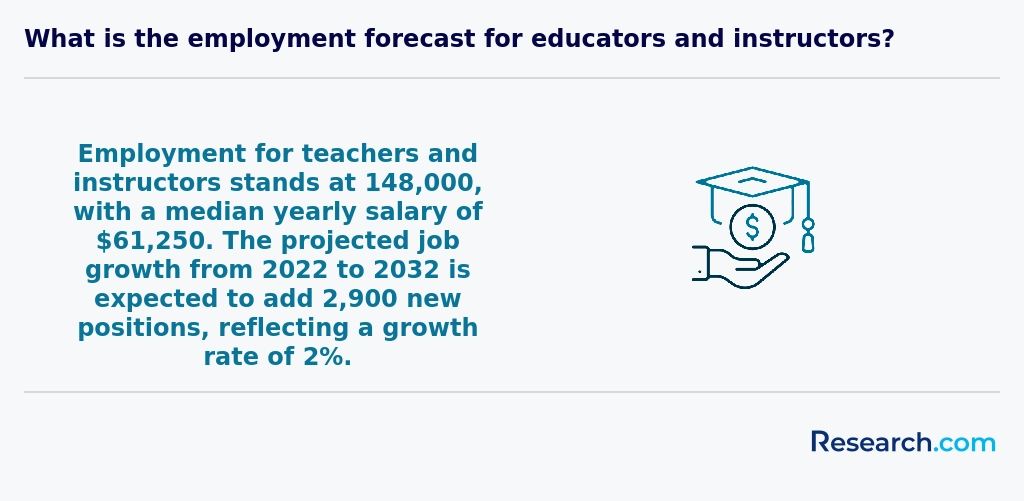
Graduates with an education degree in Virginia often find a spectrum of fulfilling career paths waiting for them. Many step into licensed teaching roles across public and private schools, fueled by strong preparation programs found at universities like Virginia Commonwealth University or James Madison University. These graduates not only shape young minds but also find joy in opportunities with teaching jobs for education graduates Virginia that emphasize STEM, special education, and ESL, responding to rising demand.
Others pursue leadership roles as school administrators or counselors, empowering entire school communities. Taking further certifications or advanced degrees can open doors at institutions such as the University of Virginia, allowing graduates to influence policies and promote student success firsthand. The evolving landscape also invites those passionate about education policy, curriculum development, and instructional design, often inspired by real cases studied during their degrees.
For those drawn to innovation, becoming educational technology specialists or adult education instructors offers rewarding ways to impact lifelong learning. Many graduates discover that combining hands-on experience with programs like a fast paced bachelor degree online can accelerate their impact and career growth in Virginia's dynamic education field.
The education degree job outlook Virginia offers is encouraging for those ready to commit. Graduates from universities such as the University of Virginia or James Madison University often find rewarding opportunities in K-12 schools, where ongoing shortages in special education, math, and ESL create strong demand. Many alumni share stories of receiving signing bonuses or loan forgiveness incentives, which can significantly ease early career financial pressure.
Teaching career opportunities Virginia provides extend beyond classroom roles. Graduates frequently move into curriculum development or educational administration, applying their skills in both public and private sectors. Some take on training roles that shape the next generation of educators. For those wondering about affordable education pathways, exploring what is the easiest associates degree to get online can be a helpful start toward a teaching career.
Salary prospects vary, but many graduates report annual earnings between $57,000 and $65,000, with higher pay in Northern Virginia districts. The steady demand in Virginia's education sector means graduates can feel confident about their future as they contribute to meaningful change in local communities.
2027 Most Popular Education Degree Programs Ranking in Virginia
Investing in your education is a significant decision that can shape your future, and the Research.com team is dedicated to supporting you in making well-informed choices. To assist prospective students in Virginia, we have carefully developed the "2027 Most Popular Education Degree Programs Ranking in Virginia." Our commitment to quality, credibility, and accuracy is demonstrated through rigorous research and thoughtful analysis. We utilized the following reputable data sources to ensure a thorough evaluation of education degree programs:
By consulting this ranking, readers will gain valuable insights into the most popular and reputable education degree programs in Virginia, empowering them to choose the path best suited to their goals. For a deeper understanding of how this ranking was created, please visit our Research.com methodology page.


Frequently Asked Questions About education
Education degree students in Virginia can enhance their learning by engaging actively in both theoretical and practical course components. Virginia's institutions often include student teaching experiences, which are crucial to developing classroom skills. According to the Virginia Department of Education, hands-on practice during internships improves job readiness by over 40%.
Students should also take advantage of networking opportunities through local education organizations and attend workshops or conferences to stay updated with current teaching methods. Many Virginia universities provide access to research databases, supporting evidence-based learning.
Additionally, collaborating with diverse peers and educators enriches cultural competence, an important skill for Virginia classrooms serving increasingly varied student populations.
The education field in Virginia is evolving with new specialized areas gaining popularity. One emerging niche is educational technology, driven by increasing demand for digital learning tools and online instruction. According to the Virginia Department of Education, enrollment in programs focusing on instructional technology has grown steadily over recent years.
Another significant area is special education, where Virginia schools show a rising need for experts trained to support diverse learners including those with disabilities or behavioral challenges. The Virginia Board of Education highlights this growth as essential for statewide inclusion goals.
Early childhood education remains crucial, with Virginia investing heavily in programs that prepare educators to work with young children, especially in underserved communities. This niche offers strong job prospects backed by state funding initiatives.
After earning an education degree in Virginia, preparing for the job market involves strategic steps aligned with current state requirements. Virginia requires teachers to obtain licensure through the Virginia Department of Education, which includes passing specific Praxis exams in content and pedagogy. Understanding these certification processes early helps graduates meet necessary credentials.
Networking is crucial; joining local chapters of organizations like the Virginia Education Association can foster valuable contacts and job leads. Additionally, recent data from the Virginia Employment Commission shows that demand for educators, especially in STEM and special education fields, remains strong, providing targeted opportunities.
Gaining hands-on experience via internships or substitute teaching during study directly improves employability. Furthermore, familiarity with Virginia's Standards of Learning (SOL) tests and curriculum frameworks can strengthen teaching portfolios. Staying informed about regional school district hiring trends through their websites or job fairs can provide practical advantages in job searches.
Employers in Virginia seeking graduates with education degrees prioritize several essential skills. Strong communication abilities are crucial, as teachers must effectively convey information to diverse student populations. Classroom management skills rank highly, ensuring a positive and productive learning environment. According to the Virginia Department of Education, adaptability and cultural competence are increasingly important due to the state's diverse student demographics.
Analytical skills and data-driven decision-making are valued for assessing student progress and tailoring instruction. Collaboration is also key, with employers expecting graduates to work well with colleagues, parents, and administrators to support student success. These skills align with national trends reported by the U.S. Bureau of Labor Statistics for educators.
Finding internships in Virginia relevant to an education degree involves several strategic steps. Many universities in Virginia, such as Virginia Commonwealth University and George Mason University, offer partnerships with local schools facilitating placement opportunities. According to the Virginia Department of Education, internships are often integrated into education programs to meet certification requirements.
Prospective interns can also explore programs through Virginia's public school districts, which frequently collaborate with higher education institutions to provide hands-on teaching experience. Additionally, websites like Handshake and Virginia's Department of Labor offer listings tailored to education students seeking field experience.
Networking through campus career centers and attending education-related conferences in Virginia enhances access to internship opportunities.
In Virginia, earning an education degree significantly enhances career mobility and advancement opportunities within the state's school systems. According to the Virginia Department of Education, teachers with advanced degrees often qualify for higher salary scales and leadership roles, such as department chair or instructional coordinator. This degree also meets licensure requirements crucial for securing positions in public schools.
Statistics from the Virginia Employment Commission show that educators with bachelor's or master's degrees experience lower unemployment rates and faster job placement compared to those without formal qualifications. Additionally, graduates from Virginia universities benefit from professional networks that facilitate career growth.
Higher education credentials also open access to specialized fields like special education or educational administration, broadening career pathways in Virginia's diverse educational landscape.
Studying for an education degree in Virginia equips students with skills needed for interdisciplinary roles by integrating diverse subject areas such as psychology, sociology, and technology. Programs often emphasize collaboration, critical thinking, and communication, which are essential for working across different fields.
Virginia's higher education system, including institutions like the University of Virginia and Virginia Tech, offers curriculum components that prepare future educators to adapt to various learning environments and policy contexts. According to the Virginia Department of Education, nearly 60% of programs include interdisciplinary coursework or practicum experiences.
This approach ensures graduates understand multiple perspectives and can contribute effectively in roles beyond traditional teaching, such as educational consulting, curriculum design, and community program coordination.
When choosing between a thesis and a non-thesis education degree program in Virginia, students should first consider their career goals. A thesis option generally suits those interested in research, academia, or pursuing a doctorate. It requires conducting original research and writing a substantial paper under faculty supervision.
Non-thesis programs focus more on practical skills and coursework, often preferred by professionals seeking direct application in schools or administrative roles. According to the Virginia Department of Education, over 60% of education graduates enter teaching or administration, where non-thesis degrees are common.
Cost and time are other factors. Thesis programs may take longer due to research demands, while non-thesis tracks often offer more flexible schedules. Prospective students should review program specifics at Virginia universities to align their choice with professional requirements and personal circumstances.
Students based in Virginia who wish to study education abroad have multiple pathways through partnerships and exchange programs facilitated by Virginia's universities. Institutions such as the University of Virginia and Virginia Commonwealth University often participate in study abroad programs specifically designed for education majors, allowing students to gain international classroom experience while earning credits.
The Virginia Department of Education supports international teaching experiences, which can enhance licensure prospects and professional development. According to the 2023 Open Doors Report, nearly 4,000 Virginia students studied abroad annually, with education majors among them seeking cultural competence and global teaching methodologies.
Many programs emphasize immersive experiences in countries with strong education systems, such as Finland or Singapore, to expose students to innovative pedagogical practices. Additionally, students can pursue dual degrees or short-term summer programs abroad, aligned with Virginia's Teacher Licensure requirements.
Students pursuing education degrees in Virginia have access to several part-time job opportunities that complement their academic training. One common role is working as a teacher's assistant in K-12 schools, providing hands-on experience in classroom management and lesson planning. According to the Virginia Department of Education, part-time paraprofessional positions have increased by 8% over recent years, reflecting growing demand.
Additionally, tutoring jobs are widely available, both in person and online, helping students apply teaching theories while earning income. Many local libraries and community centers also hire education majors for program coordination and youth mentoring roles, offering practical leadership experience.
Education students in Virginia benefit from numerous networking opportunities that can enhance their academic and professional growth. The state hosts active chapters of national organizations such as the Future Educators Association (FEA), which connects students with peers and mentors across Virginia's schools.
Many universities support education clubs and honor societies, including Kappa Delta Pi, promoting networking through events, workshops, and conferences. For example, Virginia's public colleges like the University of Virginia and Virginia Commonwealth University offer career fairs specifically targeting education majors.
Additionally, partnerships between universities and local school districts provide internships and practicum placements, allowing students to build connections with experienced educators. According to the Virginia Education Association, these experiences significantly improve job placement rates for graduates.
Alumni networks offer significant benefits to education degree students in Virginia by providing valuable connections and professional opportunities. Graduates from Virginia's universities often join active alumni associations, which can help current students access mentorship, internships, and job placements within the state's diverse school districts.
For example, the Virginia Department of Education reports strong local hiring trends, making alumni contacts crucial for navigating competitive educator job markets. Alumni networks also facilitate workshops and events, enhancing career readiness and continuing education.
Furthermore, these networks help students build lifelong relationships that support career advancement and regional professional growth. Institutions like the University of Virginia and Virginia Tech support robust alumni engagement, reflecting the broader benefits across the state's education programs.
In Virginia, customizing your education degree program to match your career goals begins with selecting a specialization that aligns with your interests and the region's workforce demands. Programs often offer concentrations such as special education, instructional technology, or educational leadership. Institutions like James Madison University and Virginia Commonwealth University provide flexible course options and internships tailored to these fields.
Many schools allow students to choose electives and field experiences that enhance specific skills, such as classroom management or curriculum design. According to the Virginia Department of Education, teacher shortages in STEM and special education create opportunities for focused study in these areas. Graduate programs also support customization through thesis projects or practical placements, supporting career-specific goals.
Education students in Virginia often face challenges related to balancing rigorous coursework with practical teaching experiences. Many programs require extensive classroom hours, which can be demanding alongside full-time studies. According to the Virginia Department of Education, there is a growing emphasis on meeting state licensure requirements, including passing the Praxis exams, which adds pressure for candidates.
Financial stress is another common concern. Though Virginia offers various scholarships, many students still struggle with tuition and living expenses. Additionally, adapting to diverse classroom settings, especially in under-resourced schools, can be a significant challenge during student teaching placements. These factors frequently impact retention rates in education programs across the state.
With an education degree in Virginia, graduates can pursue several professional certifications to enhance their careers. The most common certification is the Virginia teaching license, required for K-12 public school teachers. This license demands completion of an accredited teacher preparation program and passing the Praxis exams. Additionally, educators can obtain endorsements in specialized areas such as special education, ESL (English as a Second Language), or STEM subjects to improve job prospects.
Virginia also offers certification for school counselors and administrators through the Virginia Department of Education. According to VDOE data, over 20,000 educators are currently licensed in the state, illustrating strong demand for certified professionals in various educational roles.
Applying to an education program in Virginia requires careful preparation and attention to detail. Start by researching accredited institutions recognized by the Virginia Department of Education. Many programs expect a minimum GPA of 3.0 and relevant undergraduate coursework. Highlight your passion for teaching and community engagement clearly in your personal statement, reflecting Virginia's emphasis on diverse and inclusive education.
Include strong letters of recommendation from academic or professional contacts familiar with your teaching potential. Be sure to showcase any classroom experience or volunteer work, as practical experience is highly valued. According to the Virginia Department of Education, programs increasingly look for candidates with demonstrated commitment to continuous learning and collaboration.
Lastly, submit all application materials before deadlines, and consider reaching out to admissions counselors for guidance. This structured approach enhances your chances of admission to competitive education degree programs in Virginia.
Education careers are valued worldwide for their role in shaping future generations and supporting social development. In the United States, including Virginia, teaching is among the most stable and in-demand professions. According to the Virginia Department of Education, the state expects a steady growth in education jobs due to increasing student enrollment and teacher retirements.
Globally, many countries prioritize education careers but face challenges such as funding and resource allocation. In the U.S., and Virginia specifically, education degrees often include practical training aligned with licensure requirements, making graduates ready for diverse classroom environments.
Virginia's universities offer accredited teacher preparation programs that meet national standards, emphasizing both theory and hands-on experience. This approach aligns with global trends valuing qualified educators who can adapt to changing curricula and student needs.
Students pursuing education degrees in Virginia can gain practical experience through several key opportunities integrated into their programs. Most universities in Virginia require student teaching, which places candidates in local public schools under the supervision of licensed educators. This hands-on experience is essential for developing classroom management and instructional skills.
Additionally, many programs encourage internships or practicum placements, allowing students to work in diverse educational settings such as special education, early childhood centers, or after-school programs. According to the Virginia Department of Education, over 90% of accredited teacher preparation programs include these experiences to meet state licensure requirements.
Furthermore, partnerships between universities and local school districts help students network and apply theoretical knowledge in real classrooms. These structured experiences improve employability and prepare candidates for the dynamic demands of Virginia's educational landscape.
Choosing the right concentration within an education degree program in Virginia depends on your career goals and interests. Virginia offers diverse specializations, including early childhood, special education, and secondary education. According to the Virginia Department of Education, special education is one of the fastest-growing fields due to increasing demand for qualified teachers.
Consider the grade level you want to teach, as programs differ in focus and certification requirements. For example, elementary education programs typically cover multiple subjects, while secondary education concentrates on specific content areas like math or science.
Research universities' accreditation and state licensure alignment to ensure your concentration meets Virginia's teaching standards.
- 2027 Most Popular Education Degree Programs Ranking in West Virginia
- 2027 Most Popular Education Degree Programs Ranking in Maryland
- 2027 Most Popular Education Degree Programs Ranking in North Carolina
- 2027 Most Popular Education Degree Programs Ranking in Tennessee
- 2027 Most Popular Education Degree Programs Ranking in Kentucky
- 2027 Most Popular Education Degree Programs Ranking in Pennsylvania
- 2027 Most Popular Education Degree Programs Ranking in South Carolina
- 2027 Most Popular Education Degree Programs Ranking in New Jersey
- 2027 Most Popular Education Degree Programs Ranking in Rhode Island
- 2027 Most Popular Education Degree Programs Ranking in Massachusetts
See What Experts Have To Say About Studying Education
Read our interview with Education experts

Alan J. Singer
Education Expert
Professor of Teaching, Learning and Technology
Hofstra University

Nooshan Ashtari
Education Expert
Professor & Book Author
University of Southern California

- Bachelor of Education Degree (Here's What To Expect) https://www.alleducationschools.com/teaching-degrees/bachelors-in-education/
- Data & Reports https://voee.org/data/
- 10 Reasons Why Education Helps to Advance Your Career - Insight Training https://insight.edu.au/blog/career-advancement-through-education/
- Student Expectations and Perceptions of Higher Education - ACA https://aca-secretariat.be/newsletter/student-expectations-and-perceptions-of-higher-education/
- Benefits of Networking for Students https://www.melioeducation.com/blog/benefits-of-networking-for-students/
- What else can I do with an education or teaching degree? https://targetjobs.co.uk/careers-advice/career-ideas/what-else-can-i-do-education-or-teaching-degree
- MONPERATOTO Jati Diri Situs Togel Online Resmi Bersama Agen Toto Togel 4D Terpercaya https://writerslife.org/educational-markets/
- Finding Your Path: How to Align Studies with Career Goals https://www.alfabetaglobal.com/blogs/finding-your-path-how-to-align-your-studies-with-your-career-goals
- How to Become a Teacher in Virginia https://iteach.net/how-teacher-certification-works/how-to-become-a-teacher-in-virginia/
- The 10 Highest Paying Jobs With a Teaching Degree [Quiz] https://www.umassglobal.edu/blog-news/highest-paying-jobs-with-a-teaching-degree


