
2027 Most Affordable Education Degree Programs Ranking in Wyoming

Co-Founder and Chief Data Scientist
Choosing the right education degree program in Wyoming can feel overwhelming. That's why the Research.com team of data scientists has created the 2027 Most Affordable Education Degree Programs Ranking in Wyoming to guide you.
This article breaks down affordable programs that offer real value, helping you make an informed decision without the guesswork.
With an education degree, you're investing in a future full of opportunities and personal growth. Let us help you find the best path to achieve your goals confidently and affordably.
Key benefits of getting education degree in Wyoming
- Salary for education degree graduates: Graduates in Wyoming can expect strong earnings, with Special Education Teachers making about $76,000 annually and Instructional Designers earning around $77,200, reflecting rewarding financial opportunities.
- Potential career paths: Graduates from the University of Wyoming often find fulfilling roles in elementary education, special education, or instructional design, offering diverse ways to impact students and communities.
- Benefits of online degrees: Completing an education degree online from the University of Wyoming allows flexible scheduling and reduced commuting costs, making it easier to balance studies with personal and professional life.
- 2027 Most Affordable Education Degree Programs Ranking in Wyoming
- What can I expect from education degree in Wyoming?
- Where can I work with education degree in Wyoming?
What can I expect from education degree in Wyoming?
The average tuition cost for education degrees at Wyoming's public universities is notably affordable compared to national figures, making it an attractive option for aspiring educators. For example, graduates from the University of Wyoming often highlight that their in-state tuition fees were manageable, allowing them to focus on gaining extensive classroom experience without financial strain. This affordability is a significant factor in recruiting and retaining new educators in the state.
These programs blend theoretical learning with hands-on practice, and affordable tuition ensures students can invest time in student teaching without overwhelming debt. At Wyoming State University, students appreciate the balance between quality education and cost, describing their experience as both rewarding and feasible. Additionally, various state and federal aid options, including loan forgiveness for those working in rural schools, further ease the financial burden for education degree candidates across Wyoming.
Where can I work with education degree in Wyoming?
Graduates with an education degree in Wyoming find diverse career opportunities throughout the state's public schools and educational institutions. Many begin their careers as K-12 teachers in districts across Wyoming, including rural communities where there is a pressing demand for specialists in mathematics, science, and special education. For instance, education graduates from the University of Wyoming often share their rewarding experiences working in small-town schools, where they feel deeply connected to their students and communities.
Beyond teaching, graduates frequently pursue roles as school administrators, such as principals or curriculum coordinators, especially after earning advanced certificates or master's degrees. These positions, found in districts statewide, provide a pathway to leadership and higher compensation. Graduates from colleges like Casper College also engage in early childhood education roles, contributing to growing programs like Head Start and private preschools, which emphasize foundational learning.
Additional careers include educational support roles-school counselors, instructional coordinators, and special education aides-offering meaningful work tailored to graduates' skills. Some go into higher education roles such as academic advising, leveraging their education backgrounds to guide new generations of students at Wyoming's universities.
Graduates with an education degree in Wyoming typically see promising salary prospects aligned with roles such as elementary school teachers, special education teachers, ESL instructors, early childhood educators, and instructional designers. For instance, elementary school teachers earn a mean annual wage of $70,740, reflecting Wyoming's commitment to competitive compensation. Special education teachers can expect even higher average earnings around $76,000 annually, which encourages specialization and skill development.
ESL teachers, often employed in diverse communities around institutions like the University of Wyoming, make about $65,430 per year, with an hourly rate of $31.46. Early childhood educators earn a mean of $41,410 annually, providing stable entry points into educational careers, especially in areas such as Laramie and Casper. Instructional designers, a more specialized category, command salaries averaging $77,200 per year, emphasizing advanced education opportunities.
Many graduates report satisfaction with their financial stability in teaching roles, recalling how their degrees from Wyoming's leading colleges paved the way for rewarding positions both in urban centers and rural districts. This pay scale supports a balanced lifestyle, encouraging retention and professional growth within the state's education system.
- The University of Wyoming offers undergraduate and graduate education degree programs focused on preparing teachers for Wyoming schools.
- In-state tuition at public universities for education degrees averages about $5,500 per year, with private schools generally costing more.
- Starting teacher salaries in Wyoming range from $40,000 to $45,000 annually, increasing to around $60,000 with experience and advanced certifications.
- There is steady demand for education graduates, especially in rural areas and in subjects like special education, science, and mathematics.
- Teacher licensure in Wyoming requires completing an approved preparation program and passing standardized exams, with renewal dependent on continuing education credits.
Completing an education degree in Wyoming typically requires a commitment of four years for a full-time bachelor's program, a timeline well-reflected by graduates from the University of Wyoming. These students often describe fulfilling their student teaching semester as a rewarding, hands-on experience that solidifies their passion for teaching. This period includes both foundational coursework and intensive classroom practice essential for state licensure.
For those advancing their careers, pursuing a master's degree in education in Wyoming generally takes an additional two years of full-time study. Many graduates appreciate how programs at Wyoming's institutions balance theory and practical application, enhancing their professional skills. Part-time study options allow flexibility but extend the overall duration, accommodating working educators who value steady progress without sacrificing income.
Alternative certification routes, offered by some Wyoming colleges, can shorten the process to as little as 12 to 18 months for individuals with prior experience. This accelerated pathway appeals to career changers eager to enter the classroom quickly while maintaining rigorous standards.
To gain a deeper understanding of the most affordable education degree programs in Wyoming, it is essential to explore the most popular options available. Recognizing the needs and preferences of prospective students can significantly enhance their decision-making process. Institutions like the University of Wyoming continue to be top choices for aspiring educators, offering a blend of academic rigor and practical experience. Programs at these institutions are designed to provide students with a comprehensive education, ensuring they are well-prepared for their future careers. For instance, the [best education degree in wyoming](https://research.com/rankings/education/best-education-wy) highlights programs that excel in both theoretical knowledge and hands-on training, setting graduates up for success in various educational roles. By understanding the popularity of these programs, prospective students can make more informed choices about where to pursue their education degrees, ultimately leading to rewarding careers in the field.
Online and on-campus education degree programs in Wyoming differ mainly in delivery and student experience. On-campus students at institutions like the University of Wyoming benefit from direct interaction with professors and peers, access to campus libraries, and in-person student teaching placements. Graduates often recall a strong sense of community and personalized support as key advantages of this traditional format.
Conversely, online education degrees offer flexibility for working adults or those in remote areas, allowing students to study at their own pace without commuting across Wyoming's wide geographic expanse. Graduates of online programs appreciate the ability to balance professional, family, and academic responsibilities more effectively.
Both paths maintain quality through accreditation and often require practicum experiences. Online students frequently arrange local partnerships for student teaching, making practical experience accessible despite distance.
Financially, tuition rates in Wyoming public universities are similar for both formats, but online students can save on housing and transportation, reducing overall costs.
Graduates seeking licensure through the Wyoming Professional Teaching Standards Board must follow these steps:
- Complete a CAEP-accredited teacher preparation program.
- Pass Praxis Core Academic Skills for Educators and relevant Praxis II subject tests.
- Submit official transcripts, test scores and application to the PTSB.
- Complete a criminal background check and fingerprinting.
- Fulfill state-mandated student teaching under qualified supervision.
After initial licensure, teachers maintain certification through annual professional development. For accelerated academic paths, explore fast track degrees.
The average cost of pursuing an education degree in Wyoming is notably affordable compared to many other states, especially for residents attending in-state public universities. The median in-state total cost for an education degree in Wyoming is approximately $7,768, which reflects the lower tuition rates offered by institutions such as the University of Wyoming. Graduates from these programs often highlight the financial relief of manageable tuition combined with quality education, making their long-term career plans feel more attainable and less burdened by debt. This affordable education degree program Wyoming attracts many students seeking value without compromising academic rigor.
For those considering graduate education degrees, tuition rates are higher but still competitive. Many master's programs in Wyoming charge tuition per credit hour that aligns well with these costs. Additionally, private colleges and out-of-state tuition are significantly more expensive, often exceeding $35,000, so prospective students carefully weigh their options to maximize financial efficiency while achieving their professional goals.
Students pursuing these degrees should also plan for associated expenses, including books, supplies, and living costs, which influence the total financial commitment. Many graduates recall the advantages of living near campus or having access to affordable housing, which further enhanced their positive educational experience.
Furthermore, students looking to become licensed teachers outside Wyoming can find valuable guidance by exploring pathways such as Virginia teacher certification. This can broaden their career prospects significantly while building on a competitively priced education degree from Wyoming.
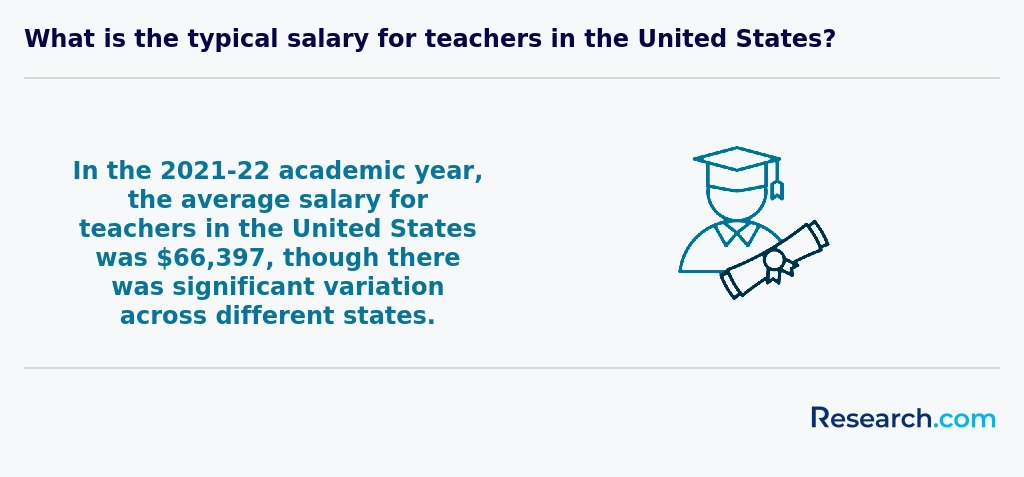
To qualify for a standard K–12 teaching license, candidates must:
- Earn a bachelor’s degree from a CAEP-accredited education program
- Pass Praxis Core Academic Skills and the appropriate Praxis Subject Assessments
- Complete an FBI fingerprint-based background check
- Submit official transcripts and a licensure application to the Wyoming Professional Teaching Standards Board
- Renew their teaching license every three years with documented professional development
For flexible pathways that integrate degree completion and certification, explore easy degrees to get online.
Students pursuing education degrees in Wyoming often rely on a combination of federal, state, and institutional financial aid to manage college costs effectively. Many graduates from the University of Wyoming report that Pell Grants, which do not require repayment, significantly alleviate their financial burdens by covering essential expenses beyond tuition.
Federal Direct Loans, both subsidized and unsubsidized, provide flexible borrowing options with government-set interest rates, helping education majors from community colleges across Wyoming finance their studies with manageable repayment plans. Additionally, the Wyoming Professional Teaching Program offers forgivable loans and scholarships, granting up to $4,000 annually to students who commit to teaching in local schools-an incentive that numerous graduates describe as a motivating factor in their decision to stay and teach in Wyoming.
Several Wyoming colleges also award merit- or need-based scholarships that can range from a few hundred to thousands of dollars per year. Work-study opportunities allow students to gain valuable classroom experience while earning income, further supporting their educational journey in teacher preparation programs statewide.
Understanding the return on investment (ROI) for an education degree in Wyoming is crucial for students weighing tuition expenses against future earnings. With in-state tuition at public four-year universities averaging $9,750 per year and total annual costs approaching $27,146, graduates must consider how quickly their earnings will offset these expenditures. For example, an entry-level ESL Teacher earning $63,130 annually could recoup direct tuition costs in roughly three years, while Instructional Designers with average salaries of $73,080 may see a shorter payback period. When evaluating ROI, factor in program length and financial aid. A four-year bachelor’s degree at the University of Wyoming costs approximately $38,400 in direct tuition, but generous state and federal grants can reduce out-of-pocket expenses by up to 60%. By contrast, an associate degree from Laramie County Community College requires about two years of study with total tuition near $7,000, enabling graduates to enter the workforce sooner and achieve positive cash flow faster. To optimize ROI, prospective students should explore accelerated tracks, online courses, and part-time enrollment options that balance cost savings with lifestyle flexibility. Additionally, comparing regional affordability benchmarks can reveal unexpected opportunities-students interested in online pathways may find valuable insights in our Low Cost Online Education Degree Programs Ranking in Pensacola, FL, which highlights programs with low tuition and strong career outcomes. Ultimately, a high ROI education degree program in Wyoming aligns tuition investment with realistic salary projections, financial aid availability, and program duration, ensuring graduates can confidently pursue their passion for teaching without undue financial strain.
To enroll in an education degree program in Wyoming, candidates must first hold a high school diploma or an equivalent credential such as a GED. Many Wyoming universities, including those well-regarded for their education programs, expect applicants to submit standardized test scores like the SAT or ACT, although some institutions have adopted test-optional policies recently. A competitive GPA, typically between 2.5 and 3.0, demonstrates readiness for the academic demands ahead.
Applicants are also required to provide letters of recommendation and a personal statement, offering a chance to express their genuine passion for teaching. Graduates from popular Wyoming colleges often recall how this step helped showcase their motivation, positively influencing admissions decisions.
For graduate education degrees, holding a bachelor's degree from an accredited school is mandatory. Some programs additionally require teaching experience or valid certification. Background checks and immunization records are standard, aligning with Wyoming's licensing regulations.
Field experience is emphasized early, and students typically must pass a basic skills test before engaging in student teaching, ensuring they feel confident and prepared to lead classrooms.

To teach in Wyoming public schools, graduates must:
- Earn a bachelor’s degree from a CAEP-accredited education program.
- Pass the Praxis Core Academic Skills for Educators and relevant Praxis Subject Assessments.
- Complete a supervised student teaching internship (usually 12–16 weeks).
- Submit official transcripts, Praxis scores, and a completed licensure application to the Wyoming Professional Teaching Standards Board.
- Undergo a fingerprint-based background check and receive an initial Level I teaching license.
- Renew or upgrade to a Level II license every five years by completing required professional development credits.
For faster entry into education roles or alternative pathways, explore quick degrees that pay well.
Education degree programs in Wyoming typically include courses that build a robust foundation in both theory and practice. Graduates from institutions such as the University of Wyoming often reflect on courses like Educational Psychology, which deepens understanding of how students think and grow emotionally, helping future teachers anticipate classroom challenges. Curriculum Development classes enable students to create lesson plans aligned with Wyoming's state standards, fostering confidence in real-world teaching.
Classroom Management and Instructional Technology are also vital courses, preparing candidates to maintain engaging, effective learning environments that leverage digital resources-a skill praised by graduates working in diverse Wyoming schools. Hands-on experience through Student Teaching Practicum allows students to apply these principles in local classrooms, making the transition from theory to practice both tangible and rewarding. Other courses like Assessment and Evaluation, Special Education Foundations, and Content-Specific Methods ensure that Wyoming's future educators are well-equipped for varied teaching roles, inspiring them to meet the unique needs of their communities with enthusiasm and professionalism.

Education degree programs in Wyoming commonly offer specializations designed to meet the state's diverse educational demands. Prospective teachers at institutions such as the University of Wyoming or Casper College frequently choose from tracks like Early Childhood Education, which prepares graduates to foster foundational literacy and development for children from birth through third grade. Elementary Education remains a popular path, equipping candidates with skills to teach multiple subjects at the primary school level, while Secondary Education allows for focused preparation in subjects such as STEM fields, reflecting Wyoming's emphasis on certified educators in these areas.
Students often express satisfaction with programs emphasizing Special Education, which trains them to support learners with disabilities in compliance with federal IDEA standards. Additionally, Educational Leadership and Administration specializations prepare graduates for roles in school management and policy. Many find that these options within Wyoming's affordable teaching degree options provide clear pathways to impactful careers.
Regions across Wyoming also offer specialized endorsements, and for those aiming to advance their credentials, exploring flexible online doctorate degrees in education can be a viable next step.
Selecting the best education degree in Wyoming involves evaluating programs accredited by the Wyoming Professional Teaching Standards Board to ensure state licensure eligibility. Graduates from the University of Wyoming often highlight the value of hands-on student teaching placements integrated with local schools, which foster practical experience and confidence. Considering affordable education degree programs in Wyoming, community colleges present budget-friendly pathways with transfer options that many students appreciate for cost efficiency without sacrificing quality.
Prospective educators should assess tuition fees closely, where the University of Wyoming's in-state rates ranging from $5,200 to $7,000 annually compare favorably to national averages. Graduates recall how exploring financial aid and loan forgiveness programs tailored for Wyoming educators helped ease economic burdens. Additionally, curriculum alignment with your intended teaching focus, such as special education or STEM, is crucial for long-term satisfaction in your career.
For those pursuing leadership roles, many find value in flexible options like online courses for educational leaders, balancing professional growth with personal commitments. Emphasizing these factors ensures choosing the best education degree that matches both career ambitions and financial realities in Wyoming.

Graduates holding an education degree in Wyoming find diverse career paths within the state's educational landscape. Teaching job prospects in Wyoming remain robust across elementary, middle, and high school levels, supported by local districts emphasizing state certification and practical experience. Many graduates from Wyoming's well-regarded universities describe rewarding classroom careers that combine community engagement with competitive salaries ranging from $45,000 to $60,000 annually.
Beyond teaching, education degree career options Wyoming include administrative roles such as school principals and district coordinators, which require additional credentials but offer lucrative salaries exceeding $70,000. Specialized fields like special education have growing demand, attracting graduates eager to support students with individualized learning needs. Graduates often highlight how their degrees prepared them for these specialized and leadership roles.
Other promising pathways involve curriculum development, educational consulting, and academic advising at Wyoming colleges and universities, where a master's degree is typically preferred. Many graduates balance practical academic skills with strong communication talents gained in programs known for affordable tuition, such as those featured in the elementary education degree rankings, making these career options both accessible and fulfilling.

Graduates holding an education degree in Wyoming experience a steady job market with strong opportunities, particularly in K-12 education settings. Those completing their programs at Wyoming's prominent colleges often find rewarding employment in rural districts, where demand for educators is consistently high. Special education, science, math, and bilingual education roles are especially sought after, reflecting statewide shortages and offering graduates promising career entry points. This positive job outlook aligns well with Wyoming's stable student enrollment and sustained state funding for public schools.
Many graduates appreciate the balance between salary and cost of living, with average teacher wages around $57,000 annually. While salaries may be somewhat below national averages, the affordable tuition fees at Wyoming's public universities positively impact the overall return on investment for education degrees. Aspiring educators can benefit from programs designed to meet state certification requirements, including Praxis exams.
For those exploring practical options, the Low Cost Online Education Degree Programs Ranking in Pensacola, FL illustrates affordable pathways that can complement in-state studies. The education degree job outlook Wyoming graduates face encourages flexibility and subject expertise, crucial in meeting evolving educational needs across the state.
2027 Most Affordable Education Degree Programs Ranking in Wyoming
Investing in your education is a significant decision that can shape your future, and the Research.com team understands the importance of making informed choices. To assist prospective students in Wyoming, we have meticulously crafted the "2027 Most Affordable Education Degree Programs Ranking in Wyoming." Our commitment to quality, credibility, and accuracy is reflected in the extensive research and analysis conducted to compile this ranking.
We utilized the following reputable data sources to ensure a comprehensive evaluation of education degree programs:
By exploring this ranking, readers will gain valuable insights into the most affordable education degree programs in Wyoming, helping them make informed decisions about their educational investments. For more details on our methodology, please visit our Research.com methodology page.


Frequently Asked Questions About education
Education degree students in Wyoming can maximize their learning experience by actively engaging in both academic and practical opportunities. The University of Wyoming, for example, integrates classroom instruction with field experiences that allow students to observe and teach in local schools. This hands-on approach helps bridge theory and practice effectively.
Students should also consider joining professional organizations like the Wyoming Education Association to network and stay current on state education policies. Wyoming's emphasis on rural education offers unique chances for students to work in diverse settings, enhancing adaptability and cultural competence.
Additionally, utilizing resources such as Wyoming's Department of Education data can help students understand regional educational challenges and goals, informing more relevant classroom practices.
Emerging niches within the education field in Wyoming reflect broader national trends along with local priorities. One key area is special education, where demand continues to grow due to increased awareness and legal requirements. The Wyoming Department of Education reports a steady rise in students requiring specialized support, creating opportunities for trained educators.
Another promising niche is educational technology. As Wyoming schools expand digital learning, expertise in integrating technology into classrooms is increasingly valued. This includes skills in virtual instruction and digital curriculum design, responding to both rural needs and post-pandemic shifts.
Finally, bilingual education is gaining importance due to Wyoming's growing Hispanic population. Educators proficient in second-language instruction are sought after to support diverse learners, improving educational outcomes statewide.
After earning an education degree in Wyoming, it is important to prepare effectively for the job market to ensure a smooth transition into teaching or educational roles. Start by obtaining Wyoming state teaching licensure, which is required to work in public schools and involves passing the Praxis exams and completing a teacher preparation program approved by the Wyoming Professional Teaching Standards Board.
Networking is key. Joining local education associations such as the Wyoming Education Association can provide valuable connections and job leads within the state.
Additionally, consider gaining practical experience through substitute teaching or volunteering, as Wyoming schools often value hands-on classroom experience.
Stay informed of Wyoming's education job outlook: the Wyoming Department of Workforce Services projects steady demand for teachers, especially in rural areas, through 2030.
Finally, leverage career services offered by universities in Wyoming to access resume workshops, interview practice, and job fairs tailored to the education sector.
Employers in Wyoming seeking education degree graduates prioritize strong communication skills, essential for effective teaching and collaboration with students and colleagues. According to the Wyoming Department of Education, adaptability and classroom management are also critical, helping teachers address diverse learning needs and maintain productive environments.
Technological proficiency is increasingly important, as educators must integrate digital tools into lesson plans. The Wyoming Workforce Development highlights that problem-solving abilities and cultural awareness further enhance a graduate's employability, supporting Wyoming's commitment to inclusive education.
Leadership and teamwork skills remain key, enabling graduates to contribute positively within schools and districts across the state.
Finding internships in Wyoming relevant to an education degree involves exploring opportunities within local school districts, universities, and educational nonprofit organizations. Many education programs in Wyoming require internship or practicum hours as part of their curriculum, making partnerships between universities and schools essential.
Students should start by contacting career services offices at institutions such as the University of Wyoming, which often have listings of available internships in regional school districts. The Wyoming Department of Education website can also provide resources and contacts for potential placements.
According to the National Center for Education Statistics, Wyoming employs approximately 5,300 public school teachers, creating a steady demand for education interns and student teachers. Networking with local educators and attending Wyoming education conferences can also increase internship chances.
An education degree significantly enhances career mobility and advancement opportunities within Wyoming's educational system. According to the Wyoming Department of Education, over 60% of K-12 teachers hold at least a bachelor's degree in education, which remains a foundational requirement for teacher certification in the state. Holding such a degree enables educators to qualify for diverse roles, including classroom teaching, administrative positions, and specialized support services.
Additionally, data from the Wyoming Workforce Development Council highlights that teachers with advanced degrees or endorsements often experience higher wage growth and increased job stability. The state's emphasis on continuing education and licensure renewal further supports upward mobility for degree holders. This structured pathway promotes professional growth and access to leadership roles statewide.
Studying for an education degree in Wyoming equips students with versatile skills essential for interdisciplinary roles. Wyoming's teacher preparation programs emphasize collaboration across subjects, integrating methods from psychology, sociology, and technology. This approach aligns with the Wyoming Professional Teaching Standards Board guidelines, promoting adaptability in diverse educational settings.
Many programs encourage coursework beyond traditional education theories, including data analysis and community engagement, which are vital for interdisciplinary work. According to the Wyoming Department of Education, graduates often enter roles that require coordination between special education, counseling, and administration, reflecting the state's call for multifaceted educators.
The small, community-focused nature of many Wyoming institutions also fosters personalized mentorship, supporting students' readiness to address complex, cross-disciplinary challenges in schools and related environments.
When deciding between a thesis and a non-thesis education degree program in Wyoming, consider your career goals. Thesis programs often suit those interested in research, academia, or pursuing a doctorate later. They typically require a substantial research project, which helps develop strong analytical skills. Non-thesis options focus more on practical knowledge and coursework, ideal for professionals aiming to advance teaching or administrative roles quickly.
In Wyoming, schools like the University of Wyoming offer both options, with about 40% of graduate education students choosing thesis tracks, according to recent enrollment data from the Wyoming Community College Commission. Costs and time commitments also differ; thesis programs can take longer due to research demands.
Students in Wyoming seeking to study education abroad have several options through partnerships and exchange programs offered by US institutions. While Wyoming itself has a limited number of universities, many nearby state schools participate in global education initiatives that include destinations in Europe, Asia, and Latin America. The University of Wyoming, for example, offers study abroad scholarships and collaborates with programs that allow education majors to gain international experience.
Study abroad programs often combine coursework with teaching practicums, enhancing practical skills across diverse educational systems. According to the Institute of International Education, approximately 10% of US education majors engage in study abroad, reflecting growing interest. Students should consult their home institutions' education departments for specific program eligibility and support services.
Students pursuing education degrees in Wyoming can enhance their learning by engaging in relevant part-time jobs. Common opportunities include teacher's aides and substitute teachers, which provide practical classroom experience. According to the Wyoming Department of Education, over 300 school districts frequently hire substitutes, offering flexible schedules suitable for students.
Additionally, tutoring roles in subjects like reading and math help strengthen both subject knowledge and instructional skills. Libraries and community centers in Wyoming often seek part-time tutors and educational program assistants. These experiences are valuable for developing communication and organizational skills crucial for future educators.
Working in after-school programs or daycare centers is another viable option, providing insight into child development and classroom management. These roles are widely available in Wyoming's growing childcare sector, supporting students financially and professionally during their studies.
Education students in Wyoming benefit from several strong networking opportunities that support their academic and professional growth. The University of Wyoming, as the state's flagship institution, hosts career fairs and education-specific events where students connect directly with local schools and education leaders. According to the Wyoming Department of Education, partnerships between universities and K-12 schools promote student-teacher collaborations and internships, enhancing real-world experience.
Professional organizations such as the Wyoming Education Association and the Wyoming Association of School Administrators offer memberships and conferences, enabling students to build statewide contacts. These groups also provide workshops and mentorship programs aimed at emerging educators.
Additionally, Wyoming's smaller education community encourages close networking with local districts, often leading to job placements within the state. This local focus can be especially beneficial in rural areas where connections are vital for employment.
Alumni networks offer significant benefits for education degree students in Wyoming. They provide valuable connections that can lead to job opportunities in the state's school districts. According to the Wyoming Department of Education, over 90% of graduates find employment within Wyoming, and alumni networks often support this by sharing job openings and advice.
These networks also foster mentorship, helping new students navigate certification processes and classroom challenges. Through events and online platforms, students gain insight from experienced teachers, improving their professional skills.
Additionally, strong alumni communities contribute to continuous learning by promoting workshops and local educational initiatives, which can be vital for educators seeking to advance their careers in Wyoming's evolving education system.
Customizing an education degree program in Wyoming involves selecting courses and specializations that align with your career goals. Many Wyoming institutions, such as the University of Wyoming, offer flexible degree plans allowing students to focus on areas like special education, educational leadership, or curriculum development. You can also choose between elementary, secondary, or early childhood education tracks depending on your preferred teaching level.
Additionally, Wyoming's Teacher Residency Program provides practical experience tailored to your professional interests, helping you gain relevant skills. The Wyoming Department of Education supports alternative certification options, enabling career changers to customize their pathways efficiently. Staying informed about licensure requirements ensures your program matches state standards, ultimately improving job prospects.
Education students in Wyoming often face challenges related to the state's rural geography. Many programs require in-person practicum experiences, which can be difficult to schedule due to long travel distances between educational institutions and local schools. According to the Wyoming Department of Education, rural placements are a significant barrier for some candidates.
Another common challenge is financial. Wyoming's population is smaller than most states, which means fewer scholarships and funding options specifically for education majors. Students frequently balance coursework with part-time jobs to manage expenses.
Additionally, limited access to diverse teaching environments may affect the breadth of practical experience students receive, impacting their readiness for varied classroom settings throughout the state and beyond.
With an education degree in Wyoming, graduates can pursue several professional certifications to enhance their career opportunities. The most common certification is the Wyoming Teaching License, mandatory for K-12 public school teachers. This license requires passing the Praxis exams and completing a background check, as outlined by the Wyoming Professional Teaching Standards Board.
Beyond general teaching licenses, educators may seek endorsements in specialized subjects such as special education, English as a Second Language (ESL), or school counseling. These endorsements require additional coursework and examinations.
Additionally, Wyoming offers administrator certification for those aiming to become principals or superintendents, which involves further training and experience verification. According to the Wyoming Department of Education, holding such certifications often leads to higher salaries and more job opportunities in the state.
To write a winning application for an education program in Wyoming, start by carefully reviewing the specific admission requirements of the institution. Most programs ask for a clear statement of purpose, where you should explain your motivation for pursuing an education degree and your career goals.
Highlight any relevant experience working with children or in educational settings, as practical experience is highly valued. Include strong letters of recommendation from professionals who can attest to your abilities and dedication.
Maintain a competitive GPA; Wyoming's public universities typically expect at least a 2.5 to 3.0 for education program applicants (University of Wyoming, 2023 data).
Finally, tailor your application to emphasize your commitment to teaching, particularly in rural or underserved communities within Wyoming, reflecting local educational needs reported by the Wyoming Department of Education.
Globally, a career in education is highly valued for its impact on societal development and personal growth. In the United States, including Wyoming, education professionals are recognized for shaping future generations and addressing critical workforce needs. According to the Wyoming Department of Education, the state expects steady growth in teaching jobs, reflecting nationwide trends of increasing demand for qualified teachers.
Internationally, education careers emphasize cultural exchange and pedagogical innovation, encouraging educators to adapt to diverse classrooms. U.S. educators often engage in global initiatives, enhancing their perspectives and skills, which benefits students in Wyoming and beyond.
For Wyoming students pursuing education degrees, understanding these global connections highlights the broader significance and opportunities within the profession.
Gaining practical experience is essential for education degree students in Wyoming. Most teacher preparation programs include student teaching as a required component. This hands-on experience allows students to work directly in Wyoming classrooms under the supervision of licensed teachers. According to the Wyoming Department of Education, student teaching placements often occur in public schools across both urban and rural districts, offering exposure to diverse learning environments.
Additionally, many universities encourage internships and practicum experiences in local schools. These opportunities provide insight into lesson planning, classroom management, and educational technology.
Federal programs like TEACH grants also support students committed to working in high-need Wyoming schools after graduation.
Choosing the right concentration within an education degree program in Wyoming depends on your career goals and interests. Popular concentrations include elementary education, special education, secondary education, and educational leadership. According to the Wyoming Department of Education, elementary education remains the highest-demand teaching area statewide, with a significant need for special education teachers as well.
Consider your preferred student age group and subjects you enjoy, as these will guide your concentration choice. Accreditation is also important; ensure the program is approved by the Wyoming Professional Teaching Standards Board to qualify for state licensure.
Review graduation and job placement rates from specific Wyoming institutions to assess program effectiveness before deciding.
- 2027 Most Affordable Online Education Degree Programs Ranking in South Dakota
- 2027 Most Affordable Online Education Degree Programs Ranking in Nebraska
- 2027 Most Affordable Online Education Degree Programs Ranking in Idaho
- 2027 Most Affordable Online Education Degree Programs Ranking in North Dakota
- 2027 Most Affordable Online Education Degree Programs Ranking in Kansas
- 2027 Most Affordable Online Education Degree Programs Ranking in Iowa
- 2027 Most Affordable Online Education Degree Programs Ranking in Minnesota
- 2027 Most Affordable Online Education Degree Programs Ranking in Missouri
- 2027 Most Affordable Online Education Degree Programs Ranking in Wisconsin
- 2027 Most Affordable Online Education Degree Programs Ranking in Texas
See What Experts Have To Say About Studying Education
Read our interview with Education experts

Alan J. Singer
Education Expert
Professor of Teaching, Learning and Technology
Hofstra University

Nooshan Ashtari
Education Expert
Professor & Book Author
University of Southern California

- 10 Reasons Why Education Helps to Advance Your Career - Insight Training https://insight.edu.au/blog/career-advancement-through-education/
- What Can I Do With a Teaching Degree (Besides Teach)? https://www.alleducationschools.com/blog/what-can-i-do-with-a-teaching-degree-besides-teach/
- Wyoming Teaching Degrees https://www.teachingdegrees.com/st/wyoming
- 10 Strategies for Networking as a High School Student https://riseglobaleducation.com/blogs/best-strategies-for-networking-as-a-high-school-student
- Events & Opportunities https://connect.teachforall.org/events-opportunities
- How to Build Work Experience While Studying - EN Global Education Ltd https://englobaleducation.co.uk/how-to-build-work-experience-while-studying/
- Your career at KIDS&Co. - dwujęzyczne przedszkola KIDS&Co. https://kids-co.pl/en/career/
- How to Choose a Concentration for Your Master of Education 3 Questions to Consider https://www.aiuniv.edu/degrees/education/articles/how-to-choose-an-education-specialization
- 18 Highest Paying Jobs With an Education Degree (not teaching) | Devlin Peck https://www.devlinpeck.com/content/jobs-with-an-education-degree
- Tips for Choosing Your Graduate Concentration - Graduate Programs for Educators https://www.graduateprogram.org/blog/tips-for-choosing-your-graduate-concentration/


