2027 Most Affordable Online Education Degree Programs Ranking in Texas

Co-Founder and Chief Data Scientist
Choosing the right education degree program can be challenging, especially when budget matters. This article introduces the 2027 Most Affordable Online Education Degree Programs Ranking in Texas, created by the Research.com team of data scientists. It's designed to guide Texas students toward programs that balance quality and affordability.
By exploring this ranking, you'll discover valuable options that fit your goals without overwhelming expenses. Earning an education degree opens doors to rewarding careers, and understanding your choices helps you make confident decisions about your future.
Key benefits of getting online education degree in Texas
- Education degree graduates in Texas can expect competitive salaries such as $70,740 for Elementary School Teachers, $76,000 for Special Education Teachers, and $77,200 for Instructional Designers, offering strong financial stability.
- Graduates from universities like the University of Texas at Austin often pursue diverse careers including teaching, instructional design, and special education, providing flexible and rewarding professional paths.
- Online education degrees from institutions like Texas A&M allow students to balance work and study efficiently, saving time and money while gaining practical skills through flexible schedules and accessible resources.
- 2027 Most Affordable Online Education Degree Programs Ranking in Texas
- What can I expect from online education degree in Texas?
- Where can I work with online education degree in Texas?
What can I expect from online education degree in Texas?
Exploring an online education degree in Texas reveals a surprisingly approachable cost for many students eager to launch or enhance their teaching careers. Graduates from well-known institutions like Texas A&M University-Commerce and Texas Tech University often share stories of value, noting tuition costs generally fall between $7,000 and $12,000 for the full program. This range makes balancing education budgets more manageable, especially when juggling work or family.
Imagine diving into coursework on instructional planning and classroom management, fully online, while saving money compared to out-of-state options. These programs align perfectly with Texas Education Agency standards, so graduates feel confident stepping into classrooms across Houston, Dallas, or Austin without worry.
Students highlight the refreshing flexibility found in these Texas programs-they study at their own pace, fitting lessons around busy lives. This affordable and adaptable approach opens doors for many aspiring educators to follow their passion without financial stress, making the journey feel both exciting and attainable.
Where can I work with online education degree in Texas?
Graduates from online education programs at popular Texas universities often find themselves stepping into vibrant classrooms across the state, from bustling Houston to lively San Antonio. Imagine starting your day inspiring curious minds as a licensed teacher, supported by your Texas Education Agency-approved degree. Many embrace classrooms in public schools, where growing urban populations eagerly await dedicated educators.
Others explore rewarding roles beyond traditional schools-like guiding students in special education or pioneering bilingual lessons that reflect Texas' rich cultural tapestry. Charter schools also beckon, inviting innovative minds who thrive on flexible teaching models. Graduates quickly discover these schools are hubs of creativity, offering exciting challenges every day.
Not far from these energetic classrooms, some graduates lend their expertise at community colleges or educational nonprofits, fueling support systems that help learners succeed. Whether advising students or developing programs in after-school literacy efforts, these roles spark joy by making meaningful impacts on Texas communities.
Graduates from online education programs in Texas, such as those from the University of Texas at Austin or Texas A&M, often find exciting pathways to rewarding salaries. For example, becoming an elementary school teacher in Texas can yield a mean annual wage of about $70,740, which pleasantly surprises many new teachers exploring the field.
Some grads venture into specialized areas like special education, where salaries can climb to around $76,000 annually, reflecting the rewarding challenge of making a unique impact on students' lives. Meanwhile, those who choose roles such as English as a Second Language (ESL) teachers commonly earn approximately $65,430, a strong figure for helping diverse communities thrive.
For those imagining roles beyond the classroom, stepping into instructional design - a growing field linked to many Texas universities - offers an average salary near $77,200. This option excites tech-savvy educators eager to innovate learning experiences.
These figures echo stories from graduates who balanced coursework with real-world teaching, finding their degrees opened doors to stable, fulfilling careers with competitive pay in Texas's vibrant educational landscape.
- Texas offers online bachelor's and master's education programs through public universities like Texas A&M and the University of Texas system, as well as private institutions.
- Tuition for online education degrees in Texas ranges from $7,000 to $15,000 per year for in-state students, with public universities generally being more affordable.
- The Texas Education Agency requires these programs to be accredited by bodies such as the Council for the Accreditation of Educator Preparation (CAEP) to meet state licensure standards.
- Starting salaries for graduates with a bachelor's degree in education average around $55,000 annually, while mid-career teachers earn between $65,000 and $80,000 depending on specialization and location.
- There is steady job growth in teaching fields related to STEM, bilingual education, and special education, especially in metropolitan areas like Houston, Dallas-Fort Worth, and Austin.
Completing an online education degree in Texas often takes about four years for a bachelor's when following the traditional path, with students tackling 120 to 130 credit hours. Imagine a student at a well-known Texas university diving into 16-week semesters, pacing their studies while balancing life's demands-this steady rhythm echoes the familiar college journey but from the comfort of home.
But many adventurous learners opt for accelerated routes. For example, some universities offer 8-week courses, slicing the timeline significantly. Graduates from these programs often share excitement about finishing faster, gaining momentum and beating the typical four-year span by packing more credits each term or studying year-round.
On the graduate level, online master's degrees typically require 30 to 36 credits, often completed in one to two years. Picture a working professional at a Texas college who takes evening or weekend courses part-time, stretching their studies but managing to juggle career and family with enthusiasm.
This flexible, student-centered pace means you can shape your educational adventure to fit your life, turning the dream of a Texas education degree into an exciting, achievable goal.
When pursuing an online education degree in Texas, it is crucial to consider several factors to ensure that the chosen program aligns with your academic, professional, and personal goals. One of the key considerations is the cost of the program, as it significantly affects the overall investment in your education. To find the most affordable education programs in Texas, prospective students should research and compare tuition fees, additional costs, and available financial aid options. Accreditation is another vital factor, as it guarantees that the program meets quality standards, which is essential for future employment opportunities. Furthermore, the reputation of the institution, the flexibility of the program format, and the availability of support services should also be evaluated to ensure they meet your needs. By carefully considering these factors, students can make informed decisions about their educational paths, ultimately leading to a successful and fulfilling career in education.
Imagine juggling your busy life while earning an education degree from Texas A&M or the University of Texas - that's the magic of online programs. Graduates often share how online learning lets them dive into lectures and assignments anytime, transforming coffee breaks into study sessions without the hassle of commuting. These digital classrooms buzz with discussions, offering flexibility perfect for those balancing work or family.
On the flip side, those who chose on-campus paths speak fondly of the vibrant campus atmosphere, where face-to-face moments with professors and peers spark inspiration. Picture walking through university halls, accessing tutoring centers, or engaging in hands-on practicum placements at nearby schools. This tactile experience can feel like stepping into a world where learning is vivid and immediate.
Cost-wise, online learners celebrate savings from no housing or parking fees, while still earning degrees accredited to meet Texas standards. Both paths, whether virtual or on-ground, prepare educators ready to shape classrooms with passion and skill.
Prospective students often weigh program costs and outcomes across state lines. While the median in-state tuition for Texas online master’s in education programs hovers around $14,000 annually, neighboring Arizona offers competitive rate structures that may appeal to out-of-state learners and those seeking accelerated tracks. By consulting our Cheapest Online Master's in Education Degree Programs Ranking in Arizona, applicants can benchmark Texas offerings against Arizona’s lowest-cost programs. Key factors to consider in this cross-state comparison include:
- Tuition and Fee Breakdown: Arizona’s public universities often cap per-credit fees, whereas many Texas institutions bundle technology and activity fees into flat rates.
- Specialization Availability: Texas schools excel in bilingual education and early childhood special education, while Arizona programs tend to emphasize instructional design and educational leadership.
- Financial Aid and Scholarships: Both states participate in federal grants, but Arizona institutions may offer state-specific scholarships that reduce net cost by up to 25%. Understanding these differences helps applicants choose the best value. Whether you prioritize a robust alumni network, specialization options, or the lowest total expense, evaluating both Texas and Arizona rankings ensures a data-driven decision for your online education graduate journey.
The average cost of an online education degree in Texas is an exciting figure for aspiring teachers eager to balance quality learning with affordability. Median in-state total costs hover around $13,546, which offers a reasonable investment compared to many other states. Many graduates from well-known public universities such as Texas A&M and the University of Texas at Austin have found this range manageable while enjoying the flexibility of online courses. These institutions often provide specialized education programs designed to fit busy lives, sparking enthusiasm and confidence in students embarking on their teaching careers.
Exploring affordable online teaching degrees in Texas reveals options at community colleges and smaller public schools where tuition can be even more budget-friendly. Graduates frequently mention the relief of facing lower fees combined with the convenience of studying from home or work. However, students do encounter additional expenses like technology fees and course materials, which can add a few hundred to a few thousand dollars yearly, making thoughtful budgeting important.
For those curious about more details or seeking pathways to reduce costs, financial aid programs tailored for Texas residents and education majors are invaluable. Scholarships from organizations such as the Texas Classroom Teachers Association provide welcome support. Prospective students looking for the most affordable education programs in Texas often describe their choice as a smart first step toward a fulfilling future in education.

Online education offers unparalleled flexibility, but its success hinges on effective strategies and proactive engagement. To maximize your learning experience, consider establishing a dedicated study space and a structured schedule that allows you to balance coursework, work, and personal life. Time management tools and digital planners can help you track deadlines and organize your assignments effectively. Additionally, actively participating in online discussion groups and virtual study sessions can enhance your understanding and foster a sense of community, which is vital when learning remotely. Leveraging institution-provided resources, such as library access, tutoring services, and career counseling, can further elevate your academic performance and prepare you for the competitive job market. For those looking to explore cost-effective options and gain insights into program quality, our comprehensive ranking of affordable online degrees in education offers valuable comparisons and detailed analyses that can guide your decision-making process. Lastly, developing self-discipline by setting measurable goals and seeking feedback from professors and peers can transform potential challenges into opportunities for growth. This proactive approach not only improves academic outcomes but also equips you with the skills needed for lifelong success in your teaching or administrative career.
Imagine diving into your online education degree in Texas with a strong financial safety net-this is entirely possible thanks to a variety of financial aid options designed just for you. Graduates from the University of Texas system often share how Pell Grants provided essential relief, covering a chunk of their tuition without the pressure of repayment. Filling out the FAFSA early opens doors to federal student loans, offering manageable repayment terms that ease the journey.
At places like Texas A&M or community colleges offering pathways into education, many students find state grants like the Texas Educational Opportunity Grant and Texas Grant Program that chip away at tuition costs. Merit-based scholarships shine, too-education majors have celebrated receiving awards recognizing their leadership and academic promise, fueling both their wallets and confidence.
For those teaching in Texas's low-income schools, the Teacher Loan Forgiveness program is a beacon, wiping out up to $17,500 of federal loans after five dedicated years. Plus, if you're balancing work and study, employer tuition assistance can turn challenging days into achievable goals, making an education degree feel not just reachable but truly exciting.
Choosing an online education program with proper accreditation is the first step toward earning your Texas teaching credential and ensuring your degree is recognized by employers and state agencies. In Texas, the Texas Education Agency (TEA) requires that candidates complete an Educator Preparation Program (EPP) approved by TEA, which guarantees adherence to rigorous standards in curriculum design, faculty qualifications, and student outcomes. When comparing programs, verify that your institution holds accreditation from the Council for the Accreditation of Educator Preparation (CAEP) or a regionally recognized accrediting body, as this directly impacts your eligibility for state certification exams and classroom placements. Once enrolled in a TEA-approved EPP, you’ll prepare for the Texas Examinations of Educator Standards (TExES), including the Pedagogy and Professional Responsibilities (PPR) exam and any required subject-specific content tests. Success on these exams demonstrates your mastery of instructional strategies and content knowledge, paving the way to apply for a Standard Teaching Certificate through the TEA. Don’t overlook background checks and fingerprinting requirements, which are mandatory steps in the certification process and must be completed before student teaching or employment. For graduate students pursuing a master’s in education, selecting a program that integrates certification coursework with advanced instructional strategies can streamline your journey. Some universities offer accelerated pathways combining master’s coursework with EPP requirements, reducing redundancy and time to certification. If you are exploring options beyond Texas, consider our Cheapest Online Master's in Education Degree Programs Ranking in Arizona for affordable, state-approved alternatives that meet similar accreditation and certification standards. Ultimately, confirming both regional accreditation and TEA approval not only safeguards the quality of your online education but also ensures your investment leads directly to a valid teaching license in Texas. By prioritizing accredited programs and understanding the TEA certification timeline, you’ll enter the classroom fully qualified and ready to make an impact.
To jumpstart an online education degree in Texas, you'll need to show you're ready for the challenge. For many undergraduates, this means having a high school diploma or GED and often a GPA around 2.5 or higher. Imagine a hopeful student applying to a well-known Texas university, nervously checking their GPA just to meet that benchmark. Some schools might consider SAT or ACT scores, but many Texas universities have adopted test-optional policies, opening doors wider than ever before. It's a relief for those who prefer to focus on their passions rather than standardized exams.
For those taking the graduate path, say toward a Master's in Education, things get even more exciting. Graduates often bring a bachelor's degree, ideally connected to education or a related field, with transcripts showing a GPA around 3.0 or above. Picture a grad student preparing their statement of purpose and gathering letters of recommendation, feeling the thrill of moving toward a teaching career.
And for aspiring teachers, Texas requires passing the TExES exam after completing a state-approved preparation program. Many online degrees cleverly embed this prep, so students feel confident, not overwhelmed. Through it all, graduates share stories of balancing busy lives with reliable internet and tech skills, supported by orientations that make the digital learning adventure smooth and engaging.
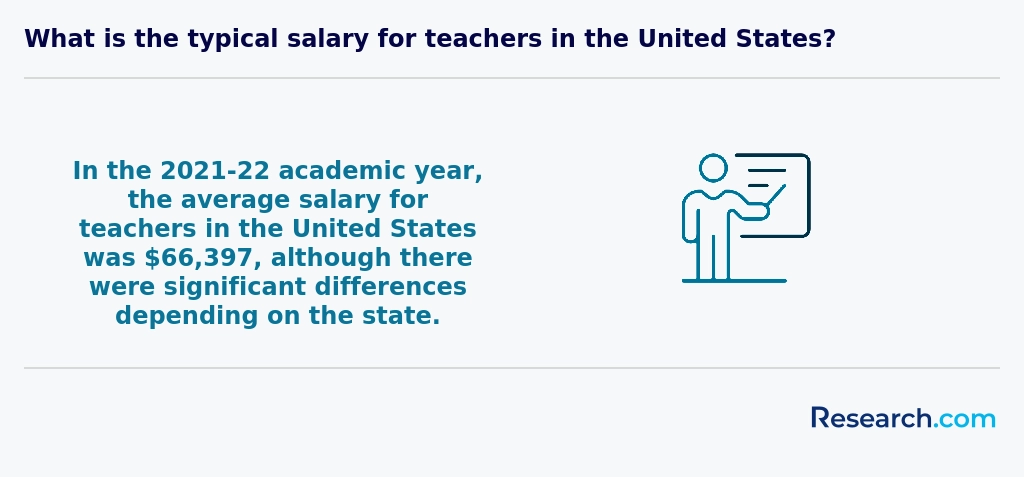
Becoming a certified teacher in Texas requires more than earning an online education degree; you must also navigate the state’s licensure process overseen by the Texas Education Agency (TEA) and the State Board for Educator Certification (SBEC). First, candidates must complete an educator preparation program (EPP) approved by SBEC, which often includes supervised teaching internships and coursework aligned with the Texas Essential Knowledge and Skills (TEKS). Upon program completion, applicants register for and pass the Texas Examinations of Educator Standards (TExES) content and pedagogical exams specific to their certification area, such as Core Subjects EC–6 or Secondary English Language Arts and Reading. Alternative certification pathways exist for career changers and those holding a bachelor’s degree in a non-education field. Through the Texas Alternate Certification Program (ACP), candidates may secure a probationary teaching certificate while completing accelerated pedagogical training and mentored classroom teaching. All certification candidates must also pass the State and Federal Criminal History Review and apply for certification via the TEA’s online Educator Certification Online System (ECOS), submitting official transcripts, exam scores, and application fees. To maximize your return on investment, consider programs that integrate certification support services-such as exam prep, resume workshops, and licensure advising-into their online curriculum. For a comparative view of affordable graduate pathways that align with licensure goals, explore the Cheapest Online Master's in Education Degree Programs Ranking in Arizona. This can help you benchmark tuition, support services, and certification success rates before finalizing your Texas-based program choice.
Diving into an online education degree in Texas means exploring a vibrant mix of courses designed to spark your passion for teaching and leadership. Imagine taking Educational Psychology at a university like Texas A&M, where graduates describe discovering how children's minds work and tailoring lessons to meet diverse learning styles. Curriculum Development courses challenge you to craft engaging lesson plans grounded in Texas state standards, perfect practice for real classrooms across the state.
Many students share how Classroom Management classes at the University of Texas at Austin equipped them with skills to create positive, respectful learning environments, making every school day smoother. Assessment and Evaluation courses dive into measuring student progress, turning theory into practical tools you'll use immediately. And with Instructional Technology, you gain confidence navigating digital platforms, a must-have skill both online and offline.
What's uniquely exciting is the chance to study Texas-specific topics like Education Law and Policy, preparing you to meet certification requirements and advocate for student rights. Whether exploring Special Education or Bilingual Education, programs at Texas State University let you tailor your journey to meet the needs of Texas's diverse classrooms, making your education adventure deeply relevant and rewarding.
Diving into online education degree specializations Texas offers feels like unlocking doors to diverse, impactful careers. Imagine a graduate from a popular Texas university sharing their excitement about specializing in Curriculum and Instruction-crafting engaging lesson plans that truly resonate with students from Houston to Dallas. Others find their calling in Educational Leadership and Administration, ready to shape school cultures as principals or superintendents in dynamic urban districts.
For those drawn to meaningful classroom work, Special Education opens paths to support students with unique needs, a critical focus given Texas's growing demand. Meanwhile, Reading and Literacy specialists revel in helping children overcome barriers with innovative strategies, especially within Texas's multilingual classrooms. Another vibrant path is Bilingual and ESL Education, where graduates embrace Texas's rich cultural tapestry by empowering English Language Learners.
Early Childhood Education is equally inspiring, allowing graduates to nurture young minds in communities across Texas. Students at these institutions often explore their options by checking out the ranking of affordable online degrees in education, combining passion with smart investment in their future.
Choosing the best online education degree in Texas starts with exploring programs that fit your lifestyle and goals. Graduates from respected institutions often recall how important it was to confirm accreditation-especially regional accreditation like SACSCOC-to ensure their degree held weight with employers and certification boards across Texas.
Picture a busy professional juggling work and family: asynchronous classes at Texas universities offer the freedom to study whenever suits them best, while still providing strong support services like tutoring and career advising. Many have found joy in programs with clear pathways to Texas teacher certification, making their career transitions smoother and more exciting.
When diving into affordable online education degrees Texas offers, remember to consider total costs beyond tuition, including fees and textbooks. Some graduates have turned to comprehensive rankings like the Cheapest Online Master's in Education Degree Programs Ranking in Arizona for wider perspective, blending affordability with quality.
Finally, envision yourself gaining hands-on experience through clinical placements, often arranged locally by Texas colleges, enriching your studies with real classroom adventures. This blend of flexibility and practical learning helps many online learners feel confident and eager as they step into their future careers.
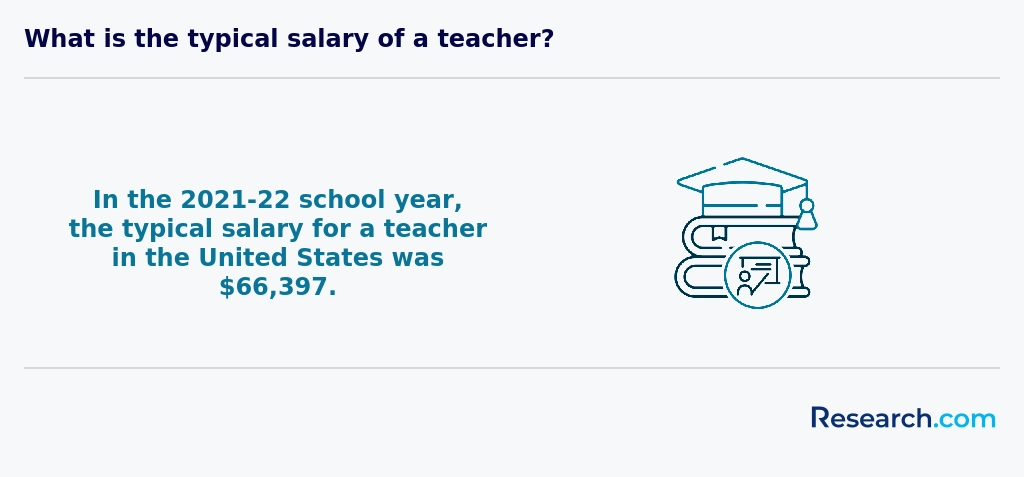
Graduates with an online education degree in Texas discover an exciting spectrum of career opportunities just waiting to be explored. Many find themselves stepping confidently into teaching jobs with online education degree Texas offers, specializing in subjects from math to special education in public schools. These roles unlock the joy of shaping young minds while embracing the flexibility that online programs, like those at well-known Texas universities, provide.
Beyond the classroom, adventurous graduates often venture into educational administration, becoming principals or curriculum coordinators, where they lead with passion and innovation. Others dive into the growing field of education counseling, becoming trusted guides for students navigating their academic journeys.
For those captivated by technology, instructional design opens doors to crafting engaging digital curricula for schools and colleges. Some graduates even pursue unconventional paths; inspired by stories from their peers, they consider fast-tracked achievements like a phd in 1 year to fuel their careers.
The online education degree career opportunities Texas cultivates truly embrace anyone ready to explore, innovate, and make a meaningful impact.
The job market for online education degree jobs Texas presents an exciting landscape filled with practical opportunities and real growth. Graduates from universities like the University of Texas at Austin or Texas A&M often share stories of landing roles as instructional coordinators or special education teachers in bustling public school districts. These roles come alive with a demand driven by a recognized teacher shortage in fields such as bilingual education and STEM, making specialized online degrees highly sought after.
Imagine balancing coursework remotely while already working in a school environment-this flexibility enables many to upgrade qualifications without career interruptions. This adaptability fuels confidence among graduates as they step into roles in charter or private schools across Texas.
Salary-wise, teaching positions in Texas offer a competitive edge, with median wages for elementary and secondary educators ranging between $60,000 and $65,000. With Texas' affordability and emphasis on continuous certification through the Texas Education Agency, graduates feel equipped to thrive. For additional insight into valuable educational pathways, see this guide on college majors ranked.
2027 Most Affordable Online Education Degree Programs Ranking in Texas
Investing in your education is a significant decision that can shape your future, and the Research.com team understands the importance of making informed choices. To assist prospective students in Texas, we have meticulously crafted the "2027 Most Affordable Online Education Degree Programs Ranking in Texas." Our commitment to quality, credibility, and accuracy is reflected in the extensive research and analysis conducted to compile this ranking.
We utilized the following reputable data sources to ensure a comprehensive evaluation of online education degree programs:
By exploring this ranking, readers will gain valuable insights into the most affordable and quality online education degree options in Texas, empowering them to make informed educational choices. For more details on our methodology, please visit our Research.com methodology page.


# 15 position
Southwestern Baptist Theological Seminary
Master of Christian Education



Frequently Asked Questions About education
Students pursuing online education degrees in Texas can maximize their learning by actively engaging with course materials and participating in virtual discussions. Research from the Texas Higher Education Coordinating Board shows that students who interact regularly with instructors and peers report higher satisfaction and better grades.
Time management is essential; planning study sessions around Texas Education Code requirements and balancing personal responsibilities improves success rates. Using Texas public university resources, such as tutoring and library services, also aids learning.
Choosing accredited programs listed by the Southern Association of Colleges and Schools Commission on Colleges (SACSCOC) ensures quality education aligned with Texas standards.
Emerging niches within the education field in Texas reflect shifts in technology, diversity, and specialized student needs. Online degrees now often focus on educational technology, preparing educators to integrate digital tools effectively into classrooms. Another growing area is special education, with increased demand for professionals trained to support students with disabilities, reflecting Texas' growing diverse student population. Additionally, bilingual and ESL education is expanding, driven by Texas' large number of English language learners.
According to the Texas Education Agency, about 17% of public school students are English language learners, highlighting this niche's importance. These trends illustrate evolving career opportunities for online education degree students statewide.
After earning an online education degree in Texas, graduates should focus on building a strong professional network. Texas boasts several education associations like the Texas Classroom Teachers Association, which offers valuable career resources. In addition, gaining teaching certification is essential; the Texas Education Agency provides guidelines for licensing online degree holders. Job seekers are encouraged to develop a polished resume highlighting both virtual learning skills and practical classroom experience. According to the Texas Workforce Commission, the demand for qualified educators is projected to grow by 7.3% through 2030, signaling good opportunities for prepared graduates.
Internships and substitute teaching also provide crucial hands-on experience. Utilizing job boards specific to Texas schools, such as those by local school districts, increases the chance of finding suitable positions. Continuing professional development through workshops and advanced certifications can further improve job market competitiveness in Texas.
Employers in Texas highly value education degree graduates who demonstrate strong communication and classroom management skills. According to the Texas Education Agency, effective communication with students and parents is critical for successful teaching outcomes. Additionally, critical thinking and adaptability are essential, as Texas classrooms often include diverse student populations, requiring tailored instructional strategies.
Technological proficiency is also increasingly important, especially for online and hybrid learning environments. Data from the National Center for Education Statistics shows that over 60% of Texas schools integrate technology into daily teaching.
Finally, collaboration skills rank high, as educators frequently work with colleagues and administrators to improve student achievement.
Finding internships in Texas that align with an education degree requires strategic research and networking. Start by exploring university partnerships, as many Texas institutions collaborate with local school districts and educational nonprofits to offer internship placements. According to the Texas Education Agency, school districts frequently post internship opportunities online during the academic year.
Utilize state-specific job portals such as Texas Workforce Commission's WorkInTexas.com for listings targeted to education students. These platforms often filter opportunities by region and qualification. Additionally, professional organizations like the Texas Classroom Teachers Association provide resources and guides for securing internships relevant to education.
Reaching out directly to schools, educational centers, or district offices can also uncover unadvertised internships. Keep in mind that roughly 90% of Texas school districts require background checks for education interns, so be prepared for the application process to include this step.
An online education degree in Texas can significantly enhance career mobility and advancement opportunities. Texas ranks among the top states in education employment, with a 5.2% projected growth rate for teachers and education professionals through 2030, according to the Texas Workforce Commission. Earning a degree online offers flexibility for working adults, enabling them to gain credentials without interrupting their careers.
Many Texas school districts increasingly recognize online degrees from accredited institutions, supporting career advancement such as promotions to administrative or specialized instructional roles. Additionally, online education degrees often qualify graduates for state certification, a crucial factor for career growth in Texas public schools.
Research shows that possessing a bachelor's or master's degree in education correlates with higher salaries and better job security in Texas. The Texas Education Agency highlights that teachers with advanced degrees earn approximately 10-15% more than those without. This makes online education degrees an effective tool for professionals aiming to improve their standing in the competitive Texas education job market.
Studying for an education degree in Texas online offers a strong foundation for interdisciplinary roles by integrating diverse teaching methods and subject knowledge. Texas universities emphasize curriculum design that includes psychology, technology, and cultural studies, preparing graduates to work in varied academic and community settings.
Programs often align with Texas Education Agency (TEA) standards, ensuring skills relevant to multiple disciplines. For example, data from TEA show that 85% of teachers with interdisciplinary training report greater flexibility in classroom management and collaboration.
Additionally, online degrees foster digital literacy, enabling graduates to bridge education with evolving fields like instructional technology and special education.
Choosing between a thesis and a non-thesis education degree program in Texas depends largely on your career goals and learning preferences. Thesis programs typically require conducting original research and writing a substantial paper, which suits students aiming for doctoral studies or research-driven careers.
Non-thesis programs focus more on coursework and practical skills, ideal for those seeking immediate employment in education roles. Texas universities, including the University of Texas System, often provide both options for online education degrees.
According to the Texas Higher Education Coordinating Board, about 40% of graduate education students choose non-thesis tracks, reflecting demand for flexible, practice-oriented programs.
Consider your interest in research, time availability, and professional objectives when making this decision.
Students based in Texas who wish to study education abroad have several options, primarily through partnerships between Texas universities and international institutions. Many Texas public universities, including the University of Texas system, offer study abroad programs that allow education majors to complete credits overseas while remaining enrolled in their home institutions.
Additionally, Texas students may participate in exchange programs or short-term education-focused trips that enhance cultural competence-an important skill in teaching diverse classrooms. According to the Texas Higher Education Coordinating Board, nearly 5% of Texas college students engaged in study abroad activities in 2022, reflecting growing interest.
Online programs in Texas sometimes include international components or virtual collaboration with foreign education experts, providing an alternative for students unable to travel. These programs align with Texas' emphasis on global awareness in education degrees.
Part-time job opportunities in Texas that complement an online education degree often revolve around roles in tutoring, substitute teaching, and educational support positions. For example, Texas has a high demand for substitute teachers, offering flexible hours that suit students pursuing degrees. According to the Texas Education Agency, over 300 school districts offer part-time teaching roles, which provide practical classroom experience alongside academic learning.
Additionally, tutoring for K-12 students in subjects like math and reading is widely available, especially in urban areas like Houston and Dallas. Many community centers also seek education majors to assist with after-school programs. These jobs enhance pedagogical skills and build a professional network within Texas's education system.
Online education students in Texas have a variety of networking opportunities despite not being on campus. Many Texas institutions offer virtual events such as webinars, discussion forums, and group projects that connect students with peers and faculty.
Professional organizations like the Texas Classroom Teachers Association provide memberships and virtual meetings dedicated to education professionals. According to the Texas Higher Education Coordinating Board, over 40% of Texas public universities support student access to online career fairs and alumni mentorship programs.
Furthermore, Texas's large education sector means students can join local education-focused meetups and volunteer projects, sometimes arranged by their schools, to build valuable connections within the community.
Alumni networks provide valuable support for online education degree students in Texas by connecting them with graduates who share similar academic and professional interests. These networks foster mentorship opportunities, guiding students through career challenges and job searches. According to the Texas Higher Education Coordinating Board, nearly 65% of graduates report that alumni connections helped them secure employment within six months after graduation.
Online students often face challenges in networking due to physical distance, but strong alumni networks bridge this gap through virtual events, social media groups, and professional gatherings. These connections also offer access to exclusive job listings and continued professional development resources.
Such networks enhance student engagement, boost career readiness, and build a lifelong community crucial for success in education careers across Texas.
Texas offers flexible options for customizing online education degree programs to align with your career goals. Many universities allow students to choose from various specializations, such as early childhood education, curriculum development, or educational leadership, tailoring their studies to specific professional interests.
Advisors often assist in selecting electives that support career advancement or certification requirements. For example, Texas educators can pursue endorsements in bilingual education or special education, enhancing job prospects.
According to the Texas Higher Education Coordinating Board, over 60% of online education students adapt their coursework to meet state licensure standards, demonstrating the system's responsiveness to individual goals.
Moreover, some programs offer internships or practicum placements in local school districts, providing practical experience connected to your chosen career path.
Online education students in Texas face several common challenges that can impact their academic success. One key issue is limited access to reliable high-speed internet, especially in rural areas, where nearly 17% of households lack broadband according to the Texas Broadband Development Office.
Time management also poses difficulties as many students balance coursework with jobs or family responsibilities. Unlike traditional programs, online learners need strong self-discipline to stay on track without in-person reminders.
Additionally, students may experience a sense of isolation due to less face-to-face interaction with peers and instructors, which can affect motivation and mental health.
Finally, navigating financial aid and understanding transfer policies at Texas institutions can be complex for online learners.
With an online education degree in Texas, graduates can pursue several professional certifications that enhance their teaching career prospects. The most common is the Texas Teacher Certification, regulated by the Texas Education Agency (TEA), which allows individuals to teach in public K-12 schools.
Other certifications include the English as a Second Language (ESL) certification, important in Texas where nearly 20% of students are English language learners, according to TEA data. There is also the Special Education certification, which addresses the growing need for trained special educators.
Beyond teaching, options like instructional coaching or educational technology certifications can broaden career paths within schools or districts.
Writing a winning application for an online education program in Texas requires careful preparation and clear communication. Start by thoroughly researching the program's specific requirements. Many Texas institutions, such as the University of Texas at Austin and Texas A&M University, have unique criteria reflecting their educational goals.
Highlight your academic achievements and relevant experience clearly. Texas students benefit from emphasizing connections to local educational needs or policies. According to the Texas Higher Education Coordinating Board, demonstrating an understanding of the state's education challenges can strengthen your application.
Personalize your statement of purpose to align your goals with the program's mission. Include any leadership or community involvement related to education, as these qualities are highly valued in Texas programs.
The global perspective on an education career increasingly values flexibility, technology integration, and cultural competence. In the US, and specifically Texas, demand for qualified educators is expected to grow by 10% from 2022 to 2032, according to the Bureau of Labor Statistics. Texas alone anticipates adding over 50,000 teaching jobs in the coming decade, emphasizing online education as an accessible pathway.
Online education degrees offer opportunities to gain skills recognized worldwide, including curriculum design and digital teaching methods. This aligns with global trends emphasizing lifelong learning and adaptability.
Experts highlight that education careers now require understanding diverse learner needs, a skill strengthened through Texas' diverse student population and its robust teacher certification programs.
Gaining practical experience while pursuing an online education degree in Texas is essential for building teaching skills and meeting certification requirements. Many Texas universities partner with local schools to offer supervised student-teaching placements, allowing candidates to apply theory in real classrooms. According to the Texas Education Agency, completing a set number of clinical teaching hours is mandatory for certification.
Additionally, online students can engage in virtual simulations and remote practicums offered by some programs. Volunteering or substituting in Texas school districts also provides valuable hands-on experience. Leveraging these opportunities helps online learners develop essential classroom management and instructional skills while fulfilling state educator standards.
Choosing the right concentration within an online education degree in Texas starts with identifying your career goals and interests. Texas offers diverse areas like curriculum development, educational leadership, special education, and instructional technology, each catering to different roles in schools and organizations.
Consider the Texas Teacher Certification requirements if you aim to work in public schools. Some concentrations align more directly with licensure paths determined by the Texas Education Agency.
Research labor market trends in Texas through the Texas Workforce Commission, which reports growth in education roles requiring specialized skills, especially in STEM and bilingual education.
Finally, evaluate program flexibility and support services, as online learners benefit from strong advising tailored to their concentration.
- 2027 Most Affordable Online Education Degree Programs Ranking in Kansas
- 2027 Most Affordable Online Education Degree Programs Ranking in Missouri
- 2027 Most Affordable Online Education Degree Programs Ranking in Mississippi
- 2027 Most Affordable Online Education Degree Programs Ranking in Nebraska
- 2027 Most Affordable Online Education Degree Programs Ranking in Georgia
- 2027 Most Affordable Online Education Degree Programs Ranking in Florida
- 2027 Most Affordable Online Education Degree Programs Ranking in Kentucky
- 2027 Most Affordable Online Education Degree Programs Ranking in Iowa
- 2027 Most Affordable Online Education Degree Programs Ranking in South Carolina
- 2027 Most Affordable Online Education Degree Programs Ranking in North Carolina
See What Experts Have To Say About Studying Education
Read our interview with Education experts

Alan J. Singer
Education Expert
Professor of Teaching, Learning and Technology
Hofstra University


- International teaching and education jobs https://www.tes.com/jobs/search/international
- Online Teaching Jobs in Texas | Elevate K-12 https://www.elevatek12.com/online-teaching-jobs/states/tx/
- Guide to Online Education Degrees | OEDb.org https://www.oedb.org/rankings/online-education-programs/
- Seven Major Challenges Facing Education in the 21st Century https://www.internationalschoolparent.com/articles/seven-global-education-challenges/
- Finding Networking Opportunities as a Student | National Society of High School Scholars https://www.nshss.org/resources/blog/blog-posts/how-to-find-networking-opportunities-as-a-student/
- How To Write A Great Cover Letter For Teacher Training - Engage Education https://engage-education.com/blog/how-to-write-a-great-cover-letter-for-teacher-training/
- Networking Tips and Advice for Students https://schoolshouldbe.com/post/networking-tips-and-advice-for-students/
- Best Online Colleges In Texas https://www.affordablecollegesonline.org/online-colleges/texas/
- How to Choose the Right Online School for Your Child in Texas https://eagleonlinelearning.org/blog/how-to-choose-the-right-online-school-for-your-child-in-texas
- South Texas College Online | South Texas College https://www.southtexascollege.edu/online/