2027 Easiest Online Doctorate in Education Degree Programs Ranking in the Midwest

Co-Founder and Chief Data Scientist
Choosing the right online doctorate in education program can feel overwhelming, especially for students in the Midwest seeking flexibility and quality. This article introduces the 2027 Easiest Online Doctorate in Education Degree Programs Ranking in the Midwest, created by the Research.com team of data scientists to guide you through this important decision.
Discover programs that combine accessibility with reputable academic standards. Reading this ranking will empower you to confidently pursue your educational goals and open doors to new career opportunities. Earning an education doctorate is a rewarding step towards making a difference in your community and beyond.
Key benefits of getting online education degree in the Midwest
- Graduates with an education degree in the Midwest can earn solid salaries, such as Academic Deans making around $100,720 annually and University Presidents earning up to $258,900, highlighting strong financial potential.
- Career paths often include roles like University Professor or Academic Dean, with opportunities to grow within universities or school systems, exemplified by graduates from popular Midwest universities like the University of Michigan.
- Online education degrees offer flexibility and convenience, allowing students from anywhere in the Midwest to balance work and study efficiently, as shown by many successful online graduates from institutions such as Purdue University.
- 2027 Easiest Online Doctorate in Education Degree Programs Ranking in the Midwest
- What can I expect from online education degree in the Midwest?
- Where can I work with online education degree in the Midwest?
What can I expect from online education degree in the Midwest?
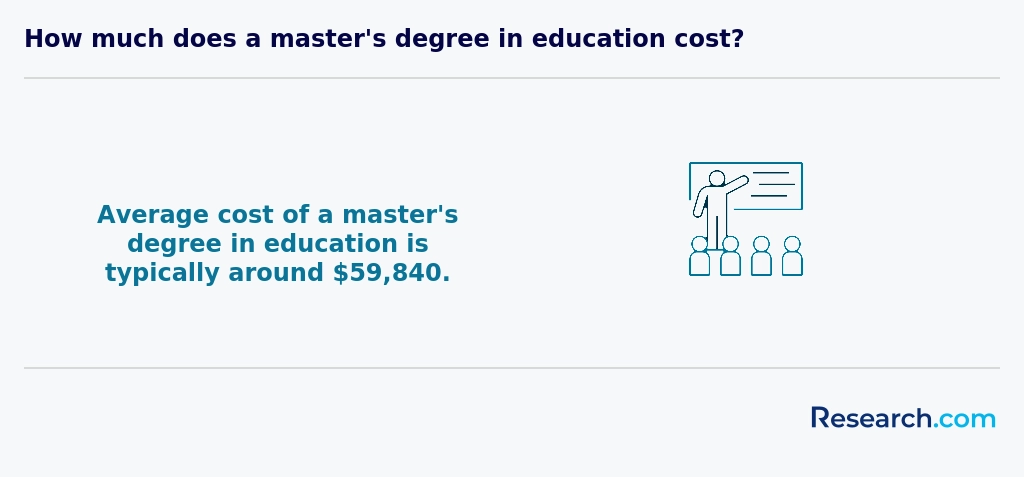
The average cost of an online education degree in the Midwest typically ranges from $400 to $700 per credit hour, depending on the institution and level of study. For many students enrolled at well-known state universities in Illinois or Ohio, this translates to a manageable tuition expense compared to similar programs in other U.S. regions. Graduates often mention feeling relieved by the affordability, especially when balancing work and family commitments.
For example, a graduate from a Midwestern university recalls how competitive tuition allowed them to pursue a specialized track in educational leadership without incurring excessive debt. This affordability, paired with accessible financial aid and scholarships aimed at online learners, creates a supportive environment for those juggling multiple responsibilities.
Nonetheless, it's important to consider that costs vary and some programs might charge toward the higher end of the spectrum. Prospective students should critically evaluate the return on investment based on their career goals, institutional reputation, and available financial assistance before committing.
Where can I work with online education degree in the Midwest?
Graduates with an online education degree in the Midwest often find diverse career paths across K-12 schools, higher education, and administrative sectors. Those from well-known institutions like the University of Illinois or Ohio State University frequently report securing positions as classroom teachers or curriculum specialists in public schools throughout states such as Illinois and Ohio. These roles offer daily fulfillment by directly shaping students' learning experiences.
Others pursuing advanced degrees say they've transitioned into community college faculty or university program directors, leveraging their online doctorate in states like Minnesota or Indiana. This shift often comes with the rewarding challenge of influencing educational policy or leadership at a broader scale, providing a sense of professional growth and contribution to systemic change.
Moreover, graduates share experiences of moving into district administration as principals or academic advisors, where their online credentials meet rigorous qualifications. The emotional reward here lies in steering school communities toward success, despite the complexity of these roles.
Alternative pathways include roles in educational technology firms or nonprofit organizations, where graduates apply their expertise to real-world education reform. This spectrum of opportunities in the Midwest allows degree holders to align their careers with personal values and regional needs.
Graduates with online education degrees in the Midwest often find salary outcomes that reflect both opportunity and regional variation. For example, those pursuing higher education leadership roles at well-known institutions like the University of Michigan or Ohio State University can expect median salaries aligned with national data.
University professors in the Midwest earn a mean annual wage of around $96,570, a figure that resonates with many graduates who appreciate the combination of stable income and the chance to contribute to academic communities.
Stepping into administrative positions, such as academic deans, raises earning potential to about $100,720 annually, with responsibilities including curriculum oversight and faculty management. This role is common for graduates who have leveraged their education degrees to develop leadership skills.
At the highest level, provosts and university presidents-positions often reachable after years of dedication-earn mean salaries near $258,900. Graduates aspiring to these roles from Midwest colleges like Indiana University often find the rigorous demands balanced by rewarding compensation and influence.
While salaries vary, many Midwest graduates share positive experiences citing supportive university networks and abundant chances for upward mobility within education careers.
- Online education degrees in the Midwest typically cost between $10,000 and $25,000 for a bachelor's degree and $12,000 to $30,000 for a master's degree.
- Public universities in the Midwest generally offer lower tuition rates than private schools, making them more affordable for many students.
- Entry-level educators with degrees in this region earn around $45,000 to $50,000 annually, while mid-career teachers can make about $60,000 or more.
- Job growth is strong in areas like special education, early childhood education, and STEM teaching fields in states such as Illinois, Ohio, and Minnesota.
- Many programs align with state licensure requirements, allowing students to complete certification needed for public school jobs in the Midwest.
- Accreditation by regional agencies like the Higher Learning Commission is crucial for federal aid eligibility and credit transfer between schools.
Completing an online education degree in the Midwest generally depends on the degree level and individual circumstances. For example, at institutions like the University of Illinois or Ohio State University, full-time undergraduates pursuing a Bachelor's in Education usually finish in about four years, mirroring traditional campus timelines. Graduates often share how balancing coursework with work and family life felt challenging but rewarding due to online flexibility.
Graduate students pursuing a Master's in Education at schools such as Indiana University or the University of Minnesota often complete their degrees within 18 months to three years when studying full-time. Those studying part-time frequently take longer, sometimes up to three or more years, which many find helpful to maintain steady progress without burnout.
Doctoral candidates in education face longer commitments, frequently spanning three to six years, as seen among Ed.D. and Ph.D. students at Northwestern University. Graduates emphasize how program structure and dissertation demands shape pacing, highlighting that personal motivation and institutional support make a significant difference when pursuing these advanced degrees.
- Flexible, asynchronous course schedules that fit around work and family commitments
- Generous transfer-credit policies and recognition of professional experience to reduce required credits
- Streamlined dissertation options (e.g., cohort capstone projects or publishable-practice articles)
- Minimal or no on-campus residency requirements, with virtual orientations and exams
- Cohort-based models with scheduled milestones, clear timelines and built-in peer support
- Dedicated online student services, including tech support, writing centers and virtual libraries
If you need to complete a master’s degree quickly before applying, consider exploring 1 year master's programs to jump-start your doctoral journey.
The primary difference between online and on-campus education degrees in the Midwest lies in how learning is experienced daily. Graduates from universities like the University of Michigan or Ohio State often recall the vibrant campus environment where face-to-face discussions and real-time collaboration shaped their understanding. In contrast, online students from institutions such as the University of Illinois at Urbana-Champaign appreciate the flexibility to balance coursework with jobs or family, logging in to lectures and forums at convenient times.
Both routes maintain rigorous curriculum standards set by accreditation bodies like CAEP, ensuring quality regardless of delivery. However, even online students must engage in in-person practicum experiences, reinforcing hands-on skills essential for licensure in states like Illinois and Ohio.
Cost differences also influence choice; for example, online programs often reduce expenses by eliminating commuting and housing fees, which recent graduates found especially helpful when managing budgets.
Ultimately, understanding these contrasts helps prospective Midwest students choose a path fitting their lifestyle and professional goals.
Accreditation is the cornerstone of any reputable online doctorate in education program, ensuring that your degree carries weight with employers, licensing boards, and fellow academics. In the Midwest, most leading institutions hold regional accreditation through bodies such as the Higher Learning Commission (HLC), alongside programmatic recognition by the Council for the Accreditation of Educator Preparation (CAEP). These credentials guarantee that curricula meet rigorous standards in faculty qualifications, research opportunities, and student outcomes. Prospective students should verify that their chosen program is recognized not only regionally but also by state education departments-especially if they plan to pursue licensure or certification outside their current home state. Accredited programs typically participate in regular peer reviews, publish detailed outcome reports (including graduation and job-placement rates), and maintain transparent admissions policies. Checking accreditation directories and institutional disclosures can save you time and prevent credit-transfer headaches down the road. Beyond institutional status, look for evidence of continuous improvement: read published assessment data, evaluate how faculty integrate emerging research into coursework, and consider programs that engage in national consortia or grant-funded projects. For those exploring innovative options, top-ranked teacher degree online pathways often emphasize quality assurance through partnerships with K–12 districts, annual program evaluations, and dedicated accreditation liaisons. By prioritizing accredited programs with robust quality-assurance frameworks, you’ll secure a doctorate that not only elevates your credentials but also equips you with cutting-edge expertise to lead educational transformation across the Midwest and beyond.
The average cost of an online education degree in the Midwest generally falls around a median total of $46,276, with in-state students paying closer to $36,360 and out-of-state students facing costs near $46,892. These figures reflect typical tuition but can vary based on several factors such as the institution's public or private status, program length, and any additional technology or service fees. Graduates from well-known schools in the region often recall budgeting carefully to take advantage of scholarships and financial aid, which can significantly lower the burden.
Students enrolled in online doctorate in education tuition fees Midwest programs report that costs per credit hour can vary, with some public universities charging roughly $900 per credit for residents. A graduate who completed their online Doctor of Education at a flagship Midwestern university noted how the flexibility of distance learning allowed them to work while studying, making the overall investment feel manageable despite the somewhat higher tuition compared to traditional programs. This balance between cost and convenience is crucial for many pursuing advanced education degrees online.
Considering the varying expenses, including extra fees and lengthier programs for doctorates, prospective students should carefully evaluate their options. Exploring the best online education schools in south dakota can provide insight into programs that combine affordability with academic reputation and support services. Many students express relief on completion, highlighting that understanding the average cost of online education degree Midwest helps them prepare financially and avoid surprises.
Financial aid for online education degrees in the Midwest often comes from diverse sources, each with distinct advantages and limitations. Graduates from institutions like the University of Illinois Urbana-Champaign have shared how completing the FAFSA unlocked access to federal aid, including Direct Unsubsidized Loans and Grad PLUS Loans, which helped cover a significant portion of their tuition. However, these loans do mean future debt, so careful consideration is necessary.
State-specific programs can provide crucial relief, especially for residents. For instance, students at Indiana University found the state's grant programs vital, with awards comparable to Illinois' MAP grants, which can offer up to $4,500 annually directly applicable to online education tuition.
Many appreciate institutional scholarships and assistantships, common at large Midwestern universities such as Michigan State, where teaching assistantships can cut costs by nearly half, while also providing valuable experience. Graduates often highlight how balancing research duties with studies strengthened both their resumes and confidence.
Additionally, working professionals enrolling in online programs frequently benefit from employer tuition reimbursement plans, easing financial strain while advancing careers. Private scholarships, like those from the Midwest Teachers Scholarship Foundation, also play an important role, offering up to $5,000 to help offset expenses, a boon for candidates balancing family and work obligations.
Choosing an online doctorate in education from a regionally accredited institution is paramount to ensuring your degree is recognized by employers, licensure boards, and other colleges. Regional accreditation-granted by bodies such as the Higher Learning Commission (HLC) or the North Central Association of Colleges and Schools-validates that a program meets rigorous academic and institutional standards. Prospective students should verify accreditation status on the U.S. Department of Education’s database or the Council for Higher Education Accreditation (CHEA) directory before applying. Programmatic accreditation further guarantees specialized curriculum quality; for example, the Council for the Accreditation of Educator Preparation (CAEP) evaluates teacher preparation programs. Graduates of CAEP-accredited doctoral programs often have an easier pathway to state licensure and leadership roles in educational administration. Always confirm that your chosen program holds both regional and programmatic accreditation to maximize career mobility. State authorization is another critical component. If you reside or plan to work outside the institution’s home state, check that the online program is authorized for out-of-state enrollment. Schools typically list state authorization details on their websites; you can also consult the National Council for State Authorization Reciprocity Agreements (NC-SARA) portal to confirm reciprocity agreements. Financial considerations and accreditation go hand in hand. Accredited programs are eligible for federal financial aid, and many states require degrees to be from accredited institutions to qualify for teaching grants and loan forgiveness. For those balancing budget and quality, explore our Inexpensive Online Education Degree Programs Ranking in St. Paul, MN for cost-effective, accredited options without compromising academic rigor.
Enrolling in an online education degree in the Midwest commonly requires holding a bachelor's degree from a regionally accredited institution, with many programs favoring candidates who have studied education or related fields. For example, graduates from Michigan State University's online programs often found that meeting foundational coursework in pedagogy and educational psychology was crucial, even when their bachelor's was in another discipline.
While standardized tests like the GRE are still asked by some schools, many Midwest institutions such as Indiana University have started waiving these for applicants with strong academic records or extensive professional experience. This shift reflects a growing recognition of diverse qualifications and practical knowledge over standardized metrics.
Professional experience remains a significant prerequisite. Graduates recalling their admission journey at the University of Illinois highlight how five or more years working in educational settings, like K-12 schools or administrative roles, greatly strengthened their applications and confidence entering the program.
Additional requirements may include letters of recommendation, personal statements, and background checks, particularly if the degree pathway leads to certification. These elements work together to ensure students are not only academically prepared but ready to engage meaningfully with the Midwest's accessible yet rigorous online education landscape.

- Flexible scheduling with asynchronous lectures that fit professional and family commitments.
- Generous credit transfer policies, including courses from online college courses, to shorten time to degree.
- Streamlined admissions processes (test-optional, waived GRE) that reduce upfront hurdles.
- Cohort-based models providing peer support, clear milestones and set deadlines.
- Minimal or no residency requirements, cutting travel and lodging costs.
- 24/7 academic advising and technical support to resolve issues quickly and keep you on track.
Online education degree programs in the Midwest commonly include courses that blend theory with practical application, a balance appreciated by many graduates from institutions like the University of Illinois or Michigan State University. For example, educational psychology courses help students grasp how learners develop, which one graduate described as "eye-opening" for understanding diverse classroom behaviors.
Instructional design is another frequent course, emphasizing the creation of engaging digital lessons. Graduates often recall how this skill enabled them to craft effective online content during their student teaching, especially helpful in adapting to remote learning challenges.
Courses in classroom management are valued for preparing students to handle real-world educational environments, as recounted by those who successfully transitioned into teaching roles in Midwestern schools. The focus on leadership also equips students for administrative duties, reflecting the region's demand for versatile education professionals.
While these core courses form the backbone, opportunities to specialize-such as in educational technology or special education-allow students to tailor their degrees to personal career aspirations, enhancing their sense of purpose and direction throughout their studies.
Typical specializations in an online education degree in the Midwest often reflect both regional workforce needs and evolving educational practices. Graduates from popular institutions like the University of Iowa or Michigan State University frequently highlight areas such as Educational Leadership and Administration, which equips students for roles like school principal or district administrator. These programs emphasize practical skills to address local demands, a perspective valued by many Midwestern educators.
Other common foci include Curriculum and Instruction, Special Education, and Educational Technology, each offering paths that respond to distinct classroom challenges or technological integration. Adult and Higher Education specializations attract those seeking to impact community colleges or continuing education programs, often praised by online learners for their flexibility. These options illustrate how a Midwest doctorate in education focus areas tend to balance theory with the pragmatic needs of nearby school systems.
Some graduates mention that selecting a specialization aligned with regional trends, such as the increasing requirement for special education experts in Illinois or Ohio, can make a significant difference in job readiness and satisfaction. Prospective students aiming for a teacher degree online can find programs that foster this practical alignment while supporting diverse career goals.
Choosing the best online education degree in the Midwest requires careful scrutiny beyond surface-level rankings. Accreditation by regional bodies like the Higher Learning Commission is essential; graduates from universities such as those in Illinois or Michigan often emphasize how accreditation impacted their credibility with local employers and licensure boards. However, assuming all accredited programs provide equal quality may be misleading-reviewing faculty expertise and alignment with your career goals is equally important.
Cost considerations also vary widely. While many public universities offer affordability, reflecting the trend across affordable online education doctorate programs Midwest, some private institutions, though pricier, provide specialized resources that working professionals may find invaluable. One graduate who balanced family commitments appreciated programs offering asynchronous learning, underscoring flexibility as a critical factor when juggling multiple roles.
Support services tailored for remote learners-like digital libraries and career counseling-greatly influence success. Midwest-based institutions often tailor such services for their online cohorts. To compare options effectively, prospective students might consult Inexpensive Online Education Degree Programs Ranking in St. Paul, MN for financially sensible choices without sacrificing quality. Such rankings illuminate how affordability and program outcomes intersect.
Finally, consider programs with a strong record in preparing graduates for region-specific licensure exams and job placement, reflecting the best accredited online education degrees Midwest. Graduates' positive reflections often highlight the assurance gained from programs balancing rigor, flexibility, and local relevance, helping future educators feel confident navigating their professional paths.
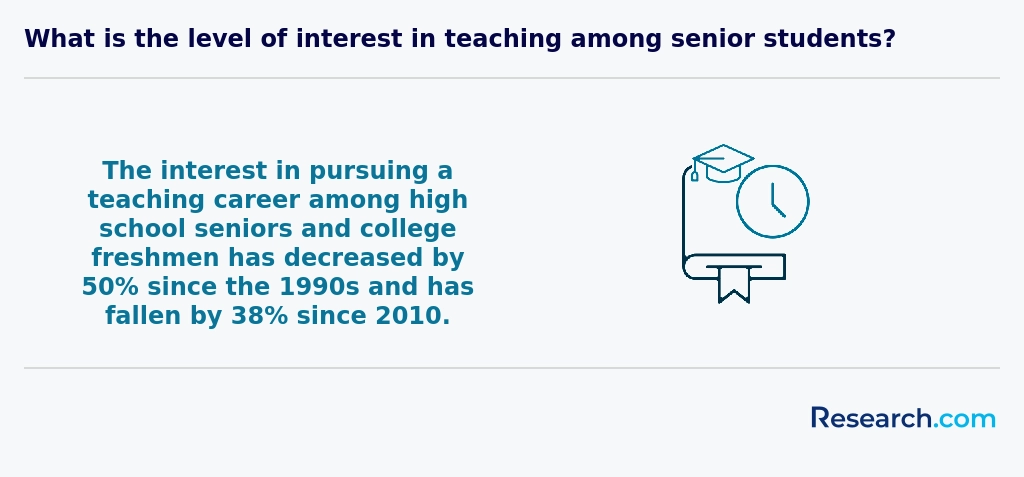
Graduates holding an online education degree in the Midwest often find career options extending well beyond traditional classroom teaching. For example, many alumni from well-regarded Midwestern universities transition into roles such as school principals or curriculum coordinators, where they can influence educational standards and staff development. These positions leverage both leadership skills and pedagogical expertise, highlighting the blend of theory and practice emphasized in these programs. However, it's worth noting that securing these roles often requires relevant state certification, which varies across the Midwest.
Some graduates pursue roles in higher education administration at prominent regional colleges, contributing to student affairs or academic program development. These jobs reflect the growing value of a Midwest doctorate in education job prospects, boosting leadership opportunities and salary potential. The flexibility of online learning allows students to balance work and study while advancing academically.
Other postgraduates explore educational technology or corporate training roles, responding to increasing digital learning demands. The career motivation shared by many graduates illustrates how an online education degree career options Midwest can unlock fulfilling paths that match diverse interests. Those interested might consider programs at the best affordable online colleges for job holders to optimize both cost and career readiness.
The job market for graduates with an online education degree in the Midwest presents a range of opportunities, though it requires careful consideration of local demand and specialization. Many graduates from well-known institutions such as the University of Illinois or Michigan State University report positive outcomes, particularly when pursuing roles in high-need areas like special education or STEM teaching. The Midwest job market for education degree graduates often benefits from steady population growth and regional education initiatives, offering a solid foundation for employment. However, the variation between urban and rural districts means flexibility and continued skill development are crucial.
Graduates frequently find themselves navigating competitive salaries, which in states like Ohio can average around $62,000 annually, reflecting broader national trends. Those who pursue online education doctorate job outlook Midwest opportunities usually move into leadership or coordination roles, enhancing their earning potential and job stability. Additionally, online programs' accessibility supports working professionals balancing career advancement with personal commitments.
Some graduates leverage their flexibility to explore less traditional career paths such as corporate training or higher education administration, signaling diverse routes beyond K-12. For individuals interested in accessible credentialing, several appealing online certificate programs that pay well complement formal degrees, illustrating how ongoing learning can boost career prospects and adaptability in the Midwest education job market.
2027 Easiest Online Doctorate in Education Degree Programs Ranking in the Midwest
Investing in your education is a significant decision that can shape your future, and the Research.com team understands the importance of making informed choices. To guide prospective students in the Midwest, we have carefully developed the "2027 Easiest Online Doctorate in Education Degree Programs Ranking in the Midwest." Our dedication to quality, credibility, and accuracy is demonstrated through thorough research and rigorous analysis applied in compiling this ranking.
We utilized the following reputable data sources to ensure a comprehensive evaluation of online doctorate programs in education:
By consulting this ranking, readers will gain valuable insights into accessible and reputable programs that match their educational and career goals. For a detailed explanation of our ranking process, please visit our Research.com methodology page.


# 3 position
Indiana State University
Doctor of Educational Administration: Higher Education Leadership

# 4 position
University of South Dakota
Doctor of Educational Administration and Leadership, PreK-12 Educational Leadership Specialization


# 9 position
Walden University
Doctor of Education



# 15 position
Bethel University, Minnesota
Doctor of Leadership (K-12 Education) (Higher Education)
# 16 position
Southwestern College
Doctor of Educational Leadership




Frequently Asked Questions About education
Online education degree students in the Midwest can enhance their learning by actively engaging with course materials and faculty. Research shows that students who participate in discussion forums perform 20% better on assessments (Midwest Education Research Center, 2023). Setting a consistent study schedule helps maintain discipline, especially when balancing work or family commitments. Utilizing university resources, such as virtual tutoring and library databases, can deepen understanding. Networking with peers through online groups encourages collaboration and diverse perspectives. Additionally, choosing programs accredited by recognized bodies like the Higher Learning Commission ensures quality education aligned with regional standards, improving career prospects post-graduation.
Emerging niches within the education field reflect changing demands in the Midwest's academic and professional landscapes. Data from the National Center for Education Statistics shows a growing need for specialists in educational technology, as schools increasingly adopt digital tools.
Another expanding area is special education, particularly focused on inclusive practices for diverse learners, driven by state policies promoting equity. Leadership roles in educational administration are also on the rise, with an emphasis on building culturally responsive school environments.
Additionally, there is increased interest in curriculum development tailored to STEM disciplines to meet workforce needs. Online education degrees in the Midwest often integrate these niches, preparing graduates for tomorrow's challenges.
Preparing for the job market after completing an online education degree in the Midwest involves strategic planning and leveraging regional resources. Graduates should focus on building a strong professional network by connecting with local education organizations and attending Midwest-specific career fairs. According to the National Center for Education Statistics, states like Illinois and Ohio have active education job markets with growing demands for qualified educators.
Additionally, acquiring relevant certifications and maintaining updated licensure requirements, which vary by state, increases employability. Engaging with alumni associations from your online program can also open doors to employment opportunities. Practical experience through internships or volunteer roles remains critical despite online study formats.
Employers in the Midwest highly value education degree graduates who demonstrate strong communication and leadership skills. According to the National Center for Education Statistics, effective classroom management and the ability to engage diverse learners are crucial for success. Employers also seek candidates proficient in educational technology, reflecting the growing integration of digital tools in Midwest schools. Critical thinking and problem-solving are emphasized, as educators must adapt to various student needs and policy changes. Additionally, collaboration skills are essential, since working with parents, staff, and community members enhances student outcomes. These competencies collectively prepare graduates for the evolving Midwest education landscape.
Finding internships related to education degrees in the Midwest involves several strategic steps. Students should start by leveraging their university's career services, which often have partnerships with local school districts and educational organizations. These collaborations can provide access to internships aligned with academic requirements.
Midwestern states, such as Illinois and Ohio, report over 20% of education students securing internships through college programs annually (National Center for Education Statistics, 2023). Networking with regional education conferences and professional groups also helps connect students with opportunities. Additionally, many states have online job portals dedicated to education internships and substitute teaching, which can serve as entry points.
Engaging with public school districts directly is another effective method, as many offer formal internship programs for teacher candidates. It is important to plan early and meet application deadlines, as internship availability can be competitive.
Online education degrees have become a significant factor in career mobility and advancement, especially in the Midwest. According to the National Center for Education Statistics (NCES), over 40% of Midwestern students enrolled in graduate programs choose online formats, reflecting a growing acceptance of this learning method.
Employers in states like Ohio, Indiana, and Illinois increasingly recognize online degrees from accredited institutions as equivalent to traditional ones, enhancing job prospects. Moreover, the flexibility of online programs allows working professionals to upskill without interrupting their careers, often leading to promotions or new leadership roles.
Data from the Bureau of Labor Statistics shows that educators with doctoral degrees in the Midwest can earn up to 20% more than those with only a master's, underscoring the value of advanced credentials. Additionally, online education degrees expand networking opportunities through virtual collaboration, essential for career growth in the region.
Studying for an education degree in the Midwest offers students a strong foundation for interdisciplinary roles. Many Midwestern institutions emphasize collaboration across fields such as psychology, technology, and social sciences, reflecting regional workforce demands. According to the National Center for Education Statistics, over 60% of education graduates in this region engage in dual-focused programs combining curriculum design with counseling or administration.
Online programs often include coursework that integrates data analysis, equity studies, and digital learning strategies. This prepares graduates to address diverse educational challenges in various settings.
Such interdisciplinary training equips students for roles in policy development, educational technology, and community outreach, aligning with Midwestern priorities for adaptable educators.
Choosing between a thesis and a non-thesis education degree program in the Midwest depends on your career goals and learning preferences. Thesis programs emphasize original research and are ideal if you plan to pursue a PhD or work in academia. Non-thesis tracks focus on practical skills and coursework, better suited for professionals aiming to advance in educational leadership or administration.
According to the National Center for Education Statistics, about 40% of Midwestern online doctorate programs offer both formats, providing flexibility. Consider your interest in conducting research and the time commitment, as thesis programs may require additional semesters.
Midwest students interested in studying education abroad through online degrees have growing opportunities. Many universities in states such as Illinois, Ohio, and Michigan offer flexible online programs with global components or international education specializations. These programs often include virtual exchanges, internships, or study tours abroad that complement coursework.
The University of Illinois and Michigan State University provide robust online education degrees with options for international collaboration, reported by the National Center for Education Statistics (NCES) in 2023. Additionally, several Midwestern institutions partner with universities overseas, allowing students to gain cross-cultural teaching experience virtually.
Financial aid and regional accreditation also support these programs, ensuring quality education paired with global perspectives, which is increasingly valued in education careers.
Part-time job opportunities in the Midwest that complement education degree studies often include roles such as teaching assistants, tutors, and substitute teachers. These positions provide practical classroom experience, which is vital for online education degree students. According to the U.S. Bureau of Labor Statistics, the Midwest has a growing demand for teacher aides, with an employment growth rate of approximately 4% from 2021 to 2031.
Additionally, many schools and community centers hire part-time literacy coaches or after-school program coordinators. These roles help develop instructional and leadership skills. Working in such capacities allows education students to apply theory to real-world settings, boosting both their resumes and professional networks relevant to the Midwest educational market.
Online education students in the Midwest benefit from diverse networking opportunities tailored to remote learning. Many Midwestern universities offer virtual meetups, workshops, and discussion forums where students connect with peers and faculty. According to the National Center for Education Statistics, Midwestern institutions increasingly support online student organizations, enhancing professional and academic networks.
In addition, regional education conferences and webinars, often hosted by Midwestern education associations, provide accessible platforms for networking. These events facilitate connections with local school leaders and education experts. Professional networks like the Midwest Education Research Association also offer online memberships, further expanding student access to valuable contacts within the region.
Alumni networks offer significant advantages to online education degree students in the Midwest. These networks connect current students with graduates who work in local schools, universities, and education organizations. According to the National Center for Education Statistics, about 40% of Midwest graduates find jobs through alumni referrals. This can be crucial in a competitive job market. Alumni also provide mentorship, sharing real-world insights and helping students navigate career challenges. Additionally, alumni events and online forums create chances for networking that can lead to internships and collaborative projects, enhancing practical experience for online learners. This support extends beyond graduation, fostering lifelong professional relationships.
Customizing an online education degree program in the Midwest allows students to align their studies with specific career goals. Many universities provide flexible electives and specialization tracks, such as curriculum design, educational leadership, or special education. According to the National Center for Education Statistics, Midwestern institutions increasingly offer interdisciplinary courses that can be combined to suit individual needs.
Students can also often select practicum or internship options that provide practical experience in preferred educational settings. Additionally, some programs enable learners to tailor research projects or dissertations to focus on relevant regional issues, helping professionals impact Midwest communities directly. This flexibility supports career advancement and personal growth.
Students pursuing online education degrees in the Midwest often encounter several common challenges. Limited high-speed internet access remains a key issue, especially in rural areas where nearly 20% of households lack reliable broadband, according to the Federal Communications Commission (FCC). This digital divide affects the ability to participate fully in virtual classrooms and access learning materials.
Additionally, balancing work, family, and study responsibilities presents a significant hurdle. Many Midwestern students juggle full-time jobs alongside coursework, leading to time management difficulties. The lack of on-campus interaction can also contribute to feelings of isolation, impacting motivation and engagement. Furthermore, navigating financial aid for online programs may be confusing, as policies vary between institutions.
An online education degree in the Midwest can open pathways to several professional certifications that enhance career prospects. Common certifications include the Teacher Certification, required for K-12 teaching roles in most Midwestern states. Many candidates also pursue the National Board Certification, recognized nationally for advanced teaching expertise.
For those interested in administration, the Midwest offers certifications such as the Principal or Superintendent Licensure, often attainable after earning an education degree and passing state exams.
Other popular credentials include Special Education Certification and Reading Specialist licenses, which address specific student needs. Data from the Illinois State Board of Education indicates strong demand for certified educators in these specialty areas as of 2023.
This variety of certifications allows graduates to tailor their careers in education leadership, curriculum development, or specialized instruction. Each Midwestern state has its own requirements, so researching local education agencies is essential.
To write a winning application for an online education program in the Midwest, start by clearly demonstrating your professional goals and how the degree aligns with them. Midwest institutions often emphasize a strong commitment to education and community impact, so highlight relevant experience.
Make sure to meet all application requirements precisely, including transcripts, letters of recommendation, and personal statements. According to the Lumina Foundation, nearly 35% of Midwestern adults hold a bachelor's degree or higher, signaling competitive admissions. Tailor your personal statement to reflect your knowledge of regional education challenges and opportunities.
Strong communication skills and a clear plan for balancing online coursework with personal and professional life will strengthen your application. Finally, verify that the program is accredited by a recognized body like the Higher Learning Commission, common in the Midwest.
Global perspectives on an education career increasingly recognize the importance of adaptability and cultural competence. In the United States, and particularly in the Midwest, educators face diverse classrooms that mirror global trends in migration and demographic change. According to the National Center for Education Statistics (NCES), the demand for education professionals in the Midwest is expected to grow by 7% through 2030, reflecting national growth rates.
Education careers are seen internationally as vital for social development and economic progress. This view influences US higher education, where online doctorate programs prepare students to address challenges in varied learning environments.
Gaining practical experience during an online education degree in the Midwest is achievable through several key methods. Many universities in this region partner with local schools and districts to offer virtual or in-person internships and practicum opportunities. These experiences allow students to apply theoretical knowledge in real classroom settings.
Additionally, some programs require fieldwork hours, which can be completed in nearby schools or educational organizations. According to the Illinois State Board of Education, practical experiences are essential components in teacher education programs, ensuring candidates meet licensure requirements.
Students may also engage in research projects or community education initiatives, enhancing both skills and resumes.
Choosing the right concentration within an online education degree in the Midwest requires careful consideration of your career goals and regional demand. Popular concentrations include Curriculum & Instruction, Educational Leadership, and Special Education, each aligning with distinct job roles. According to the National Center for Education Statistics, the Midwest has a growing need for qualified educational administrators and special education teachers, which may influence your choice.
Evaluate program accreditation, faculty expertise, and available resources. Many Midwestern universities offer flexible options tailored for working professionals. Additionally, reviewing state licensure requirements is important if you plan to teach or work in public schools.
Researching current job market trends in states like Illinois, Ohio, and Michigan can provide insight on which concentrations offer higher employment rates and salary potentials.
See What Experts Have To Say About Studying Education
Read our interview with Education experts


Alan J. Singer
Education Expert
Professor of Teaching, Learning and Technology
Hofstra University

- Home https://www.teachercertificationdegrees.com/
- Perspective | Developing global perspectives for future teachers - and their students https://www.ednc.org/developing-global-perspectives-for-future-teachers-and-their-students/
- Education Technology Trends to Watch in 2065: 10 Innovations Shaping the Future of Learning https://www.digitallearninginstitute.com/blog/education-technology-trends-to-watch-in-2026
- Events & Opportunities https://connect.teachforall.org/events-opportunities
- 5 Tips on Choosing the Right Course or Study Program - Edunation https://www.edunation.co/5-tips-on-choosing-the-right-course-or-study-program/
- The importance of networking in the education sector https://www.tlclive.com/blog/the-importance-of-networking-in-the-education-sector
- Online Education Degree Programs | University of Phoenix https://www.phoenix.edu/online-education-degrees.html
- The Pros and Cons of Online Learning vs. Traditional Education https://www.sophia.org/blog/higher-education/pros-cons-online-learning-vs-traditional-education/
- FAFSA Approved Medical Programs | Midwest Institute MO https://www.midwestinstitute.edu/financial-aid/
- Is a thesis always mandatory in a master's degree program? - EFMU: The Euler-Franeker Memorial University and Institute https://euler.euclid.int/is-a-thesis-always-mandatory-in-masters-degree-program/