2027 Most Valuable Online Doctorate in Education Degree Programs Ranking in Kentucky

Co-Founder and Chief Data Scientist
Choosing the right online doctorate in education program can feel overwhelming, especially in Kentucky. This article presents the 2027 Most Valuable Online Doctorate in Education Degree Programs Ranking in Kentucky, created by the Research.com team of data scientists. It's designed to help you make an informed decision about the programs truly worth considering.
By exploring this ranking, you'll gain clarity on which programs offer value, flexibility, and strong outcomes. Pursuing an education degree can open doors to rewarding career opportunities and personal growth. This guide aims to support your journey toward achieving those goals.
Key benefits of getting online education degree in Kentucky
- Education degree graduates in Kentucky can expect strong salary prospects, with roles like Academic Dean earning around $100,720 and University President salaries reaching approximately $258,900 annually.
- Graduates from popular Kentucky institutions often pursue diverse career paths including university professors, department chairs, and administrative leadership positions, offering fulfilling opportunities to impact education at many levels.
- Completing an education degree online in Kentucky provides flexible scheduling and access to quality programs, allowing students to balance work and studies effectively while advancing their career goals without relocating.
- 2027 Most Valuable Online Doctorate in Education Degree Programs Ranking in Kentucky
- What can I expect from online education degree in Kentucky?
- Where can I work with online education degree in Kentucky?
What can I expect from online education degree in Kentucky?
The average cost of an online education degree in Kentucky tends to be more affordable than traditional on-campus programs, primarily due to savings on commuting and housing. Graduates from institutions like the University of Kentucky and Western Kentucky University often note how in-state tuition rates apply even for remote learners, which significantly eases financial burdens. For example, a student balancing work and family life appreciated how the university's pricing allowed them to pursue advanced credentials without relocating or incurring extra costs.
Public universities in Kentucky generally offer competitive tuition for online learners, and federal financial aid eligibility further reduces direct expenses. However, costs can vary by program length and specialization, with doctorate options potentially requiring three to five years of part-time study, which students report as manageable when spread out.
While many praise the affordability, it's important to acknowledge that some candidates might face higher fees for technology or materials, depending on the program. This nuanced cost structure plays a role in how accessible these degrees truly are for diverse student circumstances across Kentucky.
Where can I work with online education degree in Kentucky?
Graduates with an online education degree in Kentucky often find rewarding opportunities within the state's diverse educational landscape. Many start as licensed teachers in public schools, benefiting from strong support systems and professional growth paths. For instance, graduates from the University of Kentucky describe moving into roles as instructional coaches or curriculum specialists, where they influence classroom practices and enjoy a sense of accomplishment helping peers improve.
Others pursue higher education careers at institutions like Eastern Kentucky University, joining as faculty or researchers. These roles allow graduates to shape future educators' training while engaging actively in academic research, which many find intellectually stimulating and fulfilling.
Leadership roles such as principals or district superintendents are accessible but usually demand additional certification. Graduates appreciate how the Kentucky Education Professional Standards Board clarifies these pathways, making long-term career planning more manageable.
Expanding beyond traditional schools, some graduates engage with education technology companies or nonprofits focused on rural learning initiatives, finding excitement in innovative and community-centered projects.
Graduates with an online education degree in Kentucky can see a broad range of earnings, especially when pursuing advanced roles within academia or administration. For instance, those who attain positions as university professors often earn a mean annual wage around $96,570, highlighting the financial benefits of doctoral-level qualifications from institutions like the University of Kentucky or Eastern Kentucky University. Similarly, department chairs share this salary level, reinforcing the stability of leadership roles within higher education.
Stepping into more senior academic administration roles yields even greater compensation. Academic deans in Kentucky earn an average of $100,720 annually, reflecting the added responsibilities and experience required. For graduates who reach executive positions such as provosts or university presidents, the financial rewards can be substantial, with mean salaries soaring to approximately $258,900, illustrating the peak earning potential of education career paths.
Many graduates express satisfaction with how their online degrees have unlocked opportunities to serve in influential educational roles while maintaining work-life balance. Universities well-integrated with their online alumni note that Kentucky's educational market supports diverse career trajectories, although salary growth can depend heavily on local district budgets and specific job functions.
- Online education degrees in Kentucky offer flexible options suitable for working professionals and residents in rural areas, with fully or partially online coursework.
- Tuition for online bachelor's degrees at public universities ranges from $8,000 to $12,000 per year for in-state students, while graduate programs cost between $10,000 and $20,000 annually.
- Private institutions often charge more than $20,000 per year for online education degree programs.
- The job market for education graduates in Kentucky shows steady growth, especially for special education teachers, instructional coordinators, and educational administrators.
- Starting salaries for new educators with online degrees average around $44,000 annually, increasing to $55,000 to $65,000 with experience and advanced degrees.
- Accreditation by the Council for the Accreditation of Educator Preparation (CAEP) is essential for licensure eligibility and program quality in Kentucky.
Completing an online education degree in Kentucky typically varies by degree level and individual circumstances. For example, a graduate from the University of Kentucky pursuing an associate's degree often finishes within about two years when studying full-time. This aligns with local community college programs that emphasize foundational teaching skills, which many students find manageable alongside personal commitments.
Bachelor's degrees usually span around four years at institutions like Eastern Kentucky University, though online learners frequently appreciate the flexibility to accelerate progress by taking extra courses or summer sessions. Many graduates share that this structure allows them to balance work and family while feeling accomplished as they advance their careers.
Master's degree students, such as those at Northern Kentucky University, experience a wider range of completion times-anywhere from one to three years-often influenced by part-time study options designed for working educators. These adaptable schedules help maintain motivation and reduce stress.
Doctoral candidates typically commit three to five years to their studies, reflecting the demanding research and dissertation components at traditional institutions like Western Kentucky University. Graduates often describe this period as both challenging and rewarding, highlighting the value of sustained dedication.
Online education degrees in Kentucky, such as those offered by the University of Louisville or Eastern Kentucky University, provide a flexibility that many graduates appreciate. One graduate mentioned how asynchronous classes allowed them to balance parenting and part-time work, making it possible to pursue their degree without relocating or altering their daily responsibilities significantly.
Conversely, on-campus degrees at institutions like the University of Kentucky offer a tangible campus experience that some learners find deeply rewarding. Graduates recall the value of face-to-face discussions, immediate feedback from professors, and access to resources like campus libraries and education labs, which help build confidence in practical teaching skills.
Cost considerations also weigh in: online students frequently notice reductions in expenses related to commuting and housing, a significant factor for those living in rural Kentucky areas where traveling to campus can be challenging.
While some online students describe virtual forums and video sessions as less personal, others find these platforms foster a supportive community when their schedules limit physical interaction. Ultimately, each format suits different needs shaped by lifestyle, learning preferences, and career goals within Kentucky's education landscape.
The average cost of an online education degree in Kentucky reflects a balance between accessibility and quality, with median in-state total costs around $32,556. Graduates from institutions like the University of Kentucky or Eastern Kentucky University often report that these costs are manageable when spread over their typical 30 to 60 credit hour programs. These programs tend to fall into a range that makes pursuing advanced degrees in education financially feasible, especially compared to many out-of-state options.
Many students appreciate the transparency in tuition fees combined with the availability of financial assistance. For instance, some online learners share positive experiences about leveraging the Kentucky Educational Excellence Scholarship (KEES) or employer tuition reimbursement, which significantly lightens their financial burden. Understanding the average cost does not just mean looking at tuition; graduates often mention additional fees, including technology or course material expenses, which are important to budget for when considering the average cost of online education degrees in Kentucky.
It's also worth noting that students choosing private institutions in Kentucky might encounter higher tuition fees, sometimes exceeding $700 per credit hour. However, the availability of scholarships can create opportunities to offset these upfront expenses. Comparing Kentucky's range with national averages highlights Kentucky as an attractive option for those prioritizing cost-effectiveness without compromising the education quality.
For students envisioning their career path, knowing the investment required helps in making informed decisions. Additionally, exploring jobs you can pursue after trade school can provide context on alternative educational journeys and financial outcomes that might complement or contrast with pursuing an online education degree.
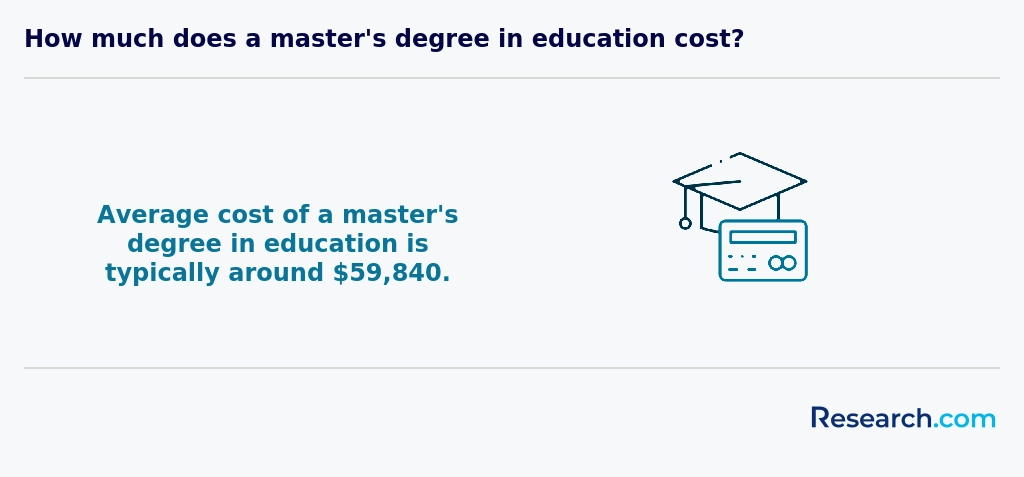
Students pursuing online education degrees in Kentucky often rely on a mix of financial aid options to manage costs. Many graduates from institutions like the University of Kentucky have found federal aid through FAFSA essential, securing Pell Grants or Stafford Loans that make tuition more approachable. These federal programs, however, come with eligibility requirements and repayment considerations that require thoughtful planning.
State-specific aid, such as scholarships from the Kentucky Higher Education Assistance Authority, provides targeted support. For example, online learners at Eastern Kentucky University have benefited from the Kentucky Tuition Grant, which eases the financial burden especially for those attending private colleges within the state.
Institutional aid also plays a significant role. Graduates often recall merit-based scholarships from their respective schools that recognized their academic efforts, while some accessed need-based grants addressing their personal financial situations. However, availability varies widely by institution, necessitating direct communication with financial aid offices.
Private scholarships from organizations like the Kentucky Education Association supplement federal and state funds, offering additional opportunities for aspiring educators. Balancing these sources requires persistence but brings a real sense of achievement and hope in funding an online education career.
To enroll in an online education degree program in Kentucky, applicants typically need a high school diploma or GED for undergraduate studies, and a bachelor's degree from an accredited institution for graduate programs. Graduates from popular universities like the University of Kentucky often recall navigating GPA requirements, commonly around 2.75 to 3.0, which can feel daunting but manageable with focused preparation.
Standardized tests like the GRE or MAT may still be requested by some institutions, though others embrace test-optional policies, reflecting a shift toward inclusivity. For example, graduates from Eastern Kentucky University appreciate how this flexibility eases the application process.
Additional prerequisites become apparent for teacher licensure paths, where the Kentucky Education Professional Standards Board mandates background checks, a necessary step to ensure student safety and professional integrity.
Many students pursuing advanced degrees in educational leadership or counseling must demonstrate relevant experience or coursework. This practical requirement helps candidates feel more confident and prepared when transitioning to demanding roles in education.

Online education degree programs in Kentucky commonly include courses such as Educational Psychology, Curriculum Design, Educational Technology, and Assessment and Evaluation. Graduates from institutions like the University of Kentucky describe how Educational Psychology helped them understand diverse learning behaviors, making classroom interactions more meaningful. Meanwhile, the hands-on approach to Curriculum Design prepares students to craft lessons that resonate well with today's digitally connected learners.
Many students appreciate courses on classroom management and special education, which equip them to support diverse student populations effectively. For instance, graduates from Eastern Kentucky University share how lessons in special education have made them more confident in adapting teaching strategies for students with varied needs.
Students pursuing leadership roles value educational leadership and policy analysis courses, which tackle real-world challenges such as navigating state education law and school improvement. Considering Kentucky's focus on aligning coursework with state standards, programs at institutions like Western Kentucky University integrate practical elements that better prepare students for licensure.
Online education degrees in Kentucky typically offer specializations that reflect both local educational priorities and broader trends. Graduates often highlight Curriculum and Instruction as a core area, where they develop skills to create effective teaching strategies tailored to diverse classrooms, which resonates with Kentucky's focus on improving literacy and math outcomes. Another prominent specialization, frequently chosen by students at the University of Kentucky or University of Louisville, is Educational Leadership and Administration, preparing individuals for essential roles like principals and district administrators overseeing schools.
Special education is also a vital focus area given the state's need to support over 130,000 students with disabilities; graduates in this specialization emphasize the rewarding challenge of inclusive teaching and individualized plans. Instructional Technology appeals to those eager to innovate with digital tools, crucial as Kentucky schools shift toward remote learning. Additionally, Higher Education Administration attracts students aiming to manage colleges and universities effectively.
Those pursuing online doctorate education specializations Kentucky offer recognize that choosing the right focus might influence career satisfaction and success. One must weigh interests carefully, considering practical demands and how the specialization aligns with long-term goals. Some graduates have found unexpected fulfillment after exploring trade school jobs that pay well, illustrating how diverse paths can complement formal education degrees.
Choosing the best online education degree in Kentucky involves more than just comparing tuition prices; it requires assessing program credibility and relevance. Graduates from popular Kentucky institutions often emphasize how verifying accreditation-particularly regional accreditation recognized across the state-gave them confidence their degree would be respected by employers and licensing boards. This is crucial whether pursuing traditional certification or aiming for one of the best online education doctorate programs in Kentucky.
Equally important is examining how a program's curriculum aligns with Kentucky's teacher standards. Some programs offer specializations in areas like instructional technology or school leadership, which past students found essential for career advancement. Flexibility also plays a key role-working professionals appreciate asynchronous courses that allow learning around their schedules at schools known for supporting online learners.
Finally, affordability should be weighed alongside financial aid opportunities. Public universities in Kentucky often provide more affordable online education degrees Kentucky residents can benefit from, but private colleges sometimes offer competitive scholarships. For those exploring all their options, checking out the best online trade schools can also provide alternative pathways in education-related fields.
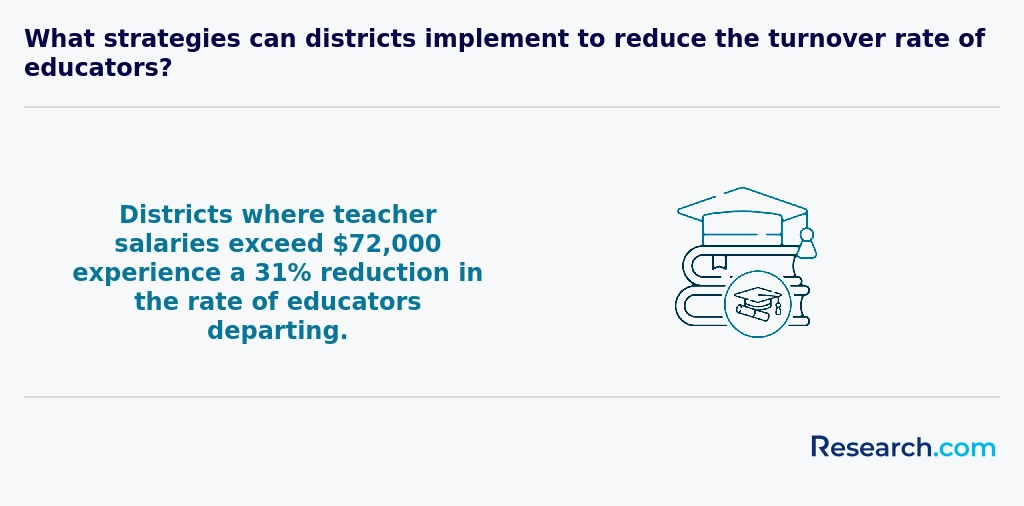
Graduates of online education degree programs in Kentucky find a variety of career paths suited to diverse interests and skill sets. Many become licensed K-12 teachers in public or private schools, benefiting from programs at universities known for practical alignment with Kentucky's certification requirements. These graduates often share how balancing work and study was feasible thanks to flexible online formats, a viewpoint echoed by many within the state's education community.
Others pursue administrative roles-like school principals or curriculum developers-where leadership abilities cultivated during their studies prove essential. Some graduates highlight how earning advanced degrees online opened opportunities in specialized roles such as instructional coordinators or academic counselors, demonstrating that jobs with doctorate in education Kentucky can lead to influential positions shaping school districts and curricula.
Furthermore, technology's growing role in education encourages some to explore careers as education technology specialists or instructional designers. This path, often touched on by graduates from Kentucky's universities, exemplifies the blend of innovation and education. Those wary of assuming teaching is the only route will find alternatives that tap into evolving trends, supported by a steady demand for skills found in certifications that pay well.
The job market for individuals with an online education degree in Kentucky presents steady opportunities, particularly amid ongoing teacher shortages in rural areas. Graduates from popular institutions like the University of Kentucky and Western Kentucky University often share how their online education degree job market Kentucky experiences reflect a mix of rewarding classroom roles and challenges in administrative positions. Many find their advanced online degrees open doors to curriculum development or educational technology coordination, fields that have grown as schools adopt hybrid learning models.
For those pursuing an education doctorate career opportunities Kentucky offers roles beyond teaching, including leadership and counseling, which appeal to graduates eager to impact school policy. Some alumni from regional colleges highlight the value of combining online coursework with practical internships in local school districts, enhancing their readiness in real-world settings.
Tuition costs can vary widely, but programs from nationally recognized providers, including nationally accredited online colleges, help students access quality education affordably. Loan forgiveness programs and competitive salaries, often exceeding $57,000 annually, encourage many Kentuckians to advance through these pathways.
2027 Most Valuable Online Doctorate in Education Degree Programs Ranking in Kentucky
Investing in your education is a significant decision that can profoundly impact your future, and the Research.com team is deeply aware of the importance of making informed choices. To support prospective students in Kentucky, we have carefully developed the "2027 Most Valuable Online Doctorate in Education Degree Programs Ranking in Kentucky." Our dedication to quality, credibility, and accuracy is demonstrated through rigorous research and analysis underpinning this ranking.
We utilized the following reputable data sources to ensure a thorough evaluation of online doctorate programs in education:
By consulting this ranking, readers will gain valuable insights into the most valuable programs, guiding them toward well-informed educational investments. For a detailed explanation of our approach, please visit our Research.com methodology page.


Frequently Asked Questions About education
Online education degree students in Kentucky can maximize their learning by actively engaging with course materials and participating in virtual discussions. Research from the Kentucky Council on Postsecondary Education emphasizes the importance of time management and creating a dedicated study environment at home. Students should also take advantage of available resources like academic advising and digital libraries, which are often included with enrollment. Collaboration with peers through study groups or social media can improve understanding and motivation. Additionally, staying in regular contact with instructors promotes timely feedback and support, increasing the chances of academic success.
The field of education increasingly embraces specialized niches, especially within Kentucky's online degree programs. One prominent area is educational technology, where professionals develop and implement digital tools to enhance learning experiences. The Kentucky Center for Statistics reports a steady 10% rise in demand for educators skilled in this domain.
Another growing niche is special education leadership. With Kentucky schools serving more diverse student populations, experts trained in policy, administration, and tailored instructional methods are essential.
Finally, curriculum development focused on culturally responsive teaching is gaining traction. Programs addressing equity and inclusion in education better prepare teachers for Kentucky's evolving classrooms, reflecting national trends noted by the National Center for Education Statistics.
Preparing for the job market after completing an online education degree in Kentucky involves several strategic steps. Graduates should begin by researching regional educational opportunities-Kentucky's Department of Education reports a growing demand for qualified educators, particularly in STEM and special education fields. Networking is crucial; joining local professional organizations like the Kentucky Education Association can connect candidates with potential employers and job openings.
Developing a strong portfolio showcasing teaching experiences, certifications, and online coursework boosts employability. Additionally, understanding Kentucky's teacher certification requirements through the Education Professional Standards Board helps align skills with job market demands. Finally, utilizing university career services and attending job fairs maximizes job search success.
Employers in Kentucky prioritize several key skills when hiring graduates with education degrees. Strong communication abilities are essential, as effective teaching depends on clear interaction with students and colleagues. Critical thinking and problem-solving skills help educators adapt to diverse classroom challenges.
Knowledge of classroom technology is increasingly important, with Kentucky schools adopting digital tools to enhance learning. According to the Kentucky Department of Education, graduates familiar with online learning platforms have a competitive edge.
Additionally, cultural competency and the ability to foster inclusive environments are valued, reflecting the state's diverse student population. Organizational skills and classroom management also rank highly among desired attributes in new teachers across Kentucky.
Finding internships in Kentucky relevant to an education degree begins with leveraging local higher education institutions. Universities such as the University of Kentucky and Western Kentucky University have well-established partnerships with K-12 school districts across the state, offering students access to supervised teaching internships.
The Kentucky Department of Education also provides resources and listings for student internship opportunities in public schools. According to the Kentucky Center for Education and Workforce Statistics, more than 70% of education graduates secure internships through these partnerships. Online students should connect with their program's career services, which often assist in finding virtual or local placements.
Networking with local school districts and education nonprofits can be crucial. Platforms like Handshake and Kentucky's Education Professional Standards Board also list internships specific to educator preparation. Early application and clear communication of educational goals increase the chances of securing a relevant internship.
An online education degree in Kentucky significantly enhances career mobility and advancement, especially for educators seeking leadership roles. According to the Kentucky Department of Education, teachers with advanced degrees often qualify for higher pay scale steps and improved job placements. An online doctorate or master's degree can open doors to positions such as curriculum coordinators, instructional coaches, or school administrators, fields experiencing increased demand.
Kentucky's emphasis on professional development supports online degree holders by recognizing accredited programs. Additionally, flexible scheduling allows working professionals to earn degrees without interrupting employment, preserving income while advancing education.
Data from the Bureau of Labor Statistics shows education administrators in Kentucky earning a median annual wage over $90,000, reflecting strong financial incentives linked to advanced degrees.
Studying for an education degree in Kentucky often emphasizes interdisciplinary skills to address today's complex learning environments. Programs incorporate coursework in psychology, sociology, technology, and leadership, equipping students to work across diverse educational settings.
Kentucky institutions align with state standards set by the Council on Postsecondary Education, ensuring graduates understand multiple perspectives within education systems. This approach prepares candidates for roles such as curriculum developers, educational consultants, and policy advisors.
Data from the Kentucky Center for Statistics shows rising demand for professionals who can integrate knowledge from various fields to improve educational outcomes, reflecting the state's commitment to holistic education training.
When choosing between a thesis and a non-thesis education degree program in Kentucky, consider your career goals and learning preferences. Thesis programs usually involve original research and are well-suited for students aiming for academic or research careers. Non-thesis programs often focus on practical skills and coursework, appealing to professionals seeking advanced knowledge without a research component.
The Kentucky Council on Postsecondary Education notes that research-oriented degrees can enhance opportunities in higher education roles. However, non-thesis paths may shorten study time, which benefits working educators. Reflect on your long-term plans before deciding.
Students based in Kentucky seeking to study education abroad have several options through online programs offered by U.S. institutions with international components. Many universities provide online doctoral degrees in education that include study-abroad opportunities, internships, or research partnerships globally. For Kentucky residents, attending an accredited online program ensures the degree meets state licensure requirements, which is crucial for education professionals planning to work in the U.S.
Schools often collaborate with international campuses or offer virtual exchanges, allowing students to gain global perspectives while completing coursework remotely. According to the Kentucky Council on Postsecondary Education, over 15% of graduates engage in international study, including education fields. Additionally, state initiatives support global learning to help students incorporate diverse educational practices in their careers.
Carefully selecting programs with recognized accreditations such as NCATE or CAEP is essential to ensure the degree's value both in Kentucky and abroad. Many programs also use technology to simulate cross-cultural experiences within the online environment, a practical alternative for students unable to travel.
Part-time job opportunities in Kentucky that complement education degree studies often involve direct engagement with schools and community programs. Many students work as teacher assistants or paraeducators, roles that help develop classroom management and instructional skills. According to the Kentucky Center for Statistics, the demand for these positions is expected to grow by 7% over the next decade.
Other valuable positions include tutoring services, where students can apply subject-matter expertise and gain hands-on teaching experience. Additionally, roles in afterschool programs or educational nonprofits provide insight into curriculum development and student support services.
These jobs offer flexible hours, aligning well with the schedules of online degree students pursuing education careers in Kentucky.
Online education students in Kentucky have several valuable networking opportunities despite studying remotely. Many universities offering online education degrees also provide access to virtual student organizations and forums, helping learners connect with peers and faculty. For instance, the University of Kentucky's College of Education supports online learners with webinars and regional meetups.
Statewide professional groups, such as the Kentucky Education Association, offer memberships that enable online students to attend conferences and workshops. These events are ideal for networking with educators across Kentucky.
Additionally, Kentucky's public universities collaborate with local school districts, allowing online students to engage in field experiences and internships, which foster real-world professional connections.
Alumni networks play a significant role in supporting online education degree students in Kentucky. These connections provide access to experienced professionals who can offer mentorship and career advice. According to the Kentucky Council on Postsecondary Education, alumni engagement boosts student success and job placement rates.
Networking opportunities often lead to internships and employment in local schools or educational organizations. For online students, who may lack on-campus interaction, these networks compensate by offering virtual events and discussion groups.
Research indicates Kentucky graduates benefit from alumni who share industry insights relevant to the state's educational landscape. This support system enhances professional growth and community involvement.
Customizing your online education degree program in Kentucky involves selecting specializations and electives that align with your career goals. Many accredited Kentucky universities offer flexible tracks such as curriculum design, educational leadership, or special education.
By choosing these focused areas, you can prepare for roles like school administrator, instructional coordinator, or counselor. Additionally, some programs provide options for research projects or internships to gain practical experience tailored to your interests.
According to the Kentucky Council on Postsecondary Education, nearly 35% of education graduate students enroll in online courses, reflecting growing support for flexible learning paths.
Researching specific program curricula and speaking with academic advisors can ensure your degree meets your professional objectives.
Online education students in Kentucky face several common challenges that can affect their academic success. One significant issue is limited access to high-speed internet in rural areas, where nearly 20% of Kentuckians live, impacting their ability to participate fully in live lectures or download materials. According to the Kentucky Center for Education and Workforce Statistics, this digital divide remains a persistent obstacle.
Another challenge is balancing coursework with family and job responsibilities, which is typical for many adult learners in the state. Time management becomes critical when students juggle multiple roles without the routine structure of traditional classrooms.
In addition, some students report feelings of isolation and reduced interaction with peers and instructors, which can diminish motivation. Navigating online platforms and technological tools also requires a learning curve, particularly for those less familiar with digital education environments.
With an online education degree, Kentucky students can pursue several professional certifications to enhance their careers. One common path is earning a Kentucky Teacher Certification, which qualifies graduates to teach in public schools throughout the state. This certification often requires passing the Praxis exams, covering content knowledge and teaching skills.
Another valuable credential is the National Board Certification, recognized nationwide for advanced teaching expertise and associated with higher salaries. Additionally, graduates can seek administrator certifications for roles such as school principal or superintendent, which require additional state-approved coursework and experience.
The Kentucky Department of Education provides detailed guidance on certification processes, ensuring candidates meet all educational and testing standards appropriate for their desired career track.
Writing a winning application for an online education program in Kentucky requires clear demonstration of your academic readiness and professional goals. Start with a compelling personal statement that explains why you want to pursue an education degree online and how it aligns with your career aspirations.
Include detailed information about your prior academic achievements. Many Kentucky programs, such as those at the University of Kentucky, require official transcripts showing a competitive GPA, often above 3.0. Highlight relevant work experience in education or related fields to strengthen your profile.
Letters of recommendation are essential. Obtain these from academic or professional mentors who can attest to your skills and dedication.
Finally, familiarize yourself with Kentucky's specific requirements by consulting official school websites or resources like the Kentucky Council on Postsecondary Education to ensure your application meets all necessary criteria.
Globally, education careers are valued for their critical role in shaping societies. In the United States, including Kentucky, educators are recognized as essential contributors to economic and social development. According to the National Center for Education Statistics (NCES), Kentucky employs over 58,000 teachers, highlighting strong demand.
Internationally, teaching is viewed as a respected profession, though compensation and working conditions vary widely. In the U.S., efforts focus on expanding online education degrees to meet modern workforce needs.
For Kentuckians pursuing online education degrees, understanding these global perspectives can broaden career opportunities beyond traditional classrooms.
Gaining practical experience while pursuing an online education degree in Kentucky is essential for career readiness. Many programs incorporate virtual internships or practicum placements with local schools or educational organizations. These opportunities allow students to apply theory in real-world settings despite studying remotely.
Kentucky's education departments often partner with online programs to facilitate supervised teaching experiences. According to the Kentucky Department of Education, students enrolled in online degrees can complete required fieldwork in nearby districts, meeting state certification standards.
Additionally, students may engage in collaborative projects, workshops, or webinars focusing on classroom management and curriculum design. These hands-on activities complement coursework and enhance practical skills, ensuring graduates are well-prepared for Kentucky's educational workforce.
Choosing the right concentration within an online education degree program in Kentucky begins with identifying your career goals. Concentrations often range from curriculum and instruction, educational leadership, to special education. The Kentucky Department of Education highlights a growing demand for certified administrators and special education teachers in the state.
Consider local job market trends; for example, the U.S. Bureau of Labor Statistics projects a 5% growth in Kentucky's education sector through 2030. Research each concentration's focus and alignment with licensure requirements if you seek certification in Kentucky.
Additionally, review program flexibility and faculty expertise, which significantly impact your learning experience. Contacting academic advisors at Kentucky-based institutions can provide tailored guidance based on the state's education policies and workforce needs.
- 2027 Most Valuable Online Doctorate in Education Degree Programs Ranking in Indiana
- 2027 Most Valuable Online Doctorate in Education Degree Programs Ranking in Virginia
- 2027 Most Valuable Online Doctorate in Education Degree Programs Ranking in Missouri
- 2027 Most Valuable Online Doctorate in Education Degree Programs Ranking in Georgia
- 2027 Most Valuable Online Doctorate in Education Degree Programs Ranking in Mississippi
- 2027 Most Valuable Online Doctorate in Education Degree Programs Ranking in Pennsylvania
- 2027 Most Valuable Online Doctorate in Education Degree Programs Ranking in Michigan
- 2027 Most Valuable Online Doctorate in Education Degree Programs Ranking in Florida
- 2027 Most Valuable Online Doctorate in Education Degree Programs Ranking in Minnesota
- 2027 Most Valuable Online Doctorate in Education Degree Programs Ranking in Texas
See What Experts Have To Say About Studying Education
Read our interview with Education experts

Nooshan Ashtari
Education Expert
Professor & Book Author
University of Southern California

Alan J. Singer
Education Expert
Professor of Teaching, Learning and Technology
Hofstra University

- Online Degrees in Kentucky (KY) https://www.onlinedegrees.com/kentucky/
- Gov. Beshear Announces New Program To Prepare ... https://kentucky.gov/Pages/Activity-stream.aspx
- Online Colleges in Kentucky https://www.onlineschools.org/guides/kentucky/
- Online Bachelor's of Education Degrees https://www.phoenix.edu/online-education-degrees/bachelors.html
- 2026 Best Online Education Degrees https://www.onlineu.com/degrees/education
- Driving Seamless Postsecondary Transitions in Kentucky https://edstrategy.org/esg-featured-work/driving-seamless-postsecondary-transitions-in-kentucky/
- Alternative Pathways to Certification https://goteachky.com/resources/certification/alternative-pathways/
- Online Colleges in Kentucky https://www.oedb.org/kentucky/
- Alternative Teacher Certification Kentucky https://iteach.net/alternative-teacher-certification/kentucky-alternative-teacher-certification/
- Discover The Best Online Colleges In Kentucky https://www.accreditedschoolsonline.org/kentucky/