2027 Most Valuable Online Doctorate in Education Degree Programs Ranking in Georgia

Co-Founder and Chief Data Scientist
Choosing the right online doctorate in education program can feel overwhelming, especially in Georgia's diverse academic landscape. This article introduces the 2027 Most Valuable Online Doctorate in Education Degree Programs Ranking in Georgia, developed by the Research.com team of data scientists. It's designed to help you confidently navigate your options and find programs that truly match your goals.
Reading this guide will provide clear insights into which degrees offer the best value, helping you make an informed decision. Pursuing an education doctorate can open doors and enrich your career - this article is here to support you every step of the way.
Key benefits of getting online education degree in Georgia
- Salary potential: Graduates with an education degree can earn competitive salaries, such as Academic Deans making around $100,720 annually, and University Presidents earning up to $258,900 per year, offering strong financial motivation.
- Career paths: Education graduates from universities in Georgia often pursue rewarding roles like Department Chairs or Provosts, leading academic teams and shaping educational programs with great impact.
- Online degree benefits: Earning an education degree online from a respected Georgia university allows flexible scheduling and reduces commuting stress, making it easier to balance work, family, and study while still advancing professionally.
- 2027 Most Valuable Online Doctorate in Education Degree Programs Ranking in Georgia
- What can I expect from online education degree in Georgia?
- Where can I work with online education degree in Georgia?
What can I expect from online education degree in Georgia?
The average cost of an online education doctorate in Georgia typically ranges from $12,000 to $30,000, depending on the institution and program length. For example, graduates from programs at the University of Georgia or Georgia Southern University often report tuition fees falling within this spectrum, reflecting the balance between accessibility and quality. Many students appreciate that these institutions provide flexible payment options and financial aid, including federal loans, grants, and employer tuition reimbursement, which ease the financial burden.
Graduates commonly describe managing their coursework alongside professional and personal commitments as a positive experience, thanks to the asynchronous format that allows study on their own schedule. The occasional residencies or virtual seminars offered by these programs enhance networking opportunities and bring a collaborative element to the learning process.
Accreditation by bodies like the Georgia Nonpublic Postsecondary Education Commission and SACSCOC reassures students that their investment meets reputable academic standards, which is particularly motivating for those pursuing licensure or career advancement within Georgia's education sector.
Where can I work with online education degree in Georgia?
Graduates with an online education degree in Georgia often find steady employment in the state's extensive public school system, which employs over 180,000 educators. Many alumni from institutions like the University of Georgia or Kennesaw State University secure teaching positions across elementary to high school levels, benefiting from the state's emphasis on certification through accredited online programs.
Others leverage their degrees to advance into school administration, curriculum development, or educational leadership roles. For example, graduates with advanced degrees from Georgia State University frequently report rewarding experiences working as instructional coordinators or principals in growing metro Atlanta districts.
Higher education also presents significant opportunities: universities like Georgia Tech or Augusta University hire online education graduates as faculty, advisors, and program coordinators, especially in digital learning environments. Many describe their work as fulfilling, combining academic expertise with innovative teaching methods.
Beyond schools, career paths extend to educational consulting, corporate training, and educational technology firms. These roles often require skills in instructional design, which graduates say their programs thoroughly prepared them for, opening doors in growing sectors focused on online course development and learning management systems.
Special education, literacy coaching, and school counseling careers are also prominent. Graduates frequently express satisfaction contributing to these expanding fields, supported by Georgia's increased investment in specialized education services.
Graduates with an online education degree in Georgia often find rewarding salary opportunities aligned with their qualifications. For instance, university professors and department chairs in Georgia commonly earn mean annual wages around $96,570, reflecting a stable income for those pursuing academic careers after programs at institutions like the University of Georgia or Georgia State University.
Alumni from these programs aiming for administrative roles such as academic deans can expect higher earnings, with the mean annual wage at approximately $100,720. These positions involve leadership that graduates often describe as both challenging and fulfilling, allowing them to directly impact educational quality and policies.
Those who advance to senior executive roles such as provosts or university presidents enjoy significantly greater compensation levels, with mean annual salaries reaching $258,900. Graduates securing such positions, often through extensive experience and doctoral education, find their advanced expertise is highly valued in Georgia's prominent universities.
These salary figures indicate that completing an online education degree in Georgia can lead to excellent financial stability, especially when paired with dedication and leadership skills cultivated through the state's respected educational institutions.
- Georgia's public universities offer accredited online education degrees recognized by the Georgia Professional Standards Commission for certification.
- Tuition ranges from $10,000 to $25,000 for undergraduate and master's programs, and $20,000 to $40,000 for doctoral degrees.
- Starting salaries for education graduates in Georgia typically range from $45,000 to $50,000 per year.
- Education jobs in Georgia are expected to grow by about 8% through 2030, with high demand for special education teachers and school administrators.
- Many online programs include practicum or internships in Georgia schools, helping students gain local experience while studying remotely.
Completing an online education degree in Georgia varies by degree level and student pace. For instance, graduates from the University of Georgia and Georgia State University often report finishing their bachelor's degree within four years when studying full-time, matching national averages. Part-time learners appreciate the flexible scheduling, which allows them to balance family or work commitments and extend their studies beyond four years without stress.
Master's degree holders from institutions like Kennesaw State University reveal that many complete their programs in 18 months to three years. Accelerated tracks enable some to finish as quickly as a year and a half, fitting the schedules of working professionals eager to advance their careers.
Online doctoral candidates at Georgia Southern University experience longer timelines, typically three to six years, due to dissertation demands and practical internships. Graduates describe the journey as challenging yet rewarding, with the flexibility to progress at a personalized pace while maintaining their personal lives.
Navigating the application process and maximizing your online learning experience can be challenging. Here are expert recommendations to help you succeed: First, thoroughly research each program’s faculty expertise, course delivery methods, and technology support systems to ensure the learning platform aligns with your academic and career goals. Developing strong relationships with professors and peers is key; actively participate in virtual discussion boards and seek out mentorship to gain valuable industry insights. Additionally, consider exploring programs that offer competitive tuition rates-sometimes the best financial option can be found among the most affordable online degrees in education-without compromising on academic rigor. Balancing your time effectively by creating a structured study schedule and taking advantage of available resources such as career services, tutoring, and webinars can further enhance your overall experience. Remember, an informed approach and proactive engagement are essential in transforming your online doctorate journey into a rewarding step toward becoming a leader in the field of education.
Online education degrees in Georgia provide remarkable flexibility, allowing students to balance work or family commitments while advancing their careers. Graduates from institutions like the University of Georgia and Kennesaw State University often describe the ability to complete coursework remotely at their own pace as liberating. This format requires strong self-discipline and digital literacy, rewarding those who thrive in independent, tech-enabled learning environments.
Conversely, on-campus programs demand regular physical attendance, promoting direct interaction with professors and classmates. Graduates highlight the value of hands-on experiences such as practicum placements and access to campus resources, which foster deeper engagement and networking opportunities. The traditional setting suits students who benefit from structured schedules and face-to-face mentorship.
Tuition costs average around $10,400 annually for in-state, on-campus students in Georgia; online degrees may reduce expenses related to commuting or housing but can have comparable or higher tuition fees depending on the university's pricing. Both pathways are accredited and rigorously designed, ensuring graduates from across the state meet consistent educator preparation standards.
When evaluating online Doctorate in Education programs in Georgia, ensuring proper accreditation and state licensure alignment is critical for both academic rigor and professional eligibility. Most reputable programs hold regional accreditation from the Southern Association of Colleges and Schools Commission on Colleges (SACSCOC), while programmatic accreditation by the Council for the Accreditation of Educator Preparation (CAEP) further validates quality in educator training. Approval by the Georgia Professional Standards Commission (GaPSC) is essential for candidates seeking initial or advanced teaching certification, as only GaPSC-endorsed programs qualify graduates for state licensure and salary scale increases. To verify accreditation: • Confirm institutional accreditation on the U.S. Department of Education’s database. • Check CAEP or NCATE programmatic status to ensure specialized standards for educator preparation are met. • Review GaPSC’s approved program list to guarantee your degree aligns with Georgia’s certification requirements. Licensure pathways differ by specialization: for instance, Early Childhood Education doctorates often require evidence of classroom practicum hours, whereas Educational Leadership tracks mandate administrative internship completion. Graduates should prepare for Georgia’s GACE exams-particularly the Program Admission and the appropriate Content Assessments-to secure initial certification. Maintaining certification also involves ongoing professional learning units (PLUs) and adherence to GaPSC’s renewal cycles every five years. For prospective students weighing alternative degree levels or exploring Master’s pathways before committing to a doctorate, the Cheapest Online Master's in Education Degree Programs Ranking in Illinois offers insight into affordable, fully accredited programs with strong licensure support and financial aid options.
The average cost of an online education degree in Georgia typically centers around a median total of $23,265, with in-state and out-of-state students often paying similarly near $18,180. These figures encompass total tuition and fees for education doctorate Georgia programs, reflecting both public and private institution pricing. Graduates from well-known universities in Georgia often share that while public schools offer more affordable tuition, private colleges-with their specialized programs-can command higher costs, yet provide rewarding educational experiences that many find worth the investment.
For example, students at prominent public universities have reported manageable expenses that align with state averages, accompanied by strong financial aid options. Many find that factoring in additional fees-such as technology charges and course materials-helps them budget more accurately for the full scope of their studies. These smaller costs, ranging from $200 to $800 per semester, along with required books and certification fees, add to the overall expense but are essential to program completion.
Prospective learners interested in securing an affordable pathway are encouraged to explore options through programs at institutions often recommended for quality and cost-effectiveness. One such resource is an affordable education school in Georgia, which offers detailed guidance for students seeking cost-efficient degrees that don't compromise on academic rigor or career preparation.
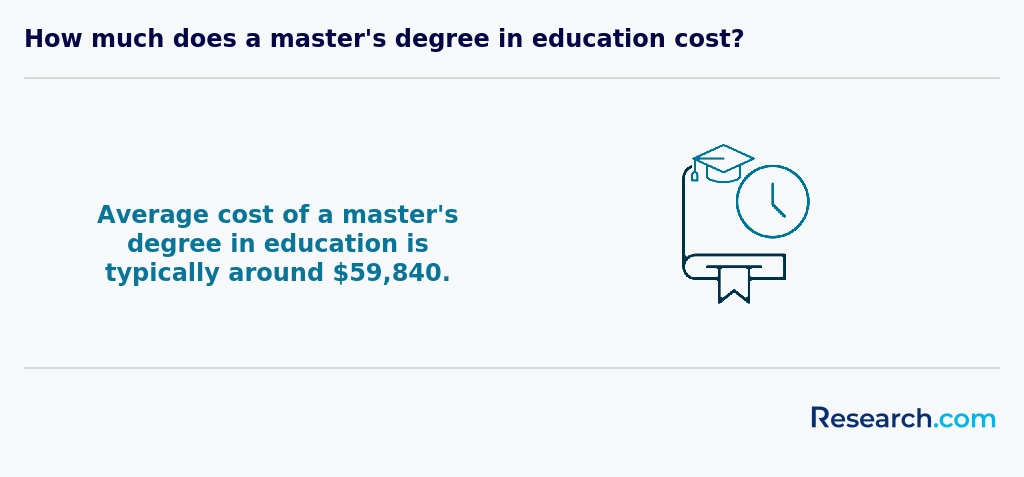
Investing in an online Doctorate in Education in Georgia demands a clear understanding of potential returns. On average, EdD candidates face tuition and fees ranging from $30,000 to $60,000, depending on institutional prestige and credit-hour requirements. Post-degree, graduates can command salaries between $90,000 and $120,000 annually in roles such as Academic Dean or Director of Curriculum, representing a 20–30% bump over master’s-level positions. When factoring living expenses and opportunity costs, most graduates recoup their investment within 4–6 years, assuming full-time employment in higher education or leadership roles. Beyond direct salary gains, an EdD offers intangible benefits-enhanced career mobility, eligibility for senior administrative positions, and stronger negotiating power during hiring. For professionals weighing the cost of a doctorate against incremental salary increases, assessing net present value (NPV) and internal rate of return (IRR) can illuminate long-term gains. For instance, a $50,000 investment achieving a conservative 5% annual salary increase yields positive NPV over a 10-year horizon, underscoring the financial viability of EdD programs in Georgia. For those considering a stepwise approach-first earning a cost-effective master’s before pursuing a doctorate-candidates may explore the Cheapest Online Master's in Education Degree Programs Ranking in Illinois to minimize early tuition outlays. Building a strong foundation at the master’s level can not only reduce initial debt but also strengthen your doctoral application, potentially qualifying you for teaching or research assistantships that further offset costs. Ultimately, your personal ROI depends on factors like scholarship awards, employer tuition reimbursement, and post-graduation placement. Prospective students should model multiple scenarios-varying tuition rates, projected salary trajectories, and local job markets-to make an informed decision. By quantifying both tangible earnings and career-enhancing outcomes, you can ensure your online Doctorate in Education in Georgia is both academically rewarding and financially sound.
Students pursuing online education degrees in Georgia can access multiple financial aid sources to manage costs ranging typically from $20,000 to $50,000 for a graduate program. Federal aid remains the most common form, with many candidates applying through FAFSA for grants and direct loans. Graduate students in education often benefit from federal Direct Loans, which provide valuable funding at competitive interest rates.
Georgia's HOPE Graduate Scholarship offers targeted tuition assistance to education students enrolled in state colleges like Georgia State University and the University of Georgia. Graduates frequently report that this state aid substantially eased their financial burden, allowing them to focus more on studies and less on debt.
Institutional scholarships and assistantships are another robust option. Universities often award these based on academic merit or financial need. Graduates from these programs often highlight how assistantships provided both funding and practical experience.
Employer tuition assistance programs also support working educators, sometimes covering full tuition. Combined with federal and state aid, this makes earning an education degree online more affordable and accessible.
Finally, local private scholarships, such as those from the Georgia Association of Educators, provide supplemental funding, recognized by many graduates as crucial in completing their degrees successfully.
When considering the financial implications of pursuing an online education degree in Georgia, it's essential to explore options for affordable education. Students can visit affordable education school in Georgia to find institutions that offer quality education at a lower cost. Understanding the average cost of online education degrees, which can range from $24,000 to $72,000 for a bachelor's degree, is crucial for planning. Additionally, exploring financial aid options such as scholarships, grants, and loans can significantly alleviate the financial burden. By making informed decisions about affordability and financial aid, prospective students can focus on their academic and professional goals, ultimately shaping their future as educators in Georgia.
To enroll in an online education degree program in Georgia, applicants typically need a high school diploma or equivalent for undergraduate tracks, along with official transcripts confirming secondary education. Many institutions, such as those well-regarded for their education departments, require a minimum GPA around 2.5, ensuring candidates demonstrate academic readiness. Graduate programs generally expect a bachelor's degree from an accredited university, often favoring students with prior education-related coursework.
Standardized tests like the GRE may be requested, but numerous Georgia schools have waived this requirement recently, easing access for busy working professionals and remote learners. Graduates recall submitting letters of recommendation and personal statements reflecting their passion and career goals, which admissions committees value deeply. For example, those applying to doctoral education programs often highlight relevant professional experience, which strengthens their applications.
Reliable internet access and technological proficiency are essential to engage fully with coursework offered by popular universities in Georgia. Practical preparations like these have helped many students confidently navigate their online studies and feel connected despite the virtual format.

Prospective students concerned about tuition expenses may benefit from exploring cost-effective alternatives beyond Georgia’s borders. Illinois, for instance, boasts some of the most budget-friendly online master’s programs in education, with tuition rates significantly lower than national averages. To compare programs that emphasize both affordability and academic quality, review the Cheapest Online Master's in Education Degree Programs Ranking in Illinois, which highlights programs offering competitive per-credit rates, robust accreditation, and generous financial aid packages. By evaluating these rankings, you can identify institutions that balance low cost with essential features such as:
- Accreditation by recognized bodies (e.g., CAEP, NCATE)
- Online platforms with 24/7 tech support and dedicated academic advising
- Specialized tracks in areas like Educational Leadership, Special Education, or Instructional Design
- Flexible pacing options, enabling completion in as little as 12–18 months Comparing Georgia’s top doctorate offerings with these master’s alternatives in Illinois not only broadens your perspective on tuition savings but also helps you make a strategic decision aligned with your career goals and budgetary needs.
Online education degree programs in Georgia commonly include courses that provide both theoretical knowledge and practical skills essential for future educators. Graduates from institutions like the University of Georgia or Georgia State University often recall the value of courses such as Educational Psychology, which helps them understand how students learn and develop in diverse classrooms.
Curriculum Design and Instructional Strategies are central components, enabling students to craft lessons that engage learners effectively. Many find Educational Technology courses especially rewarding, as they learn to incorporate digital tools that enhance their teaching, a skill increasingly demanded in Georgia's evolving school systems.
Assessment and Evaluation Methods prepare students to measure student progress accurately, while Classroom Management courses equip them with strategies for maintaining positive learning environments. Special Education training fosters confidence in addressing the needs of students with disabilities, which graduates highlight as a defining experience in their preparation.
Moreover, Educational Leadership and Administration courses appeal to those aiming for school leadership roles, linking coursework with real-world applications through internships arranged in local school districts, ensuring graduates meet Georgia's certification standards.
Online education degree specializations in Georgia commonly include Curriculum and Instruction, Educational Leadership and Administration, Education Policy and Research, Special Education, Higher Education, and Adult Education. Graduates from universities like the University of Georgia often highlight how the Curriculum and Instruction focus helped them develop practical teaching strategies applicable in diverse classroom settings. Leadership roles are well-supported by programs emphasizing Educational Leadership and Administration, training candidates for principal or district administrator positions in Georgia's more than 2,300 public schools.
Those pursuing a Georgia online doctorate in education focus areas often appreciate the data-driven rigor in Education Policy and Research, preparing them to analyze educational outcomes at various governmental levels. Special Education specialization responds to the state's growing commitment to inclusive education, with graduates finding meaningful careers supporting students with unique learning needs in local school districts.
For flexibility and affordability, many students explore most affordable online degrees in education offered by prominent colleges, balancing career advancement with cost-efficiency.
Choosing the best online education degree in Georgia requires prioritizing accreditation, curriculum relevance, and cost. Graduates from the University of Georgia and Georgia State University often emphasize how accreditation by SACSCOC ensured their degrees were respected and transferable. Many students find programs focusing on educational leadership and instructional technology crucial for aligning with their career goals. Affordability is also key; the average annual tuition for public universities in Georgia is about $10,140 for in-state students, and online options sometimes offer reduced fees. Those balancing work and family appreciate programs offering asynchronous classes, allowing them to study on their own schedule without missing live interaction.
Strong student support services, such as those at Georgia Southern University, make a big difference in student satisfaction and graduation rates. Many value programs partnered with local school districts providing practical internships essential for licensure. For those seeking affordable online education degrees Georgia can offer, financial aid and employer tuition reimbursement further ease costs. Explore options carefully, including the Cheapest Online Master's in Education Degree Programs Ranking in Illinois, to compare.
Graduates with an online education degree in Georgia have access to diverse career paths across the educational spectrum. Many pursue teaching roles in K-12 public schools, gaining state certification through programs aligned with Georgia's Professional Standards Commission requirements. These roles include specialty areas like special education and STEM, providing opportunities to make tangible impacts in classrooms throughout the state. At institutions such as the University of Georgia, graduates have expressed satisfaction progressing into these critical teaching positions.
Beyond teaching, degree holders often advance into school administration and leadership roles, including principals and instructional coordinators. These positions require strong management skills and deeper knowledge, frequently supported by advanced degrees from colleges like Georgia State University. These leaders drive policy implementation and improve student outcomes, reflecting steady demand in Georgia's education sector. For students exploring Georgia online education degree job opportunities, administration represents a promising pathway.
Curriculum design and educational technology offer another vibrant career option. Graduates skilled in instructional design help develop engaging digital learning tools, meeting growing tech integration needs in local schools. Meanwhile, some graduates transition to higher education faculty or administrative roles, supporting student success at universities within the University System of Georgia. This variety underlines the flexibility online education offers. Those looking to accelerate their academic credentials may consider the fastest online bachelor's degree for working adults to further enhance career prospects.
The job market for online education degree holders in Georgia is steady, with the state prioritizing workforce development and educational access. Employment for education administrators and postsecondary teachers in Georgia is projected to grow by about 7% between 2022 and 2032, reflecting strong demand in both K-12 and higher education sectors. Many graduates from schools like the University of Georgia or Georgia State University find opportunities as school principals or instructional coordinators, where advanced online credentials are highly valued.
Salaries vary, with education administrators earning around $92,000 annually, while professors at state colleges can earn between $60,000 and $100,000 depending on experience. Graduates appreciate the flexibility of online programs, which allows them to work full-time while earning their degrees. For students concerned about cost, many institutions offer competitive tuition rates that are often more affordable than on-campus options. Those interested may consider programs offering an accelerated bachelors degree online to start their education career sooner.
Given the growing need for educators adept in digital learning, the outlook for graduates with an online education degree job prospects Georgia is promising, especially for those focused on leadership and education technology integration.
2027 Most Valuable Online Doctorate in Education Degree Programs Ranking in Georgia
Investing in your education is a significant decision that can shape your future, and the Research.com team understands the importance of making informed choices. To assist prospective students in Georgia, we have carefully developed the "2027 Most Valuable Online Doctorate in Education Degree Programs Ranking in Georgia." Our dedication to quality, credibility, and accuracy is demonstrated through rigorous research and thorough analysis behind this ranking.
We utilized the following reputable data sources to ensure a comprehensive evaluation of education programs:
By exploring this ranking, readers will gain valuable insights into the most valuable online doctorate in education programs in Georgia, empowering them to make well-informed decisions regarding their academic and professional future. For more details on our methodology, please visit our Research.com methodology page.


Frequently Asked Questions About education
Students pursuing online education degrees in Georgia can maximize their learning by actively engaging with course materials and participating in virtual discussions. According to the Georgia Department of Education, collaborative learning boosts retention and critical thinking skills. Time management is also crucial; setting a consistent study schedule helps balance coursework with personal commitments.
Utilizing available resources such as Georgia's public university libraries and online tutoring services can enhance understanding. Many programs offer access to research databases and academic advisors, which are valuable for completing rigorous doctoral work.
Finally, connecting with peers and faculty through online communities helps build a supportive network, encouraging motivation and professional growth.
Emerging niches within the education field reflect the evolving needs of both students and schools in Georgia. One growing area is educational technology, focusing on developing digital tools and strategies to improve remote and hybrid learning. With Georgia seeing a rise in online enrollment-over 15% growth since 2020 according to the Georgia Department of Education-experts predict continued demand for specialists in this sector.
Another niche gaining attention is special education leadership, where professionals develop inclusive programs for diverse learners. Increased state funding for special education services supports career opportunities in this area.
Additionally, data-driven decision making in education is expanding, with roles for experts analyzing learning outcomes and equity metrics.
After completing an online education degree in Georgia, preparing for the job market involves several strategic steps. First, leveraging the strong network within Georgia's education sector can be invaluable. The state employs over 200,000 educators, according to the Georgia Department of Education, indicating numerous opportunities.
Building connections through internships or partnerships with local school districts enhances practical experience. Additionally, obtaining relevant certifications, such as Georgia's Professional Standards Commission licensure, strengthens candidacy for teaching or administrative roles.
Crafting a tailored resume highlighting both online learning skills and any in-person practicum experiences is essential. Job seekers should also familiarize themselves with Georgia's education priorities, like literacy improvement initiatives, to align their expertise with state needs.
Finally, utilizing resources like the Georgia Career Center can assist graduates in job search, interview preparation, and understanding local employment trends.
Employers in Georgia prioritize a mix of practical and interpersonal skills in education degree graduates. According to the Georgia Department of Education, effective classroom management remains critical, as 82% of school leaders emphasized this skill in recent surveys. Additionally, strong communication abilities are essential for working with students, families, and colleagues.
Data from the Bureau of Labor Statistics indicates that critical thinking and adaptability are increasingly valued, especially as educators integrate new technologies into teaching. Furthermore, proficiency in curriculum design and assessment strategies is important, enabling teachers to meet diverse student needs.
Finally, cultural competence is vital in Georgia's diverse schools, preparing educators to support all learners successfully.
Finding internships in Georgia relevant to an education degree involves several strategic steps. Many Georgia universities, such as the University of Georgia and Georgia State University, maintain partnerships with local school districts and educational organizations that offer internship programs. Students are encouraged to use their school's career services, which often provide listings tailored specifically to education majors.
Additionally, the Georgia Department of Education website shares resources about school districts seeking interns and student teachers each academic year. Networking through professional education associations like the Georgia Association of Educators can also lead to valuable internship leads. According to the 2023 Georgia Commission on Higher Education report, approximately 60% of online education students secure internships through institutional connections.
Online platforms like Handshake and Symplicity, commonly adopted by Georgia colleges, list internships with school systems and nonprofit educational programs statewide. Internships generally focus on classroom management, curriculum development, and special education, aligning with degree requirements and certification goals.
Obtaining an online education degree in Georgia can significantly enhance career mobility and advancement opportunities. Many educators in the state pursue these degrees to meet certification requirements or to qualify for administrative roles. According to the Georgia Department of Education, advanced degrees are often required for promotions to positions like school principal or district administrator.
Online programs offer flexibility, allowing working professionals to earn credentials without interrupting their careers. The Georgia State Board of Education recognizes accredited online degrees, which means graduates can increase their earning potential and job prospects statewide. Data from the National Center for Education Statistics indicate that teachers with a doctorate earn roughly 20% more than those with only a bachelor's degree in Georgia.
Moreover, Georgia's growing focus on educational leadership and innovation supports professionals who hold advanced online degrees, promoting faster career progression within public and private schools.
Studying for an education degree in Georgia offers strong preparation for interdisciplinary roles by integrating diverse academic fields and practical skills. Programs often include coursework in psychology, leadership, technology, and policy, equipping students to work beyond traditional classroom settings. Georgia's emphasis on applied learning helps candidates develop skills needed in counseling, administration, or curriculum design.
According to the Georgia Professional Standards Commission, educators here are trained to address varied student needs and collaborate across disciplines, reflecting workforce trends.
Online education degrees also promote flexibility and exposure to multiple perspectives, which is crucial for adapting to various roles in education and related fields.
When choosing between a thesis and a non-thesis online education degree program in Georgia, students should consider their career goals and academic interests. Thesis programs involve original research and are ideal for those aiming for careers in academia or research-intensive roles. In Georgia, institutions like the University of Georgia offer thesis-based doctorate programs emphasizing scholarly work.
Non-thesis programs focus more on practical skills and applied knowledge, often requiring comprehensive exams or projects instead of a thesis. These are suited to professionals seeking leadership or administrative roles in education settings. According to the Georgia Board of Regents, non-thesis options are common in online formats to accommodate working adults.
Time commitment also differs; thesis programs may take longer due to research demands, while non-thesis tracks often provide a faster path to completion. Prospective students should review program requirements and consult academic advisors to align choices with long-term objectives.
Students based in Georgia who wish to study education abroad have several pathways available through U.S. institutions offering international partnerships or study-abroad components. Many online doctoral programs in education allow for research collaborations or fieldwork overseas without requiring full relocation.
Additionally, Georgia residents can participate in exchange programs facilitated by the University System of Georgia or private universities, which often include affiliations with European and Asian universities. The Georgia Board of Regents supports various initiatives enabling students to earn credits abroad that count toward their degrees.
According to the National Center for Education Statistics, about 5% of graduate students in Georgia engage in programs with international elements, reflecting growing interest. These options provide flexibility for students seeking global perspectives within the structure of accredited U.S. education degrees.
Part-time job opportunities in Georgia that complement education degree studies often focus on roles within schools and community programs. Many students work as teacher aides or paraprofessionals, positions that provide hands-on classroom experience while accommodating flexible schedules. According to the Georgia Department of Education, these roles offer valuable insight into student learning and classroom management.
Additionally, tutoring services, both in-person and online, are popular options for education students. The demand for tutors in subjects like math and reading remains high, especially in metro areas such as Atlanta.
Other opportunities include working in after-school programs or educational nonprofits, which help develop skills in curriculum support and student engagement.
Online education students in Georgia have several networking opportunities despite the remote format. Many universities, such as the University of Georgia and Georgia State University, offer virtual events, speaker series, and online discussion groups to connect students.
Additionally, professional organizations like the Georgia Association of Colleges for Teacher Education provide regional conferences and workshops open to online learners. These events facilitate contact with peers and education leaders.
According to the Georgia Department of Education, networking through mentorship programs and alumni networks is increasingly emphasized to support career outcomes for online students.
Some programs also encourage participation in local education communities, helping students build connections within the state education system.
Alumni networks provide significant support for online education degree students in Georgia by creating lasting professional connections. These networks often connect hundreds or thousands of graduates from Georgia institutions, helping students to access job opportunities and mentorship.
In Georgia, schools like the University of Georgia and Georgia State University emphasize active alumni engagement. According to the Georgia Department of Education, alumni networks help increase graduate employment rates by up to 15% through referrals and professional guidance.
For online students, these connections are especially crucial because they lack on-campus networking events. Alumni groups offer virtual meetups, job boards, and career advice tailored to education professionals within the state.
Customizing an online education degree program in Georgia allows students to align their studies with specific career goals. Many Georgia universities offering online doctorates provide a variety of specializations, including curriculum development, educational leadership, and instructional technology. Students can select electives and research topics that reflect their interests and professional aspirations.
The University System of Georgia reports that tailored programs often improve job placement rates by addressing local educational needs. Additionally, practicum and internship options are frequently available and can be arranged within Georgia school districts or educational organizations, offering practical experience related to a student's career path.
Furthermore, working professionals can often benefit from flexible course schedules and part-time enrollment, which help balance studies with employment. Academic advisors play a key role in personalizing the program plan to fit both timelines and goals.
Online education students in Georgia face several common challenges that impact their learning experience. One key issue is limited access to reliable high-speed internet, particularly in rural areas. According to the Federal Communications Commission (FCC), nearly 10% of Georgians lack broadband access, which can hinder participation in online coursework.
Another challenge involves balancing coursework with work and family responsibilities. Many online learners are adults managing multiple commitments, making time management critical.
Students also report feeling isolated without regular face-to-face interaction, which can affect motivation and engagement.
Lastly, navigating technical platforms and limited academic support services can create difficulties for some learners in Georgia's online education programs.
With an online education degree in Georgia, graduates can pursue several professional certifications that enhance their teaching and leadership careers. Common options include the Georgia Professional Standards Commission (GaPSC) teaching certification, which validates credentials for classroom instruction across K-12 schools.
Educators can also seek National Board Certification, a prestigious credential recognized nationwide that improves job prospects and salary potential. For those interested in administration, the Georgia Educational Leadership Certification offers a path to roles such as school principal or district administrator.
Additional certifications like Special Education or ESL endorsements are available to meet growing demands in Georgia's diverse classrooms. These certifications typically require completing approved programs and passing state exams, ensuring high teaching standards statewide.
Applying for an online education degree in Georgia requires careful preparation to stand out. Start with a clear, concise personal statement that highlights your passion for education and relevant experience. According to the University System of Georgia, a strong connection to local educational challenges can enhance your appeal.
Be sure to submit all required documents, such as transcripts from accredited institutions and valid test scores if requested. Georgia colleges often emphasize professional experience, so include detailed descriptions of your teaching or administrative roles. Lastly, secure powerful recommendation letters from educators familiar with your work, as these are highly valued in Georgia's admissions process.
Globally, education careers are viewed as essential to societal development and economic progress. In the United States, including Georgia, educators play a critical role in shaping future generations and addressing workforce needs. According to the Georgia Department of Education, the state has experienced steady growth in demand for qualified teachers, especially in STEM and special education fields.
Internationally, teaching is often respected but compensated variably. In the US, online doctorate programs in education offer flexibility to meet these demands while preparing leaders who influence education policy and practice. The Bureau of Labor Statistics projects a 5% growth in education-related jobs through 2032, reflecting ongoing global emphasis on education careers.
Gaining practical experience during an online education degree in Georgia is crucial for career readiness. Many programs incorporate practicum or internship components, allowing students to work in local schools or educational settings while enrolled. Georgia's Department of Education supports partnerships between universities and K-12 schools to facilitate these hands-on opportunities.
Students can also seek substitute teaching roles or volunteer positions in Georgia school districts to apply theoretical knowledge. In 2023, approximately 45% of online education programs in Georgia included field experience requirements, enhancing practical skills.
Additionally, virtual simulations and project-based assignments are common in online courses, helping students develop classroom management and lesson planning expertise remotely.
Choosing the right concentration in an online education degree program in Georgia depends on your career goals and interests. Popular concentrations include Curriculum and Instruction, Educational Leadership, and Special Education. According to Georgia's Professional Standards Commission, Leadership roles often require additional certifications, so consider programs aligned with these credentials.
Evaluate the local demand for educators by consulting Georgia Department of Education reports, which show a growing need for Special Education teachers and Instructional Coordinators. Additionally, reviewing course offerings and faculty expertise at accredited Georgia universities can guide your decision.
Financial factors, such as available scholarships and tuition rates at state institutions, may also influence your choice.
- 2027 Most Valuable Online Doctorate in Education Degree Programs Ranking in Florida
- 2027 Most Valuable Online Doctorate in Education Degree Programs Ranking in Mississippi
- 2027 Most Valuable Online Doctorate in Education Degree Programs Ranking in Kentucky
- 2027 Most Valuable Online Doctorate in Education Degree Programs Ranking in Virginia
- 2027 Most Valuable Online Doctorate in Education Degree Programs Ranking in Missouri
- 2027 Most Valuable Online Doctorate in Education Degree Programs Ranking in Indiana
- 2027 Most Valuable Online Doctorate in Education Degree Programs Ranking in Pennsylvania
- 2027 Most Valuable Online Doctorate in Education Degree Programs Ranking in Texas
- 2027 Most Valuable Online Doctorate in Education Degree Programs Ranking in Michigan
- 2027 Most Valuable Online Doctorate in Education Degree Programs Ranking in Minnesota
See What Experts Have To Say About Studying Education
Read our interview with Education experts

Nooshan Ashtari
Education Expert
Professor & Book Author
University of Southern California

Alan J. Singer
Education Expert
Professor of Teaching, Learning and Technology
Hofstra University

- The 8 challenges of education in a changing world https://casvitrescantos.com/en/the-8-challenges-of-education-in-a-changing-world/
- Online Degree vs. Traditional | University of Arkansas Grantham https://www.uagrantham.edu/blog/pros-cons-online-degree-vs-traditional-university/
- Education Study Abroad Programs | Go Overseas https://www.gooverseas.com/study-abroad/education
- Practical Learning: Real-World Experience https://www.studiumalliance.com/post/how-practical-experience-enhances-learning
- Tips for Choosing Your Graduate Concentration - Graduate Programs for Educators https://www.graduateprogram.org/blog/tips-for-choosing-your-graduate-concentration/
- Online Teaching Jobs | Elevate K-12 https://www.elevatek12.com/online-teaching-jobs/
- Putting theory into practice: The value of an interdisciplinary approach to teaching https://my.chartered.college/impact_article/putting-theory-into-practice-the-value-of-an-interdisciplinary-approach-to-teaching/
- Six Ways to Help Students Reach Their Potential | All4Ed https://all4ed.org/blog/six-ways-to-help-students-reach-their-potential/
- Students: This is How You Should Prepare for the Job Market https://www.agencycentral.co.uk/articles/students-this-is-how-you-should-prepare-for-the-job-market/
- Navigating Challenges In Education, Learning & Development - those who can https://www.thosewhocan.org/navigating-challenges-in-education-learning-and-development/