
2027 Most Valuable Online Doctorate in Education Degree Programs Ranking in Virginia

Co-Founder and Chief Data Scientist
Choosing the right online Doctorate in Education program can be challenging, especially with so many options available in Virginia. This article presents the 2027 Most Valuable Online Doctorate in Education Degree Programs Ranking in Virginia, developed by the Research.com team of data scientists to guide you in making an informed decision.
By exploring this ranking, you'll discover programs that offer true value, helping you advance your career and impact education positively. Pursuing an education degree is a rewarding step toward personal and professional growth, and this guide supports that journey thoughtfully.
Key benefits of getting online education degree in Virginia
- Education degree graduates in Virginia can expect competitive salaries, with roles like Academic Dean earning around $100,720 and University President positions reaching $258,900 annually, reflecting strong financial rewards.
- Graduates from popular Virginia universities often find diverse career paths including teaching, administration, and leadership roles within educational institutions, offering meaningful work and growth opportunities.
- Obtaining an online education degree in Virginia allows for flexibility and convenience, as shown by graduates from renowned online programs who balance studies with personal commitments while gaining valuable credentials.
- 2027 Most Valuable Online Doctorate in Education Degree Programs Ranking in Virginia
- What can I expect from online education degree in Virginia?
- Where can I work with online education degree in Virginia?
What can I expect from online education degree in Virginia?
The average cost of an online education degree in Virginia varies notably depending on residency status and institution. Public universities such as Virginia Tech and George Mason University offer in-state tuition rates to Virginia residents, which significantly reduce expenses compared to out-of-state costs. Graduates frequently express relief and satisfaction over the affordability of these programs, especially when balanced against the quality and flexibility offered.
For instance, in-state students typically pay tuition rates that are competitive with traditional on-campus programs, often complemented by financial aid and scholarships specifically targeting education majors. Many graduates recount how the Virginia Tuition Assistance Grant program made advanced degree pursuits financially feasible, allowing them to focus on coursework without excessive financial stress.
The opportunity to benefit from reduced tuition combined with comprehensive student support-including academic advising and career counseling tailored for online learners-creates a positive and empowering experience. This affordability and support enable many to advance their careers confidently in educational leadership roles within Virginia's public school system.
Where can I work with online education degree in Virginia?
Graduates with an online education degree in Virginia often find rewarding careers within the K-12 public school system, which employs over 130,000 teachers statewide. Many who studied at institutions like the University of Virginia or Virginia Tech have advanced into leadership roles such as curriculum specialists or instructional coordinators, reflecting the state's demand for skilled education professionals.
Others pursue opportunities in higher education, joining colleges and universities across Virginia. Graduates with master's or doctoral degrees frequently work in academic advising, educational administration, or faculty positions. For example, those trained at community colleges and private universities often excel in roles that shape student services and curriculum design.
In addition, the expanding field of educational technology offers exciting options. Graduates have leveraged their expertise to develop e-learning programs for Northern Virginia tech companies or create training modules for healthcare organizations and the Virginia Department of Social Services.
Finally, many find fulfilling careers with state government agencies and nonprofit organizations focused on education policy, research, and advocacy, demonstrating the broad impact an online education degree can have throughout Virginia's education landscape.
Graduates with online education degrees from Virginia institutions such as James Madison University or the University of Virginia can anticipate competitive salaries in roles aligned with their qualifications. For instance, university professors in Virginia earn a mean annual wage of approximately $96,570, showcasing the rewarding academic career path available.
Those who advance into administrative positions see even higher compensation; university department chairs earn similarly around $96,570 annually, while academic deans receive an average of $100,720. These figures reflect the tangible benefits of leadership roles in higher education settings.
At the pinnacle of the career ladder, provosts and university presidents earn mean annual salaries of about $258,900, exemplifying the financial potential for graduates who pursue senior academic administration. These roles demand significant expertise but also bring substantial professional recognition and financial rewards.
Virginia's online education graduates often share satisfaction with these outcomes, feeling that their investment in flexible, reputable programs has opened doors to meaningful careers with strong salary growth prospects.
- Tuition for online education degrees in Virginia ranges from $350 to $600 per credit hour for in-state students, with total costs between $15,000 and $40,000 depending on the program.
- Education-related jobs in Virginia are expected to grow by about 4% over the next ten years, creating steady demand for qualified educators and administrators.
- Early-career educators with a master's degree typically earn between $45,000 and $55,000 annually, with experienced professionals making $65,000 to over $90,000 per year.
- Many online programs offer in-state tuition rates and are designed for working professionals, providing flexibility alongside rigorous standards.
- Eligible students can access financial aid options such as federal loans and state-specific grants to help cover costs.
- Choosing programs accredited by agencies like the Council for the Accreditation of Educator Preparation (CAEP) is important for employer recognition and state licensing eligibility.
Completing an online education degree in Virginia typically aligns with traditional timelines but offers flexibility tailored to individual circumstances. For example, graduates from well-known institutions like George Mason University often share how full-time bachelor's degree programs take about four years, while part-time students may take up to six years, balancing work and family commitments. This adaptability helps students maintain enthusiasm and confidence throughout their studies.
Master's programs, such as those at the University of Virginia's School of Education, generally require one to two years, though motivated learners sometimes accelerate completion by taking heavier course loads or enrolling in cohort-based formats. Graduates frequently express satisfaction with the program's design, which enables degree attainment within about 12 to 24 months.
Doctoral candidates pursuing Ed.D. or Ph.D. degrees in Virginia's online programs report that their journey can range from three to six years, often reflecting their research focus and part-time status. Many appreciate how flexible scheduling and supportive faculty foster steady progress despite these challenges.
Many prospective students find immense value not only in the curriculum but also in the lifelong connections formed during their studies. Alumni networks play a critical role in offering career advice, mentorship, and professional growth long after graduation. Successful graduates often report that robust alumni associations provided opportunities for job referrals, collaborative research projects, and continuing education workshops that kept them competitive in the evolving education landscape. For example, former students have credited networking events and digital forums for helping them transition into leadership roles within schools and educational institutions. Many have also highlighted that accessing exclusive resources, such as a list of most affordable online education degrees, further enabled them to evaluate their options and continue their professional journey with confidence. By leveraging the strength of their alumni network, graduates not only enhance their personal career trajectories but also contribute to a dynamic community that supports innovation and excellence in the field of education.
Online and on-campus education degree programs in Virginia differ primarily in their delivery and flexibility. Graduates from institutions like the University of Virginia often highlight the convenience of online courses, which allow working professionals to manage studies alongside jobs or family responsibilities through asynchronous learning. In contrast, on-campus students at colleges such as James Madison University experience structured schedules and direct interaction with faculty and peers, fostering a vibrant academic community and immediate access to campus facilities.
Cost considerations greatly influence student choice. While the College Board cites an average in-state annual tuition of about $12,000 for public universities in Virginia, online students frequently benefit from savings on housing, transportation, and campus fees. This affordability, paired with accredited curricula identical to on-campus programs, reassures many prospective students about the value of online degrees.
Social engagement varies distinctly; some online learners appreciate virtual collaboration tools that reduce isolation, yet they acknowledge the unique benefits of face-to-face networking enjoyed by their on-campus counterparts.
The average cost of obtaining an online education degree in Virginia varies based on residency, degree level, and institution type. Median total costs for online education degrees in the state are approximately $33,060 for in-state students and $35,700 for out-of-state students, reflecting a balanced investment for those pursuing advanced studies. Graduates from well-known universities such as Virginia Commonwealth University and Old Dominion University often share positive experiences about the value offered relative to tuition costs, particularly at the master's and doctoral levels. These institutions provide competitive tuition rates, ranging from $8,000 to $11,000 annually for in-state master's programs, and $15,000 to $18,000 for doctoral-level degrees, accommodating various financial situations and career goals.
Virginia online doctorate in education tuition fees generally fall within this range, ensuring that students can pursue specialized studies without prohibitive costs. Additionally, students appreciate the flexibility of online formats combined with the affordable credit hour rates-often between $300 and $600 for public universities-which foster accessible progression through coursework. Alumni frequently highlight the impact of scholarships and financial aid in making these opportunities attainable and rewarding.
Those looking for the most affordable education programs in Virginia will find that public institutions frequently provide the best value, especially when considering the overall expenses, including fees and materials. For a comprehensive view of cost-effective online options, prospective students may explore most affordable education programs in Virginia, which showcase accessible pathways to degree completion.
Securing a spot in a top online Doctorate in Education program in Virginia requires careful planning, attention to detail, and a strategic approach to each component of your application. Follow these guidelines to strengthen your candidacy and streamline the admissions journey:
- Plan Your Timeline: Begin researching programs at least 9–12 months before your intended start date. Note application deadlines, transcript request lead times, and faculty availability for interviews or informational calls.
- Gather Transcripts and Credentials: Order official transcripts from all postsecondary institutions. If you have earned certifications or completed relevant professional development, include these documents to demonstrate ongoing commitment to educational leadership.
- Craft a Compelling Personal Statement: Articulate your professional goals, research interests, and how the online Ed.D. curriculum in Virginia aligns with your vision for educational impact. Highlight past achievements-such as leading curriculum reforms or securing grants-and connect them to future aspirations.
- Secure Strong Recommendations: Request letters of recommendation from supervisors or academic mentors who can attest to your leadership, research aptitude, and ability to thrive in a rigorous doctoral environment.
- Prepare for Interviews: Many programs conduct virtual interviews to assess fit. Practice discussing your research agenda, time-management strategies for online learning, and examples of successful collaboration in distributed teams.
- Demonstrate Technical Proficiency: Familiarize yourself with learning management systems (e.g., Blackboard or Canvas) and videoconferencing tools to show readiness for fully online coursework.
- Explore Funding and Alternatives: Beyond federal aid, investigate institutional scholarships, assistantships, and employer tuition reimbursement. For comparisons on cost-effective pathways, consider exploring our Affordable Online Education Degree Programs Ranking in Muncie, IN to gauge how Virginia’s offerings stack up against other regions.
By adhering to these application tips and presenting a cohesive narrative of your leadership and research potential, you’ll maximize your chances of admission into a high-value online Doctorate in Education program in Virginia.
Students pursuing online education degrees in Virginia commonly access federal aid by completing the FAFSA, unlocking grants such as the Pell Grant, which can award up to $7,395 annually. Graduates from institutions like Liberty University have reported relief from financial stress thanks to this non-repayable funding, enabling greater focus on coursework. State-level programs also play a pivotal role; for instance, the Virginia Tuition Assistance Grant supports those enrolled in private nonprofit colleges, including online platforms at schools like Regent University.
Scholarships tailored to education majors, such as those offered by the Virginia Education Association, further ease financial burdens for aspiring teachers. Many learners appreciate how employer tuition assistance in school districts provides partial or full reimbursement, a benefit that has motivated several graduates from George Mason University to advance their degrees while maintaining employment.
Loan forgiveness programs, including Federal Teacher Loan Forgiveness and state-specific initiatives for high-need areas, serve as long-term incentives. These multiple aid avenues combine to make earning an online education degree in Virginia both attainable and rewarding for dedicated students.
Navigating the application process for an Online Doctorate in Education in Virginia requires careful planning and adherence to critical deadlines to ensure a seamless enrollment experience. Begin by researching program requirements on each institution’s website and confirming accreditation status. Next, assemble your application packet, which typically includes:
- Official Transcripts: Request transcripts from all postsecondary institutions at least six weeks before the deadline.
- Letters of Recommendation: Secure two to three professional or academic references; aim to request these at least two months in advance.
- Statement of Purpose: Craft a 500–1,000-word essay outlining your career goals, research interests, and alignment with the Ed.D. curriculum.
- Resume/CV: Highlight relevant teaching, leadership, or research experience that demonstrates readiness for doctoral study.
- Test Scores (if required): Verify whether GRE or other standardized scores are optional or mandatory for your target program. Most Virginia institutions offer rolling admissions; however, priority deadlines often fall between December 1 and February 1 for fall enrollment. Spring terms may have deadlines around October 1. To maximize financial aid opportunities, apply by the priority date and submit the Free Application for Federal Student Aid (FAFSA) early. For those exploring additional budget-friendly options, consider our Affordable Online Education Degree Programs Ranking in Muncie, IN, which can help you compare tuition rates and funding opportunities across similar online Ed.D. programs.
Enrolling in an online education degree in Virginia typically requires meeting clear academic standards. Undergraduates usually present a high school diploma or GED, alongside a GPA of around 2.5 to 3.0. For example, students aiming for programs at institutions like Old Dominion University often find that demonstrating solid academic preparation brings confidence and motivation to their studies.
Graduate applicants must hold a bachelor's degree from an accredited university, frequently with a minimum GPA near 3.0. Many have shared that submitting transcripts and meaningful letters of recommendation from past professors or employers helps highlight their readiness and personal dedication. Doctoral candidates often benefit from several years of professional experience in education, which enhances their perspective and commitment.
Applicants also submit statements of purpose, expressing their individual goals and passion for teaching or educational leadership. Programs focused on teacher licensure in Virginia might require background checks or proof of current certification, ensuring candidates align with professional and ethical standards.
For students interested in pursuing higher education while managing costs, exploring alternative paths such as the most affordable education programs in Virginia can be beneficial. These programs often cater to students with financial constraints, offering affordable tuition rates without compromising the quality of education. By considering these alternatives, prospective students can make informed decisions about their educational investments, balancing their aspirations with financial realities. Additionally, understanding the various financial aid options available, such as grants and scholarships, can further alleviate the financial burden of pursuing an online education degree in Virginia.
Students pursuing online education degrees in Virginia typically engage in a variety of courses essential to developing effective teaching and leadership skills. Core classes often include Foundations of Education, which reviews the historical and philosophical underpinnings of the field, and Educational Psychology, focusing on understanding cognitive and developmental learning processes. Those attending universities such as Old Dominion or George Mason report that Instructional Strategies and Classroom Management coursework equips them with practical tools to handle diverse classrooms efficiently.
Programs also emphasize Assessment and Evaluation techniques, preparing graduates to measure student progress accurately using valid methods. Many graduates recall how courses in Educational Leadership and Policy Analysis helped them confidently navigate school administration challenges, while Curriculum Development classes enabled them to design innovative, inclusive lesson plans. Specialized topics like Diversity and Inclusion in Education and Technology Integration reflect current educational priorities in Virginia, resonating with students aiming to foster equitable and modern learning environments.
Online education degrees in Virginia typically offer a variety of specializations designed to meet diverse career aspirations. Popular tracks include curriculum and instruction, where students develop innovative teaching methods and effective lesson planning skills, often pursued by graduates from institutions such as Virginia Commonwealth University. Educational leadership programs prepare candidates for administrative roles like principals or superintendents, essential for those aiming to lead schools or districts. Another key specialization is special education, addressing the needs of students with disabilities and equipping educators with expertise in individualized education programs, a vital focus among graduates from the University of Virginia.
Counseling specializations emphasize student mental health and career support, enabling graduates to fulfill critical roles in K-12 settings. Additionally, Virginia online education degree concentration options encompass higher education administration, literacy education, and early childhood education, reflecting the state's broad educational demands. Those interested in cost-effective pathways may explore the list of most affordable online education degrees to find accredited programs that align with their professional goals.
Choosing the best online education degree in Virginia begins with verifying accreditation by recognized agencies such as CAEP or regional bodies like SACSCOC. Graduates from the University of Virginia often highlight the confidence they gained knowing their degrees are respected by employers and licensure boards. Cost is another crucial factor; many students appreciate that online programs often have tuition rates lower than traditional on-campus options, with the average in-state tuition around $14,000 annually. Considering the full financial picture, including technology fees and course materials, is vital for transparent budgeting.
Flexibility also matters greatly. Online learners pursuing the best online doctorate in education Virginia typically benefit from asynchronous courses that fit their professional and personal schedules. Programs offering specializations in curriculum development or educational leadership allow students to tailor their studies to career goals. For those seeking affordable options, exploring scholarship opportunities unique to Virginia residents can ease financial burdens. A useful resource to find such options is the Affordable Online Education Degree Programs Ranking in Muncie, IN.
Additionally, student support services significantly influence satisfaction and success. Graduates describe how academic advising and career counseling in Virginia's respected colleges helped them navigate licensure requirements and job placements effectively. Evaluating graduation rates and employment outcomes offered by programs provides insight into their real-world value. Combining these criteria ensures a fully informed decision when selecting an affordable online education degree Virginia learners can trust.
Graduates with an online education degree in Virginia pursue diverse career paths tailored to the state's educational needs. Many find fulfillment becoming classroom teachers in elementary, middle, or high schools, benefiting from Virginia's licensure recognition of accredited online programs. Graduates from institutions like James Madison University or Old Dominion University report rewarding experiences adapting classroom strategies for today's students. For those interested in leadership, roles such as school principals or instructional coordinators require advanced online education doctorate careers Virginia pathways, offering both professional growth and salaries exceeding $90,000 annually.
Education graduates also explore instructional design and educational technology, especially near Richmond's tech-driven environment. This field allows collaboration with innovative organizations, enriching digital curriculum development. Higher education roles-including adjunct faculty, academic advisors, and student affairs administrators-are common among graduates from the University of Virginia's online programs, balancing flexibility with a meaningful academic impact. Those seeking affordable study options often consider low cost online associate degrees through Virginia's public institutions, helping pave the way to rewarding careers grounded in local opportunity and support.
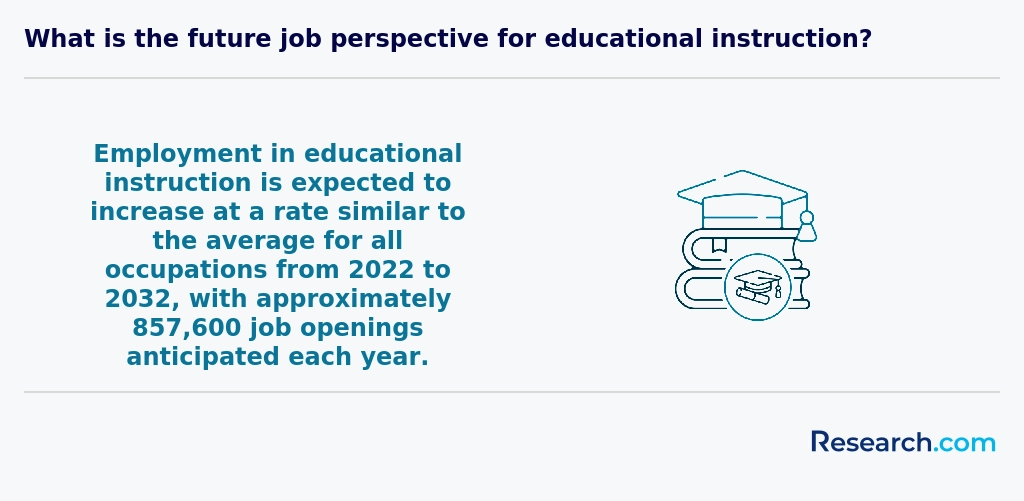
The job market for online education degree job opportunities Virginia remains robust due to expanding enrollments and a growing population within the state. Graduates from prominent Virginia institutions pursuing online doctorates in education often find themselves well-positioned for roles ranging from K-12 teaching to specialized administrative leadership. Many report that balancing work and study has been feasible thanks to flexible online program structures, enabling continued employment while advancing qualifications.
Employers across Virginia increasingly value advanced degrees for positions in special education, STEM education, and literacy initiatives. Graduates frequently highlight the competitive advantage of holding a doctorate when applying for leadership roles in school districts or curriculum development teams. For those concerned about cost, exploring options available through cheapest regionally accredited online colleges in the state can make pursuing an advanced degree more accessible.
Virginia's evolving education sector places particular emphasis on digital instruction expertise, a strength of many online graduates. This aligns well with the career outlook for those earning a Virginia online doctorate education career outlook, especially as schools expand virtual learning and policy analysis roles to meet current demands.
2027 Most Valuable Online Doctorate in Education Degree Programs Ranking in Virginia
Investing in your education is a significant decision that can shape your future, and the Research.com team understands the importance of making informed choices. To assist prospective students in Virginia, we have meticulously developed the "2027 Most Valuable Online Doctorate in Education Degree Programs Ranking in Virginia." Our dedication to quality, credibility, and accuracy is demonstrated through extensive research and careful analysis to produce this reliable ranking.
We utilized the following reputable data sources to ensure a comprehensive evaluation of these programs:
By reviewing this ranking, readers will gain valuable insights into the most valuable online doctorate in education programs in Virginia, empowering them to make well-informed decisions about their academic and professional futures. For a deeper understanding of how this ranking was created, please visit our Research.com methodology page.


Frequently Asked Questions About education
Online education degree students in Virginia can maximize their learning by actively engaging with course materials and participating in virtual discussions. Research from the Virginia Department of Education emphasizes consistent study routines, recommending dedicating specific hours weekly to coursework for stronger retention. Utilizing university resources, such as online libraries and academic advising, further supports success. Collaboration through study groups or networking with peers enhances understanding, especially in education programs focusing on practical application. Additionally, taking advantage of Virginia's extensive digital tools and platforms tailored for online learners helps streamline communication and assignment management, boosting overall academic performance.
Emerging niches within the education field reflect evolving demands in Virginia's schools and communities. One growing area is educational technology, which integrates digital tools to enhance learning experiences. This niche has expanded due to increased online and hybrid learning models, especially following the COVID-19 pandemic. According to the Virginia Department of Education, investments in tech-driven teaching have surged in recent years.
Another niche gaining prominence is special education leadership. With increased awareness of inclusive education, there is a demand for experts who can shape policies and programs supporting diverse learners.
Additionally, curriculum specialists focused on culturally responsive teaching are becoming essential, addressing Virginia's diverse student population. These fields offer promising career paths for online doctorate students aiming to impact educational systems.
Preparing for the job market after earning an online education degree in Virginia involves several strategic steps. First, graduates should leverage Virginia's robust education network by joining professional organizations like the Virginia Education Association. These groups provide valuable networking, job listings, and professional development.
Second, consider obtaining relevant certifications recognized by the Virginia Department of Education. Certifications can increase your employability in public schools and educational institutions statewide.
Additionally, practical experience remains crucial. Seek internships or substitute teaching roles to build local connections. According to the Bureau of Labor Statistics, Virginia projected a 5% growth in education jobs through 2030, especially for roles requiring advanced degrees.
Lastly, tailor your resume to highlight skills gained through your online studies, such as technology integration and remote collaboration, which are increasingly valued in education careers.
Employers in Virginia value education degree graduates who demonstrate strong communication skills. Being able to convey ideas clearly to students, parents, and colleagues is essential in classroom and administrative settings. Additionally, expertise in classroom management is highly sought, as effective handling of diverse student needs contributes to a positive learning environment.
Data from the Virginia Department of Education highlights that technology integration skills are increasingly important, given the rise of online and hybrid learning models. Candidates with proficiency in digital tools and virtual instruction platforms stand out.
Critical thinking and adaptability are also key, especially when addressing changing educational standards and diverse student populations. Employers appreciate graduates who can develop creative solutions to complex problems.
Finding internships in Virginia related to an online education degree involves several practical steps. Start by contacting university career centers, which often have partnerships with local schools and educational organizations. According to the Virginia Department of Education, many districts offer internship programs for aspiring educators. Additionally, explore websites like Virginia's Department of Education Career Connections and local school district pages for internship listings.
Networking through professional organizations like the Virginia Education Association can also help secure opportunities. Internships typically range across K-12 schools, educational nonprofits, and community programs, offering hands-on experience essential for licensure and career growth.
In Virginia, earning an online education degree can significantly enhance career mobility and advancement opportunities. According to the Virginia Department of Education, educators holding advanced degrees, such as doctorates, often qualify for higher salary tiers and leadership positions within school districts.
Online programs provide flexible access to these credentials, allowing working professionals to continue their education without interrupting their careers. The Virginia Tech Center for Survey Research highlights that educators with online degrees report increased promotion rates compared to those with only bachelor's or master's degrees.
Furthermore, Virginia's commitment to supporting online learning ensures that degrees from accredited institutions are well-recognized by employers statewide, promoting equitable advancement
Online education degrees in Virginia often emphasize interdisciplinary training, preparing graduates for diverse roles in education, administration, and policy. Programs typically include coursework that integrates psychology, technology, leadership, and curriculum development, reflecting the complex demands of modern education settings.
Virginia's higher education institutions align their online programs with statewide education standards, including those defined by the Virginia Department of Education and the Council for Higher Education Accreditation (CHEA). This ensures graduates possess skills relevant to various fields such as instructional design, community outreach, and educational technology integration.
According to the National Center for Education Statistics, Virginia has seen a 12% growth in education-related interdisciplinary job roles, underscoring the value of multifaceted education degrees.
Choosing between a thesis and a non-thesis education degree program in Virginia depends largely on your career goals and learning preferences. Thesis programs require conducting original research, appealing to students aiming for academic careers or positions involving policy analysis. Non-thesis programs typically emphasize coursework and practical application, suitable for professionals focusing on leadership or curriculum development.
In Virginia, many online doctorate programs offer both options, reflecting the state's commitment to flexible education. According to the Virginia Department of Education, research skills gained in thesis programs can enhance eligibility for university faculty roles. Meanwhile, non-thesis paths often allow faster completion, beneficial for working educators seeking advancement.
Consider your time availability and interest in research when choosing. Reviewing specific Virginia institutions' degree requirements can clarify which suits your professional objectives best.
Students based in Virginia who wish to study education abroad have several viable pathways through partnerships between Virginia institutions and foreign universities. Many Virginia public and private universities offer online education degree programs that include international study components or exchange options. For example, some schools collaborate with universities in Europe or Asia to provide virtual internships or research opportunities abroad.
Virginia's higher education system, including schools like Virginia Tech and the University of Virginia, supports global engagement by providing online learners access to cross-cultural experiences without requiring physical relocation. According to the Institute of International Education, nearly 5% of education graduate students from Virginia universities participate in study abroad programs annually, often complementing their online coursework.
Additionally, students can pursue accredited online degrees from internationally recognized institutions, ensuring their education aligns with U.S. standards while gaining global perspectives. Resources such as the Virginia Department of Education and StudyAbroad.com can guide learners in finding suitable programs tailored to their professional goals.
Virginia offers several part-time job opportunities that complement education degree studies, especially for those pursuing online programs. Roles such as teaching assistants, substitute teachers, and tutoring positions are common and provide practical classroom experience. According to the Virginia Department of Education, the demand for qualified educators has grown by 4% annually, encouraging schools to hire part-time support staff.
Additionally, positions in after-school programs or educational nonprofits can deepen knowledge of child development and instructional strategies. Working part-time in libraries or educational technology support also benefits students by enhancing organizational and technical skills linked to modern teaching methods.
Many local school districts also offer flexible roles suited for graduate students balancing studies with work. Engaging in these opportunities aligns well with the requirements of online education degree programs, creating valuable networking and professional growth prospects within Virginia's education sector.
Online education students in Virginia have access to numerous networking opportunities despite the virtual format. Many Virginia universities offering online education degrees also provide virtual events, webinars, and discussion forums that enable students to connect with peers and faculty statewide. For example, institutions like Virginia Tech and George Mason University organize online professional development workshops tailored to education professionals.
Additionally, students can join statewide organizations such as the Virginia Education Association, which offers networking through conferences and local chapter meetings. According to the Virginia Department of Education, participation in these groups enhances collaboration among educators across the state.
Many programs also encourage involvement in local school districts or education centers, helping students build practical connections while completing their degrees.
Alumni networks play a crucial role for students pursuing online education degrees in Virginia. These networks connect current students with graduates who have navigated similar programs, offering valuable mentorship and career advice. According to the Virginia Department of Education, strong alumni connections can increase job placement rates by up to 20% for recent graduates.
Online students often miss traditional campus interactions, but active alumni groups help bridge this gap through virtual events and professional networking platforms. Many Virginia universities, such as Virginia Tech and the University of Virginia, maintain robust alumni associations that include online students, enhancing access to job opportunities across the state and beyond.
Moreover, alumni can provide insights on local education policies and regional job markets, essential for tailoring career strategies. These networks also foster lifelong learning, enabling graduates to stay current with educational trends and advancements.
Customizing an online education degree program in Virginia allows students to align their studies with specific career objectives. Many Virginia institutions offer flexible curricula where students can select electives or specializations such as curriculum design, educational leadership, or technology integration. According to the Virginia Department of Education, tailoring coursework to meet licensure requirements or professional certifications can enhance career prospects. Students often consult academic advisors to design a plan that balances interests and job market demands within the state. Additionally, practicum or research components may be chosen to gain relevant hands-on experience in local school districts or educational organizations.
Online education students in Virginia encounter several common challenges. One major issue is maintaining motivation and time management without the structured environment of traditional campuses. According to the Virginia Department of Education, nearly 40% of online learners struggle with balancing coursework alongside work and family responsibilities.
Technical difficulties also present barriers, especially for students in rural areas with limited broadband access. The FCC reported in 2023 that approximately 15% of Virginians live in areas with insufficient internet connectivity, which can disrupt learning.
Moreover, students often face limited opportunities for direct interaction with faculty and peers, impacting networking and collaborative learning experiences.
Graduates with an online education degree in Virginia have access to several professional certifications that can enhance their career opportunities. One common certification is the Virginia Teaching License, which allows holders to teach at public schools in the state. To earn this license, candidates often pursue the Praxis exams and meet the Virginia Department of Education's requirements.
Additionally, educators can seek National Board Certification, a respected credential that validates teaching skills nationally. Many education degree holders also qualify for administrative certifications, such as the Virginia School Leaders Licensure.
These certifications help professionals specialize in areas like curriculum development, educational leadership, or special education. According to the Virginia Department of Education, certified teachers typically see higher salary potential and more job security.
Writing a winning application for an online education program in Virginia begins with thorough research. Applicants should focus on clearly expressing their career goals and how the program aligns with these objectives. Virginia universities typically require transcripts, test scores, letters of recommendation, and a personal statement. The Virginia Department of Education reports that online degrees are growing in demand, making a well-crafted application essential for standing out.
Highlight relevant professional experience and include specific examples demonstrating leadership or educational impact. Adhering to all application instructions and deadlines is critical, given the competitive nature of programs at institutions such as the University of Virginia and Virginia Tech.
Consulting official university websites and Virginia's state higher education resources ensures an accurate and current understanding of requirements and program offerings.
Global perspectives on an education career highlight the increasing importance of cultural competence and adaptability. Educators today are expected to prepare students for a diverse, interconnected world. This trend influences U.S. education programs, including those offered online in Virginia.
Virginia's emphasis on online education degrees reflects this global outlook. According to the Virginia Department of Education, 94% of educators believe global awareness improves teaching effectiveness. Online doctorate programs often integrate international curricula, preparing graduates to address worldwide educational challenges.
Additionally, U.S. teachers with global training are more competitive in the job market. The U.S. Bureau of Labor Statistics forecasts a 5% employment growth for postsecondary education careers through 2031, partly due to globalization effects. These trends make an education degree valuable for those aiming at impactful, global careers.
Gaining practical experience while pursuing an online education degree in Virginia is essential for strengthening your skills and enhancing employability. Many Virginia universities incorporate practicum or internship components into their online education programs, allowing students to work directly in local schools or educational organizations.
The Virginia Department of Education encourages partnerships between universities and public schools, helping students find placements that align with their career goals. Additionally, some programs offer virtual simulations and case studies to develop real-world problem-solving skills.
Students can also volunteer in educational settings or participate in research projects related to teaching and learning, gaining valuable hands-on experience alongside their studies.
Choosing the right concentration within an online education degree program in Virginia depends on your career goals and interests. Virginia universities often offer concentrations like educational leadership, curriculum development, or special education. Research shows that educational leadership roles in Virginia grew 7% between 2020 and 2030, according to the Bureau of Labor Statistics.
Consider your current experience and where you want to specialize. For example, if you aim to work with diverse learners, special education may be a good fit. Check if the program aligns with Virginia licensing requirements if you plan to work in public schools.
Look for programs accredited by recognized bodies such as CAEP to ensure quality training. Additionally, evaluate faculty expertise and available resources through university websites or third-party educational reviews for Virginia institutions.
- 2027 Most Valuable Online Doctorate in Education Degree Programs Ranking in Kentucky
- 2027 Most Valuable Online Doctorate in Education Degree Programs Ranking in Pennsylvania
- 2027 Most Valuable Online Doctorate in Education Degree Programs Ranking in Georgia
- 2027 Most Valuable Online Doctorate in Education Degree Programs Ranking in Indiana
- 2027 Most Valuable Online Doctorate in Education Degree Programs Ranking in Florida
- 2027 Most Valuable Online Doctorate in Education Degree Programs Ranking in Missouri
- 2027 Most Valuable Online Doctorate in Education Degree Programs Ranking in Michigan
- 2027 Most Valuable Online Doctorate in Education Degree Programs Ranking in Mississippi
- 2027 Most Valuable Online Doctorate in Education Degree Programs Ranking in Minnesota
- 2027 Most Valuable Online Doctorate in Education Degree Programs Ranking in Texas
See What Experts Have To Say About Studying Education
Read our interview with Education experts

Nooshan Ashtari
Education Expert
Professor & Book Author
University of Southern California

Alan J. Singer
Education Expert
Professor of Teaching, Learning and Technology
Hofstra University

- Online Degree Programs in Virginia (VA) https://www.onlinedegrees.com/virginia/
- FastForward: Job Training Programs | VA https://fastforwardva.org/
- VSU Online https://www.vsu.edu/online/
- Online Education Associate to Bachelor's Degree Program https://www.uvawise.edu/academics/departments/education/associate-to-bachelors
- Careers https://virtualvirginia.org/about/careers/
- Online Colleges in Virginia https://www.onlineschools.org/guides/virginia/
- Online Colleges in Virginia https://www.oedb.org/virginia/
- Federal and State Financial Aid https://www.levelupvirginia.org/finance/financial-aid/federal-and-state-financial-aid
- Best Online Colleges in Virginia https://www.onlineu.com/best-online-colleges/virginia
- Virginia Alternative Route to Licensure https://iteach.net/alternative-teacher-certification/virginia-teacher-alternative-route-to-licensure/


