
2027 Best Online Education Degree Programs Ranking in St. Paul, MN

Co-Founder and Chief Data Scientist
Choosing the right online education degree program can feel overwhelming, especially with so many options available in St. Paul, MN. This article introduces the 2027 Best Online Education Degree Programs Ranking in St. Paul, MN, carefully developed by the Research.com team of data scientists to guide you toward the best choices.
By exploring this ranking, you'll discover programs that align with your goals and values. Earning an education degree opens doors to rewarding careers and personal growth. Let this resource support your journey with clear, trustworthy information.
Key benefits of getting online education degree in St. Paul
- Salary for education degree graduates: Graduates with education degrees in St. Paul can expect rewarding salaries, such as $76,000 for Special Education Teachers and $77,200 for Instructional Designers, reflecting strong earning potential in this field.
- Career paths: A graduate from the University of St. Thomas might pursue roles ranging from Early Childhood Educator to ESL Teacher, showing diverse opportunities in schools and educational organizations across the region.
- Benefits of online degrees: Earning an education degree online from institutions like Hamline University offers flexibility and convenience, allowing you to balance studies with work or family life while preparing effectively for a fulfilling career.
- 2027 Best Online Education Degree Programs Ranking in St. Paul, MN
- What can I expect from online education degree in St. Paul?
- Where can I work with online education degree in St. Paul?
What can I expect from online education degree in St. Paul?
Tuition for online education degrees in St. Paul generally ranges from $10,000 to $20,000 per year, depending on the institution and program length. Graduates from schools like the University of St. Thomas or Metropolitan State University often share how flexible pricing schemes and financial aid helped them balance education costs without the stress of commuting or housing expenses.
Many students find that online programs enable them to continue working while earning their degree, which reduces financial pressure and allows budgeting around living expenses. For example, learners report enrolling in part-time pacing options that spread tuition over multiple semesters, making payments manageable alongside job income.
Minnesota-based scholarships and grants frequently apply to these programs, providing significant relief for online learners pursuing teaching credentials. These financial supports, combined with competitive tuition costs and eliminated travel expenses, make online education degrees in St. Paul both affordable and practical for dedicated candidates.
Where can I work with online education degree in St. Paul?
Graduates with online education degrees in St. Paul often start their careers by seeking positions within Saint Paul Public Schools (SPPS), a major employer offering roles as licensed teachers and education professionals. Many find it rewarding to work directly in public K-12 classrooms where their skills meet steady demand, especially in special education, math, and English language learning.
Others leverage their qualifications to join private or charter schools throughout the city, attracted by flexible certification pathways that online degrees support. For example, graduates from Saint Paul College often share how their programs prepared them to adapt quickly to diverse educational settings.
Community colleges and nonprofits offer additional career paths, with roles in adult education, workforce development, and youth tutoring programs. Education degree holders have expressed satisfaction working in these environments, where their impact extends beyond traditional classrooms.
For those interested in leadership, local school district administration or policy work draws many graduates. Positions like curriculum coordinators or educational technology specialists, especially in institutions integrating digital learning, provide promising career advancement right here in the Twin Cities metro area.
Graduates with an online education degree in St. Paul can realistically expect strong earning potential, especially when leveraging local school districts and regional opportunities. For example, elementary school teachers commonly earn a mean annual wage of about $70,740, according to the latest data. Many who completed their degrees through Saint Paul College or Hamline University find this to be an attainable salary within their first few years.
Special education teachers in St. Paul tend to earn even more, with a mean salary around $76,000 annually. Graduates pursuing certifications or master's degrees online report satisfaction with the way these credentials opened doors to higher pay. ESL teachers often start near $65,430 per year on average, offering a practical option for those interested in language instruction within the district.
Instructional designers, another path for online education graduates, see salaries averaging $77,200 a year. Their work often involves curriculum development and training, which can be especially rewarding for those who enjoy shaping educational experiences beyond the classroom.
Whether starting at an entry-level salary or moving into specialized roles, online education graduates from St. Paul institutions frequently express confidence in their growing income, increased stability, and career satisfaction as they apply skills directly tailored to local educational needs.
- Online education degrees in St. Paul cover fields like early childhood education, special education, and educational leadership with programs meeting state certification requirements.
- Bachelor's degree programs cost between $20,000 and $35,000, while master's programs range from $15,000 to $30,000, generally cheaper than on-campus options.
- Entry-level educators earn between $45,000 and $50,000 annually, with experienced professionals reaching $60,000 or more in leadership or specialized roles.
- Teacher demand in St. Paul is expected to grow moderately through 2030, especially in special education and ESL teaching.
- Online programs often include local student teaching, helping gain practical experience within St. Paul schools.
- Minnesota licensure requires passing exams and background checks, so programs must prepare students for these certification steps.
Completing an online education degree in St. Paul varies by level and pace. For example, full-time students at well-known institutions like the University of St. Thomas often finish a bachelor's degree in about four years. Graduates frequently mention balancing work and family while appreciating the option to take summer courses, which helped them move faster.
Part-time study is common, extending bachelor's programs to around six years, but this flexibility enables working professionals to keep their careers while earning a degree. Similarly, online master's degrees typically take between 1.5 and 3 years depending on course load and specialization. Graduates note that scheduling night or weekend classes at colleges like Hamline University made it easier to focus on career advancement without burnout.
Doctoral programs in St. Paul, such as EdD degrees offered online, usually require 3 to 7 years. Graduates highlight the combination of research, coursework, and dissertation work, which demands strong time management but offers meaningful growth and expertise.
Remember to consider credit transfers and personal commitments when planning your timeline; many find accelerated pathways offered locally a helpful way to finish sooner.
Choosing between online and on-campus education degrees in St. Paul often comes down to your daily routine and learning style. Graduates from the University of St. Thomas appreciate on-campus programs because attending classes in person helps them build strong connections with professors and peers, making study groups and networking easier. They also benefit from campus facilities like libraries and tutoring centers that support hands-on learning.
On the other hand, online programs at schools like Hamline University offer flexibility that suits working adults or parents in St. Paul juggling jobs and family. These students value being able to access lectures and assignments anytime, often completing coursework late at night or early morning without commuting hassles. However, some mention missing face-to-face interactions, which require more effort virtually through forums and video calls.
Tuition rates for both formats are comparable-around $12,000 annually for in-state students-but online learners often save on transportation and housing costs. Whichever path you choose, ensure your program is CAEP-accredited to qualify for Minnesota teaching licensure.
When planning for an online education degree in St. Paul, the average cost typically centers around $27,000 in total tuition and fees for a complete program. Graduates from popular institutions like Metropolitan State University often share how this investment feels manageable thanks to the competitive tuition rates offered to in-state students. Many find that public universities serving St. Paul residents keep costs reasonable compared to private schools, which often exceed $30,000 annually if they offer education degrees online.
St. Paul students taking online education programs appreciate the savings on commuting and housing, which significantly offset the total cost of attendance. For example, a graduate might save hundreds each semester by avoiding campus parking and local living expenses. However, it's important to remember additional costs such as technology fees and course materials, which can add several hundred dollars yearly.
For those wondering about St. Paul MN online education degree tuition fees, a typical undergraduate program for local students ranges between $10,000 and $15,000 annually, while graduate programs often run between $15,000 and $25,000 per year. Students benefit from financial aid opportunities targeting Minnesota residents, helping to reduce the overall expenses.
Prospective students weighing their options should also consider the ease of completion when budgeting time and money variables. To explore your options, read more about what is the easiest degree that fits your lifestyle and goals.

If you're pursuing an online education degree in St. Paul, federal financial aid is a great place to start. By filling out the FAFSA, you may qualify for Pell Grants worth up to $7,395 in 2023-2024, which many graduates from St. Paul universities found crucial for covering tuition without debt. Federal loans with lower interest rates are also accessible, providing flexible repayment options tailored for students balancing work and study.
State aid, like the Minnesota State Grant, offers additional funding, especially for residents attending local colleges. Graduates from St. Paul's respected education programs often mention how this support eased their budgeting worries. Plus, the MN Dream Act opens doors for undocumented students, expanding opportunities for many who otherwise face financial barriers.
Local schools frequently award scholarships for education majors, with amounts ranging from $1,000 to over $5,000. Many students also benefit from employer tuition reimbursement-valuable for working adults juggling family and career. Together, these resources create a practical, manageable pathway to earning your degree in St. Paul.
To enroll in an online education degree program in St. Paul, you first need a high school diploma or GED if aiming for an undergraduate program. Many local graduates from schools like Metropolitan State University found that meeting this basic requirement gave them confidence to proceed, especially when combined with a GPA of around 2.5 or higher. If you're pursuing a Master's degree, having a bachelor's degree from an accredited institution is essential, often with relevant coursework in education-a step many alumni recommend preparing early to avoid delays.
Proof of U.S. residency is another key prerequisite, affecting tuition rates and financial aid options. Students who verified their residency at the University of St. Thomas appreciated significant cost savings, making online learning more affordable. Standardized test scores like ACT or SAT might be requested, though several programs have recently waived these, easing the entry process.
Reliable internet access and proper technology are non-negotiable. Graduates recall how having dependable equipment and a quiet study space at home transformed their virtual classes into engaging, manageable experiences.
- High school diploma or GED for undergraduate programs
- Bachelor's degree for graduate programs, often in a related field
- Minimum GPA requirements, typically around 2.5 or higher
- Proof of U.S. residency or legal status
- Standardized test scores (if required by the institution)
- Access to necessary technology for online learning
- Supplemental materials such as personal statements or recommendation letters

Courses in online education degrees in St. Paul focus on practical skills that prepare you for real classrooms. Graduates from popular local colleges frequently mention how educational psychology helped them understand how children learn differently, making lesson planning more effective.
Core classes typically include curriculum development and instructional strategies, where you get to design lesson plans that engage diverse learners, just like teachers do in St. Paul public schools. You will also study assessment methods that enable you to track student progress clearly and adjust teaching approaches accordingly.
Many students appreciate the classroom management courses, which teach techniques to build positive learning environments-something essential when managing real-life challenges during student teaching experiences arranged through Minnesota institutions.
Educational technology classes are also crucial, as they prepare you to use digital tools confidently, mirroring the tech-savvy nature of St. Paul's schools. Specialized courses, depending on your focus, might cover subjects like literacy or special education, providing targeted skills for your career path.
Online education degree specializations in St. Paul MN typically include Educational Leadership and Administration, Special Education, Instructional Design and Technology, Early Childhood Education, and Curriculum and Instruction. Graduates from popular St. Paul colleges often share how specializing in Educational Leadership helped them confidently move into school management roles, addressing real local needs in K-12 settings. Special Education graduates express pride in mastering inclusive strategies vital for working with diverse learners, fulfilling community demands in ways that feel rewarding and impactful.
Instructional Design and Technology is increasingly sought after as students learn to create effective online curricula, a skill especially relevant for remote learning environments popular among St. Paul's higher education institutions. Many appreciate this hands-on approach, combining theory with digital tools. Those focusing on Early Childhood Education describe their path as enriching, knowing their work lays a foundation for young learners in schools around St. Paul.
Curriculum and Instruction specialization appeals to educators aiming to refine teaching methods and student outcomes across grades. For practical planning, students also look into year long masters programs that fit tight schedules. These paths reflect the best education degree concentrations St. Paul MN offers for career-focused learners.
Start by confirming the program's accreditation, a non-negotiable step to ensure your degree from St. Paul's popular universities will be recognized by employers and fulfils licensing requirements. Graduates often share how choosing accredited programs saved them time and money in certification processes. For example, many students at local colleges appreciate that their degree is accepted statewide, allowing smooth entry into teaching careers.
Next, consider the balance between cost and financial aid. Affordable online education degrees St. Paul Minnesota residents pursue often reflect careful budgeting alongside scholarships or employer reimbursement. Graduates commonly recall how this foresight helped them avoid overwhelming debt while progressing steadily.
Look for programs blending theory with practical experience such as practicum placements in area schools. These real-world components build confidence for classroom readiness. Check if courses match your schedule preferences; many working adults benefit from asynchronous options but still value occasional synchronous sessions for peer interaction and faculty support.
To explore options, view the top online colleges with national accredited status, which often include respected St. Paul institutions offering strong education degrees.
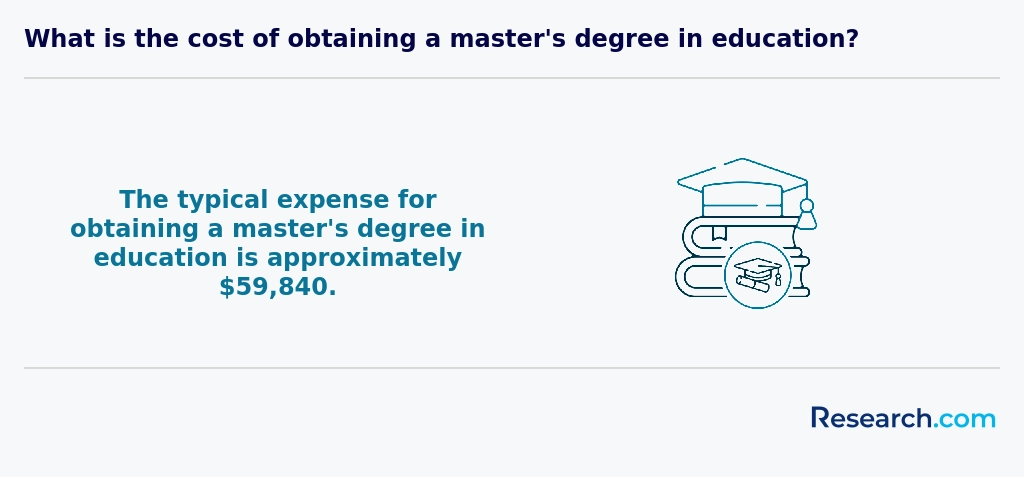
Graduates of online education degree programs in St. Paul can pursue several practical career paths tailored to the local job market. Many start as licensed K-12 teachers, a consistent demand in St. Paul's public and private schools, especially in areas like special education, math, and bilingual teaching. Graduates from popular institutions such as the University of St. Thomas often share how their program's licensure preparation directly helped them secure rewarding teaching roles.
For those aiming higher, education degree careers in St. Paul MN include administration roles like principals or instructional coordinators. These positions require advanced credentials but come with leadership responsibilities and better pay. Experience from local graduates shows this path lets you influence school policy and staff development positively.
Another route is into curriculum design or educational technology, where degree holders apply their skills to create learning programs beyond the classroom. A few alumni from Saint Catherine University have transitioned smoothly into these roles at nonprofits or corporate training departments. If you are considering additional certifications, check out short certificate programs that pay well online to complement your online education degree. These careers offer solid growth while staying connected to education in St. Paul.
The job market for online education degree jobs in St. Paul MN remains promising, especially for graduates from local institutions known for strong education programs. Graduates often secure roles in public schools around the Twin Cities metro area, supported by steady population growth and investment in education reform. For instance, many alumni of nearby colleges report success in obtaining positions as certified teachers or support staff, appreciating how their online coursework aligned with practical, state-required certification steps.
St. Paul MN education degree job outlook is positive due to a regional focus on equity and cultural responsiveness in teaching. This specialization opens doors in K-12 and higher education institutions that prioritize diverse learning environments. Online students balancing work and study find affordable options and flexibility at these universities, which helps maintain steady progress toward licensure.
Graduates also explore roles in educational technology companies, valuing experience with digital learning tools gained through online programs. For those weighing career direction, it helps to know what is the best career for introverts can guide your choices toward fitting education roles.
2027 Best Online Education Degree Programs Ranking in St. Paul, MN
Investing in your education is a significant decision that can profoundly influence your future, and the Research.com team is keenly aware of the need to make informed choices. To support prospective students in St. Paul, MN, we have carefully developed the "2027 Best Online Education Degree Programs Ranking in St. Paul, MN." Our dedication to quality, credibility, and accuracy is demonstrated through rigorous research and data analysis.
We utilized the following reputable data sources to ensure a comprehensive evaluation of online education degree programs:
By reviewing this ranking, readers will gain valuable insights into the best online education degree programs available in St. Paul, MN, empowering them to choose the right path for their academic and professional goals. For more information on how this ranking was compiled, please visit our Research.com methodology page.
# 1 position
Bethel University, Minnesota
Master of Education K-12
# 2 position
Bethel University, Minnesota
Bachelor of Special Education
# 3 position
Bethel University, Minnesota
Doctor of Leadership (K-12 Education) (Higher Education)

Frequently Asked Questions About education
Students pursuing online education degrees in St. Paul can enhance their learning by setting a consistent study schedule aligned with their personal and work commitments. Research from the University of Minnesota highlights that students who allocate regular weekly hours to their coursework are 30% more likely to complete their programs on time.
Engaging actively with professors and peers through scheduled video sessions and discussion boards also improves understanding and retention. The Minnesota Office of Higher Education advises using local resources, such as St. Paul Public Library's digital learning tools, to supplement coursework effectively.
Finally, leveraging time management and digital literacy skills is crucial for online learners to navigate coursework and deadlines efficiently.
The education field is rapidly evolving, with emerging niches gaining attention among online degree seekers. One notable area is educational technology, which integrates digital tools to improve learning outcomes. In St. Paul, demand for specialists in this niche is growing due to the region's emphasis on remote and hybrid learning models.
Another rising field is special education with a focus on inclusive practices for diverse learners. Programs increasingly prepare educators to support students with disabilities and behavioral needs.
Data from the Minnesota Office of Higher Education highlights an increase of 15% in online enrollments for education-related programs in the Twin Cities metro area from 2021 to 2023. This growth reflects a broader nationwide trend toward flexible, career-oriented education degrees.
After completing an online education degree in St. Paul, preparing for the job market involves several strategic steps. First, gaining practical experience through internships or substitute teaching in local schools can enhance employability. The Minnesota Department of Education reports that roles in St. Paul public schools are growing by 5% annually, indicating steady demand for qualified educators. Networking with local education professionals and joining organizations like the Minnesota Education Association offers valuable support and job leads.
Additionally, obtaining state licensure is crucial, as Minnesota requires certification for most teaching positions. Tailoring resumes to highlight online learning skills and technology proficiency can give graduates a competitive edge in digital classrooms.
Employers in St. Paul prioritize several key skills when hiring education degree graduates. Strong communication abilities are essential, as teachers must effectively engage diverse students and collaborate with families. According to the Minnesota Department of Education, adaptability and cultural competency are increasingly valued due to the region's growing diversity. Classroom management skills rank highly, helping create productive learning environments. Additionally, proficiency in digital tools and online instruction is critical, especially after the rise of remote learning. Employers also seek graduates with solid knowledge of curriculum development and assessment methods. These skills equip educators to meet the needs of students in St. Paul's evolving educational landscape.
Finding internships in St. Paul relevant to an education degree involves several effective strategies. Local school districts like St. Paul Public Schools often offer internships or practicum opportunities for education students to gain hands-on experience. Connecting with university career centers helps access partnerships and job boards focused on teacher internships. The Minnesota Department of Education provides resources and listings for approved internships statewide, including St. Paul. Additionally, nonprofits and community centers, such as the YMCA of the Greater Twin Cities, sometimes offer internships related to youth education. Networking through local education events can also reveal valuable openings.
Obtaining an online education degree in St. Paul can significantly enhance career mobility and advancement opportunities. According to the Minnesota Department of Employment and Economic Development, education-related professions in the Twin Cities metro area, which includes St. Paul, are projected to grow by 7% through 2028. This growth reflects a steady demand for qualified educators and administrators.
Online degrees offer flexibility, allowing working professionals in St. Paul to advance their qualifications without interrupting their current employment. Many local school districts recognize accredited online degrees when considering promotions, which can lead to higher salaries and leadership roles.
Furthermore, the ability to network through online programs connects students with educators statewide, broadening career prospects beyond St. Paul. This is particularly important as the Minnesota Board of Teaching requires continuing education for license renewal, which online degrees can efficiently fulfill.
Studying for an education degree in St. Paul through online programs equips students with versatile skills for interdisciplinary roles. These programs emphasize collaboration across disciplines such as psychology, sociology, and technology, reflecting the city's diverse educational landscape. According to the Minnesota Office of Higher Education, St. Paul colleges integrate coursework that prepares graduates to address varied student needs and community challenges.
The curriculum often includes training in cultural competence and communication, valuable for working with professionals in healthcare, social services, and policy-making. This holistic approach is essential as 45% of St. Paul schools serve multilingual or multicultural students, requiring educators to engage beyond traditional teaching methods.
Choosing between a thesis and a non-thesis online education degree program in St. Paul depends on your career goals and learning preferences. Thesis programs require conducting original research and writing a substantial paper, ideal for those aiming for doctoral studies or research roles. Non-thesis programs typically focus on coursework and applied skills, well-suited for professionals seeking leadership or administrative positions in education.
According to data from the Minnesota Office of Higher Education, St. Paul offers a range of accredited online programs that align with these formats. Consider the time commitment, as thesis options often take longer to complete.
Review program curricula, faculty expertise, and available resources to decide which path best fits your ambitions.
Students based in St. Paul interested in studying education abroad through online degrees have several pathways within the U.S. higher education system. Many accredited universities offer fully online education degree programs that allow students to engage in international studies or global education perspectives without leaving Minnesota. Options include coursework focusing on multicultural education, comparative education systems, and global educational policies, which prepare graduates for diverse classrooms.
Research from the Minnesota Office of Higher Education highlights that over 30% of St. Paul learners choose online courses for flexibility. Some programs partner with international institutions to offer study-abroad experiences or virtual exchanges integrated into online degrees.
Additionally, students should ensure their chosen programs are regionally accredited and align with Minnesota teaching licensure requirements, especially if intending to teach locally after graduation.
Part-time jobs that complement education degrees in St. Paul often involve direct interaction with students or educational settings. Positions such as teacher assistants, tutors, and substitute teachers provide valuable classroom experience while supporting local schools.
St. Paul Public Schools regularly hire substitute teachers and aides, offering flexible hours ideal for students pursuing online education degrees. According to the Minnesota Department of Education, substitute teaching is a common entry point to full-time educational roles.
Tutoring services in St. Paul also present opportunities, allowing students to develop communication and instructional skills while earning income. Organizations like Saint Paul Public Libraries often seek tutors for literacy programs.
These roles provide practical experience aligned with education studies, enhancing resumes and professional networks in St. Paul's education community.
Online education students in St. Paul have multiple networking opportunities despite the virtual format. Local universities like the University of St. Thomas and Hamline University often organize hybrid or in-person networking events and workshops tailored for education students. These events enable students to connect with peers, faculty, and local education professionals.
Additionally, education students can join St. Paul-based professional organizations such as the Minnesota Education Association, which holds regular meetings and conferences offering rich networking platforms. According to the Minnesota Office of Higher Education, over 15,000 education students are enrolled statewide, providing a broad network of peers and mentors.
Community forums and virtual meetups specific to St. Paul educators are also common. Many employers in the area value these connections when hiring new teachers or education specialists. These opportunities help online students build meaningful professional relationships locally and beyond.
Alumni networks play a crucial role for online education degree students in St. Paul by offering valuable professional connections and support. These networks can bridge the gap between virtual learning and real-world opportunities, connecting students with former graduates who are established in the local education sector.
In St. Paul, schools often provide access to exclusive job postings, mentorship programs, and networking events through their alumni associations. According to the Minnesota Department of Employment and Economic Development, strong professional networks significantly increase job placement rates for education graduates statewide.
For online students, these alumni connections help build credibility and local insights that are vital for career advancement in St. Paul's competitive education job market.
Students pursuing online education degrees in St. Paul can often tailor their programs to align with specific career goals. Many accredited institutions offer concentrations or electives, such as special education, curriculum design, or educational leadership. This flexibility allows learners to develop skills relevant to their desired roles.
Additionally, some programs incorporate practical experiences, like virtual internships or project-based assignments, helping students apply theory to real-world settings. Local partnerships with St. Paul schools and districts may further customize learning by addressing community needs.
The Minnesota Office of Higher Education reports that about 60% of students in online education courses seek certifications or advanced roles, highlighting the demand for targeted program options.
Online education students in St. Paul often face challenges related to time management and balancing responsibilities. Many learners juggle work, family, and studies, making it difficult to meet deadlines. According to the Minnesota Office of Higher Education, about 40% of adult learners in the region report stress from such competing demands.
Technical issues are another common barrier. Reliable internet access can be inconsistent in some St. Paul neighborhoods, impacting live class participation and access to resources. The Public Policy Forum highlights that approximately 15% of residents still face broadband limitations.
Additionally, students may encounter feelings of isolation. Without in-person interaction, building a strong support network can be challenging, which may affect motivation and retention rates in online programs across Minnesota.
With an online education degree, professionals in St. Paul can pursue several key certifications that enhance their teaching and administrative careers. One popular credential is the Minnesota Teaching License, necessary for K-12 educators in public schools, which requires passing the Minnesota Teacher Licensure Exam. Another valuable certification is the National Board Certification, recognized nationwide for advanced teaching skills and often leading to higher pay.
Additionally, graduates can obtain credentials like the ESL (English as a Second Language) endorsement or special education licenses, both in demand locally. For administrators, certifications such as the Minnesota Principal or Superintendent Licenses offer career advancement opportunities, reflecting local licensing standards reported by the Minnesota Department of Education.
Writing a winning application for an online education program in St. Paul begins with understanding specific regional opportunities. Minnesota ranks high nationally for online education accessibility, with over 70% of public colleges offering fully online degree options, according to the Minnesota Office of Higher Education. Emphasize your motivation for choosing an online format, especially in St. Paul's diverse learning environment.
Highlight relevant experience and academic achievements clearly. Tailor your personal statement to reflect how the program aligns with your career goals, referencing local or statewide education challenges you aim to address. Strong letters of recommendation from professionals familiar with your background can enhance credibility.
Finally, demonstrate knowledge of St. Paul's education landscape, which is crucial for programs aiming to impact local communities.
The field of education is increasingly viewed through a global lens, reflecting the interconnected nature of today's classrooms. In the United States, including St. Paul, MN, education careers emphasize cultural competency, technology integration, and lifelong learning. According to the National Center for Education Statistics, US enrollment in online education programs grew by over 20% from 2019 to 2022, showing rising demand for flexible learning paths.
Internationally, educators are expected to understand diverse learning styles and collaborate across borders. For St. Paul students pursuing online education degrees, this means developing skills relevant in both local and global contexts. With a growing immigrant population in St. Paul, educators trained to address multicultural classrooms are especially valuable.
These trends align with global educational goals set by organizations such as UNESCO, which advocates for inclusive quality education worldwide. Thus, education careers today integrate global best practices with the specific needs of communities like St. Paul's.
Gaining practical experience while studying for an online education degree in St. Paul is essential to prepare for real-world teaching challenges. Many programs partner with local schools and educational organizations to provide virtual or in-person practicum opportunities. These experiences allow students to apply teaching theory, develop classroom management skills, and receive feedback from experienced educators.
In St. Paul, the school district often collaborates with institutions for student placements, offering exposure to diverse classrooms. According to the Minnesota Department of Education, over 70% of teacher preparation programs in the state require field experience before graduation. Additionally, online students can benefit from virtual simulation tools that mimic classroom scenarios to enhance teaching skills.
Choosing the right concentration within an online education degree program in St. Paul requires careful consideration of your career goals and the local education environment. According to the Minnesota Office of Higher Education, key concentrations like curriculum design, special education, and educational leadership are in demand statewide, including St. Paul.
Look at job growth projections from the Bureau of Labor Statistics showing a 7% increase in education-related roles in Minnesota through 2031. Aligning your focus with those areas can improve employment prospects.
Consider programs accredited by the Council for the Accreditation of Educator Preparation (CAEP), ensuring quality training recognized by Minnesota school districts.
Finally, review local employers' preferences by exploring St. Paul Public Schools' career pages or district initiatives, which often influence the popularity of concentrations like technology integration or bilingual education.
- 2027 Best Online Education Degree Programs Ranking in Minneapolis, MN
- 2027 Best Online Education Degree Programs Ranking in Madison, SD
- 2027 Best Online Education Degree Programs Ranking in Watertown, WI
- 2027 Best Online Education Degree Programs Ranking in Valley City, ND
- 2027 Best Online Education Degree Programs Ranking in Omaha, NE
- 2027 Best Online Education Degree Programs Ranking in Joliet, IL
- 2027 Best Online Education Degree Programs Ranking in Chicago, IL
- 2027 Best Online Education Degree Programs Ranking in Berrien Springs, MI
- 2027 Best Online Education Degree Programs Ranking in Columbia, MO
- 2027 Best Online Education Degree Programs Ranking in Manhattan, KS
See What Experts Have To Say About Studying Education
Read our interview with Education experts

Alan J. Singer
Education Expert
Professor of Teaching, Learning and Technology
Hofstra University


- Promising Niches in the Global EdTech Landscape - Blog https://rocketech.it/blog/post/global-edtech-landscape-what-niches-are-the-most-promising
- Cost of Online Education vs. Traditional Education [2025]: Comparison https://educationdata.org/cost-of-online-education-vs-traditional-education
- Navigating Challenges In Education, Learning & Development - those who can https://www.thosewhocan.org/navigating-challenges-in-education-learning-and-development/
- Online Education Degree Programs | University of Phoenix https://www.phoenix.edu/online-education-degrees.html
- Putting theory into practice: The value of an interdisciplinary approach to teaching https://my.chartered.college/impact_article/putting-theory-into-practice-the-value-of-an-interdisciplinary-approach-to-teaching/
- Events & Opportunities https://connect.teachforall.org/events-opportunities
- Seven Major Challenges Facing Education in the 21st Century https://www.internationalschoolparent.com/articles/seven-global-education-challenges/
- Know more about thesis vs non- thesis: what is the difference? https://studyfans.com/en/blogs/816
- DISTANCE EDUCATION - St. Paul University Philippines https://spup.edu.ph/distance-education/
- Tips for Choosing Your Graduate Concentration - Graduate Programs for Educators https://www.graduateprogram.org/blog/tips-for-choosing-your-graduate-concentration/


