
2027 Most Affordable Education Degree Programs Ranking in Louisiana

Co-Founder and Chief Data Scientist
Choosing the right education degree program in Louisiana can feel overwhelming, but making an informed decision is key to a successful future. This article introduces the 2027 Most Affordable Education Degree Programs Ranking in Louisiana, created by the Research.com team of data scientists to guide students like you.
By exploring this ranking, you'll discover affordable options that balance quality and cost, helping you invest wisely in your education journey. Pursuing an education degree opens doors to rewarding careers and meaningful impact, making this guide a valuable resource.
Key benefits of getting education degree in Louisiana
- Graduates with an education degree in Louisiana can expect competitive salaries, such as $76,000 for Special Education Teachers and $77,200 for Instructional Designers, reflecting strong earning potential in the field.
- An education degree opens doors to diverse career paths, from classroom teaching to curriculum development, as demonstrated by graduates from Louisiana State University who find rewarding roles in schools and educational organizations.
- Online education degrees from universities like the University of Louisiana offer flexibility and convenience, helping students balance work, family, and studies while gaining valuable skills for a successful teaching career.
- 2027 Most Affordable Education Degree Programs Ranking in Louisiana
- What can I expect from education degree in Louisiana?
- Where can I work with education degree in Louisiana?
What can I expect from education degree in Louisiana?
The average cost of pursuing an education degree in Louisiana typically hovers around $8,900 per year at public universities, making it an accessible option for many local students. Graduates from institutions like Louisiana State University and the University of Louisiana at Lafayette often recall balancing affordability with valuable hands-on experiences. For example, a student might complete a full academic year paying modest tuition while engaging deeply in classroom management courses and fieldwork.
Many students find this cost manageable alongside part-time jobs or scholarships. One graduate shared how the lower tuition helped them focus more on their student teaching placements in diverse settings, from urban Baton Rouge classrooms to rural parish schools. This real-world practice is crucial and often integrated into the curriculum of popular education programs throughout the state.
Looking ahead, universities in Louisiana are exploring hybrid and flexible scheduling options that could further reduce costs and accommodate working professionals seeking advanced degrees like the M.Ed. or Ed.D. These innovations suggest a future where affordability and quality training go hand in hand for aspiring educators in Louisiana.
Where can I work with education degree in Louisiana?
Graduates with an education degree in Louisiana often find rewarding careers in the state's extensive public K-12 school system, where many begin as classroom teachers or special education instructors. For example, those graduating from well-known institutions like Louisiana State University often share stories of impactful classroom moments and growing into leadership positions such as instructional coaches or school administrators. These roles provide a strong sense of community and purpose, making daily work fulfilling.
Beyond traditional schools, many graduates see opportunities in private or parochial schools, where state certification enhances employability. Early childhood education centers attract those passionate about shaping young minds through programs like Child Care Assistance, often discussed by University of Louisiana graduates eager to influence early learning standards.
Emerging trends include roles in educational technology and online learning, with education grads becoming instructional coordinators who support digital platforms adapting to modern classrooms. These evolving career paths reflect Louisiana's growing commitment to innovation, ensuring education students feel optimistic and empowered about their futures across diverse educational settings.
Graduates from Louisiana universities pursuing education degrees often find rewarding salary opportunities that reflect both their dedication and expertise. For example, those stepping into roles as elementary school teachers can anticipate mean annual wages around $70,740, a figure that can feel rewarding for recent graduates from popular institutions like Louisiana State University or University of Louisiana at Lafayette.
Special education teachers earn even more, with mean salaries near $76,000, which reflects the specialized skills these educators bring to the classroom. Many graduates express pride in this career path, knowing their impact is recognized financially and socially.
Those interested in teaching English as a Second Language (ESL) in Louisiana report typical earnings of about $65,430 annually, often working in diverse, culturally rich school environments found in cities like New Orleans or Baton Rouge. Early childhood educators have mean wages near $41,410, providing a vital foundation for young learners.
Instructional designers, a growing field within education sectors statewide, can earn around $77,200, illustrating exciting potential for graduates who combine education expertise with technology skills. This progression shows a bright future where graduates can thrive both financially and professionally.
- In-state tuition for education undergraduate programs at Louisiana public universities ranges from $8,000 to $11,000 per year.
- Graduate education programs, like master's degrees, cost between $10,000 and $15,000 annually for in-state students, excluding additional fees and supplies.
- Early-career teachers with a bachelor's in education earn about $42,000 yearly, with mid-career salaries averaging around $58,000 or more.
- There is strong demand for teachers in special education, science, and mathematics across Louisiana school districts.
- Teacher candidates must pass licensure exams including the Praxis series to become certified in Louisiana.
Completing an education degree in Louisiana typically takes four years for a full-time bachelor's student, which aligns with what many graduates from LSU and Southeastern Louisiana University experience. These students often share how the structured timelines and supportive faculty keep motivation high, despite balancing other commitments.
Master's degree seekers, such as those studying at the University of Louisiana at Lafayette, usually invest 1.5 to 2 years, appreciating the focused curriculum that allows them to deepen their expertise without extensive delays. Graduates often recall the rewarding challenge of capstone projects that enhance their real-world skills.
Doctoral candidates at institutions like Louisiana Tech University understand the variability in completion time, ranging from 3 to 6 years, as they juggle advanced research and comprehensive exams, but many find the journey fulfilling and transformative.
Part-time study options, popular among working professionals in New Orleans and Baton Rouge, often stretch timelines to five or six years but offer flexibility that boosts confidence and work-life balance. These choices reflect a growing trend toward personalized education pathways in Louisiana's evolving academic landscape.
In order to transition from a degree holder to a licensed educator in Louisiana, graduates must navigate a structured certification process overseen by the Louisiana Department of Education (LDOE). After completing a CAEP-accredited teacher preparation program, candidates are required to pass the Praxis Core Academic Skills for Educators assessments-which evaluate reading, writing, and mathematics proficiency-and the Praxis Subject Assessments aligned to their intended teaching specialty. Meeting these exam benchmarks ensures readiness for classroom responsibilities and adherence to state standards. Once exam scores are in hand, aspiring teachers submit an application through Teach Louisiana, the LDOE’s online portal. This step includes uploading official transcripts, proof of program completion, and undergoing a state and federal background check. Upon approval, candidates receive a Standard Teaching Certificate, valid for five years and renewable upon completion of 50 professional development hours. Those who haven’t yet passed all required assessments may qualify for a Temporary Teaching Certificate, which allows them to gain valuable in-class experience while fulfilling testing requirements. Maintaining licensure in Louisiana involves ongoing professional learning. Educators must accrue Points for Renewal through workshops, graduate courses, or district-approved training that align with the state’s Teacher and Leader Effectiveness (TALENT) framework. Innovative teachers often engage in mentorship programs or pursue National Board Certification to enhance their credentials and potentially unlock advancement opportunities. For students seeking flexible pathways to certification, online degree programs can offer cost savings without sacrificing quality. Explore our Low Cost Online Education Degree Programs Ranking in Greeley, CO to compare high-value options that meet Louisiana’s licensure prerequisites while accommodating busy schedules.
Online education degrees in Louisiana offer remarkable flexibility, enabling students to study from home or anywhere, which many graduates from universities like the University of Louisiana at Lafayette found essential while balancing jobs and family life. They appreciated learning at their own pace, fitting coursework around daily responsibilities without the stress of commuting or relocating.
In contrast, on-campus programs at institutions such as Louisiana State University provide immersive, face-to-face experiences, fostering immediate connections with faculty and classmates. Graduates often recall vibrant campus life, hands-on teaching labs, and real-time feedback during student teaching assignments, enriching their preparation with direct classroom interaction.
Financially, some online options reduce costs since students save on housing and transport, appealing to those managing tight budgets. Meanwhile, on-campus students enjoy access to campus resources like libraries and counseling services, which can be invaluable for personal growth and academic success.
As education evolves, Louisiana students must consider how each format aligns with their lifestyle and learning preferences-whether embracing the independence of digital platforms or the dynamic environment of traditional classrooms.
Ensuring your education degree program is properly accredited is the first step toward certification by the Louisiana Board of Elementary and Secondary Education (BESE). Louisiana requires prospective teachers to graduate from a Council for the Accreditation of Educator Preparation (CAEP)-accredited institution or an equivalent NCATE-registered provider. Accreditation not only validates program quality but also streamlines the path to state licensure, guaranteeing that coursework aligns with Louisiana’s teaching standards and competencies. After completing a CAEP-accredited program, candidates must apply for one of the following initial certificates: • Provisional Teaching Certificate – Valid for three years; requires passing the Praxis CORE and content-area Praxis exams. • Standard Teaching Certificate – Granted upon completion of an approved induction program and meeting all testing and coursework requirements. • Alternate Pathway Certificate – For mid-career professionals holding a bachelor’s degree in another field; entails intensive pedagogical training and Praxis assessments. Key steps in the Louisiana licensure process: 1. Submit official transcripts and CAEP accreditation verification to BESE. 2. Pass required Praxis exams: CORE Academic Skills for Educators and subject-specific assessments. 3. Complete the Louisiana Online Certification Application and pay the processing fee. 4. Undergo fingerprinting and background check through the Louisiana State Police. For aspiring educators seeking flexible and affordable online degree options that meet accreditation standards, explore our Low Cost Online Education Degree Programs Ranking in Greeley, CO to compare program costs, delivery formats, and licensure support services. By choosing an accredited path, you’ll be well-prepared to satisfy Louisiana’s certification requirements and embark on a successful teaching career.
The average cost of an education degree in Louisiana typically hinges on your residency status and choice of institution. For in-state students attending public universities, the median total cost hovers around $9,190, making it a financially accessible path for many aspiring educators. Graduates often share how this affordable tuition paired with quality faculty support helped them pursue their passions without overwhelming debt. Those enrolled in well-known Louisiana institutions find these rates encouraging as they balance academic commitments with personal growth.
Out-of-state students usually face higher tuition fees, with median costs reaching nearly $29,910. Although these figures are significantly steeper, many students feel the investment is worthwhile given the reputation of popular campuses and the potential career opportunities after graduation. Private colleges often fall in this price range as well, but they may offer scholarships and aid, which many graduates have said eased their financial burden noticeably.
Considering the broader picture, many students factor in additional expenses such as books, fees, and living costs. These added costs can raise total spending, which is important when calculating the full picture of the average cost of education degree programs in Louisiana. Personal stories from recent alumni highlight a mix of careful financial planning and institutional support helping them navigate these expenses.
For those seeking more detailed guidance on the 2027 affordable education degree tuition Louisiana and the best institutions to consider, the listings of best education schools in Louisiana offer invaluable insights to future students weighing their options.

To find the best education program in Louisiana, it's essential to consider several factors, including accreditation, program offerings, reputation, and cost. Prospective students can start by researching institutions like Louisiana State University, known for its robust education programs. When exploring options, it's crucial to look into the best education schools in Louisiana, which can provide valuable insights into the quality of education and career opportunities. By weighing these factors and considering their career aspirations, students can make informed decisions about their educational journey, ultimately leading to a fulfilling career in education.
Students pursuing education degrees in Louisiana can often feel encouraged by the robust financial aid opportunities tailored specifically for them. Imagine a future educator attending Louisiana State University who benefits from federal Pell Grants providing up to $7,395 annually, easing the stress of tuition costs. Many graduates recall how the TOPS-Tech program from the Louisiana Department of Education helped cover a large portion of their expenses, making the dream of teaching more attainable.
Institutions like the University of Louisiana at Lafayette have been praised by education majors for awarding scholarships based on academic performance and dedication to teaching careers, creating a motivating environment. Graduates often share stories of combining these institutional scholarships with loan forgiveness programs like the federal Teacher Loan Forgiveness, which can cancel up to $17,500 for those committed to service in low-income schools.
Looking ahead, emerging partnerships between universities and local school districts may expand tuition reimbursement and signing bonuses, making financial aid more personalized and accessible. For aspiring teachers, these evolving options offer both practical support and inspiring possibilities for a rewarding career in education.
For educators looking to deepen their expertise and expand their career options, pursuing advanced degrees can be a game-changer. Further studies in fields such as Educational Leadership, Curriculum Design, or even complementary areas like library science not only refine your skills but also enhance networking opportunities and offer a competitive edge in today’s dynamic education landscape. Many professionals have found that continuing education opens doors to specialized roles and leadership positions, allowing them to stay ahead of pedagogical trends and technological advancements. If you are considering an affordable, flexible option to further your academic journey, you might explore Most Affordable Online Masters Degrees in Library Science, which exemplifies how innovative learning models can align with career advancement goals. Embracing these advanced education pathways can lead to increased job security, higher earning potential, and a deeper impact in your educational career.
To enroll in an education degree program in Louisiana, students generally need a high school diploma or GED, with many universities like Louisiana State University or the University of Louisiana at Lafayette expecting at least a 2.5 GPA. Graduates often recall the initial pressure of meeting these standards but appreciate how they set a solid academic foundation. Standardized tests such as the ACT or SAT usually factor into admissions, though some schools have shifted to test-optional policies, easing entry for many hopeful educators.
Many peers have shared how passing the Praxis Core Academic Skills tests became a meaningful milestone, confirming their readiness for teacher certification. Alongside this, applicants often complete prerequisite coursework in English, math, and science, reflecting a hands-on commitment to their professional goals. Background checks and fingerprinting, while procedural, underscore the responsibility involved in working with Louisiana's children.
These core requirements, combined with interviews or personal statements, help schools identify passionate candidates eager to contribute to the state's future classrooms, creating an encouraging atmosphere for emerging teachers.

Ensuring your education degree program is properly accredited and aligned with state licensure requirements is crucial for a successful teaching career in Louisiana. Most reputable programs hold Council for the Accreditation of Educator Preparation (CAEP) or Council for the Accreditation of Counseling and Related Educational Programs (CACREP) approval, in addition to institutional accreditation by bodies like the Southern Association of Colleges and Schools Commission on Colleges (SACSCOC). Accreditation guarantees that your coursework meets the rigorous standards set by the Louisiana Board of Elementary and Secondary Education (BESE) and prepares you to sit for the Praxis series of exams, which assess content knowledge and teaching skills. To obtain initial teacher certification, candidates must complete a BESE-approved educator preparation program, pass the relevant Praxis Praxis I and II exams, and fulfill background checks and fingerprinting via the Louisiana Applicant Processing System. After passing the required assessments and submitting your application through TeachLA, you will receive a Level 1 teaching certificate, valid for three years. During this time, you must complete a mentored induction year and demonstrate effective classroom performance to upgrade to a standard Level 2 certificate. Specialized endorsements-such as English as a Second Language (ESL) or Special Education-require additional exam modules and coursework, ensuring you are equipped to meet the diverse needs of Louisiana’s student population. For students exploring flexible online options, comparing accreditation status and licensure alignment is essential. While Louisiana-based programs streamline state certification, out-of-state or online alternatives can still meet BESE requirements if regionally accredited and Praxis-aligned. To evaluate how these programs stack up in terms of affordability and accreditation, you might also explore the Low Cost Online Education Degree Programs Ranking in Greeley, CO, which highlights CAEP-accredited online offerings with competitive tuition rates.
In Louisiana, education degree programs typically immerse students in courses like Foundations of Education and Child and Adolescent Development, which graduates from universities such as Louisiana State University often describe as eye-openers that build strong foundational knowledge. These classes prepare future educators to understand diverse learning needs and developmental stages, sparking enthusiasm for teaching early on.
Specialized courses build on this foundation with hands-on training in areas like Instructional Strategies, Classroom Management, and Educational Technology-a favorite among students at the University of Louisiana at Lafayette who appreciate learning digital tools that prepare them for modern classrooms. Many describe this phase as empowering, equipping them with adaptable skills to meet Louisiana's evolving educational demands.
Programs also emphasize immersive field experiences in local schools, giving students practical confidence and encouraging a deep connection to the community. Learning state-specific curriculum standards and assessment techniques ensures graduates feel ready and excited to contribute meaningfully to Louisiana's public schools.
Education degree specializations in Louisiana cover a broad spectrum, reflecting the state's dedication to developing versatile educators. Graduates from institutions like Louisiana State University often highlight pathways such as early childhood, elementary, and secondary education, each tailored to specific developmental stages and subject areas. For example, secondary education students may specialize in math or science, preparing them to inspire interest in critical STEM fields. Many find joy in special education tracks, which equip them to support diverse learners and fulfill inclusive classroom goals.
Those pursuing Louisiana teaching certification programs frequently appreciate programs rooted in practical experience, such as extended practicum hours required for special education or instructional technology specializations. These real-world components create confident teachers ready to impact local classrooms. Emerging trends show growing interest in instructional technology, where graduates see themselves creatively integrating digital tools to enhance learning environments.
Many education students at popular colleges in Louisiana also explore combined degrees or further specialization by accessing resources like the Most Affordable Online Masters Degrees in Library Science, broadening their skill sets. This flexibility reflects a fertile landscape for future educators eager to adapt and thrive in evolving school communities.
Choosing the best education degree programs Louisiana offers means looking beyond just tuition costs to future-proof your career. Graduates from well-known universities in Louisiana often share how hands-on student teaching experiences in local schools gave them confidence and a real sense of classroom success. If you envision yourself thriving as a teacher, consider programs emphasizing flexible course delivery or specialties like special education, which reflect growing needs in the state's school districts.
Affordability is key, especially with average public tuition near $9,500 annually and private institutions charging more. Many students rely on financial aid programs like Louisiana's TOPS to ease this burden. For those balancing work and study, options available through community colleges can be a practical first step toward affordable teaching degrees in Louisiana. Evaluating programs' employment rates and teacher retention can also reveal promising pathways that fellow students have celebrated for landing fulfilling jobs.
Think about combining your degree with emerging trends in education technology and online learning. Graduates often praise how partnerships between universities and local districts enhance real-world readiness. For a deeper look into budget-friendly options, check out the Low Cost Online Education Degree Programs Ranking in Greeley, CO as a comparison to Louisiana's offerings.
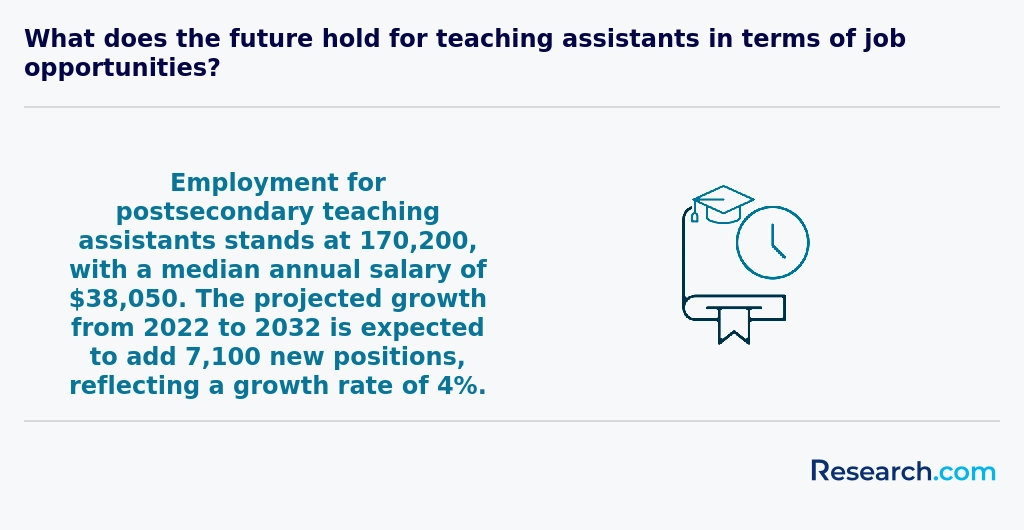
Graduates with an education degree in Louisiana have promising avenues beyond traditional teaching roles, reflecting a dynamic job market fueled by evolving educational needs. Many find rewarding careers as school administrators or instructional coordinators, where they influence curriculum and foster a positive learning environment. Graduates from popular institutions like Louisiana State University describe the satisfaction of shaping school policies amid the state's teacher shortage.
A growing trend involves education graduates applying their skills as educational consultants or special education specialists, designing innovative programs tailored to diverse student needs. The demand for such roles is promising, especially in metropolitan areas where schools are expanding support services.
Those exploring teaching job opportunities Louisiana graduates pursue often highlight roles in adult and continuing education or early childhood education, where engagement with learners of varying ages brings unique fulfillment. Louisiana's commitment to education-visible in local universities' partnerships-also allows students to explore quick degrees for faster entry into the workforce.
This variety mirrors the flexibility of education degree career options in Louisiana, offering optimism and growth for current and future professionals.
The job market for education degree holders in Louisiana shows a steady but challenging landscape, especially for graduates from well-known institutions like Louisiana State University or University of Louisiana at Lafayette. Many graduates find rewarding opportunities in K-12 public schools, particularly in critical shortage areas such as special education and STEM subjects. This steady demand aligns with the general outlook for education degree job prospects Louisiana, where rural districts often offer more openings, presenting a great option for motivated graduates eager to make an impact.
Graduates often share positive experiences about entering roles beyond teaching, such as school counseling or education administration, which are slowly growing fields within the state. However, the competition for these positions can be tougher. Students at popular Louisiana colleges are also exploring certification jobs that pay well to complement their teaching credentials and increase employability in diverse educational settings.
Given Louisiana's licensure requirements and localized demand, students planning education careers might consider how the Louisiana education graduate employment outlook favors those willing to adapt and gain specialized skills. This approach often leads to fulfilling roles in higher education or adult learning programs expanding in the region.
2027 Most Affordable Education Degree Programs Ranking in Louisiana
Investing in your education is a significant decision that can shape your future, and the Research.com team understands the importance of making informed choices. To assist prospective students in Louisiana, we have meticulously crafted the "2027 Most Affordable Education Degree Programs Ranking in Louisiana." Our commitment to quality, credibility, and accuracy is reflected in the extensive research and analysis conducted to compile this ranking.
We utilized the following reputable data sources to ensure a comprehensive evaluation of affordable education degree programs:
By exploring this ranking, readers will gain valuable insights into the most affordable education degrees in Louisiana, empowering them to make well-informed decisions about their academic and financial future. For more details on how the ranking was created, please visit our Research.com methodology page.
# 1 position
Louisiana State University-Shreveport
Master of Education in Curriculum and Instruction


Frequently Asked Questions About education
Education degree students in Louisiana can maximize their learning experience by actively engaging in both theoretical and practical components of their programs. Louisiana's universities emphasize field experiences, so students should seek diverse teaching practicum placements to gain real-world classroom skills. According to the Louisiana Board of Elementary and Secondary Education, hands-on practice improves teacher readiness and confidence significantly.
Students should also take advantage of available academic resources, such as tutoring centers and faculty office hours, to deepen their understanding of teaching methods and educational psychology. Networking with peers and joining professional education organizations can enhance learning and future career opportunities. Furthermore, utilizing state-funded scholarships and grants can ease financial burdens, allowing students to focus more on their studies.
Emerging niches in Louisiana's education field reflect broader national trends while addressing local community needs. One key area is special education, driven by increasing awareness and legislative support. Louisiana reports that nearly 13% of public school students receive special education services, which creates growing demand for specialists trained in this field (Louisiana Department of Education, 2023).
Another rising niche is educational technology. With remote and hybrid learning expanding, educators skilled in digital tools and instructional design are highly sought. Louisiana universities now offer more focused programs to prepare teachers for tech-enhanced classrooms.
Bilingual education also shows growth, responding to Louisiana's diverse population and the state's commitment to English learners. Training educators to support multilingual students is an important emerging focus.
To prepare for the job market after completing an education degree in Louisiana, students should focus on gaining practical experience through student teaching placements, which are required by the Louisiana Department of Education for certification. Participating in internships or volunteer work in local schools can enhance skills and build professional networks.
Graduates should also obtain the Louisiana Teacher Certification by passing the Praxis exams, a critical step toward employment in public schools. According to the Louisiana Department of Education, the demand for qualified teachers remains strong, especially in high-need subjects like special education and math.
Networking with local education professionals and joining groups like the Louisiana Association of Educators can provide valuable job leads and support during the job search.
Employers in Louisiana seek education degree graduates who demonstrate strong classroom management and effective communication skills. According to the Louisiana Department of Education, successful candidates often show adaptability to diverse student needs, reflecting the state's varied demographic.
Analytical skills and the ability to integrate technology into lessons are increasingly important, especially as Louisiana schools adopt new digital tools. Data from the National Center for Education Statistics highlights that graduates familiar with educational software have better employment prospects.
Moreover, collaboration and leadership abilities are valued, as teachers frequently work with parents and school staff. Graduates who understand Louisiana's specific educational standards and cultural context stand out in competitive job markets.
Finding internships in Louisiana relevant to an education degree involves several practical steps. Many universities in the state, such as Louisiana State University and the University of Louisiana at Lafayette, have partnerships with local school districts that offer placement programs for students. These internships provide hands-on experience in classroom settings, essential for teacher certification.
The Louisiana Department of Education encourages aspiring educators to engage with district internship programs and even offers resources to connect students with approved sites. Additionally, websites like Louisiana's TeachLA list current openings and internship opportunities.
Networking through university career centers and education faculty is also effective, as 58% of education students in Louisiana secure internships through campus connections, according to a 2023 report by the Louisiana Board of Regents.
Holding an education degree in Louisiana significantly enhances career mobility within the state's growing educational sector. According to the Louisiana Department of Education, individuals with such degrees are more likely to qualify for higher-paying teaching positions, administrative roles, and specialized educational services. The demand for certified teachers, especially in subjects like math and science, has increased by 8% over the past five years, creating new advancement opportunities.
Furthermore, earning an advanced degree-such as a Master's in Education-often leads to salary increases and eligibility for leadership roles in schools. Louisiana's tiered salary system rewards educators who pursue further certifications and degrees, improving long-term career prospects.
Overall, an education degree provides a clear pathway for professionals seeking upward mobility in Louisiana's education field.
Studying for an education degree in Louisiana equips students with skills relevant to interdisciplinary roles by combining core teaching methods with knowledge from diverse fields such as psychology, sociology, and technology. Louisiana universities emphasize collaboration, communication, and problem-solving, essential for working across disciplines.
Programs often include coursework in areas like special education, literacy development, and educational technology, preparing graduates for varied roles beyond traditional classrooms. According to the Louisiana Board of Regents, the state's teacher preparation programs integrate real-world scenarios that foster adaptability to multiple educational settings.
This broad academic foundation supports roles in curriculum design, administration, and counseling, meeting diverse community needs efficiently.
Choosing between a thesis and a non-thesis education degree program in Louisiana depends on your career goals and learning preferences. Thesis programs typically require original research, ideal for students considering doctoral studies or research careers. Non-thesis options focus more on coursework and practical skills, suited for those aiming for classroom teaching or administrative roles.
Many Louisiana universities, such as Louisiana State University and University of Louisiana at Lafayette, offer both paths. According to the Louisiana Board of Regents, over 60% of master's students in education opt for non-thesis programs, reflecting local demand for applied teaching skills.
Consider how much time you can commit, since thesis programs often take longer to complete. Speak with academic advisors to understand program expectations thoroughly.
Students based in Louisiana who wish to study education abroad have several pathways to consider. Many Louisiana universities with education programs, such as Louisiana State University and the University of Louisiana at Lafayette, offer study abroad opportunities or partnerships with international institutions. These programs often include semester exchanges or summer sessions focused on global education practices.
Additionally, students can explore education degree programs offered by U.S.-accredited universities that provide online or hybrid international study components. According to the Louisiana Board of Regents, nearly 20% of education majors participate in some form of study abroad or international experience.
Financial aid and scholarship options are available specifically for education students seeking global experience, which can help offset costs. Being engaged internationally can enhance teaching skills and cultural competence, which are highly valued in Louisiana's diverse classrooms.
For students pursuing education degrees in Louisiana, part-time jobs that complement their studies are plentiful and beneficial for gaining experience. Common opportunities include working as teacher aides or paraprofessionals, roles supported by Louisiana's Department of Education to assist certified teachers and improve classroom learning environments.
Additionally, tutoring positions for K-12 students are highly relevant and in demand. Many Louisiana school districts and private organizations seek tutors to help improve literacy and math skills, aligning with educational standards set by the state.
Libraries and after-school programs also offer part-time roles that develop classroom management and instructional skills.
Education students in Louisiana have access to several strong networking opportunities that help build professional connections. Universities like Louisiana State University and the University of Louisiana at Lafayette host education-focused career fairs, workshops, and alumni events, where students can meet educators and administrators.
Additionally, the Louisiana Association of Educators (LAE) offers student memberships, providing access to conferences, webinars, and local chapter meetings. These events encourage peer networking and mentorship with experienced teachers across the state.
Many programs also partner with school districts, creating internships and student teaching placements that allow direct interaction with professionals in real classroom settings.
Alumni networks provide valuable support to education degree students in Louisiana by connecting them with experienced professionals and recent graduates. These connections often lead to internship opportunities, mentoring, and job referrals, which are crucial in the competitive education job market.
Many Louisiana universities, such as Louisiana State University and the University of Louisiana at Lafayette, maintain active alumni groups that offer workshops and career fairs. According to the Louisiana Board of Regents, networking through alumni has been shown to improve job placement rates for education graduates by up to 20%.
Furthermore, alumni networks foster a sense of community and ongoing professional development, helping students stay updated on regional education trends and policies.
Students pursuing education degrees in Louisiana have multiple options to customize their programs according to career goals. Many universities offer concentrations such as early childhood, special education, or curriculum development. This allows learners to specialize and prepare for specific roles within education.
Additionally, programs often include flexible electives to gain skills in areas like educational technology or administration. Some schools provide online or hybrid courses, fitting the schedule needs of working professionals.
Louisiana's Board of Regents reports that nearly 60% of education graduates pursue certifications that align directly with state workforce demands, enhancing employability within local districts.
Internship and practicum placements across diverse school settings further tailor practical experience to career interests.
Education students in Louisiana often face challenges related to limited funding and resources in many school districts. According to the Louisiana Department of Education, over 60% of public schools qualify for Title I funding, indicating high levels of poverty that impact classroom experiences and student outcomes. This socioeconomic context adds pressure on future educators to be adaptable and skilled in managing diverse classrooms.
Additionally, navigating teacher certification requirements can be complex. Louisiana requires both coursework and passing the Praxis exams, which some students find demanding.
Furthermore, due to ongoing teacher shortages, education students may encounter high expectations for practical teaching experience during their training. These factors combined make completing education degrees in Louisiana a rigorous process.
With an education degree in Louisiana, graduates can pursue several professional certifications to expand their career opportunities. The most common path is earning Louisiana teacher certification, which is required to teach in public schools. This certification covers grades and subject areas, such as elementary education or secondary math. According to the Louisiana Department of Education, candidates must pass specific Praxis exams and complete background checks to be eligible.
Beyond teaching, holders of an education degree can also seek certifications in school counseling or administration. For example, the Louisiana School Counselor Certification and Principal Certification are available through the state's Board of Elementary and Secondary Education. These credentials help professionals move into specialized roles beyond classroom teaching.
Additionally, some educators pursue national certifications like the National Board for Professional Teaching Standards (NBPTS), which can improve salary prospects and recognition.
To write a winning application for an education program in Louisiana, start by carefully reviewing each school's specific requirements. Most programs will require official transcripts, letters of recommendation, and a personal statement that clearly outlines your passion for teaching and your career goals.
Demonstrate knowledge of Louisiana's educational challenges and initiatives, such as the state's emphasis on improving literacy rates and classroom diversity, as reported by the Louisiana Department of Education. Including how you plan to contribute can strengthen your application.
Additionally, highlight any relevant experience, such as volunteering or substitute teaching, to show commitment. Ensure your personal statement is clear, concise, and free from errors. Include standardized test scores if required, and meet all deadlines precisely.
Education careers in Louisiana reflect broader global trends emphasizing the need for skilled teachers to meet diverse student needs. According to the Louisiana Department of Education, demand for qualified educators is strong, with a 7% growth projected statewide by 2030. Globally, education is recognized as a critical foundation for economic and social development, influencing policies and funding priorities.
In the U.S., a teaching degree often offers pathways into leadership, counseling, and specialized education roles. Louisiana invests in programs supporting teacher certification and continuing education, aligning with global pushes for lifelong learning and professional development.
Internationally, educators face challenges like adapting to technology and addressing equity-issues also pertinent in Louisiana schools. These shared concerns highlight education as a dynamic, impactful career worldwide.
Gaining practical experience while studying for an education degree in Louisiana is essential for future teachers. Many universities in the state require students to complete student teaching assignments, which provide hands-on classroom experience under the supervision of licensed educators. For example, Louisiana State University and University of Louisiana campuses offer structured practicum programs integrated into their curricula.
Additionally, partnerships between colleges and local school districts allow students to engage in internships and volunteer opportunities. This exposure helps develop classroom management and instructional skills. According to the Louisiana Department of Education, more than 70% of education students participate in such field experiences annually.
Choosing the right concentration within an education degree program in Louisiana depends on your career goals and the needs of the local school system. Common concentrations include elementary education, secondary education, special education, and administration. According to the Louisiana Department of Education, areas like special education and STEM subjects have growing job opportunities due to statewide teacher shortages.
Consider your strengths and interests alongside market demand. Many Louisiana universities align their programs with state certification requirements, so ensure your chosen concentration meets licensure standards outlined by the Louisiana Board of Elementary and Secondary Education. Researching employment data from the Bureau of Labor Statistics can also guide your decision.
- 2027 Most Affordable Online Education Degree Programs Ranking in Mississippi
- 2027 Most Affordable Online Education Degree Programs Ranking in Texas
- 2027 Most Affordable Online Education Degree Programs Ranking in Missouri
- 2027 Most Affordable Online Education Degree Programs Ranking in Florida
- 2027 Most Affordable Online Education Degree Programs Ranking in Kentucky
- 2027 Most Affordable Online Education Degree Programs Ranking in Georgia
- 2027 Most Affordable Online Education Degree Programs Ranking in Indiana
- 2027 Most Affordable Online Education Degree Programs Ranking in Kansas
- 2027 Most Affordable Online Education Degree Programs Ranking in Iowa
- 2027 Most Affordable Online Education Degree Programs Ranking in South Carolina
See What Experts Have To Say About Studying Education
Read our interview with Education experts

Nooshan Ashtari
Education Expert
Professor & Book Author
University of Southern California

Alan J. Singer
Education Expert
Professor of Teaching, Learning and Technology
Hofstra University

- Latest Trends in the Field of Education - ICERT https://icert.org.in/latest-trends-in-the-field-of-education/
- How to become a teacher - Education https://www.centenary.edu/academics/departments-schools/education/
- What Employers Actually Want From Graduates https://bodyswaps.co/resources/blog/what-employers-actually-want-from-graduates
- How to Become a Teacher in Louisiana https://iteach.net/how-teacher-certification-works/how-to-become-a-teacher-in-louisiana/
- Education Degree Entry Requirements https://universitycompare.com/advice/student/education-degree-entry-requirements
- Seven Major Challenges Facing Education in the 21st Century https://www.internationalschoolparent.com/articles/seven-global-education-challenges/
- Recent Education Hearing Explores Student Pipeline to Meet Louisiana’s Workforce Needs https://pelicanpolicy.org/education/recent-education-hearing-explores-student-pipeline-to-meet-louisianas-workforce-needs/
- Teaching Degree Requirements in 2023 | Teachers of Tomorrow https://www.teachersoftomorrow.org/blog/insights/teaching-degree-requirements/
- What Can I Do With a Teaching Degree (Besides Teach)? https://www.alleducationschools.com/blog/what-can-i-do-with-a-teaching-degree-besides-teach/
- Top 10 Effective Networking Tips for Students https://www.unfc.ca/blog/networking-tips-for-students


