
2027 Most Valuable Education Degree Programs Ranking in Athens

Co-Founder and Chief Data Scientist
Choosing the right education degree program in Athens can shape your future career and personal growth. To support your decision, this article presents the 2027 Most Valuable Education Degree Programs Ranking in Athens, developed by the Research.com team of data scientists.
By exploring this ranking, you'll gain clear insights into which programs offer the best opportunities. Whether you're passionate about teaching or educational leadership, finding a valuable degree path is key to success.
Discover how investing in an education degree can open doors and inspire your journey forward.
Key benefits of getting education degree in Athens
- Graduates with an education degree in Athens can earn competitive salaries, such as $76,000 annually for special education teachers and $77,200 for instructional designers, offering financial security and growth.
- A typical education graduate from a popular Athens university might pursue rewarding careers as elementary school teachers, ESL instructors, or early childhood educators, reflecting diverse opportunities in education.
- Completing an education degree online from a reputable Athens institution provides flexibility, allowing students to balance work and study while gaining a respected qualification that opens doors in the evolving education field.
- 2027 Most Valuable Education Degree Programs Ranking in Athens
- What can I expect from education degree in Athens?
- Where can I work with education degree in Athens?
What can I expect from education degree in Athens?
The average cost of an education degree in Athens varies significantly depending on the program format and university affiliation. Graduates from local institutions with U.S. partnerships often report tuition fees ranging between $15,000 and $30,000 for bachelor's or master's programs when combining on-site and online coursework. For example, those enrolled at Athens-based colleges offering joint U.S. certification pathways typically find the financial investment manageable, especially when factoring in flexible payment plans and scholarships targeting international students.
Many students appreciate how these programs balance affordability with practical experience, sharing that hands-on practicum opportunities within Athens schools enhance their learning and future job prospects. The ability to start degrees locally and gradually transition to fully online U.S. institutions reduces living expenses and allows for steady progress without overwhelming debt.
Future education candidates can expect evolving financial models focused on global accessibility, with universities expanding options such as hybrid instruction and micro-credentialing to lower overall costs while maintaining strong accreditation and licensure pathways.
Where can I work with education degree in Athens?
Graduates with an education degree from institutions like the University of Georgia in Athens often find themselves stepping confidently into classrooms across the city's many public and private K-12 schools. Many share stories of starting their careers as licensed teachers, warmly welcomed by schools eager to meet the growing demand for passionate educators in this urban setting.
Others pursue specialized roles such as school counselors or educational coordinators, roles that allow them to guide students and shape school programs. These paths often involve additional certifications but offer rewarding opportunities to impact local education positively, especially within the more than 50 schools in Athens.
Some graduates find vibrant careers supporting higher education, working as academic advisors or student support specialists on campus. They describe a fulfilling experience helping future teachers succeed, especially at well-known institutions around Athens.
Emerging trends also open doors in educational technology firms and nonprofits focused on youth development, where graduates apply their knowledge creatively to digital learning tools or community programs. Many feel excited contributing to innovative education solutions right here in Athens.
Finally, working in local government education offices or policy organizations offers a chance to influence broader change, with graduates often proud to be part of shaping the future of education in their hometown.
Graduates with education degrees from Athens-based institutions often find exciting salary opportunities that reflect both their dedication and the unique local market. For example, elementary school teachers typically earn around $70,740 annually nationwide, which aligns closely with the regional pay scale near Athens, especially for those who build experience in local school districts.
Special education roles stand out as particularly promising, with median wages reaching about $76,000 per year. This higher earning potential acknowledges the specialized skills graduates acquire during their studies in Athens, often supported by hands-on practice in nearby schools. Many graduates feel a rewarding sense of purpose, knowing their expertise meets a critical community need.
Additionally, jobs like Instructional Designers command salaries averaging $77,200 annually, reflecting growing trends in education technology and curriculum development, fields increasingly embraced at Athens colleges. Early childhood educators also start with competitive wages near $41,410, providing a steady entry point into education careers.
Graduates commonly share enthusiasm about how their education opened doors to diverse, well-paying opportunities right in their community, blending meaningful work with rewarding salary prospects.
- Education degrees in Athens typically prepare graduates for careers in teaching, administration, and educational support services.
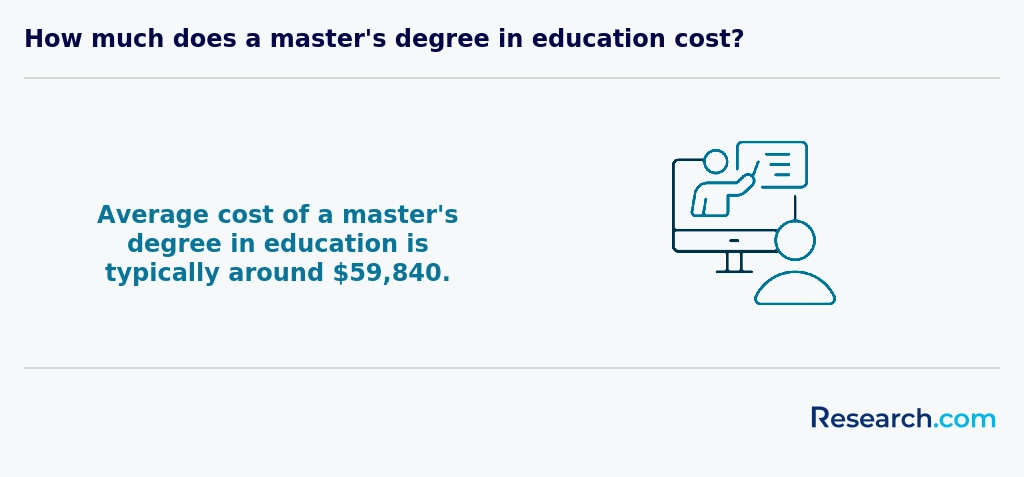
- The cost of a bachelor's degree ranges from $25,000 to $40,000, while master's programs typically cost between $15,000 and $30,000.
- Starting salaries for education graduates are about $45,000 to $50,000 per year, increasing to $65,000 to $75,000 after 10 to 15 years of experience.
- Teaching jobs in Athens are expected to grow by approximately 6% over the next decade, offering stable career opportunities.
- Many programs include practical student-teaching and partnerships with local schools to enhance job prospects.
- Teacher certification in Athens requires passing specific state licensure exams in addition to completing the degree program.
In Athens, completing an education degree typically spans about four years for a bachelor's program when enrolled full-time. Graduates from well-known institutions like the University of Georgia or Athens Technical College often share that their journey combined foundational courses with valuable student teaching experiences, which brought classroom theory vividly to life. This hands-on semester-long placement not only solidified their teaching skills but also fueled excitement about entering the profession confidently.
For those pursuing advanced degrees, many find a master's takes around one to two years beyond the bachelor's, sometimes completed part-time to balance work and life. Graduates recall how flexible scheduling at these Athens colleges allowed them to deepen expertise in areas like curriculum design or educational leadership without sacrificing momentum.
Looking ahead, emerging trends in Athens' education programs suggest growing use of hybrid learning and accelerated pathways that could shorten degree timelines, offering even greater adaptability for tomorrow's educators.
Athens, OH, is not only home to top-notch education degree programs but also boasts a thriving community that plays a pivotal role in shaping a successful career in education. Building robust connections with local school districts, educational organizations, and alumni networks can significantly enhance your professional journey. Local partnerships often translate into valuable internship opportunities, mentorship programs, and on-the-job training that enrich classroom knowledge with practical insights. Engaging with community events and seminars offers a platform to learn from experienced educators and acquire a broad perspective on the evolving educational landscape. For instance, many prospective students take time to research valuable education schools in ohio before making crucial decisions about their future. This integrated approach not only solidifies academic foundations but also creates lasting relationships that can be instrumental when entering the competitive job market, ensuring that every graduate is well-equipped to make a meaningful impact both locally and beyond.
Graduates from education programs in Athens often describe on-campus degrees as immersive experiences where they built lasting friendships and benefitted from real-time guidance. Studying at institutions like the University of Georgia or Georgia State University means physically engaging in collaborative projects, attending workshops, and accessing campus resources such as libraries and tutoring centers. This social environment fosters a sense of community and mentorship crucial for future educators.
Conversely, online education degrees appeal to Athens-based students balancing work or family, offering the freedom to learn anytime without commuting. Many appreciate how online classes allow flexible pacing while still providing access to lectures and discussion boards. Graduates find motivation in virtual peer groups and instructors who offer support through video calls. Looking ahead, the blend of synchronous and asynchronous learning could make online programs even more interactive and personalized, narrowing gaps with on-campus experiences.
Costs also shape choices: on-campus students in Athens face living expenses averaging $12,000 annually, while online learners save on housing but might pay technology fees. These evolving dynamics signal a future where education degrees from Athens adapt seamlessly to diverse lifestyles.
Ensuring your Education degree comes from a regionally accredited institution is vital for credibility, transferability of credits, and eligibility for licensure. In Athens, most four-year programs hold accreditation from the Council for the Accreditation of Educator Preparation (CAEP) or its predecessor, NCATE, signifying rigorous standards in curriculum, faculty qualifications, and student outcomes. State approval by the Ohio Department of Education further validates that teacher preparation aligns with licensure requirements, giving graduates a competitive edge when applying for classroom positions or advanced certifications. Accredited programs also open doors to federal financial aid and scholarships, reducing out-of-pocket expenses and debt burden. When evaluating schools, look for CAEP’s logo on program websites or consult the U.S. Department of Education’s accreditation database to confirm standing. Career services and alumni networks often highlight success metrics-such as graduation rates, job placement percentages, and average starting salaries-that reflect a program’s real-world impact. For deeper insight into post-graduation pathways and outcomes, explore our guide on What Can You Do with a Teaching Degree, which outlines diverse roles and growth opportunities available to credentialed educators. Finally, recognized partnerships with local districts and community organizations enhance practical training. Programs that maintain clinical ties with Athens City Schools, Athens County Educational Service Center, or regional nonprofits frequently offer extended field experiences, mentorships, and streamlined hiring pipelines. Confirming these accreditations and affiliations not only boosts your résumé but also ensures a smoother transition into the teaching profession.
The average cost of an education degree in Athens reflects a blend of affordability and quality, especially for students attending well-known institutions like the University of Georgia. Graduates often share that while tuition can be significant, the investment feels worthwhile given the university's strong education programs and supportive campus environment. For many, the median in-state total cost sits around $14,158, offering a manageable pathway for local students eager to build their teaching careers without overwhelming debt.
Out-of-state students typically face higher expenses, with median total costs reaching approximately $38,546. Still, these figures align with national standards and can be offset by financial aid and scholarships that many education students actively pursue. Personal stories frequently highlight how securing assistantships eased financial stress, allowing graduates to focus on their passion for teaching rather than worry about costs. This practical balance between tuition and support cultivates a positive, motivating atmosphere.
Considering the total tuition and fees for education degree Athens programs, it's clear that students benefit from a comprehensive experience that includes technology fees and materials. Costs beyond tuition, like textbooks and living expenses, factor into the overall investment but remain reasonable compared to larger urban institutions.
Future students interested in these programs might explore evolving financial aid trends and increasing digital learning options, which could further democratize access. For those researching further, resources like https://research.com/rankings/us/most-valuable-online-athens-oh provide valuable insights into online education opportunities tied to Athens-based institutions.
Discover the highest-value programs for aspiring educators, selected for strong outcomes, affordability, and hands-on training:
- Ohio University – Bachelor of Science in Education: Combines a liberal arts core with extensive student-teaching placements; graduates report starting salaries above $45,000.
- Ohio University – Master of Arts in Teaching: Features accelerated cohorts, small class sizes, and structured mentorship for rapid career advancement.
- Hocking College – Associate of Applied Science in Early Childhood Education: Offers the most affordable pathway with guaranteed transfer agreements to bachelor’s programs.
Compare these programs and optimize your investment by exploring the best bachelor degrees.
Students pursuing education degrees in Athens often find a robust mix of financial aid options helping ease the journey. Graduates from the University of Georgia frequently mention how federal aid like the Pell Grant, offering up to $7,395 annually, was a critical foundation during their studies. Imagine being able to focus on teaching methods and classroom experiences instead of financial stress-this aid can make that possible.
State programs in Georgia, such as the HOPE Scholarship that provides up to $4,000 per year, further enhance affordability, especially for those attending local colleges. Many future educators share stories of how these funds opened doors to specialized certifications and hands-on internships without piling up overwhelming debt.
Federal loans also remain an option, featuring lower interest rates that help students finance their education thoughtfully. Some report how unsubsidized loans supported their graduate studies, keeping hopes alive for impactful careers in underserved communities around Athens.
Looking ahead, the emphasis on grants targeting teachers in high-need fields, like the TEACH Grant, suggests growing opportunities for passionate educators to receive support that aligns with their commitment to community impact.
Exploring affordable online education degree programs can significantly reduce your overall investment while maintaining academic quality. Many students in Athens, OH, benefit from flexible online options that allow them to complete coursework on their own schedule. By choosing accredited online programs, you can access the same rigorous curricula and faculty expertise as on-campus offerings, often at a lower per-credit cost. When evaluating online programs, consider total tuition, technology fees, and potential savings on room and board. Tuition for online education degrees may range from $300 to $600 per credit hour, depending on the institution. Additionally, some schools offer flat-rate pricing for full-time online students, enabling you to take extra courses without exceeding your budget. For those seeking the most cost-effective options, the Most Affordable Online Education Degree Programs Ranking in Mississippi provides a benchmark for affordable yet high-quality programs. Comparing this data with in-state and regional offerings can help you identify programs that align with your financial and educational goals. To maximize savings, investigate institutional scholarships, employer tuition reimbursement, and competitive financial aid packages specific to online learners. Many universities waive out-of-state fees for online students, effectively leveling the playing field for Athens residents seeking remote education solutions. By strategically combining these resources, you can achieve a valuable education degree without compromising on program excellence or career readiness.
To enroll in an education degree program in Athens, prospective students generally need a high school diploma or its equivalent, paired with a solid GPA around 2.5 to 3.0. Graduates from popular universities in Athens often recall the confidence they gained once meeting these requirements, realizing they were ready to embrace rigorous coursework modeled on U.S. standards but adapted for an international context.
Many education programs ask for standardized test scores like the SAT or ACT, though some schools in Athens may waive these if applicants demonstrate strong academic records or relevant experience. One graduate shared how submitting compelling letters of recommendation and an authentic personal statement helped showcase their passion for teaching, making the application process feel personal and motivating.
For master's level degrees, holding a bachelor's degree-preferably with an education focus-and achieving a minimum 3.0 GPA remains key. GRE scores are increasingly optional, reflecting a trend toward valuing practical experience over standardized exams. Fluency in English is usually essential, with universities requiring tests like TOEFL or IELTS to ensure smooth communication in their globally minded programs.

Estimating how quickly your degree pays off is key to evaluating value.
- Total tuition cost: ~$42,960 for a four-year in-state program
- Typical starting salaries: $38,640 (Early Childhood Educator) to $73,080 (Instructional Designer)
- Estimated payback period: 1–2 years for most education roles
- ROI factors: program length, specialization choice, online vs on-campus format
- Consider accelerated tracks or the fastest degree to get online to reduce time in school and start earning sooner
Education degrees in Athens typically include courses that blend theory with hands-on practice, preparing students for dynamic teaching roles. Graduates from popular colleges often reflect on how courses like Foundations of Education helped them grasp the evolving role of schools in society, making their future classrooms more inclusive and thoughtful places.
In addition, Educational Psychology is frequently highlighted by students as it deepens understanding of how learners develop motivation and critical thinking, a game changer for engaging diverse classrooms.
Many aspiring teachers also appreciate courses in Curriculum and Instruction, where they design lesson plans tailored to real-world needs, often sharing successful examples from practicum placements at Athens-based schools.
Innovative classroom management techniques and Educational Technology are increasingly emphasized, reflecting emerging trends that graduates eagerly incorporate to foster vibrant, well-managed learning spaces enhanced by digital tools.
Such course structures provide students in Athens with confidence and practical skills, fueling optimism about their teaching careers ahead.
Education degrees in Athens typically feature specializations that reflect both traditional and emerging educational priorities, making them ideal for students seeking to impact future classrooms. Graduates from popular colleges in Athens often describe their focus on elementary education as a deeply rewarding experience, where they learn to nurture foundational skills in young learners. This specialization resonates strongly for those passionate about shaping early academic journeys and classroom dynamics.
Other graduates pursuing secondary education emphasize the advantage of training in STEM subjects, which aligns with global shortages in science and math teachers. Such specialization offers opportunities to engage adolescents with innovative teaching methods in a dynamic environment. Meanwhile, special education remains a growing field, where graduates express fulfillment from supporting diverse learning needs, often noticing enhanced salary prospects after completion. For students aiming to expand their impact, specializations like educational leadership and curriculum development at prominent Athens institutions provide exciting pathways to influence policy and instructional design.
Students exploring education degree specializations in Athens also find that programs focusing on English as a Second Language or early childhood education offer valuable skills for an increasingly globalized classroom. The balance of theory, practice, and community involvement prepares them well for future challenges. Those considering a local pathway benefit greatly from insights shared by those in south carolina teaching degree programs, illustrating transferable strategies and opportunities for U.S.-based careers.
Choosing the best education degree in Athens means balancing accreditation, curriculum, and cost while envisioning your future impact as an educator. Graduates from renowned universities recall how selecting programs with strong ties to local schools enriched their hands-on teaching skills, creating lifelong connections and career opportunities. Many have emphasized how programs offering specializations in educational technology or administration feel especially forward-thinking, anticipating shifts in global education trends.
Affordable education degrees Athens cost considerations are crucial. Several students have enjoyed the benefits of studying at public universities where tuition ranges between €1,000 and €2,000 annually, allowing them to allocate more budget toward living expenses and immersive cultural activities. This financial advantage often leads to a more fulfilling student life, with access to vibrant academic communities and urban resources.
Exploring specific programs that resonate with personal goals is easier through platforms offering insights from current enrollees or graduates. Those interested in enhancing language teaching skills might investigate master's in ESL programs online tied to Athens institutions, blending flexible learning with city-based practicum experiences. This combination exemplifies how the best education degree programs in Athens prepare students for dynamic, cross-cultural classrooms of tomorrow.

Graduates with an education degree in Athens find diverse career paths shaped by the city's educational landscape and growing community needs. Many start as licensed teachers in local public or private schools, thriving on the rewarding challenge of shaping young minds. These graduates often share how their experiences at well-known institutions in Athens gave them practical skills and confidence, fueling optimism about their futures. Others leverage their credentials to enter school counseling or special education services, roles that require additional certification but offer deeply fulfilling contributions to student development.
Education degree career opportunities Athens also extend to administration, where leadership roles such as principals or curriculum coordinators allow graduates to influence educational policy and school culture. Some graduates pursue instruction design or educational technology careers, crafting innovative learning tools that reflect emerging trends in digital education. Additionally, community education and adult learning programs offer meaningful ways to engage broader populations, helping learners adapt in a rapidly changing workforce.
Those interested in expanding their horizons may explore affordable online MFA programs, blending creative and educational skills. The job prospects for education graduates Athens are promising, with evolving educational demands making this an exciting time to start a career focused on growth and impact.

The job market for education degree holders in Athens is steadily evolving, with graduates finding promising opportunities across public and private schools in the area. Many graduates from well-known local universities share stories of starting rewarding careers in elementary and secondary education, often driven by a vibrant community that values educational growth. For those exploring specialized education fields, such as special education or tutoring, the demand is particularly strong, reflecting broader trends in local school districts.
Students pursuing an education credential in Athens benefit from a competitive salary landscape that aligns with national trends, all while enjoying a lower cost of living than major metropolitan areas. This balance encourages new teachers to build meaningful careers locally. For those curious about degree options, institutions in Athens offer a range of pathways, further explored in types of education degrees online. Given these factors, education degree employment opportunities in Athens remain optimistic, especially for graduates eager to contribute to expanding charter schools and community learning programs.
A growing number of education graduates Athens report that practical experiences during their studies, such as student teaching and internships, have been crucial in securing their first jobs, highlighting how local investments in hands-on training are shaping the future workforce.
2027 Most Valuable Education Degree Programs Ranking in Athens
Investing in your education is a significant decision that can profoundly impact your future, and the Research.com team recognizes the importance of providing trustworthy guidance. To support prospective students in Athens, we have carefully developed the "2027 Most Valuable Education Degree Programs Ranking in Athens." Our dedication to quality, credibility, and accuracy is demonstrated through thorough analysis and rigorous research.
We utilized the following reputable data sources to ensure a comprehensive evaluation of education degree programs:
By exploring this ranking, readers will gain valuable insights to help them make well-informed decisions about their educational investment. For a detailed explanation of our research process, please visit our Research.com methodology page.

Frequently Asked Questions About education
Education degree students in Athens can maximize their learning experience by actively engaging in both classroom and practical opportunities. Participating in student teaching placements within local schools allows hands-on experience, which research shows improves teacher preparedness by up to 30% (National Council on Teacher Quality, 2023).
Utilizing campus resources such as tutoring centers, education labs, and faculty office hours is crucial. According to the U.S. Department of Education, students who regularly consult with instructors improve their academic performance by nearly 15%.
Joining study groups and education-related student organizations fosters collaboration and deeper understanding of educational theories and practices used in U.S. schools.
Emerging niches within the education field reflect evolving societal and technological needs. In Athens, there is rising interest in special education and inclusive pedagogies, driven by increased awareness of diverse learning needs. According to the U.S. Department of Education, programs focusing on digital literacy and educational technology have grown by over 20% in recent years nationwide, a trend echoed in Athens-area universities adapting their curricula accordingly.
Additionally, career and technical education (CTE) is gaining attention as demand for workforce-aligned skills rises. Another niche is early childhood education, especially programs integrating mental health and social-emotional learning, recognizing their impact on long-term student success. These emerging areas offer varied opportunities for prospective students aiming to meet future educational challenges.
Graduates with an education degree in Athens should focus on gaining practical experience before entering the U.S. job market. According to the U.S. Bureau of Labor Statistics, teacher employment is projected to grow by 5% from 2021 to 2031, signaling steady demand. Engaging in student teaching or internships during studies is vital for skill development. Networking with local schools and education professionals can open job opportunities and help understand regional requirements, including state certification processes.
Additionally, acquiring specialized skills such as digital literacy or ESL certification enhances employability. Resources like the National Education Association offer guidance on certification and career paths, relevant to graduates planning to work in U.S. educational settings.
Employers in Athens seeking graduates with education degrees prioritize a blend of practical and interpersonal skills. Strong communication abilities remain essential, allowing educators to effectively engage students and collaborate with colleagues. Critical thinking and problem-solving are also highly valued, as they enable teachers to adapt lessons to diverse classroom needs.
Data from the U.S. Bureau of Labor Statistics highlights that teachers with strong classroom management skills have better career prospects nationwide, including in Athens. Additionally, technology integration skills are increasingly important, reflecting the growing use of digital tools in education.
Understanding cultural diversity and inclusion helps graduates address Athens' diverse student population needs, a factor emphasized in recent studies by the National Center for Education Statistics. These competencies prepare education graduates to meet the evolving challenges of modern classrooms effectively.
Finding internships in Athens related to an education degree involves a strategic approach combining university resources and local opportunities. Many institutions in Athens partnered with schools and community centers, offering students hands-on experience in diverse educational settings. For example, the University of Athens facilitates internship placements through its Education Department's career services.
Students should explore listings from the U.S. Embassy in Greece and organizations like the Fulbright Program, which often support educational internships. Additionally, contacting local public and private schools directly may open doors to unpaid or credit-earning internships. Networking through academic conferences held in Athens also helps connect students with education professionals seeking interns.
According to the U.S. Department of Education, internships enhance practical skills and improve employment prospects for education graduates, making early preparation essential.
In Athens, obtaining an education degree significantly impacts career mobility and advancement within the U.S. education sector. According to the National Center for Education Statistics, individuals with at least a bachelor's degree in education are more likely to secure teaching positions in public and private schools. Additionally, holding advanced degrees such as a master's or specialist degree often correlates with higher salaries and leadership roles, including administrative and curriculum development positions.
Local employment data suggests that educators in Athens with specialized certifications or graduate degrees experience 10-15% faster job promotions compared to those with only a bachelor's degree. This advantage stems from the increasing demand for qualified teachers and education professionals who can adapt to evolving educational standards and technologies.
Furthermore, salary growth for education degree holders in Athens tends to outpace inflation, reflecting steady career advancement opportunities. Institutions in Athens also value continued professional development, which is often tied to earning advanced degrees or endorsements.
Studying for an education degree in Athens equips students with skills essential for interdisciplinary roles by emphasizing collaboration across multiple fields. Programs often integrate courses in psychology, technology, and sociology, allowing future educators to address diverse classroom challenges. According to the National Center for Education Statistics (NCES), interdisciplinary approaches improve problem-solving and adaptability, traits valuable in modern educational settings.
The curriculum in Athens-based institutions also includes practical experiences, such as internships and group projects, which foster teamwork among professionals from varied backgrounds. This hands-on training prepares graduates to work effectively with counselors, social workers, and administrators, improving student outcomes.
Additionally, Athens offers access to research centers focusing on education innovations, supporting students in developing broad perspectives and leadership skills relevant across disciplines.
When choosing between a thesis and a non-thesis education degree program in Athens, consider your career goals and learning preferences. Thesis programs focus on research, requiring students to design and complete a significant study, which is valuable if you aim for doctoral studies or research roles. Non-thesis programs emphasize coursework and practical skills, ideal for those entering teaching or administrative positions immediately.
Data from the U.S. Department of Education highlights that thesis options often extend program duration by 6-12 months. In Athens, local universities like the University of Athens offer both models, adapting to diverse student needs. Reflect on your time availability and professional aspirations before deciding.
Students based in Athens seeking to study education degrees abroad, particularly in the United States, have several pathways available. Many U.S. universities offer online and hybrid programs, allowing international students to enroll without relocating. Institutions like Arizona State University and Boston University provide highly ranked Master of Education degrees accessible worldwide.
For those considering on-campus studies, U.S. student visas (F-1) are essential, and applicants should prepare for standardized tests such as the GRE. According to the Institute of International Education, in recent years, education is among the top fields for Greek students studying in the U.S., with approximately 250 enrolling annually.
Financial aid and scholarships specifically for international education students can improve affordability. Additionally, articulation agreements or exchange programs between Athens-based universities, such as the National and Kapodistrian University of Athens, and American institutions may provide smoother credit transfers.
Students pursuing education degrees in Athens have access to various part-time job opportunities that complement their academic training. Common roles include tutoring local K-12 students, which enhances instructional skills crucial for future educators. According to the U.S. Bureau of Labor Statistics, tutoring positions can increase practical teaching experience and earn an average hourly wage of $15 to $25.
Another option is working as a teacher's assistant in nearby schools or community programs, providing hands-on classroom management insights. In addition, education majors often find opportunities in after-school programs or childcare centers, which help develop skills in child development and educational engagement.
These roles not only support financial needs but also build essential professional competencies, making them valuable complements to formal education studies in Athens.
Education students in Athens benefit from diverse networking opportunities that enhance their academic and professional growth. Institutions such as the University of Georgia and Georgia State University offer robust education programs with active student organizations and professional groups. These provide regular events where students can meet peers, faculty, and education professionals.
Local education conferences and workshops in Athens frequently invite guest speakers from regional school districts, giving students access to current educators and administrators. According to the Georgia Department of Education, Athens-Clarke County has numerous partnerships with higher education institutions that facilitate student practicum placements, helping to build professional connections early.
Moreover, students can join national organizations like the Council for Exceptional Children and participate in their local Athens chapters. This engagement helps future educators network beyond campus, making valuable professional contacts that may support their careers after graduation.
Alumni networks provide valuable support to education degree students in Athens by fostering professional connections. These networks often offer mentoring opportunities, allowing current students to receive guidance from graduates active in teaching and educational administration. According to the National Center for Education Statistics, students who engage with alumni associations report a 30% higher chance of job placement within six months of graduation.
In Athens, local alumni groups also organize workshops and career fairs tailored to trends in the U.S. education system. This helps students stay current with evolving teaching standards and certification requirements.
Additionally, networking through alumni can lead to internships and classroom placements, crucial for hands-on experience in education careers. The access to a broad community creates a supportive environment that encourages professional growth and lifelong learning.
Customizing your education degree program in Athens to fit your career goals involves selecting the right specialization and electives. Many universities in Athens offer flexible curricula allowing students to focus on areas such as special education, curriculum development, or educational technology. According to recent data from the National Center for Education Statistics (NCES), nearly 70% of education programs in the US incorporate practicum experiences, and Athens institutions often mirror this with partnerships in local schools.
Additionally, students can tailor their program by choosing research projects or internships aligned with their interests. Consulting academic advisors early helps align course choices with career objectives, whether aiming for K-12 teaching, administration, or counseling. This flexibility enhances employability, supported by Athens' growing demand for education professionals with specialized skills.
Education students in Athens often face several challenges as they pursue their degrees within the US higher education framework. One major difficulty is adapting to diverse teaching environments, since many programs require practical experience in varied classroom settings. Navigating these placements can be logistically complex and competitive.
Another common challenge involves balancing rigorous coursework with fieldwork and internships, which are essential for licensure but can demand substantial time and effort. Financial pressures also affect many students, as tuition and living costs in Athens have risen steadily according to recent reports from the National Center for Education Statistics.
Finally, students face the need to stay updated with evolving educational technologies and inclusive teaching methods, which require ongoing professional development throughout their studies.
With an education degree, graduates in Athens have access to several professional certifications that enhance their career opportunities. Popular certifications include state teaching licenses, which are essential for K-12 public school employment across the United States. In Georgia, for example, the Professional Education Certificate requires passing the GACE (Georgia Assessments for the Certification of Educators).
Additionally, educators may pursue certifications in specialized areas like special education, ESL (English as a Second Language), or school counseling. These certifications often require additional coursework and successful completion of relevant exams.
Other certifications include National Board Certification, recognized for demonstrating advanced teaching skills nationwide.
To write a winning application for an education program in Athens, US-based applicants should focus on clear, concise communication of their goals and experiences relevant to teaching. Admissions committees value strong personal statements that connect your background with your desire to study education abroad. Highlighting any previous academic achievements or practical experience in education can set you apart.
In the US, competitive education programs often require standardized test scores like the GRE, although this varies by institution. Athens-based universities may ask for proof of English proficiency, such as TOEFL or IELTS scores, even from native speakers.
Recommendations from professors or employers add credibility. According to recent data from the Institute of International Education, applications with three well-crafted letters have a 20% higher chance of admission.
Finally, ensure all documents are error-free and submitted by deadlines. Many Athens education programs align their calendar with US institutions, so planning ahead is critical.
The global perspective on a career in education highlights its valued role across countries, including the United States. Education professionals are essential for societal development, with teaching positions ranked among stable and rewarding jobs. According to the U.S. Bureau of Labor Statistics, employment of kindergarten, elementary, and secondary teachers is projected to grow 5% from 2021 to 2031, reflecting consistent demand.
For students in Athens considering education degrees, understanding U.S. certification requirements is key if planning an international career. U.S. teaching licenses vary by state but generally require a bachelor's degree in education and completion of licensure exams.
Global trends emphasize skills in technology integration and multicultural competence, crucial in American classrooms increasingly populated by diverse student populations.
Students pursuing an education degree in Athens can gain practical experience through a variety of hands-on opportunities integral to US programs. Many universities partner with local schools to provide supervised student teaching placements, which typically last one or two semesters. According to the National Center for Education Statistics, about 90% of education degree programs in the US require this clinical component. These internships allow students to apply theory in real classrooms under mentor guidance.
Additionally, service learning projects and volunteering with after-school programs in Athens offer practical exposure to diverse student populations. Some programs encourage participation in educational research, enhancing both practice and scholarship skills. This blend strengthens readiness for professional teaching careers.
Choosing the right concentration within an education degree program in Athens requires careful consideration of your career goals and interests. Popular concentrations include curriculum development, special education, educational leadership, and counseling. According to the National Center for Education Statistics, students focusing on special education tend to have higher employment rates after graduation.
Research top universities in Athens that offer accredited programs aligned with your goals. Look for faculty expertise, internship opportunities, and connections with local schools, as these factors greatly impact practical experience. Also, consider the demand for certain specializations in the Athens region, where leadership and counseling roles are growing steadily, per data from the Bureau of Labor Statistics.
Reflect on your strengths and preferences; if you enjoy working directly with students, consider special education or counseling. If interested in shaping school policies, educational leadership may be ideal. Ultimately, balance your passion with local job market trends for the best outcomes.
- 2027 Most Valuable Education Degree Programs Ranking in Columbus
- 2027 Most Valuable Education Degree Programs Ranking in Cincinnati
- 2027 Most Valuable Education Degree Programs Ranking in Pittsburgh
- 2027 Most Valuable Education Degree Programs Ranking in Cleveland
- 2027 Most Valuable Education Degree Programs Ranking in Indianapolis
- 2027 Most Valuable Education Degree Programs Ranking in Erie
- 2027 Most Valuable Education Degree Programs Ranking in Greensboro
- 2027 Most Valuable Education Degree Programs Ranking in Washington
- 2027 Most Valuable Education Degree Programs Ranking in Buffalo
- 2027 Most Valuable Education Degree Programs Ranking in Greenville
See What Experts Have To Say About Studying Education
Read our interview with Education experts

Alan J. Singer
Education Expert
Professor of Teaching, Learning and Technology
Hofstra University


- How to Pick Your Concentration for Your M.Ed. Degree | ACE Blog https://ace.edu/blog/how-to-pick-your-med-concentration/
- Is a thesis always mandatory in a master's degree program? - EFMU: The Euler-Franeker Memorial University and Institute https://euler.euclid.int/is-a-thesis-always-mandatory-in-masters-degree-program/
- Seven Major Challenges Facing Education in the 21st Century https://www.internationalschoolparent.com/articles/seven-global-education-challenges/
- How to Choose a Concentration for Your Master of Education 3 Questions to Consider https://www.aiuniv.edu/degrees/education/articles/how-to-choose-an-education-specialization
- Study in Greece: the Best Universities in 2025 https://www.expatis.com/en/study-in-greece-the-best-universities/
- Finding Your Path: How to Align Studies with Career Goals https://www.alfabetaglobal.com/blogs/finding-your-path-how-to-align-your-studies-with-your-career-goals
- Online Learning vs Traditional Learning Comparison https://advantagesschool.com/online-learning-vs-traditional-learning/
- Benefits of Networking for Students https://www.melioeducation.com/blog/benefits-of-networking-for-students/
- Networking For Educators: How To Grow A Professional Circle - Carlow University https://www.carlow.edu/networking-for-educators/
- Join the team - International School of Athens https://www.isa.edu.gr/about-us/join-the-team


