
2027 Most Valuable Education Degree Programs Ranking in Erie

Co-Founder and Chief Data Scientist
Choosing the right education degree program can shape your future career and personal growth. This article presents the 2027 Most Valuable Education Degree Programs Ranking in Erie, created by the Research.com team of data scientists to guide you in making an informed decision.
By exploring these rankings, you'll discover which programs offer the greatest value and opportunities locally. Pursuing an education degree is a rewarding path, opening doors to meaningful work and community impact. Read on to find the best fit for your goals and passions in Erie.
Key benefits of getting education degree in Erie
- Graduates with education degrees in Erie can expect strong earning potential, such as Special Education Teachers earning around $76,000 annually and Instructional Designers making approximately $77,200 per year.
- Education degree holders from local colleges can pursue diverse career paths, including roles like Early Childhood Educator or English as a Second Language Teacher, offering fulfilling opportunities to impact students' lives.
- Obtaining an education degree online from Erie-based universities provides flexibility and convenience, enabling students to balance work and studies while gaining valuable skills recognized by employers.
- 2027 Most Valuable Education Degree Programs Ranking in Erie
- What can I expect from education degree in Erie?
- Where can I work with education degree in Erie?
What can I expect from education degree in Erie?
For students pursuing education degrees in Erie, understanding the financial commitment is crucial. On average, in-state tuition at institutions like Penn State Behrend hovers around $19,000 per year, which many graduates describe as a manageable investment given the quality of education and hands-on experience provided. Meanwhile, those attending Gannon University often find relief through various scholarships targeted at education majors, significantly easing the financial burden.
Graduates frequently share how these costs translate into rewarding opportunities, citing the value of practical student-teaching internships in local schools that build confidence and skills. While tuition is a significant factor, many also balance it with federal and state financial aid, which broadens access for residents.
It's important to remember that these figures can vary based on the program and residency status, so prospective students should carefully evaluate their individual situation. Considering the steady demand for certified teachers in Erie's public schools, many find the investment justified through enhanced job prospects after graduation.
Where can I work with education degree in Erie?
Graduates with an education degree in Erie frequently find themselves embraced by the region's robust K-12 system, where certified teachers are in steady demand due to student enrollment and retirements. Many from Gannon University or Mercyhurst University share that working in local public and private schools allows them to connect deeply with their communities, teaching everything from elementary subjects to special education. Beyond classrooms, some graduates pursue leadership roles in school districts like Erie or Harbor Creek, engaging in curriculum design and administration, which offers a rewarding blend of influence and educational impact.
Others recount rewarding experiences moving into early childhood education centers, where training in child psychology enriches their ability to support young learners. Erie's emphasis on early learning programs provides diverse job prospects in this expanding sector. Some alumni find niche roles at higher education institutions in Erie, focusing on advising or research, which feel fulfilling though different from classroom teaching. Additionally, positions in community organizations and governmental agencies allow graduates to apply their skills creatively, crafting programs that address local needs in adult education and workforce training.
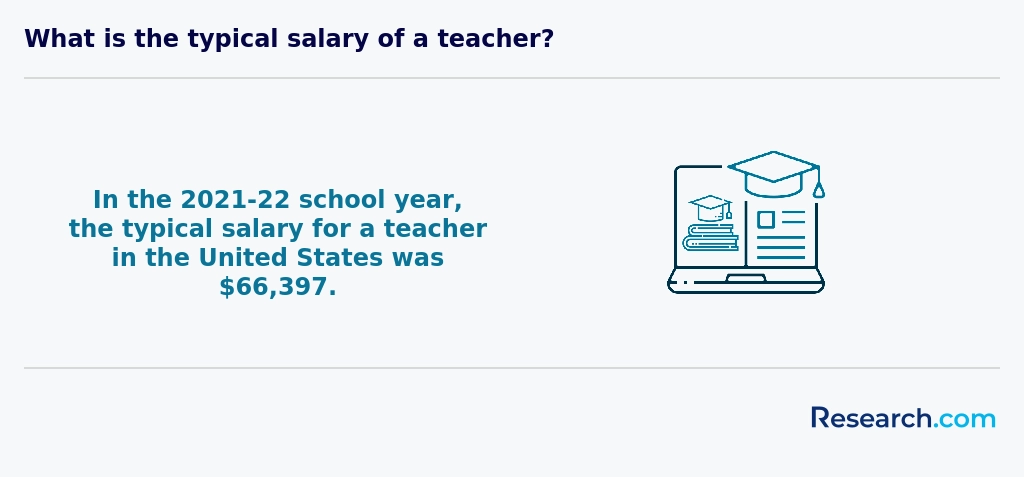
Graduates with education degrees from Erie's well-regarded universities often enter roles where the earning potential varies notably. For example, elementary school teachers in Erie can expect mean annual wages around $70,740, which aligns with BLS data and reflects demand in local school districts. Those teaching English as a Second Language might start closer to $65,430, benefiting from specialized skill sets that address diverse student populations.
Graduates pursuing special education roles report salaries around $76,000 annually, often feeling rewarded not just financially but personally by the impact they have on students who require tailored learning approaches. Early childhood educators, crucial in foundational education, typically earn about $41,410, a figure that aligns with community needs and entry-level expectations.
Instructional designers, whose skills are increasingly valued for creating modern learning environments in schools around Erie, see average salaries near $77,200. Graduates recall how locally offered advanced credentials enabled them to negotiate better pay and career growth in this evolving field.
While salaries depend on experience and district budgets, these figures suggest education graduates in Erie can anticipate competitive earnings, especially as they build expertise and credentials in their specialized areas.
- Education degrees in Erie are offered mainly through Gannon University and Penn State Behrend, focusing on primary and secondary teaching.
- Tuition for in-state students at Penn State Behrend ranges from $18,000 to $22,000 annually, while Gannon University charges about $30,000 per year.
- Starting salaries for education graduates in Erie average around $45,000 per year, increasing to $55,000-$65,000 with experience and certifications.
- Employment is stable in public and private schools, especially for elementary, secondary, special education, and instructional support roles.
- Obtaining a teaching job requires completing an approved preparation program and passing Pennsylvania state licensure exams for certification.
Completing a bachelor's degree in education in Erie typically takes about four years of full-time study at institutions like Gannon University or Penn State Behrend. Graduates often recall managing a steady course load combined with student teaching experiences that not only fulfill state certification requirements but also build confidence in classroom settings. Some have accelerated their timeline by taking summer courses or heavier semesters, though this depends on individual stamina and school policies.
For those aiming for advanced roles, pursuing a master's degree usually adds 1.5 to 2 years, encompassing specialized topics and practical training. Many Erie students appreciate the flexibility offered by part-time or online formats, though these options naturally extend completion time. Alternative certification routes, particularly for career changers, reflect a quicker 1- to 2-year pathway, appealing to those eager to transition into education without starting from scratch.
These timelines, while standard, do not account for personal circumstances like work commitments or financial constraints. Yet many Erie students report a rewarding sense of progress as they navigate program demands, gaining skills that feel immediately applicable and deeply satisfying.
To make an informed decision about pursuing an education degree in Erie, PA, it's essential to understand the value that such a program can offer. Prospective students should consider factors such as program outcomes, job placement rates, and overall value when selecting a degree program. For instance, students can explore the valuable education school in pennsylvania to find the best fit for their academic and professional goals. By examining key factors such as program accreditation, faculty expertise, and available resources, students can ensure that they choose a program that will provide them with a strong foundation for a successful career in education. Additionally, considering the cost of attendance, financial aid options, and potential career paths can help students make a well-rounded decision about their educational investment. Ultimately, choosing a valuable education degree program in Erie, PA, can lead to a rewarding and fulfilling career in education, with opportunities for advancement and personal growth.
Choosing between online and on-campus education degrees in Erie often comes down to balancing flexibility with hands-on experience. Graduates from Gannon University highlight the value of in-person classes for building strong relationships with professors and peers, which enriches their practical skills through workshops and student teaching at local schools. These face-to-face interactions foster a sense of community and professional networking that many find rewarding.
Conversely, graduates of Penn State Behrend's online program appreciate the ability to study on their own schedule, an advantage for those juggling work or family commitments. The convenience of asynchronous learning allows for progress without sacrificing daily responsibilities, without compromising accreditation or state licensure standards endorsed by Pennsylvania's Department of Education.
Cost differences also shape decisions. While on-campus tuition generally ranges from $9,000 to $11,000 annually, online students in Erie often save on commuting and housing expenses, making education more accessible. Either way, Erie education students report positive experiences tailored to their needs and goals.
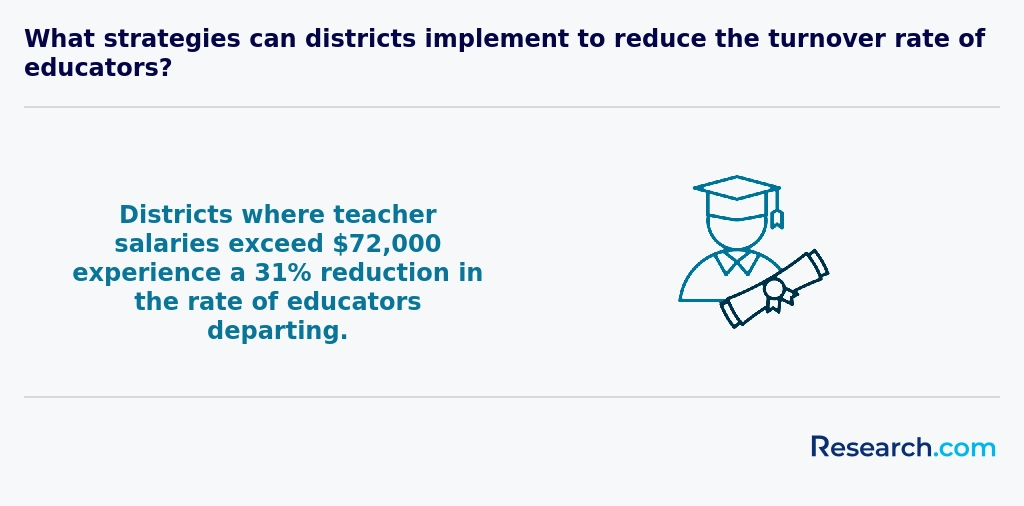
Understanding the true value of an education degree requires more than comparing tuition figures-it demands a clear picture of how quickly graduates recoup their investment and begin earning a return. In Erie, PA, the average total cost of attendance for a bachelor’s in education is roughly $108,584 over four years (including tuition, fees and living expenses). Given an entry-level salary of $38,640 for early childhood educators and $63,130 for ESL teachers, graduates can expect to break even in approximately 3–4 years, assuming full‐time employment and conservative living expenses. Key factors shaping ROI: • Salary Growth Trajectory: Instructional designers in Erie average $73,080 annually, accelerating break-even to around 2½ years. • Program Duration: Accelerated online pathways can reduce up-front costs and time to degree, improving ROI. For comparative benchmarks on cost‐effective online programs, see our Affordable Online Education Degree Programs Ranking in Idaho. • Financial Aid & Loan Forgiveness: Utilizing state grants (e.g., PA Forward) and federal teacher loan forgiveness can cut repayment periods by 1–2 years. • Career Advancement: Earning a master’s or licensure endorsement boosts median wages by 15–20%, shortening payback time and enhancing long-term earnings. By weighing program cost against realistic salary projections and leveraging financial aid, prospective students can make an informed decision that maximizes both educational value and future earnings.
The average cost of a education degree in Erie typically falls around a median total of $40,656 for in-state students, which offers a clearer picture than general tuition ranges often cited. Graduates from popular institutions like Pennsylvania State University Erie, The Behrend College, often share how this investment was manageable due to in-state tuition benefits and financial aid opportunities. Those attending private colleges may face significantly higher expenses, closer to $57,862, reflecting greater tuition but sometimes offering smaller class sizes and specialized education programs that enhance learning experiences.
Many students starting at Erie Community College find their path more affordable, paying closer to $4,000-$5,000 annually for associate degrees before transferring to four-year institutions. This phased approach can lower the total tuition and fees for Erie education degrees, making it a practical option for students balancing cost and ambition. Personal stories from graduates emphasize that while total tuition is a vital factor, budgeting for additional fees such as textbooks, certification exams, and student services-often $1,000 to $1,500 yearly-is equally important.
Prospective students examining the average cost of education degree programs in Erie should consider direct comparisons between public and private options and the impact of scholarships and grants. For a more tailored perspective, it's wise to explore specific offerings at individual schools, especially since Erie's costs align closely with national averages. Those interested can also learn more from this valuable education school in pennsylvania, which highlights key factors influencing overall educational expenses.
As the education landscape evolves, expert insights and emerging trends are essential for prospective students to navigate future challenges and opportunities. Leading educators and industry professionals emphasize the significance of staying informed about innovations such as blended learning, digital classroom tools, and the growing focus on social-emotional learning-all critical factors that are reshaping traditional educational practices. For instance, affordable advanced degrees have become a catalyst for career advancement; many experts recommend exploring options like cheap masters degrees in educational leadership online as a pathway to develop strong leadership skills in a flexible format. Additionally, continual professional development through mentorship programs and collaborative networks is highlighted as a vital step toward adapting to the rapidly changing demands of modern classrooms. Overall, integrating these expert perspectives can empower students to make informed decisions that not only enhance their learning journey but also position them for long-term success in the dynamic field of education.
Students pursuing education degrees in Erie often rely heavily on federal financial aid as a critical resource. For instance, graduates from popular institutions like Gannon University report how completing the FAFSA unlocked access to Pell Grants, which can provide up to $7,395 annually without repayment. This support significantly alleviates financial stress and makes education more attainable for many.
Beyond federal aid, Pennsylvania's State Grant Program offers additional assistance, tailored to residents attending in-state schools. Erie students attending local colleges find this especially valuable, as it directly offsets tuition costs based on financial need. One recent graduate described the relief of pairing this grant with community scholarships awarded by Erie-based foundations, reinforcing the supportive network within the region.
Moreover, many Erie institutions have targeted scholarships for education majors, particularly those willing to teach in high-need subject areas or underserved communities. These students often share how such funding not only reduces debt but also instills a sense of purpose.
Work-study opportunities on campus or local schools provide practical experiences while easing tuition payments, though federal loans remain a last resort given rising debt concerns across education programs nationally.
Investing in an Education degree program in Erie, PA demands a clear understanding of the return on investment (ROI) to ensure both financial viability and career satisfaction. By comparing total program costs against projected earnings, students can gauge how quickly they may recoup their educational expenses and begin building net worth. Average Total Cost vs. Starting Salary • Four-year bachelor’s degree total cost (tuition, fees, living): ~$108,584 (4 × $27,146) • Mean starting salaries: ESL teachers $63,130; early childhood educators $38,640; instructional designers $73,080 • Estimated payback period: – ESL teacher: ~1.7 years ($108,584 / $63,130) – Early childhood educator: ~2.8 years ($108,584 / $38,640) – Instructional designer: ~1.5 years ($108,584 / $73,080) Debt Load and Loan Forgiveness With 99% of Education students receiving financial aid, many graduate with manageable debt levels. Federal loan forgiveness programs for public school teachers can further shorten the payback period. For example, qualifying for Public Service Loan Forgiveness (PSLF) after 10 years of service may eliminate the outstanding balance, effectively increasing long-term ROI. Career Growth and Mid-Career Earnings Beyond initial salaries, mid-career earnings often surge. Instructional designers and educational administrators can command six-figure salaries after gaining 5–10 years of experience. This trajectory means that, within a decade, cumulative earnings can exceed double the total program costs, representing a strong ROI. Benchmarking Affordability While focusing on Erie’s metrics, students may benefit from cross-regional comparisons. For insight into highly cost-effective online options, explore the Affordable Online Education Degree Programs Ranking in Idaho, which highlights programs with lower tuition and robust career outcomes. Using these benchmarks helps prospective Erie students select programs offering optimal balance between affordability and post-graduation earnings.
In Erie, enrolling in an education degree program typically requires at least a high school diploma or equivalent, such as a GED. Graduates from local institutions often recall how meeting this foundational step felt empowering, marking the start of their journey toward becoming educators. The Pennsylvania College of Technology, well-known in Erie, emphasizes a minimum GPA around 2.5 to 3.0, encouraging students to maintain strong academic standing to handle the challenges of teacher preparation.
Many applicants also submit SAT or ACT scores, though some programs now waive these tests to promote broader access. This shift is reassuring for students who may have faced difficulties in standardized testing but are passionate about teaching. Experiential components matter greatly, too-volunteering as a tutor or classroom assistant, gathering recommendation letters from teachers, and crafting thoughtful personal statements all provide tangible proof of dedication and readiness.
Those pursuing graduate degrees in education usually need a relevant bachelor's degree, highlighting a more specialized academic path. For Erie residents, understanding these varied prerequisites helps transform uncertainty into confident preparation for a career that positively shapes young lives.
Obtaining an Education degree in Erie, PA, is only the first step; securing state certification is essential for teaching in public schools. The Pennsylvania Department of Education (PDE) oversees licensure, ensuring that candidates meet quality and competency standards. Key requirements include:
- Approved Teacher Preparation Program • Completion of a PDE-accredited program at an institution such as Gannon University or Penn State Behrend. • Verification of field experiences, including student teaching under a certified mentor.
- Required Examinations • Pennsylvania Educator Certification Tests (PECT) or Praxis Series exams, covering professional knowledge and subject-specific skills. • Satisfactory scores must be submitted electronically to PDE.
- Application Process • Submit an application for the Instructional I Certificate via PDE’s online portal. • Provide official transcripts, exam scores, and clearances (Criminal History Background Check and Child Abuse History Clearance).
- Certificate Renewal and Advancement • Instructional I is valid for six years; renewal requires 24 credits of PDE-approved continuing education. • Advancement to Instructional II and III involves additional coursework or a master’s degree. For candidates exploring flexible pathways, consider our Affordable Online Education Degree Programs Ranking in Idaho to compare program delivery options and tuition rates.
Education degree programs in Erie typically include foundational courses such as educational psychology, which helps future teachers understand how different students learn. Graduates from popular institutions in Erie often recall how these courses made classroom challenges clearer, turning theory into practical strategies for diverse learners.
Courses on curriculum development are also common, teaching students to construct lesson plans that meet Pennsylvania's certification standards. Many graduates mention how this preparation boosted their confidence during student teaching placements in local Erie schools, where they practiced managing real classrooms.
Classroom management classes equip students with tools to build positive learning environments. In Erie, teachers frequently highlight how these skills helped them address behavioral issues and create inclusive classrooms that support all students' needs.
Beyond general pedagogy, students can specialize in subjects like math or English, or pursue special education courses-reflecting Erie's commitment to addressing diverse educational demands. These varied courses blend theory and hands-on experience, providing a well-rounded preparation for teaching careers across the region.
Education degree specializations in Erie typically include Early Childhood Education, designed for those who want to work with children from birth to age eight, and Elementary Education, which prepares students to teach a variety of subjects to grades K-6. Graduates from Penn State Behrend and Gannon University often share how their focused coursework made real classroom challenges feel manageable, fostering a sense of readiness and confidence as they began teaching careers.
The Erie teaching degree program options also frequently feature Secondary Education, emphasizing mastery in specific subjects like math or English for teaching middle and high school students. Special Education is another notable track, reflecting growing demand nationwide; students appreciate learning strategies to support diverse learners, which can feel both fulfilling and challenging in practice.
Other pathways include Educational Leadership and Instructional Technology, which prepare students for roles beyond the classroom. For those interested in leadership roles without relocation, several turn to affordable options such as cheap masters degrees in educational leadership online, blending flexibility with Erie's strong foundational education.
Choosing the best education degree programs in Erie involves aligning your personal career goals with the specific offerings of local institutions. Graduates from colleges like Gannon University often emphasize the value of selecting a degree that fits whether you wish to work in early childhood, secondary education, or special education. Rather than assuming one size fits all, it's essential to explore how each program's focus matches your professional aspirations.
Another crucial aspect is program accreditation and reputation, which graduates consistently highlight as vital for licensure and employment success. Erie's CAEP-accredited institutions provide an added layer of trustworthiness that reflects rigorous standards. Yet, some students find value in smaller programs with strong community ties, showing that reputation can have multiple dimensions worth investigating.
Cost considerations lead many Erie students to seek affordable education degrees Erie offers, balancing tuition fees and financial aid. Since private universities might be costly, reviewing options like the Affordable Online Education Degree Programs Ranking in Idaho can provide alternative perspectives on managing expenses without sacrificing quality.
Finally, experienced students often recommend assessing program flexibility, including part-time or hybrid models, especially when juggling work or family. These real-life constraints highlight the importance of a program's delivery style in making education degrees in Erie accessible and meaningful for diverse learners.
Graduates who pursue an education degree career options in Erie often find diverse opportunities beyond traditional classroom teaching. Many move into licensed teaching roles in local public and private K-12 schools, where demand for skilled educators in special education, math, and science remains strong. For example, graduates from popular Erie colleges frequently share how rewarding it is to impact students directly while enjoying a competitive salary relative to the region.
Others explore administrative pathways such as becoming school principals or curriculum coordinators, influencing educational policy and practice within Erie's schools. These roles typically require advanced degrees and specialized certifications, reflecting the complexity and importance of school leadership. Graduates have expressed enthusiasm about shaping school environments, though they acknowledge the need for continued professional growth.
Alternative education careers include positions like school counselors and instructional designers, focusing on supporting diverse student needs. These paths highlight how Erie's educational sector values inclusive approaches, enhancing job prospects. When considering these possibilities, prospective students should weigh local tuition costs and program offerings, especially those that lead to licensure or certification. Many find considering an accelerated bachelor's degree helpful for a faster route into the workforce.
Overall, jobs with education degree in Erie reflect a balance between tradition and innovation, allowing graduates to contribute meaningfully while growing professionally.
The job market for those with an education degree in Erie shows steady demand, particularly within local public schools and community education programs. Graduates from institutions like Penn State Behrend and Gannon University often find favorable teaching career opportunities Erie-wide, especially in high-need areas such as special education and STEM subjects. Many recent graduates describe feeling encouraged by the ongoing vacancies in the Erie City School District, which result from retirements and fluctuating student numbers, making it easier to secure roles soon after graduation.
However, some graduates note that competitive roles like school counseling or administrative positions usually require further credentials beyond a bachelor's, often prompting continued education. Wages in Erie typically range from $55,000 to $65,000 annually, which, while modest compared to larger metropolitan areas, align with local salary realities. Students should carefully assess this alongside tuition costs, which vary between $8,000 and $14,000 annually at public institutions.
For those wondering about what is the easiest degree to get online?, exploring affordable online education degrees might offer additional flexibility without sacrificing career prospects in Erie's education sector.
2027 Most Valuable Education Degree Programs Ranking in Erie
Investing in your education is a significant decision that can shape your future, and the Research.com team understands the importance of making informed choices. To assist prospective students in Erie, we have meticulously developed the "2027 Most Valuable Education Degree Programs Ranking in Erie." Our commitment to quality, credibility, and accuracy is evident in the rigorous research and careful analysis behind this ranking.
We utilized the following reputable data sources to ensure a comprehensive evaluation of education degree programs:
By exploring this ranking, readers will gain valuable insights into the most valuable education degree programs in Erie, empowering them to make informed decisions about their educational investments. For more details on how this ranking was created, please visit our Research.com methodology page.


# 5 position
Pennsylvania State University-Penn State Erie-Behrend College
B.S. in Elementary
Frequently Asked Questions About education
Education degree students in Erie can maximize their learning experience by actively engaging in both theoretical and practical components of their programs. Erie's institutions often emphasize fieldwork; students should seek diverse practicum placements in local schools to gain hands-on experience with varied student populations. This exposure is vital for developing adaptable teaching skills. Additionally, Erie students benefit from participating in education-related workshops and seminars offered by nearby universities and community organizations, which provide updated teaching strategies and professional networking opportunities.
Utilizing resources such as Erie's public library system and online academic databases enhances research skills critical for lesson planning. According to the Pennsylvania Department of Education, Erie's education programs maintain strong ties with K-12 schools, making collaboration and mentorship accessible. Students are encouraged to take advantage of this support to build confidence and deepen their educational knowledge.
The education field in Erie is experiencing growth in several emerging niches that align with national trends. One significant area is educational technology, where professionals design and implement digital learning tools. According to the National Center for Education Statistics, demand for EdTech specialists has risen by 15% over the past five years, impacting Erie's local institutions.
Another growing niche is special education focused on diverse learning needs, including autism support, which is crucial given Erie's rising enrollment of students requiring individualized education programs (IEPs), as reported by the Pennsylvania Department of Education.
Additionally, bilingual education is expanding to meet Erie's increasingly diverse population, preparing educators who specialize in dual-language instruction.
After completing an education degree in Erie, preparing for the job market involves several important steps. Start by engaging in student teaching or internships, which provide practical experience highly valued by local schools.
Networking is crucial; connect with Erie's education professionals through job fairs and local education associations. According to the Pennsylvania Department of Education, Erie County has a strong demand for qualified teachers, especially in special education and STEM fields.
Obtaining necessary state certifications early also boosts employability. Erie's school districts often prioritize candidates with Pennsylvania teaching certifications and relevant endorsements.
Finally, developing skills in educational technology can set candidates apart, as Erie schools continue integrating digital learning tools.
Employers in Erie highly value education degree graduates who demonstrate strong communication skills. Effective communication with students, parents, and colleagues is crucial for success in local schools. According to the Pennsylvania Department of Education, 87% of Erie educators report that collaboration and interpersonal abilities are essential.
Additionally, classroom management skills rank among the top qualities sought. Erie schools emphasize creating positive learning environments, with 75% of principals highlighting this in recent surveys. Knowledge of diverse instructional strategies also attracts employers, particularly methods that support varied learning styles and abilities.
Technological proficiency is increasingly important. Familiarity with digital tools for teaching aligns with Erie's growing push for integrating technology in classrooms. Finally, critical thinking and problem-solving skills help graduates adapt to challenges and contribute to student success.
Finding internships in Erie relevant to an education degree involves leveraging local school districts, higher education institutions, and community organizations. The Erie School District offers internship and student-teaching opportunities for education majors, providing practical classroom experience essential for certification.
Additionally, local colleges such as Gannon University and Mercyhurst University maintain partnerships with area schools and provide internship placements for their education students. According to the Pennsylvania Department of Education, completing a supervised internship or practicum is required for teacher certification in the state, emphasizing the importance of these opportunities.
Students can also explore internships through nonprofit organizations focused on youth education and after-school programs in Erie, which often welcome interns looking to gain hands-on experience.
In Erie, earning an education degree significantly enhances career mobility and advancement opportunities. According to the Pennsylvania Department of Education, educators with bachelor's or master's degrees in education are often prioritized for higher-paying teaching roles and leadership positions in the region's public and private schools.
Advanced degrees enable professionals to qualify for specialist certifications, such as in administration or special education, which increase eligibility for roles like principal or curriculum coordinator. The Northwest Tri-County Intermediate Unit reports that these roles offer salary increases of 15-25% compared to entry-level teaching.
Furthermore, Erie's school districts increasingly value ongoing professional development, often linked to degree attainment, to meet state-mandated continuing education requirements, reinforcing upward mobility within education careers.
Studying for an education degree in Erie equips students with a broad understanding of teaching methods, child development, and curriculum design, critical for interdisciplinary roles. Erie's colleges incorporate courses that connect education with psychology, sociology, and technology, fostering skills applicable beyond classrooms.
According to the Pennsylvania Department of Education, Erie offers programs emphasizing collaborative learning, preparing graduates to work with diverse teams in health, social services, and educational technology sectors. This interdisciplinary training enhances adaptability in varied professional environments.
Additionally, Erie's access to local schools and community organizations allows students to engage in practical experiences, strengthening their capability to integrate multiple disciplines effectively in real-world settings.
When deciding between a thesis and a non-thesis education degree program in Erie, students should consider their career goals and learning preferences. Thesis programs typically require original research and a formal thesis paper, ideal for those aiming for doctoral studies or research-intensive roles. Non-thesis programs often emphasize coursework and practical experience, which can suit professionals seeking administrative or teaching positions.
Erie-area institutions, such as Gannon University and Penn State Erie, offer both options. According to the U.S. Department of Education, thesis programs may take longer, averaging two to three years versus one and a half to two years for non-thesis tracks.
Cost can also vary; thesis programs may incur additional fees for research-related expenses. Students should assess their time availability, financial situation, and professional objectives before making a choice.
Students based in Erie who wish to study education abroad have several pathways through US universities with international exchange programs. Institutions like Gannon University and Penn State Behrend collaborate with partner schools worldwide, offering semester-long study abroad options focused on education theory and practice.
According to the Institute of International Education, nearly 10% of education majors nationally engaged in study abroad programs in 2022, gaining valuable global perspectives. Erie students benefit from programs emphasizing cross-cultural teaching methodologies and language immersion.
Additionally, federal financial aid, including Pell Grants, can often be applied to approved education study abroad experiences, making these opportunities more accessible.
Through structured programs, Erie students can fulfill degree requirements while gaining international classroom experience crucial for competitive teaching careers.
Students pursuing education degrees in Erie can benefit from several part-time job opportunities that align with their academic goals. Working as teacher assistants in local K-12 schools offers valuable classroom experience while balancing studies. According to the Pennsylvania Department of Education, Erie County employs over 3,500 teaching staff, indicating steady demand for support roles.
Another option is tutoring, either independently or through centers like the Erie County Library, which frequently seeks part-time educational aides. Tutoring helps build skills in lesson planning and student engagement, essential for education careers.
Positions in after-school programs or youth organizations such as the YMCA also provide hands-on experience with diverse student populations, fostering classroom management skills.
Education students in Erie benefit from a range of networking opportunities that support their professional growth. Institutions like Gannon University and Edinboro University offer dedicated education clubs and honor societies where students can connect with peers and faculty.
Local organizations such as the Erie Regional Chamber & Growth Partnership frequently host events, workshops, and seminars tailored to educators and education students. These occasions promote interaction with local school administrators and potential employers.
In addition, Erie's proximity to public school districts, like the Erie City School District, provides student teaching placements and practicum experiences, fostering crucial relationships within the local education community.
The Pennsylvania Association for Supervision and Curriculum Development (ASCD) chapter also offers regional conferences that education students can attend to expand their professional network.
Alumni networks play a crucial role in supporting education degree students in Erie by providing valuable connections and resources. Graduates from large local institutions like Penn State Behrend and Gannon University often participate in these networks, offering mentorship and professional guidance to current students.
These networks can help students find internships and job opportunities within Erie's school districts, which is key in a competitive education job market. According to the National Association of Colleges and Employers, 85% of jobs are filled through networking, highlighting the importance of such connections.
Moreover, alumni events foster a sense of community, enabling students to share insights and stay updated on trends in education locally and nationally. This ongoing engagement supports continuous career growth beyond graduation.
In Erie, prospective education students can customize their degree programs by selecting concentrations or specializations aligned with their career goals. Local institutions often offer options in early childhood education, special education, or administration, allowing focused study tailored to specific teaching environments.
Additionally, Erie schools provide flexible course schedules, including evening and online classes, to accommodate working professionals. Many programs encourage field experience hours in nearby schools, helping students gain practical skills relevant to their interests.
The Pennsylvania Department of Education also supports certification pathways that can be pursued alongside degrees, enabling candidates to meet state licensure requirements efficiently.
Education students in Erie often face several common challenges during their studies. One significant issue is balancing coursework with fieldwork requirements, as many programs demand extensive classroom observations and student teaching experiences alongside regular classes. This can be time-consuming and stressful, especially for students managing part-time jobs or family commitments.
Access to diverse practicum sites is another challenge. Erie's schools vary widely, and gaining experience in urban, suburban, and rural settings is important but not always easy to arrange. According to data from the Pennsylvania Department of Education, limited placements can delay graduation or affect practical learning quality.
Financial constraints also affect many education students. Despite available grants, the average debt for education majors in Pennsylvania remains high compared to other fields. This financial pressure may impact student retention and focus.
With an education degree, individuals in Erie can pursue a variety of professional certifications to enhance their careers. The most common certification is state teacher licensure, which allows graduates to teach in public schools across Pennsylvania. This typically requires passing the Praxis exams and completing supervised teaching experiences.
Beyond initial licensure, many educators pursue certifications such as Reading Specialist, Special Education Teacher, or ESL (English as a Second Language) endorsements. These credentials expand job opportunities and often lead to higher salaries.
In Erie, institutions like Penn State Behrend and Gannon University offer programs aligned with these certifications, supporting local demand for qualified educators. According to the Pennsylvania Department of Education, certified teachers earn on average 15% more than non-certified peers, highlighting the value of these credentials.
When applying for an education program in Erie, it is crucial to tailor your application to highlight your passion for teaching and commitment to the community. Schools in Erie, such as Gannon University, emphasize strong academic records and relevant experience in education or volunteer work. According to the National Center for Education Statistics, Erie institutions typically require a minimum GPA of 3.0 for competitive education programs.
Highlighting specific goals aligned with local educational needs shows a clear understanding of the region. Be sure to include well-written essays reflecting your motivation and future teaching plans. Letters of recommendation from education professionals in Erie can also strengthen your application.
Standardized test scores, like the GRE when required, should meet or exceed program averages to remain competitive. Check each program's unique requirements and deadlines carefully to ensure a complete submission.
Education careers in the United States, including Erie, reflect a growing global emphasis on teaching quality and cultural competence. According to the National Center for Education Statistics, U.S. schools increasingly value educators who understand diverse learning needs and global perspectives.
In Erie, education majors often engage with curricula aligned to national standards that emphasize cross-cultural communication and technology integration. This prepares graduates to work in diverse classrooms and adapt to international trends, such as inclusive education and digital learning.
Globally, demand for skilled educators is rising, with the U.S. focusing on developing professionals who can foster critical thinking and global awareness. This trend benefits Erie students pursuing education degrees, positioning them well for careers both locally and abroad.
Gaining practical experience while studying for an education degree in Erie is crucial for career readiness. Many local institutions, such as Gannon University and Penn State Behrend, incorporate student teaching and practicum placements into their programs. These opportunities allow students to work directly in Erie-area schools under the supervision of experienced educators.
Additionally, Erie's public and private schools often collaborate with universities to offer internships and volunteering roles. According to the Pennsylvania Department of Education, such hands-on experiences significantly improve employment prospects for graduates.
Students can also benefit from Erie's educational workshops and community programs designed to build classroom management and instructional skills.
Choosing the right concentration within an education degree program in Erie depends on your career goals and interests. Erie offers specialties such as early childhood education, special education, and secondary education, reflecting local school district demands. According to the Pennsylvania Department of Education, Erie County schools report a rising need for special education teachers, making this concentration a promising option.
Consider your preferred age group and subjects, as concentrations often focus on specific grades or disciplines. Research local job trends and employment rates for graduates of different concentrations. Erie's region emphasizes practical training, so check if programs include fieldwork in nearby schools. Align your choice with both personal passion and regional workforce needs to maximize your degree's value.
- 2027 Most Valuable Education Degree Programs Ranking in Buffalo
- 2027 Most Valuable Education Degree Programs Ranking in Cleveland
- 2027 Most Valuable Education Degree Programs Ranking in Pittsburgh
- 2027 Most Valuable Education Degree Programs Ranking in Columbus
- 2027 Most Valuable Education Degree Programs Ranking in Wilkes-Barre
- 2027 Most Valuable Education Degree Programs Ranking in Washington
- 2027 Most Valuable Education Degree Programs Ranking in Cincinnati
- 2027 Most Valuable Education Degree Programs Ranking in Dover
- 2027 Most Valuable Education Degree Programs Ranking in Bronx
- 2027 Most Valuable Education Degree Programs Ranking in Queens
See What Experts Have To Say About Studying Education
Read our interview with Education experts

Nooshan Ashtari
Education Expert
Professor & Book Author
University of Southern California

Alan J. Singer
Education Expert
Professor of Teaching, Learning and Technology
Hofstra University

- Tips for Choosing Your Graduate Concentration - Graduate Programs for Educators https://www.graduateprogram.org/blog/tips-for-choosing-your-graduate-concentration/
- Adult Education & Trade Certificate Programs in Erie, PA | EC3 https://www.ec3pa.org/
- What Employers Actually Want From Graduates https://bodyswaps.co/resources/blog/what-employers-actually-want-from-graduates
- Bachelor of Education https://www.upei.ca/programs/bachelor-education
- The Future of Education: Emerging Trends Reshaping Learning Environments http://www.gesseducation.com/gess-talks/articles/future-education-emerging-trends-reshaping-learning-environments
- How to Choose a Concentration for Your Master of Education 3 Questions to Consider https://www.aiuniv.edu/degrees/education/articles/how-to-choose-an-education-specialization
- Finding Networking Opportunities as a Student | National Society of High School Scholars https://www.nshss.org/resources/blog/blog-posts/how-to-find-networking-opportunities-as-a-student/
- Careers – Erie County Technical School https://www.ects.org/about/careers/
- Teaching Job Roles | Teach For Life https://www.teachforlife.com/teachingjobs/global-perspectives-teacher
- The 8 challenges of education in a changing world https://casvitrescantos.com/en/the-8-challenges-of-education-in-a-changing-world/


