
2027 Most Valuable Education Degree Programs Ranking in Conway

Co-Founder and Chief Data Scientist
Choosing the right education degree program can shape your future in exciting ways. If you're a student in Conway wondering which path offers the best opportunities, this article is designed for you.
The 2027 Most Valuable Education Degree Programs Ranking in Conway was created by the Research.com team of data scientists to provide clear, reliable insights. It helps you understand which programs offer real value and potential for growth.
By exploring this ranking, you'll feel more confident making a choice that aligns with your goals and passions. Investing in an education degree opens doors to rewarding careers that impact lives positively.
Key benefits of getting education degree in Conway
- Salary benefits: Graduates with an education degree in Conway can expect rewarding salaries such as $76,000 for Special Education Teachers and $77,200 for Instructional Designers, reflecting strong earning potential. These figures highlight the financial stability education careers often provide.
- Career paths: Education graduates from Conway's colleges often pursue diverse roles like Early Childhood Educators or ESL Teachers, allowing them to make meaningful impacts in various learning environments. This variety ensures graduates find fulfilling work that matches their passions.
- Online degree advantages: Getting an education degree online from Conway's universities offers flexibility for busy students and working professionals, enabling them to balance life and studies easily. Online graduates report feeling empowered by the chance to learn at their own pace while advancing their careers.
- Key benefits of getting education degree in Conway
- What can I expect from education degree in Conway?
- Where can I work with education degree in Conway?
- How much can I make with education degree in Conway?
- 2027 Most Valuable Education Degree Programs Ranking in Conway
- Key Findings
- How long does it take to complete education degree in Conway?
- Campus Life and Student Support in Conway, AR
- What's the difference between online and on-campus education degree?
- What is the average cost of education degree in Conway?
- Arkansas Teacher Certification Requirements
- What financial aid is available to education degree students in Conway?
- Exploring Online Bachelor’s in Education Programs
- What are the prerequisites for enrolling in education degree program in Conway?
- Certification and Licensure Requirements
- What courses are typically in education degree programs in Conway?
- What types of specializations are available in education degree programs in Conway?
- How do you choose the best education degree in Conway?
- What career paths are available for education degree students in Conway?
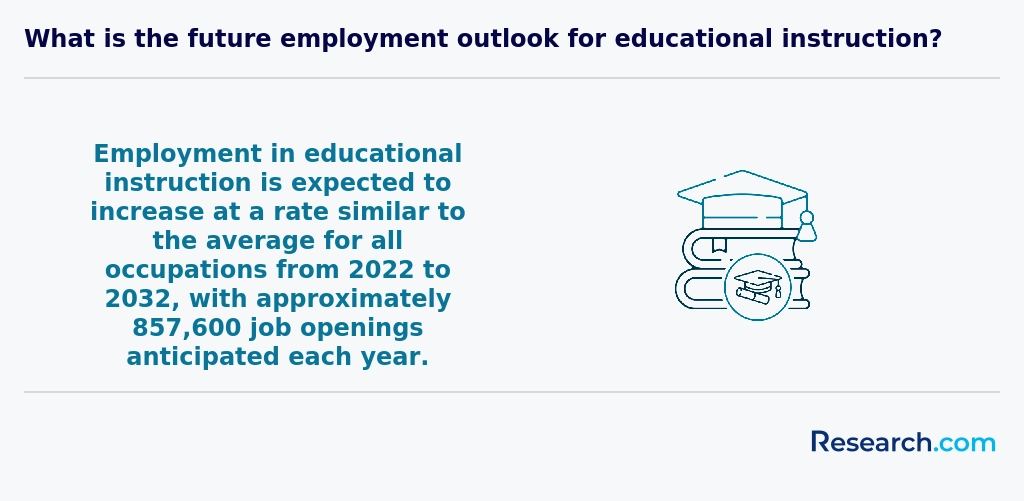
- What is the job market for education degree in Conway?
- Top Trending Education Rankings
- See What Experts Have To Say About Studying Education
What can I expect from education degree in Conway?
Students chasing an education degree in Conway often find themselves pleasantly surprised by the affordability of their investment. At the University of Central Arkansas, for example, the average annual tuition for undergraduate education programs typically hovers around $9,000 for in-state students. Graduates share how this reasonable cost allowed them to focus on hands-on learning experiences rather than financial stress, diving into internships within local schools where theory met vibrant classroom reality.
When you walk alongside these future educators, you hear stories of balancing budgets with dreams-many noting how affordable programs make practical, immersive training accessible. Graduate degrees, while costing more-usually between $10,000 and $15,000 per year-still feel manageable given the strong network and career support from Conway's institutions.
Overall, the costs align gracefully with the rewarding path to becoming a certified teacher, making Conway a welcoming place for new educators eager to make a real difference without feeling overwhelmed by debt.
Where can I work with education degree in Conway?
Graduates with an education degree in Conway find themselves stepping into vibrant classrooms across local K-12 schools, eagerly shaping young minds in math, science, and special education. Picture a recent graduate from a well-known college in Conway, enthusiastically designing engaging lessons for a lively fifth-grade class in the Conway School District.
Others adventure beyond teaching, taking on roles as assistant principals or curriculum coordinators in growing schools. These paths often come with extra certifications but offer rewarding leadership experiences and salaries between $60,000 and $90,000. Imagine guiding teachers through creative curriculum changes that spark student excitement schoolwide.
Early childhood centers also welcome education graduates, where they develop playful and educational activities nurturing toddlers' growth. Some graduates enrich their careers by creating community programs with local nonprofits, spreading literacy and learning beyond the classroom walls.
Even Conway Regional Medical Center occasionally calls upon education professionals to lead patient education or staff training, proving that an education degree opens doors to unexpected, fulfilling roles.
How much can I make with education degree in Conway?
Imagine graduating from the University of Central Arkansas with an education degree and stepping into a classroom ready to inspire. As an elementary school teacher in Conway, you might earn around $70,740 a year, bringing both excitement and stability. If special education sparks your passion, your annual salary could rise closer to $76,000, reflecting the vital impact you have on students' lives.
Those adventurous enough to explore language education, like ESL teaching, can expect about $65,430 yearly, which feels rewarding as you bridge cultures within local schools. Graduates from Conway's education programs who dive into early childhood education typically start around $41,410, embracing the joy of nurturing young minds right from the start.
For those curious minds drawn toward curriculum design, Conway offers opportunities in instructional design with average salaries near $77,200. Graduates here see their dedication rewarded, tapping into fulfilling careers that shape future learning.
2027 Most Valuable Education Degree Programs Ranking in Conway
How do we rank schools?
Investing in your education is a significant decision that can shape your future, and the Research.com team understands the importance of making informed choices. To assist prospective students in Conway, we have meticulously crafted the "2027 Most Valuable Education Degree Programs Ranking in Conway." Our commitment to quality, credibility, and accuracy is reflected in the extensive research and analysis conducted to compile this ranking.
We utilized the following reputable data sources to ensure a comprehensive evaluation of education degree programs:
By exploring this ranking, readers will gain valuable insights into the most valuable education degree programs available in Conway, helping them make informed decisions about their educational paths. For more details on our methodology, please visit our Research.com methodology page.


Key Findings
- Education degrees in Conway are offered by institutions like the University of Central Arkansas, known for comprehensive teacher education programs.
- The average annual cost for a bachelor's degree in education ranges from $20,000 to $25,000, including tuition and fees at public schools.
- Starting salaries for education graduates in Conway average around $40,000 per year, rising to $55,000-$60,000 with experience.
- There is steady demand for certified teachers, especially in special education, math, and science within the region.
- Most programs include required coursework and supervised fieldwork for initial teacher certification in Arkansas.
- Graduate degrees can improve career opportunities and increase salary potential, especially for leadership or specialized roles.
How long does it take to complete education degree in Conway?
In Conway, completing an education degree invites you on a journey that typically spans around four years for a Bachelor of Science or Arts in Education. Imagine yourself diving into engaging classes and hands-on teaching practicums at the University of Central Arkansas, where many graduates recall the rewarding challenge of balancing theory and real classroom experiences within this timeframe.
If you're seeking a quicker path, an Associate Degree in Education from local community colleges offers a vibrant two-year adventure, perfect for those eager to step into teaching assistant roles without delay. Many embrace this fast track with enthusiasm, jumping into the workforce sooner while still building a foundation in education.
For those craving deeper knowledge and specialization, a Master's Degree usually takes one to two years beyond the bachelor's. Picture yourself navigating focused coursework and research, often with part-time options to fit around life's commitments, opening doors to advanced certifications right here in Conway.
Whether full-time or part-time, the flexibility and supportive local institutions allow students to tailor their educational paths with excitement, turning ambitions into real teaching careers.
Campus Life and Student Support in Conway, AR
Finding the right education program isn’t just about the curriculum-it’s also about the environment that shapes your overall college experience. In Conway, AR, many institutions offer extensive support services and vibrant campus communities that play a pivotal role in student success. Students can take advantage of comprehensive academic advising, tutoring centers, career counseling, and extracurricular clubs that foster both personal growth and professional development. For instance, mentoring programs and student organizations help newcomers integrate into campus life while providing networking opportunities that often extend well beyond graduation. Notably, many campuses in the region are continually enhancing their resources, such as modern libraries, innovative labs, and accessible mental health services, ensuring that students have the support needed to excel academically and personally. If you’re researching options, exploring the standards of valuable education programs in arkansas can offer additional insight into which institutions prioritize a student-friendly environment. This supportive campus atmosphere, combined with tailored academic programs, equips future educators with the resilience and community connections essential for a rewarding career.
What's the difference between online and on-campus education degree?
Choosing between online and on-campus education degrees in Conway is like deciding whether to dive into a vibrant campus life or sail through your studies at your own pace from home. On-campus programs, such as those at the University of Central Arkansas, invite you into lively classrooms where graduates recall engaging discussions, face-to-face collaboration, and hands-on student teaching experiences arranged locally. The buzz of campus libraries and teaching labs creates a community feeling that's hard to replicate elsewhere.
Alternatively, online education degrees offer a flexible rhythm ideal for those balancing work or family. Graduates appreciate logging in anytime to access lectures and assignments, fitting studies around their unique schedules. Even here, practical teaching happens in Conway-area schools, keeping that essential real-world connection alive. The freedom to learn without commuting or housing worries adds a layer of ease, though tuition may mirror traditional costs.
Both paths share strong regional accreditation, ensuring your degree carries weight. Whether immersed in campus energy or embracing digital freedom, Conway students find rewarding routes to becoming impactful educators.
What is the average cost of education degree in Conway?
Exploring the average cost of education degree programs in Conway reveals an exciting journey through numbers that feel surprisingly within reach. Graduates from popular institutions like the University of Central Arkansas often share stories of managing around $10,500 for total in-state tuition and fees, a figure that blends the practicality of budgeting with the thrill of new learning adventures. Out-of-state students tend to experience higher costs, reaching approximately $27,900, yet many discover creative ways to finance their ambitions through scholarships and work-study options.
When diving into total tuition and fees for education degrees Conway offers, the landscape broadens beautifully. Imagine balancing tuition with expenses like books, technology fees, and room and board-items that together craft a full, vibrant student experience. Many education students feel empowered by these manageable costs, often quoting figures near $28,000 as a realistic median while embracing their unique academic path.
These personal finance journeys reflect how education students in Conway navigate their college years while cultivating optimism about their future careers. The opportunity to study here comes with resources and financial aid designed to ease the way forward, making the adventure of earning an education degree not just a dream but an achievable and rewarding reality. Curious learners might explore career options further at https://research.com/careers/education-careers, where paths unfold in vivid detail.
Arkansas Teacher Certification Requirements
Becoming a licensed teacher in Arkansas involves these key steps:
- Graduate from a CAEP-accredited education program at an institution like the University of Central Arkansas.
- Pass the Praxis Core Academic Skills for Educators (reading, writing, math) and the appropriate Praxis Subject Assessments for your teaching area.
- Submit an application through the Arkansas Department of Education, including official transcripts, fingerprint clearance, and a criminal background check.
- Complete an induction period with 14 credit hours of mentoring and professional development within your first three years in the classroom.
- Renew your standard teaching license every five years by meeting continuing education and professional development requirements.
Following these steps ensures you meet state standards and are well-positioned for some of the state’s highest paying bachelor degrees roles in education.
What financial aid is available to education degree students in Conway?
Exploring financial aid for education degrees in Conway reveals a treasure trove of opportunities to ease tuition worries. Imagine a University of Central Arkansas student discovering they qualify for a Pell Grant, which can cover up to $7,395 for those with financial need-offering a huge relief for in-state tuition around $9,000. This grant doesn't have to be repaid, so it feels like a genuine boost, like finding a hidden gem amid the usual expenses.
State aid adds another layer of support. Many students tap into the Arkansas Academic Challenge Scholarship, which can knock off up to $4,000 annually, easing the burden and allowing more focus on their passion for teaching. Plus, the Arkansas Teacher Opportunity Program rewards those who commit to teaching locally, making education degrees feel like an investment in both future and community.
On-campus experiences often include work-study roles or assistantships-veteran graduates recall how tutoring in education departments not only supplemented income but sharpened their teaching skills, blending learning with earning. These pathways, combined with loan forgiveness for teachers in low-income schools, carve an adventurous financial landscape full of promise for Conway students.
Exploring Online Bachelor’s in Education Programs
In Conway, AR, online bachelor’s in education programs provide a flexible alternative for students balancing work, family, and study. These fully accredited degrees combine asynchronous lectures with live virtual seminars, specialized coursework in teaching methodologies, and supervised practicum experiences in local schools. Critical factors to evaluate include accreditation by bodies like CAEP, state licensure preparation, technology platforms, and personalized student support-from tutoring and library access to career services. Online programs also often feature modular payment plans and bundled financial aid that mirror on-campus benefits. To compare graduation rates, student satisfaction scores, and affordability, explore our curated list of what are the best online bachelors in education and choose the right path for your professional and personal goals.
What are the prerequisites for enrolling in education degree program in Conway?
Diving into education degree programs in Conway means stepping into a journey where preparation opens doors. Most local universities expect you to have a high school diploma or equivalent, with a solid foundation in English, social studies, and math-skills graduates often recall as their launchpad for success. Imagine attending a popular Conway college where students share how their consistent GPA, typically around 2.5 to 3.0, gave them confidence to tackle challenging coursework ahead.
Many find that submitting standardized test scores, like the SAT or ACT, is optional but can strengthen applications, adding another layer to their academic story. For those dreaming of advanced studies such as a Master of Education, holding a bachelor's degree is essential, often encouraging diverse academic backgrounds to join if paired with real-world teaching experience.
It's common to prepare thoughtful recommendation letters and craft compelling statements of purpose, echoing the welcoming advice from professors who've mentored eager educators. Plus, passing background checks or holding a teaching license might come into play, especially when pursuing certifications tied to specialized education roles in Conway's schools.
Certification and Licensure Requirements
After earning an Education degree in Conway, AR, aspiring teachers must satisfy Arkansas state licensure standards before entering the classroom. Below is an overview of key steps:
- Graduate from a CAEP-accredited educator preparation program
- Pass the Praxis Core (reading, writing, math) and relevant Praxis Subject Assessments
- Submit fingerprints, background check, and official transcripts to the Arkansas Department of Education
- Complete a one-year induction period under a certified mentor to obtain an initial teaching license
- Renew your license every five years by completing at least 60 hours of approved professional development
For those seeking a quicker entry into support roles like teaching assistants, some students opt for an easiest associates degree as a stepping stone toward full certification. Understanding these requirements ensures you’re prepared to transition smoothly from student to certified educator in Arkansas.
What courses are typically in education degree programs in Conway?
Diving into an education degree in Conway means exploring a vibrant mix of courses that truly prepare you for the classroom and beyond. Imagine sitting in a lively University of Central Arkansas lecture on Educational Psychology, discovering how children's minds grow and adapt, which sparks excitement about tailoring lessons just right. Then, in Curriculum Development, you'll get hands-on designing engaging lesson plans that could one day inspire young learners.
Classroom Management classes create a toolkit for creating positive, welcoming spaces where students feel safe and motivated-something every graduate recalls as a game-changer when stepping into their first teaching roles.
Technology isn't left behind either; courses in Instructional Technology empower futures with skills to blend traditional teaching and digital tools smoothly, quite a favorite among recent graduates at Conway's universities.
Plus, practical experiences like student teaching or practicums offer real-world adventure inside local schools, bridging theory and practice in thrilling ways that many find unforgettable.

What types of specializations are available in education degree programs in Conway?
Students exploring education degree specializations in Conway often discover a vibrant mix of paths tailored to their passions and career ambitions. Graduates from local colleges share exhilarating stories of diving into Elementary Education, where they learn to inspire young minds in lively classrooms filled with curious kindergartners to eager fifth graders. Others find their calling in Special Education, mastering techniques to support children with diverse learning needs, a rewarding journey fueled by empathy and creativity.
Secondary Education draws students fascinated by specific subjects like math or history, combining deep content knowledge with teaching practice at Conway's reputable universities. Early Childhood Education also captivates many, focusing on nurturing the growth of toddlers and infants through innovative developmental programs. Alongside these, specializations like Educational Leadership, Curriculum and Instruction, and English as a Second Language offer diverse experiences that enrich Conway education degree program options.
For those ready to venture further, some graduates pursue web-based doctoral programs, expanding their expertise beyond the local classrooms and embracing lifelong learning.
How do you choose the best education degree in Conway?
Choosing the best education degree in Conway sparks an exciting journey where your career dreams begin to take shape. Graduates often share how programs at the University of Central Arkansas offer not just courses but real-world experiences, thanks to strong partnerships with local schools. Imagine stepping into classrooms for student teaching placements that truly prepare you for the challenges ahead. Many find that enrolling in programs accredited by CAEP guarantees smooth paths toward teacher licensure in Arkansas, making this a key checkpoint in their decision process.
If budget matters, exploring affordable education degrees Conway 2027 options reveals that Conway's tuition often beats the national average, giving you more freedom to focus on your studies. Flexible schedules and hybrid formats at UCA help busy students balance family, work, and learning without missing a beat, turning obstacles into stepping stones.
Seeking an adventure beyond textbooks, students discover a vibrant mix of specializations and small class sizes, creating a nurturing environment that feels personal and inspiring. Some even unlock new career paths by stumbling upon opportunities like interior design entry-level jobs, showing how diverse interests find space to grow alongside education goals.
What career paths are available for education degree students in Conway?
Graduates with an education degree in Conway find themselves on the threshold of diverse career paths that spark curiosity and growth. Many step confidently into licensed K-12 teaching roles, energized by classroom moments shaped at popular institutions like the University of Central Arkansas. Their days are filled with the rewarding challenge of inspiring young minds, reflecting the steady demand for educators in the Conway area. Exploring other avenues, some embrace school administration roles, where they influence school culture as principals or assistant principals, harnessing education theory to lead positively.
Others channel their passion into instructional coordination, crafting innovative curricula that enliven lessons and support teacher development. Special education teaching opens doors to heartfelt connections, helping students with unique needs thrive. The journey also extends beyond traditional schools into educational counseling or corporate training, highlighting broader job opportunities for education graduates Conway. Those curious about broader horizons might even explore jobs in interior design, blending creativity with educational insight to shape inspiring environments.

What is the job market for education degree in Conway?
The job market for education degree job opportunities in Conway invites recent graduates to step into a community eager for passionate educators. Graduates from institutions like the University of Central Arkansas often share the excitement of joining public and private schools that highly value skills in special education, STEM, and ESL fields. With local districts emphasizing smaller class sizes and personalized mentoring, new teachers find the support they need to thrive in their first years.
Conway's moderately sized population and growing schools underscore the Conway teaching career outlook 2027, which looks steady and rewarding for those ready to explore it. Starting salaries typically range from $50,000 to $55,000, aligned with state averages, making it possible for graduates to enjoy a comfortable lifestyle with the area's low cost of living. Many find relief knowing that earning an education degree here, with in-state tuition between $8,000 and $12,000, is affordable and practical.
Students curious about expanding their skills can also consider flexible choices such as online elementary education courses, providing adventurous alternatives that fit diverse learning styles and schedules.
Frequently Asked Questions About education
Education degree students in Conway can maximize their learning experience by actively engaging in both classroom instruction and fieldwork. Participating in student teaching placements within local schools offers invaluable practical experience that complements theoretical knowledge. According to recent data from the Arkansas Department of Education, hands-on practice significantly improves student educators' classroom management and instructional skills.
Utilizing campus resources such as tutoring centers and joining education-focused student organizations also enhances learning. Networking with faculty and attending education workshops help students stay updated on teaching innovations. Additionally, leveraging technology tools recommended by the National Education Association can support personalized learning and lesson planning.
The education field in Conway is evolving with several emerging niches addressing the needs of a diverse and digital society. One notable growth area is educational technology, where students learn to design and implement digital tools to enhance learning experiences. According to the Arkansas Department of Education, demand for educational technologists in Conway has risen by 15% over the past five years.
Another expanding niche is special education, particularly focusing on inclusive practices for students with disabilities. Conway's school districts have increased hiring certified special educators by 12% since 2020, reflecting national trends toward equity and access.
Additionally, adult and continuing education programs are gaining importance as workforce development intensifies. Conway's community colleges offer specialized certifications supporting career changers and educators pursuing lifelong learning.
Preparing for the job market after completing an education degree in Conway involves strategic steps to enhance employability. Graduates should begin by securing student teaching experiences through local schools, which provide practical classroom exposure and build essential skills.
Networking with Conway-area educators and attending job fairs hosted by institutions like the University of Central Arkansas can open valuable opportunities. According to the Arkansas Department of Education, the state projects a steady demand for teachers, particularly in special education and STEM subjects, through 2030.
Acquiring certification aligned with Arkansas standards is crucial; passing the Praxis exams is a common requirement. Additionally, pursuing continuous professional development through workshops or advanced degrees can help graduates remain competitive.
Employers in Conway highly value education degree graduates who demonstrate strong classroom management and effective communication skills. According to the Arkansas Department of Education, these skills directly impact student engagement and learning outcomes. Candidates who can develop personalized lesson plans aligned with state standards also have an advantage. Critical thinking and adaptability are essential, especially in diverse classroom settings common in Conway's public schools. Furthermore, technology proficiency has become a top priority, given the growing integration of digital tools in teaching. Graduates familiar with educational software and online learning platforms are more competitive in the local job market.
Collaboration skills are also crucial as educators often work with parents, colleagues, and community members to support student success. Employers expect graduates to exhibit cultural competence to effectively teach students from various backgrounds. The National Education Association emphasizes these skills as key to fostering inclusive classrooms in Arkansas's evolving demographics.
Finding internships in Conway related to education degrees involves several practical steps. Start by contacting local school districts like the Conway Public Schools, which often collaborate with nearby universities for student teaching opportunities. The University of Central Arkansas, located in Conway, provides a structured internship and practicum program that connects education students with K-12 classrooms across the city. Additionally, exploring nonprofits and community organizations focused on youth education can offer valuable hands-on experience.
The Arkansas Department of Education website also lists approved internship programs and guidelines. Networking through local education job fairs and university career centers is essential, as 62% of education internships in Conway are secured through direct connections or referrals, according to recent regional employment reports.
An education degree in Conway significantly enhances career mobility and advancement opportunities within the local school districts and educational organizations. According to the Arkansas Department of Education, individuals with a bachelor's or master's degree in education are more likely to secure teaching positions with higher starting salaries compared to those without such credentials. Completion of an accredited education program also qualifies candidates for state certification, a mandatory requirement for public school educators in Conway.
Furthermore, teachers with advanced degrees often benefit from pay scale increases and eligibility for leadership roles such as curriculum coordinator or school administrator. The Conway School District reports that educators holding a master's degree can earn up to 15% more annually than those with only a bachelor's degree. Additionally, degree holders have greater access to professional development programs and specialized certifications, further supporting career progression.
Overall, holding an education degree in Conway establishes a strong foundation for both entry-level employment and upward movement within the education sector.
Studying for an education degree in Conway equips students with skills that extend beyond traditional teaching roles. Programs commonly integrate courses from psychology, sociology, and communication, fostering an interdisciplinary approach necessary for modern educational settings.
According to the Arkansas Department of Education, Conway institutions emphasize collaboration between education and other fields like special education and technology. This prepares graduates to address diverse student needs and work alongside specialists in various disciplines.
The inclusion of practicum experiences and community engagement projects enhances students' ability to apply theory across different contexts, making them adaptable in roles that blend education with counseling, administration, or curriculum development. Such preparation reflects broader trends in US education, where interdisciplinary competencies improve employability and effectiveness.
Choosing between a thesis and a non-thesis education degree program in Conway depends on your academic and career goals. Thesis programs require original research, ideal for students considering doctoral studies or research careers. Non-thesis programs focus more on coursework and practical skills, suitable for those targeting immediate professional advancement in teaching or administration.
In Conway, institutions like the University of Central Arkansas offer both options, with thesis tracks typically demanding about 6 to 9 credit hours of research. According to the National Center for Education Statistics, non-thesis programs tend to be shorter, taking approximately one year less to complete.
Consider your time availability, interest in research, and long-term plans when deciding.
Students based in Conway interested in studying education abroad have several practical pathways within the US higher education system. Many universities with education programs offer study-abroad partnerships, allowing students to gain international experience while earning credits toward their degrees. Participating in exchange programs or summer teaching internships overseas is common. While Conway itself does not host a major university with extensive study-abroad education options, students often connect through regional institutions like the University of Central Arkansas, which supports such opportunities.
Nationally, approximately 15% of education majors participate in study-abroad experiences, enhancing their cultural competencies and teaching skills. These options typically include placements in countries with strong educational innovation, aligning with US teaching standards. Students should consult advisors early to align international experiences with licensure requirements, as noted by the National Center for Education Statistics.
Part-time job opportunities in Conway that complement education degree studies often focus on roles directly connected to teaching and child development. Many students find work as teacher's aides or tutors within local elementary and middle schools, which helps develop classroom management skills and instructional techniques. According to the Arkansas Department of Education, Conway's public schools frequently seek part-time assistants during the academic year, providing valuable hands-on experience.
Additionally, positions in after-school programs and community centers offer opportunities to work with children in less formal educational settings. These roles allow students to apply educational theory in practice while earning income.
Local libraries also hire part-time staff for literacy programs and educational events, offering experience in educational outreach. Employment in these roles supports the development of communication and organizational skills vital for future educators in Conway's competitive job market.
Education students in Conway benefit from numerous networking opportunities that help build professional connections. The University of Central Arkansas (UCA), a major institution in Conway, offers student organizations such as the UCA Education Club and Phi Delta Kappa, a professional education fraternity. These groups organize events, workshops, and volunteering activities that encourage networking with peers and education professionals.
Additionally, UCA hosts career fairs and on-campus recruitment sessions where students meet local school administrators and potential employers. The Conway Chamber of Commerce also occasionally partners with educational programs to facilitate networking events, helping students connect with community leaders and educators.
Students can participate in regional education conferences and seminars within Arkansas, enhancing their professional network beyond campus. According to U.S. News & World Report, Conway's education programs are recognized for strong community engagement, which plays a vital role in career development.
Alumni networks offer valuable support for education degree students in Conway by connecting them with experienced graduates in the local school system. These networks provide mentorship opportunities, which can significantly improve student success by offering practical advice and guidance. Many Conway schools actively engage alumni through job placement programs, helping recent graduates find teaching positions more efficiently.
According to data from the Arkansas Department of Education, Conway's alumni connections have helped increase employment rates for education graduates by up to 15% within the first year after graduation. Networking events and online platforms further enhance these relationships, giving students access to current education trends and professional development resources.
Customizing an education degree program in Conway allows students to align their studies with specific career goals. Many local institutions offer flexible course selections, including concentrations in special education, curriculum development, or educational leadership. According to the University of Central Arkansas, students can choose electives or minors that complement their teaching interests, such as psychology or technology integration.
Additionally, some programs provide practicum or internship opportunities in nearby schools, enabling hands-on experience that fits professional aspirations. With advisory support, students can tailor their capstone projects or research topics toward areas like early childhood education or administration. This approach equips graduates to enter Conway's diverse educational workforce effectively.
Education students in Conway often face multiple challenges throughout their studies. One common difficulty is balancing coursework with required field experiences, such as student teaching placements, which demand significant time and commitment. According to Conway school district reports, about 65% of education students find managing these practicum hours alongside classes stressful. Additionally, many students encounter financial pressures, as education programs can require fees for certifications and materials not always covered by financial aid. Another notable challenge involves adapting to diverse classroom environments, especially in Conway's increasingly multicultural schools.
Moreover, staying updated with current educational technologies is crucial. The rapid shift to digital teaching tools has created a learning curve for students unfamiliar with these systems. Research from the Arkansas Department of Education highlights that roughly 40% of education students in the state feel underprepared for technology integration in classrooms.
With an education degree in Conway, graduates can pursue several professional certifications to enhance their career opportunities. The most common certification is state teacher licensure, required for K-12 public school teaching positions. This license ensures educators meet Arkansas Department of Education standards, including passing the Praxis exams.
Beyond teaching licensure, professionals often seek specialized certificates such as National Board Certification, which demonstrates advanced teaching skills and can lead to higher salaries.
Other valuable certifications include those in special education, ESL (English as a Second Language), and educational leadership, qualifying individuals for roles like special educators, ESL instructors, or school administrators.
According to the Arkansas Department of Education, approximately 60% of Conway's education graduates pursue additional certification within five years of completing their degrees.
To write a winning application for an education program in Conway, start by clearly demonstrating your passion for teaching and commitment to the community. Highlight any relevant experience, such as volunteering or tutoring, which strengthens your practical skills. Conway's institutions often emphasize a GPA above 3.0 and require a well-crafted personal statement outlining your career goals and educational philosophy.
Strong letters of recommendation from academic or professional references familiar with your work can significantly improve your chances. Also, research shows that applicants who customize their essays to reflect Conway's educational values tend to stand out (Arkansas Department of Higher Education, 2023).
Finally, ensure all documents are submitted before deadlines, as timely applications are critical in Conway's competitive admissions environment.
The field of education offers diverse career opportunities recognized globally, yet each country's approach varies significantly. In the United States, including Conway, education degrees often focus on practical classroom skills, educational psychology, and administration. According to the National Center for Education Statistics (NCES), educators with advanced degrees, such as a Master's in Education, tend to earn higher salaries and have better job security.
Globally, educators play key roles beyond teaching, often influencing policy and social development. In Conway specifically, the demand for qualified teachers remains steady due to local population growth reported by the U.S. Census Bureau. This trend reflects broader U.S. patterns valuing trained education professionals who can adapt to diverse classroom environments.
Furthermore, U.S.-based education careers often emphasize continuing professional development, a practice encouraged by institutions in Conway to meet state certification requirements. These factors underline how a career in education combines local demands with a global mission to improve learning outcomes worldwide.
Gaining practical experience while studying for an education degree in Conway is essential for career readiness. Many local institutions partner with nearby schools and community centers to offer practicum and student teaching placements. These hands-on opportunities allow students to apply classroom theory in real-world settings under the guidance of experienced mentors.
According to data from the Arkansas Department of Education, student teachers in Conway often complete 12 to 16 weeks of supervised teaching as part of licensure requirements. Additionally, some programs encourage volunteer work or internships in educational support roles, enriching students' understanding of diverse learning environments.
Engaging in these experiences early helps develop critical skills such as lesson planning, classroom management, and student assessment.
When selecting a concentration within an education degree in Conway, it is essential to consider local demand and your career goals. Conway offers various concentrations, including special education, early childhood, and secondary education, each aligned with Arkansas state certification requirements. For example, data from the Arkansas Department of Education shows a consistent need for special education teachers in the Conway area, reflecting broader national trends.
Evaluate program offerings at institutions like the University of Central Arkansas, which provides diverse concentration options tailored to regional job markets. Additionally, consider practical experience opportunities such as field placements and internships, which are crucial for career readiness. Aligning concentration choices with both personal interests and local employment trends increases your likelihood of success.
Related Education Rankings for Nearby Cities
- 2027 Most Valuable Education Degree Programs Ranking in Birmingham
- 2027 Most Valuable Education Degree Programs Ranking in Mobile
- 2027 Most Valuable Education Degree Programs Ranking in Montgomery
- 2027 Most Valuable Education Degree Programs Ranking in Indianapolis
- 2027 Most Valuable Education Degree Programs Ranking in Atlanta
- 2027 Most Valuable Education Degree Programs Ranking in Cincinnati
- 2027 Most Valuable Education Degree Programs Ranking in River Forest
- 2027 Most Valuable Education Degree Programs Ranking in Chicago
- 2027 Most Valuable Education Degree Programs Ranking in Macon
- 2027 Most Valuable Education Degree Programs Ranking in Greenville
Top Trending Education Rankings
See What Experts Have To Say About Studying Education
Read our interview with Education experts

Alan J. Singer
Education Expert
Professor of Teaching, Learning and Technology
Hofstra University


References
- Online Learning vs Traditional Learning Comparison https://advantagesschool.com/online-learning-vs-traditional-learning/
- Get the skills employers want | Study UK https://study-uk.britishcouncil.org/why-study/succeed-your-career/get-skills-employers-want
- What Can I Do With a Teaching Degree (Besides Teach)? https://www.alleducationschools.com/blog/what-can-i-do-with-a-teaching-degree-besides-teach/
- The 8 challenges of education in a changing world https://casvitrescantos.com/en/the-8-challenges-of-education-in-a-changing-world/
- Top 10 Effective Networking Tips for Students https://www.unfc.ca/blog/networking-tips-for-students
- Engaging Students in Meaningful Learning Experiences https://www.facultyfocus.com/articles/effective-teaching-strategies/engaging-students-in-meaningful-learning-experiences/
- Education Technology Trends to Watch in 2065: 10 Innovations Shaping the Future of Learning https://www.digitallearninginstitute.com/blog/education-technology-trends-to-watch-in-2026
- Teacher of Global Perspectives (IGCSE) https://www.scie.com.cn/jobs-global-perspectives/
- New Degree for Conway's Central Baptist College https://www.kark.com/news/new-degree-for-conways-central-baptist-college/
- Know more about thesis vs non- thesis: what is the difference? https://studyfans.com/en/blogs/816


